

Free visual inspection and a written scope of work before any mitigation begins - photos, moisture readings, and drying logs go in your claim file
The scope we write is the scope we bill. Anything new gets shown to you, in writing, before we touch it.
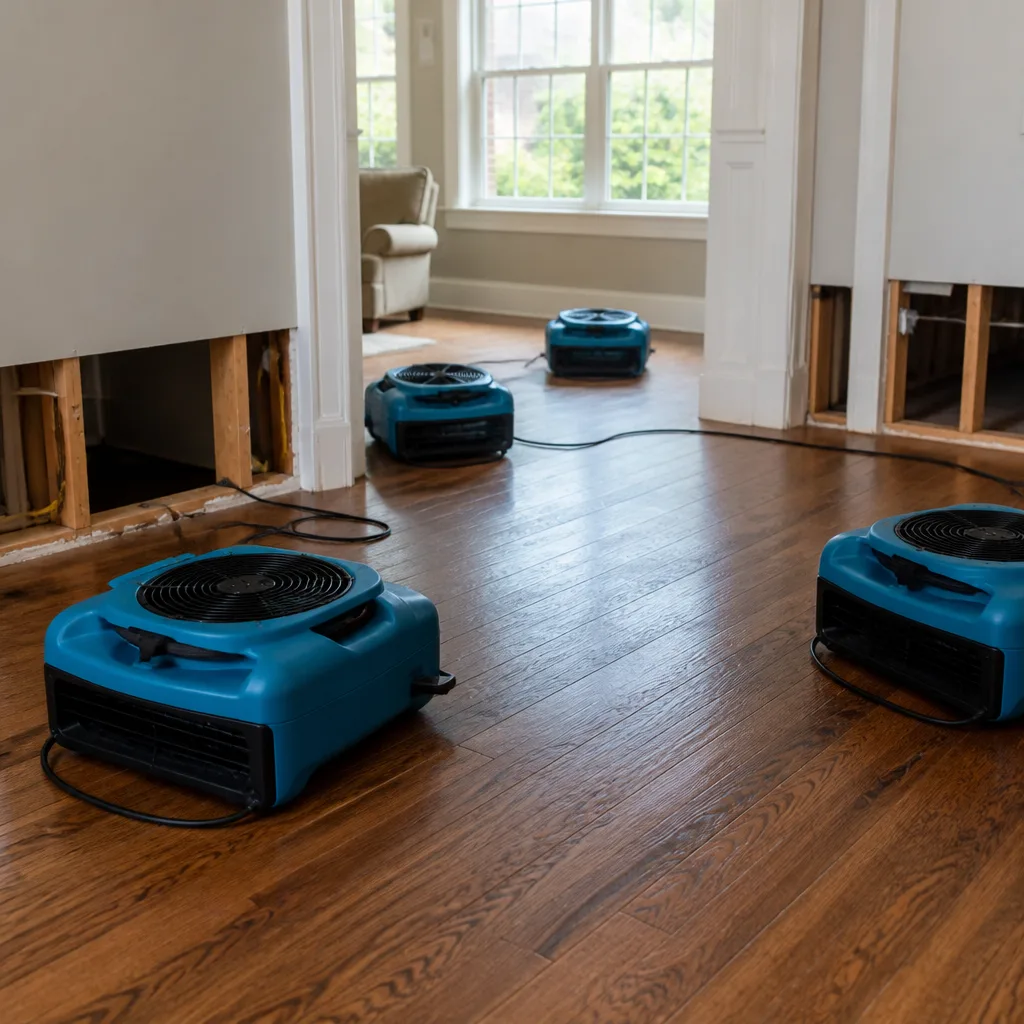
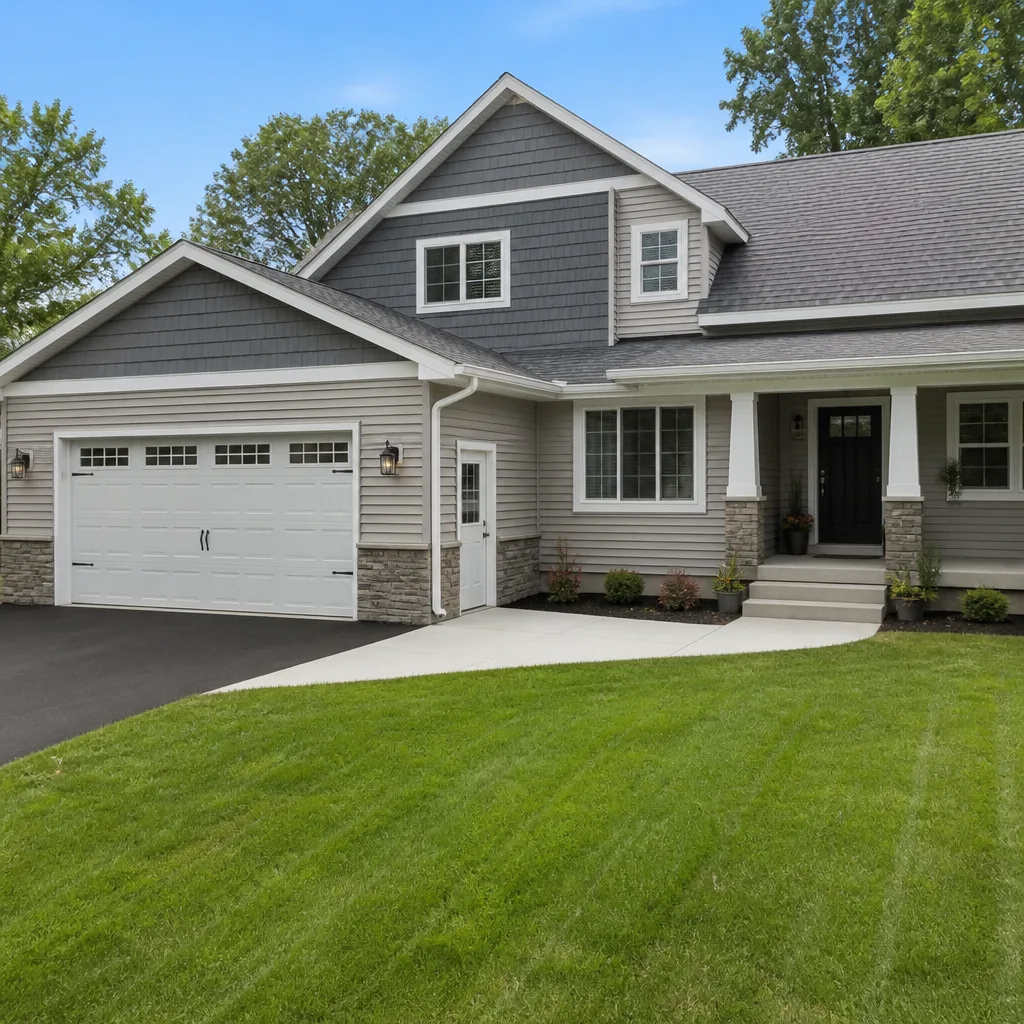
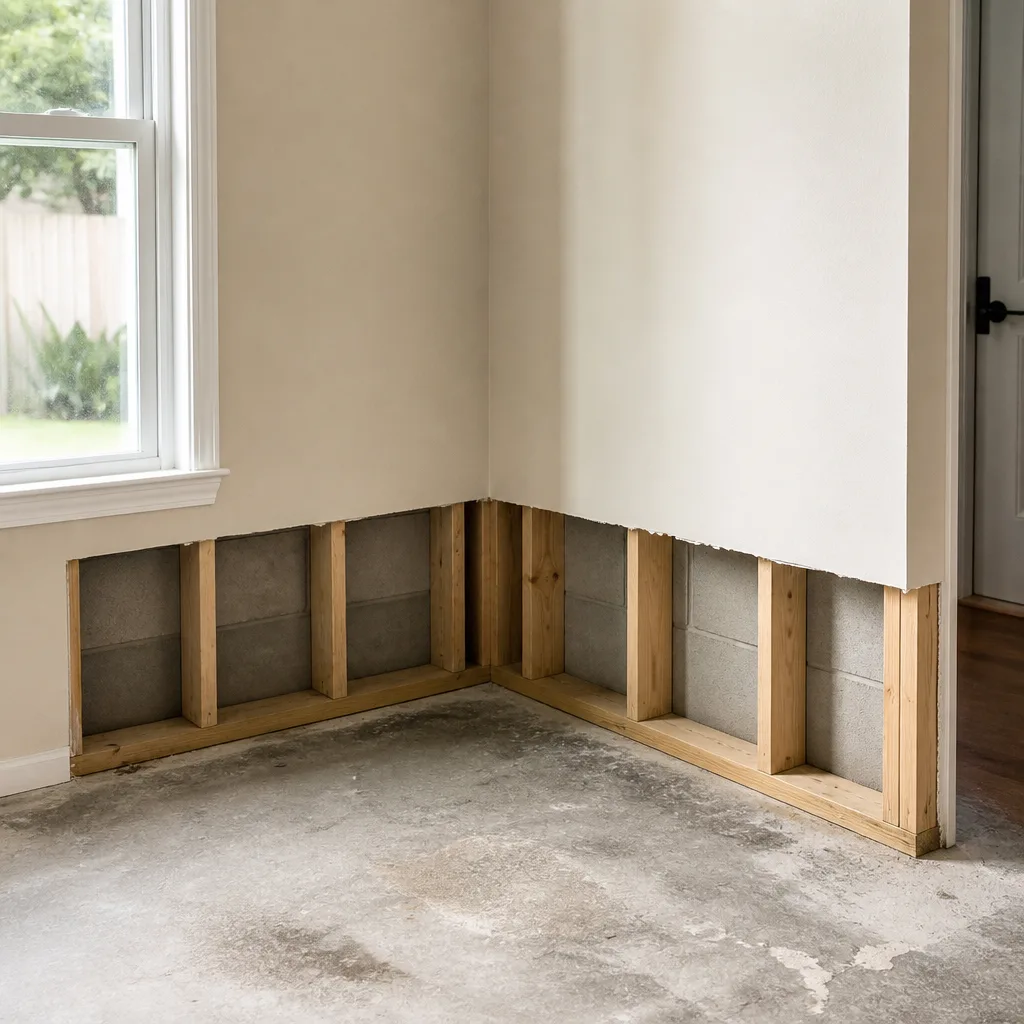
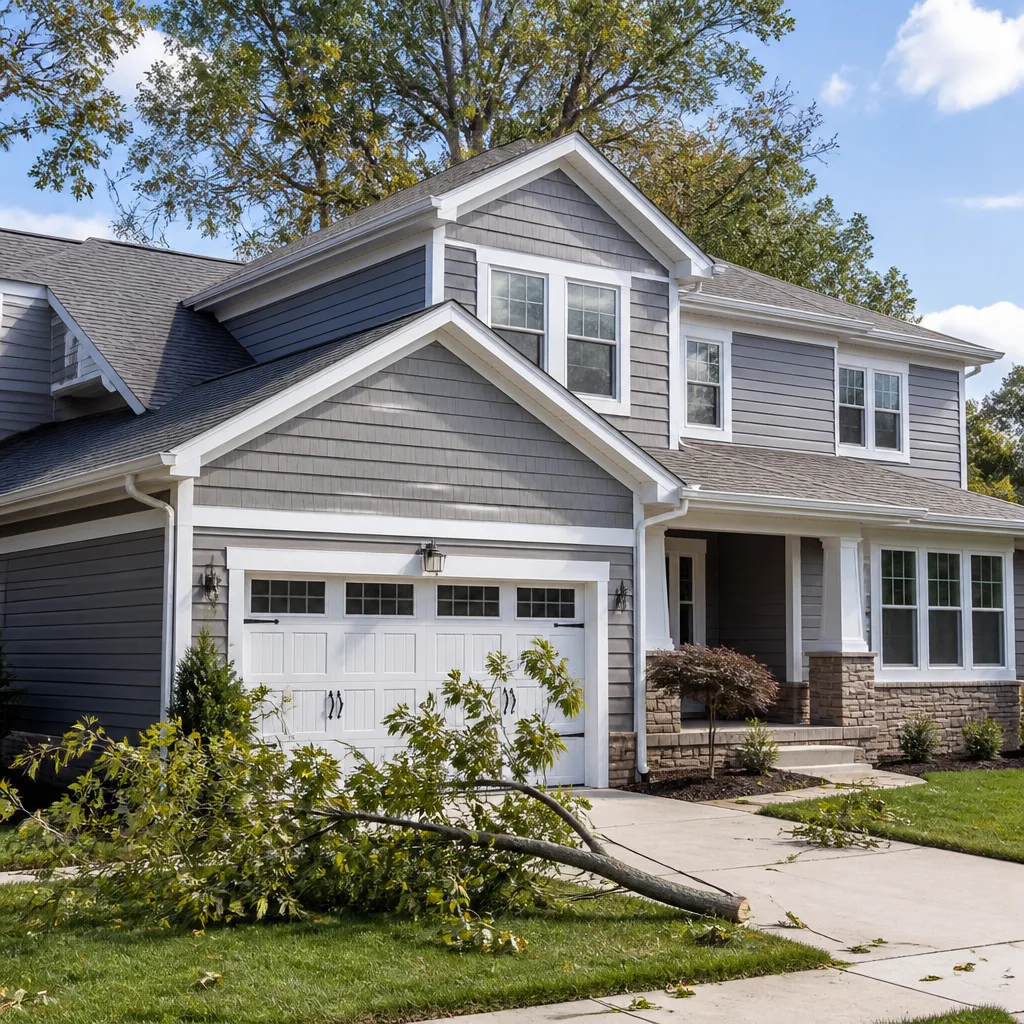
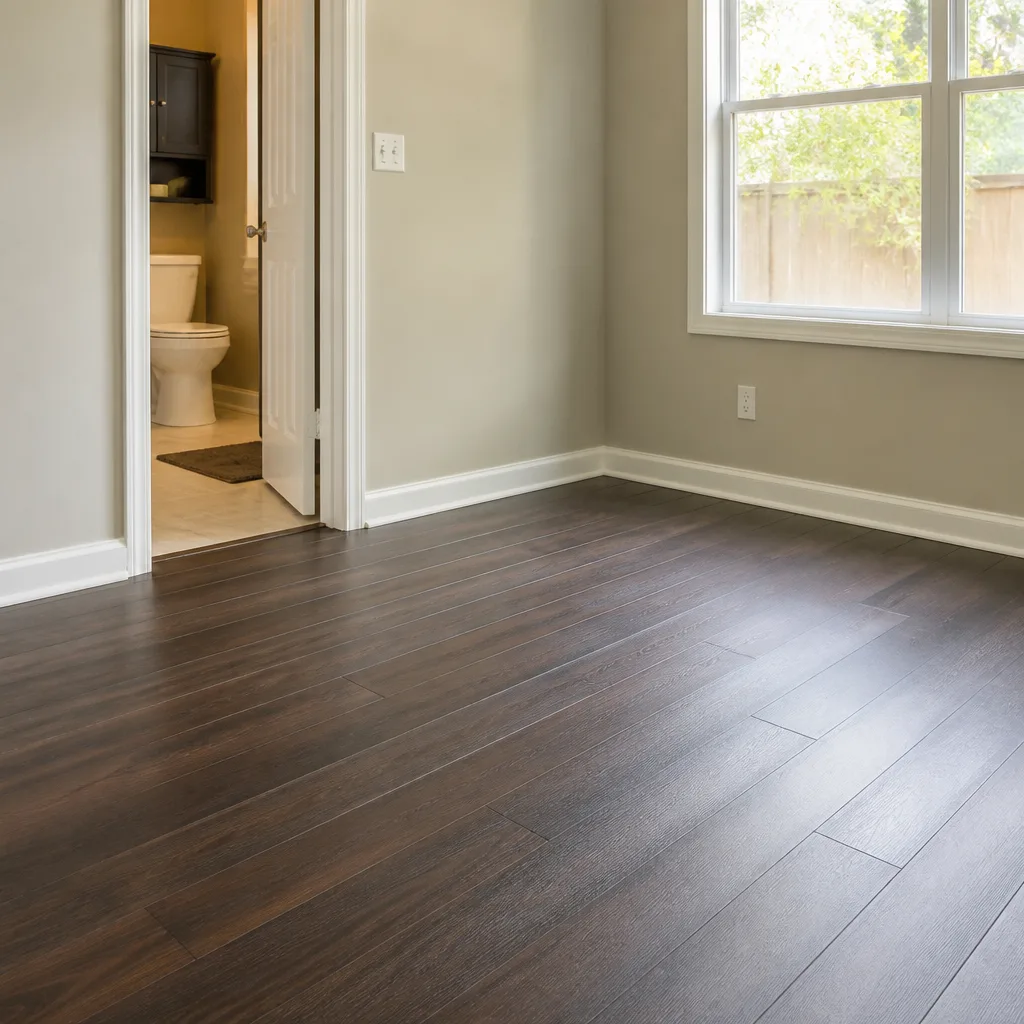
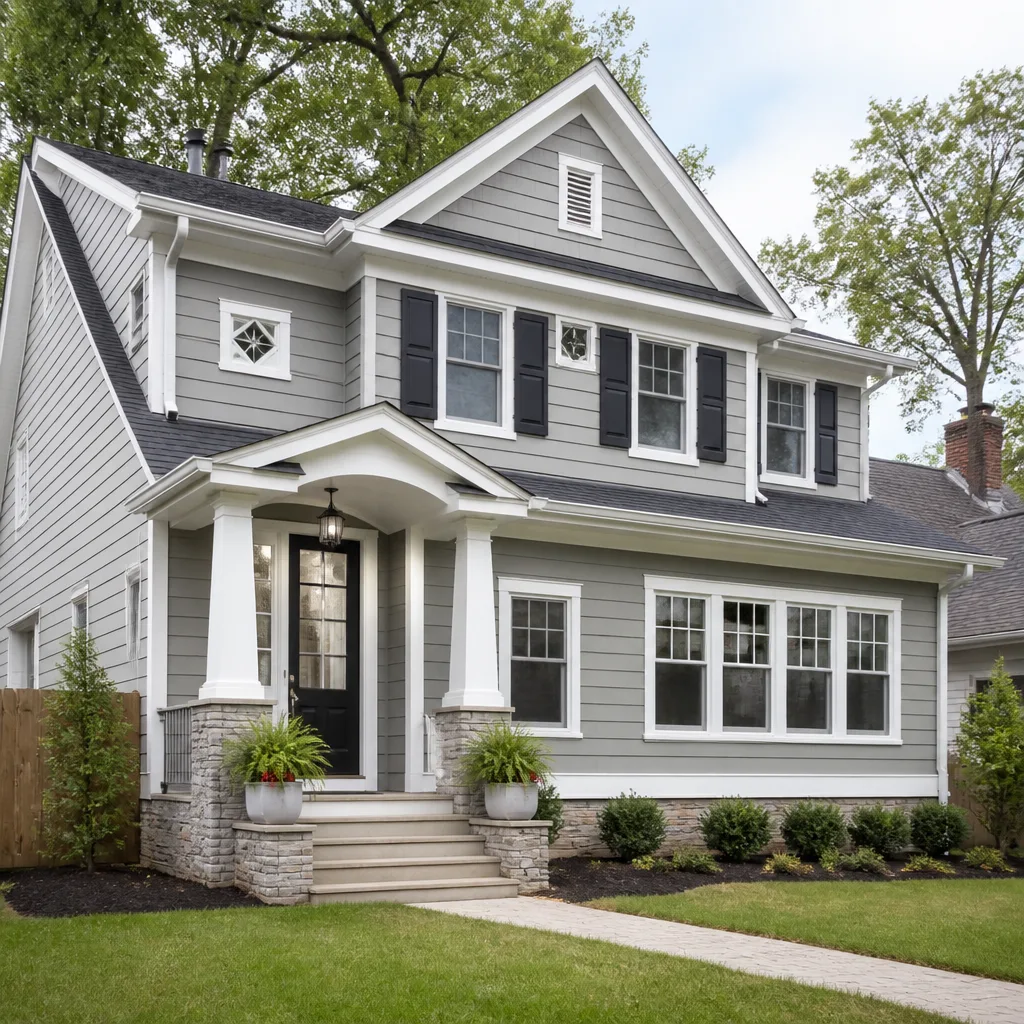
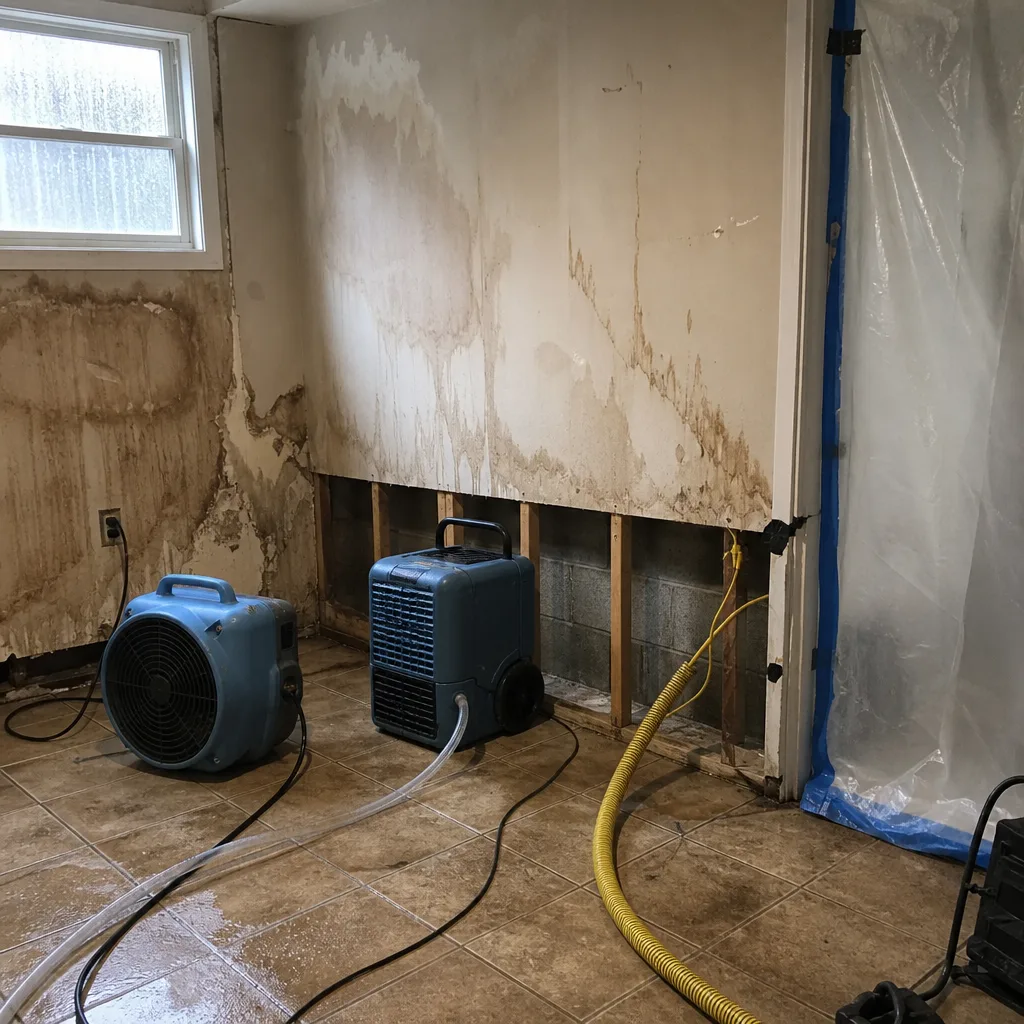 Before
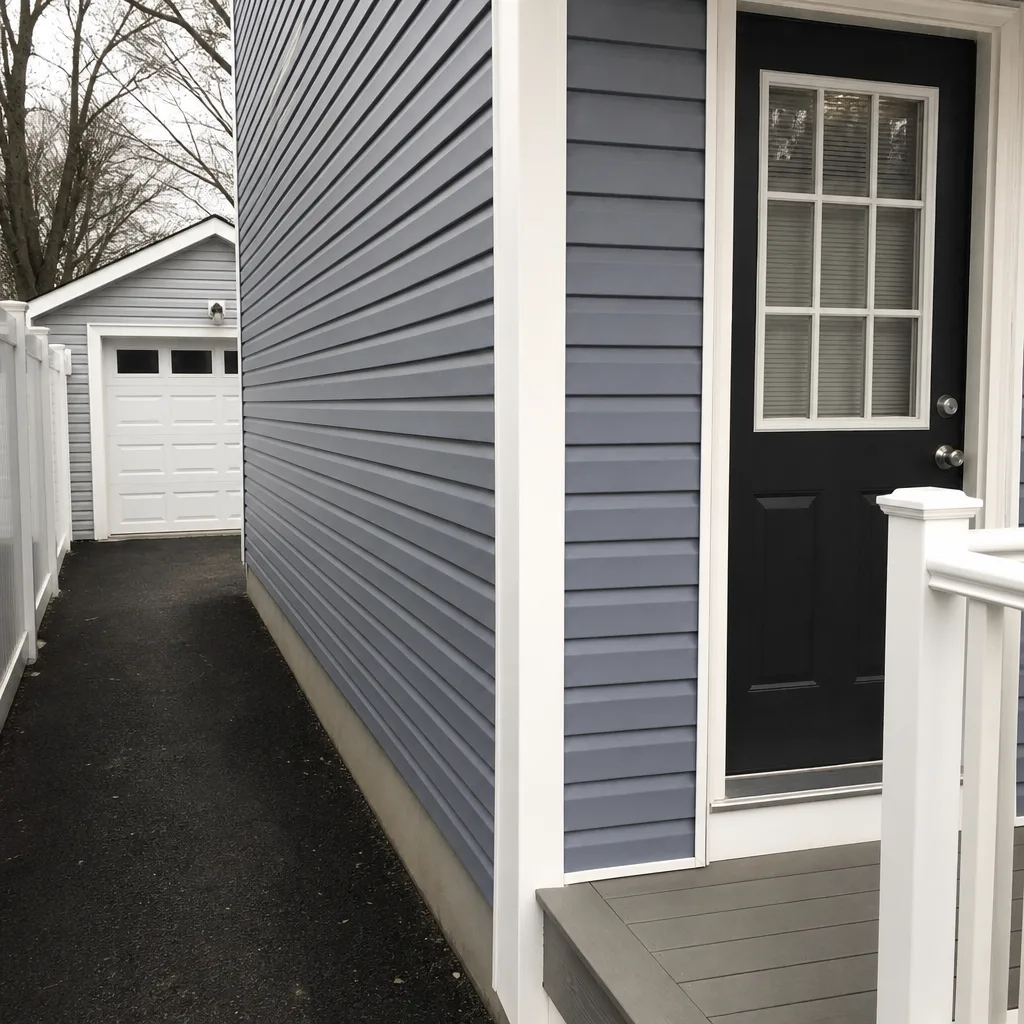 After
After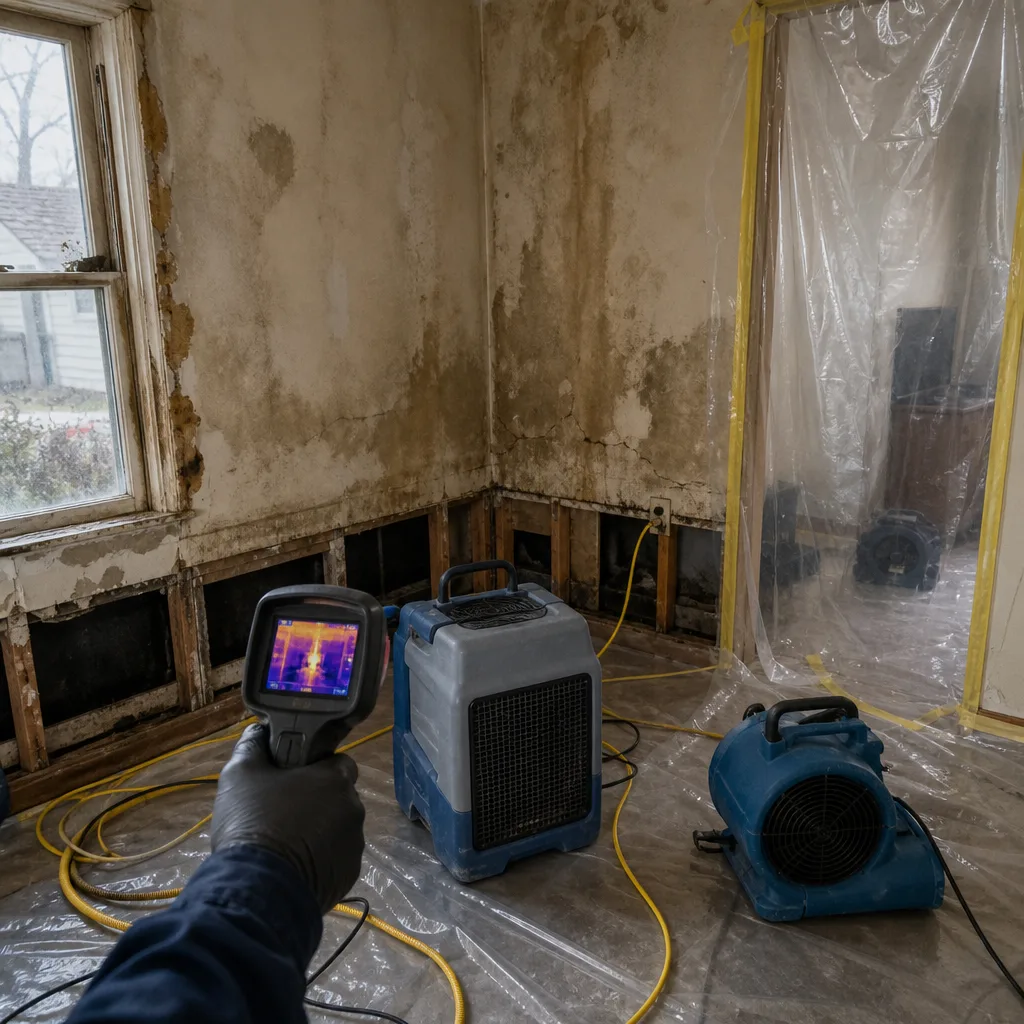 Before
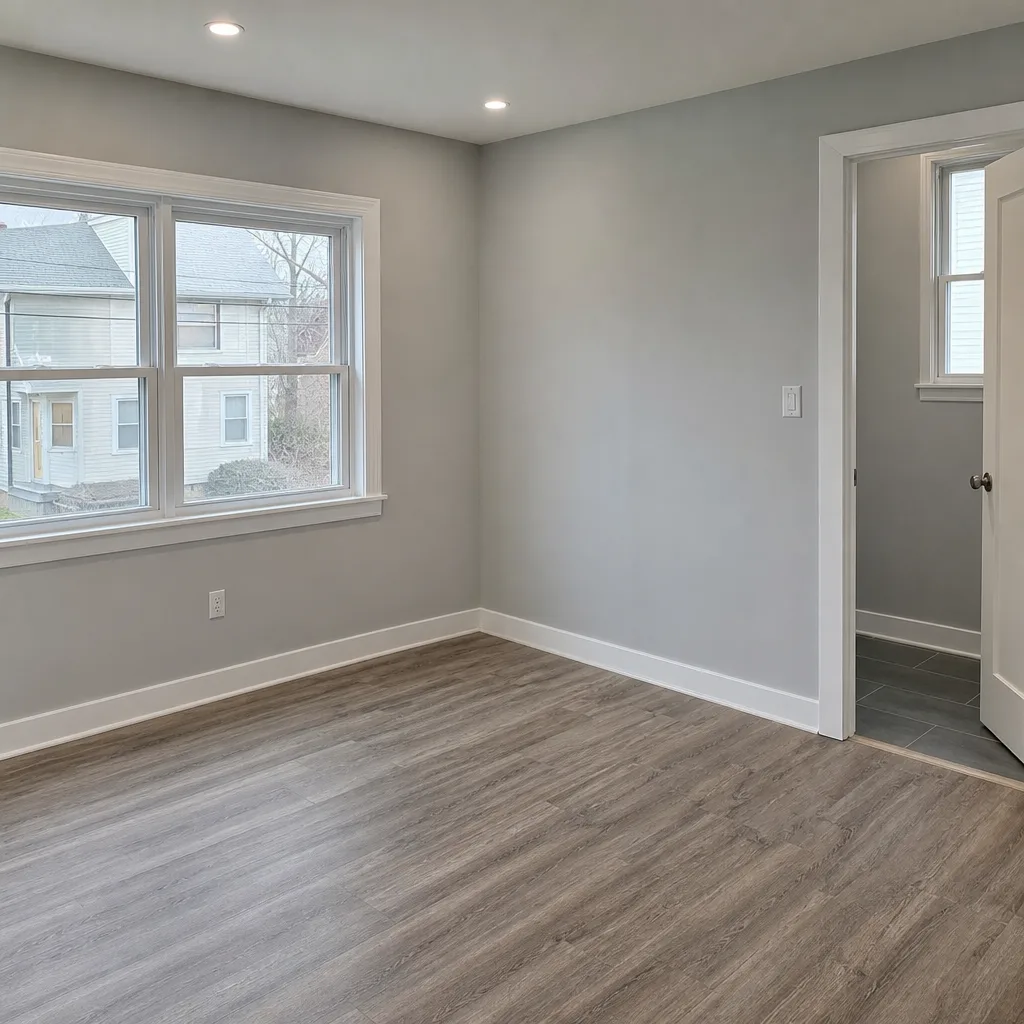 After
After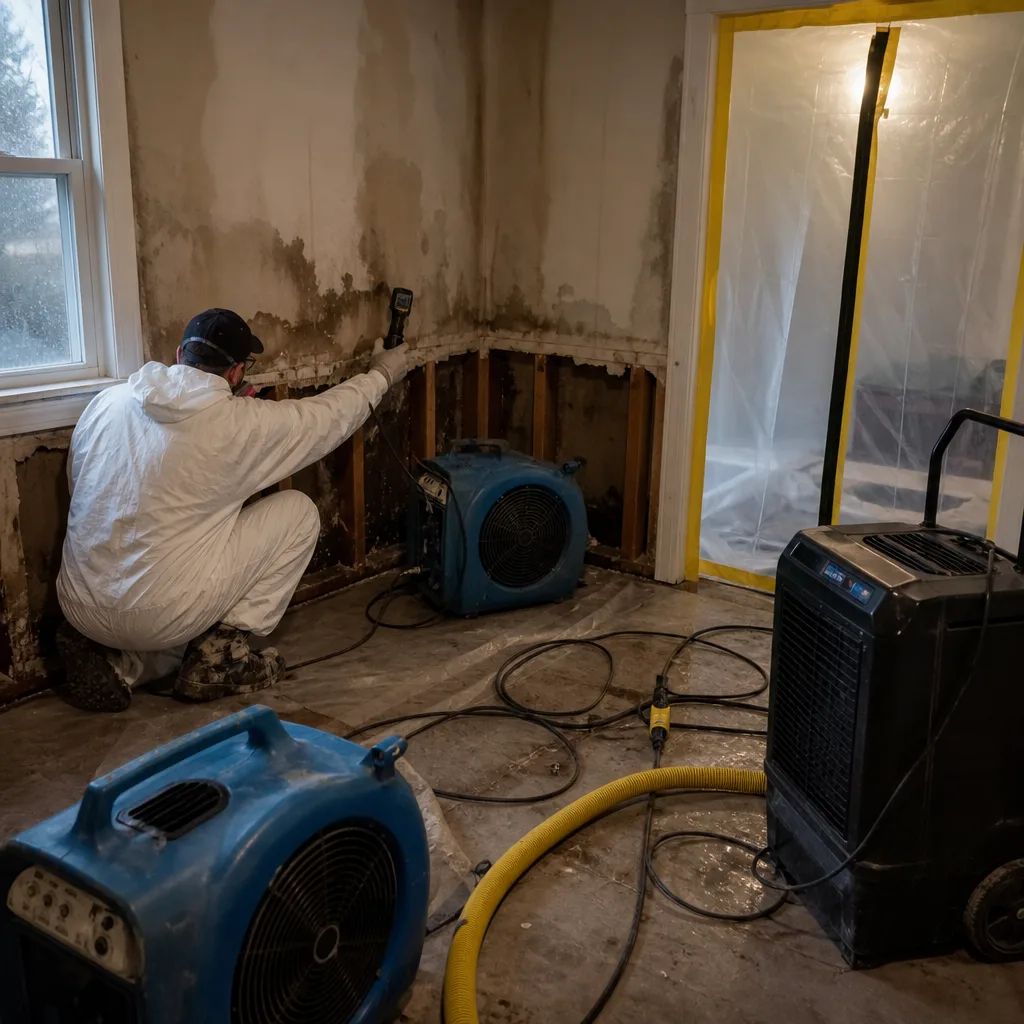 Before
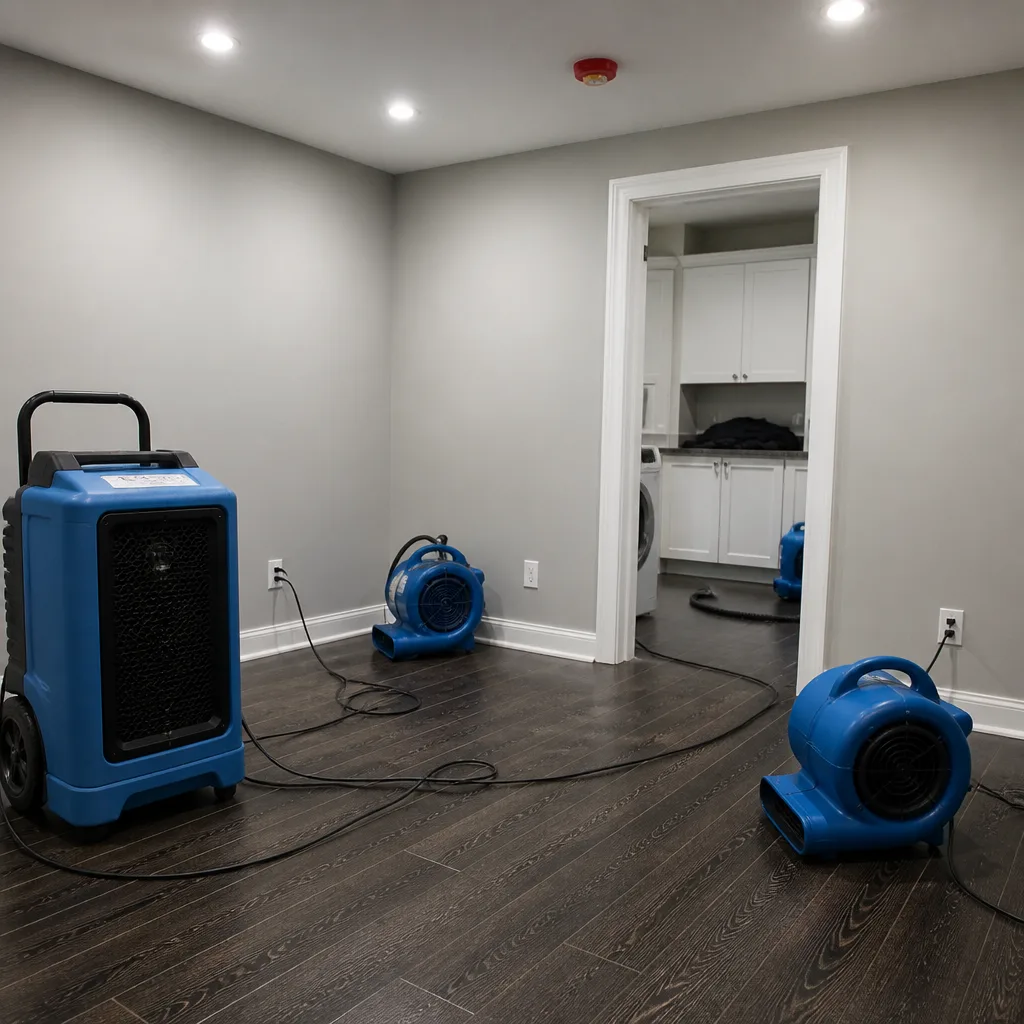 After
After24/7 Emergency Sewage Cleanup in Rutherford
Sewage backup in a Rutherford basement typically costs $1,800 to $4,200 to remediate, and the first hour determines whether you’re dealing with a contained spill or a full Category 3 contamination event. Our crews reach Rutherford properties fast, assess the damage with thermal imaging and moisture meters, and start extraction the same visit. Call (551) 373-5246 right now and you’ll speak with a live dispatcher, not a recording.
Rutherford’s position on the Passaic River floodplain means sewage backups here are rarely simple clogs. When the water table rises, raw waste gets pushed backward through floor drains and into basements that were never designed to handle hydrostatic pressure. We know what that looks like inside a 1920s Colonial Revival or a Craftsman bungalow near the western edge of the borough. The faster contaminated material comes out, the less of your home you lose to demolition.
Understanding Sewage Cleanup Severity in Rutherford Properties
Category 3 water, what the industry calls black water, contains pathogenic bacteria, viruses, and parasites from human waste. It is not the same as a clean water supply line burst or a sump pump overflow. When sewage backs up into a Rutherford basement, every porous surface it touches, carpet, drywall, insulation, wood framing, becomes a biohazard that must be removed or professionally sanitized. In pre-WWII homes with plaster-on-lath walls and balloon-frame construction, contamination migrates through wall cavities far deeper than it would in a modern stick-frame house.
Rutherford’s aging stone-and-mortar foundations complicate this further. Groundwater doesn’t just seep in during storms. It wicks upward through concrete and fieldstone constantly, keeping basement wall cavities perpetually damp. That chronic moisture means mold activates within 24 to 48 hours after any sewage event, not the 48 to 72 hours you’d expect in a dry, modern basement. We use moisture mapping to track exactly where water has traveled inside your walls, because in Rutherford, the visible puddle on the floor is rarely the whole story.
Why Rutherford Property Owners Choose Floodline Restoration Co.
- 45-minute response commitment: Our Rutherford crews are staged within the borough and neighboring Bergen County towns, so extraction typically starts within the first hour of your call.
- 24/7 live answer: A real person picks up at 2 a.m. on a Sunday. You’ll never leave a voicemail during a sewage emergency.
- IICRC-certified crews: Our technicians hold WRT and ASD certifications from the IICRC, plus RIA and IFA training, so the job is done to written industry standards.
- Free visual inspection: We assess the damage and document everything before any work begins, so you know the scope and cost upfront.
- Direct insurance billing: We bill your carrier directly and handle adjuster communication, so you’re never playing messenger.
- One team, start to finish: The same Floodline crew that extracts the sewage handles drying, sanitization, and reconstruction. No mid-job handoff, no inherited subcontractors.
Our Sewage Cleanup Process
Inspection & Assessment
We start with thermal imaging and moisture mapping to locate every area the sewage has touched, including hidden cavities inside plaster walls and under flooring. In Rutherford’s balloon-frame homes, this step is critical because water travels vertically through wall chases that don’t exist in modern construction.
Extraction & Stabilization
Using Dri-Eaz extraction equipment, we remove standing sewage and contaminated water from floors, crawl spaces, and wall cavities. The sooner this happens, the less contaminated material has to be cut out and replaced.
Drying & Dehumidification
We set up air movers and dehumidifiers sized to your space, then log moisture readings daily until your home reaches the dry standard. In pre-WWII plaster construction, this takes longer than in modern drywall homes, and we account for that from day one.
Cleaning & Sanitization
All affected surfaces get antimicrobial treatment and HEPA-vacuumed. We remove contaminated drywall, insulation, carpet, and any porous material that cannot be properly sanitized, including material behind finished walls where hidden contamination lurks.
Crawl Space Sewage Removal
Rutherford’s older homes often have shallow, confined crawl spaces where sewage pools and saturates the dirt floor. We extract, remove contaminated soil, and treat the entire space before installing vapor barriers and drying equipment.
Repairs & Restoration
Once the space is dry and verified clean, Floodline rebuilds what was removed through our Reconstruction & Cleanup in Rutherford. Same crew, same standards. Every job is backed by the 90-Day Done Right Promise, in writing.
Need Emergency Sewage Cleanup in Rutherford Now?
Crews minutes away, answering live 24 hours a day. The sooner we start, the less it costs.
Working With Your Insurance Company
Most Rutherford homeowners have coverage for sudden sewage backup under their standard policy, though older policies sometimes require a specific rider. We document everything from the first hour: photos of every affected room, moisture readings, drying logs, and a line-item scope of work written to industry standards. Our team communicates directly with your adjuster, so you’re not stuck translating restoration terminology or negotiating line items on your own.
Curt Bowman built Floodline Restoration Co. around the principle that the homeowner should never play messenger between the restoration crew and the insurance carrier. We bill your insurer directly and provide every document they need to process the claim promptly. A square deal, no surprises on the bill.
What We Provide Your Insurer
- Thorough documentation of the loss
- Photos of all damage, room by room
- Moisture readings and drying logs
- A detailed, line-item scope of work
- Direct coordination with your carrier
Built for Rutherford’s Loss Calendar
Rutherford’s sewage backup season doesn’t follow a single pattern. Late winter brings frozen ground and occasional deep freezes that crack old cast-iron sewer laterals under front yards along Union Avenue and Park Avenue. Spring thaw saturates soil already swollen from Bergen County’s 47 inches of annual precipitation, pushing groundwater up against foundation walls. Summer thunderstorms drop three inches of rain in an hour, overwhelming the borough’s combined storm and sanitary lines near the Meadowlands. And when the Passaic River rises after heavy upstream rain, the western blocks of Rutherford watch their floor drains closely.
The homes most at risk are the pre-WWII Victorians and Colonial Revivals with original plumbing stacks and fieldstone foundations. If you live near the river side of town, a sewage backup isn’t an if, it’s a when. We keep response crews staged in Rutherford throughout the year because we know the calendar here. A backup during a nor’easter and a backup during a July thunderstorm require the same fast extraction, but the drying strategy changes with the season. Cold air holds less moisture. Summer humidity slows evaporation. We adjust accordingly.
Sewage Cleanup Across Rutherford’s Neighborhoods
The western edge of the borough, from the blocks along Riverside Terrace down toward the Passaic, sees the most severe hydrostatic backups. These homes sit closest to the river, and the water table there is often just a few feet below the basement slab. On Park Avenue near the train station, older commercial storefronts with residential units above deal with aging shared waste lines that date back decades, and Rutherford Commercial Restoration requires specialized expertise. The Ridgely sections around Union and Chestnut have a mix of pre-war bungalows with shallow crawl spaces that flood during even moderate storms. And up near the high school and the Lyndhurst border, split levels and ranch homes built in the 1950s and 60s have their own issues: cast-iron laterals that have reached the end of their service life.
Each area responds differently. The riverward Colonials need aggressive extraction and long structural drying cycles because plaster walls hold moisture for weeks. The crawls under the Ridgely bungalows need soil removal and vapor barrier work, not just water extraction. We know these blocks. We know the building types. And we plan each job for the specific house, not a generic template.
Our Sewage Cleanup team has spent years working in Rutherford, and that local knowledge changes how we approach every stage of the job.
Specialized Sewage Cleanup Services We Offer in Rutherford
Sewage Backup Cleanup
Backup through floor drains and basement toilets is the most common emergency we handle in Rutherford. We extract standing waste, remove contaminated materials, treat hidden cavities, and dry the space to the written standard. When the backup comes from a municipal sewer surcharge during river flooding, we also coordinate with borough authorities to confirm the source before submitting your claim.
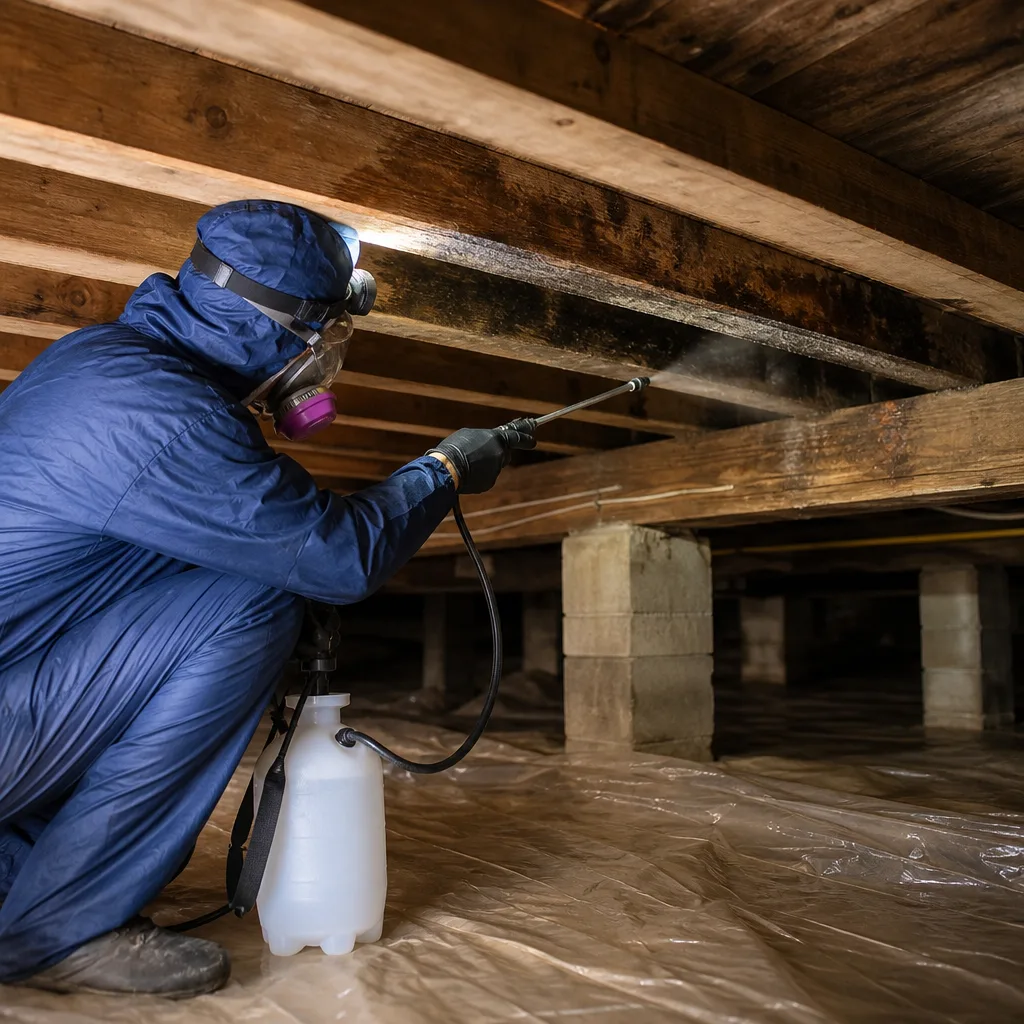
Toilet Overflow Cleanup
A toilet overflow in a Rutherford bathroom can send Category 3 water behind baseboards, under tile, and into the ceiling cavity below. We contain the affected area, remove saturated drywall and flooring, sanitize exposed framing, and dry the structure completely before any rebuilding starts. The 90-Day Done Right Promise covers every toilet overflow job.
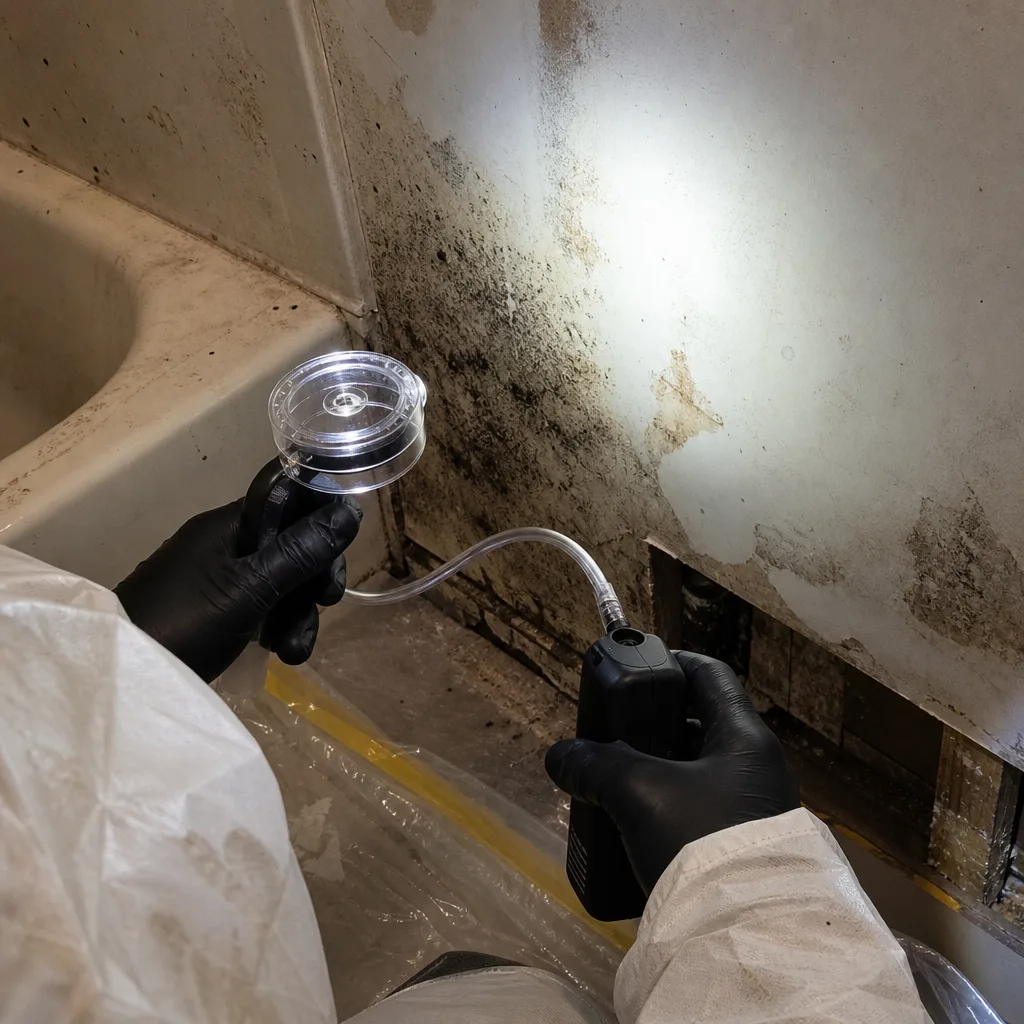
Septic Failure Cleanup
Rutherford’s oldest homes, particularly those along the riverward blocks, still have septic systems in some spots. When a leach field fails or a tank cracks, raw sewage can back up into the house or saturate the yard. We handle the interior cleanup, coordinate with your septic contractor, and provide full documentation for your insurance carrier.
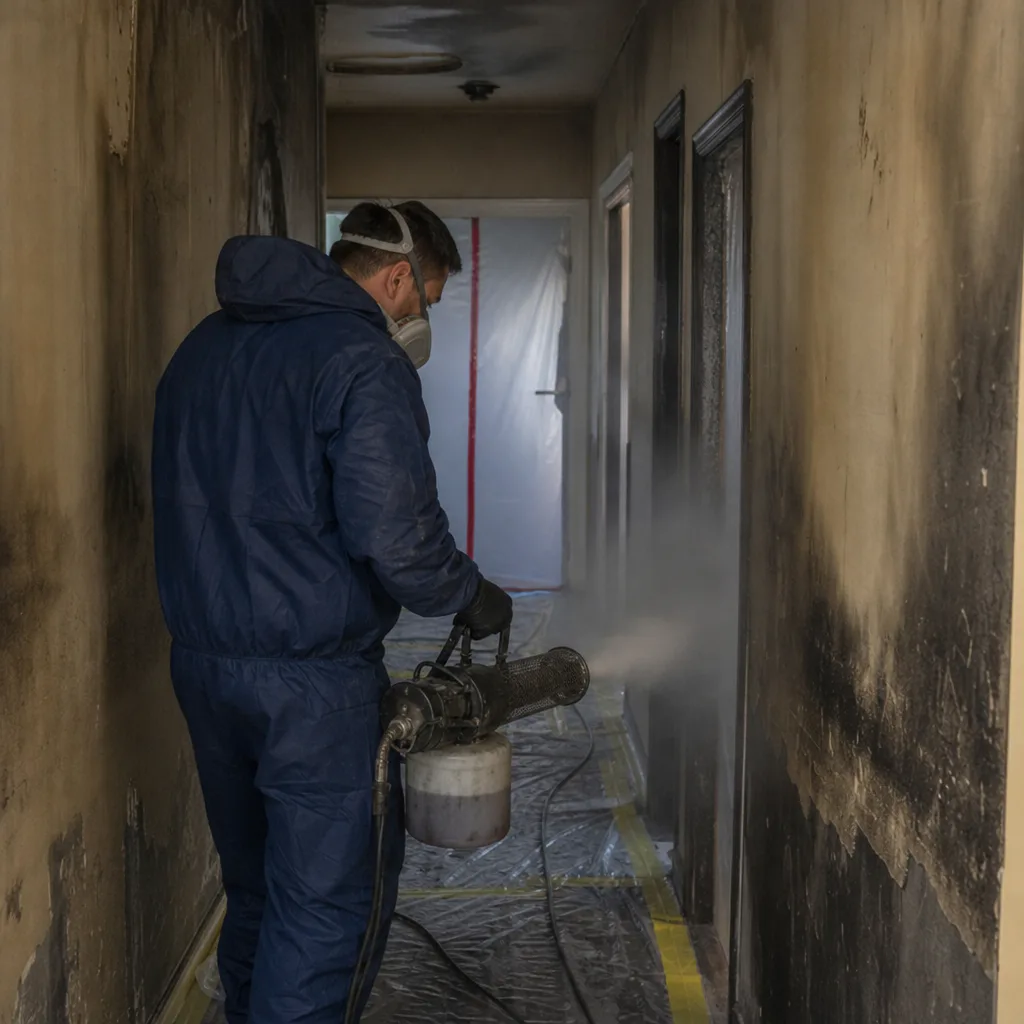
Black Water Extraction
Category 3 extraction requires equipment rated for contaminated water and technicians trained to handle biohazards safely. Using Dri-Eaz extractors and proper PPE, our crews remove black water from basements, crawl spaces, and wall cavities, then treat all affected surfaces with EPA-registered antimicrobials. In Rutherford’s pre-war homes, we also open wall cavities to check for contamination that traveled behind the plaster.
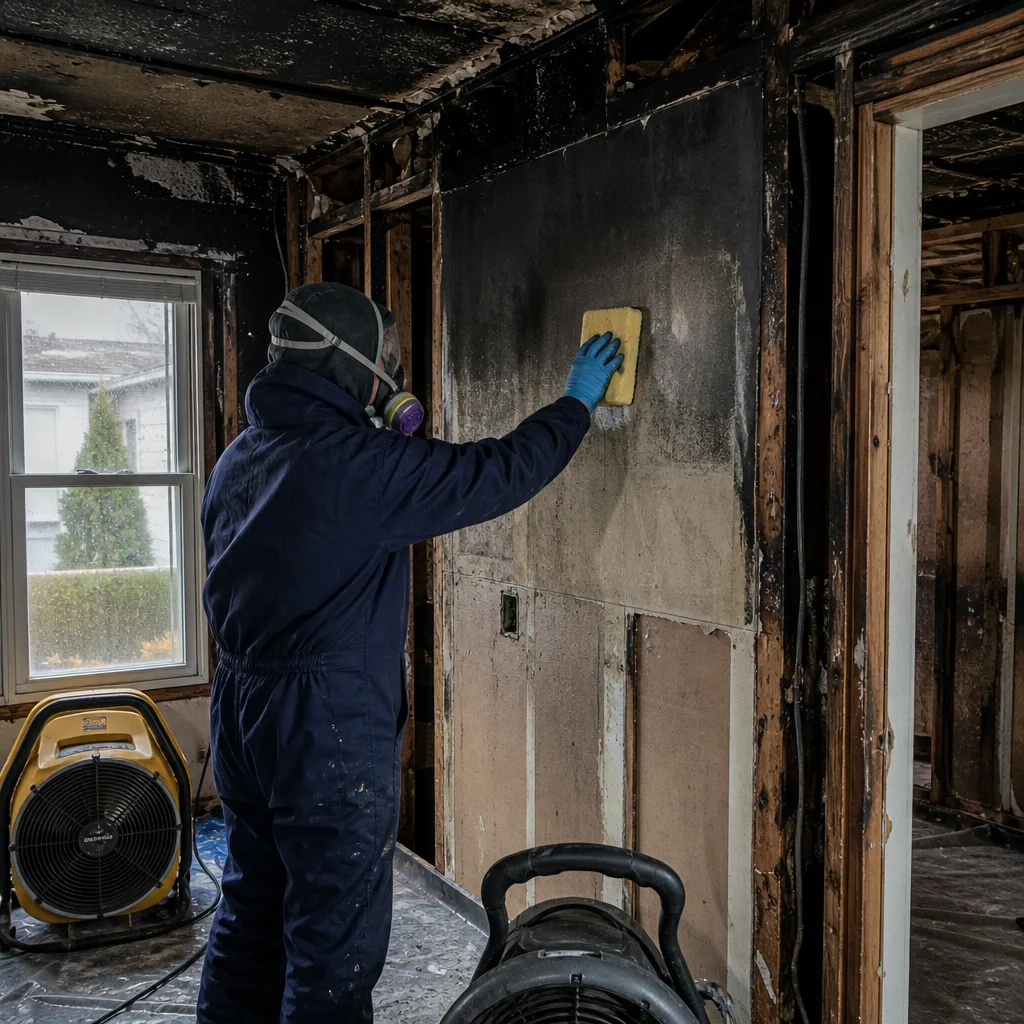
Sanitization & Disinfection
After extraction and demolition, every surface in the affected area gets treated, HEPA-vacuumed, and verified clean. We record antimicrobial applications and provide a written Sanitization Services in Rutherford report to your insurer. No shortcuts. No bleach-and-paint cover-ups.
What happens when you call
- 1
A real person answersNo phone trees - you reach a local pro.
- 2
You get an upfront price rangeHonest numbers before anyone is dispatched.
- 3
A background-checked tech heads outLicensed & insured, dispatched right away.
- 4
You approve before work beginsNothing starts until you say go.
Sewage Cleanup Costs in Rutherford, NJ
Here’s what Rutherford homeowners can expect to pay in 2026. A contained toilet overflow that’s caught within hours and doesn’t penetrate walls runs $800 to $1,500. A standard basement sewage backup with extraction, some drywall removal, sanitization, and drying typically costs $1,800 to $3,500 depending on square footage and how long the water sat. A hydrostatic backup that saturates plaster walls, a crawl space, and built-in storage in a pre-war Colonial runs $4,000 to $8,000 or more, because we’re removing contaminated material from wall cavities, not just the finished surfaces. Full reconstruction after removal is priced separately once we see what framing needs replacing.
The fastest way to a firm number is a free visual inspection. We document everything, write a line-item scope, and you know the cost before any work begins. Call (551) 373-5246 and we’ll be there.
We Also Serve Cities Near Rutherford
Our sewage cleanup crews respond throughout Bergen County including East Rutherford, Carlstadt, Lyndhurst, and North Arlington. Same response time, same standards, same written guarantee.
Rutherford Sewage Cleanup Questions, Answered
How can I tell if a sewage backup in my Rutherford basement is from a clog or from hydrostatic pressure?
If the backup happens during heavy rain or rising river levels and involves multiple drains backing up simultaneously, it’s likely hydrostatic pressure. A clog typically affects one fixture and doesn’t correlate with weather. We’ll diagnose the source during our inspection by checking drain flow, water levels, and the pattern of saturation.
Why does my Rutherford home keep getting sewage backups every time the Passaic River rises?
Homes on the borough’s western side sit directly over a high water table. When the river rises, groundwater presses against your foundation and into cracked or porous stone-and-mortar walls, carrying sewage from overwhelmed municipal lines with it. The fix isn’t just cleaning up: you need a drainage or waterprooofing solution at the foundation level to prevent recurrence. We can coordinate both.
What should I do if I find old mold behind my drywall after a sewage backup in a Rutherford home?
Stop removing the drywall further. Disturbing old mold releases spores into the air. Call us immediately. We’ll set up containment, run HEPA air scrubbers, and remove the contaminated material safely. In Rutherford’s pre-war homes, this old mold often predates your ownership by years, and standard cleanup methods won’t touch it. You need certified remediation, not a bleach scrub. Call (551) 373-5246 and we’ll assess it within hours.
Are there special permit or code requirements for sewage cleanup in Rutherford’s historic homes?
Structural demolition and reconstruction in Rutherford does require building permits from the borough, particularly if you’re opening walls or replacing framing in a pre-WWII home. The borough treats these structures carefully. We handle the permit paperwork for any demolition or rebuild work, and we coordinate with the Rutherford building department so you don’t have to.
How long does structural drying take in an old Rutherford basement after sewage extraction?
Plaster-on-lath walls and balloon-frame construction extend drying times significantly compared to modern drywall homes. Where a standard drywall basement might dry in 3 to 4 days, a pre-WWII Rutherford basement with plaster walls typically takes 5 to 10 days, sometimes longer if humidity is high. We log daily moisture readings and won’t remove equipment until the dry standard is met, no exceptions.
How fast can a crew actually reach my Rutherford home?
Most Rutherford calls get a crew on site within 45 minutes. We keep response vehicles staged around Bergen County because we serve Rutherford daily and know the traffic patterns on Park Avenue, Union, and Orient Way. Sewage damage spreads fast, and an hour can mean the difference between replacing a section of drywall and gutting half your basement.
Will my insurance cover sewage backup cleanup in Rutherford?
Most standard homeowners policies cover sudden and accidental sewage backup from a clog or mechanical failure. Flood-related surcharge from the Passaic River may require separate flood insurance depending on how your policy is written. We document everything in insurance-industry format and communicate directly with your adjuster, so you get a straight answer on coverage without the runaround.
Can we stay in our Rutherford home during sewage cleanup?
If the backup is contained to a basement or crawl space and we can seal the affected area with proper negative air pressure, you can usually stay upstairs. If contamination reaches living spaces, forced air systems, or your home’s only bathroom, we’ll recommend temporary relocation and document the loss for your insurer. Your health matters more than any cleanup timeline.
Serving Rutherford, NJ - Our Local Coverage Area
We’re based in the Rutherford area and know this community well. Use the map below to see our service coverage - if you’re nearby, we can almost certainly help.
The Rutherford Foundation Problem Other Companies Miss
Here’s what we’ve learned after years of sewage work in Rutherford. The borough’s pre-WWII housing stock sits on stone-and-mortar and early poured-concrete foundations that were never designed to resist hydrostatic pressure. Groundwater moves through these foundations the way water moves through a sponge. When the Passaic runs high, the water table rises under the western blocks of the borough, and that pressure pushes raw sewage backward through cracked laterals, failed cleanouts, and floor drains. It’s not that your plumbing failed. It’s that the ground beneath your house is pushing waste in.
This is why standard cleanup methods fail here. A franchise crew might extract the standing water, spray some disinfectant, and call it done. Then the next moderate rain event brings the same backup, because nobody addressed the foundation. Our approach starts with containment and extraction, but we also document hidrostatic entry points, recommend proper waterprooofing solutions, and coordinate with foundation contractors so the cleanup we do isn’t masking a recurring problem. The line the water left is where we start. The foundation that let it in is where the real work happens.
We responded to a sewage backup in a 1920s Colonial Revival near the western edge of the borough where a finished basement had been bleached, re-drywalled, and re-carpeted by a previous owner after Sandy. Our crew cut open the wall and found Category 3 black water had saturated the plaster-and-lath cavity behind it, with active mold colonies that predated the current homeowner’s tenure by over a decade. Using Dri-Eaz extraction and moisture mapping, we removed all contaminated material, applied antimicrobial treatment, and set up structural drying with air movers until moisture readings returned to pre-loss condition.
That’s the Rutherford story we see over and over. Previous water loss, quick bleach job, new drywall, new carpet, and the next backup activates mold that was never addressed. If you suspect your basement has hidden contamination behind finished walls, call us before you rip anything open. Disturbing old mold without proper containment sends spores through your entire house. We’ll set up the right containment, remove the contaminated material, and document everything for your insurer.
Materials and Methods for Pre-War Construction
Modern drying charts don’t apply to Rutherford’s 1890s Victorians or 1920s bungalows. Plaster holds moisture differently than drywall. Balloon framing channels water vertically through wall cavities in ways platform framing never does. Old-growth wood framing absorbs and releases moisture at different rates than the fast-grown lumber used in modern construction. We adjust our drying plans to the actual materials in your home, not the generic numbers on a chart. That means longer drying times, more air movers in wall cavities, and daily moisture readings until we’re certain the structure is dry, not just the surface.
Sanitization on porous old materials requires the same care. Antique wood trim, original stair stringers, and early poured concrete all respond differently to antimicrobial treatments. We choose products that clean effectively without destroying the historic character of your home. If a material can’t be saved, we tell you honestly and document why. No guessing. No shortcuts.
Direct Insurance Billing, No Games
Insurance claims for sewage backup in Rutherford work best when the restoration contractor and the adjuster speak the same language. Our line-item scopes use industry-standard pricing that carriers recognize. Our moisture logs show exactly when each area reached the dry standard. Our photos document every step, from first extraction to final clearance testing. When you hire Floodline, you’re not just getting a cleanup crew. You’re getting an advocate who knows how to file a sewage claim properly, in Rutherford, with the carriers that write most policies in Bergen County.
We bill your carrier directly. If there’s a dispute over a line item, we handle it. If the adjuster needs additional documentation, we provide it. You have enough to deal with without becoming a full-time claims negotiator. We’ve handled thousands of sewage claims in North Jersey, and we know what carriers require, what they question, and what they approve.
Call (551) 373-5246 for a free estimate and a straight answer about your situation. You’ll speak to a live person, any hour, any day. And every job we do is backed by the 90-Day Done Right Promise, in writing, no fine print. If it’s not done right, we make it right. That’s the Keystone Standard.
Written by Curt Bowman, Owner at Floodline Restoration Co., serving Rutherford with certified sewage cleanup and restoration.