
Last updated August 25, 2026
Free visual inspection and a written scope of work before any mitigation begins - photos, moisture readings, and drying logs go in your claim file
The scope we write is the scope we bill. Anything new gets shown to you, in writing, before we touch it.
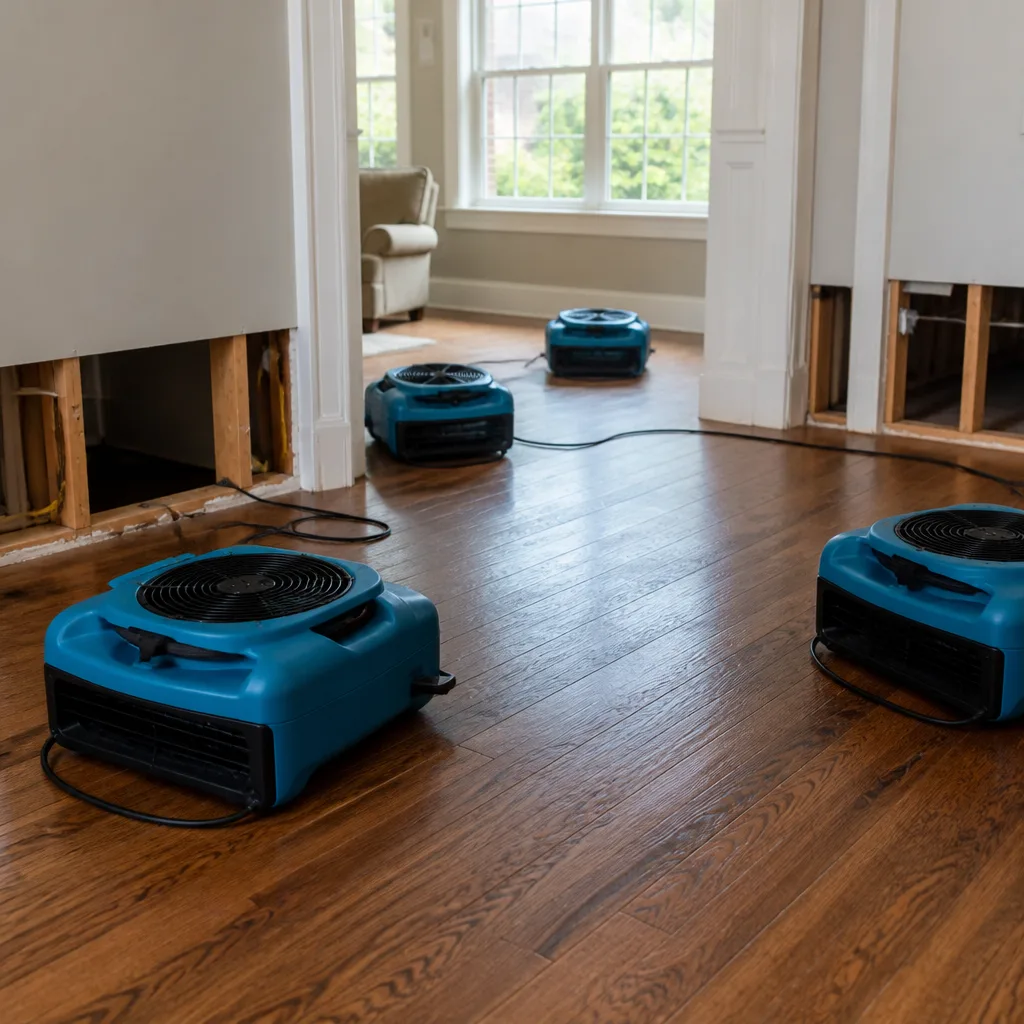

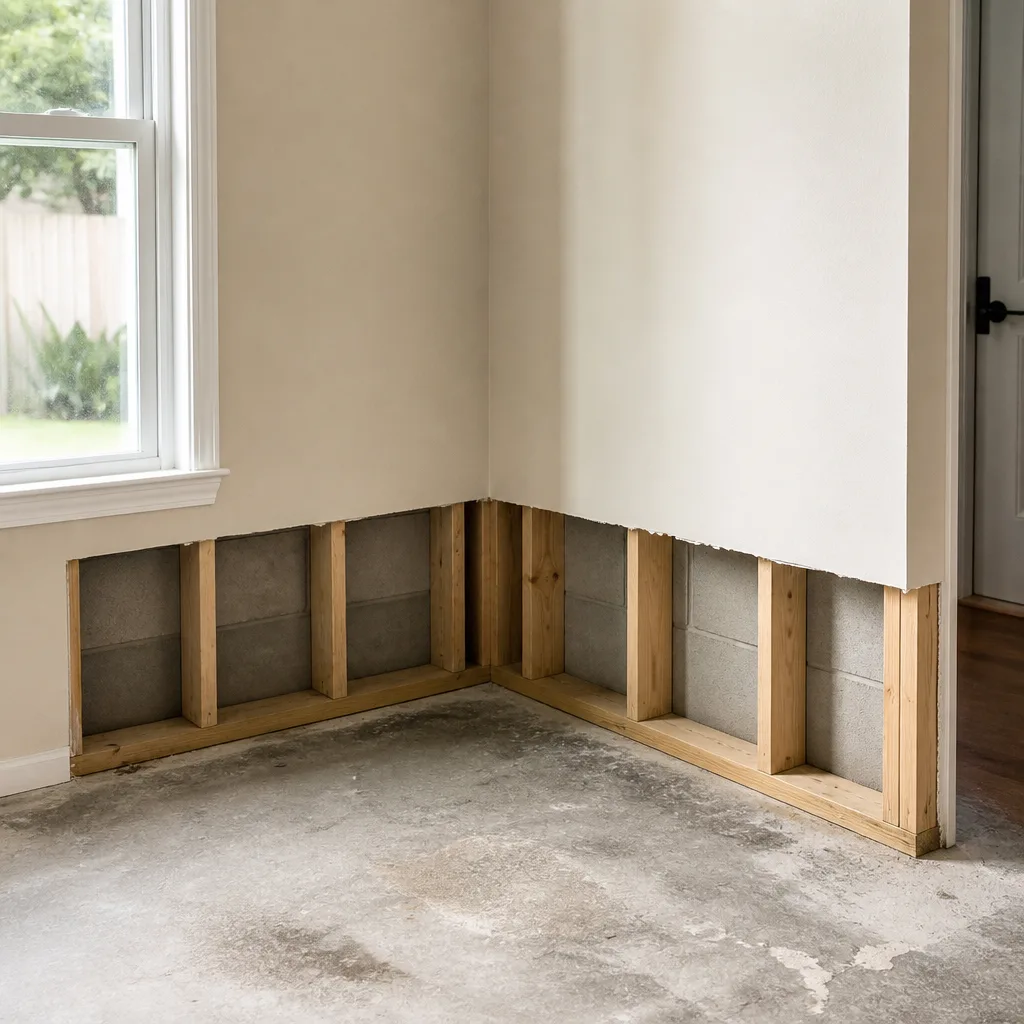



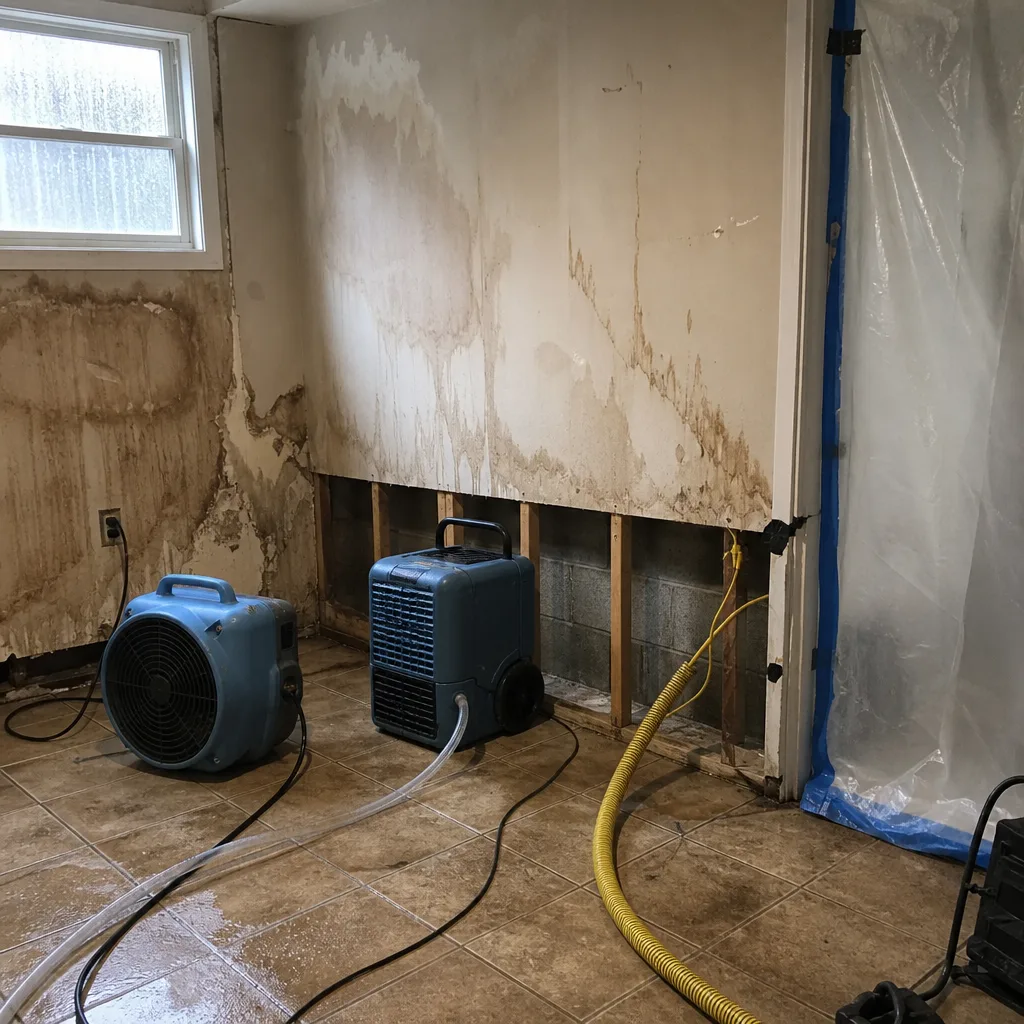 Before
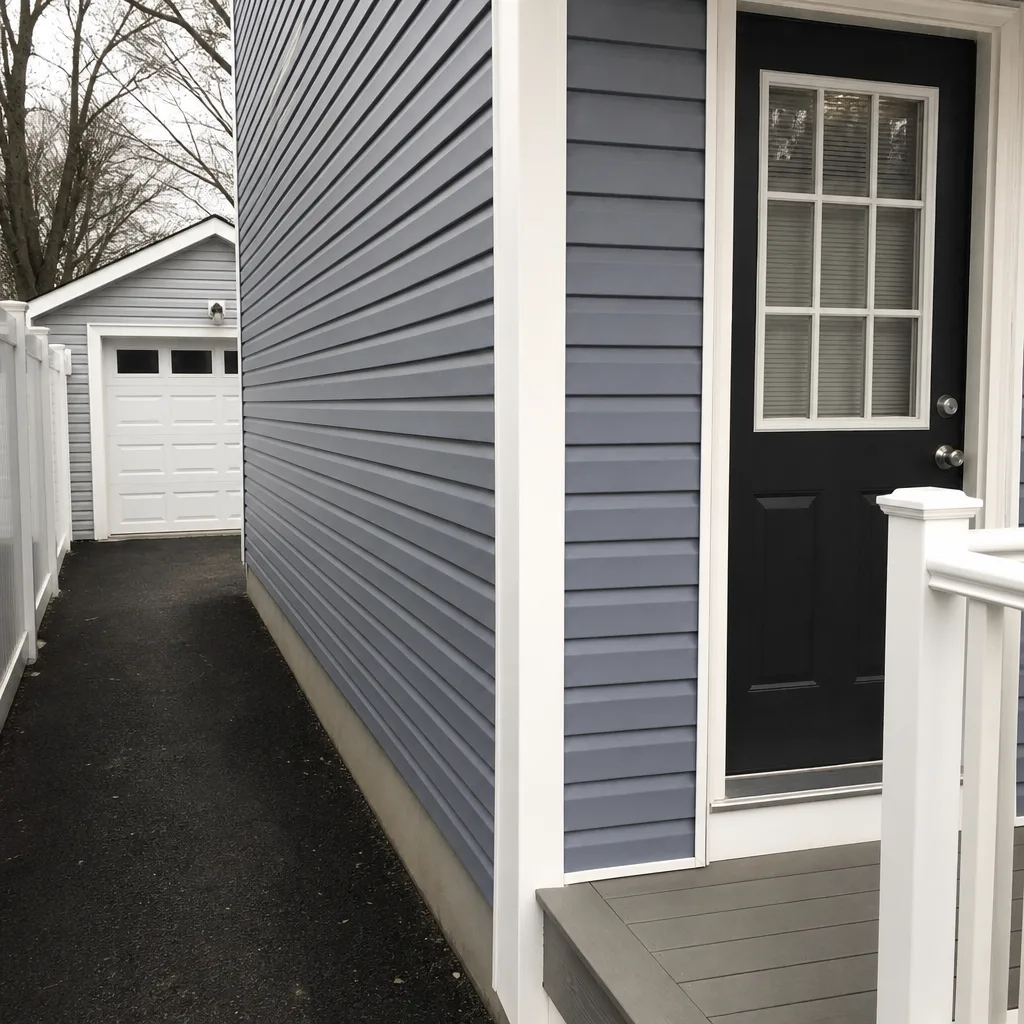 After
After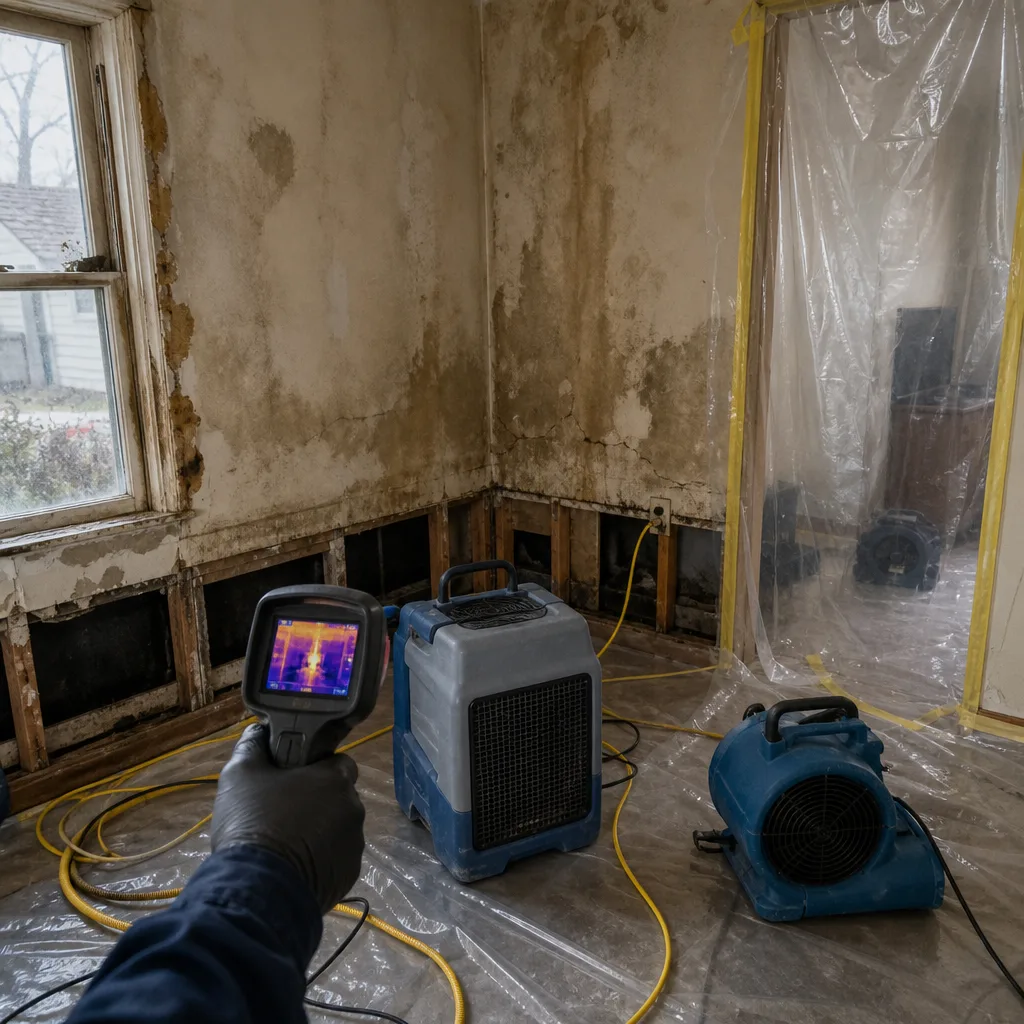 Before
 After
After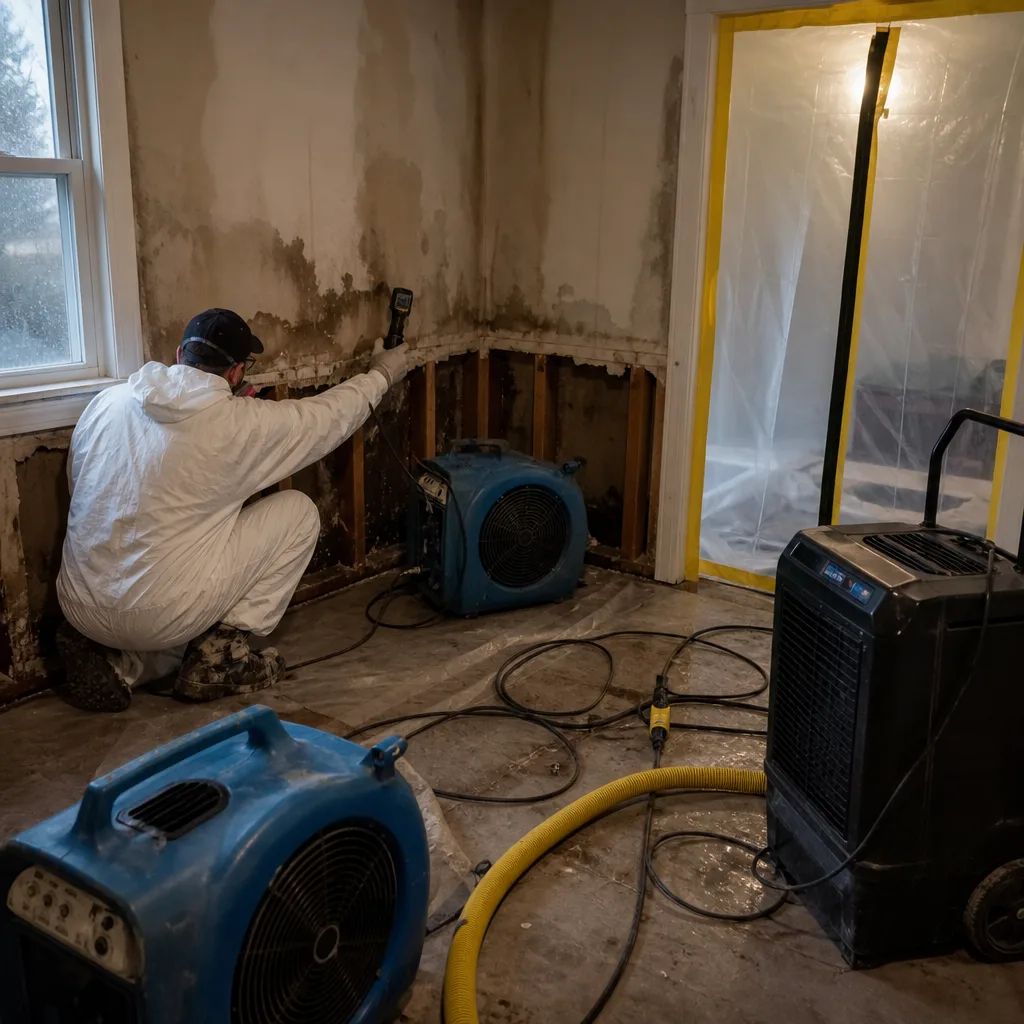 Before
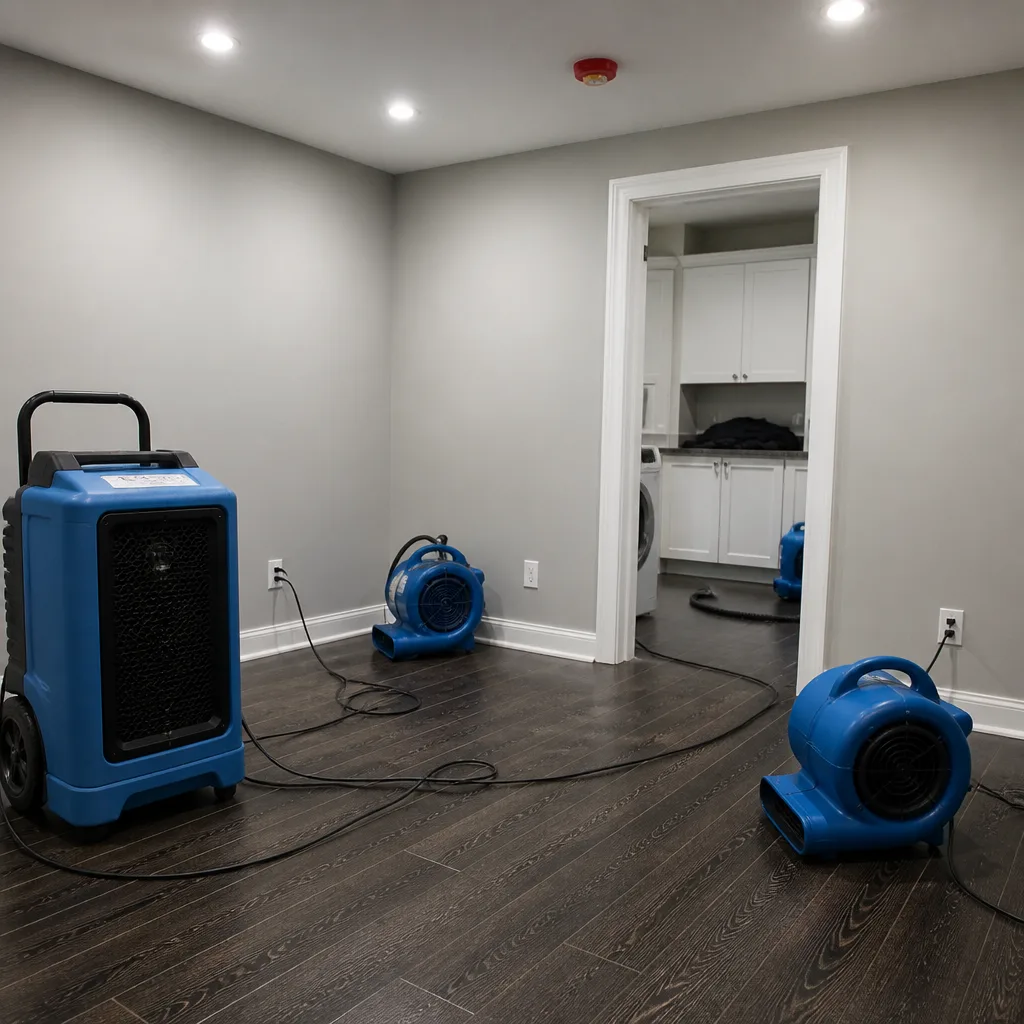 After
AfterWater Damage Restoration Maintenance Checklist for Kearny Homeowners
Kearny homes carry a quiet vulnerability that most homeowners never think about until the first bead of water appears on a basement wall. Our town sits low and flat between the Passaic and Hackensack rivers, and that geography shapes how water behaves here. A house in the Manor section drains differently than one up by the Arlington border, but both can hide a failing sump pump or a hairline foundation crack for months before the damage announces itself. This guide is built from 42 years of watching how Kearny houses fail, and it will show you the maintenance rhythm that keeps water out of your walls and out of your life. You’ll learn what to check each season, what to ignore at your own risk, and when the right move is to pick up the phone before a damp spot becomes a rebuild.
Quick Answer
Water damage prevention in Kearny comes down to a seasonal inspection rhythm: keep gutters and downspouts clear and pointed away from the foundation, test the sump pump every month, watch for slow leaks under sinks and around windows, and act on any musty smell or water stain within 48 hours. The single most important maintenance habit is walking the basement perimeter and foundation after every heavy rain. If water is already inside, call (551) 373-5246 immediately, because the first 48 hours determine whether you’re looking at a cleanup or a full restoration.
Table of Contents
- The Seasonal Maintenance Rhythm
- Gutters, Downspouts, and Kearny’s Rain Load
- Sump Pumps and Why They Fail in Kearny
- The Basement Perimeter: Your First Line of Defense
- Appliance and Fixture Leaks That Start Small
- Humidity, Condensation, and the Slow Rot
- Exterior Grading and Foundation Cracks
- What to Do When Water Shows Up Anyway
- Common Mistakes to Avoid
- When to Call a Professional
- Frequently Asked Questions
- The Bottom Line
The Seasonal Maintenance Rhythm
Most water damage in Kearny doesn’t come from a single catastrophic event. It comes from a slow, repeated pattern: the same clogged downspout dumping water against the same foundation corner for three seasons, the same condensation drip inside a bathroom wall, the same exterior crack widening a millimeter every winter. Our experience with hundreds of local homes says the fix is a maintenance rhythm tied to the calendar, not a heroic weekend of repairs once a year.
Here is the rhythm we recommend for Kearny homeowners:
- Early spring: Walk the perimeter after the thaw. Check for foundation cracks widened by freeze-thaw cycles. Clear gutters of winter debris before the spring rains arrive. Test the sump pump by pouring water into the pit until the float activates.
- Late spring: Inspect window wells and exterior stairwells for leaf buildup. Confirm downspout extensions discharge at least 4 feet from the foundation. Check outdoor hose bibs and irrigation lines for winter damage.
- Summer: Run dehumidifiers in basements and keep the relative humidity under 55%. Inspect washing machine hoses for bulges or cracks. Check air conditioner condensation lines for clogs.
- Early fall: Clear gutters again before the leaf drop. Disconnect and drain garden hoses. Check the sump pump one more time before the winter rains. Inspect roof flashing around vents and chimneys.
- Winter: Keep the house above 55 degrees even when you travel. Check pipes in unheated spaces. Watch for ice dams on the roof edges after snow. Listen for any new drip sounds during quiet mornings.
This rhythm takes about six hours a year total. The alternative, skip it and let a slow leak run for eighteen months, is a $15,000 to $40,000 restoration job in most Kearny basements. The math is not close.
Gutters, Downspouts, and Kearny’s Rain Load
Kearny gets around 47 inches of rain a year, and a 1,200-square-foot roof sheds roughly 29,000 gallons of water in that span. That water has to go somewhere, and the difference between a dry basement and a ruined one often comes down to whether the gutter system is doing its job. When gutters clog or downspouts dump water against the foundation wall, the soil around the house saturates, and hydrostatic pressure pushes water through the tiniest cracks in the foundation. In the Reid Street corridor and other flat sections of town, we regularly see basement seepage caused by nothing more than a downspout elbow that pulled loose months earlier.
Here is what to check quarterly:
- Gutter pitch: Water should flow toward the downspout, not pool in the middle. If you see standing water after a rain, the hangers have shifted.
- Downspout extensions: The discharge point should be at least 4 feet from the foundation, and the water should flow downhill from the house, not back toward it. Flat Kearny lots often need longer extensions or a buried drainage line.
- Leaf guards vs. cleaning: Leaf guards reduce clogging but don’t eliminate it. You still need to inspect and flush the gutter at least twice a year, regardless of what the guard manufacturer promised.
- Seam leaks: Run water through the gutters with a hose and watch for drips at the seams and corners. Leaking seams saturate the fascia board, which then rots, which then lets water into the wall cavity.
- Basin drains: If your downspouts feed into an underground basin or a dry well, check that the inlet screen is clear and that water isn’t backing up during heavy rain.
One detail specific to Kearny: many of our older homes have cast-iron gutter brackets that fasten through the roof edge rather than to the fascia. Those brackets fatigue over decades, and when one fails, the gutter sags and pours water down the wall instead of the downspout. We’ve replaced failing sections on homes throughout the Manor, the Heights, and the Arlington district, and the fix is straightforward if caught early, and expensive if the wall sheathing has already soaked through.
Sump Pumps and Why They Fail in Kearny
In our experience, the most common source of catastrophic basement flooding in Kearny is not a burst pipe. It’s a sump pump that was working fine on Tuesday and dead on Thursday. These failures cluster around the same causes: a stuck float switch, a clogged discharge pipe, a tripped circuit breaker, or simply age. Most sump pumps last 7 to 10 years, and many homeowners inherit a pump that was installed before they moved in, and they never think about it until the water is ankle-deep.
The senior and veteran discount always applies at Floodline Restoration Co. home, whether you need a full restoration or a scheduled maintenance visit.
Here is the monthly and annual sump pump routine:
- Monthly: Lift the float switch by hand or pour water into the pit until the pump cycles on. Listen for a clean hum. A grinding or rattling sound means the impeller is worn or obstructed.
- Monthly: Check that the discharge pipe is clear of debris and that the check valve is functioning. Water should leave the pit and stay gone, not rush back in when the pump stops.
- Quarterly: Test the backup power source. If you have a battery backup, unplug the main pump and confirm the backup activates. If you don’t have a backup, know that a power outage during a Kearny thunderstorm is exactly when the basement floods.
- Annually: Pull the pump out of the pit and clean the intake screen. Sediment and small stones collect over time and choke the pump. While the pump is out, inspect the pit for cracks and check that groundwater intrusion is coming through the drain tile, not the pit structure.
We’ve installed and serviced pumps in homes along Kearny Avenue, in the dense blocks near Schuyler Elementary, and out toward South Kearny. The homes that avoid disaster are the ones where the pump gets tested on a schedule, not the ones with the most expensive unit in the pit. A $150 pump checked monthly outperforms a $600 pump ignored for six years.
The Basement Perimeter: Your First Line of Defense
Walk your basement perimeter once a month, and you will catch 80% of water problems before they become restoration jobs. The signs are specific: a dark stain running down a wall, efflorescence (that white powdery deposit) on the block or concrete, a musty smell that comes and goes with the weather, a floor crack that is wider than a credit card, or any new rust on the bottom of the boiler or water heater. Each of these is a signal with a known meaning, and the fix is usually cheap in the early stage and brutal a year later.
Our technician crews, trained to IICRC standards, read moisture maps the way a mechanic reads an engine, and the daily readings tell us when a hidden leak is still feeding a wall cavity. The same diagnostic method works for a homeowner with a simple checklist.
Here is the perimeter walk, done properly:
- Check the walls from about eye level down: Water entering from outside usually shows first as a stain or a line on the lower three feet of the wall. Look for paint bubbling, drywall softening, or any change in surface texture.
- Check the floor perimeter: Water follows the wall line to the lowest point of the slab. Look for darkened concrete, mineral deposits, or a crack that weeps water after rain.
- Check the sill plate: Where the wood framing sits on the concrete foundation, look for damp wood, mold staining, or a soft spot you can dig a fingernail into. A wet sill plate means water is traveling inside the wall, above the visible concrete.
- Check the base of appliances: Water heaters and boilers rust from the bottom up when they leak slowly. Any rust bloom or pooling at the base is a warrant for a closer look.
- Check the sump pit: The pit should have water in it during wet seasons and be dry during dry ones. A bone-dry pit during a rainstorm means the drain tile is not collecting, and a full pit that never cycles means the pump or the float is stuck.
In specific Kearny terms: the older homes near Belgrove Drive and the blocks around West Hudson Park sit on clay-heavy soil that drains slowly, and we frequently find basement walls that have been weeping for years without the homeowner ever seeing standing water. The water evaporates before pooling, and the only evidence is a persistent mustiness. If you smell damp, investigate. The water is there.
Appliance and Fixture Leaks That Start Small
Every appliance that uses water is designed to fail gracefully, which means it gives warning signs before the failure becomes catastrophic. The problem is that the warning signs are usually ignored. A washing machine hose bulges for months before it bursts at 2 a.m. A water heater rusts along the bottom seam for a year before the tank splits. A dishwasher gasket hardens and drips slowly onto the subfloor before the floor rots through. The maintenance task is simply to look at these things on a schedule instead of when the damage announces itself.
Here is the fixture-level checklist, broken down by appliance:
- Washing machine: Replace rubber supply hoses every five years, and replace them with braided stainless steel. Check for bulges, cracks, or any weeping at the connections. Confirm the machine sits level and the drain hose is secured in the standpipe, not lying loose where it can siphon.
- Water heater: Check the area around the base for rust, moisture, or mineral deposits every month. Flush the tank annually to clear sediment (or have it done as part of the $89 Seasonal Tune-Up). Most water heaters fail between 8 and 12 years, and if yours is in that range, put replacement on the calendar rather than waiting for the split.
- Dishwasher: Inspect the door gasket for cracks or hardening every six months. Check under the kickplate for signs of water staining. Run an empty hot-water cycle with a cleaning agent twice a year to clear the drain path.
- Refrigerator ice maker and water line: The supply line behind the fridge is the most ignored water line in the house. Pull the fridge out once a year and check for kinks, cracks, or tiny pinhole leaks. Replace plastic or copper lines with braided stainless.
- Bathroom fixtures: Feel the base of toilets for softness in the floor around the flange. Check under sinks with a flashlight for dark stains on cabinet floors. Check tub and shower surrounds for cracked grout or loose caulk, which lets water behind the tile and into the wall.
A small leak behind a vanity or under a dishwasher can run for eighteen months before you see it, and by then the subfloor is spongy enough to push through. The damage pictured in insurance adjusters’ files from Kearny claims is almost always the same story: a slow leak, a hidden space, and a long delay.
Humidity, Condensation, and the Slow Rot
Not all water damage comes from a leak. In a humid summer, a Kearny basement with no dehumidifier runs at 75% relative humidity or higher, and that air condenses on cold pipes, cold walls, and cold floors. The result is the same as a slow leak: mold on organic surfaces, rust on metal, and warping in wood. The difference is that condensation damage is invisible for longer, because the water is coming from the air, not from a pipe.
Here is the humidity control checklist:
- Measure it: A hygrometer costs about $15. Keep one in the basement and one in the living space. The acceptable range is 45% to 55% in summer and slightly lower in winter. If the basement reads above 60% consistently, you have a ventilation or moisture issue that needs correction.
- Run a dehumidifier: In Kearny’s summer months, a basement dehumidifier is not optional. Empty it daily or run a hose to a drain. Set the unit to 50% and leave it running. A dehumidifier that runs constantly without hitting the setpoint is telling you that moisture is entering faster than the unit can remove it.
- Insulate cold pipes: In humid basements, cold water pipes sweat and drip onto whatever is below them. Pipe insulation is cheap and solves the problem permanently.
- Ventilate bathrooms and kitchens: Run exhaust fans during and after showers and cooking. A bath fan that vents into the attic instead of outdoors is not a bath fan; it’s a moisture pump aimed at your roof framing. Confirm the duct terminates outside.
- Check for a dirt floor: Older Kearny homes with a dirt crawlspace or partial dirt basement pull moisture directly from the soil into the house. A vapor barrier over the dirt is the single highest-value moisture fix for most of these homes.
We respond to mold complaints throughout Kearny, and in a meaningful share of those homes, the root cause was never a pipe or a roof. It was humidity. The fix was a dehumidifier, a vapor barrier, and proper ventilation, and the mold never came back. Compare that to a remediation without fixing the humidity, which is a recipe for a second bloom in the same spot within six months.
Exterior Grading and Foundation Cracks
The ground outside your house decides what happens inside your house. If the soil slopes toward the foundation, rainwater runs toward the wall instead of away from it, and the soil becomes a standing reservoir against the concrete. In flat sections of Kearny where the natural grade offers no fall, homeowners sometimes accept seepage as inevitable, and that acceptance is a choice, not a necessity. The ground can be re-graded, a drain can be installed, and the seepage stops.
Here is the exterior checklist:
- Grade check: The soil should drop at least 6 inches in the first 10 feet from the foundation. Walk the perimeter and look for spots where the ground is flat or pitched toward the house. After a heavy rain, look for standing water within 6 feet of the foundation wall.
- Foundation cracks: Cracks wider than 1/8 inch in a foundation wall deserve attention, and cracks that widen or weep water after rain are active water entry points. Hairline shrinkage cracks are normal and usually harmless, but any crack that changes seasonally should be sealed from the outside, not just painted over inside.
- Window wells: Basement window wells collect leaves and debris, then fill with water, which then presses against the window frame and leaks into the basement. Clear them quarterly and confirm the drain at the bottom of the well is clear. If there is no drain, add gravel and consider a well cover.
- Landing and stair drains: Basement stairwells and bilco doors channel water directly against the basement door. Check the drains at the bottom of these stairways before every rainy season.
- Roof condition: Missing or curled shingles, failed flashing, and clogged valleys let water into the attic, where it travels along the trusses and down the walls. A roof inspection every three years from a local contractor costs a few hundred dollars and prevents a restoration that starts at ten times that.
One pattern we see often in the older parts of Kearny: a homeowner seals a foundation crack from the inside with hydraulic cement, which holds for a season or two, and then the water finds the next weak point. The permanent fix is an exterior excavation or a properly installed interior drain system. The inside patch is a bandage, and we get called when the bandage fails.
What to Do When Water Shows Up Anyway
You’ve done the maintenance, and water still got in. Maybe a nor’easter dropped five inches on Kearny in an afternoon, or a water heater gave out after eleven years of quiet service, or a pipe froze in the wall on the one night you forgot to leave a faucet dripping. What you do next determines the cost and the outcome more than what caused the water in the first place.
- Stop the source first. If it’s a plumbing leak, shut off the water at the main valve. If it’s coming from outside, wait for the water to recede if you can’t divert it. Do not enter standing water if the electrical panel is in the flooded area; call the utility company or an electrician first.
- Cut the electricity if water is rising near outlets or appliances. If you can reach the breaker panel without stepping in water, kill the circuits for the affected areas. Electrical safety is not optional, and water damage plus electricity is a fatal combination.
- Move what can be saved. Furniture, rugs, books, and sentimental items that are wet but not ruined should go to a dry area. The first 24 hours are when wood furniture and paper items are salvageable, and the window closes fast.
- Call for extraction immediately. The longer water sits, the more wicking occurs, and wicking is the process that pulls moisture up walls and through floors. Professional extraction within hours means drywall and flooring can often be saved. Waiting a day or two means tear-out. Call (551) 373-5246 and you’ll get a live dispatcher, any hour, any day.
- Start the drying process. Open windows if the outside air is dry. Run fans and dehumidifiers if you have them. Do not use a household vacuum on wet carpet, and don’t assume a box fan will dry inside wall cavities. It won’t.
Our crews handle the full sequence: extraction, drying with professional-grade Dri-Eaz and Phoenix equipment, daily moisture readings, and the rebuild when it’s needed. The same team starts the job and finishes it, which means no handoff, no second contractor, no homeowner playing messenger between companies.
Common Mistakes to Avoid
- Ignoring the musty smell. A musty basement is not a personality trait; it’s a moisture problem. In Kearny’s humid summers, that smell usually means mold is already growing somewhere hidden, and delaying the investigation only lets the colony spread.
- Pointing downspouts at the foundation. A downspout that dumps against the house is doing the opposite of its job. Extensions are cheap, and they solve more basement seepage than anything else we recommend. In flat Kearny lots, consider burying the discharge in a dry well or running it to daylight.
- Trusting a sump pump that doesn’t get tested. The pump is the last line of defense, and it fails on the worst nights. Test it monthly, replace it before it hits ten years old, and have a battery backup for power outages.
- Sealing cracks from the inside without fixing the outside. Hydraulic cement and interior sealants hold temporarily and fail eventually. The permanent solution is on the water side of the wall, or a properly installed interior drain system. Ask a professional to explain the difference before you pay for the short-term patch.
- Waiting too long to call for extraction. The first 48 hours are the difference between drying and demoing. Water that soaks into drywall, baseboards, and subfloor wicks upward and outward, and every day you wait widens the damaged area.
- Using a household fan and hoping for the best. A box fan moves air, but it doesn’t remove moisture from inside wall cavities or subfloors. Those spaces need industrial air movers and true dehumidification, and the moisture log needs to prove the materials reached a dry standard before the walls are closed back up. This is what we mean by done right, and it’s what the 90-Day Done Right Promise stands behind.
- Filing an insurance claim without documentation. Take photos before you move anything. Photo-documented assessments are the foundation of a fair settlement, and our team provides them on every job, along with daily readings that go to the carrier directly. You shouldn’t have to be the one interpreting moisture maps for your adjuster.
When to Call a Professional
Some water problems are maintenance items. Others are structural, electrical, or hidden behind walls where a homeowner cannot see the extent. Call a professional when water covers more than a few square feet, when water has soaked into drywall or flooring, when you smell mold but can’t see it, when the same spot keeps getting wet after you’ve fixed the obvious cause, or when the water came from a sewage backup or outside floodwater, which carries contaminants. If the water is from a sewer line or a storm surge, treat the area as contaminated until proven otherwise.
Floodline Restoration Co. offers free estimates in Kearny, and our experience as a homegrown company serving the area for 42 years means we’ve seen the failures in the older housing stock and the newer builds. Call (551) 373-5246 and a live person answers, day or night.
Frequently Asked Questions
Most of our jobs in Kearny are dried within 3 to 5 days of extraction, including daily moisture readings and equipment changes. Rebuild work, if needed, is scoped separately and scheduled in writing. The drying clock starts when we arrive, and a live dispatcher gets a certified crew to you any hour, any day.
It depends on the cause: sudden and accidental events like a burst pipe or a water heater split are typically covered, while gradual seepage or negligence-related leaks often are not. We bill the carrier directly and provide the photo documentation and daily moisture log that adjusters ask for, so you don’t have to carry paperwork between companies.
Same visit for emergencies. Our dispatch board is staffed 24/7 by live people, not recordings, and a certified crew reaches Kearny homes with extraction running the same visit in most cases. Call (551) 373-5246 and you’ll reach a person, not a menu.
If the water covered a small area on a non-porous surface and you address it within hours, a homeowner can often handle it. If the water soaked into drywall, carpet, subfloor, or wall cavities, those materials need true dehumidification and moisture verification to prevent mold and hidden rot. A professional moisture reading answers the question definitively, and estimates are free.
If our work doesn’t hold up within 90 days, we return and make it right, in writing, with no arguing and no paperwork battles. It’s the Keystone Standard, tied to our K.E.Y.S. code: Krafted right, Every time, Your home first, Standing behind it. You get it on every job.
Monthly is the honest answer. A sump pump left untested for a year is the most common preventable flooding cause we see, and a monthly ten-minute check catches the stuck switches and dead circuits before the storm that would have found them. If you want it done professionally, our $89 Seasonal Tune-Up includes a full pump check.
The Bottom Line
Water damage in Kearny is usually not a surprise to the house. It’s a surprise to the owner, but the house has been signaling for months: the downspout dumping against the foundation, the sump pump that hasn’t cycled since spring, the musty smell that comes and goes, the small water stain that stays. The maintenance checklist in this guide catches those signals before the damage spreads. Do the seasonal walk, test the sump pump monthly, keep the gutters and downspouts clear and aimed away, watch the basement perimeter for stains and cracks, and treat any active water as an emergency with a 48-hour clock. And when the water does show up, remember that extraction beats remediation, drying beats demo, and a name you can hold accountable beats a voicemail. Call (551) 373-5246 and a live person answers, every time.
Written by Curt Bowman, Owner at Floodline Restoration Co., serving Kearny since 2010.