
Last updated August 25, 2026
Free visual inspection and a written scope of work before any mitigation begins - photos, moisture readings, and drying logs go in your claim file
The scope we write is the scope we bill. Anything new gets shown to you, in writing, before we touch it.
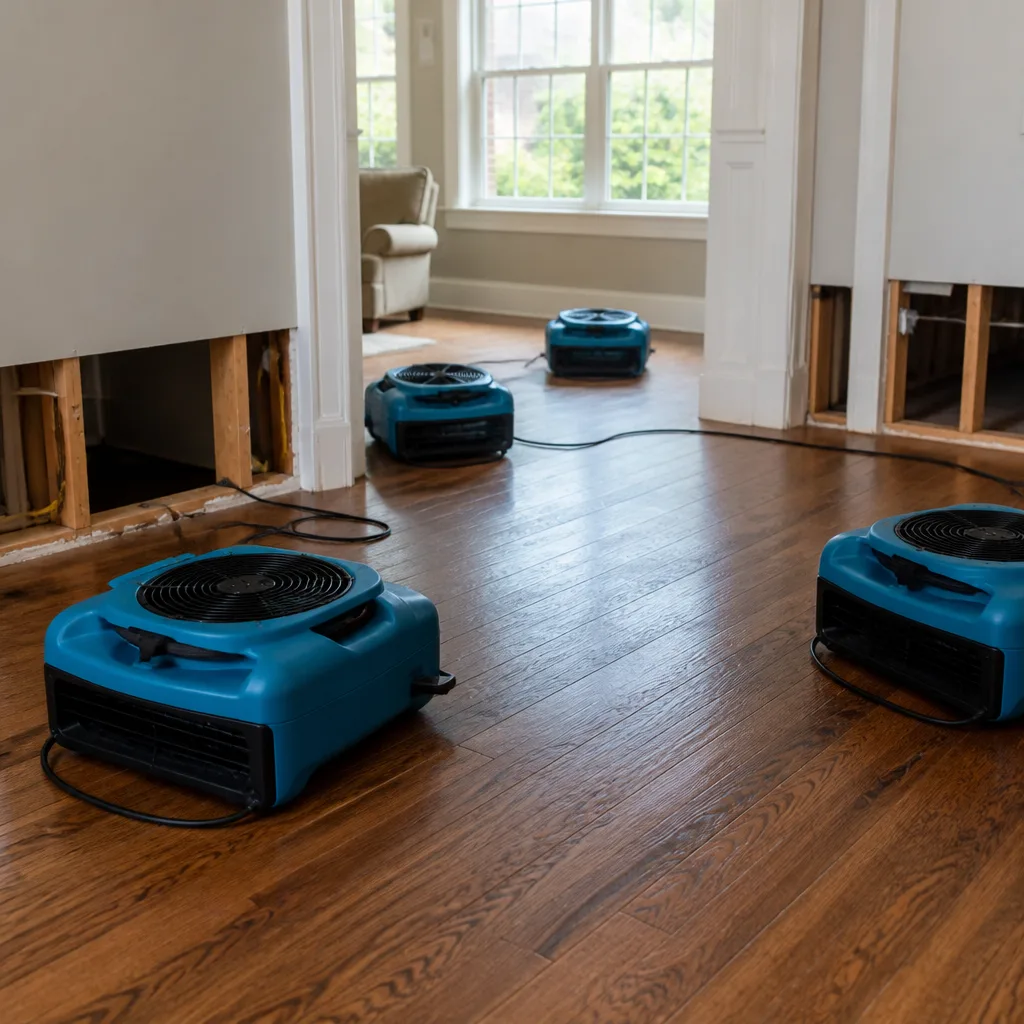

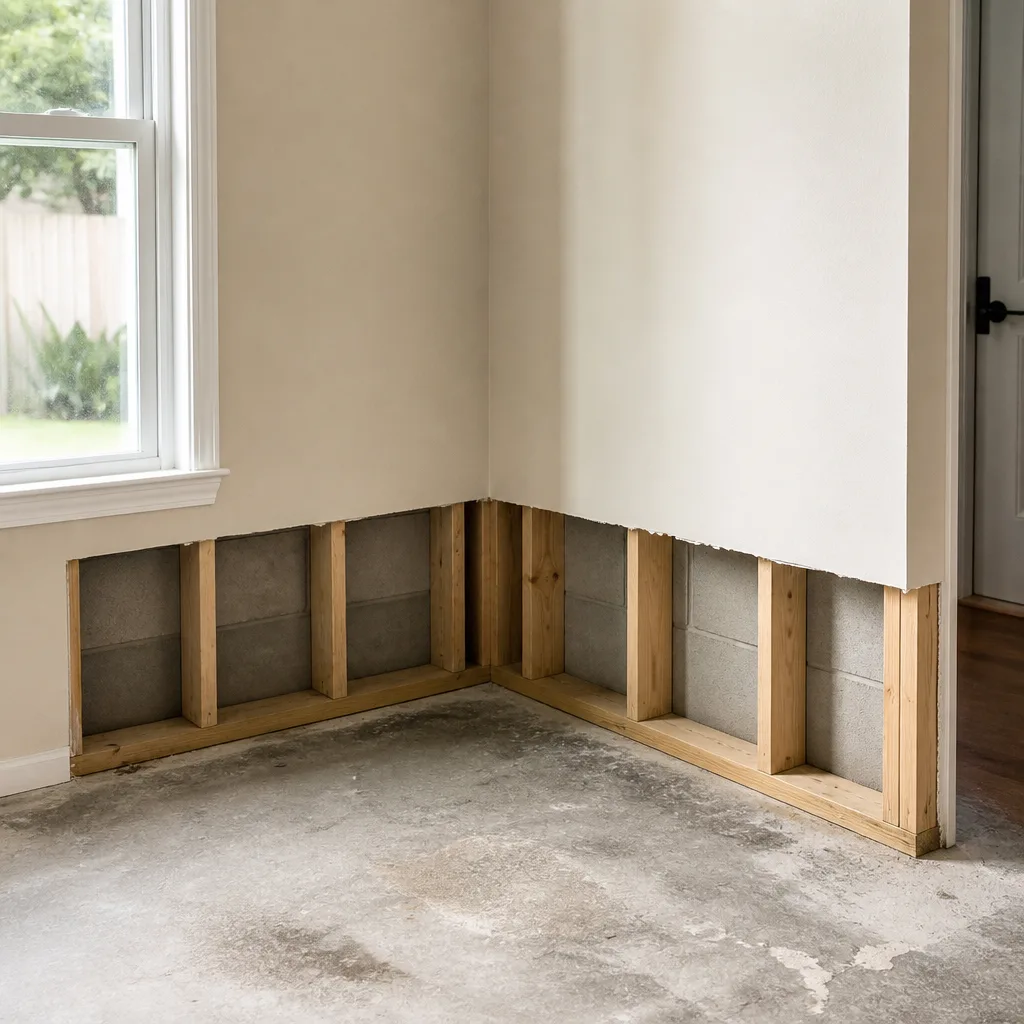

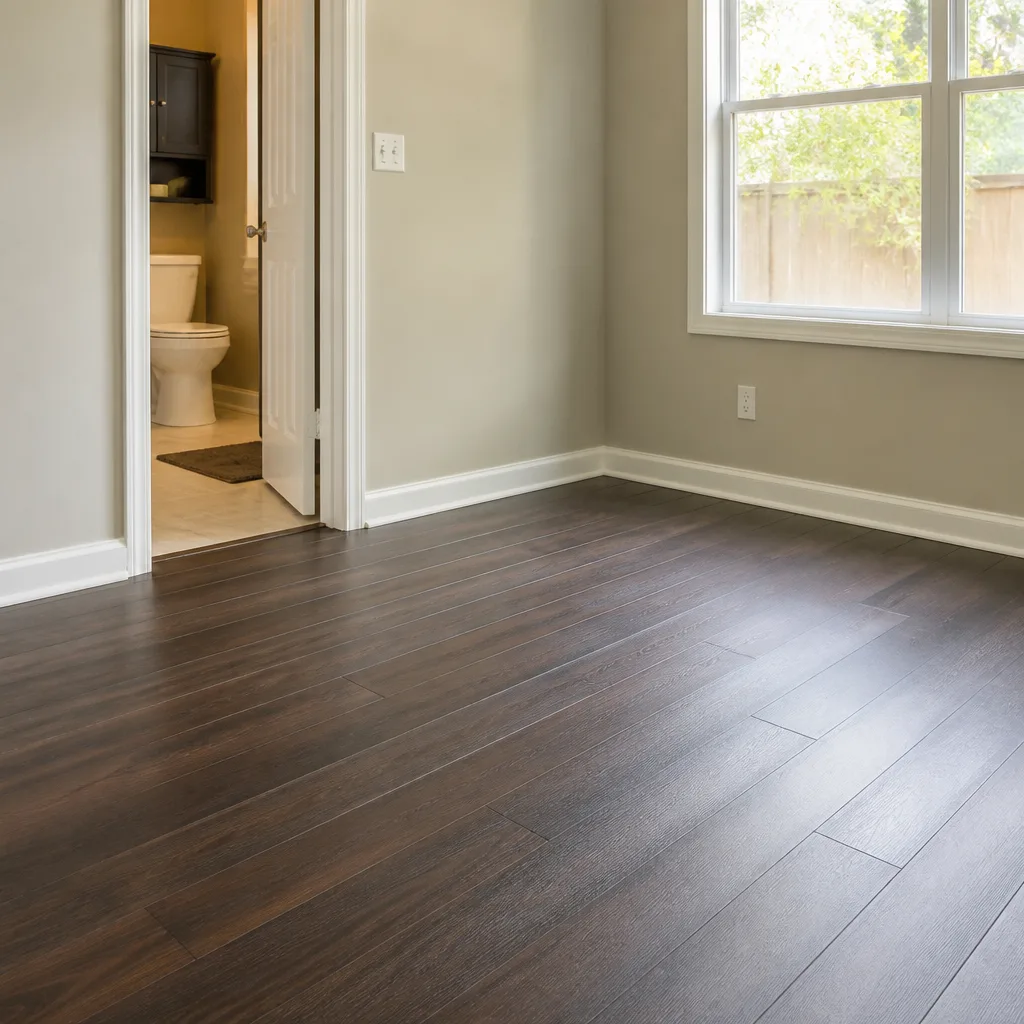

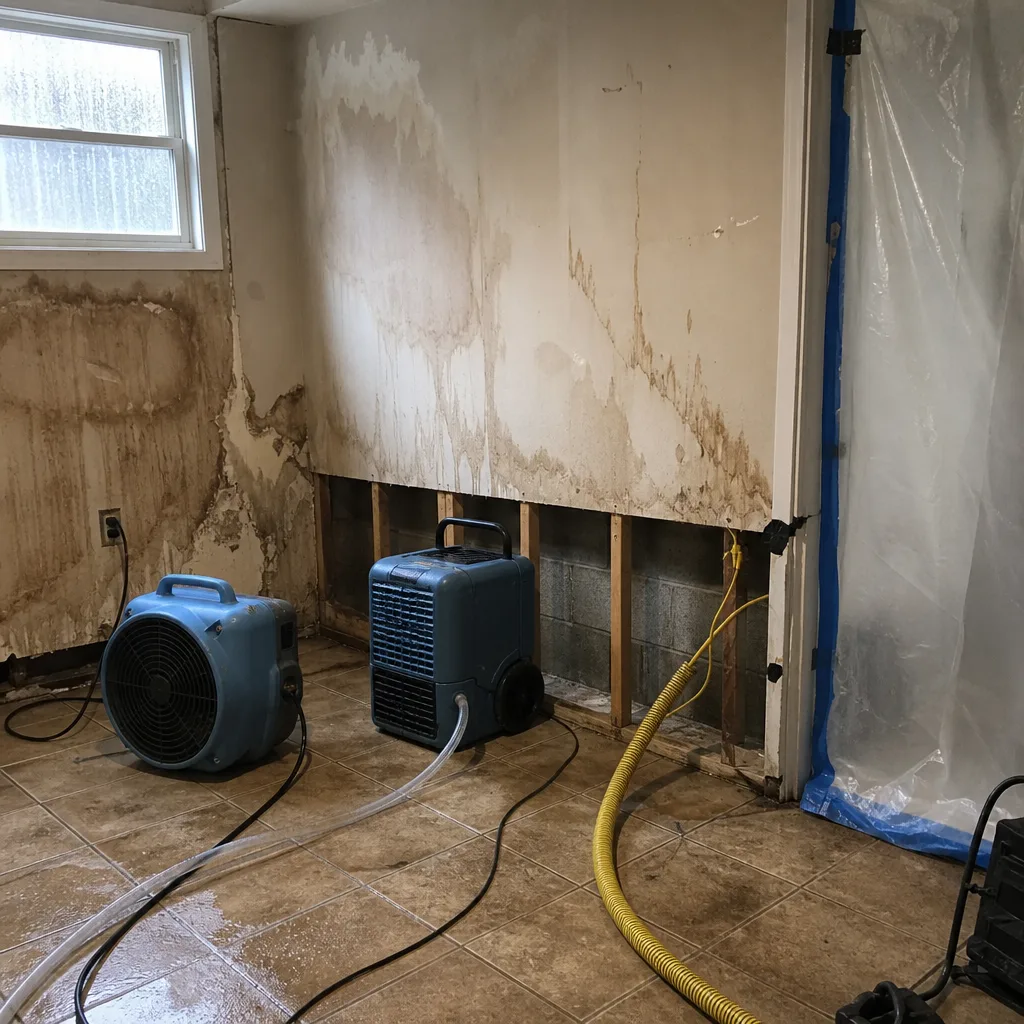 Before
 After
After Before
 After
After Before
 After
AfterDamage Restoration Warning Signs: A Kearny Homeowner’s Reference Guide
Most homeowners in Kearny don’t call a restoration company when they first notice a problem. They call when the problem has already spread. A hairline crack in the foundation, a faint musty smell in the basement, a water stain on the ceiling that seems to hold its shape for months. These things get noted and then forgotten because they don’t look expensive. Then one Hudson County rainstorm pushes groundwater through the crack, or the ceiling stain gives way at 3 a.m., and what could have been a $400 repair becomes a $14,000 mitigation. Here’s the counterintuitive part: the warning signs that matter are rarely dramatic. They’re quiet, persistent, and boring. This guide covers what to look for, what each sign actually means, how urgent it is, and what to do about it in Kearny specifically.
Quick Answer
The earliest warning signs of hidden damage in a Kearny home are usually water-related: discoloration on ceilings or walls, a persistent musty odor, bubbling paint, higher-than-normal indoor humidity, or visible mold in corners and along baseboards. If you’re seeing any of these, the damage is already active behind the surface. Document it, stop the source if you can do so safely, and call a restoration professional the same day.
Table of Contents
- Water Stains and Discoloration: What Color, Shape, and Location Tell You
- Musty Odors and the Mold You Cannot See
- Bubbling Paint, Peeling Wallpaper, and Soft Drywall
- Floor Damage: Cupping, Crowning, and Why Tile Cracks Matter
- Persistent High Humidity in a Kearny Basement
- Structural Warning Signs: Cracks, Sticking Doors, and Sloping Floors
- What to Check After a Hudson County Storm or Sewer Backup
- Common Mistakes to Avoid
- When to Call a Professional
- Frequently Asked Questions
- The Bottom Line
Water Stains and Discoloration: What Color, Shape, and Location Tell You
A water stain is not a stain. It’s a record of where water pooled, soaked, and evaporated, leaving mineral deposits and often the first stages of microbial growth behind. In our experience across Kearny homes, the color of the stain tells you more than most homeowners realize. A brownish or copper-toned stain usually means the water has passed through building materials like plywood, roof decking, or older plaster, picking up tannins and rust along the way. A yellow stain is typically older and drier, though that doesn’t mean it’s safe. A greenish or black stain at the edges is the one you don’t want to see, because it’s often microbial growth, not just mineral discoloration.
Location matters just as much. A stain directly below a bathroom on the first floor points to a plumbing leak, maybe a failing wax ring under a toilet or a pinhole in a supply line. A stain that runs along the ceiling edge near an exterior wall in a Kearny rowhouse often traces back to roof flashing, clogged gutters, or ice damming. And a stain that appears on a basement wall after heavy rain is groundwater, not a plumbing issue, which changes the repair entirely.
Here’s what we tell homeowners: if the stain is cool to the touch, it’s active. If it’s warm and dry, the leak may have stopped, but the materials still hold moisture inside. Either way, the fix is not painting over it. Paint seals the surface and traps moisture in the drywall or plaster, which is how a $200 drywall patch becomes a $2,000 mold remediation months later.
Musty Odors and the Mold You Cannot See
That musty, earthy smell in a Kearny basement after a wet spring is not normal. It’s the odor of microbial growth, and the organisms producing it are releasing gases as they digest whatever they’re growing on. That’s drywall, wood framing, carpet backing, cardboard boxes, and sometimes the paper face of insulation. The smell often comes and goes with humidity: worse in August when Hudson County humidity sits above 70%, lighter in January when forced-air heat dries the air. Homeowners mistake that cycle for a problem resolving itself. It’s not. The mold is just going dormant, not dying.
The reason mold smells are dangerous as a warning sign is that the visible mold is almost never the whole story. For every square foot you can see, there’s often several times that growing inside wall cavities, under baseboards, or behind basement vapor barriers. Mold doesn’t need light; it needs moisture, organic material, and still air. A finished basement with drywall over concrete block is a perfect habitat in Kearny, where the water table is high and the soil stays damp through most of the spring.
If you smell it but can’t see it, check the usual places: the back side of basement drywall, under the kitchen sink where the cabinet base has absorbed slow drips, inside the HVAC condensate pan, and around window sills where winter condensation collects. We’ve also found active mold growth inside wall cavities behind furniture pushed against exterior walls, where air circulation is zero and cold-surface condensation builds all winter. If the smell is strong enough to notice when you walk down the stairs, the colony is already established.
Bubbling Paint, Peeling Wallpaper, and Soft Drywall
Paint doesn’t bubble because it’s old. It bubbles because something underneath it is pushing outward, and that something is almost always water. When drywall absorbs moisture, the paper facing swells and delaminates from the gypsum core. The paint, which was applied to the paper, loses its bond. The result is a blister, a bubble, or a long crack that follows a seam. In a Kearny home with original plaster walls, the failure looks different: the plaster crumbles chalky, the paint flakes in sheets, and the wall surface develops a sandy texture that comes off on your hand.
Soft drywall is the sign we take most seriously because it means the structural integrity of the panel is already compromised. Press your thumb against a wall near a window, under a sink, or along a baseboard. Drywall should feel firm, with a slight give. If it deflects like a sponge or leaves a depression, the gypsum core is saturated. That’s a demo-and-replace situation, not a dry-and-paint situation. And it’s not just cosmetic: saturated drywall starts supporting mold growth within 48 to 72 hours, and it will wick moisture upward from the floor into the wall cavity, expanding the affected area even after the original leak is stopped.
Peeling wallpaper has the same message. Wallpaper adhesive is water-soluble, so when it fails in patches, it’s telling you there’s been a moisture event behind it. In older Kearny homes, particularly the colonials and two-family houses built in the 1920s through 1950s, wallpaper was often applied directly over plaster with no ventilation plan, so any rise in wall humidity shows up as peeling within weeks.
Floor Damage: Cupping, Crowning, and Why Tile Cracks Matter
Hardwood floors are among the most sensitive moisture indicators in any house, and they talk in a specific language. Cupping is when the edges of individual boards rise higher than the center, making each plank look slightly concave. It happens when the bottom of the board absorbs moisture faster than the top, which in a Kearny home usually means one of three sources: a crawl space or basement below with high humidity, a slab foundation wicking groundwater, or a slow plumbing leak under the floor. Crowning is the opposite, with the center of the board higher than the edges, which typically means the top of the floor was wet at some point and dried unevenly.
Tile is a different story. A single hairline crack in a ceramic tile may be nothing. Multiple cracks, or cracks that follow a straight line across several tiles in a row, indicate floor movement, and in a home this old, floor movement usually traces to a structural or moisture issue. Tile installed over a wood subfloor flexes when that subfloor swells. Tile installed over concrete cracks when the slab shifts or when water undermines the setting bed. Either way, the tile is the messenger, not the problem.
One more sign worth watching: door gaps that change with the seasons. A door that rubs in August but clears in February is responding to humidity cycles. Some seasonal movement is normal in an older Kearny house. But if the movement increases year over year, or if doors start sticking that never stuck before, investigate before it becomes a structural repair.
Persistent High Humidity in a Kearny Basement
Kearny sits in a region where summer dew points regularly climb into the high 60s and low 70s. That means an unconditioned basement is fighting a losing battle against condensation from April through October. When warm, humid air meets the cold surfaces of a below-grade concrete wall or floor, it condenses just like a glass of ice water on a July afternoon. That condensation is enough, on its own, to sustain mold growth and rot, even with no plumbing leak or groundwater intrusion at all.
A hygrometer costs about $15 at any hardware store. If your Kearny basement reads above 60% relative humidity for more than a few days at a time, you have a moisture-loading problem. Above 65%, you’re in the range where mold grows readily on paper, cardboard, and drywall. Above 70%, and you’re likely to see visible mold on organic surfaces within weeks. The fix in most cases is a dehumidifier sized correctly for the square footage, and in homes with chronic issues, we recommend a ducted dehumidification system paired with proper exterior grading and gutter management. But the first step is measurement. You can’t fix a moisture problem you haven’t quantified.
We also see older Kearny homes with louvered basement doors or single-pane basement windows that allow a constant exchange with outside air. In a Hudson County summer, that’s not ventilation, it’s a moisture pump. Closing those openings and adding mechanical dehumidification usually drops the dew point below the mold threshold within a week. If it doesn’t, the moisture source is in the walls or under the slab, and that’s a different job.
Structural Warning Signs: Cracks, Sticking Doors, and Sloping Floors
Not every crack is a structural emergency. Houses settle, and a Kearny house that’s been standing since the 1930s has settled a lot, most of it decades ago. The sign that matters is change. A vertical crack in a foundation wall that’s been the same width for twenty years is usually benign. The same crack widening each year, or a new crack appearing at a 45-degree angle from a window or door corner, is a signal that the soil under the footing is moving. That movement in this part of Hudson County is often water-related: saturated clay soil expands, then contracts when it dries, and the cycle shifts foundations a few millimeters at a time.
Horizontal cracks are a different category entirely. A horizontal crack in a basement wall means the soil outside is pushing inward with more force than the wall can resist. That’s not a waterproofing issue, it’s a structural issue, and it needs a foundation specialist. We’ve seen horizontal cracks in Kearny basements that homeowners had been “watching” for five years, and by the time the wall was opened up, the block had displaced more than half an inch. The longer it waits, the more expensive the repair.
Inside the house, watch for doors that start sticking for no apparent reason, particularly on the upper floors. A door frame that’s been square for decades doesn’t warp on its own. It distorts when the wall around it moves, and the wall moves when the framing is stressed by foundation settlement, moisture-swollen framing, or a failing header. The same applies to floors that develop a new slope, or a crack that opens in a ceiling and keeps growing. These are the signs that separate a moisture problem from a structural problem, and they change the priority of the work entirely.
What to Check After a Hudson County Storm or Sewer Backup
Hudson County gets storms that drop two inches of rain in an afternoon. Kearny’s combined sewer system, like much of the older infrastructure in this part of New Jersey, is vulnerable to surcharging when rainfall outpaces the system’s capacity. That’s when sewage backs up into basement floor drains, and it’s why the first thing to check after a heavy storm is every drain in the lowest level of the house.
Here’s a step-by-step checklist we give Kearny homeowners after any significant weather event:
- Check the basement floor drains and utility sink. If water is standing at the drain or the drain gurgles when you run water upstairs, the municipal line is surcharged. Don’t pour anything down it.
- Inspect window wells and basement windows. A window well full of water is actively leaking into your foundation. Bail it if you can do so safely, then look at the grading around the well.
- Walk the perimeter of the house. Look for water pooling against the foundation. Water that stands against the wall for more than a few hours will find its way in.
- Check the roof and gutters. From the ground, look for missing shingles, lifted flashing, and gutters pulling away from the fascia. A gutter that dumps water against the foundation is doing more harm than good.
- Check ceilings under roof penetrations. Chimneys, vent pipes, and skylights are the first places a wind-driven storm finds its way through.
- Document everything. Take photos from multiple angles before you move or clean anything. If you file an insurance claim, these photos are the foundation of your documentation.
The window after a storm is short. Water that enters a wall cavity or under a slab doesn’t dry on its own in a Kearny climate; it sits there, feeding mold and weakening structural materials. The first 48 hours are when professional drying equipment does its best work.
Common Mistakes to Avoid
- Painting over a water stain without finding the source. Paint is a cosmetic fix that traps moisture behind the surface. The stain will come back, but this time it’ll bring mold with it, and the repair will cost multiples of what a proper fix would have.
- Assuming a basement that “dries out” is fine. A Kearny basement that floods and then dries on its own in the summer has not returned to a safe moisture level. We’ve measured dry-to-the-touch drywall at 30% moisture content weeks after visible water was gone. Dry to the touch and dry by measurement are different things.
- Using a household fan to dry a wet wall. A box fan moves air across surfaces. It does not dry inside wall cavities, under flooring, or behind baseboards. Professional drying uses negative air pressure, dehumidification rated to IICRC standards, and moisture meters that read below the surface. A fan just spreads the moisture around.
- Putting off the insurance call. Every policy has a duty-to-mitigate clause, which means you’re responsible for preventing further damage whether or not the claim gets approved. Waiting to call a restoration company can void coverage for the additional damage that happens while you wait.
- Choosing a contractor who only does demolition. Some companies will tear out wet drywall and then leave you to find someone else for the rebuild. That’s a mid-job handoff in disguise, and it leaves the homeowner as project manager and messenger between crews. A full-cycle company handles extraction, drying, and rebuild under one scope.
- Ignoring a musty smell because it’s “been there for years.” A smell that’s been there for years means a mold colony that’s been growing for years. The longer it’s established, the more extensive the remediation, and the more likely that hidden framing damage has occurred.
- Thinking insurance will cover everything. Coverage depends on your specific policy, the cause of loss, and how well you’ve documented the damage. Direct insurance billing with your restoration company makes the process smoother, but it doesn’t change what the policy covers. Read your declarations page before you need it.
When to Call a Professional
If water has entered your Kearny home and you can’t trace exactly where it came from, call. If you can trace the source but the affected area is larger than a bath towel, call. If you see mold on drywall, baseboards, or insulation, call, because the colony is already inside the material, not just on it. If your basement smells musty and you can’t find the source, call before the problem spreads further. If a ceiling stain is growing, a floor is cupping, or doors are suddenly sticking, call. Floodline Restoration Co. offers free estimates in Kearny, and we answer the phone with a live person at every hour, including 2 a.m. Reach us at (551) 373-5246.
Frequently Asked Questions
With Floodline Restoration Co., a live dispatcher answers when you call, day or night, and a certified crew is dispatched immediately. In most Kearny cases, we’re on site within hours, not days, because the first 48 hours determine how much drying is needed and whether materials can be saved. The sooner extraction starts, the smaller the job.
That depends on your policy and the cause of loss. Sudden and accidental events like a burst pipe or storm damage are commonly covered; long-term seepage or lack of maintenance may not be. We bill carriers directly and coordinate with adjusters throughout the job, so you’re not playing messenger between us and the insurance company. Call (551) 373-5246 and we can walk through what your policy likely covers.
If mold is growing on non-porous surfaces like tile or glass, cleaning may be enough. But mold in drywall, wood, carpet, or insulation means the material itself is the food source, and cleaning the surface won’t stop what’s growing inside. In those cases, removal and replacement is the only reliable fix. A written scope of work, agreed before anything starts, tells you what’s actually needed versus what’s optional.
In a Kearny basement, a post-rain musty smell is almost always either groundwater wicking through the foundation or condensation from high humidity, and both support microbial growth. The smell is the colony’s respiration, which means the mold is already active. Measure the humidity first, then call a professional for a moisture assessment if the smell persists or you see staining on walls or floors.
Not reliably. Household fans and dehumidifiers dry the air and the exposed surface, but they can’t pull moisture from inside a wall cavity or under flooring. Professional equipment like the Dri-Eaz and Phoenix systems we run creates negative air pressure inside the wall system and meters verify that the dry standard is met before rebuild. That’s the difference between dried wood and wood that’s waiting to fail.
A small plumbing leak with fast response might run a few hundred dollars; a full basement remediation with rebuild can run into the tens of thousands depending on square footage and material replacement. We provide a written scope of work with no-hassle pricing before any work begins, and we bill insurance directly where coverage applies. For an exact number, call (551) 373-5246 for a free estimate.
The Bottom Line
The warning signs covered in this guide share one trait: they get more expensive every day they’re ignored. A stain becomes a colony. A crack becomes a structural repair. A damp basement becomes a mold problem with insurance complications. In Kearny, where older housing stock and a high water table meet Hudson County’s humid summers, the house is always talking. You just have to know what it’s saying. Pay attention to the quiet signs, document what you find, and call early. The cost of a professional look is almost always lower than the cost of waiting.
Contact Floodline Restoration Co. for a free estimate in Kearny. We answer the phone 24/7, we document everything, and we stand behind our work with the 90-Day Done Right Promise, in writing. Call (551) 373-5246.
Written by Curt Bowman, Owner at Floodline Restoration Co., serving Kearny since 2010.