

Free visual inspection and a written scope of work before any mitigation begins - photos, moisture readings, and drying logs go in your claim file
The scope we write is the scope we bill. Anything new gets shown to you, in writing, before we touch it.
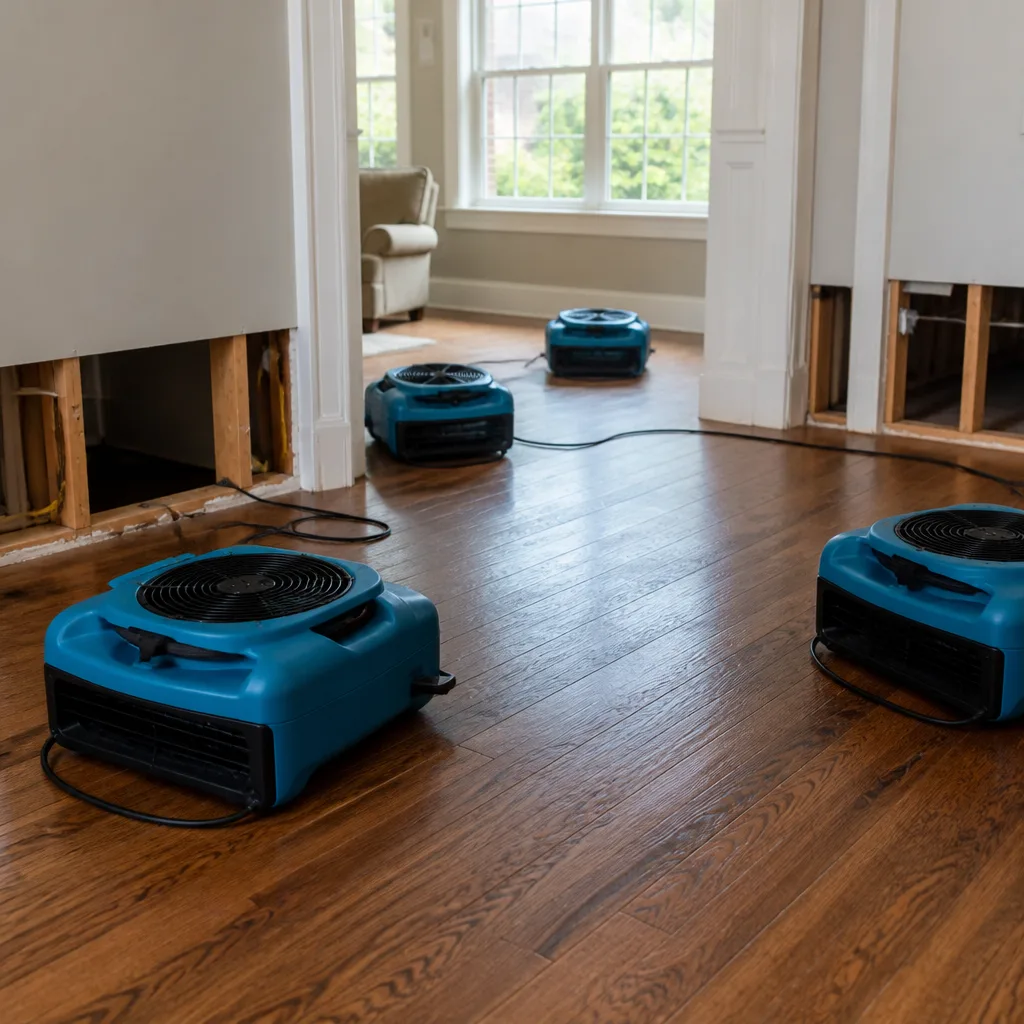
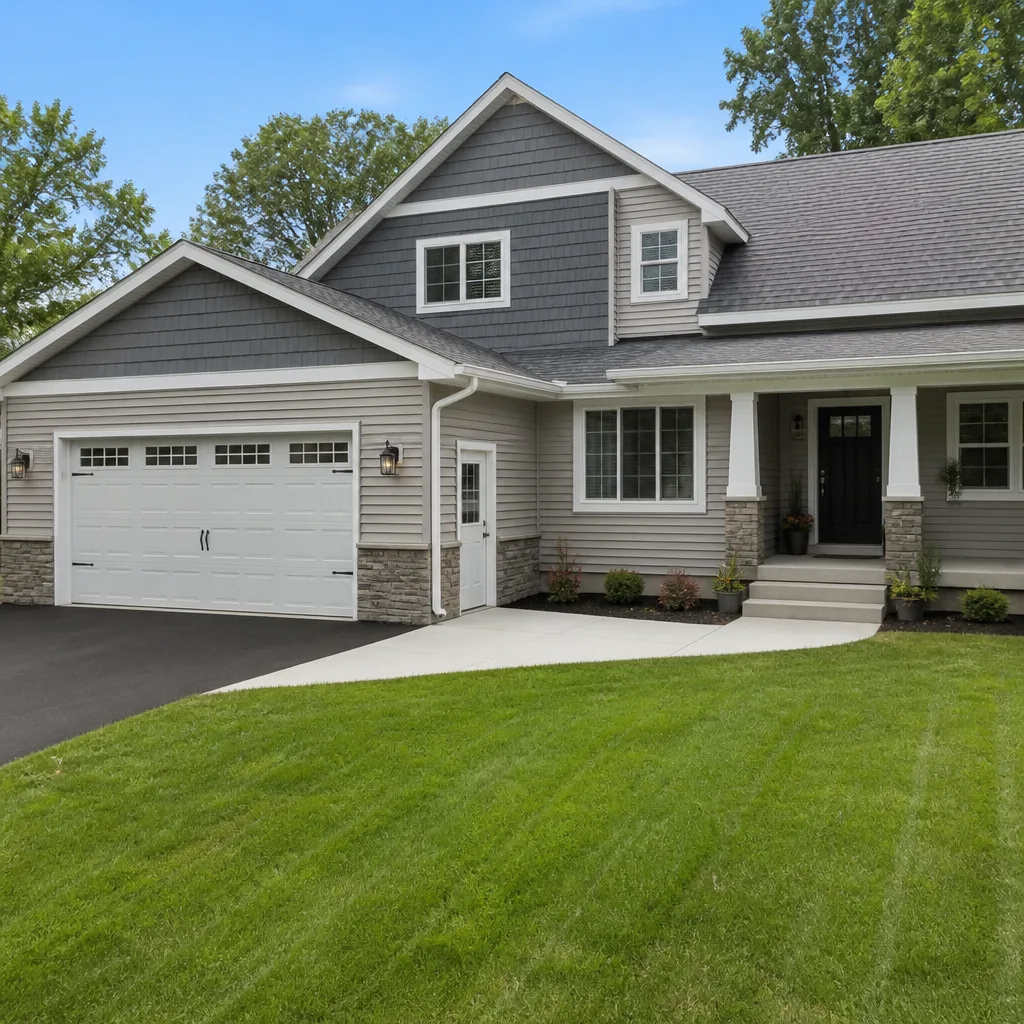
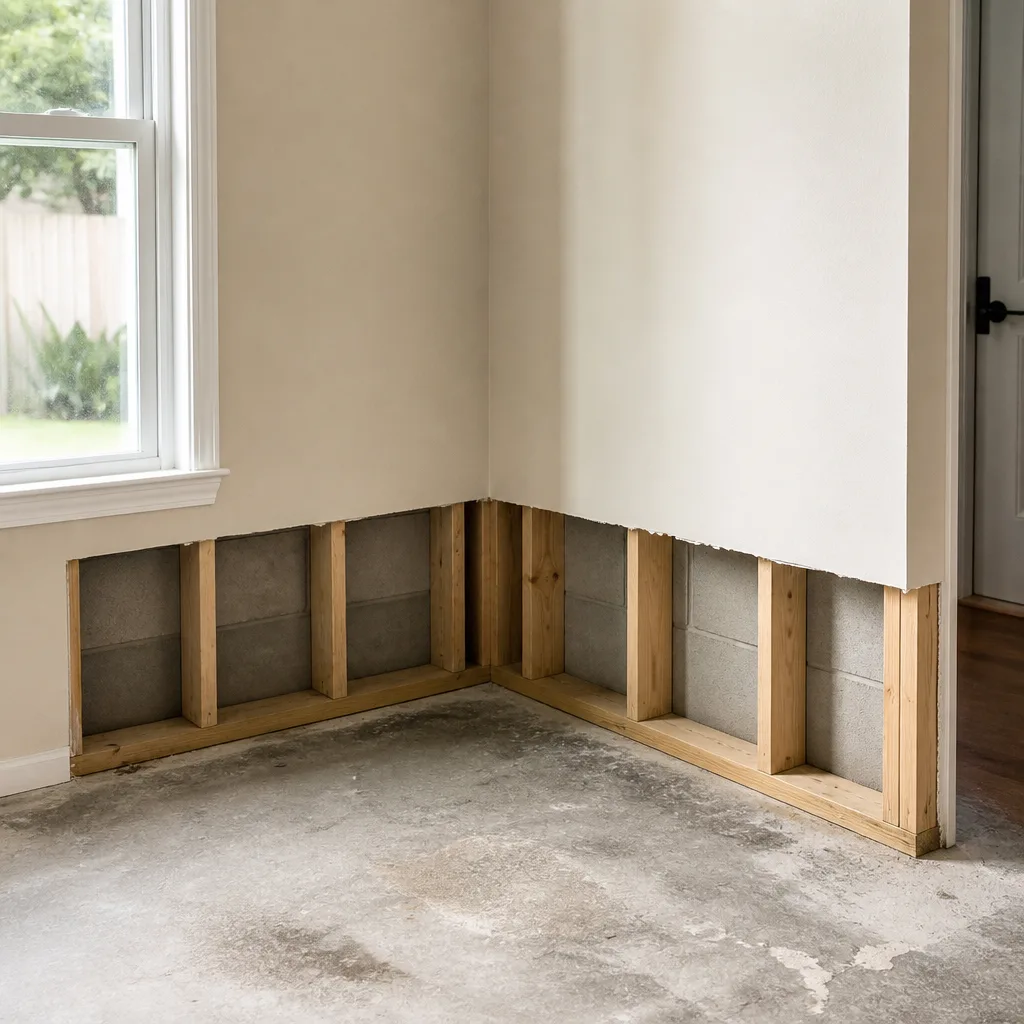
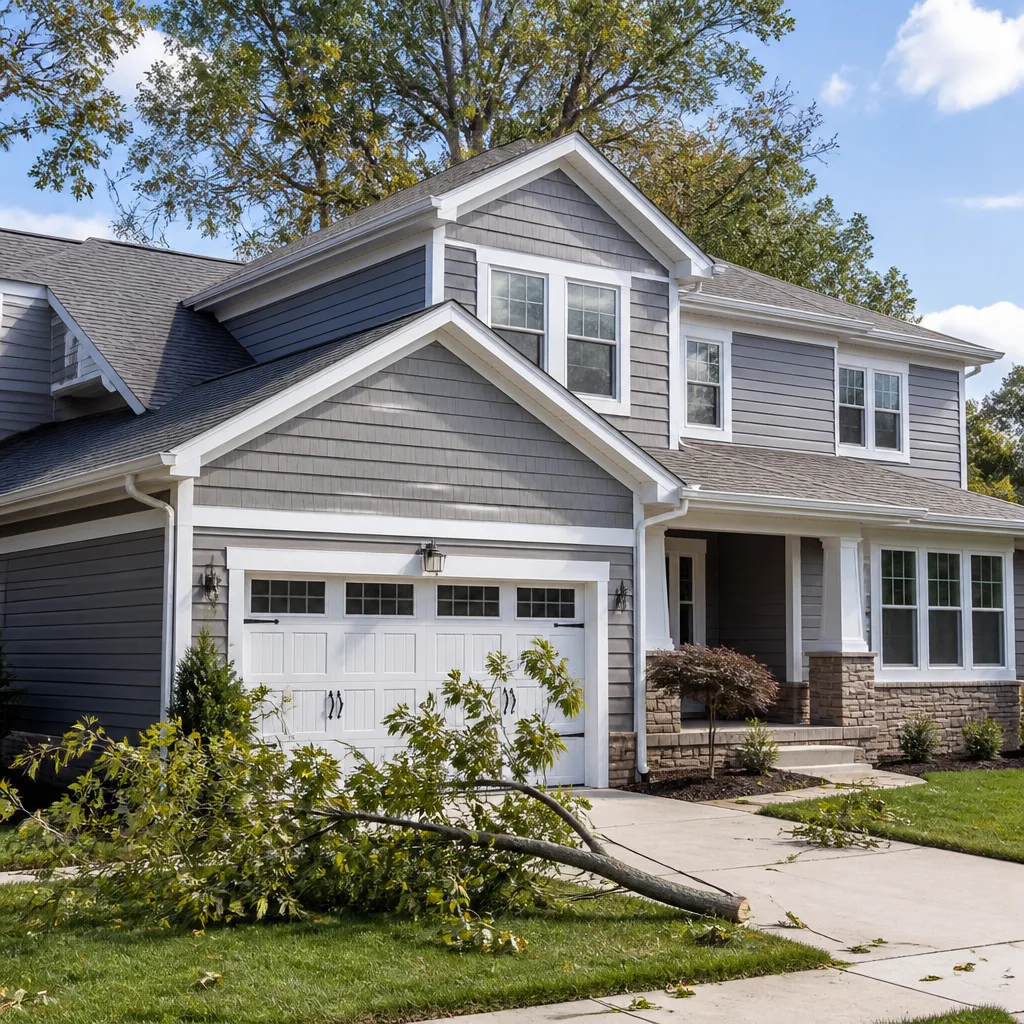
 Before
 After
After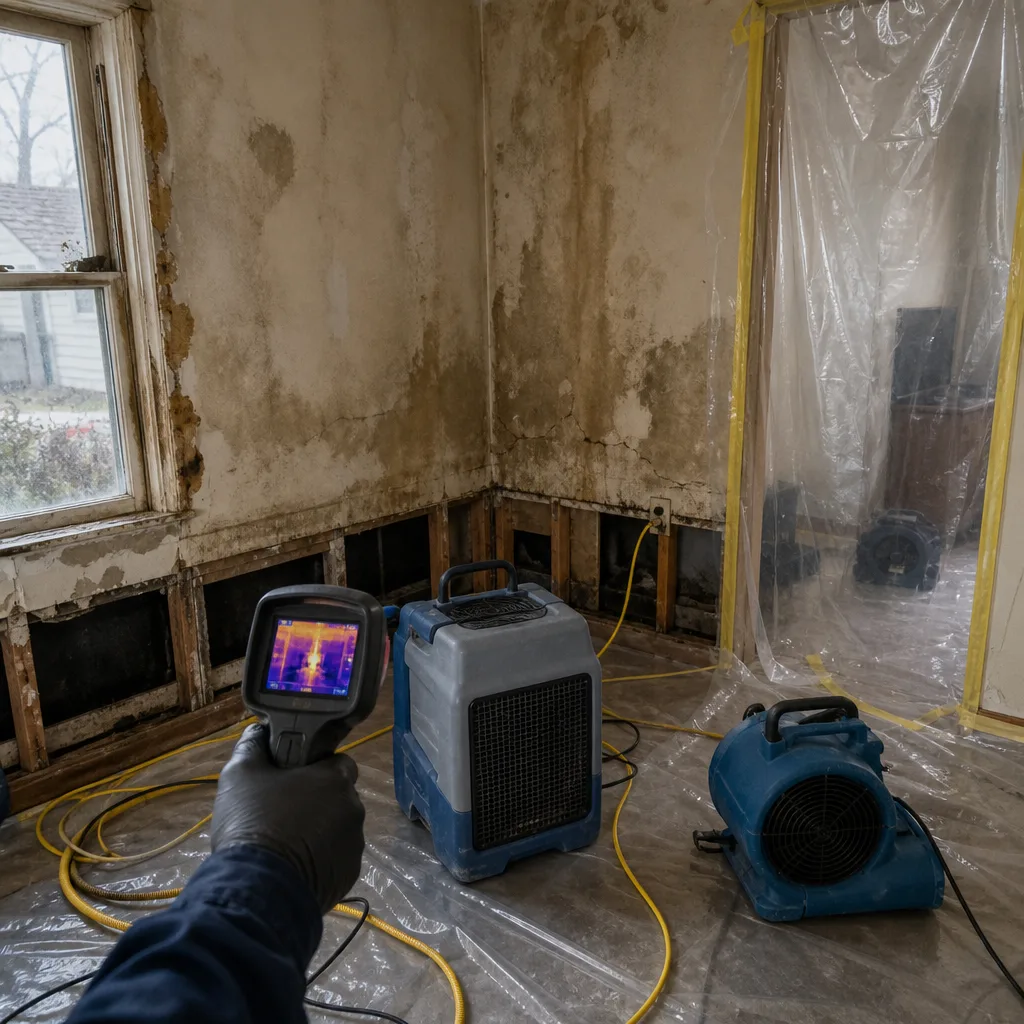 Before
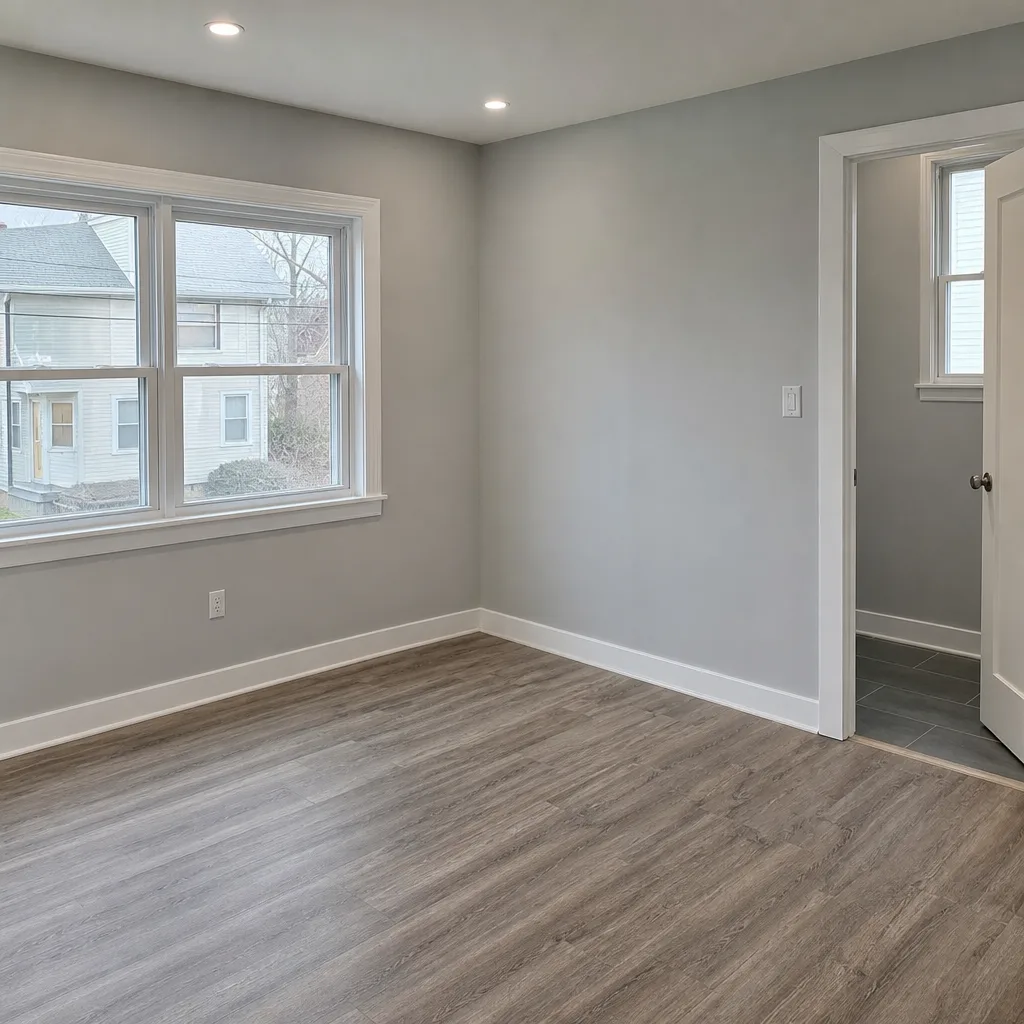 After
After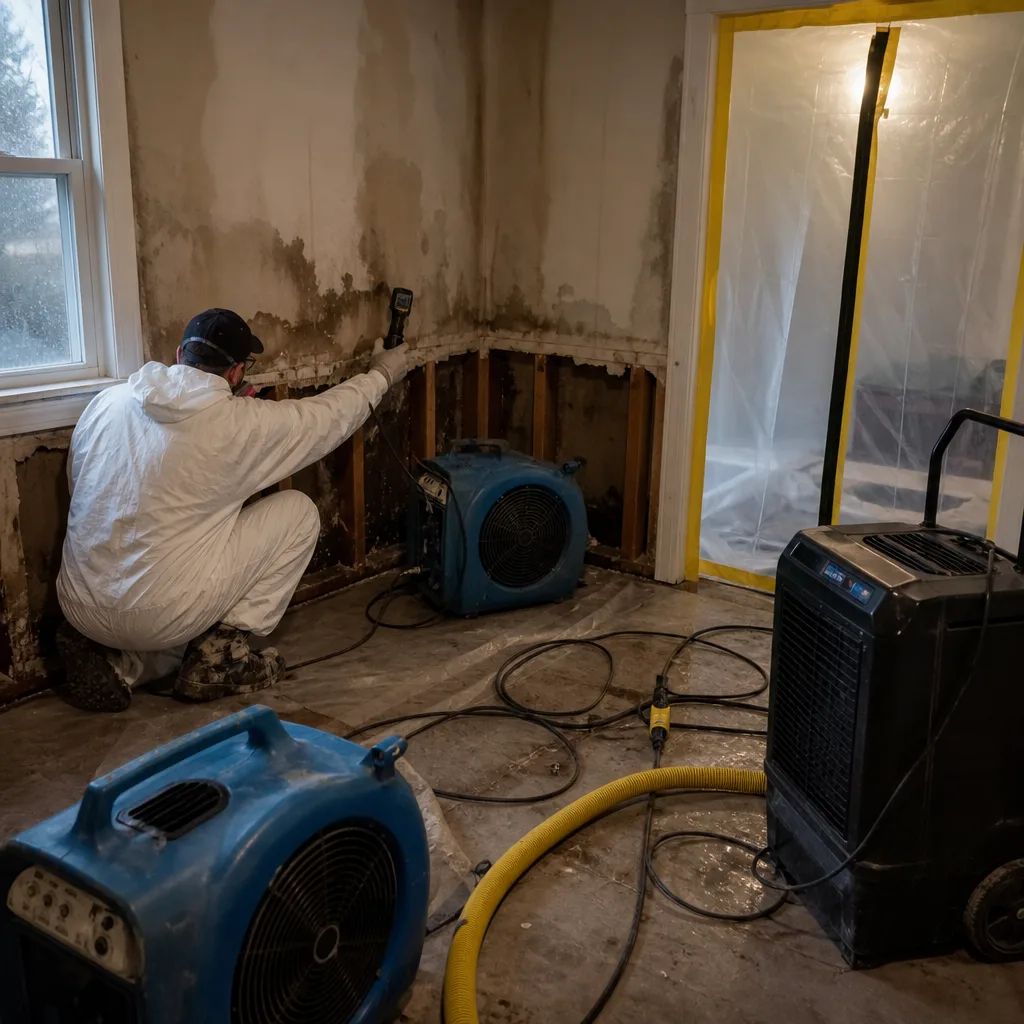 Before
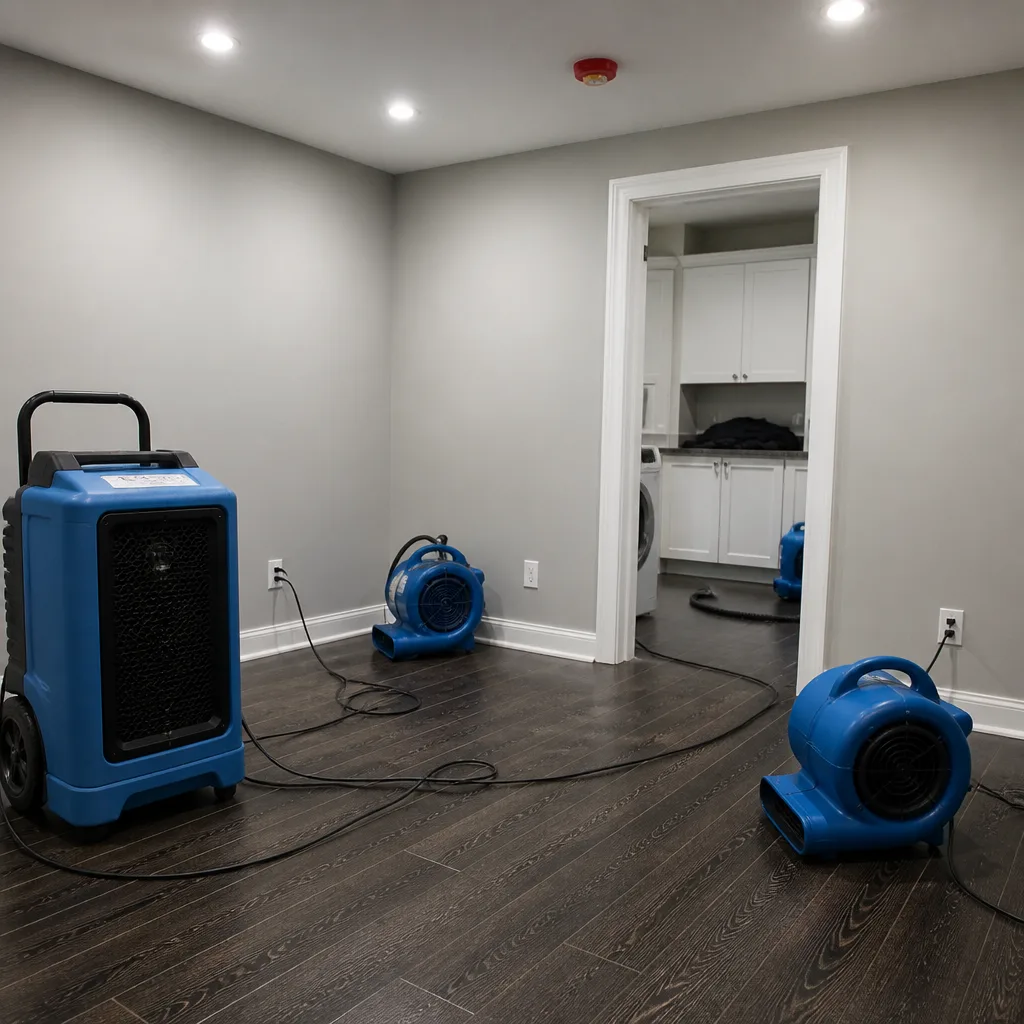 After
After24/7 Emergency Biohazard & Crime Scene Cleanup in Jersey City
Biohazard and crime scene cleanup in Jersey City typically costs $1,200 to $4,500 for a standard trauma or unattended death scene, with infectious disease disinfection running $800 to $2,500 depending on square footage and contamination level. We dispatch crews into Jersey City neighborhoods around the clock, usually within 45 minutes of your call. The first hour matters because blood, bodily fluids, and sewage-borne pathogens penetrate porous materials faster than most people realize, especially in older row houses with horsehair plaster and shared party walls. Call (551) 373-5246 now and a live person answers, not a recording.
Most Jersey City homeowners calling us for a basement backup do not initially realize they are dealing with a biohazard at all. That is exactly why our first move is always a free visual inspection and honest assessment, done by a background-checked, uniformed technician who can tell you within minutes whether you need full containment or just a thorough cleaning. We do not sell you remediation you do not need. But when you do need it, we start the same visit.
Understanding Biohazard & Crime Scene Cleanup Severity in Jersey City Properties
Jersey City’s combined-sewer system and low-lying waterfront mean that a basement backup in Greenville or Paulus Hook is rarely just rainwater. When tidal surge or heavy rain overwhelms the aging sewer lines, what comes up through floor drains is Category 3 black water, the technical term for water carrying untreated sewage, bacteria, and viral pathogens. The IICRC classifies this as the highest contamination level, requiring full PPE, containment barriers, and antimicrobial treatment before any drying can begin. A homeowner who mops it up with bleach and a bucket spreads that contamination across floors, baseboards, and into the air they breathe for weeks afterward.
Crime scene and trauma cleanup in Jersey City carries the same severity framework. Blood and bodily fluids are regulated medical waste under OSHA’s bloodborne pathogen standard. In attached row houses like those throughout the Heights and Journal Square, fluids seep through floorboards and into shared masonry cavities, which means a single-unit trauma scene can become a multi-unit decontamination job. Our crews are trained to IICRC, RIA, and IFA standards, and we treat every Jersey City scene with the assumption that contamination has traveled farther than the visible stain.
Why Jersey City Property Owners Choose Floodline Restoration Co.
- 45-minute response commitment for emergency biohazard calls anywhere in Jersey City, from the waterfront to the Heights.
- 24/7 live answer – a real dispatcher picks up at 2 a.m., not an automated system, and a crew is rolling that same visit.
- IICRC-certified technicians with WRT, FSRT, and AMRT credentials, plus RIA and IFA training on every biohazard job.
- Free visual inspection so you know exactly what you are dealing with before any work begins.
- Direct insurance billing – we document everything, photograph everything, and talk to your adjuster so you do not have to.
- One team from first extraction to finished reconstruction – no mid-job handoff, no inherited crew you never met.
Our Biohazard & Crime Scene Cleanup Process
Inspection & Assessment
We arrive, walk the scene, and identify every affected surface. Using thermal imaging and moisture meters, we map contamination boundaries before we touch anything. This is where we determine whether the Jersey City basement backup is Category 3 or something less severe.
Containment & Stabilization
We set up negative air pressure containment with HEPA filtration to prevent airborne pathogens from spreading to other rooms or adjacent row-house units. This is not optional on biohazard work in attached structures.
Extraction & Removal
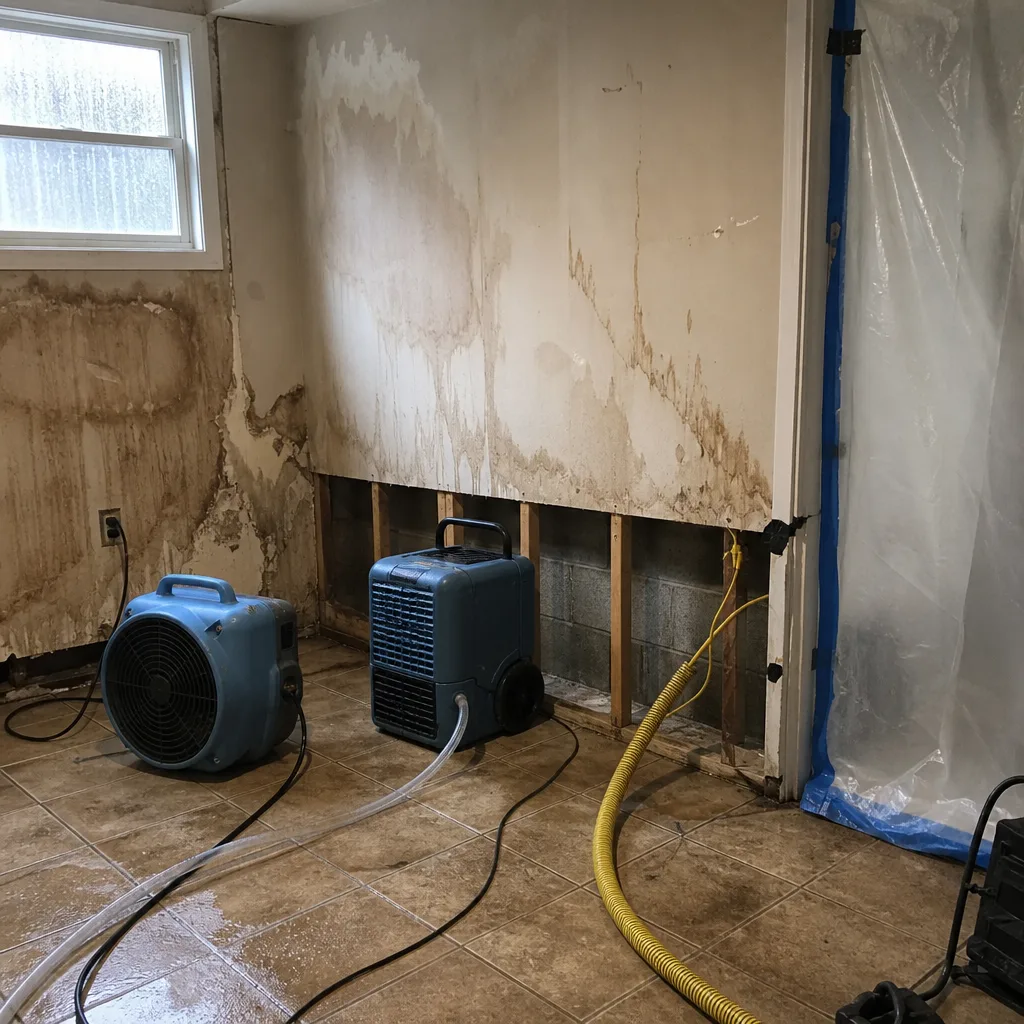
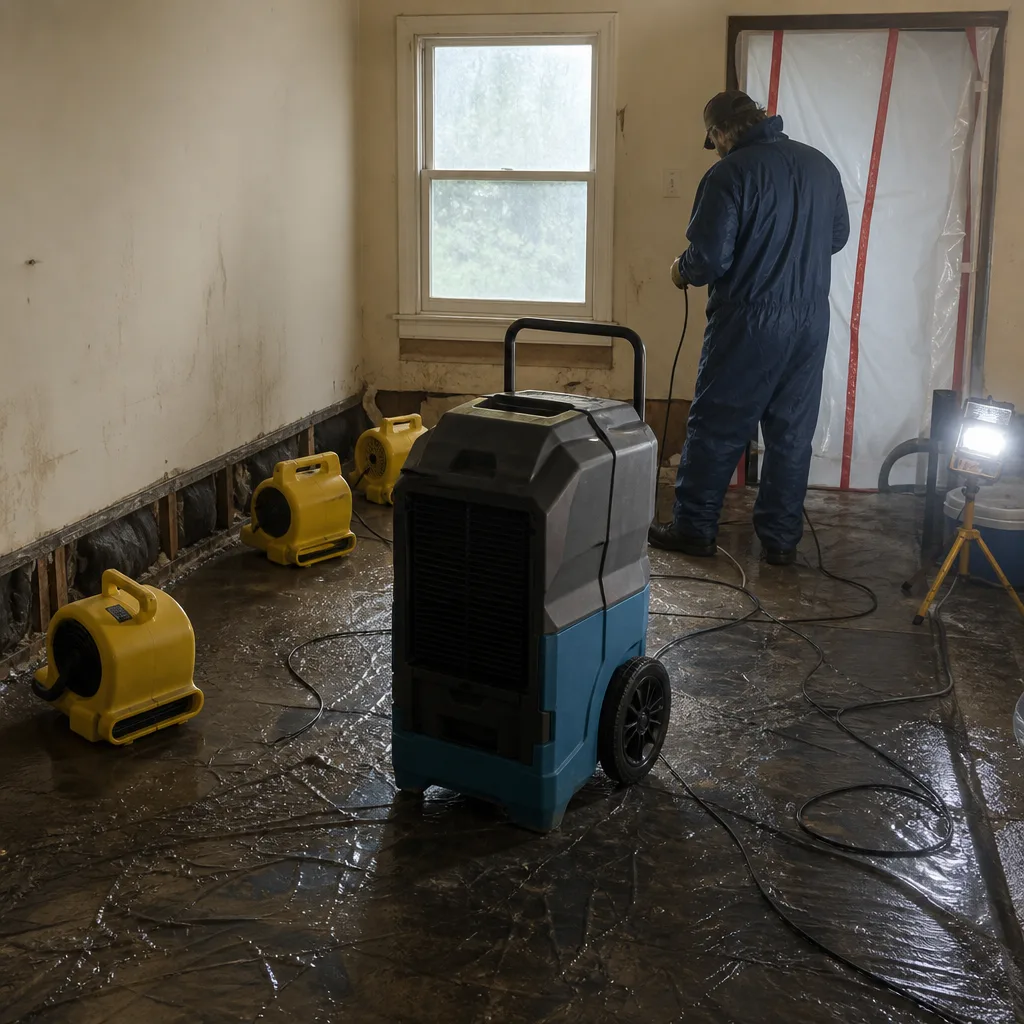
Contaminated water, saturated horsehair plaster, blood-soaked materials, and porous items that cannot be safely decontaminated are removed and bagged as regulated medical waste. In Jersey City’s old buildings, this often means cutting out lath and plaster, not just drying it.
Cleaning & Antimicrobial Treatment
Every remaining surface gets hospital-grade antimicrobial treatment. We use professional-grade XPOWER air movers and HEPA air scrubbers to keep the air clean while surfaces are treated.
Drying & Verification
Dri-Eaz dehumidifiers and air movers run until hygrometer readings confirm the entire space has returned to pre-loss moisture conditions. We log every reading daily and hand you and your carrier the complete record.
Repairs & Restoration
The same crew that handled the cleanup rebuilds what was removed. New plaster, new flooring, new baseboards, fresh paint. The job is not done until the space looks like nothing happened.
Need Emergency Biohazard & Crime Scene Cleanup in Jersey City Now?
Crews minutes away, answering live 24 hours a day. The sooner we start, the less it costs.
Working With Your Insurance Company
Biohazard and trauma cleanup claims in Jersey City are almost always covered under homeowners policies, but the carrier needs documentation from the first hour to approve the full scope. We provide that. Our technicians photograph every room, log every moisture reading, and write a line-item scope of work in the format adjusters expect. We then coordinate directly with your carrier, so you are not playing messenger between your insurance company and a cleanup crew that only works weekdays. Curt Bowman built Floodline Restoration Co. on direct billing and written documentation. We stand behind it.
What We Provide Your Insurer
- Thorough documentation of the loss
- Photos of all damage, room by room
- Moisture readings and drying logs
- A detailed, line-item scope of work
- Direct coordination with your carrier
Built for Jersey City’s Loss Calendar
Jersey City’s risk profile shifts with the season, and our dispatch board reflects it. January deep freezes burst supply lines in uninsulated row-house basements throughout the Heights and Greenville, and those leaks sit in horsehair plaster and lath long enough to grow mold before anyone notices. Spring and fall nor’easters push Hudson River surge into the combined sewer system, sending Category 3 black water up through floor drains in Paulus Hook and downtown basements. Summer thunderstorms overwhelm the same sewers in minutes, and with sea-level rise, these nuisance flood events are becoming more frequent, not less. Hurricane Sandy in 2012 left residual moisture and latent mold in waterfront basement units that reactivates with each subsequent flood. That means Jersey City homeowners are not dealing with isolated incidents. They are dealing with a pattern, and a cleanup company that understands the pattern works faster and bills less.
Biohazard & Crime Scene Cleanup Across Jersey City’s Neighborhoods
Response routes matter when you are waiting at 3 a.m. in a Greenville row house with sewage backing up through a floor drain. Our crews know the quickest paths through Jersey City traffic, from the I-78 corridor into the Heights, down Kennedy Boulevard through Journal Square, and across Grand Street into the waterfront. Paulus Hook and downtown buildings present their own challenges, mostly high-rise services with tight elevator access and building management protocols. The Heights and Bergen-Lafayette are dense row-house territory where a trauma scene in one unit can seep into two or three adjacent properties with different owners. Journal Square’s pre-war multi-family buildings often have shared attic planes and masonry cavities that spread odors and pathogens laterally. Greenville and the West Side sit low and close to Newark Bay, where sewage backups are a recurring fact of life. We serve all of it, and our technicians know the building stock in each neighborhood well enough to predict where contamination has traveled before they open the first wall.
Specialized Biohazard & Crime Scene Cleanup Services We Offer in Jersey City
Crime Scene Cleanup
After law enforcement releases a property, we handle what remains: blood, bodily fluids, fingerprint dust, and tear gas residue. In Jersey City’s attached row houses, this work often requires treating shared wall cavities and coordinating access with neighboring property owners. We document everything for your carrier and coordinate with the investigating agency if needed.
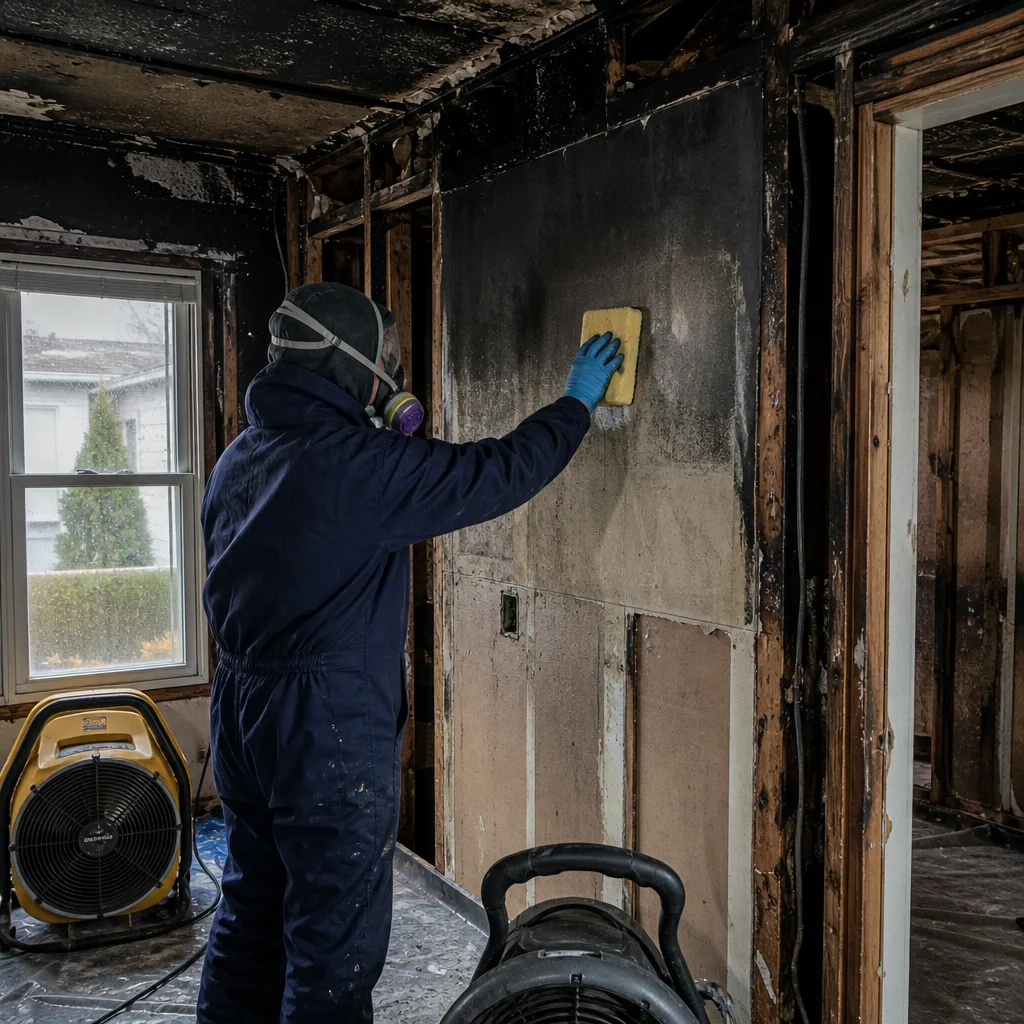
Trauma & Unattended Death Cleanup
Unattended deaths in Jersey City apartments and row houses present a unique problem: fluids seep through floors into lower units and through shared walls into adjacent ones. Our team uses moisture mapping to trace the contamination path, then decontaminates every affected space, not just the room where the death occurred. We handle this discreetly, with unmarked vehicles when requested.
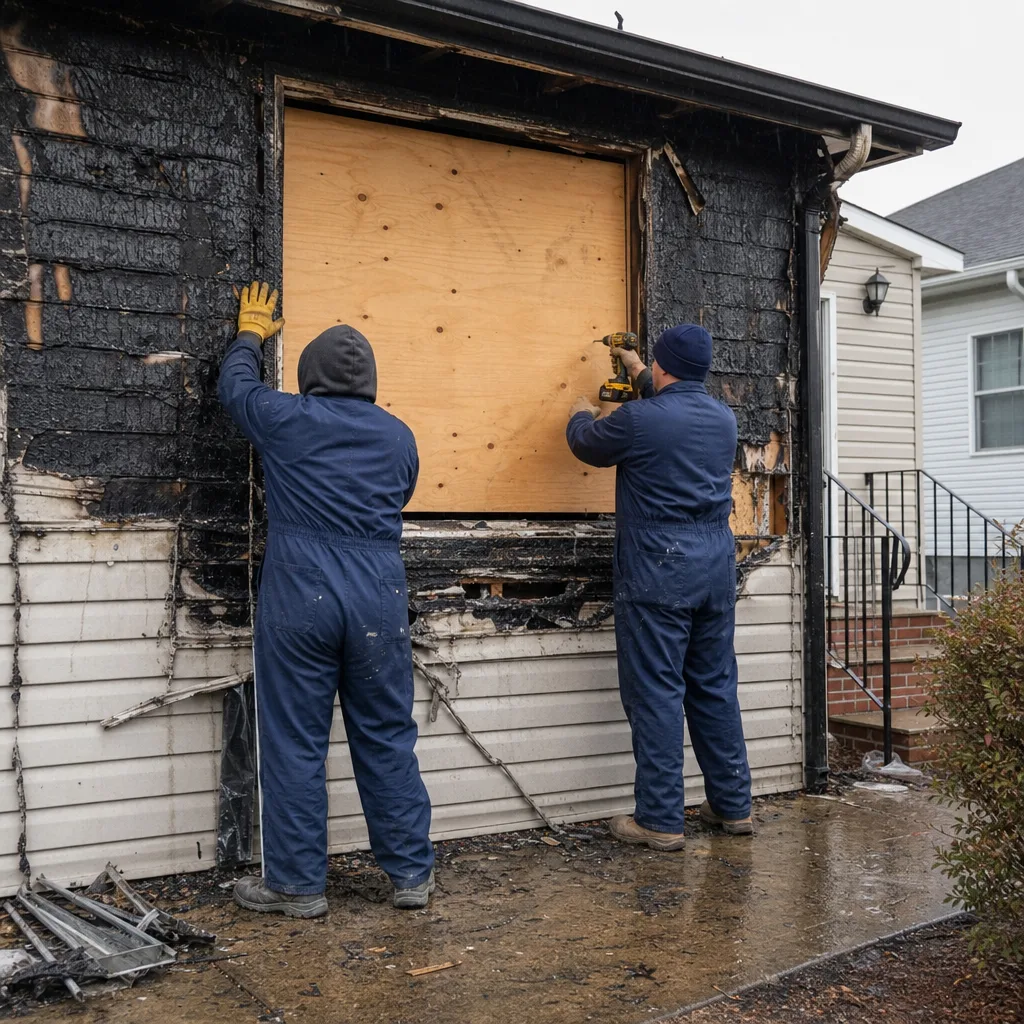
Hoarding Cleanup
Hoarding situations in Jersey City’s multi-family buildings are delicate. We work floor by floor without forcing neighbors out, using containment and negative air to prevent odors and airborne particles from spreading through common hallways. We also sort salvageable items from debris with the property owner or family member present, treating personal belongings with respect.
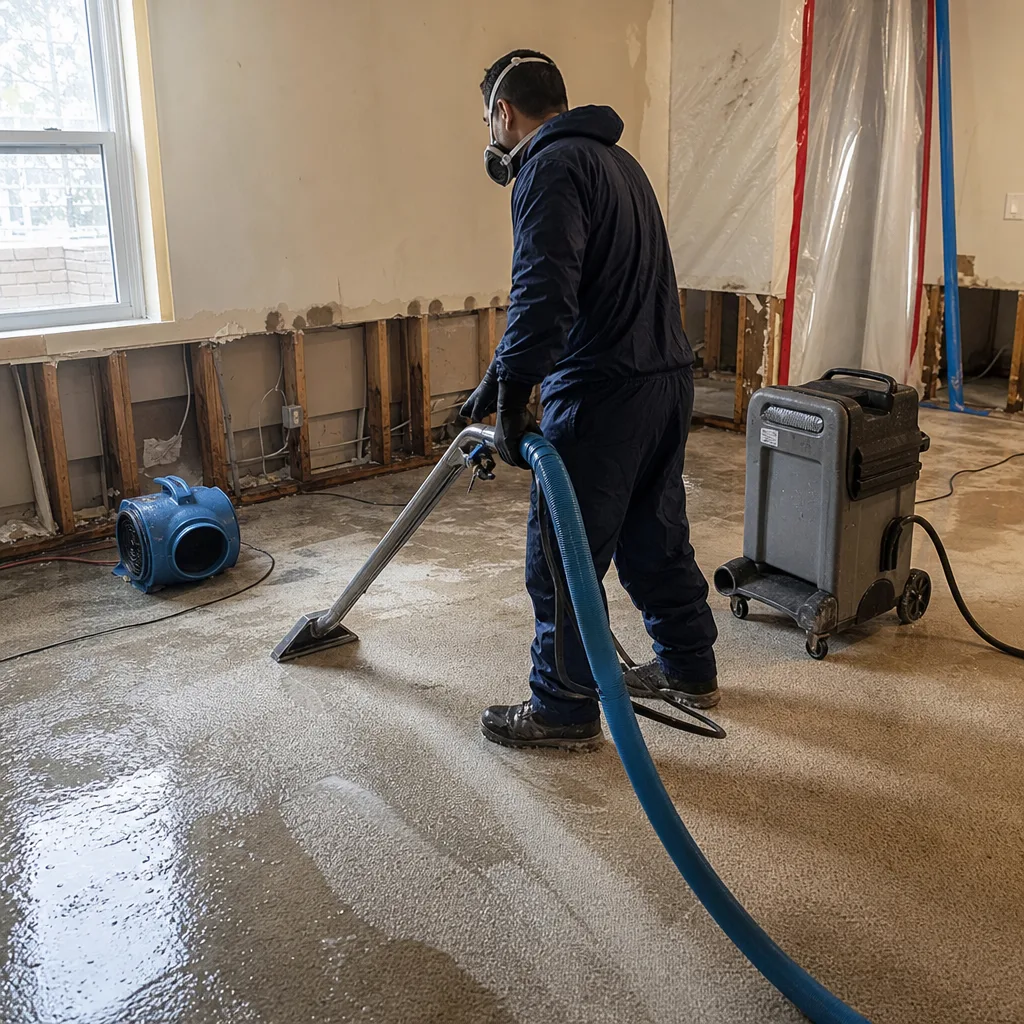
Blood & Bodily Fluid Cleanup
Blood is a biohazard, not just a stain. In older Jersey City homes, blood soaks through carpet and padding into hardwood subfloors and horsehair plaster below. Surface cleaning is not enough. We remove the saturated materials, treat the underlying structure, and verify the space is safe with post-remediation testing.
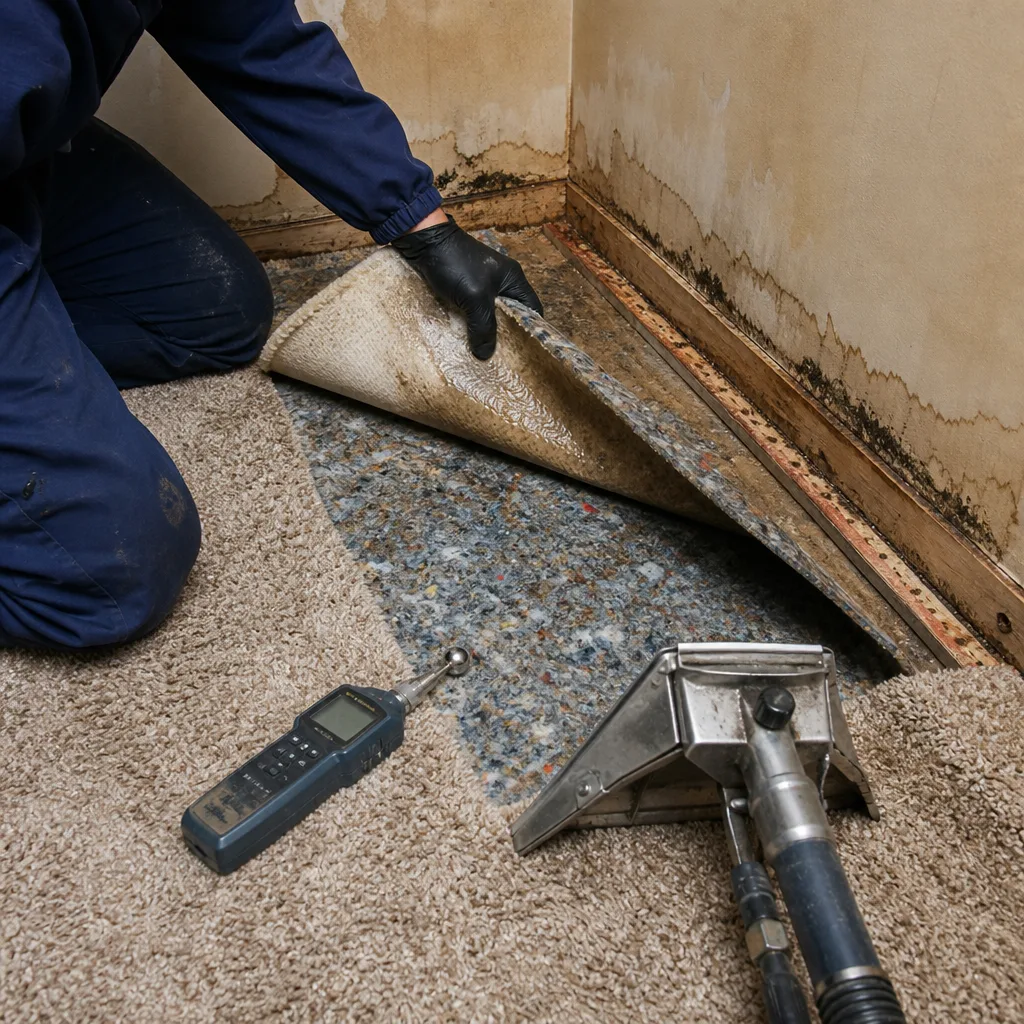
Infectious Disease Disinfection
From COVID-era decontamination to MRSA, C. diff, and hepatitis exposures, we disinfect Jersey City homes and commercial spaces with EPA-registered hospital-grade antimicrobials. This service matters in multi-family buildings where common areas like lobbies, elevators, and laundry rooms are shared by dozens of households. We treat every high-touch surface and provide written verification of the treatment.
What happens when you call
- 1
A real person answersNo phone trees - you reach a local pro.
- 2
You get an upfront price rangeHonest numbers before anyone is dispatched.
- 3
A background-checked tech heads outLicensed & insured, dispatched right away.
- 4
You approve before work beginsNothing starts until you say go.
Biohazard & Crime Scene Cleanup Costs in Jersey City, NJ
A typical trauma scene cleanup in a Jersey City row house runs $1,500 to $3,500 depending on how far fluids migrated and whether wall cavities need opening. Infectious disease disinfection for a single-family home starts around $800 and runs up to $2,500 for larger multi-floor properties. Hoarding cleanup is the most variable, typically $1,500 to $6,000 or more depending on volume and whether structural damage exists beneath the debris. Sewage backup cleanup in a Greenville or Paulus Hook basement averages $1,200 to $3,000 when full containment and antimicrobial treatment are needed. Most Jersey City homeowners pay little out of pocket because these losses are covered by insurance, and we bill the carrier directly. Call (551) 373-5246 for a free visual inspection and a firm written scope before any work starts.
We Also Serve Cities Near Jersey City
Floodline Restoration Co. provides Biohazard & Crime Scene Cleanup throughout Hudson County and the surrounding metro, including Jersey City, Hoboken, Secaucus, Union City, and Weehawken. Our Biohazard & Crime Scene Cleanup team is dispatched from our New York City office and arrives within 45 minutes across the region.
Serving Jersey City, NJ - Our Local Coverage Area
We’re based in the Jersey City area and know this community well. Use the map below to see our service coverage - if you’re nearby, we can almost certainly help.
Jersey City Biohazard & Crime Scene Cleanup Questions, Answered
Is ‘just a little basement water’ in Jersey City’s Greenville area actually a biohazard?
Yes, in most cases. Greenville sits low and close to Newark Bay, and Jersey City’s combined sewer system means heavy rain or tidal surge can push untreated sewage up through basement floor drains. The water that collects in a Greenville basement during a moderate storm is often Category 3 black water, not clean rainwater. Treating it as a biohazard, with full containment and antimicrobial treatment, is the only safe approach. Call (551) 373-5246 if you are unsure what came up through your floor drain, and we will assess it honestly.
How do you prevent cross-contamination in attached Jersey City row houses during a trauma cleanup?
We set up negative air pressure containment with HEPA filtration before we disturb any contaminated material. That keeps airborne pathogens from traveling through shared wall cavities, common attic spaces, or under-floor areas into adjacent units. In Jersey City’s dense row-house blocks, this containment step is not optional. When contamination has already migrated, we coordinate access with neighboring property owners and decontaminate every affected space, not just the primary scene.
How fast can mold start after a water loss in a Jersey City brick row house with horsehair plaster?
Mold can begin colonizing within 24 to 48 hours in the right conditions, and Jersey City’s humid summers accelerate that timeline. Horsehair plaster and lath hold moisture longer than modern drywall, which is why we use Dri-Eaz dehumidifiers and XPOWER air movers to hit the dry standard fast. We log daily moisture readings until the entire structure, not just the surface, is dry. Call (551) 373-5246 if you are past the 24-hour mark; the longer water sits, the more invasive the remediation.
Do I need hazmat testing before demolition in an older Jersey City property after a biohazard cleanup?
Often, yes. Jersey City’s housing stock is dominated by late-19th and early-20th century construction, which frequently contains asbestos in floor tiles, pipe insulation, and plaster, plus lead paint. Before we cut out saturated plaster or remove contaminated flooring, we test suspected materials. If asbestos is present, we coordinate licensed abatement before demolition proceeds. This testing step is built into our scope of work for older properties; skipping it would put everyone in the building at risk and violate regulations.
Can you handle a hoarding cleanup in a multi-family Jersey City building without forcing neighbors out?
Yes. We use containment barriers, negative air pressure, and HEPA air scrubbers to prevent odors and airborne particles from spreading through common hallways and shared ventilation. The building stays liveable for other residents while we work floor by floor. We also work with the property owner or family member to sort salvageable items from debris, and we coordinate with building management on waste removal schedules so dumpsters are not blocking entrances longer than necessary.
How fast can someone actually get to my Jersey City property for a biohazard emergency?
Our commitment is 45 minutes from your call to arrival anywhere in Jersey City, including Greenville, the Heights, Journal Square, Paulus Hook, and Bergen-Lafayette. A live dispatcher answers the phone 24/7 and sends the closest available crew. That speed matters on biohazard work because pathogens spread and porous materials absorb contamination faster than most people expect. Call (551) 373-5246 and we will be there quickly.
Will insurance cover biohazard cleanup in Jersey City, and who deals with my adjuster?
Most Jersey City homeowners policies cover trauma scene cleanup, sewage backup, and infectious disease disinfection, though coverage limits and deductibles vary. We handle the adjuster directly: we photograph everything from the first hour, write a line-item scope, and bill your carrier. You never play messenger between us and the insurance company. If you have questions about your specific policy, call (551) 373-5246 and we will review your coverage with you.
What should I do in the first 30 minutes after discovering blood, bodily fluids, or sewage backup in my Jersey City home?
Stay out of the affected area and keep children, pets, and neighbors away. Do not attempt to clean it yourself – blood and sewage are regulated biohazards, and improper cleanup spreads pathogens across more surfaces. Shut off HVAC systems if possible to prevent airborne contamination from circulating. Then call (551) 373-5246. We will walk you through what to do on the phone and have a crew arriving fast.
Our crew handled a Category 3 black water backup in a Greenville row house on Ocean Avenue, where tidal surge pushed sewage up through a floor drain. We set up full containment with negative air, extracted contaminated water, cut out saturated horsehair plaster and lath, and ran antimicrobial treatment with XPOWER air movers until moisture readings returned to pre-loss condition. The homeowner had mopped the floor for two days before calling us, convinced it was just rainwater. It was not. That is the thing about Jersey City basements: what looks like a nuisance is often a biohazard, and the difference is invisible until it is too late.
Written by Curt Bowman, Owner at Floodline Restoration Co., serving Jersey City, NJ with biohazard and crime scene cleanup since 2010.