

Free visual inspection and a written scope of work before any mitigation begins - photos, moisture readings, and drying logs go in your claim file
The scope we write is the scope we bill. Anything new gets shown to you, in writing, before we touch it.
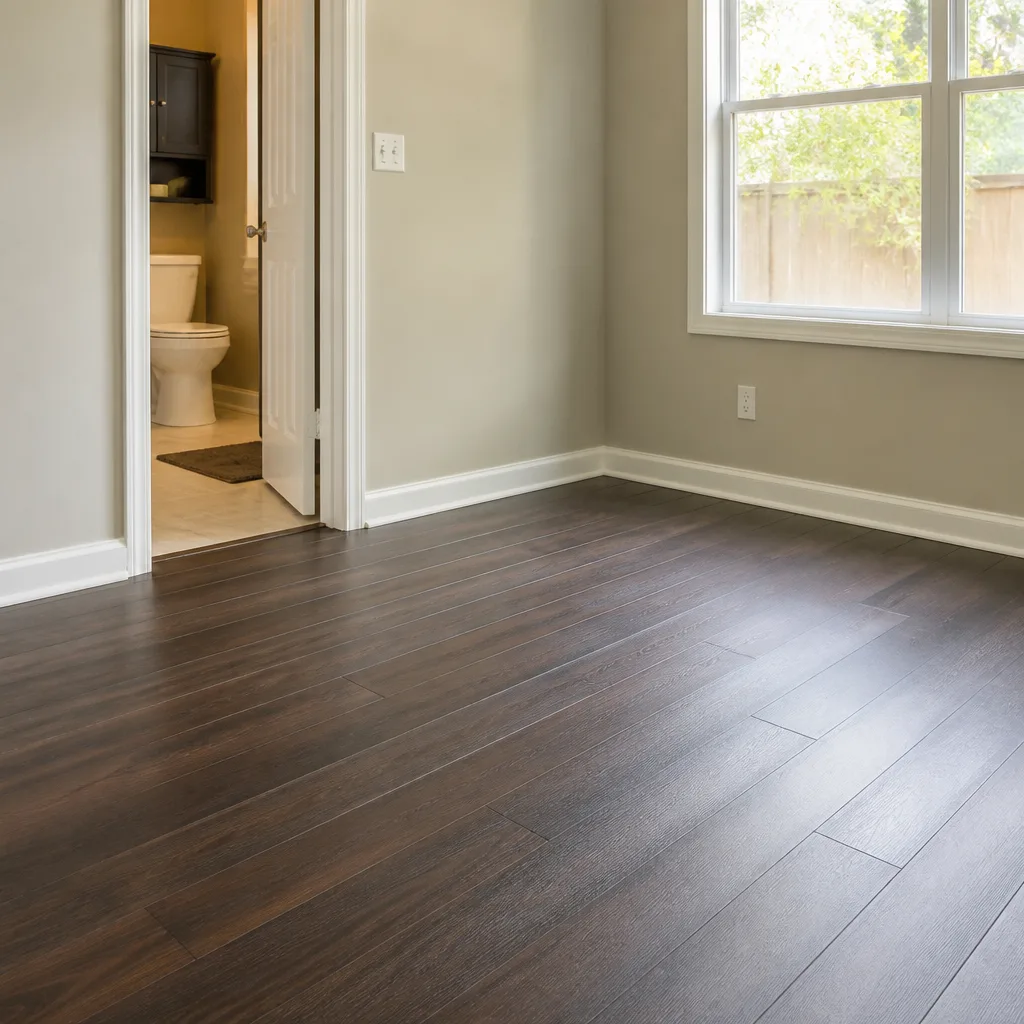
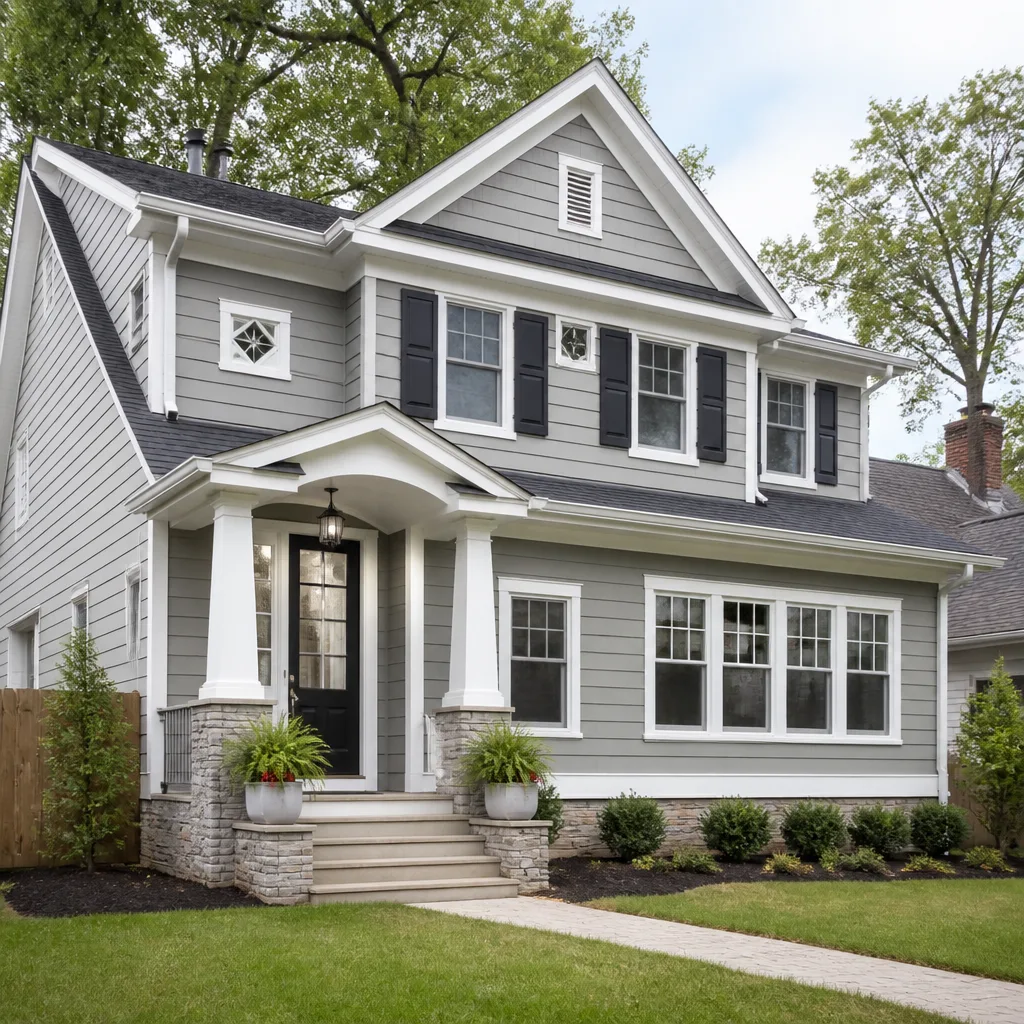
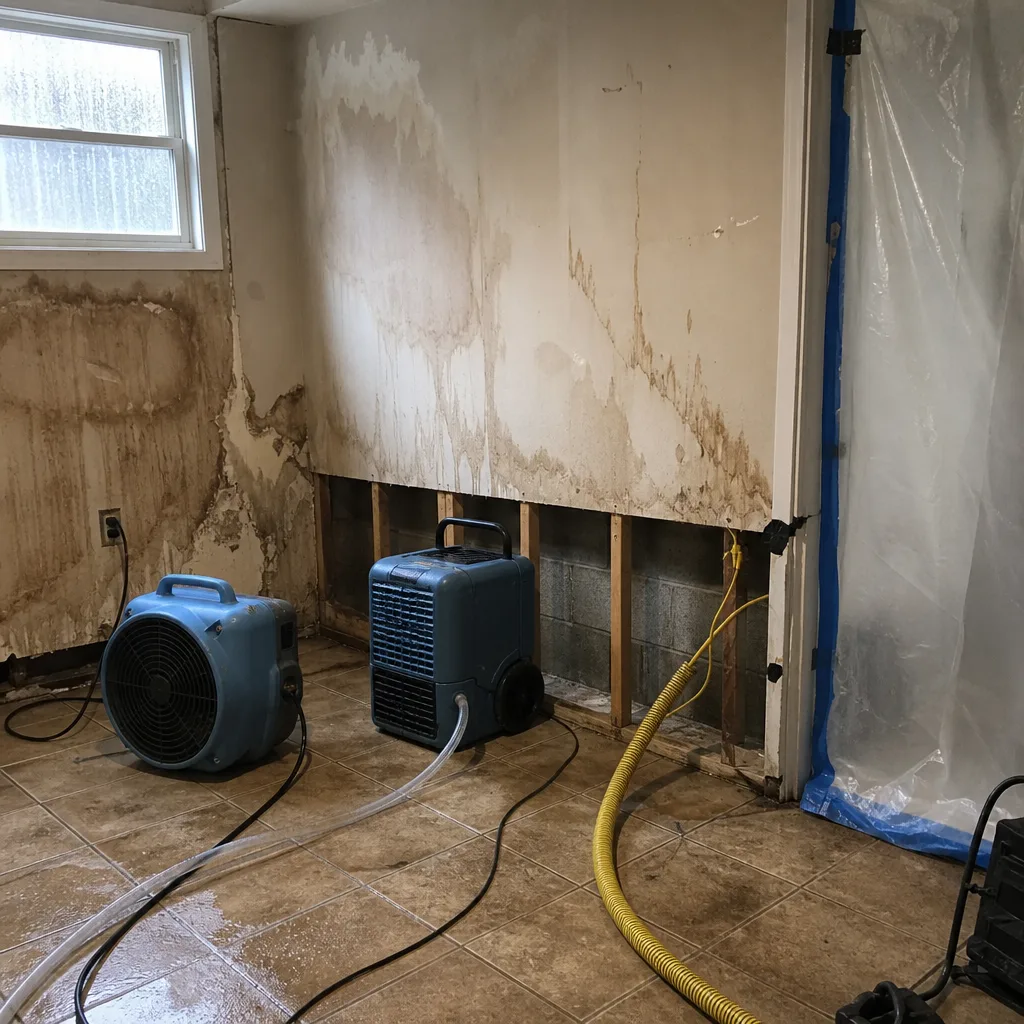 Before
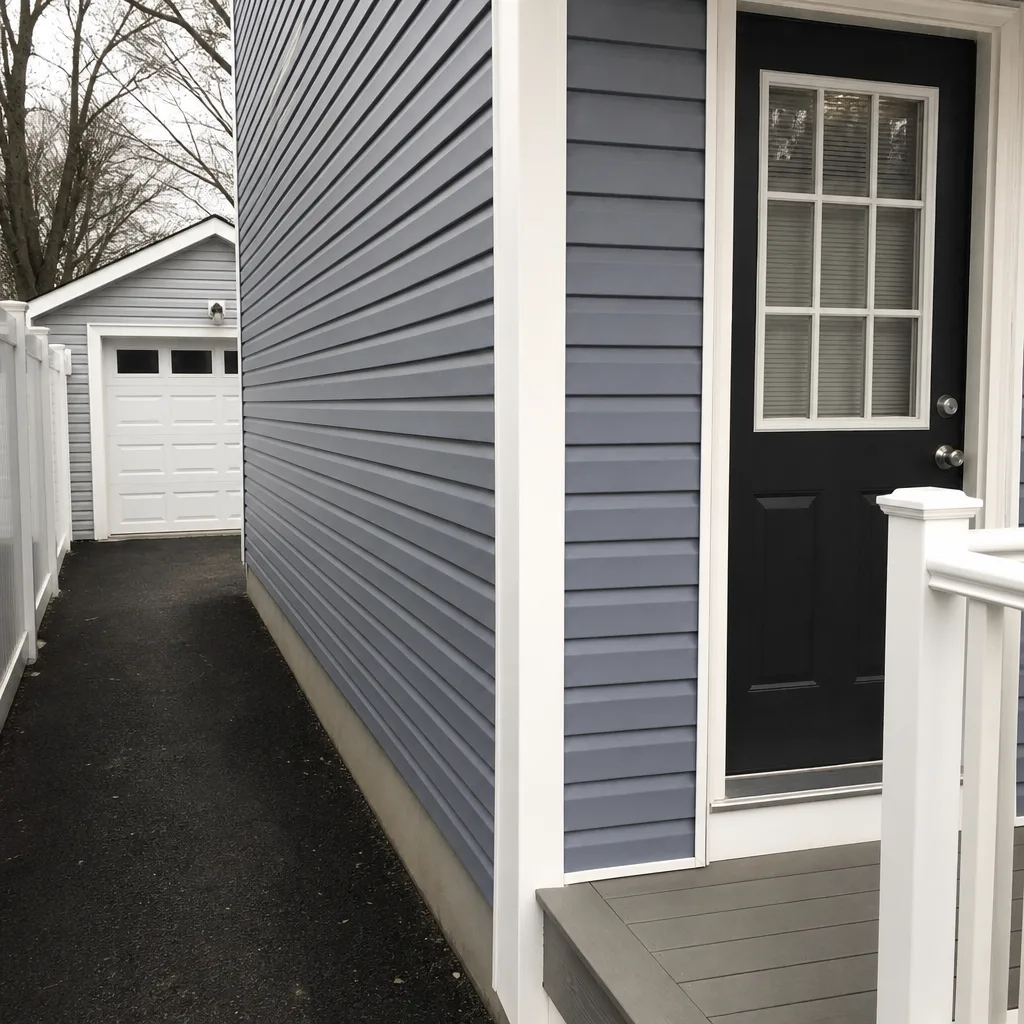 After
After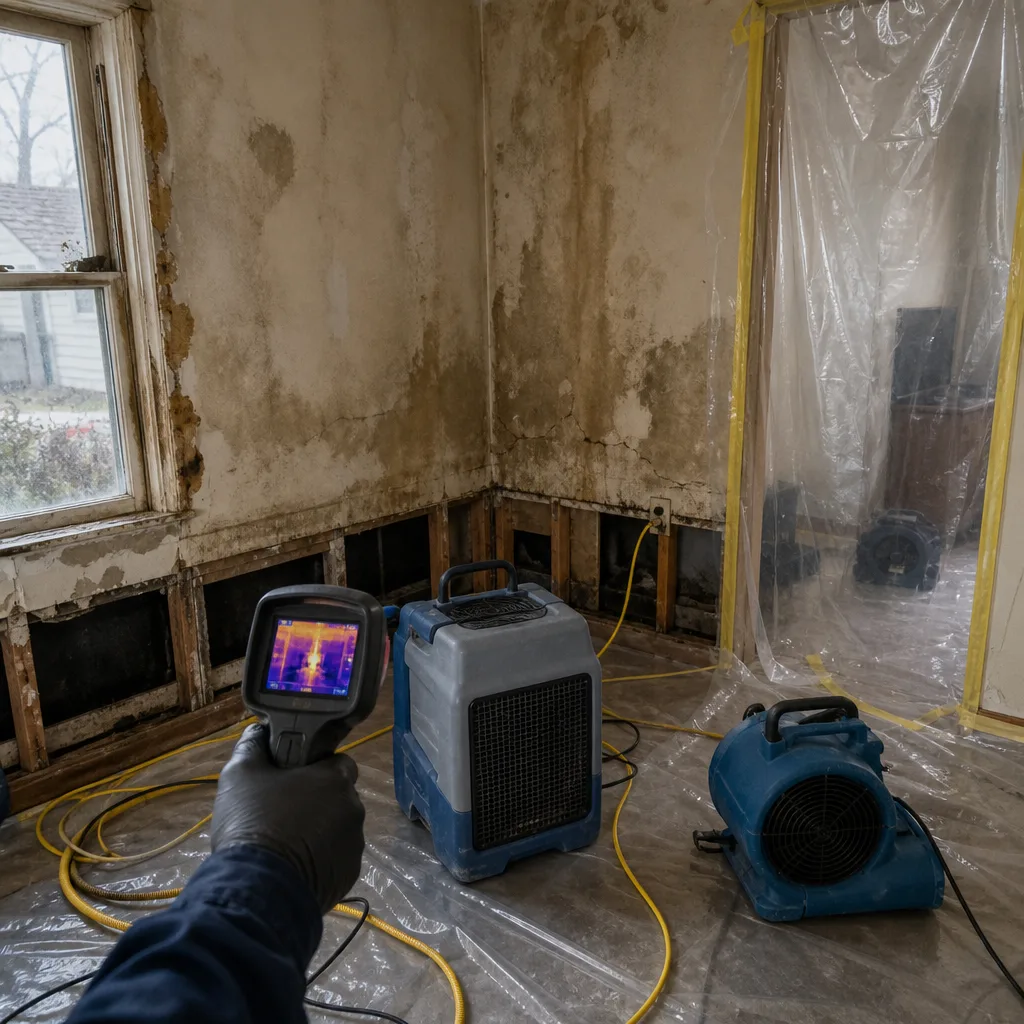 Before
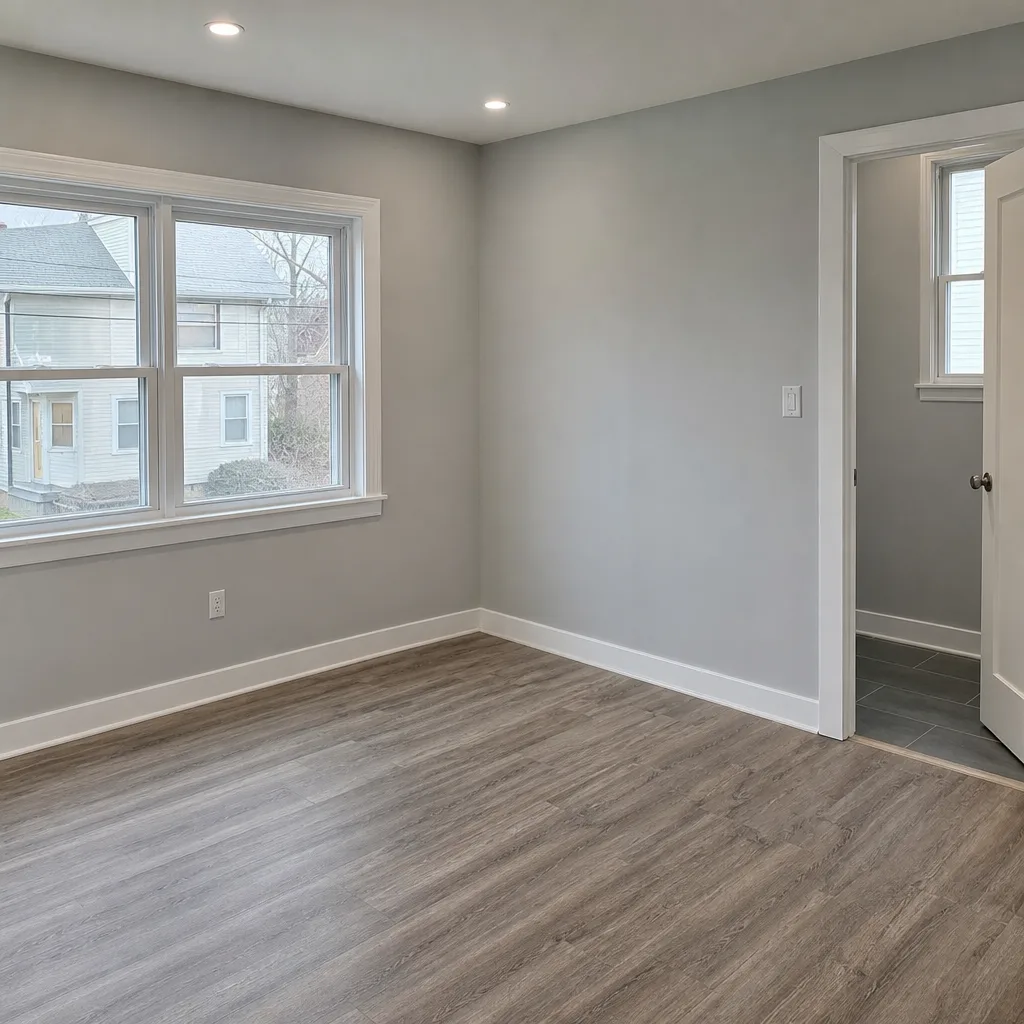 After
After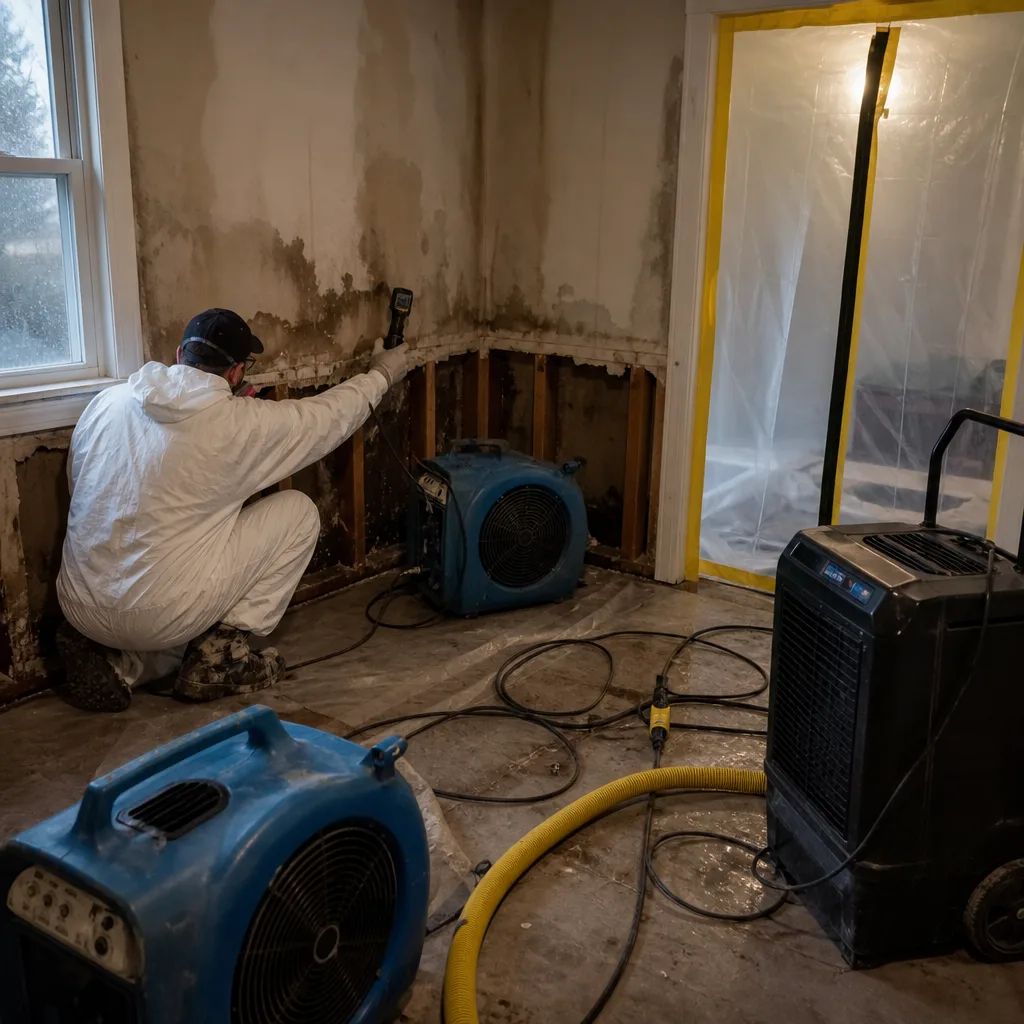 Before
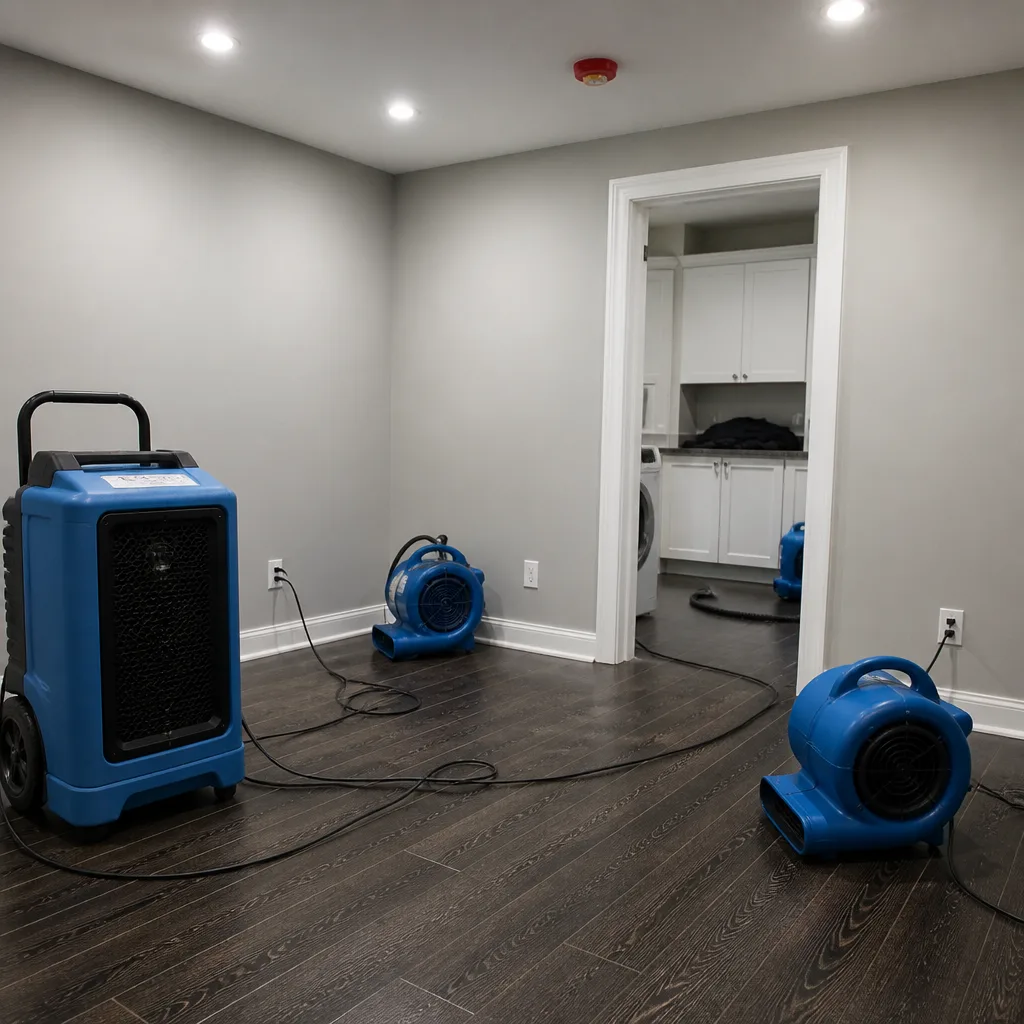 After
After24/7 Emergency Biohazard & Crime Scene Cleanup in Lyndhurst
Biohazard and crime scene cleanup in Lyndhurst requires a team that can arrive fast and work within the specific conditions this borough presents. We answer live, 24 hours a day, and our crews are dispatched from minutes away. Call (551) 373-5246 any hour and you’ll speak with a real person who can start a crew toward your address immediately. The first call matters because blood, bodily fluids, and Category 3 water don’t wait. They sink into drywall, wick through subfloor, and create conditions where bacteria multiply before a homeowner has finished processing what happened. We arrive in uniform, assess the scene, and give you a written scope before any work begins.
Floodline Restoration Co. handles biohazard work in Lyndhurst with the same crews who understand this town’s floodplain. That matters more than most people realize. Our Biohazard & Crime Scene Cleanup team knows that a trauma scene in Riverside carries different contamination risks than one on higher ground near the Meadowlands edge. We’ll explain exactly what that means for your home before we touch anything.
Understanding Biohazard & Crime Scene Cleanup Severity in Lyndhurst Properties
In Lyndhurst, biohazard severity is rarely just about the immediate scene. It’s about what the 1940s-to-1960s housing stock does with moisture and contamination. A trauma or unattended death in a Cape Cod off Riverside Avenue involves blood that has settled into hardwood, subfloor, and often into the same lower-level framing that already carries years of elevated moisture from the Passaic River’s seasonal table. When that happens, the biohazard is no longer surface-level. It has entered the structure.
We classify contamination by category and extent before we set containment. Blood and bodily fluid on tile is Category 2 biological contamination and needs antimicrobial treatment and disinfection. Blood that has soaked into carpet pad over a semi-finished basement floor that sits below the water table becomes a deeper problem. The open construction cavities in these older homes act as channels. Odor travels. Bacteria travel. What looks like one room often means three rooms, a stairwell, and the joist bays below.
The tight layouts of Lyndhurst’s two-families and the shared wall lines in the denser blocks off Ridge Road also mean cross-contamination risk is higher. Air movement from a single room reaches neighbors upstairs or next door faster than in a detached home on a larger lot. We account for that with negative air pressure and full containment on every biohazard job in this borough, not just the ones that look severe. Over forty years of local restoration work teaches you that in Lyndhurst, the hidden extent is usually worse than the visible one.
Why Lyndhurst Property Owners Choose Floodline Restoration Co.
- 45-minute response commitment: When you call about a biohazard scene, a crew is dispatched toward Lyndhurst immediately, not after a call-back window.
- 24/7 live answer, never an automated system: A dispatcher answers at 2 a.m. the same way they answer at 2 p.m. You’ll talk to a human who can make decisions.
- IICRC-certified crews with trauma and water crossover training: Our technicians hold certifications including WRT and FSRT, and they understand how flood damage changes biohazard protocols.
- Free visual inspection before any commitment: We walk the scene, explain what we’re seeing, and give you a line-item written scope. You decide from there.
- Direct insurance billing, including NFIP claims: We bill your carrier directly and provide FEMA-compliant documentation when the loss ties back to river flooding.
- One team from first response to final repair: The same Floodline crew that sets containment does the drywall replacement, antimicrobial treatment, and finish work. No handoff.
Our Biohazard & Crime Scene Cleanup Process
Inspection & Assessment
We walk the entire property, not just the visible scene. Using moisture meters and thermal imaging, we map where fluids have traveled and where existing flood moisture has created a host environment. You get a written report before work begins.
Containment & Stabilization
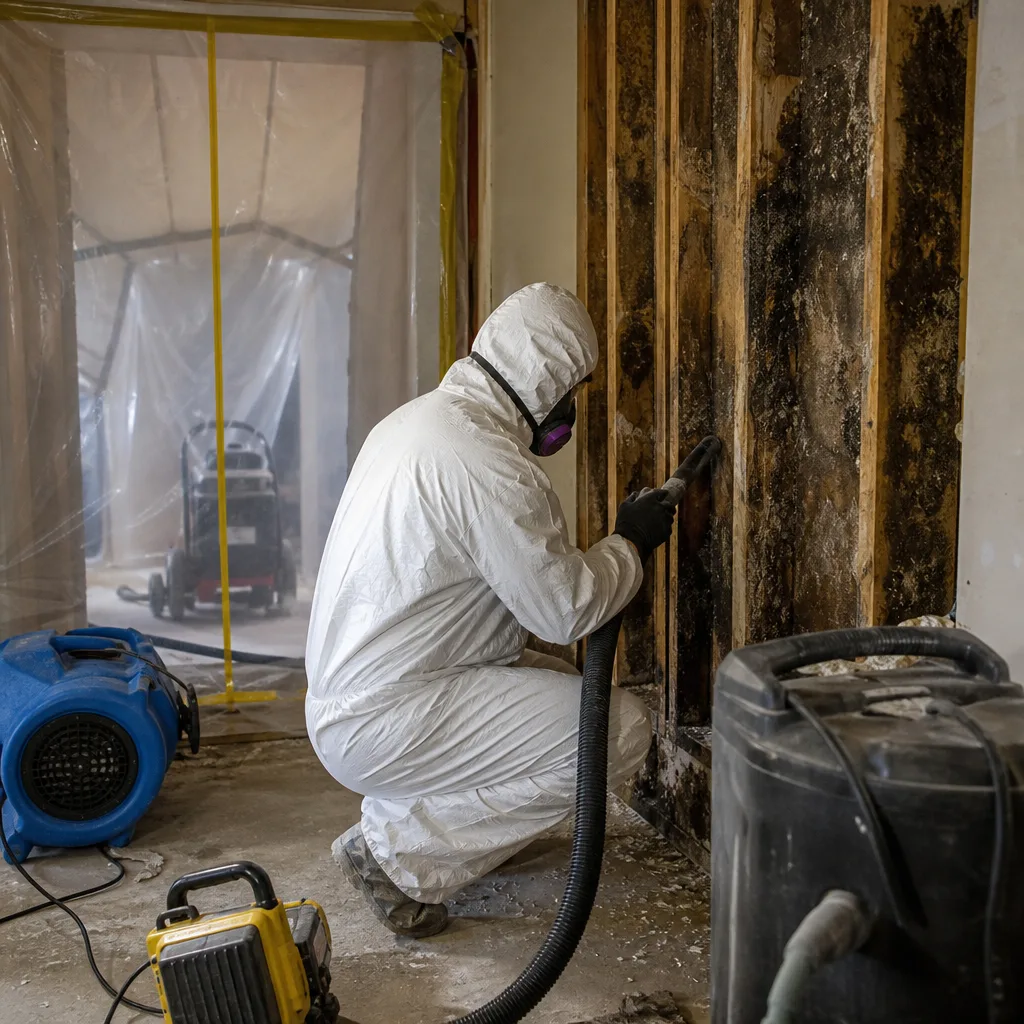
We seal the affected areas with HEPA-filtered negative air pressure and poly barriers. This prevents airborne bacteria and odors from spreading into unaffected rooms, stairwells, and shared walls in two-family homes.
Removal & Drying
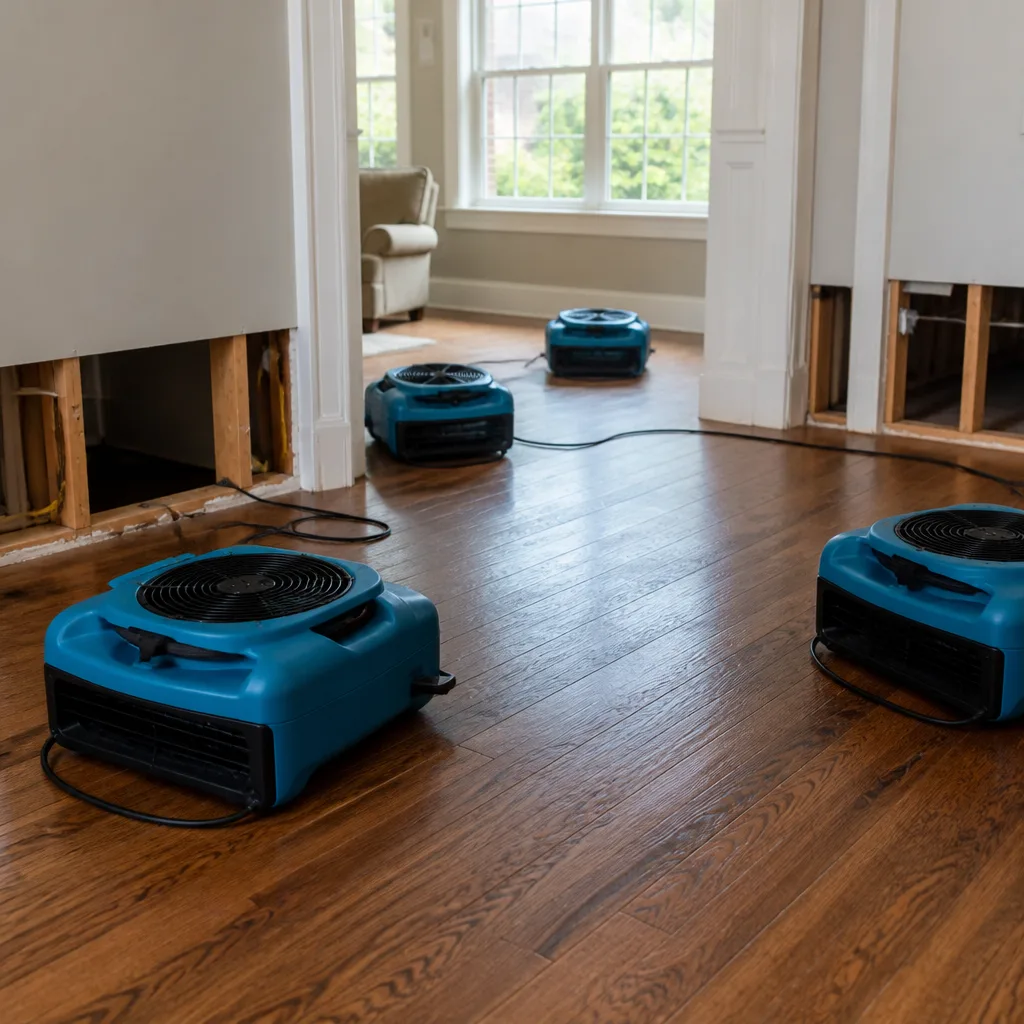
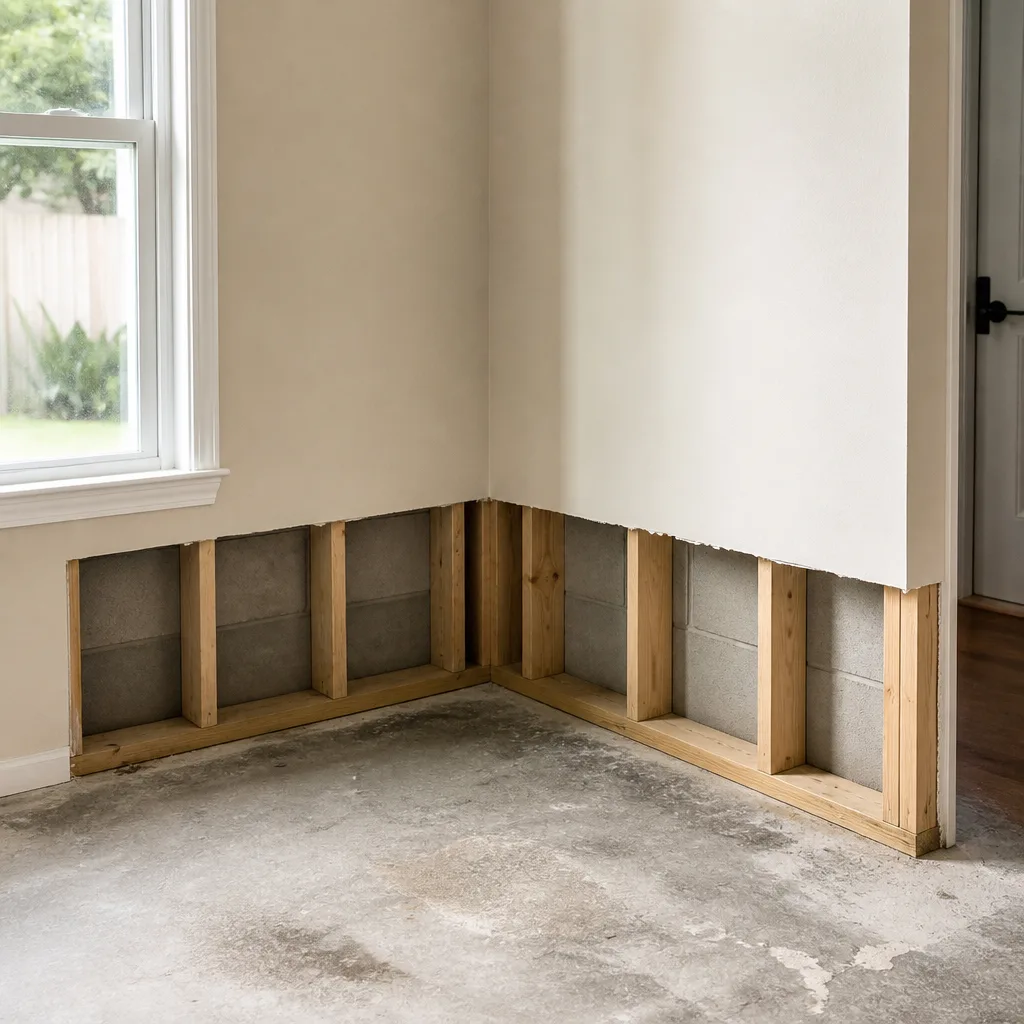
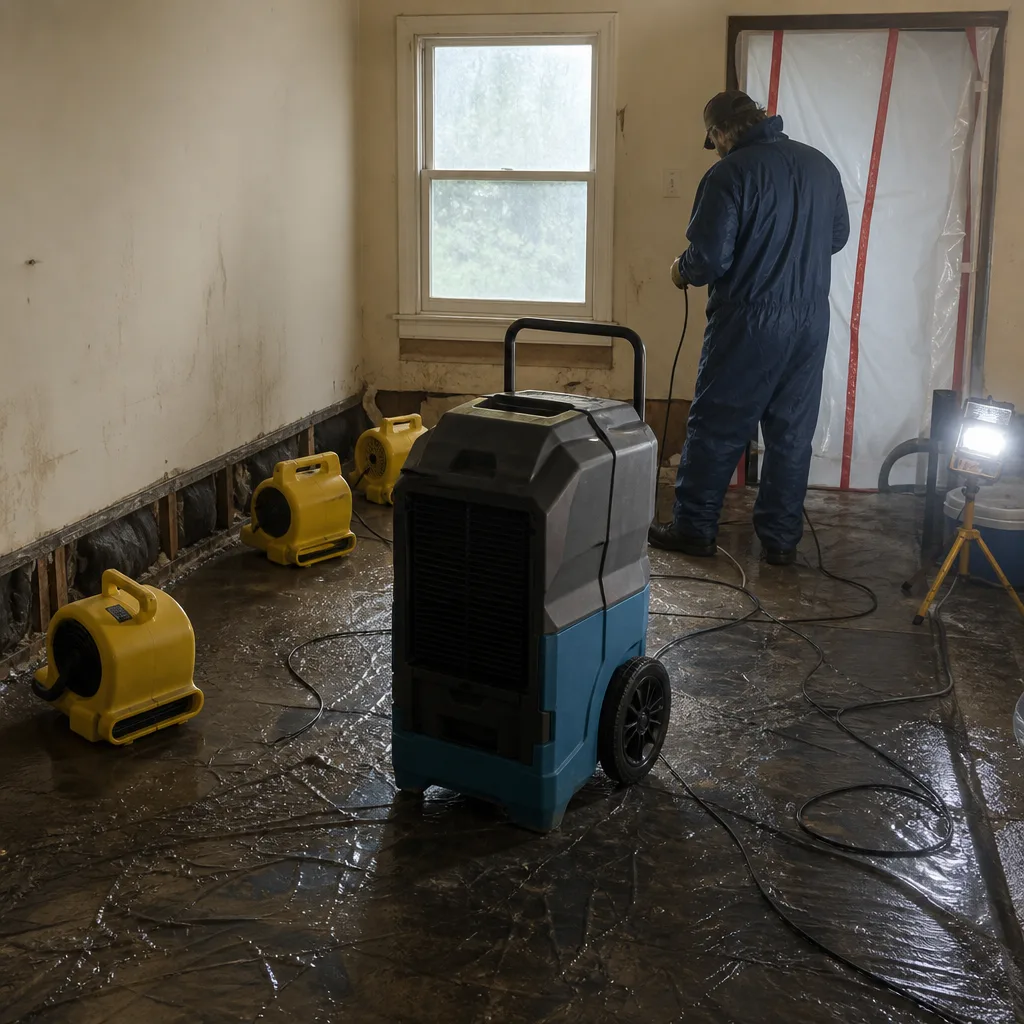
Affected drywall, carpet, pad, and any saturated materials are cut out and bagged for regulated disposal. We run Dri-Eaz air movers and dehumidifiers to bring materials to dry standard before treatment begins.
Cleaning & Sanitization
All remaining surfaces are cleaned with hospital-grade antimicrobial agents registered for bloodborne pathogen decontamination. We treat studs, joists, and concrete where fluids have penetrated.
Odor & Air Scrubbing
HEPA air scrubbers run continuously during and after cleaning. We use hydroxyl and ozone treatment where appropriate to remove odor molecules trapped in older plaster and lath assemblies common in Lyndhurst homes.
Repairs & Restoration
We rebuild what was removed. New drywall, paint, flooring, and trim matched to the existing home. The goal is a finished space that looks like nothing ever happened and tests clean on clearance.
Need Emergency Biohazard & Crime Scene Cleanup in Lyndhurst Now?
Crews minutes away, answering live 24 hours a day. The sooner we start, the less it costs.
Working With Your Insurance Company
Most biohazard and crime scene cleanups in Lyndhurst are partially or fully covered by homeowner’s insurance. The difficulty is documentation. An adjuster who never sees the scene needs to understand exactly why the treatment path we chose was necessary, especially when flood water from the Passaic is involved. We document from the first hour. Every photo is timestamped and room-labeled. Every moisture reading is logged. Every material removal is listed on a line-item scope that matches the format your carrier and any NFIP reviewer expects.
What We Provide Your Insurer
- Thorough documentation of the loss
- Photos of all damage, room by room
- Moisture readings and drying logs
- A detailed, line-item scope of work
- Direct coordination with your carrier
We deal with your adjuster directly. You don’t carry messages between us. When a Lyndhurst home has prior flood claim history from Irene or Sandy, that history matters. We know how to write scopes that stand up to a second, third, or fourth claim review on the same property. Call (551) 373-5246 and we’ll start documentation the same visit.
Built for Lyndhurst’s Loss Calendar
Lyndhurst’s biohazard and trauma cleanup work doesn’t follow a predictable monthly pattern. It follows the weather and the river. Late summer and early fall bring thunderstorm flash flooding that overwhelms aging sewer infrastructure in the Riverside section, sending Category 3 black water into basements that were never built to handle it. When a cleanup happens in those same basements weeks or months later, the lingering moisture changes everything about how we treat the scene.
Winter brings a different pattern. Deep freezes burst supply lines in unheated Cape Cod basements and crawlspaces, creating standing water that saturates stored belongings and creates conditions where hoarding situations become urgent. Spring thaw raises the Passaic’s level and pushes groundwater up into semi-finished lower levels, meaning a hoarding or unattended death scene discovered in March often involves weeks of accumulated dampness. Summer’s humidity keeps subsurface moisture elevated even without a storm event. This is the reality of biohazard work in a floodplain borough. The calendar drives the conditions. The conditions drive our protocols. And unlike a general biohazard crew, we arrive already knowing the river’s recent history.
Biohazard & Crime Scene Cleanup Across Lyndhurst’s Neighborhoods
Lyndhurst compresses a lot of housing variety into a small square mile, and each section has its own response profile. The Riverside section, running along Riverside Avenue toward the Passaic, is where we see the most flood-complicated biohazard scenes. Homes there sit below the flood stage and carry the moisture history of every major storm since Irene. Work there almost always involves Category 3 crossover.
Up around Ridge Road and the commercial corridor, we respond to trauma events and medical emergencies in apartments above storefronts, where containment and odor control have to account for shared HVAC runs and interior stairwells. The blocks around Valley Brook Avenue and Court Avenue hold dense rows of Cape Cods and two-families where sound and activity carry quickly, so we arrive in unmarked vehicles and work discreetly. Near Company Pond and the Meadowlands border, the homes are newer but the soils stay wetter, meaning basements there hold moisture even when the river stays low. The block off Lake Avenue has a mix of ranches with crawlspaces that make fluid containment more complex.
Response time from our dispatch point is short. We can be at the corner of Kingsland Avenue and New York Avenue, or out near the ShopRite side, in under thirty minutes most days. Four decades of local service means our drivers know every shortcut through ton.
Specialized Biohazard & Crime Scene Cleanup Services We Offer in Lyndhurst
Crime Scene Cleanup
When law enforcement releases a scene in Lyndhurst, the cleanup becomes the homeowner’s responsibility. We respond fast, work with discretion, and bring our flood damage knowledge to every job. A crime scene in a Riverside basement that took water six months ago requires different treatment than one on a dry upper floor. We account for that from the first inspection.
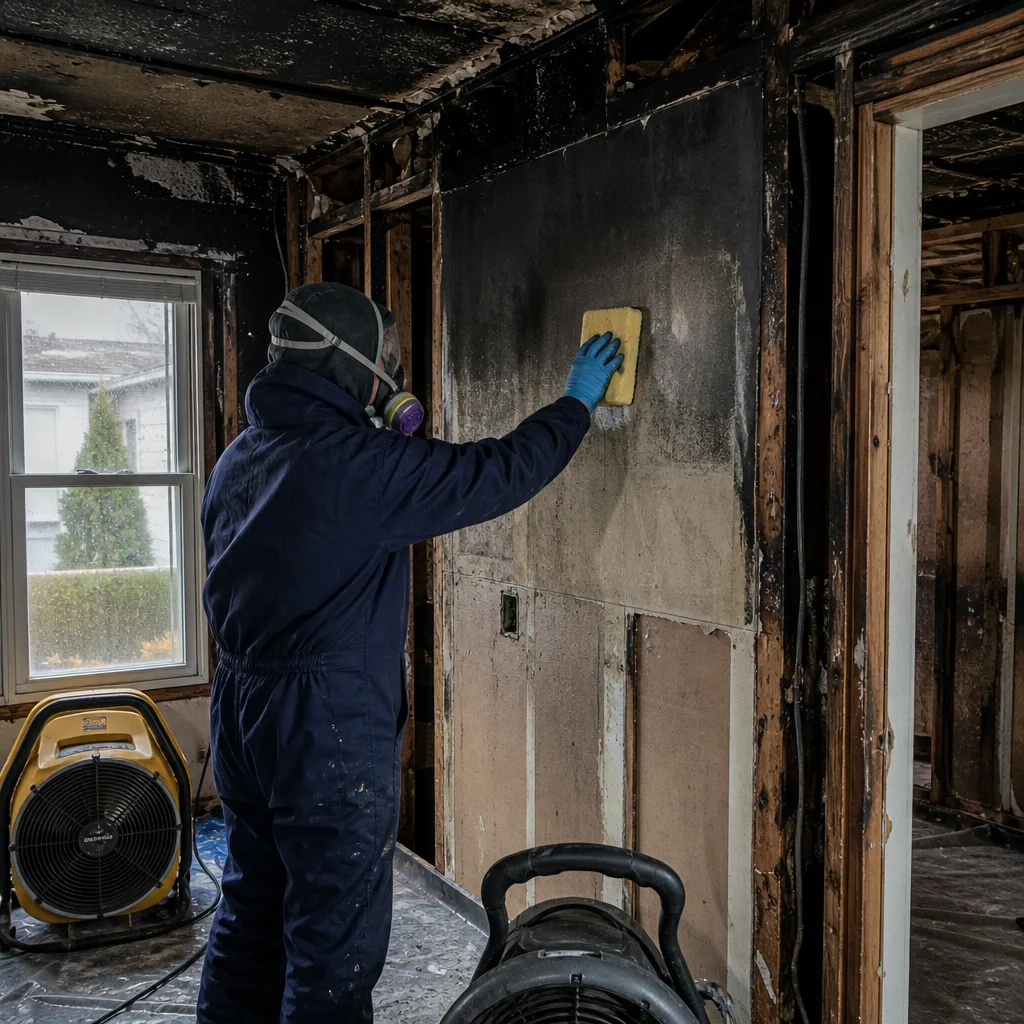
Trauma & Unattended Death Cleanup
These are the calls where compassion and competence have to arrive together. We work quietly, explain what needs to happen in plain language, and never rush a homeowner through decisions. In Lyndhurst’s older homes, an unattended death often means fluids have reached the structure below the visible surface. We find it all.
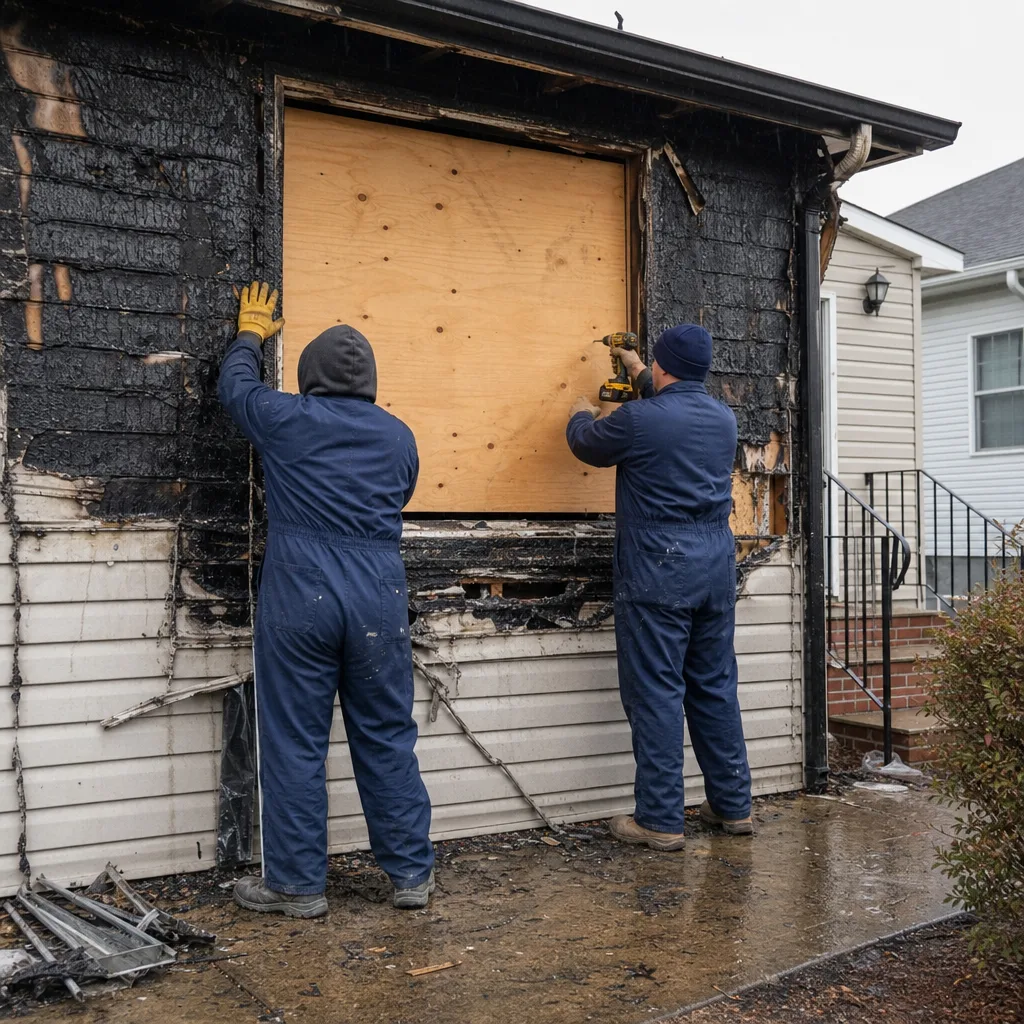
Hoarding Cleanup
Hoarding situations in Lyndhurst get complicated when a home sits near the Meadowlands or in the Riverside floodplain. Stored materials absorb moisture, and the weight strains old framing. We remove contents methodically, sort valuables and documents with the family, and address the biohazard layer underneath. The work often reveals hidden mold behind finished basement walls, which we handle in the same visit as Biohazard & Crime Scene Cleanup in Lyndhurst specialists.
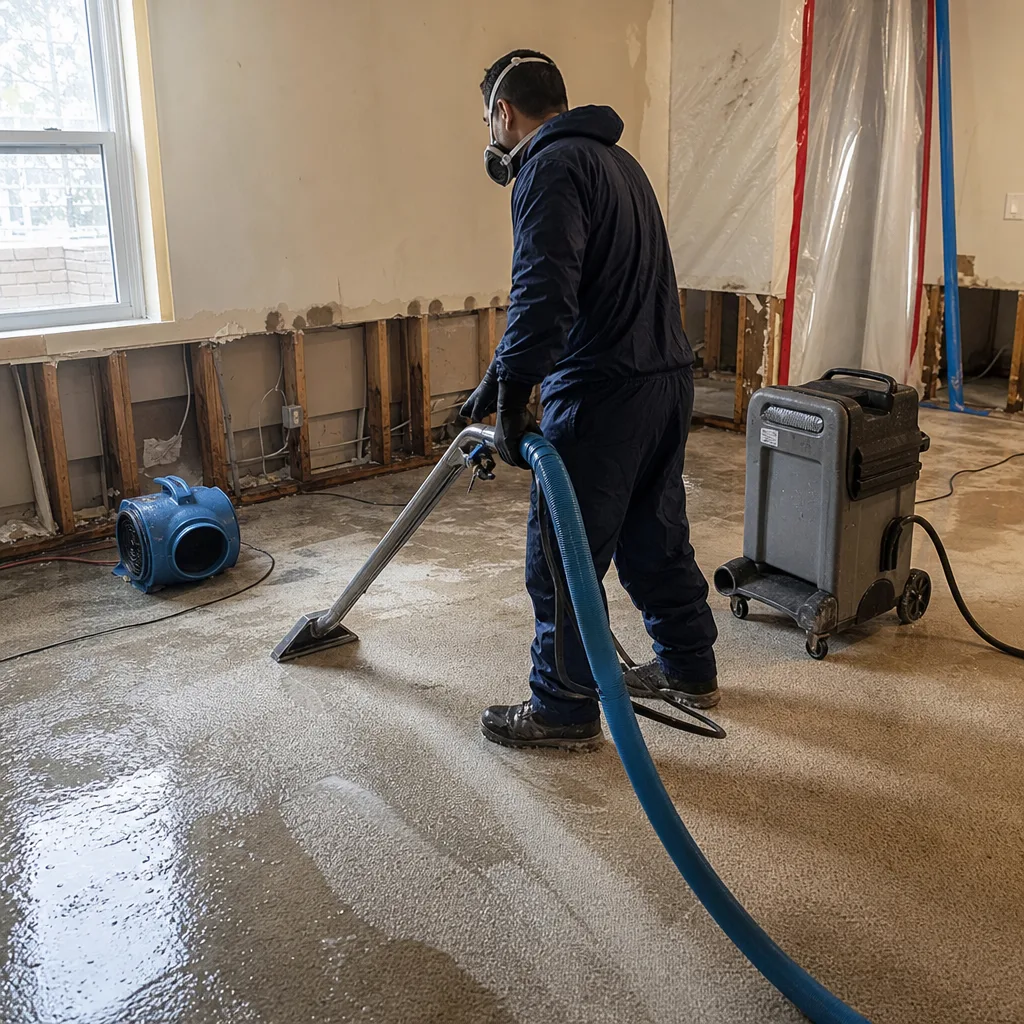
Blood & Bodily Fluid Cleanup
Bloodborne pathogen decontamination is regulated, and we follow all applicable standards. In Lyndhurst’s two-family homes, the concern is always whether fluids migrated through shared wall cavities or floor assemblies. We inspect beyond the visible stain and treat the entire path of contamination, not just the surface.
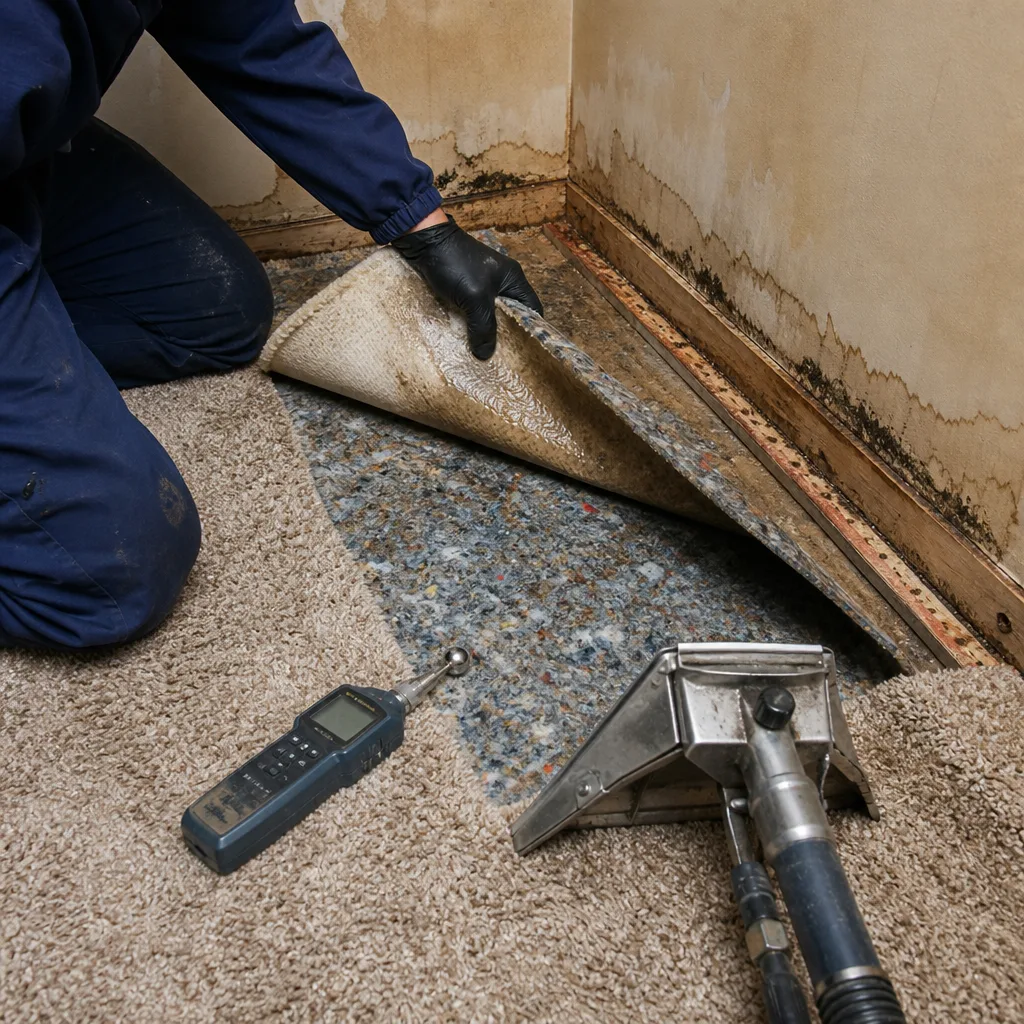
Infectious Disease Disinfection
We use EPA-registered disinfectants appropriate for the specific pathogen involved. Our protocols follow CDC guidance for environmental cleaning and disinfection. For Lyndhurst homeowners, the peace of mind comes from knowing we don’t just spray and leave. We verify treatment with ATP testing and document it all for your records.
Tear Gas & Chemical Cleanup
Tear gas and chemical residue sink into paint, drywall, and fabrics, and the older homes in Lyndhurst hold onto them. We use specialized cleaning agents that neutralize the active compounds, not just mask the smell. Ventilation and air scrubbing are essential in the tight layouts common here.
What happens when you call
- 1
A real person answersNo phone trees - you reach a local pro.
- 2
You get an upfront price rangeHonest numbers before anyone is dispatched.
- 3
A background-checked tech heads outLicensed & insured, dispatched right away.
- 4
You approve before work beginsNothing starts until you say go.
Biohazard & Crime Scene Cleanup Costs in Lyndhurst, NJ
In Lyndhurst, a typical biohazard cleanup runs between $2,800 and $6,500 depending on the size of the affected area and whether Category 3 flood water is involved. Crime scene cleanup with blood and bodily fluids in a single room usually lands between $3,000 and $5,000. A full hoarding cleanup in a two-family home can run $5,000 to $15,000 or more when structural damage and mold are found underneath. Unattended death cleanup with decomposition typically falls between $3,500 and $8,000.
What moves the price? The extent of fluid migration into the structure, whether sewer backflow is present, the number of rooms requiring containment, and how much drywall or flooring has to be removed. When NFIP coverage is involved, the scope has to be written to FEMA standards, and we handle that without charging extra for the paperwork.
Our free visual inspection is the fastest way to get a firm number for your specific scene. You’ll see the line items. You’ll approve the scope in writing before we start. Call (551) 373-5246 for pricing on your exact situation.
We Also Serve Cities Near Lyndhurst
Floodline Restoration Co. crews serve the neighboring communities of North Arlington, Rutherford, East Rutherford, and Carlstadt. Response times to these towns are similar to Lyndhurst, typically under forty-five minutes from dispatch. The same floodplain knowledge and biohazard expertise carries across the border. If you’re in one of these towns and facing a cleanup, call us. We handle it the same way we handle Lyndhurst.
Serving Lyndhurst, NJ - Our Local Coverage Area
We’re based in the Lyndhurst area and know this community well. Use the map below to see our service coverage - if you’re nearby, we can almost certainly help.
Lyndhurst Biohazard & Crime Scene Cleanup Questions, Answered
Does crime scene cleanup in Lyndhurst require special handling when the incident happens in a basement that recently flooded?
Yes. A basement that recently flooded in Lyndhurst carries residual moisture and often Category 3 contamination from river backflow, which means a biohazard cleanup there requires full containment and antimicrobial treatment before standard crime scene protocols even begin. The moisture keeps bacterial colonies active and spreadable, so we dry and disinfect the structural envelope as part of the same job. Call (551) 373-5246 and we’ll explain what your specific basement needs.
How quickly can you start a hoarding cleanup in the Meadowlands border area when the property is still damp from river backflow?
We can have a crew on site in under forty-five minutes, and the damp conditions don’t delay the start. We begin with extraction and drying equipment running alongside the hoarding removal. In Lyndhurst’s Meadowlands border section, that means addressing the standing water first, then moving into content sorting and removal with drying continuing in the background. The two processes run together, not one after the other.
Will my NFIP claim paperwork be affected if I hire you for a trauma scene after a flood in Riverside?
It shouldn’t be, and often it goes more smoothly when we handle it. We write FEMA-compliant scopes of work and provide the documentation NFIP adjusters expect, so your biohazard claim doesn’t get kicked back for missing detail. Homes in the Riverside section often carry prior flood claims, and that history makes documentation discipline even more important. We know what that paperwork needs to look like.
Do you use different antimicrobials for tear gas cleanup in Lyndhurst’s older two-family homes?
Yes. The antimicrobial selection doesn’t change based on the home type, but the application method does. In Lyndhurst’s older two-family homes with shared walls and tight room layouts, we use treatment methods that penetrate plaster and lath without saturating the assembly and creating a secondary moisture problem. The goal is neutralization and disinfection, not residue buildup.
What happens if a biohazard cleanup uncovers hidden mold behind finished basement walls near the Hackensack Meadowlands?
We handle it in the same visit. Our crews are trained for both biohazard and mold work, so when we open a wall near the Meadowlands and find microbial growth, we expand containment, do the mold remediation, and continue with the biohazard cleanup. You don’t stop, call another company, and wait. One crew, one scope, one bill to your insurer.
How fast can a crew actually be at my house in Lyndhurst for a biohazard emergency?
Our commitment is dispatch within 45 minutes. Most Lyndhurst addresses see a crew in under thirty, because our dispatch point is close and our drivers know the local streets. You call, a live dispatcher starts a crew, and we give you a real arrival window while the truck is moving.
Will insurance cover the cost of trauma or unattended death cleanup in Lyndhurst?
Most homeowner’s policies cover biohazard cleanup, including trauma and unattended death scenes. We bill your carrier directly and handle the adjuster communication. For Lyndhurst homes with prior flood history, your NFIP coverage may also apply depending on what caused the biohazard condition. We’ll walk through your specific policy before any work starts.
Can we stay in the home during the cleanup?
Usually not for the affected areas. We set containment and run negative air pressure in the work zone, which means that section is off-limits. The rest of the home is typically habitable, though for some scenes we recommend vacating for the first 24 hours while air scrubbers run. We’ll tell you plainly what your situation requires.
When biohazard work in Lyndhurst intersects with the Passaic’s flood history, you need a crew that understands both. Floodline Restoration Co. does. We’re a call away, any hour, any day. (551) 373-5246.
Written by Curt Bowman, Owner at Floodline Restoration Co., serving Lyndhurst and Bergen County since 2010.