
Last updated August 25, 2026
Free visual inspection and a written scope of work before any mitigation begins - photos, moisture readings, and drying logs go in your claim file
The scope we write is the scope we bill. Anything new gets shown to you, in writing, before we touch it.
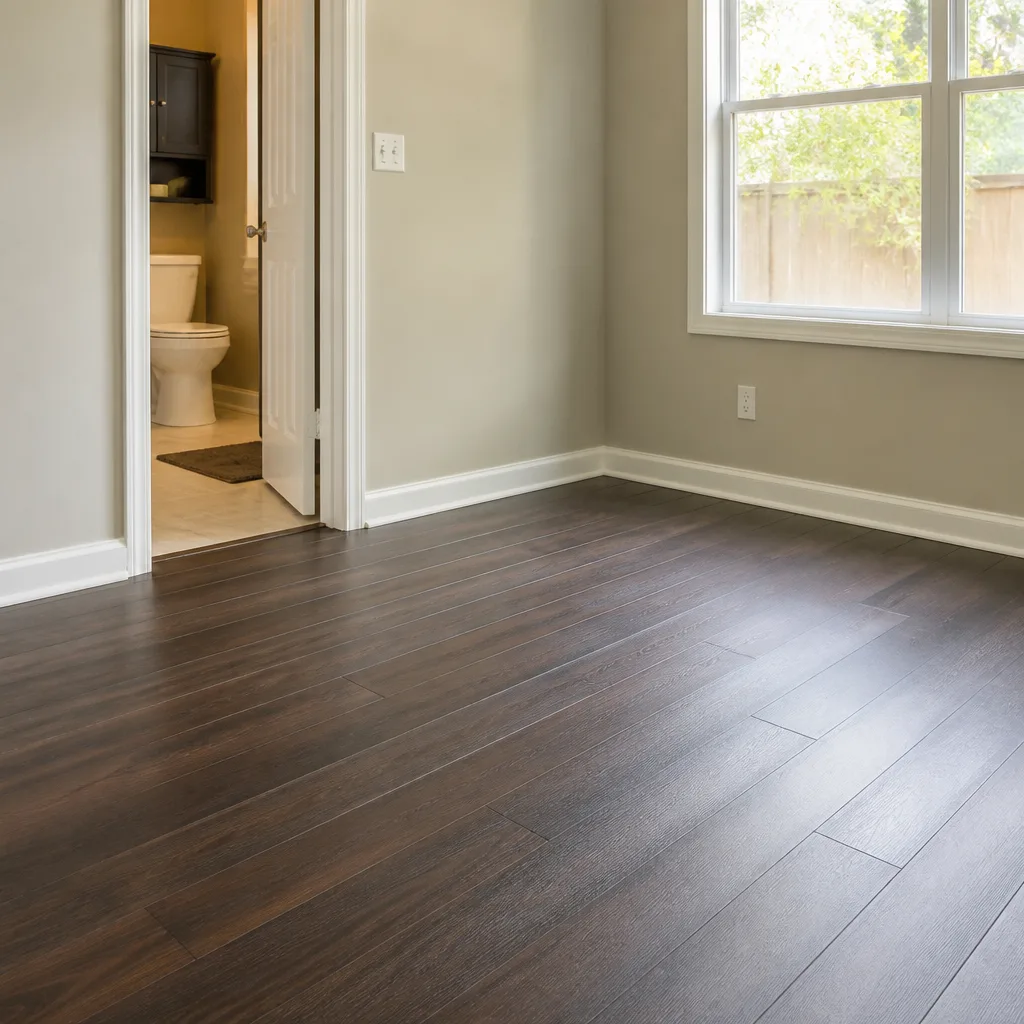

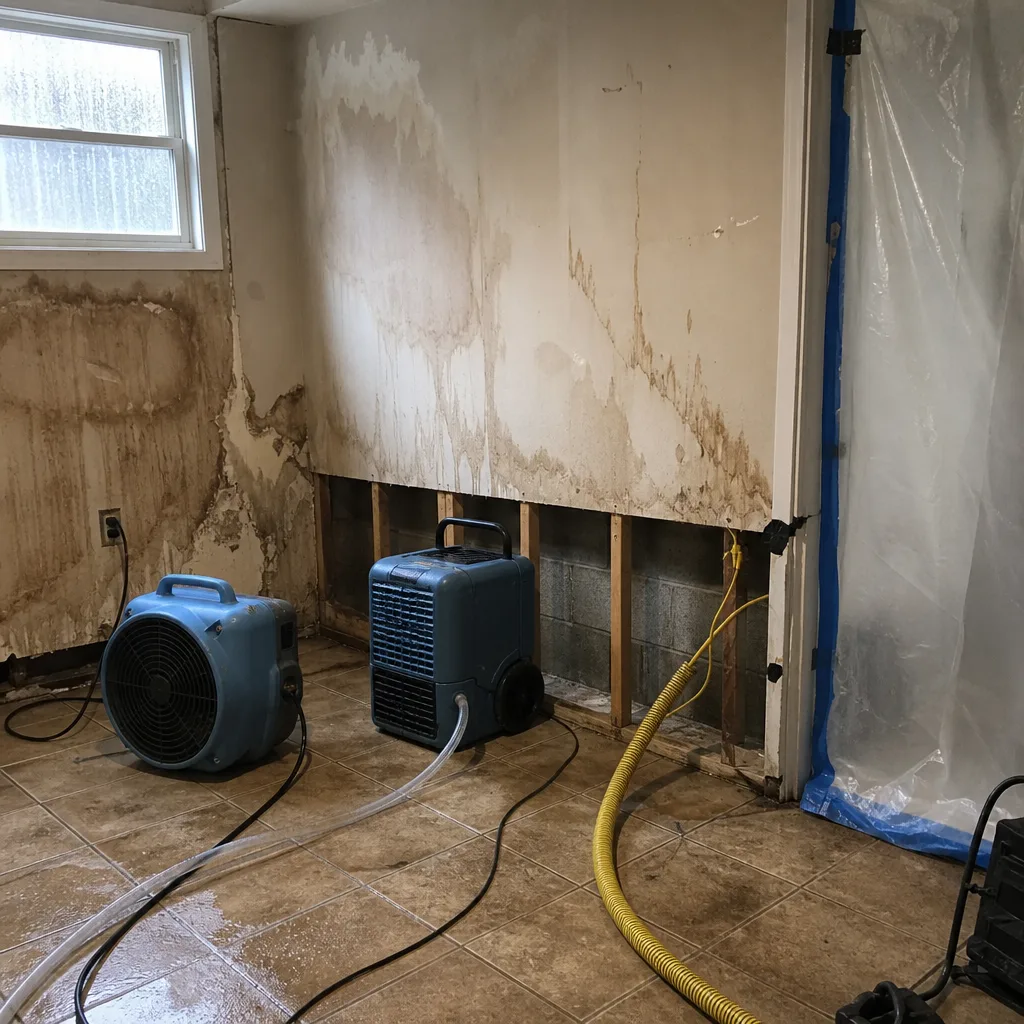 Before
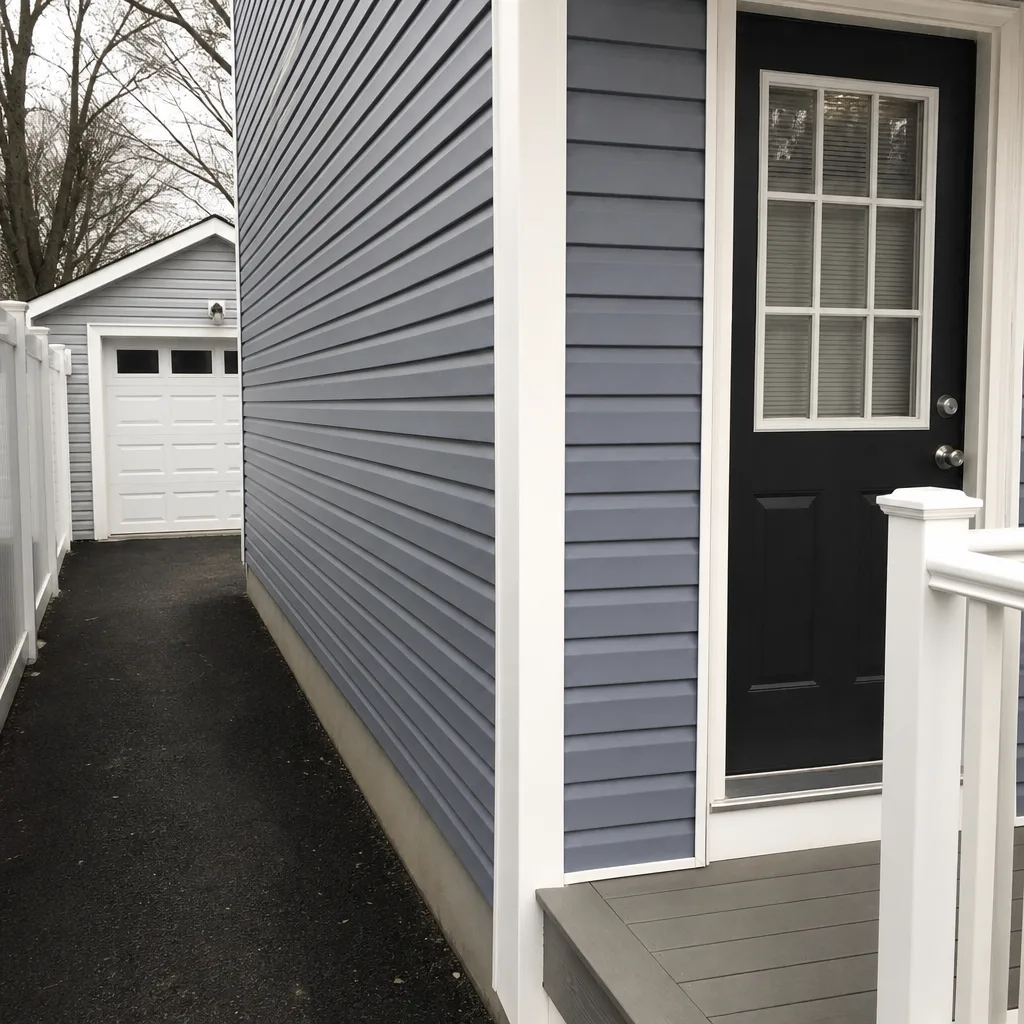 After
After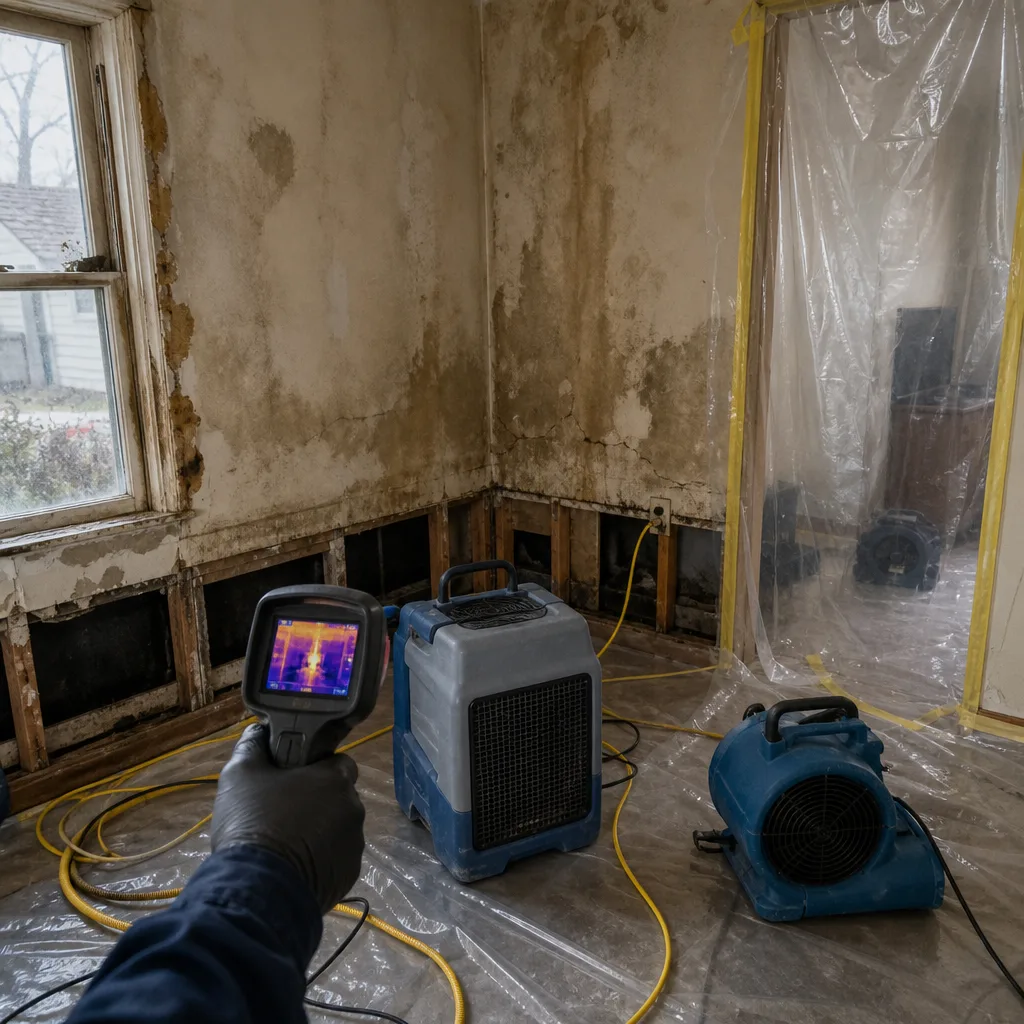 Before
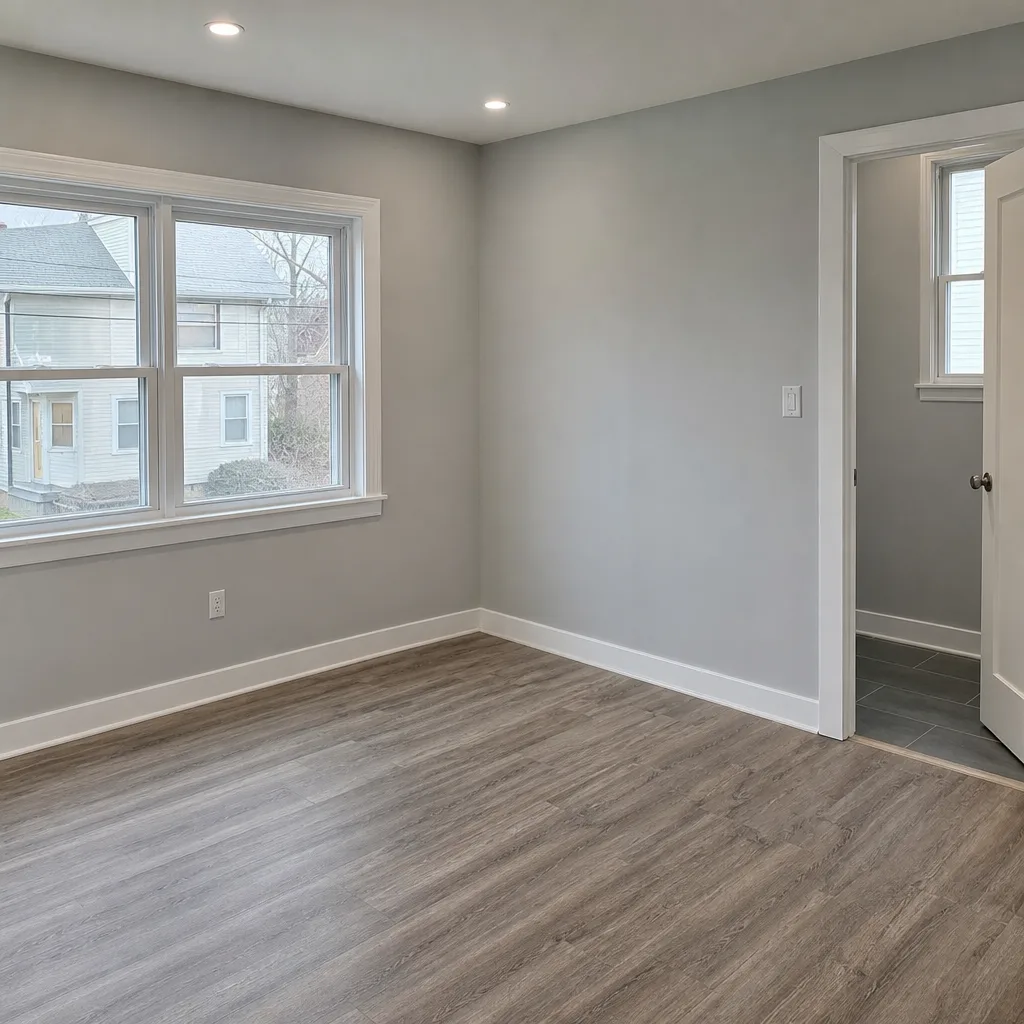 After
After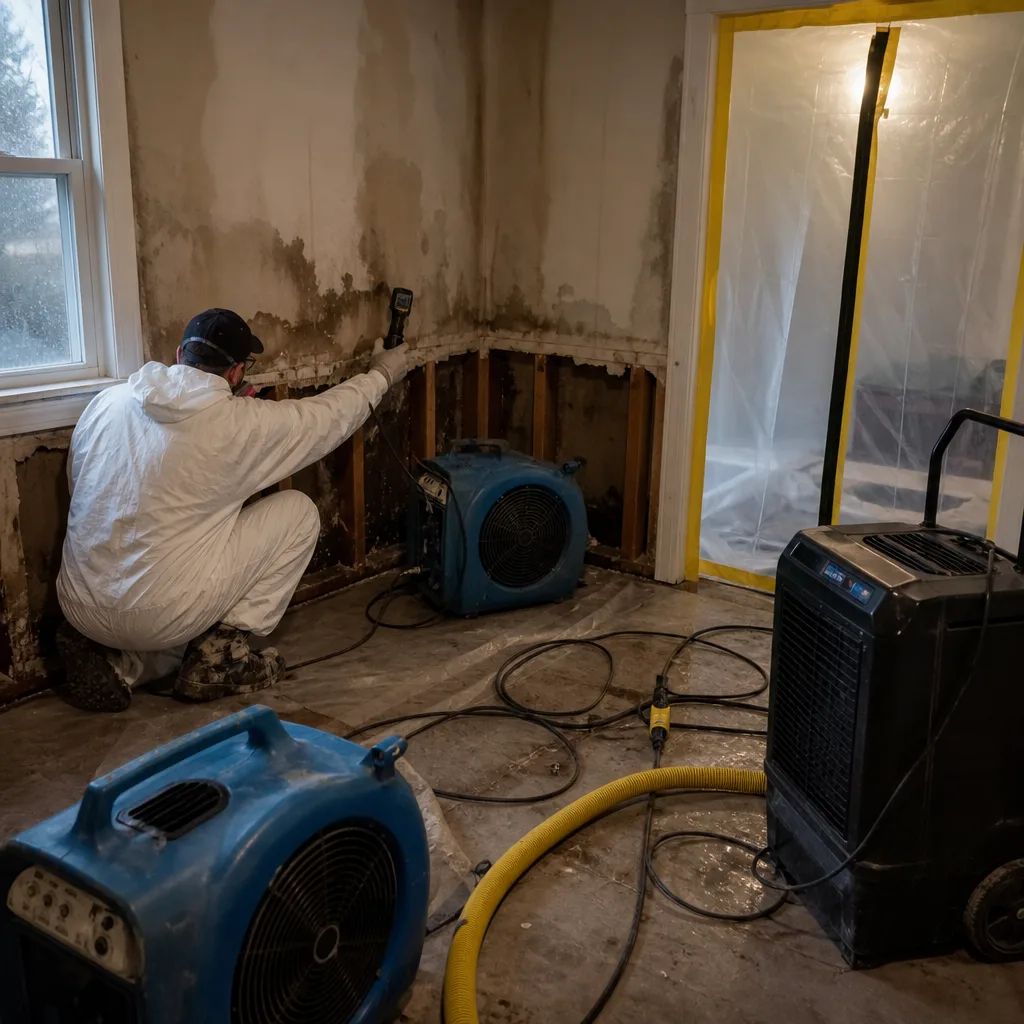 Before
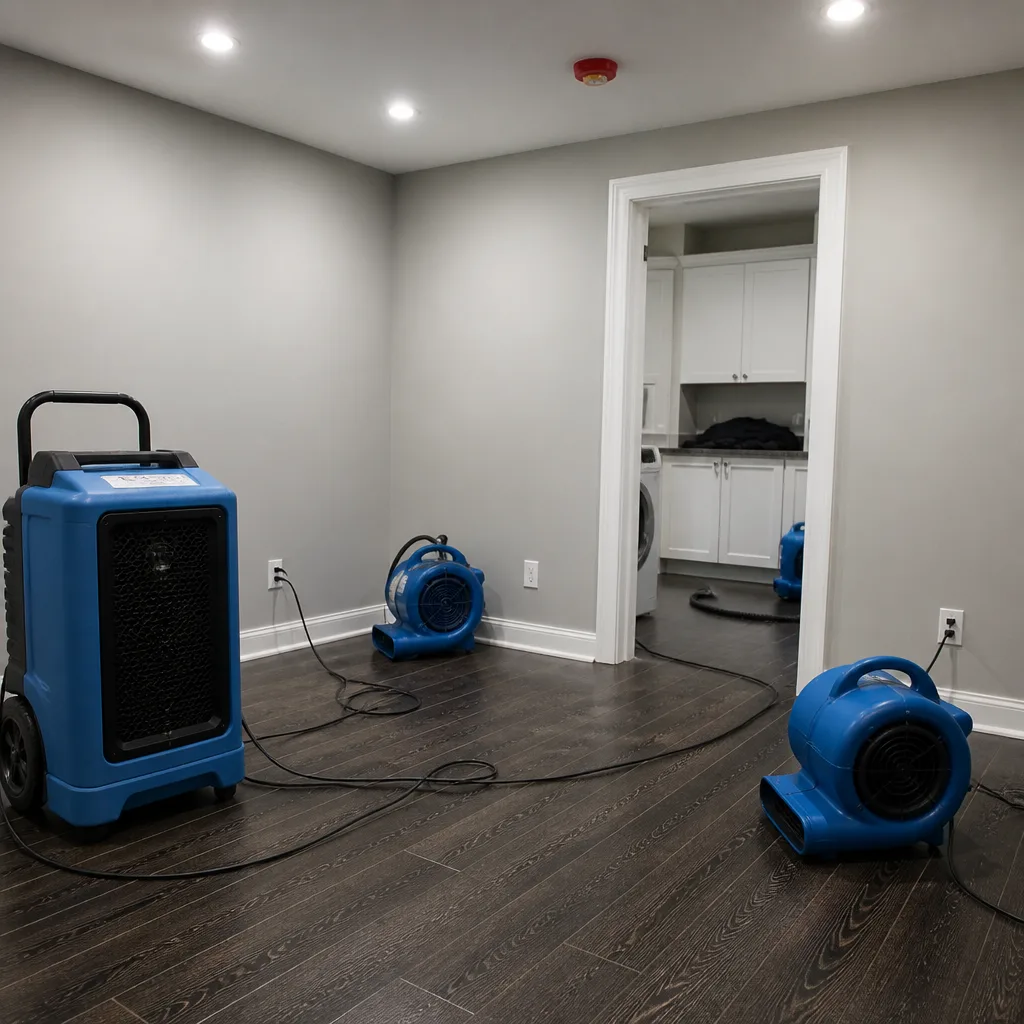 After
AfterThe Complete Guide to Damage Restoration in Kearny
Kearny homeowners file more water damage claims after nor’easters and summer downpours than almost any other type of property loss, yet most of the damage we see could have been stopped in the first 48 minutes if someone had known what to look for. This guide walks through what actually happens when water, fire, mold, or sewage invades a home in Kearny, what each phase of restoration costs, how long it takes, and how to avoid the mistakes that turn a $3,000 cleanup into a $30,000 rebuild. You’ll learn what to do before the crew arrives, how insurance actually works, and where the cheap shortcuts hide.
Quick Answer
Damage restoration in Kearny is the process of returning a home to pre-loss condition after water, fire, mold, storm, or sewage damage, and it follows four phases: emergency mitigation, drying and stabilization, cleaning and sanitation, and structural repair or rebuild. In Kearny’s older housing stock, most restorations cost between $2,800 and $19,000 depending on the damage class, with water extraction and drying the most common first step. A certified restoration company that handles both mitigation and rebuild under one crew will finish faster and avoid the finger-pointing that happens when an adjuster has to coordinate three contractors.
Table of Contents
- What Is Damage Restoration, Exactly?
- How Kearny Homes Are Different From Anything a Generic Guide Assumes
- Water Damage Restoration in Kearny
- Mold Remediation in Kearny
- Fire and Smoke Damage Restoration
- Sewage Cleanup and Biohazard Work
- Storm and Disaster Restoration
- Reconstruction and the Final Rebuild
- Common Mistakes to Avoid
- When to Call a Professional
- Frequently Asked Questions
- The Bottom Line
What Is Damage Restoration, Exactly?
Damage restoration is not cleaning. It is the measured process of removing excess water, drying building materials to a documented moisture standard, treating or removing mold and bacteria, cleaning smoke residue and soot, and rebuilding whatever had to come out. The distinction matters because half the calls we get in Kearny are from homeowners who tried to handle damage themselves for two weeks and then called us when the musty smell showed up behind the baseboards.
The restoration industry separates work into phases. Mitigation stops the active damage. Drying and stabilization return materials to a safe moisture content, measured with moisture meters, not guesswork. Cleaning and sanitation kill what grew while the area was wet. Reconstruction puts back drywall, flooring, trim, and paint. A full-cycle company like Floodline Restoration Co. home runs all four phases with the same crew, which means the person who pulled your wet carpet on Tuesday is the person who knows which studs were too far gone to save on Thursday.
In our experience, the homeowners who fare best are the ones who understand this sequence before the first emergency happens. They know to shut the water off, call their insurance carrier, and get a certified crew on the way before permanent damage sets in.
How Kearny Homes Are Different From Anything a Generic Guide Assumes
Kearny’s housing stock is old. Most of the single-family homes, two-families, and attached rows in the Arlington and North Arlington corridor were built between 1890 and 1950, framed with true dimensional lumber and finished with plaster over wood lath. That changes how water behaves. Plaster walls hold moisture longer than modern drywall. Old floor joists, especially in basements with low clearance, drink water fast and dry slow. And many Kearny basements were never designed to be dry, which means the water finds its way in through the cove joint, the floor cracks, and the old fieldstone foundations that shift with the seasons.
The town sits on low, flat ground between the Passaic River and the Hackensack River, with a high water table and a combined sewer system in some neighborhoods. After heavy rain, groundwater rises and sewer lines back up. We have pulled water out of more Kearny basements after a two-inch July storm than after full nor’easters, because the water table does the work hours after the rain stops. If you live near the river side of town or in the numbered streets near Kearny Avenue, a sump pump failure or a sewer backup is not a rare event. It is a matter of when, not if.
Local code also matters. Kearny follows New Jersey’s Uniform Construction Code. Any structural repair, electrical work, or plumbing replacement after a loss requires a permit and inspection through the town’s Construction Official. A restoration company that does rebuild work needs to know which repairs trigger which permits, and a good one will handle that paperwork rather than leaving it to the homeowner to figure out after the fact.
Water Damage Restoration in Kearny
Water damage restoration in Kearny typically costs between $2,000 and $8,000 for a single-room or basement incident, and most jobs can be extracted and dried within three to five days when a crew arrives within the first 24 hours. The precise number depends on three things: the water source (clean, gray, or black), how long the water has been sitting, and what materials the water touched. Clean water from a supply line or a failed water heater is the least expensive to handle. Gray water from a washing machine overflow or a sump pump discharge carries more contamination. Black water from sewage or river flooding is a different job entirely.
Here is the standard sequence for water damage in a Kearny home, step by step.
- Assessment and class determination. A certified technician maps the moisture in the affected area using meters and thermal imaging. The class of water loss (1 through 4) tells us how much drying equipment the job needs.
- Water extraction. Truck-mounted or portable extraction units pull standing water out of carpet, padding, and hard surfaces. Professional-grade equipment from brands like Dri-Eaz and Phoenix removes water fast enough to prevent secondary damage.
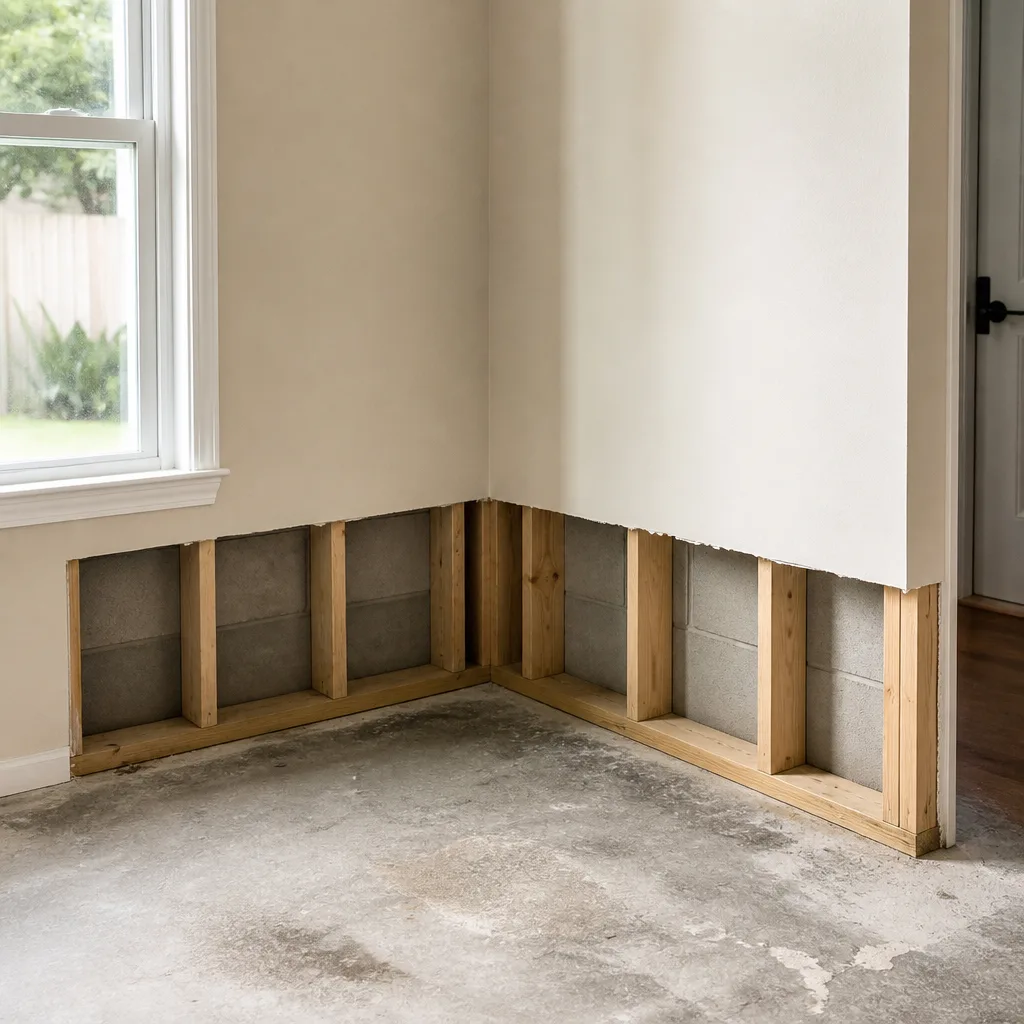
- Removal of unsalvageable materials. Wet pad, soaked drywall, and any material that cannot be dried to industry standard comes out. In a plaster-walled Kearny home, this might mean cutting away only the bottom 24 inches of lath and plaster rather than entire walls.
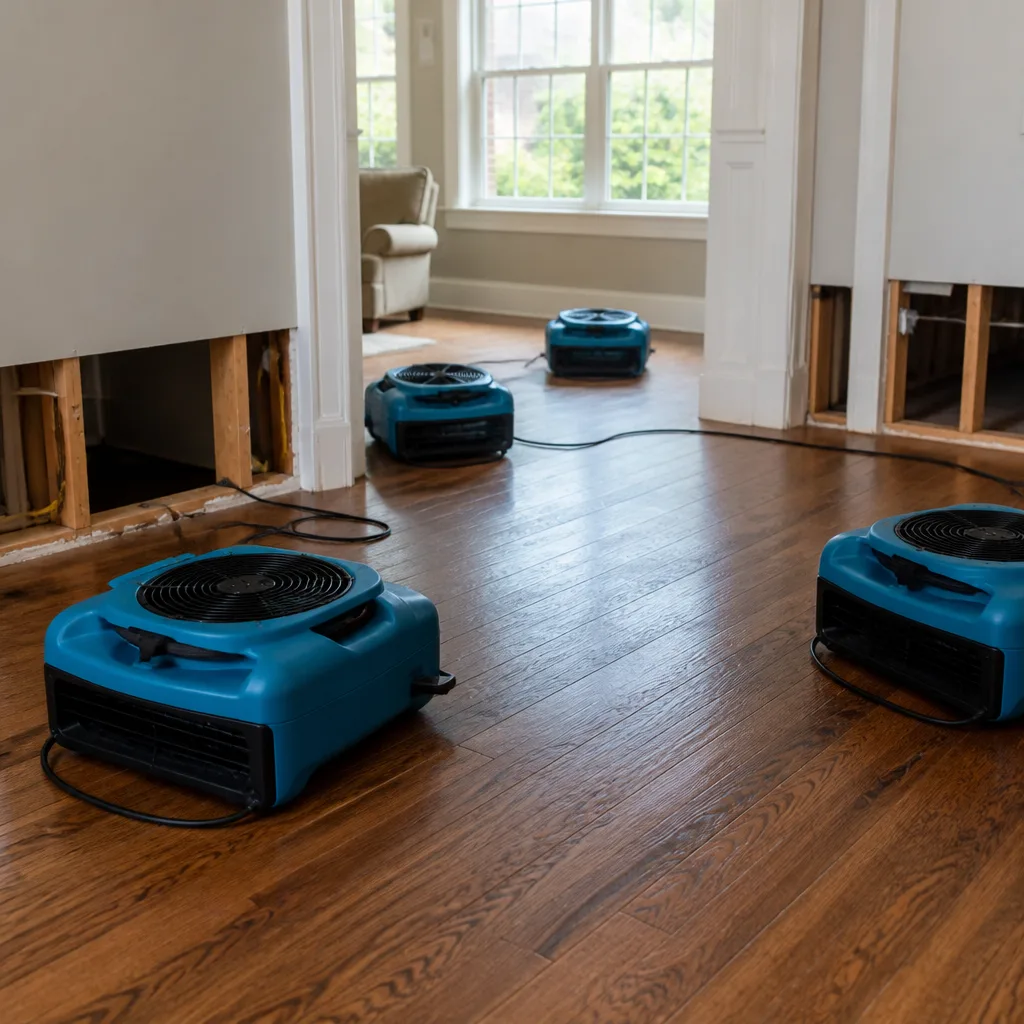
- Drying and dehumidification. Air movers and dehumidifiers run continuously, with daily moisture readings logged until the structure reaches its dry standard. This log is handed to the homeowner and the insurance carrier, which settles disputes before they start.
- Cleaning and sanitizing. Surfaces are treated with antimicrobial agents. The area is prepared for rebuild.
We are frequently asked how long the drying equipment stays. The honest answer is three to five days on average, but some Kearny basements with old fieldstone foundations and high ambient humidity run longer. The log tells the truth either way.
Mold Remediation in Kearny
Mold remediation in Kearny homes usually runs between $2,500 and $7,500 per contained area, and it is one of the most oversold services in the restoration industry. We say that plainly because the homeowner’s second fear, right behind the damage spreading, is being sold a $30,000 mold project when a $3,500 remediation and source control would have solved the problem. Mold needs two things to grow: organic material and moisture. Remove either one and it stops. The reason so many Kearny homes develop mold in the first place is that the moisture problem was never actually fixed, just covered over.
Here is the order of operations for mold remediation, done to IICRC standards.
- Find and fix the water source. A roof leak, a foundation crack, a slow pipe leak inside a wall, a failed gutter system directing water at the foundation, all of these have to be corrected before any mold work begins. If the source remains, the mold comes back.
- Containment. The affected area is sealed off with polyethylene sheeting and negative air pressure so mold spores do not travel through the rest of the house during removal.
- Removal. Porous materials that cannot be cleaned, like wet drywall, insulation, and carpet pad, are bagged and removed. Non-porous surfaces are HEPA-vacuumed and scrubbed.
- Drying and post-remediation verification. The area is dried completely, then re-tested visually and with moisture meters to confirm the problem is resolved.
Mold inspection and remediation are not the same service. A company that does both has a financial incentive to find problems. In Kearny, we recommend homeowners get the moisture source identified first, then get a written scope of remediation work before any demolition starts. That is the square deal. We have walked into homes in the Manor section where a previous contractor quoted full gut remediation, and the actual fix was a failed shower pan and a two-day drying job. The written scope protects you from that.
Fire and Smoke Damage Restoration
Fire damage restoration in Kearny costs more than water work, typically $5,000 to $30,000 depending on the size of the burn, and the reason is that smoke does things water cannot. Smoke penetrates every porous surface in the house, even rooms the fire never reached. The soot is acidic. It etches glass, corrodes metal fixtures, and embeds in paint, carpet, and fabrics. If the smoke is not properly cleaned and sealed, the smell comes back every time the humidity rises.
The first 72 hours after a fire matter most. Soot left on surfaces begins causing permanent staining and corrosion within days, not weeks. The standard fire restoration process runs like this.
- Board-up and tarping. Openings are secured to prevent weather and unauthorized entry.
- Soot and debris removal. Loose soot is HEPA-vacuumed from all surfaces before any wet cleaning begins. Dry methods always come first.
- Content cleaning and pack-out. Salvageable contents are either cleaned on site or packed out to a cleaning facility. Unsalvageable items are documented for the insurance claim.
- Structural cleaning. Walls, ceilings, and framing are cleaned with specialized chemical sponges and cleaning agents. This is a manual job, not a spray-and-wipe.
- Odor removal and sealing. Thermal fogging or ozone treatment neutralizes remaining smoke odor, then affected surfaces are sealed with odor-blocking primer.
- Rebuild. Structural repairs, drywall replacement, painting, and flooring return the home to pre-fire condition.
Smoke odor is the item homeowners underestimate. A partial fire in a Kearny kitchen can leave smoke smell in the second-floor bedrooms because the HVAC system circulated soot through the ducts. A restoration company that does not inspect and clean the ductwork is not finishing the job.
Sewage Cleanup and Biohazard Work
Sewage cleanup in Kearny is a category of water damage that most homeowners want to believe will never happen to them, and then the first floor drain backs up during a summer storm and the assumption ends. Sewage water is classified as Category 3, or black water. It contains bacteria, viruses, and parasites, and it requires full containment, full personal protective equipment, and disposal of any porous material it touches. We never dry carpet pad or drywall that has been soaked with sewage. It comes out.
The Kearny-specific angle is the age of the sewer infrastructure. Parts of town still run on combined storm and sanitary sewers. When the system is overwhelmed in a heavy rain, the pressure finds the lowest opening, which is frequently a basement floor drain or a ground-level toilet. A backwater prevention valve is the long-term fix, and any restoration company doing sewage work should be able to speak to that installation as part of the full scope.
The cleanup process is aggressive and time-sensitive. The affected area is contained. Standing sewage is extracted with dedicated pumps. Contaminated materials are double-bagged and removed. Hard surfaces are cleaned, then disinfected with an EPA-registered antimicrobial. Air scrubbers run during and after the work. The area is dried and tested. The homeowner and carrier get a written log of everything removed and everything cleaned.
Biohazard and crime scene cleanup falls under the same umbrella: bloodborne pathogen handling, proper disposal, and complete sanitation. It is difficult work that requires specific certifications, and it is not a job for a general handyman.
Storm and Disaster Restoration
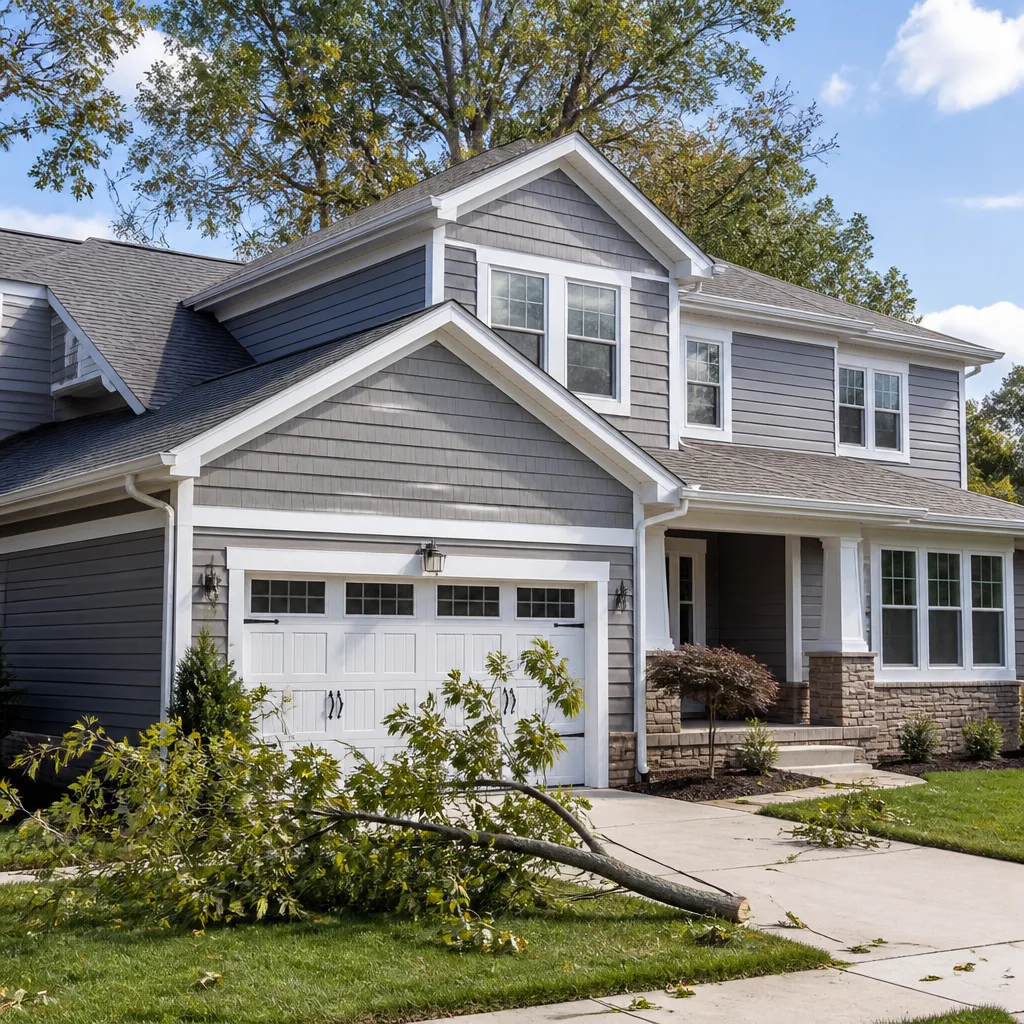
Storm damage in Kearny comes in several forms: wind-driven rain through aging roofs, tree limbs through windows, flash flooding from the rivers, and the slow seep of groundwater through old foundations. Each requires a slightly different response. The priority in every case is to stop the water from entering, then to mitigate what got in, then to rebuild.
Here is the storm response sequence we use for Kearny homes.
- Tarp and board-up. Roof tarps, window coverings, and temporary seals stop active intrusion.
- Documentation. Photographs and measurements are taken before anything is moved. This matters for the insurance claim.
- Water extraction. Standing water is removed from floors, basements, and wall cavities.
- Structural drying. Air movers, dehumidifiers, and injection drying systems from brands like Injectidry pull water from behind walls and under floors without unnecessary demolition.
- Rebuild and repair. Roof repair, drywall replacement, flooring, and finish work return the home to pre-storm condition.
Storm restoration is different from a pipe burst because the insurance process works differently. Storm, wind, and hail damage are typically covered differently than water damage from a failed supply line. A restoration company that bills the carrier directly and coordinates with the adjuster is worth its weight when a whole neighborhood in Kearny files claims at the same time and adjusters are stretched thin.
Reconstruction and the Final Rebuild
Reconstruction is where the restoration industry separates into two kinds of companies. Most restoration firms stop at the mitigation phase: they pull out the wet material, dry the structure, hand the homeowner a list of repairs, and leave. The homeowner then has to hire a general contractor, coordinate schedules, relay information between the contractor and the insurance adjuster, and hope the two agree. That handoff is where most restoration jobs in Kearny go wrong.
Floodline Restoration Co. was built to avoid it. Our founder Curt Bowman started the company in 2010 around a dispatch board, not a sales desk, and the idea then was the same as it is now: the crew that reads the moisture map on day one handles daily readings, hands the log to the homeowner and the carrier, and rebuilds what needs rebuilding. There is no second phone number to call, no inherited crew, no “that was the mitigation company’s problem.”
Rebuild work after water, fire, or storm damage typically includes: drywall replacement and finishing, trim and door replacement, painting, flooring installation, cabinet and vanity replacement, and sometimes minor electrical or plumbing repair. On a fire job, the rebuild phase can run for weeks because every finish surface in the affected rooms is being replaced. The 90-Day Done Right Promise is the Keystone Standard on every one of those jobs: if it’s not done right, we make it right, in writing, with no arguments.
For Kearny homeowners, the practical advice is to ask one question before you sign anything: “Does your company handle the rebuild, or do you stop at drying?” The answer tells you how much of the job you will be managing yourself.
Common Mistakes to Avoid
- Waiting “a day or two, just to see.” Water damage compounds. A clean-water pipe break that costs $2,500 to mitigate on day one becomes a $12,000 mold and rebuild job by day five. Time is the single biggest cost driver in restoration.
- Using a shop vac and a box fan from the hardware store. A shop vac removes maybe 5% of the water trapped in carpet pad and wall cavities. The visible surface dries; the cavity behind it grows mold. You cannot dry a flooded Kearny basement with a box fan.
- Hiring a mitigation company that hands off the rebuild. The handoff is where estimates change, scope gets disputed, and the homeowner becomes the project manager for a job they did not ask to manage.
- Not notifying the insurance carrier within 24 hours. Most policies have a duty-to-mitigate clause. If you wait, you risk losing coverage for the secondary damage the delay caused.
- Letting a contractor remove anything before it is photographed. Insurance claims are won or lost on documentation. Every square foot of damaged material should be photographed and measured before it goes in a bag.
- Accepting a verbal scope of work. In New Jersey, a written scope before work starts is your best protection against the mold-remediation oversell and the “we found more damage once we opened the wall” surprise.
- Forgetting the water source. Fixing the inside of a damaged Kearny home without fixing the foundation crack, the failed sump pump, or the roof leak that caused it is not restoration. It is preparation for the next claim.
When to Call a Professional
Call a professional when the water covers more than a few square feet, when the water is from a sewer or exterior flood source, when the damage touched drywall or structural framing, when you smell something musty that did not go away after drying, when smoke or soot is present anywhere in the house, or when you simply do not know what you are looking at. All of these are signs that a trained eye and professional equipment will pay for themselves in avoided secondary damage. The worst losses we see in Kearny are the ones where a homeowner spent two weeks trying to dry a basement on their own, and the mold had already colonized behind the baseboards by the time they called. Floodline Restoration Co. offers free estimates in Kearny. We answer the phone with a live person at 2 a.m., and we will be there when we say.
Frequently Asked Questions
A live dispatcher answers the phone 24 hours a day, 7 days a week, and in most Kearny neighborhoods a certified crew can be on site within one to two hours of your call. The same visit, extraction is running. For sewage backup or active water flow, do not wait until morning. Call (551) 373-5246 the moment you see the problem.
Most Kearny homeowner policies cover water damage from sudden and accidental events like a burst pipe or a failed water heater, and storm damage from wind or hail. Gradual leaks, neglect, and flood damage from rising rivers are usually excluded unless you carry a separate flood policy. The claim is handled between our office and your carrier, with a moisture log and photo documentation supporting every line item.
Single-room water mitigation in Kearny typically runs $2,000 to $8,000, while full basement sewage jobs and multi-room fire restoration can reach $30,000 or more. The final number depends on the water class, the materials affected, and how long the water sat. Every job gets a written scope before work starts, so there are no surprises on the bill.
That depends on whether the moisture source is fixed and how far the mold has penetrated. Surface mold on a non-porous material can sometimes be cleaned; mold inside drywall, insulation, or behind baseboards in a Kearny basement almost always requires removal. A written assessment that identifies the moisture source first, then the scope of remediation, is the only honest way to answer that question.
We do. Floodline Restoration Co. bills the carrier directly, submits the moisture log and photo documentation, and coordinates with the adjuster from first mitigation through final rebuild. You should never have to play messenger between the restoration company and the insurance company.
Shut off the water source if you can do so safely. Do not enter standing water if electrical outlets or appliances are submerged. Move small valuables and important documents to a dry area if the floor is safe to walk on. Then call (551) 373-5246. Do not attempt to remove drywall, lift carpet, or use electrical equipment in the wet area.
The Bottom Line
Damage restoration in Kearny is a race against time, a test of documentation, and a question of who is accountable when the work is done. The homeowners who come through it best are the ones who act fast, understand the difference between mitigation and rebuild, demand a written scope, and choose a company that does not hand the job off halfway. Kearny’s older homes and high water table make water and mold damage a recurring reality, not a rare event. The line the water left is where we start. Call (551) 373-5246 for a free estimate, any hour of the day or night.
Written by Curt Bowman, Owner at Floodline Restoration Co., serving Kearny since 2010.