
Last updated August 25, 2026
Free visual inspection and a written scope of work before any mitigation begins - photos, moisture readings, and drying logs go in your claim file
The scope we write is the scope we bill. Anything new gets shown to you, in writing, before we touch it.
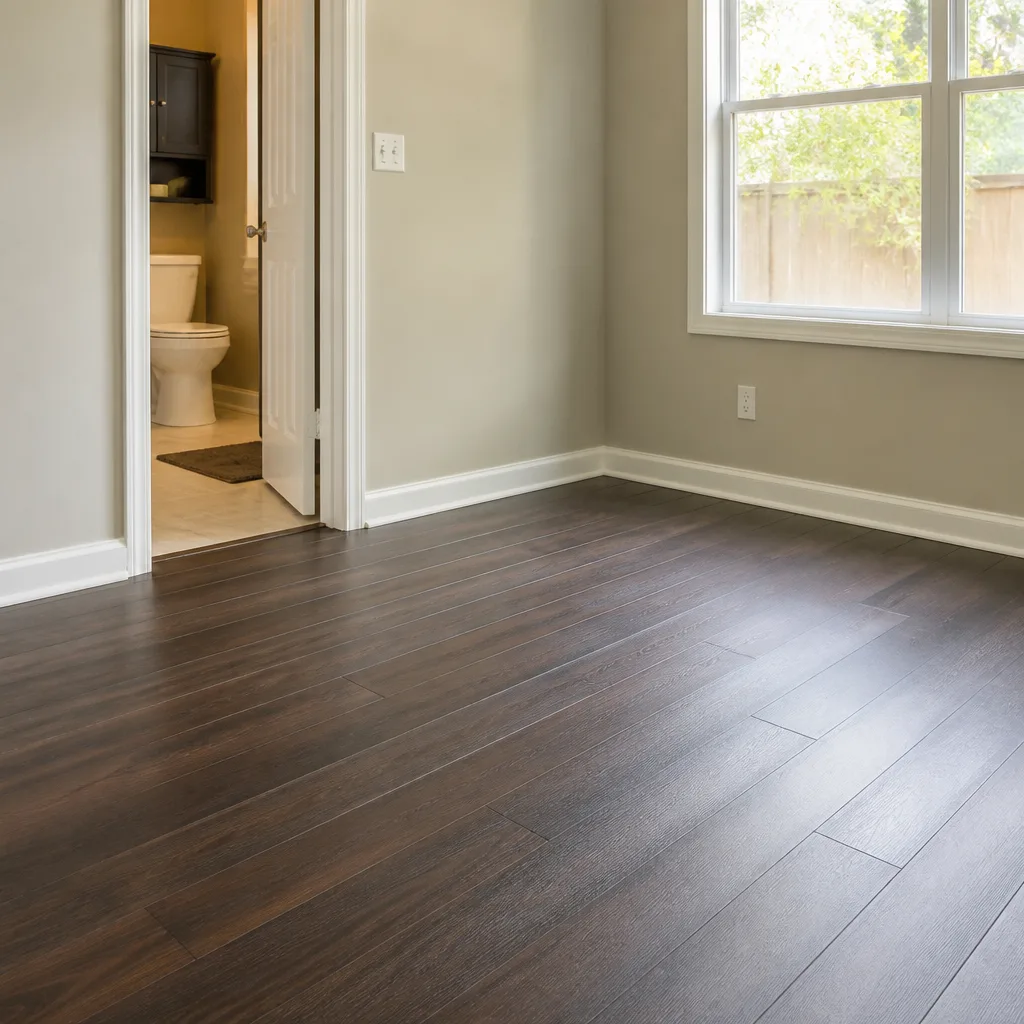

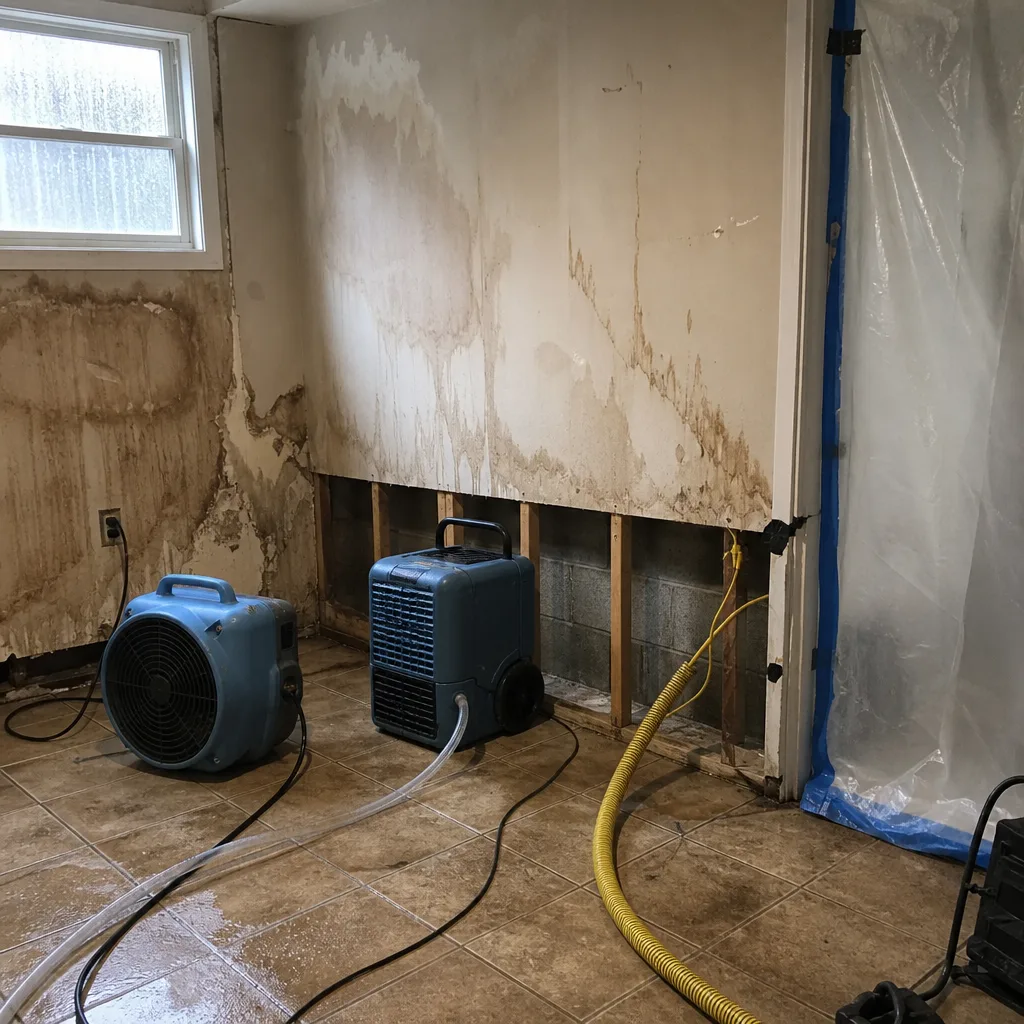 Before
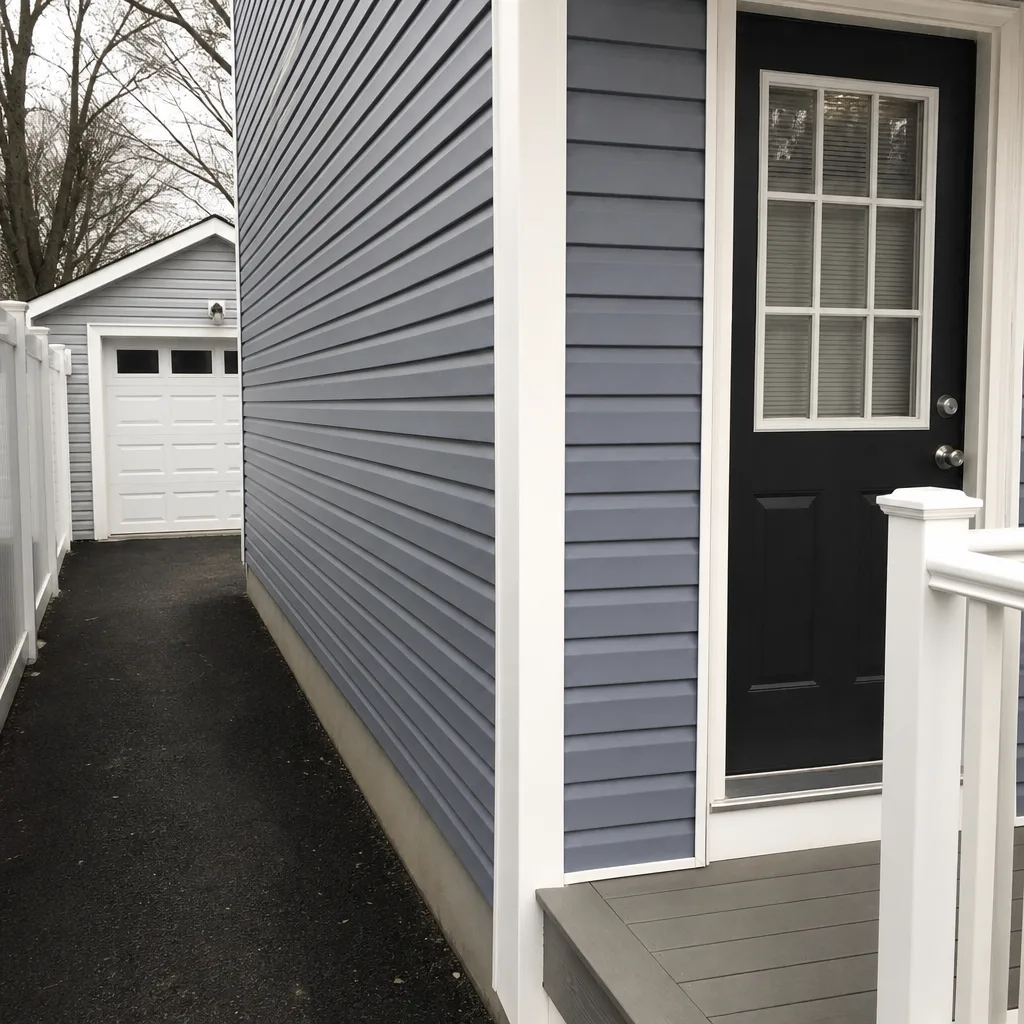 After
After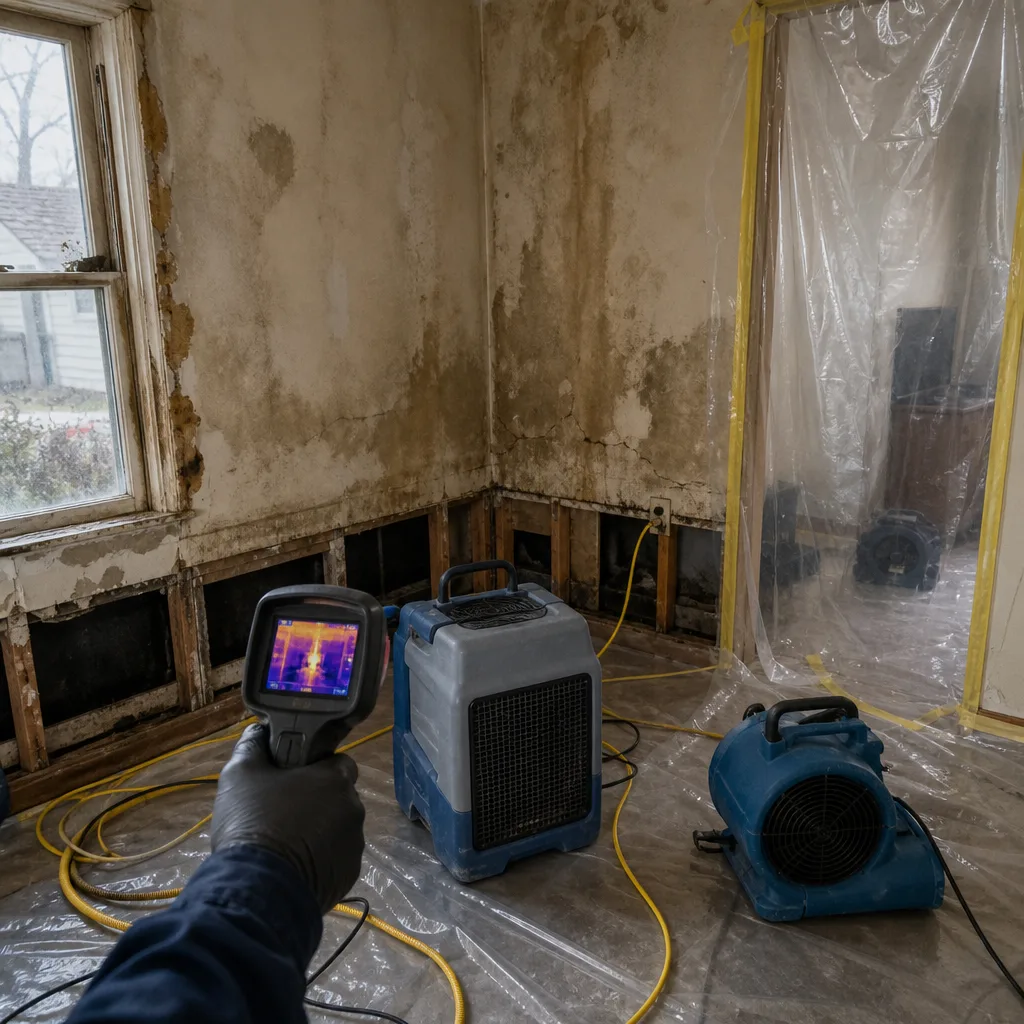 Before
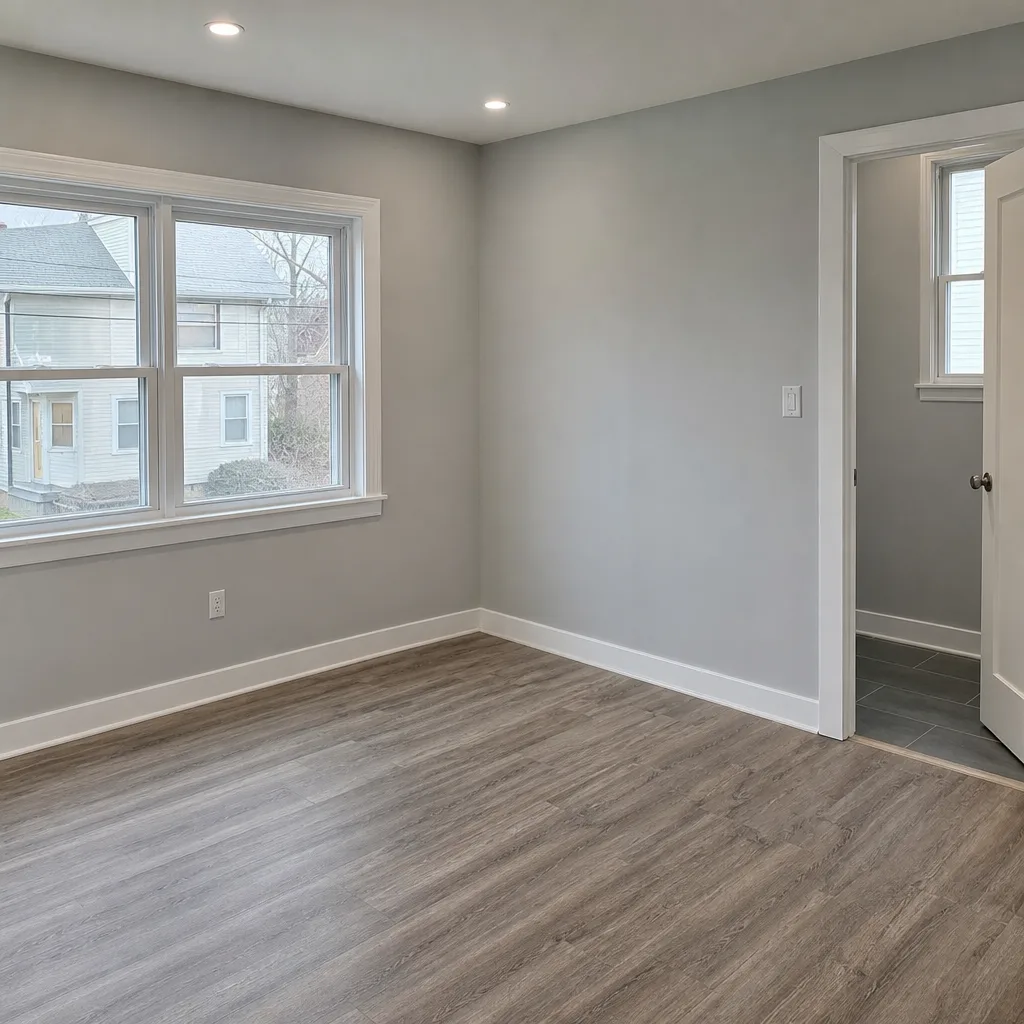 After
After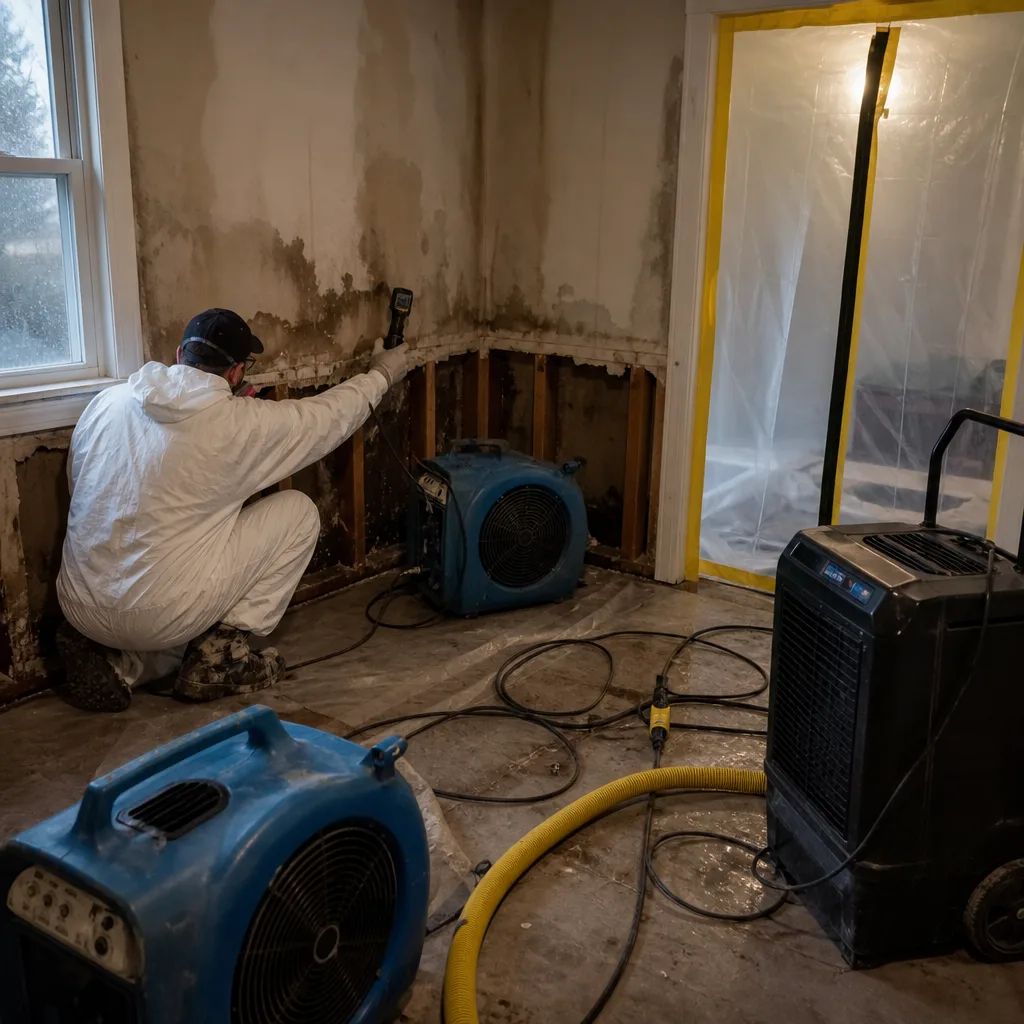 Before
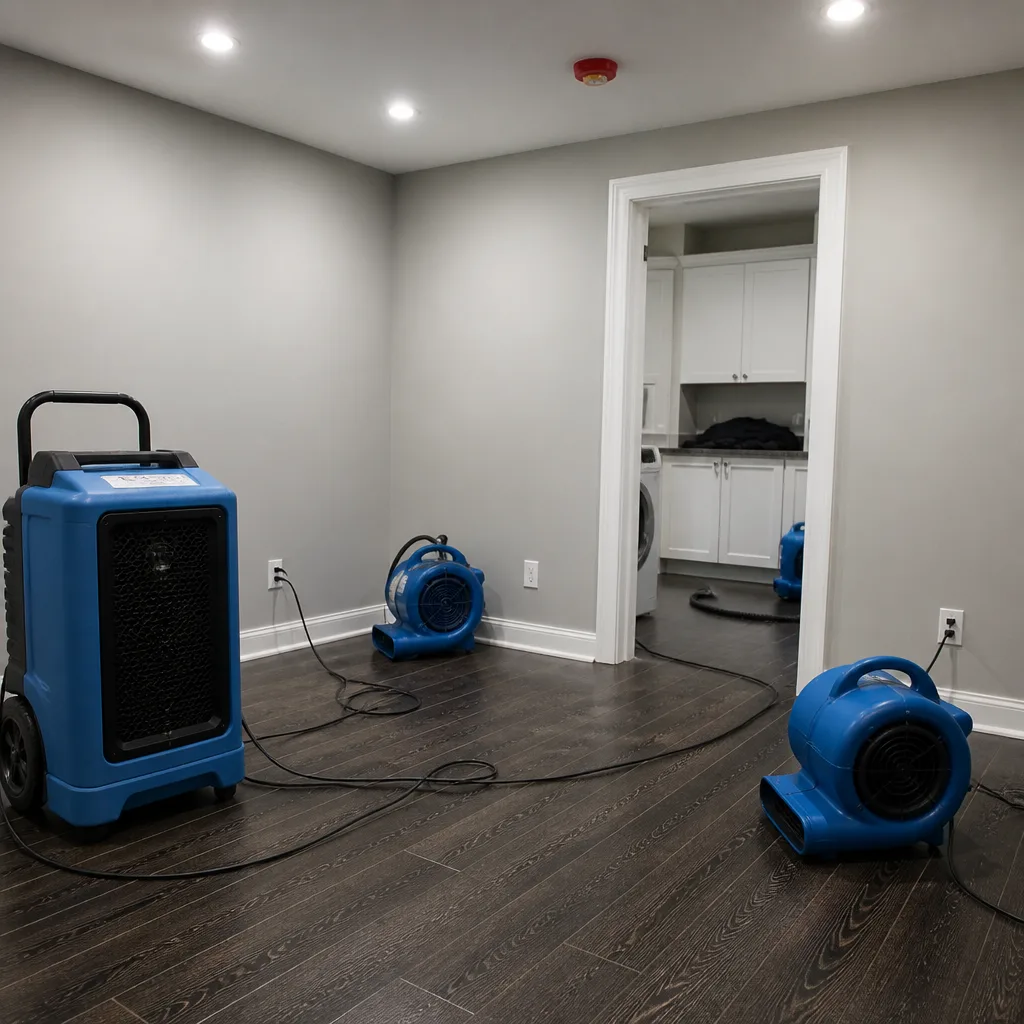 After
AfterDamage Restoration Cost Breakdown: The Kearny Homeowner’s Reference for 2026
Here’s a number most Kearny homeowners never hear until it’s too late: the average water damage claim in Hudson County now runs between $4,800 and $11,200 depending on the source and how long the water sat before extraction started. That spread is not random. It tracks almost perfectly with one variable you control: response time. Every hour water sits in a framed floor or behind baseboard, it wicks upward through drywall, delaminates flooring, and finds its way into places that require far more than a fan to dry. This guide walks through what damage restoration actually costs in Kearny in 2026, why the numbers break down the way they do, and where homeowners can keep a small problem from becoming a six-figure rebuild.
Quick Answer
Most Kearny homeowners will pay between $3,500 and $9,000 for a typical single-room water damage restoration involving extraction, drying, and minor repairs, while structural reconstruction after fire or major flood damage commonly lands between $20,000 and $65,000. Mold remediation in a contained area typically runs $1,800 to $6,000 depending on square footage and whether the moisture source is still active. The single largest price driver across every category is how long the damage was allowed to sit before professional equipment arrived.
Table of Contents
- Water Damage Restoration Costs in Kearny
- Mold Remediation: What Kearny Homeowners Actually Pay
- Fire and Smoke Damage: The Numbers Behind the Rebuild
- Sewage Cleanup and Storm Damage in Hudson County
- Why Labor and Equipment Drive the Bill
- How Insurance Affects What You Pay Out of Pocket
- Common Mistakes to Avoid
- When to Call a Professional
- Frequently Asked Questions
- The Bottom Line
Water Damage Restoration Costs in Kearny
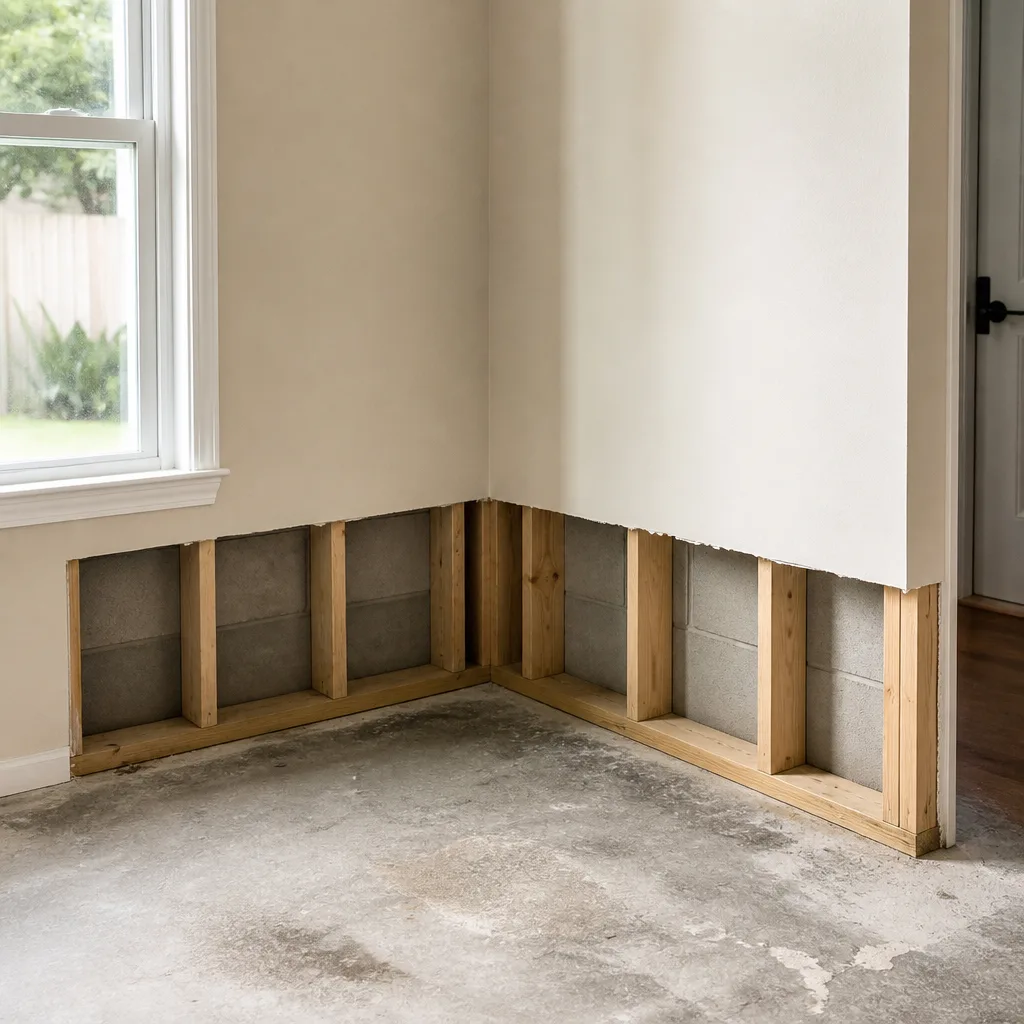
Water damage restoration in Kearny typically costs between $3.50 and $7.50 per square foot when the job stays within a single room and is caught within the first 24 hours. That range covers extraction, equipment placement, daily moisture readings, and minor drywall or baseboard replacement. A 250-square-foot basement that took on two inches of water after a spring storm will usually land around $1,200 to $2,800 if the crew arrives the same day. The same basement left for 72 hours, with water now behind the drywall and into the framing, commonly runs $6,000 to $12,000 because the drywall has to come out, the studs need drying or replacement, and the flooring is often a total loss.
Two factors make Kearny different from neighboring towns on cost. First, the housing stock skews older. Many homes in the Kearny and Arlington sections were built before 1950, which means plaster walls instead of drywall in some rooms, dense old-growth framing that holds water longer, and in some cases asbestos-containing materials that require containment and licensed abatement. Second, the water table and drainage patterns in low-lying areas near the Passaic River and along the Belleville Turnpike corridor mean basement water intrusion is a recurring seasonal issue, not a one-time event. Homeowners who have dealt with it once typically learn that a sump pump with a battery backup costs far less than a second extraction and drying cycle.
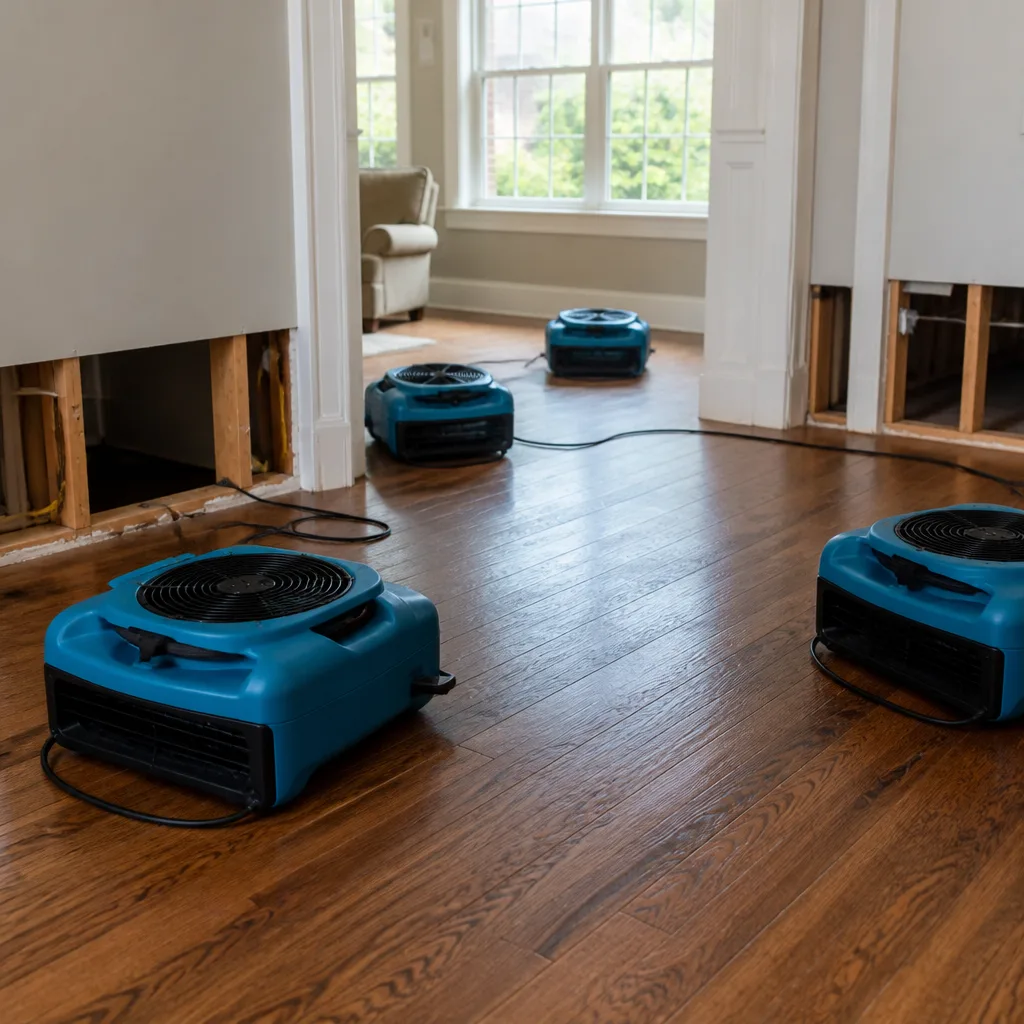
What most people miss in the estimate is equipment cost. Professional air movers, dehumidifiers, and injection drying systems are not rental-grade units. They’re commercial machines that pull far more moisture per hour than anything a homeowner can rent at a big-box store. Our crews use Dri-Eaz dehumidifiers, Phoenix air movers, and XPOWER fans, and in tight cavities where drywall can’t be removed, Injectidry systems that force dry air into wall and ceiling voids. That equipment is part of why professional drying works where DIY drying stalls. It also explains a meaningful slice of the invoice.
Here’s a practical breakdown of what a typical single-room water damage job in Kearny looks like in 2026:
- Emergency extraction and initial assessment: $350 to $700
- Equipment placement (3 to 5 days of drying): $800 to $1,600
- Daily monitoring and moisture readings: $200 to $500
- Minor drywall and baseboard replacement: $900 to $2,500
- Flooring repair or replacement: $1,200 to $4,000 depending on material
- Antimicrobial application and final cleaning: $250 to $600
The total for that scope lands between $3,700 and $9,900. The spread comes down to square footage, how long the water sat, and whether the flooring was carpet (cheaper to dry and clean) or hardwood (often unsalvageable once cupped).
Mold Remediation: What Kearny Homeowners Actually Pay
Mold remediation in a single contained area of a Kearny home typically runs $1,800 to $6,000. A bathroom ceiling with visible mold across 40 to 60 square feet usually lands around $1,500 to $3,200. A basement wall system affected across 200 square feet or more, especially if the drywall must be removed and the framing cleaned and sealed, commonly runs $4,500 to $8,000.
The price is driven by containment, not just cleaning. Proper remediation under IICRC standards means sealing the work area with negative air pressure so spores don’t spread through the house during removal, bagging and disposing of affected materials, and treating the remaining structure. A crew in full PPE walking past your kitchen is an inconvenience, but it’s also the reason the bill includes more than a spray bottle and elbow grease. The alternative is a cosmetic wipe-down that looks fine for a season and then blooms again from the same moisture source.
Kearny’s older homes have a specific vulnerability here: uninsulated foundation walls and humid basements. We’ve treated more than a few homes in the Manor section where mold appeared not because of a flood but because warm summer air condensed against a cold concrete wall behind a finished wall panel. The fix there is not just cleaning the mold. It’s fixing the moisture pathway, which is why any remediation quote that doesn’t address the moisture source should be treated with suspicion.
A structured breakdown for a typical contained mold job:
- Inspection and moisture source identification: $150 to $350. This includes a visual assessment, moisture meter readings, and a scope of the affected area.
- Containment setup: $400 to $900. Poly sheeting, negative air machine, and sealing of the work zone.
- Material removal and disposal: $800 to $3,000 depending on how much drywall, insulation, or carpeting must come out.
- Surface treatment and HEPA cleaning: $400 to $1,200. Antimicrobial application on remaining framing and HEPA vacuuming of the contained space.
- Clearance verification: $200 to $500. Air or surface sampling to confirm spore counts returned to normal background levels.
In our experience, the jobs that go over $6,000 are almost always jobs where the mold had been growing for months, often behind a wall or under flooring that was never opened after an earlier leak. The homeowner had a dishwater supply line leak, cleaned up the visible water, and assumed the problem was solved. Wood framing in a dark, damp cavity is a mold incubator. By the time the odor becomes noticeable, the affected area has often tripled in size.
Fire and Smoke Damage: The Numbers Behind the Rebuild
Fire damage restoration in Kearny usually falls between $15,000 and $70,000 when the structure is salvageable. A contained kitchen fire that gets knocked down fast may only need $12,000 to $20,000 in odor remediation, surface cleaning, and localized reconstruction. A fire that spreads through the attic or burns for more than a few minutes before suppression often requires a full gut of the affected rooms plus structural repair, which pushes the job past $45,000, sometimes well past.
Kearny homeowners should understand two cost categories here. The first is emergency board-up and smoke cleanup, which happens immediately. The second is reconstruction, which happens over weeks or months. The Floodline Restoration Co. home philosophy is that these should not be handed off between companies. A restoration crew that documented the exact fire damage on day one is the same crew that should be measuring for drywall and trim six weeks later. When the original assessment team knows precisely which studs were charred and which were merely smoked, the rebuild plan is more accurate and the insurance scope of work is cleaner.
Expected line items on a Kearny fire restoration job:
- Emergency board-up and tarping: $800 to $2,000
- Soot and smoke residue cleaning throughout the home: $2,500 to $9,000 depending on square footage
- Ozone or hydroxyl odor treatment: $1,000 to $3,500
- Content cleaning and pack-out: $2,000 to $8,000
- Structural repair and finish carpentry: $8,000 to $40,000 depending on the burn area
- Electrical and plumbing repairs: $2,000 to $10,000
Smoke odor is the line item homeowners underestimate. It penetrates insulation, ductwork, and porous surfaces throughout the house, even in rooms far from the fire. Sealing and painting over smoke-stained walls without proper odor treatment locks the smell in permanently. We use professional hydroxyl generators and thermal fogging, and in severe cases the ductwork must be cleaned or replaced. Cutting corners on odor work is the fastest way to spend real money on a rebuild and still smell smoke every time the furnace kicks on.
Sewage Cleanup and Storm Damage in Hudson County
Sewage backup cleanup in Kearny costs between $3,000 and $12,000 depending on the affected square footage and whether the backup happened in a finished space or an unfinished basement. Category 3 water, which is the insurance and restoration industry term for sewage and flood water containing bacteria and pathogens, cannot simply be dried in place. The affected materials must be removed, disposed of, and the remaining structure sanitized. Carpet and pad in a sewage backup are never salvaged. Drywall below the waterline is removed. Framing is cleaned and treated.
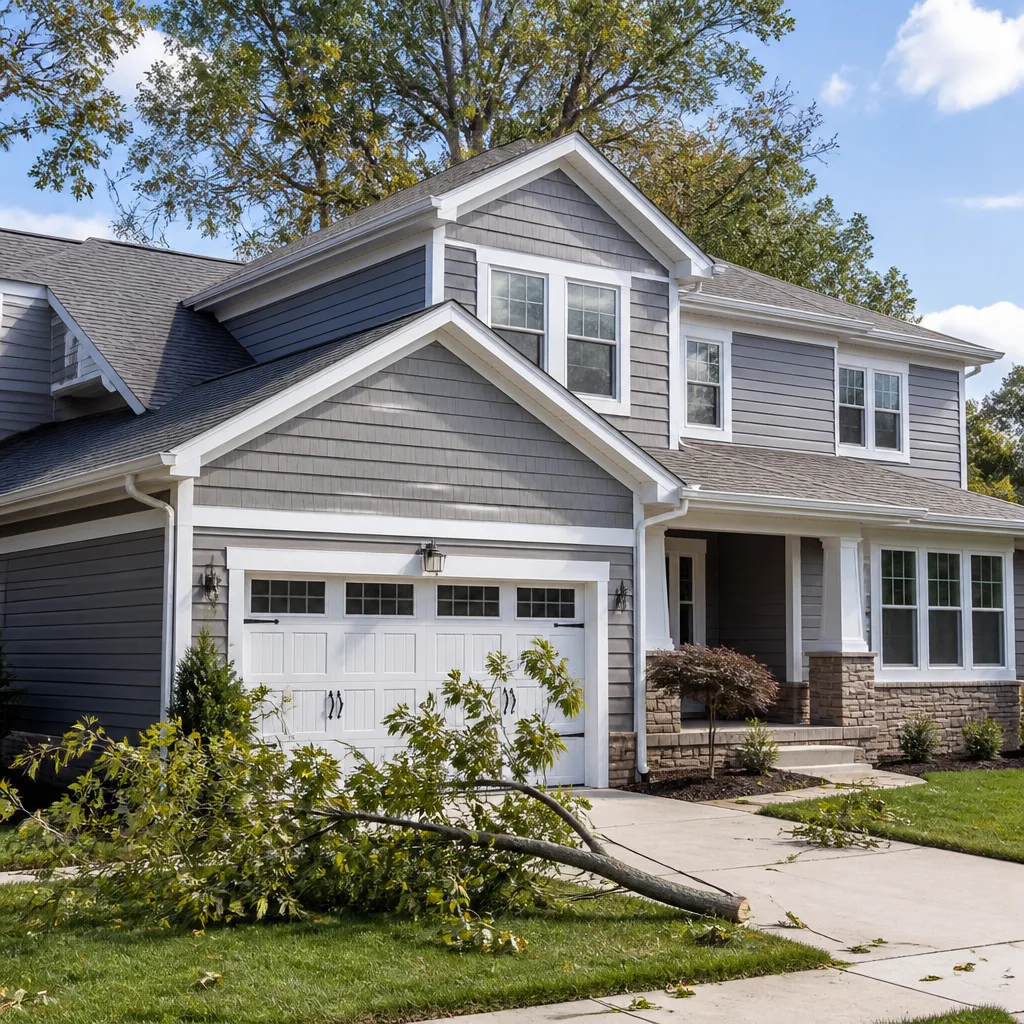
Storm-related flooding brings the same contamination risk because river water and street runoff carry everything they’ve touched. Homes in Kearny’s flood-prone zones near the Passaic and along the Hackensack facing side know this annual routine. For that reason, storm restoration pricing often mirrors sewage pricing, with the added variable of structural drying for saturated framing and the possibility that flood insurance rather than homeowners insurance will be footing the bill.
What you’re paying for on a Category 3 job:
- Extraction and contamination removal: $600 to $1,500. This includes pumping standing water and removing the visibly contaminated material.
- Cutting and disposal of affected drywall and flooring: $1,000 to $4,000.
- Sanitization of the remaining structure: $700 to $2,000 with professional-grade antimicrobials, not household bleach.
- Drying of framing and subfloor: $800 to $2,400 over three to five days.
- Reconstruction of removed finishes: $1,500 to $8,000 depending on the room.
The health risk here is real, not theoretical. Sewage contains E. coli, Salmonella, and hepatitis-causing pathogens. A homeowner with rubber gloves and a shop vacuum should not be doing this work. A restoration technician wearing full PPE, working under containment, and disposing of the waste through licensed channels is not selling you anything you don’t need. They’re doing what the situation requires.
Why Labor and Equipment Drive the Bill
The single biggest misconception in damage restoration is that you’re paying mostly for labor time. You’re not. You’re paying for labor time plus professional equipment that runs continuously for days. A single commercial dehumidifier from Dri-Eaz or Phoenix might pull 70 to 130 pints of water per day. Two or three units in a flooded basement, running for four days, moves an astonishing amount of water out of the air and out of the structure. Those machines cost thousands of dollars each to own and maintain. They’re the reason a flooded basement can be dry in four days instead of four weeks.
In Kearny specifically, older construction adds labor time. Plaster walls take longer to cut and patch than drywall. Old-growth framing dries slower because the wood is denser. Access to basements on narrow lots with tight side yards means equipment gets carried by hand instead of rolled through a garage. These small factors compound. A three-person crew working on a Kearny colonial built in 1930 will bill more hours for the same square footage than a crew working in a 2010-built townhome in a neighboring town.
What the bill actually represents:
- Emergency response: A live dispatcher, a stocked truck, and a crew that arrives ready to extract. That infrastructure exists whether or not you ever make a claim.
- Equipment deployment: Air movers, dehumidifiers, injection drying systems, HEPA scrubbers. Each unit has a daily rate that reflects its cost, maintenance, and the fact that it’s a professional-grade machine, not a rental.
- Daily monitoring: Moisture readings taken with meters and thermal imaging. The dry standard, not a calendar guess, decides when equipment comes out.
- Certified labor: Technicians trained to IICRC, RIA, and IFA standards draw higher wages because the work requires judgment. Knowing when something is dry and when it only looks dry is the whole job.
How Insurance Affects What You Pay Out of Pocket
Most Kearny homeowners with a standard HO-3 policy will pay their deductible and little more for sudden and accidental water damage, fire damage, and wind-driven storm damage. The deductible on most Hudson County policies runs between $1,000 and $5,000, with $2,500 being the most common figure we see. Gradual damage, meaning damage from a leak that dripped for months, is often excluded or limited, which is why a small hidden leak can become an expensive surprise.
Sewer backup is a separate coverage line on most policies. If you don’t have sewer backup endorsement, a sewage backup is not covered under the base policy. Flood damage, meaning rising water from outside, is governed by FEMA’s National Flood Insurance Program or a private flood policy. In flood-prone parts of Kearny, that coverage is often mandatory and separate from homeowners insurance.
The insurance angle on restoration pricing is this: the carrier pays based on a scope of work agreed to by the adjuster and the restoration company. That’s the IICRC standard for what must be removed, dried, treated, and replaced. A restoration company that documents the damage photographically, logs moisture readings daily, and communicates directly with the adjuster makes that process faster and reduces the chance of a denied line item. We bill carriers directly for covered work, which means our Kearny customers are not fronting thousands of dollars and waiting for reimbursement. The deductible is collected at the end, not as a barrier to starting work.
One note that surprises people: “cheaper” restoration companies don’t save the homeowner money on an insurance claim. The carrier pays based on the scope, not the bid. What a cheaper company often does is cut scope, which means less demolition, less drying time, and less rebuild than the job actually needs. The homeowner doesn’t see the savings. They see the recurring mold, the persistent odor, or the floor that cupped a month after the crew left. That’s the wrong place to save money.
Common Mistakes to Avoid
- Waiting to see if it dries on its own. In a Kearny summer, a wet basement will feel dry to the human hand in a few days while the framing inside the walls is still at 25 percent moisture content. By the time you smell must, the damage is done. Response time is the single biggest cost control you have.
- Using a big-box rental fan and calling it drying. Rental fans blow air. Commercial restoration drying moves specific volumes of air across specific surfaces while dehumidifiers pull moisture from the room. The two are not the same, and thousands of Hudson County homeowners have the mold to prove it.
- Accepting a cosmetic mold cleanup. If the quote doesn’t include containment, moisture source correction, and a clearance test, it’s a wipe-down, not a remediation. Kearny’s older homes are too tight for sloppy mold work to stay hidden.
- Assuming flood insurance covers sewer backup. It doesn’t. Check your policy for a sewer backup endorsement before the next storm, not after.
- Painting over smoke-stained walls without sealing. Soot is acidic and will bleed through paint. The stain you cover in March is visible again by September, whether you’re in the Manor section or down near the River Terminal.
- Pushing reconstruction faster than the structure is dry. A rebuild that starts too early traps moisture inside walls. The wood was at 12 percent when the drywall went up, but it was at 18 percent behind the stud. That’s a new mold problem six months after the check cleared.
- Not documenting before cleanup starts. Take photos before anything is moved. Your carrier needs evidence of the damage. A restoration company that documents as part of its process makes the claim smoother, but the homeowner should always have their own record too.
When to Call a Professional
Call a restoration professional the moment water has spread beyond a single moppable area, when the water source is a sewage line or exterior flooding, when you see visible mold larger than a dinner plate, or when fire has touched any part of the structure. Electrical systems, gas lines, and contaminated water are not DIY territory. Kearny’s older wiring in many homes makes post-water electrical inspection particularly important before anyone plugs equipment back in. Floodline Restoration Co. offers free estimates in Kearny, and a live person answers the phone 24 hours a day. Call (551) 373-5246 and a certified crew will be on the way the same visit.
Frequently Asked Questions
Professional water damage restoration in Kearny typically costs $3.50 to $7.50 per square foot for a single-room job caught within 24 hours, with older homes and finished basements landing at the higher end of that range. Call (551) 373-5246 for an exact quote on your situation, no obligation and no charge for the estimate.
Standard HO-3 policies cover sudden and accidental water damage, meaning burst pipes, supply line failures, and storm-driven leaks, after your deductible, which in Kearny commonly runs $1,000 to $5,000. Gradual leaks, sewer backup without an endorsement, and rising flood water are separate coverage questions that your adjuster and restoration company can sort out together.
Most residential drying projects take three to five days when commercial equipment is placed the same day the water is discovered, which is why same-visit extraction matters more than almost anything else in the bill. Daily moisture readings confirm when the structure hits the dry standard, and the equipment comes out then, not on a calendar schedule.
Mold remediation is covered when it results from a covered water damage event that was reported and handled promptly, but mold from long-standing moisture or unaddressed leaks is often excluded or limited under standard Kearny-area policies. Your restoration company’s moisture log and photo documentation are the evidence that connects the mold to the covered loss.
Floodline Restoration Co. gives every job the Keystone Standard in writing: if it’s not done right, we make it right within 90 days, no paperwork battles and no arguing. The same crew that did the original work stands behind the result and will return if anything is off, whether it’s a loose baseboard or a moisture complaint.
Floodline Restoration Co. answers calls with a live person 24/7, and a certified crew is dispatched the same visit, not the next morning, because extraction that starts the day water appears is the cheapest insurance you’ll ever buy. In most of Kearny, our team is on-site within an hour of the call, equipment running within two.
The Bottom Line
Kearny homeowners facing water, fire, mold, or sewage damage should plan for $3,500 to $12,000 on typical mitigation jobs and $20,000 to $65,000 when reconstruction enters the picture. The range is wide because the variables are many: how long the damage sat, how old the construction is, how far the moisture wicked, and whether the source was clean water or contaminated. What every homeowner controls is speed and documentation. Move fast, document everything, and hire a company that handles the whole job from first extraction to final punch list, bills the carrier directly, and stands behind the work in writing. That’s the square deal, and it’s what we’ve built Floodline Restoration Co. around for the past sixteen years.
Written by Curt Bowman, Owner at Floodline Restoration Co., serving Kearny since 2010.