
Last updated August 25, 2026
Free visual inspection and a written scope of work before any mitigation begins - photos, moisture readings, and drying logs go in your claim file
The scope we write is the scope we bill. Anything new gets shown to you, in writing, before we touch it.
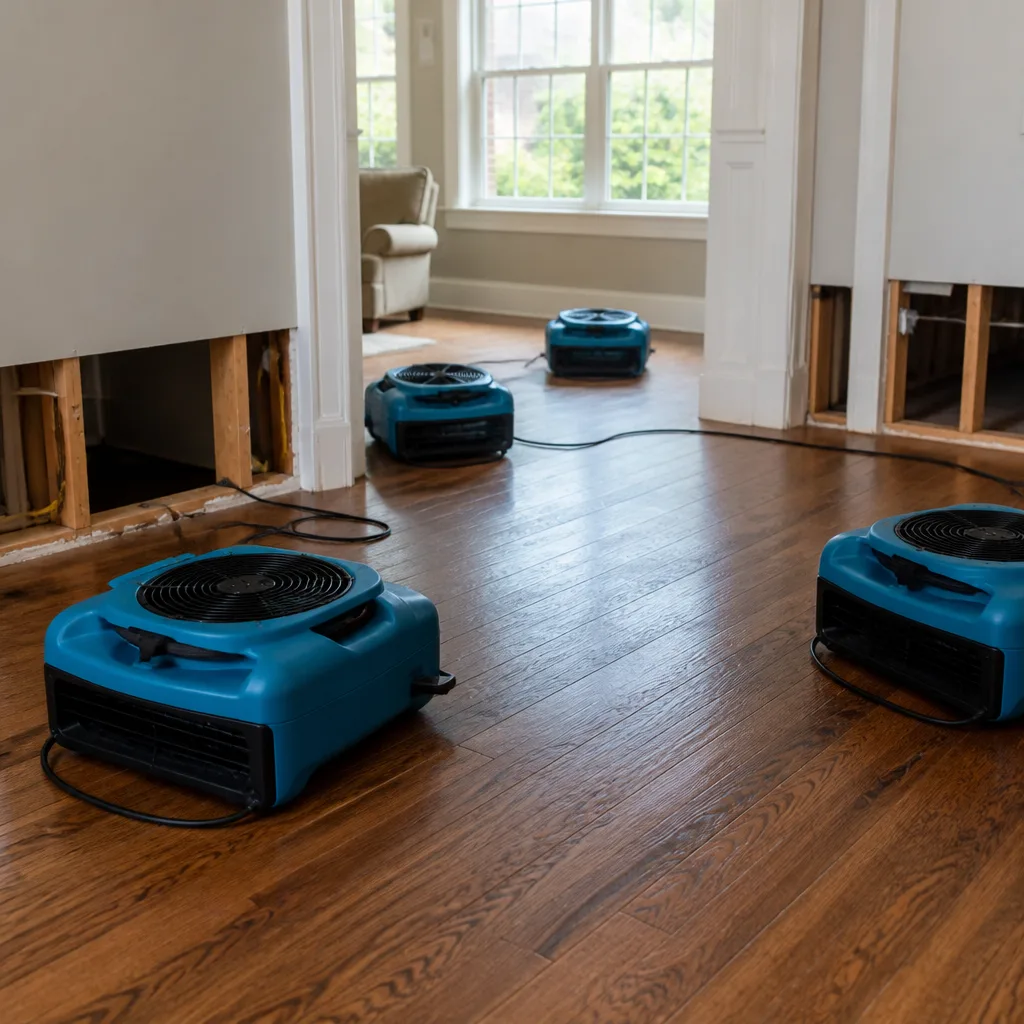
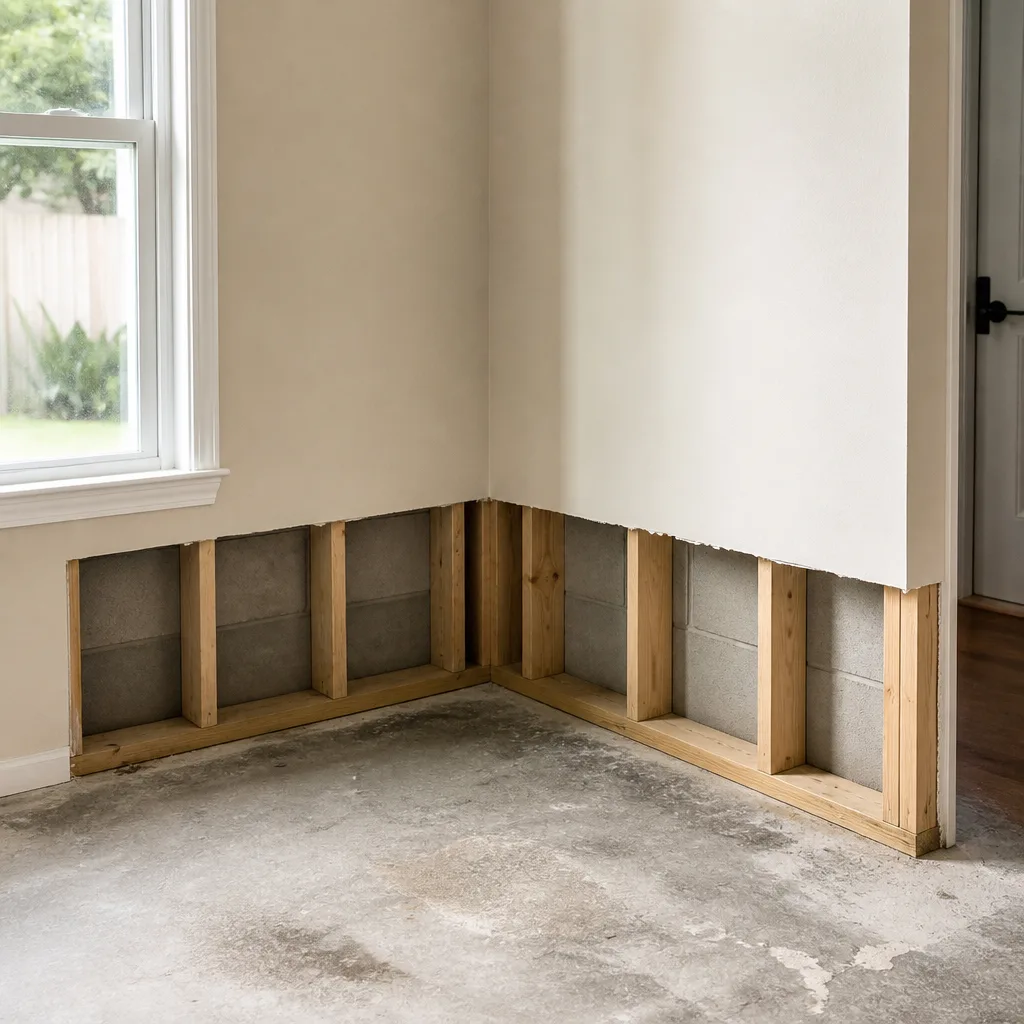
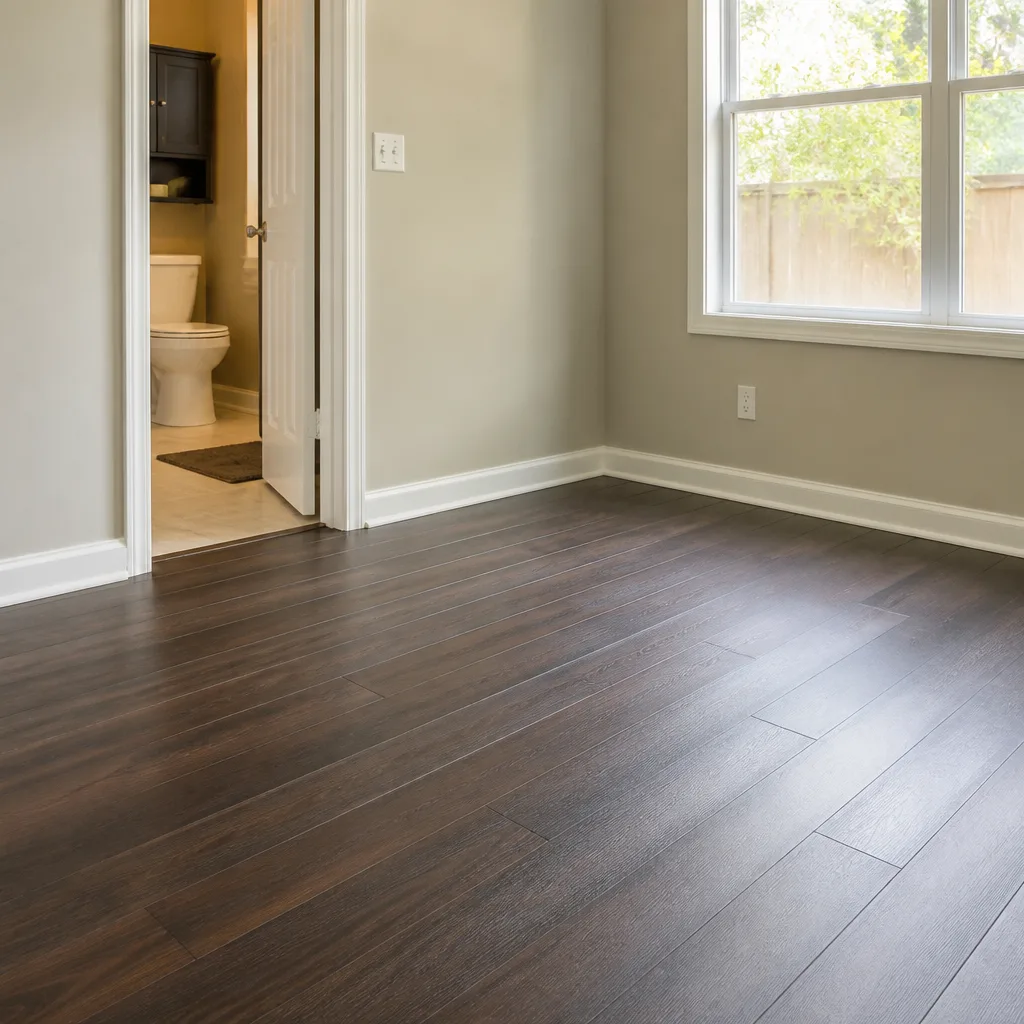
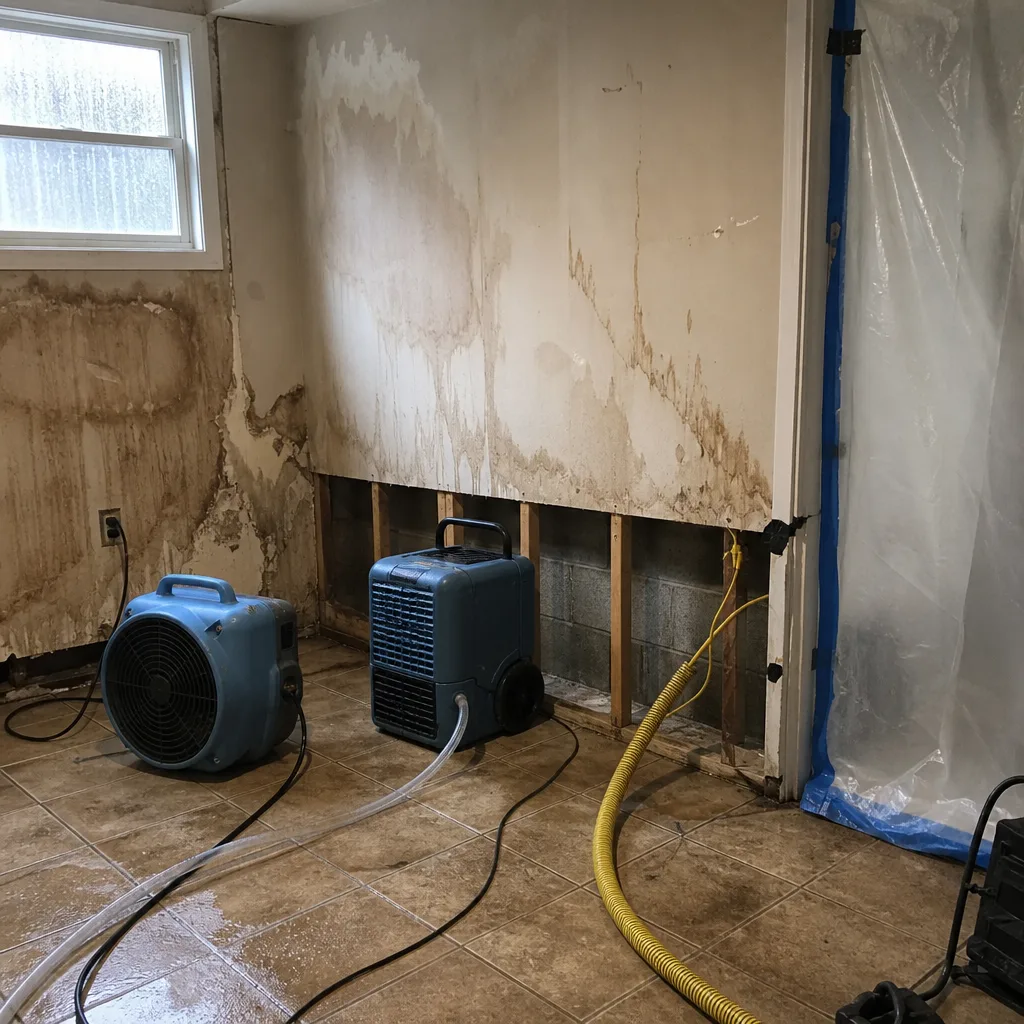 Before
 After
After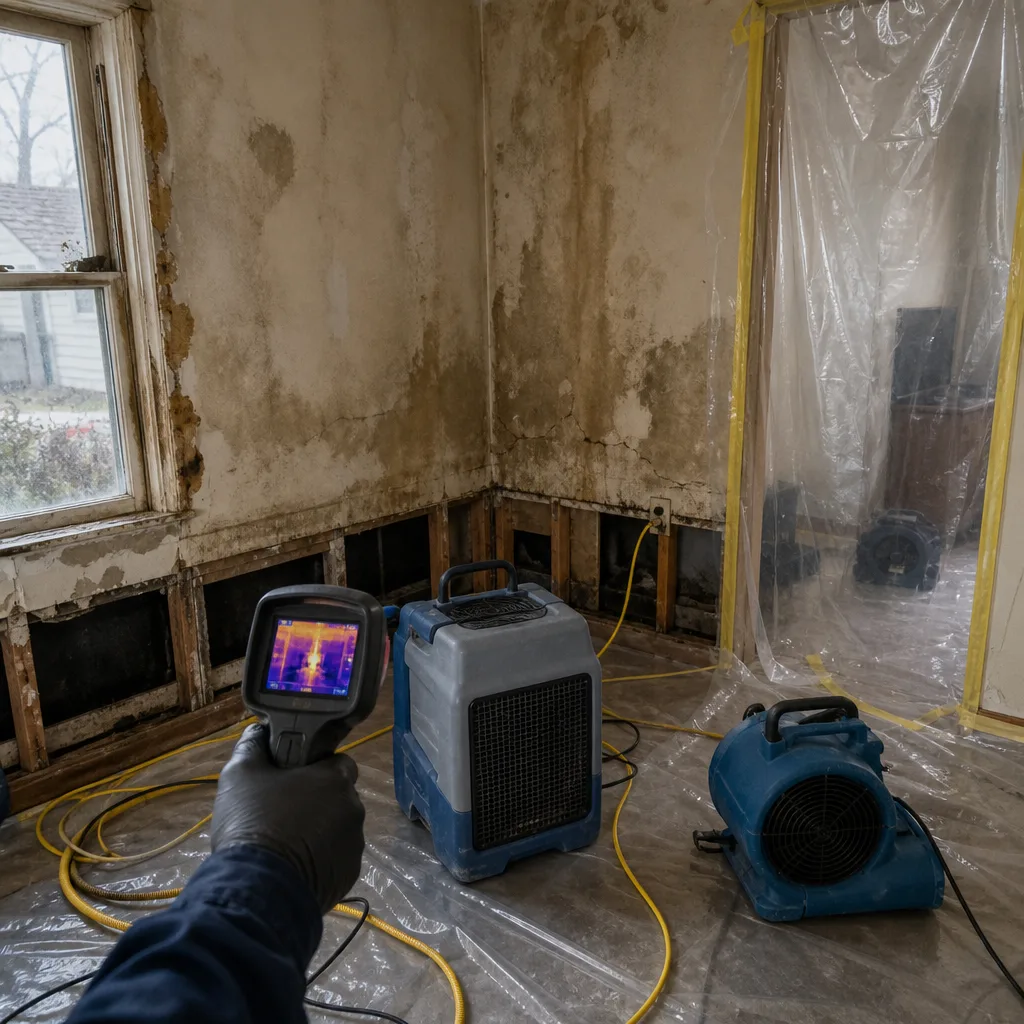 Before
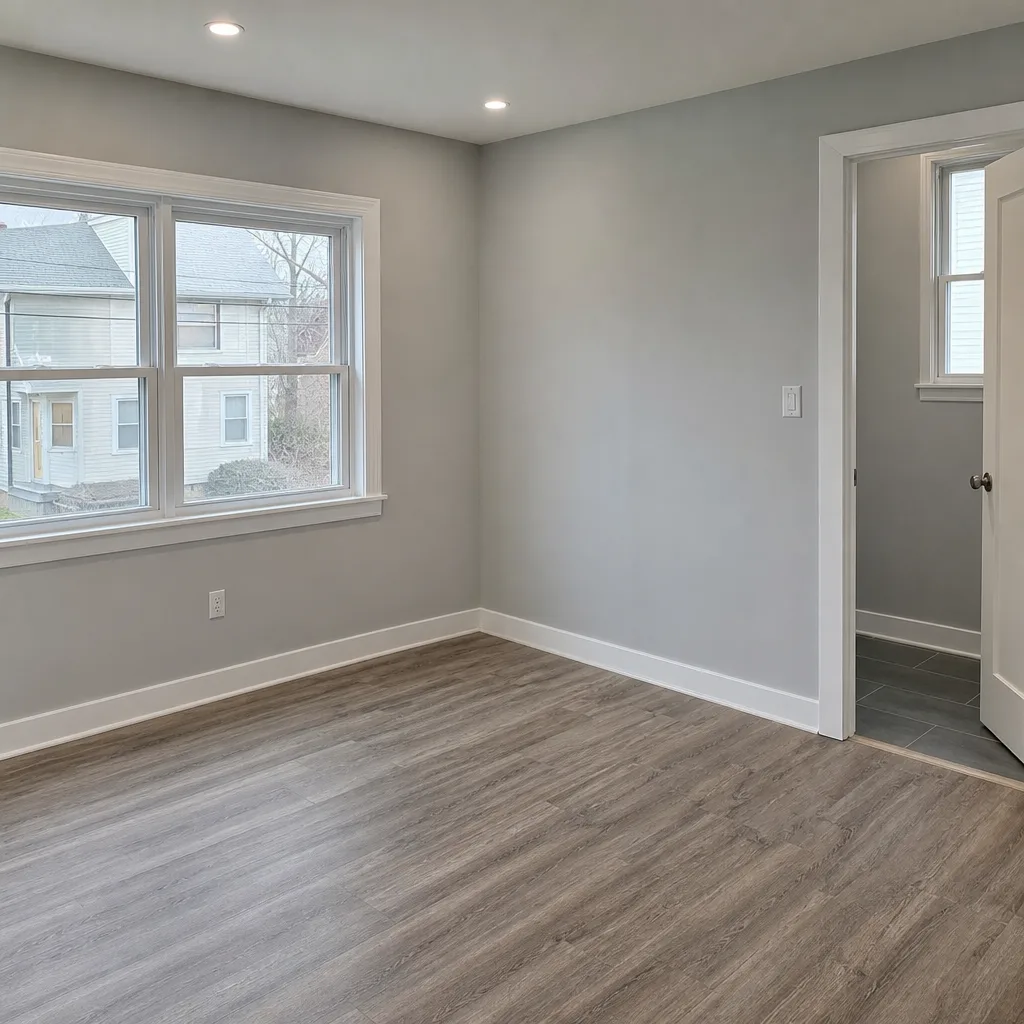 After
After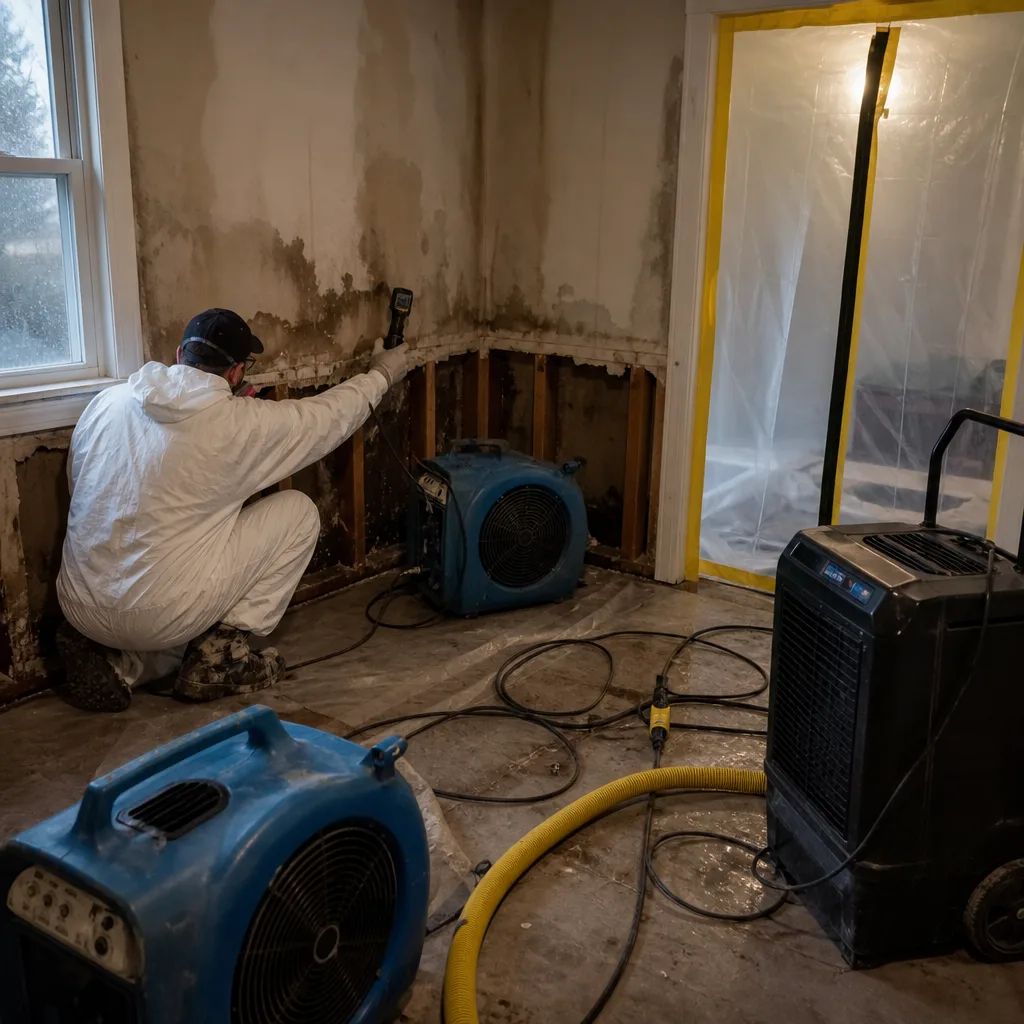 Before
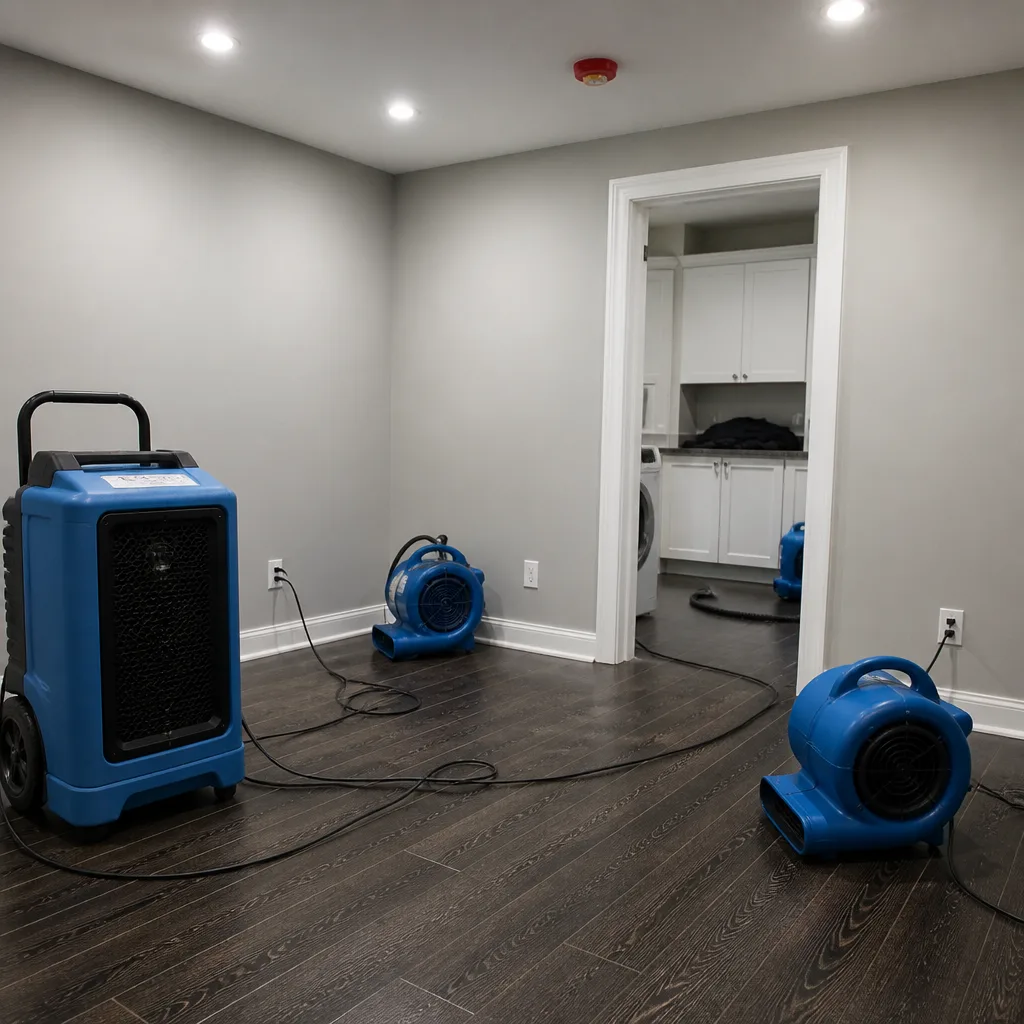 After
AfterDamage Restoration Permits, Codes & Inspections in NJ: What You Need to Know
Here’s the counterintuitive truth most homeowners in New Jersey learn the hard way: the water that ruined your drywall is often simpler to manage than the permit folder that follows. A failed sump pump in a Kearny basement can trigger a chain of requirements involving a construction official, a subcode official, and an inspector who wants to see the framing before you hang new sheetrock. Skip the paperwork and you inherit a problem that follows the house to closing, long after the last dehumidifier goes back on the truck. This guide explains the permits, codes, and inspections that apply to damage restoration work in New Jersey, written from the perspective of a Kearny restoration company that has worked through the process hundreds of times with local building departments.
Quick Answer
In New Jersey, most structural damage restoration work requires a construction permit issued by your local building department under the state’s Uniform Construction Code (UCC). Water extraction and drying alone generally do not require permits, but any rebuild work involving framing, electrical, plumbing, or structural repair does. The rule of thumb: if the restoration merely dries and cleans what exists, it’s usually permit-free; if it rebuilds, replaces systems, or alters structure, you need to file before the work starts.
Table of Contents
- New Jersey’s Uniform Construction Code: The Foundation
- Permit vs. No Permit: Where the Line Is in a Water or Fire Job
- Mold Remediation and Permits: What NJ Actually Requires
- Electrical, Plumbing, and HVAC After Flood or Fire
- The Inspection Sequence: What to Expect, in Order
- Kearny and Hudson County Specifics: Lead, Age, and Flood Zones
- What Permits Cost and How Long They Take in NJ
- Permits and Insurance: How the Paperwork Meets the Claim
New Jersey’s Uniform Construction Code: The Foundation
New Jersey runs on one statewide code adopted in 1977 and updated on a regular cycle: the Uniform Construction Code, or UCC. Every municipality enforces it locally, which is why two towns four miles apart can feel different even though the rulebook is the same. The UCC divides construction work into subcodes: building, plumbing, electrical, fire protection, and mechanical. A restoration job that crosses between these subcodes, say a fire that damaged both framing and wiring, triggers review under more than one of them.
The UCC’s reach applies to any building that is being “constructed, enlarged, altered, repaired, moved, demolished, or changed in occupancy.” The word “repaired” is doing heavy lifting here. A restoration that replaces damaged components is, in the eyes of the code, a repair. When the repair touches structural members, rated assemblies, or regulated systems, the permit requirement clicks on.
Where the UCC Draws the Permit Line
- Ordinary maintenance does not require a permit. Painting, drywall patching of small areas, replacing a section of baseboard, or cleaning existing surfaces are excluded.
- Emergency work has a narrow exemption. If a pipe bursts at 2 a.m. and a wall must be opened to stop the leak, the UCC allows emergency work to proceed before a permit is pulled, so long as the permit application is filed within 72 hours after the emergency begins, excluding weekends and holidays.
- Rebuilding after removal generally requires a permit. The moment you cut out more drywall than a patch, replace insulation in a wall cavity, or sister a floor joist, you have crossed from maintenance into regulated work.
- Work performed by a licensed contractor must still be permitted. A contractor’s license to operate is not a substitute for the municipal construction permit. In Kearny, the construction official’s office is the authority, not the contractor.
- Working without a permit exposes the homeowner to penalties under N.J.A.C. 5:23-2.31, which can include fines of up to $2,000 per violation plus a fee equal to the permit cost. The bigger long-term problem shows up at resale: the municipal certificate of continued occupancy can hang on unresolved open permits.
We tell homeowners in Kearny and across Hudson County to think of the UCC as a floor, not a ceiling. Some towns add local ordinances on top. Kearny enforces the state code through its Construction Code Enforcement division, and the officials there follow the book, which means the process is predictable once you know what triggers it.
Permit vs. No Permit: Where the Line Is in a Water or Fire Job
After a water loss, the first 48 hours are about extraction and drying. That phase is not construction. Running professional-grade equipment such as Dri-Eaz dehumidifiers and XPOWER air movers, monitoring moisture with daily readings, removing wet carpet pad, and cutting out saturated drywall are all categorized as mitigation, and in New Jersey mitigation does not require a municipal permit. This is one of the few places where speed and code do not conflict: the state wants the water stopped and the property dried before mold becomes a structural issue, and so do we.
The permitting conversation starts when mitigation ends and reconstruction begins. Here is the practical breakdown for a typical water loss in a Kearny home:
- Remove wet drywall below the floodline. No permit needed. This is demolition of damaged material, not alteration of structure.
- Run drying equipment until the moisture content reaches the dry standard. No permit needed. Drying is not construction. IICRC standards guide this phase, not the UCC.
- Replace the cut drywall, insulation, and baseboard. Permit needed. Repairing wall assemblies is regulated work under the building subcode.
- Replace damaged electrical receptacles or wiring in the affected wall. Permit needed. Any electrical work beyond replacing a like-for-like device requires an electrical subcode permit.
- Replace a section of load-bearing framing or a sill plate. Permit needed, including plans or specifications reviewed by the building subcode official.
Fire restoration follows a similar path but with a twist. In New Jersey, fire damage that has been professionally mitigated, with soot removed and char scraped, can often stay within the ordinary maintenance category for surface work. But any structural element that was charred, any fire-rated assembly that was breached, and any electrical circuit that was overheated requires a permit and inspection. The fire subcode also applies in specific circumstances, such as work on fire suppression and alarm systems.
Mold Remediation and Permits: What NJ Actually Requires
New Jersey has no state mold licensing law, which surprises people who expect a mold permit requirement. That said, the work of removing mold is regulated indirectly, through the construction removals that mold remediation usually involves. A mold job that requires cutting out sheetrock, removing wet insulation, and scrubbing framing is a demolition and reconstruction project under the UCC, and the reconstruction side requires a permit. The mold removal itself is governed by industry standards, mostly those published by the IICRC and the EPA’s mold remediation guidance, not by a dedicated NJ mold code.
The practical sequence for a serious mold job in a Kearny basement looks like this:
- Containment and air filtration. No permit needed. This is environmental control, not construction. In our experience, this is the part homeowners misunderstand most: a plastic containment zone and a HEPA-filtered negative air machine are mitigation tools, not alterations.
- Removal of mold-damaged materials. No permit needed for the removal itself. Demolition of non-structural finishes is not regulated under the UCC.
- Assessment of the structure after removal. This is where the line moves. If the sill plate, floor joists, or wall studs show rot or structural compromise, the repair that follows requires a building permit.
- Replacement of removed drywall, insulation, and finishes. Permit needed. The rebuilding is construction.
One thing worth stating plainly: the absence of a state mold license means homeowners must scrutinize contractors more carefully, not less. Anyone can print “mold certified” on a truck door. Certifications from the IICRC, RIA, and IFA, which our technicians carry, are independent credentials that require examination and continuing education. They are not a substitute for a permit, but they are a good indication that the crew understands the standards the building department expects to see.
Electrical, Plumbing, and HVAC After Flood or Fire
This is where New Jersey’s subcode structure matters most. A flooded basement that took on two feet of water will often need electrical replacement in the lower portion of the room, plumbing work if the water heater or a laundry sink is involved, and mechanical work if the furnace or boiler sat in water. Each of those trades has its own subcode permit, its own inspector, and its own fee.
- Electrical subcode. Replacing receptacles that were submerged requires an electrical permit. The UCC does allow a homeowner to do their own electrical work in a single-family home they occupy, but it still requires a permit and an inspection, and the work must meet the National Electrical Code as adopted by New Jersey. In reality, most homeowners in our area hire a licensed electrical contractor. The liability of a miswired circuit over a damp basement slab is not worth the savings.
- Plumbing subcode. A water heater replacement after a flood is a straightforward plumbing permit. A sewer line repair after a flood-related backup is also a plumbing permit, and in Hudson County, some sewer lateral work requires additional municipal approval. Kearny has specific requirements for sewer lateral work on the private side of the curb, and the plumbing inspector will check the repair.
- Mechanical subcode. A gas-fired boiler or furnace that took on floodwater is almost always a replacement, not a repair. The UCC requires a permit for any replacement of a heating appliance, and the mechanical inspector will verify clearances, venting, and combustion air. This is also a genuine safety issue: a flooded gas appliance can have a damaged heat exchanger or control board, and the risk of improper operation goes well beyond inefficiency.
- Fire protection subcode. If a fire damaged any sprinkler head, standpipe, or fire alarm device, the fire subcode permit is required. Even a residential smoke detector replacement tied to a fire restoration that is hardwired is often in this category.
The sequence matters with trades. In a full basement rebuild, demolition comes first, then rough plumbing and electrical, then the building subcode rough inspection, then insulation and drywall, then finish electrical and plumbing. A contractor that knows the Hudson County rhythm moves through this without losing a week between inspections.
The Inspection Sequence: What to Expect, in Order
Once a permit is issued, the construction official schedules the required inspections. The state groups them by subcode, though some towns combine them where practical. Here is the typical order for a substantial water damage rebuild in a Kearny single-family home:
- Rough building inspection. After framing, if any, and before insulation and drywall. The inspector checks that any new structural members meet the code, that fire blocking is correctly installed in wall cavities, and that any damaged sill plates or joists were properly sistered or replaced.
- Rough electrical inspection. Before the walls are covered, after the device boxes and cables are in place. The inspector checks wire size, box fill, grounding, and that any required circuits, especially GFCI protection in basements, garages, and kitchens, are correct.
- Rough plumbing inspection. If plumbing work was performed, the inspector looks at supply and drain lines under test pressure or water before the walls close.
- Insulation inspection. Required before drywall in many towns. The inspector confirms that R-values meet the NJ energy subcode and that the vapor barrier, where required, faces the conditioned side.
- Final building inspection. After drywall, paint, and finish work. The inspector checks egress, stair dimensions, the handrail, and smoke and carbon monoxide detector placement. New Jersey requires smoke alarms to be replaced when they are 10 years old, and a restoration is a common time to upgrade to the sealed 10-year units.
- Final electrical and plumbing inspections. These happen after devices are installed and fixtures are set. The inspector tests GFCIs, checks panel labeling, and confirms the water heater operates.
When the final inspections pass, the construction official issues a Certificate of Approval. Keep that certificate. It proves the work was done to code and it is often requested when the house is sold or refinanced.
One detail homeowners in our area often miss: if an insurance claim paid for the work, the insurer may request a copy of the Certificate of Approval before resolving certain line items, particularly structural ones. It is one more reason the permit process matters beyond the code itself.
Kearny and Hudson County Specifics: Lead, Age, and Flood Zones
Kearny’s housing stock has a specific character: much of it was built between 1900 and 1960. That matters for restoration permits in three ways.
First, lead paint. The federal EPA’s Renovation, Repair and Painting (RRP) Rule applies to any work in a pre-1978 home that disturbs more than a small area of painted surface. In a water restoration where walls are opened, the RRP rule often kicks in. In New Jersey, this is not a permit per se, but it is a mandatory certification. A contractor must be an EPA Lead-Safe Certified Firm to perform the work, and certain work practices, such as containment and HEPA vacuuming, are required by law. We are a certified firm, and in older Kearny homes we assume lead until testing says otherwise.
Second, plaster and lath. Many pre-war Kearny homes have plaster walls, not drywall. Plaster work after water damage is a different trade, and the UCC has specific provisions for the wall assembly when plaster is repaired or replaced. The permit is the same, but the inspection focus shifts: the building subcode official checks that the lath is sound and that the plaster thickness is consistent with the code.
Third, flood zones. Portions of Kearny sit in FEMA-mapped flood zones, particularly near the Passaic and Hackensack rivers. If a home in a flood zone suffers substantial damage, defined as 50% or more of the pre-damage market value, the town must apply the FEMA substantial damage rule, and the rebuild must comply with floodplain management requirements, including potential elevation. That determination is made by the local floodplain administrator, who in Kearny works through the construction office. This is a serious threshold. If you are anywhere near 50% of home value in damage, get the determination in writing before you sign any rebuild contract.
The Floodline Restoration Co. home team knows these local layers because we have worked them: the building official’s office on Kearny Avenue, the construction code enforcement phone line, the way a permit for a basement rebuild on the east side of town goes through in a predictable number of days. That local knowledge is part of the service.
What Permits Cost and How Long They Take in NJ
New Jersey permit fees are based on the construction official’s fee schedule, which is set locally under the state’s model. For a typical basement water damage rebuild in Kearny, the permit fees break down roughly like this:
| Permit or Fee | Typical Range | What It Covers |
|---|---|---|
| Building subcode fee | $90-$300 | Framing, insulation, drywall, finish |
| Electrical subcode fee | $60-$180 | Receptacles, circuits, panel work |
| Plumbing subcode fee | $70-$200 | Water heater, piping, fixtures |
| Mechanical subcode fee | $70-$180 | HVAC or boiler replacement |
| Certificate of Approval | $50-$100 | Final document |
These are estimates based on the fee schedule in Hudson County and in surrounding counties. Exact figures depend on the scope of work and on Kearny’s current published fee ordinance. A full kitchen and basement rebuild after a fire could push the total permit cost above $1,000, while a modest drywall replacement after a clean-water leak might stay under $300.
Timelines follow a pattern. A standard permit application with complete plans for a straightforward water rebuild is typically reviewed in 5 to 10 business days in Kearny. If plans are required and they are incomplete, every correction adds a cycle. Emergency permits, in genuine emergencies, are issued faster, sometimes within a day or two. Inspections are scheduled once the work reaches the appropriate stage, and most inspectors in Hudson County schedule within 3 to 5 business days of the request.
The bottleneck is almost never the town. It is almost always an incomplete application, missing plans, or a contractor who waits until the work is done to file. Filing the permit first, then starting work, is the sequence that keeps the project moving.
Permits and Insurance: How the Paperwork Meets the Claim
The insurance carrier is not the building department, but they talk to each other more than homeowners realize. Here is the practical relationship:
- Your adjuster’s repair estimate assumes code-compliant work. When a damage estimate includes line items for framing, electrical, or plumbing, the carrier’s pricing typically presumes the work will be permitted. If you skip the permit, you have not saved money; you have taken a discount on your own claim and increased your exposure.
- Some carriers require proof of permit as a condition of releasing depreciation. In a replacement cost policy, the recoverable depreciation is often paid after the work is completed and the final invoice is submitted. Some carriers ask for the permit number or the Certificate of Approval as part of that packet.
- Code upgrade coverage exists in better policies. Many homeowner policies include a limited amount of “ordinance or law” coverage that pays for the increased cost of bringing the repaired area up to current code. When a 1950s Kearny basement gets rebuilt to 2026 code, that upgrade costs real money, and the coverage can offset it. Without a permit, the carrier has no basis to evaluate the code upgrade work.
- Photo documentation supports the claim. We document every phase of mitigation and reconstruction, including the moisture map from day one and the daily readings until the dry standard is met. That documentation is shared with the adjuster and it keeps everyone on the same page, from the first extraction to the final inspection.
We bill insurance carriers directly and coordinate with adjusters so you are not the one carrying paperwork between the contractor and the carrier. That is part of the no-hassle approach that has kept us working in this area for over 42 years, and it matters most on jobs where permits and inspections are in play.
Common Mistakes to Avoid
- Starting the rebuild before the permit is issued. Emergency mitigation is exempt, but the rebuild is not. If the permit is pending and the drywall is already hung, the inspector may require removal to see what is behind it.
- Assuming the contractor’s word settles the permit question. It does not. The only authority is the local construction official. Ask to see the permit, or call the Kearny construction office yourself. You are the permit holder in the town’s records.
- Treating mold remediation as a demolition-only job. The removal is not the regulated part; the rebuild is. Skipping the permit on the rebuild side is the most common permit error we see in mold work across Hudson County.
- Overlooking the smoke and carbon monoxide detector requirement. New Jersey’s fire code requires smoke alarms on every level and outside sleeping areas. A restoration project is an enforced trigger for compliance, and the final inspection will fail without current alarms.
- Letting a handyman do regulated trade work. A handyman who offers to rewire your basement for cash is not saving you money. The electrical inspector will fail the work if it is wrong, and the homeowner is the one who owns the liability.
- Paying the final contractor invoice before final inspection passes. The final inspection is the last checkpoint. Make your final payment contingent on the Certificate of Approval, and you will not have to chase anyone back for corrective work.
- Ignoring the flood zone substantial damage rule. If your home is in a flood zone and the damage approaches 50% of value, do not sign a rebuild contract until the floodplain administrator has made a determination. This is not a step you want to discover later.
When to Call a Professional
Any structural repair, any electrical or plumbing replacement, any gas appliance work, and any rebuild after a serious water or fire loss belongs with a licensed contractor who carries the appropriate permits as a matter of routine. If the job involves floodwater, sewage, or mold, the hygiene and safety questions are compounded, and a professional assessment is not an upsell; it is the baseline. The same applies when insurance is involved. A restoration company that documents the process from day one, coordinates with the adjuster, and stands behind the finished work in writing is the practical difference between a closed claim and an open headache. Floodline Restoration Co. offers free estimates in Kearny and the surrounding communities, with the 90-Day Done Right Promise in writing on every job. Call (551) 373-5246 and a live person answers, day or night.
Frequently Asked Questions
Water extraction, drying, and removal of damaged materials do not require a permit, but rebuilding walls, replacing electrical, or repairing structure does. The UCC governs the rebuild side, and your town’s construction office issues the permit. Call (551) 373-5246 and we can tell you where your specific job falls.
In a genuine emergency, the UCC allows work to begin immediately, with the permit application filed within 72 hours, excluding weekends and holidays. Standard permit review in Kearny typically runs 5 to 10 business days for a complete water rebuild application.
The mold removal itself is not separately permitted under a state mold law, because none exists. The reconstruction that follows mold removal, including drywall, insulation, and any structural repair, requires a permit under the building subcode.
The contractor usually files the application, but the permit is issued to the homeowner in the town’s records. You are the party responsible to the construction official. A contractor who offers to work without a permit is transferring the risk to you.
Standard permit fees are typically included in the repair estimate. Code upgrade costs may be covered under the ordinance or law portion of your policy, which many, but not all, New Jersey homeowners carry. Your adjuster can confirm the limit, and a restoration company that bills the carrier directly can coordinate that detail.
The most common discovery point is at resale, when the municipal certificate process flags unpermitted work. The town can require you to open the walls for inspection, pay back permit fees, and pay penalties. The cost of doing the permit correctly the first time is almost always lower than the cost of retroactive compliance.
The Bottom Line
In New Jersey, the permit question on a restoration job almost always comes down to a simple test: are you drying what exists, or rebuilding what was lost? Drying and mitigation move without permits, and should move fast. Reconstruction moves with permits, and should move correctly. The state’s Uniform Construction Code, enforced by local offices like the one in Kearny, is predictable, and the inspection sequence is straightforward when you follow the order. The safest position for a homeowner is to hire a restoration company that treats permits as part of the job, documents every phase, coordinates with the carrier, and puts its guarantee in writing. That is how we have worked in Kearny since 2010, and it is how we plan to work here for the next thirty years.
For a free estimate on any damage restoration work in Kearny or Hudson County, call (551) 373-5246. A live person answers, and the 90-Day Done Right Promise stands behind every job we do.
Written by Curt Bowman, Owner at Floodline Restoration Co., serving Kearny since 2010.