
Last updated August 25, 2026
Free visual inspection and a written scope of work before any mitigation begins - photos, moisture readings, and drying logs go in your claim file
The scope we write is the scope we bill. Anything new gets shown to you, in writing, before we touch it.
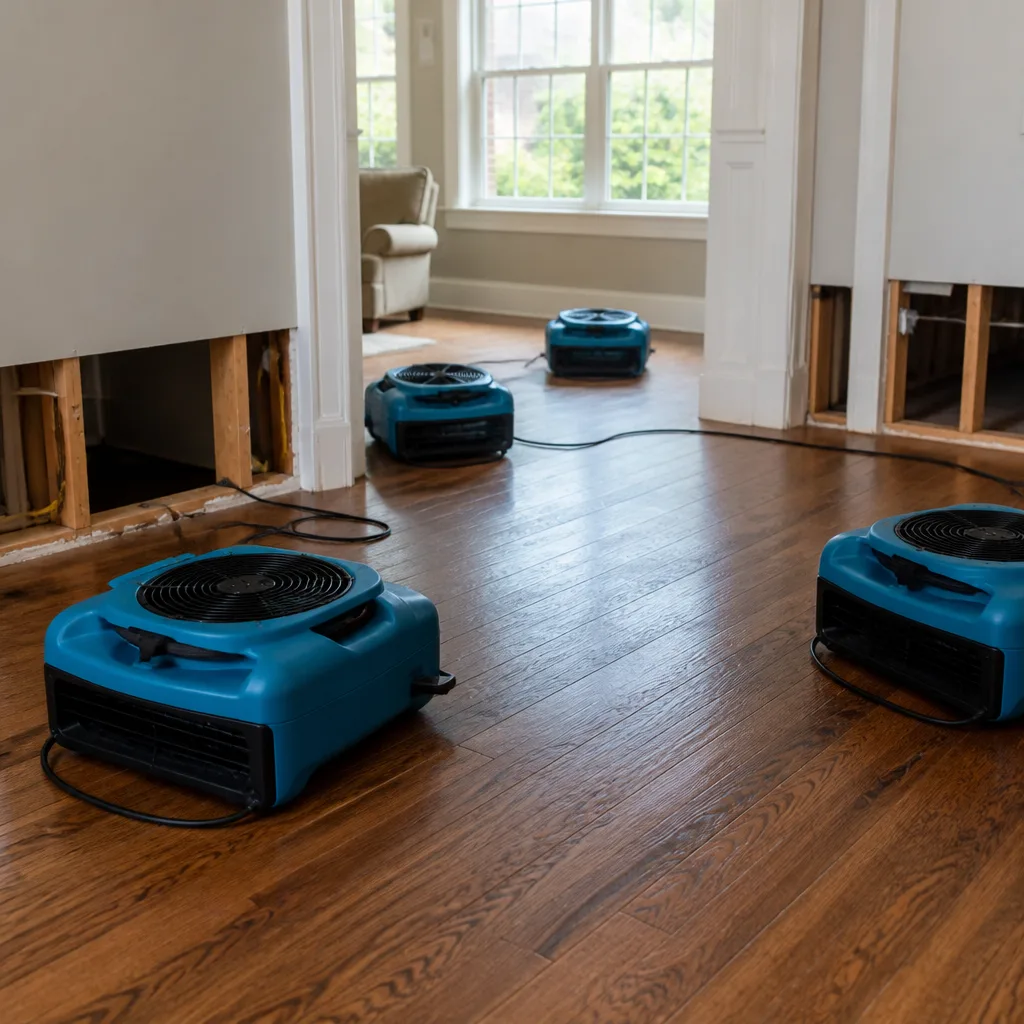

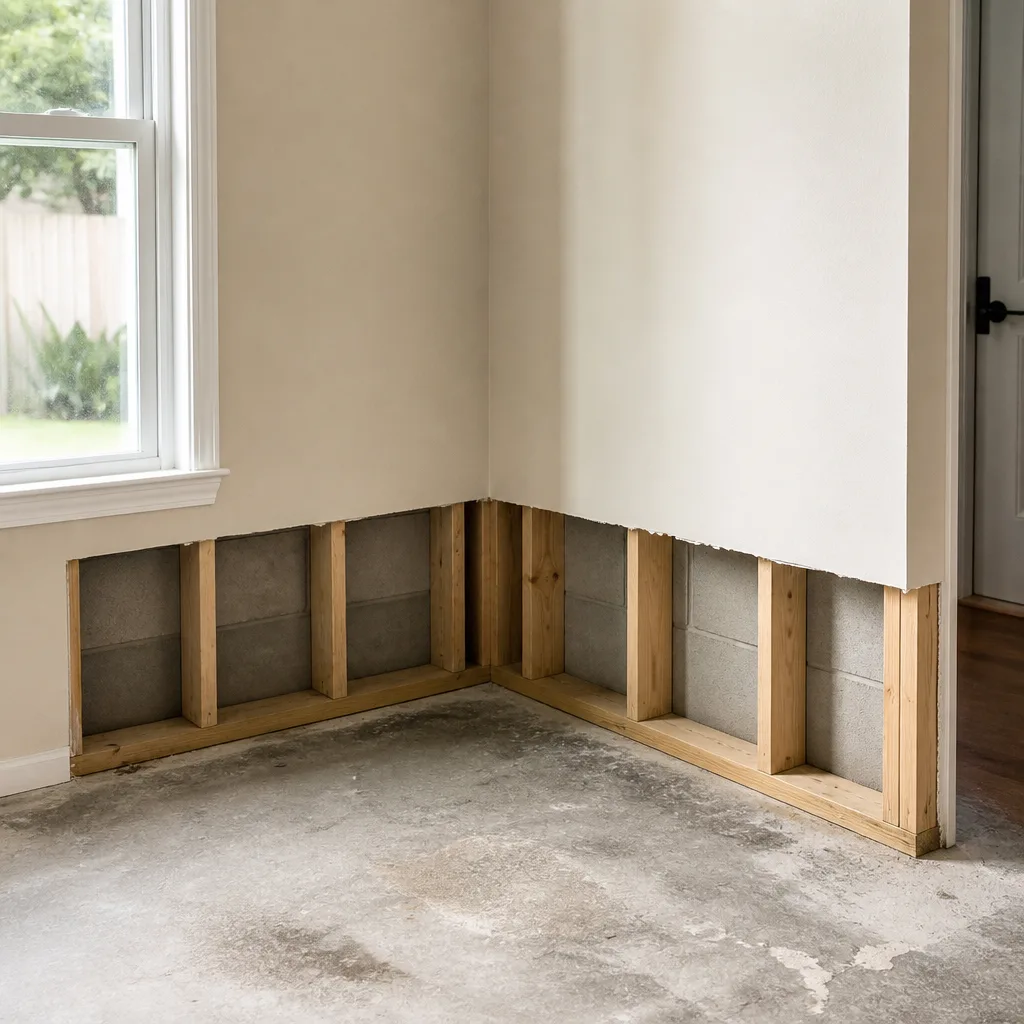

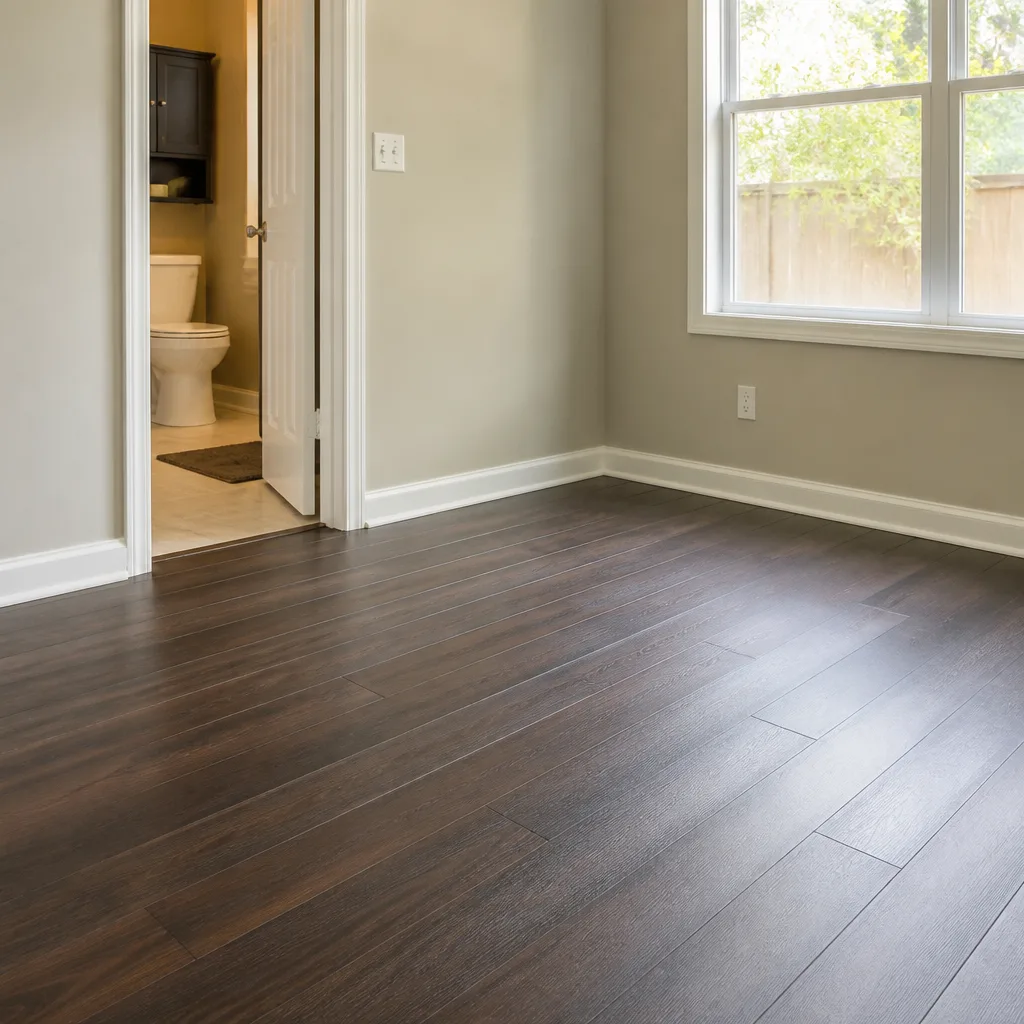

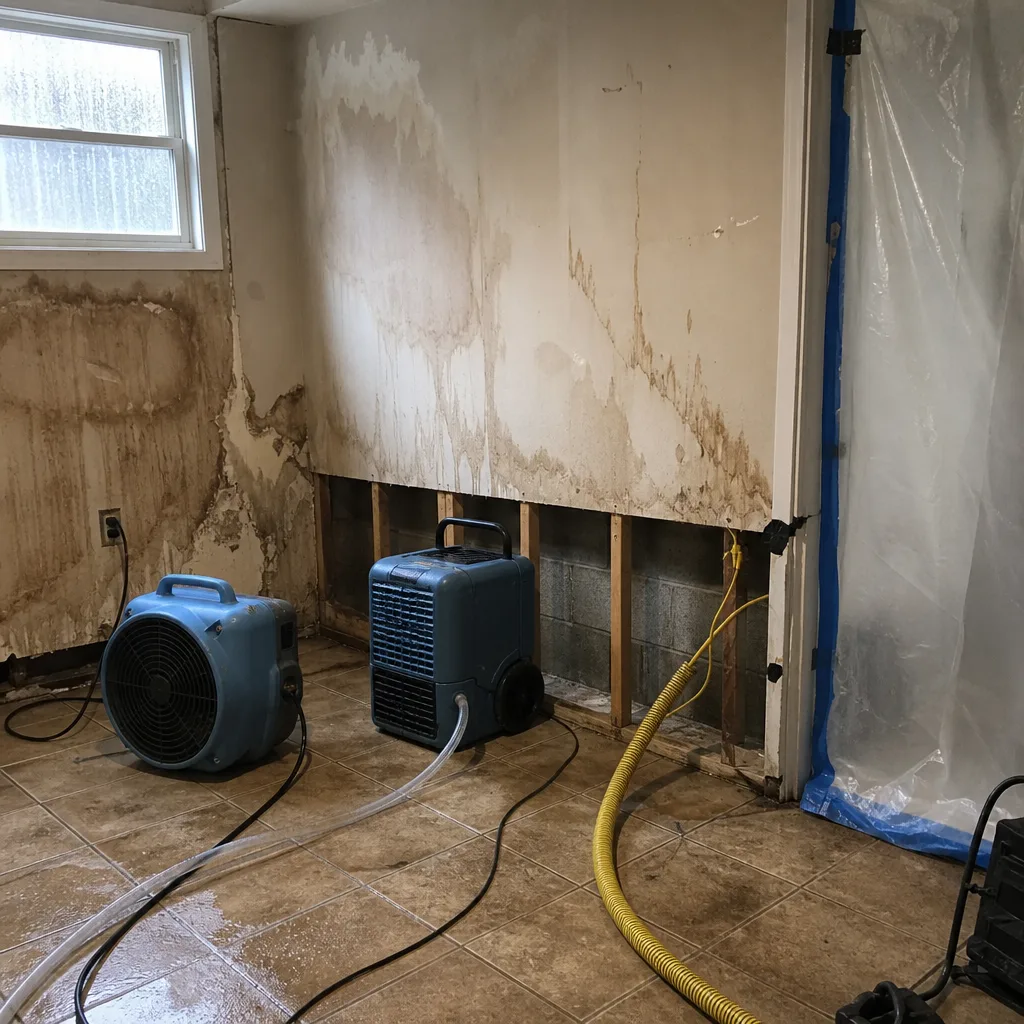 Before
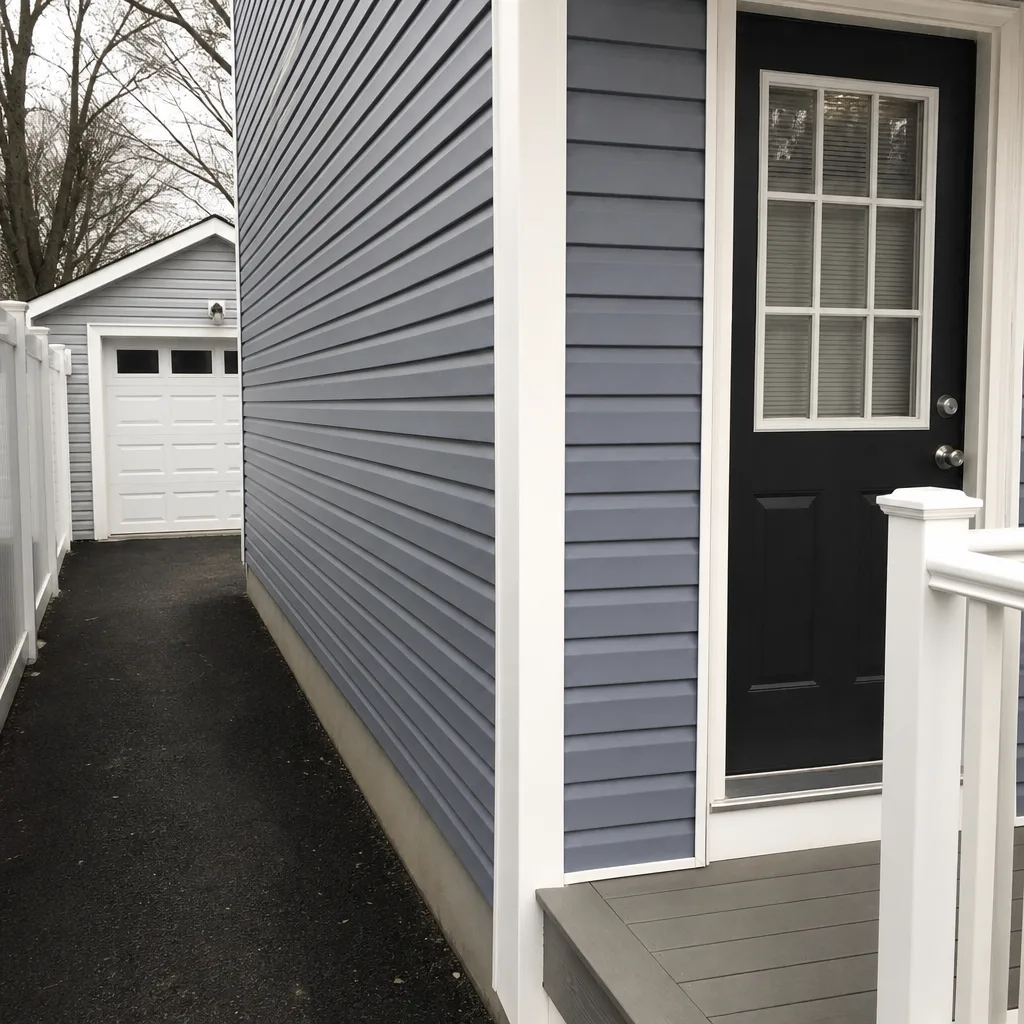 After
After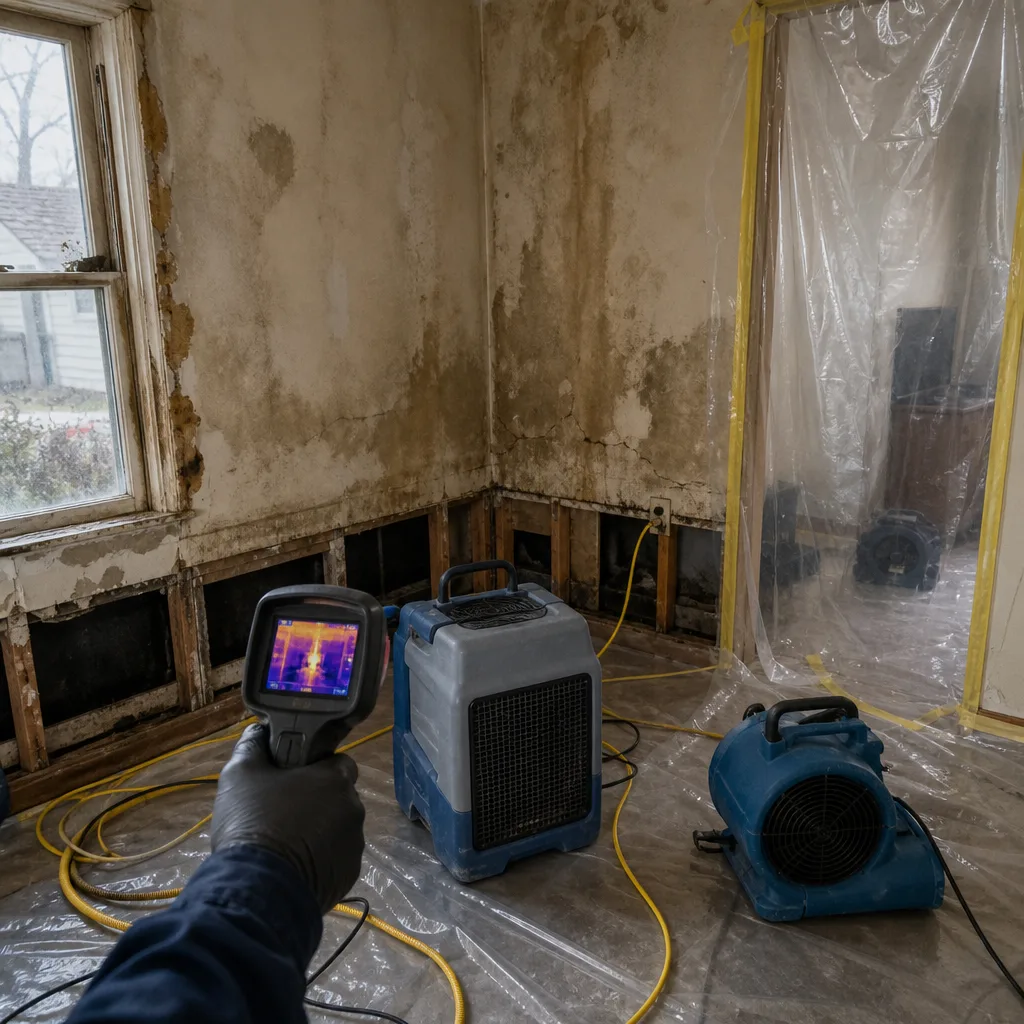 Before
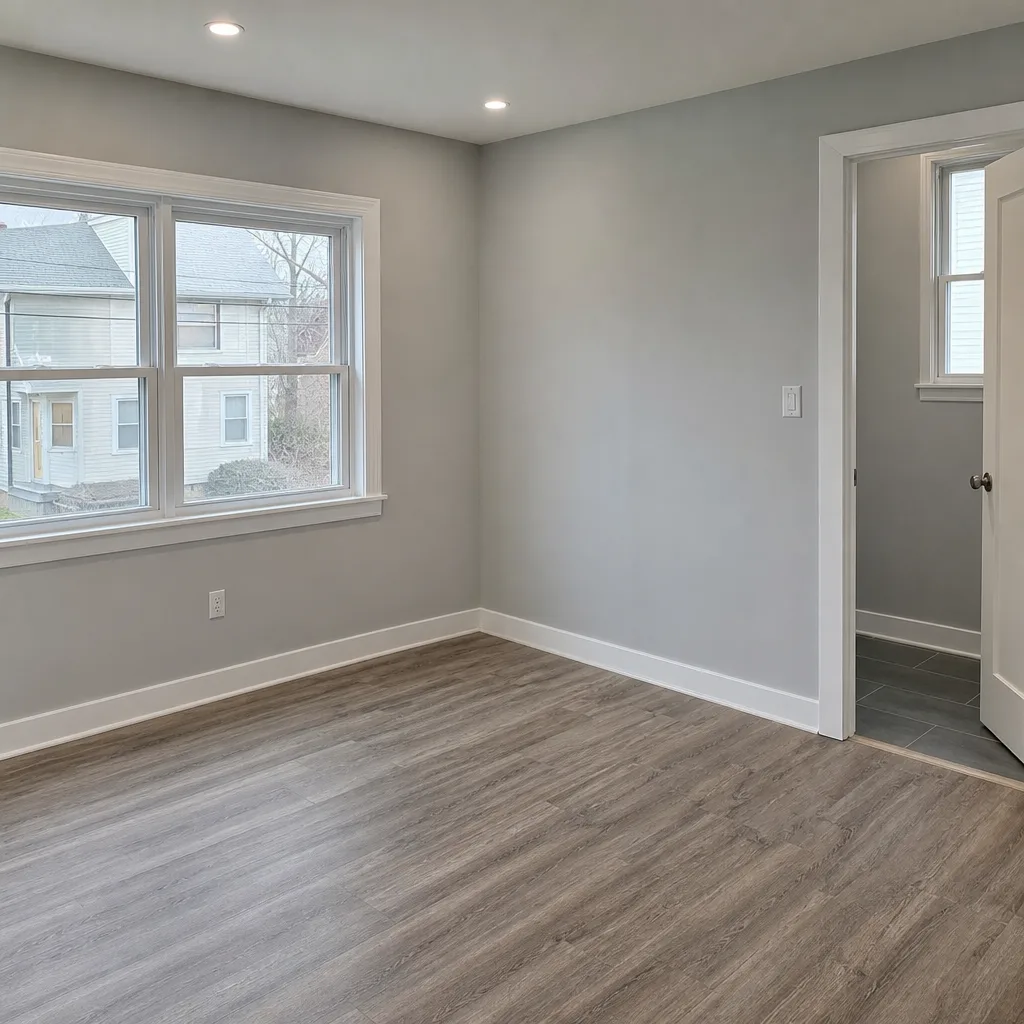 After
After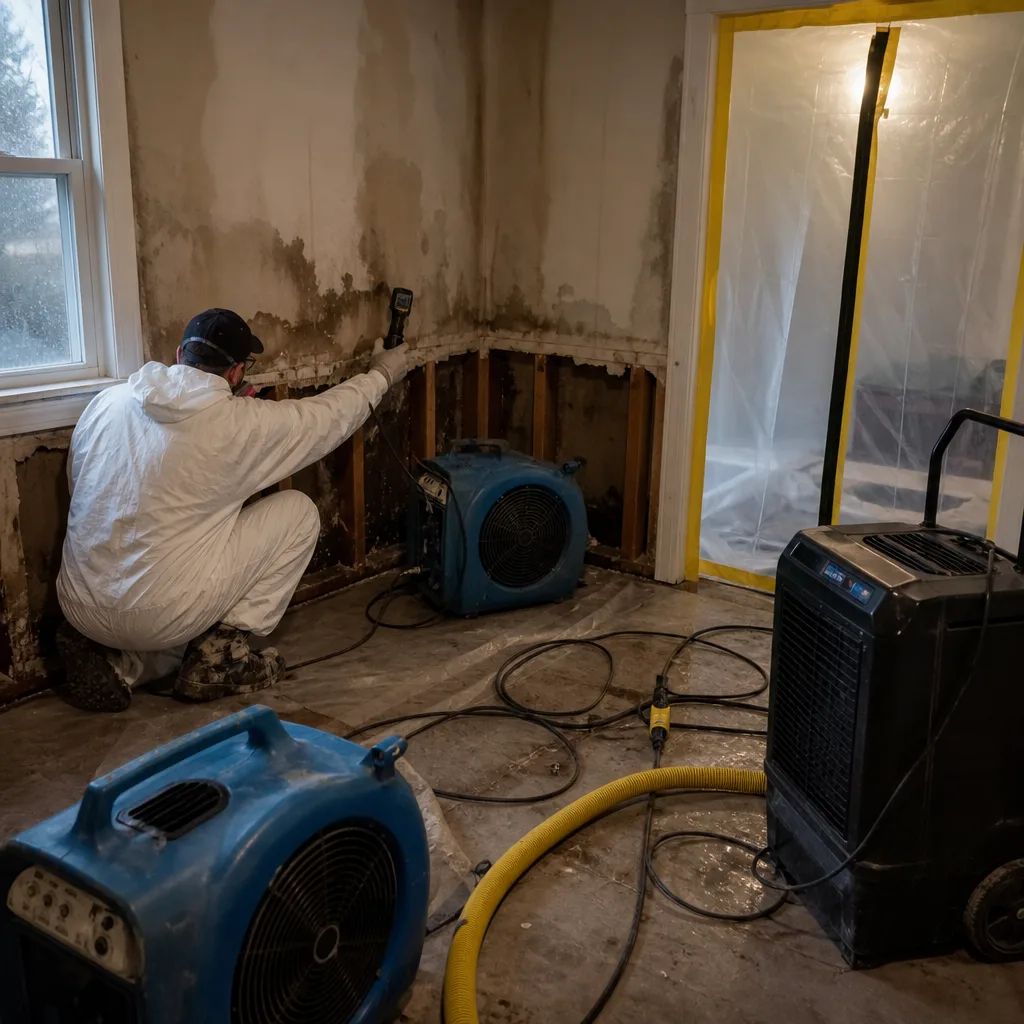 Before
 After
AfterDIY vs Professional Damage Restoration: The Kearny Homeowner’s Decision Guide
Roughly half the water damage claims we walk into in Kearny started as a “small leak” the homeowner tried to handle themselves over a weekend. The truth about damage restoration is uncomfortable: visible water is rarely the whole problem, and the materials hiding the real damage – drywall, subfloor, the framing behind your baseboards – are exactly what a wet-dry vac cannot reach. This guide walks through the honest trade-offs between doing the work yourself and bringing in a certified crew, so the next time water or fire or mold shows up, you make a level-headed call instead of an expensive guess.
Quick Answer
DIY works for small, contained, clean-water spills you catch immediately – think a supply line that leaked for a few hours onto tile. Professional restoration is the right call the moment water has touched drywall, flooring, or anything porous for more than 24 hours, because hidden moisture leads to mold and structural rot that cost far more to fix later than to dry correctly now. In Kearny’s older housing stock, where a 1920s balloon-framed wall can wick water from basement to attic, the professional answer comes earlier than most homeowners expect.
Table of Contents
- Water Damage: What a Homeowner Can Actually Handle
- Fire and Smoke: The Chemistry Working Against You
- Mold: When Bleach Is Not the Answer
- The Equipment Gap: What Pros Bring That Rentals Don’t
- Insurance and Documentation: The Paper Trail That Pays
- Real Costs in Kearny: DIY vs Professional Side by Side
- Common Mistakes to Avoid
- When to Call a Professional
- Frequently Asked Questions
Water Damage: What a Homeowner Can Actually Handle
A washing machine supply line that bursts while you’re home and gets shut off in five minutes? That’s a DIY candidate. You mop it up, put a fan on it, and move on with your day. The line in the sand is what the water touched and for how long. Water that soaked into drywall, particleboard, carpet pad, or hardwood for more than a day has already begun the process most homeowners never see: capillary action pulling moisture sideways and upward into places the puddle never touched.
In Kearny, this timeframe matters more than in drier climates. The humidity near the Passaic and Hackensack rivers keeps exposed building materials from air-drying on their own, even with fans running. What dries in a weekend in Arizona takes a week here – and during that week, mold spores that were already present in every home find the moisture they need to germinate. We’ve walked into homes in the Arlington section of Kearny where a slow sink drain leak behind a cabinet had been “dried” by the homeowner for two weeks. The moisture meter still read 29% in the wall cavity, and the mold was already blooming behind the baseboard.
Here’s what a competent homeowner can do safely:
- Stop the source immediately – shut off the supply valve if you know it, or the main if you don’t.
- Remove standing water with a wet-dry vac on hard surfaces only.
- Pull up saturated area rugs and get them outside or into a garage where they won’t keep humidifying the room.
- Run household fans and dehumidifiers if you own them, understanding they are undersized for anything beyond a small spill.
- Document everything you see with photos before you touch anything – your insurance carrier will want them.
What a homeowner should not do is cut into walls to “check for water” without a moisture meter. The meter tells you where the water is; a saw just makes a hole where you guessed. Floodline Restoration Co. sends certified technicians with moisture-mapping equipment on every water call because the difference between a $400 dry-out and a $14,000 rebuild hinges on knowing exactly where the water went.
Fire and Smoke: The Chemistry Working Against You
House fires in Kearny are less common than water damage, but the ones we get called on late tend to be kitchen fires, electrical shorts in older wiring, and the occasional chimney fire in the older colonials near Veteran’s Field. Fire damage is where the DIY instinct goes most wrong, because the damage you can see – the charred cabinets, the blackened wall – is not the damage that ruins your house over the next two years.
Smoke is an aerosol of microscopic particles that behaves like a gas. It travels through wall cavities, around closed doors, and into rooms the fire never touched. Those particles are acidic. Left on metal surfaces – hinges, lighting fixtures, appliance coils – they begin etching and corroding within days. Worse, smoke odor is not a smell; it’s trillions of particles lodged in every porous surface, and no amount of repainting covers it. We regularly see Kearny homeowners who painted over smoke-damaged walls, only to have the odor return with the first humid summer week.
What professional fire restoration includes that DIY never does:
- Thermal fogging or ozone treatment to neutralize smoke particles in wall cavities, not just on surfaces.
- Cleaning of every surface with chemical sponges designed for smoke residue, not household cleaners that smear it.
- HVAC inspection and duct cleaning – smoke pulls through return vents and deposits throughout the system.
- Content cleaning: soft goods like clothing, bedding, and furniture require specialized laundering or dry-cleaning methods, often off-site.
A homeowner can clean visible soot off a countertop. That is honest work. But if you can smell smoke anywhere in the house – even faintly – a professional crew is the only realistic path to making that go away. Our technicians train to IICRC standards specifically because fire restoration has more ways to go wrong than any other trade we practice.
Mold: When Bleach Is Not the Answer
The single most dangerous piece of DIY advice circulating among Kearny homeowners is that bleach kills mold. It does not. Bleach kills surface mold on non-porous materials like tile or glass. On drywall, wood, or carpet, bleach’s high water content feeds the mold’s root system while the chlorine evaporates before it reaches the hyphae growing below the surface. You can literally watch mold return stronger within a week after a bleach “treatment.” This is not a minor point – it’s the difference between a $600 remediation and a $9,000 tear-out and rebuild.
Kearny basements are a particular problem. The town’s older homes, many built before modern waterproofing, sit close to the water table. The same river proximity that keeps our air humid also pushes groundwater through foundation cracks after every heavy rain. A basement that “gets a little musty in August” is often harboring active mold growth behind paneling or inside drywall that a homeowner has never seen.
The professional standard for mold is containment. When we do mold remediation, the first step is setting up negative air pressure with HEPA-filtered exhaust so that disturbing the mold doesn’t send a million spores through the rest of the house. Our crews wear full PPE, bag and remove affected materials under containment, and run HEPA air scrubbers afterward. This is equipment and method no rental counter or hardware store can provide, and it follows the protocols established by the IICRC and RIA.
A homeowner with a small patch of mold on a bathroom sill from a condensation leak can clean it with a commercial mold cleaner on a non-porous surface, fix the source, and move on. Anything over ten square feet, anything on drywall or wood, or anything with an odor you notice when the door is closed – that calls for a professional assessment.
The Equipment Gap: What Pros Bring That Rentals Don’t
Your local home improvement store rents carpet cleaners, and some rent dehumidifiers. What none of them rent is the equipment that actually dries a house correctly. Here is a direct comparison of what a serious water damage job requires versus what a homeowner can realistically get their hands on:
| Equipment | DIY Rental | Professional Grade |
|---|---|---|
| Moisture meter | None typically rented | Penetrating and non-penetrating meters for mapping water migration in walls, floors, and ceilings |
| Dehumidifier | Small commercial unit pulling ~30 pints/day | Dri-Eaz or Phoenix LGR units pulling 80-150+ pints/day, sized to cubic footage |
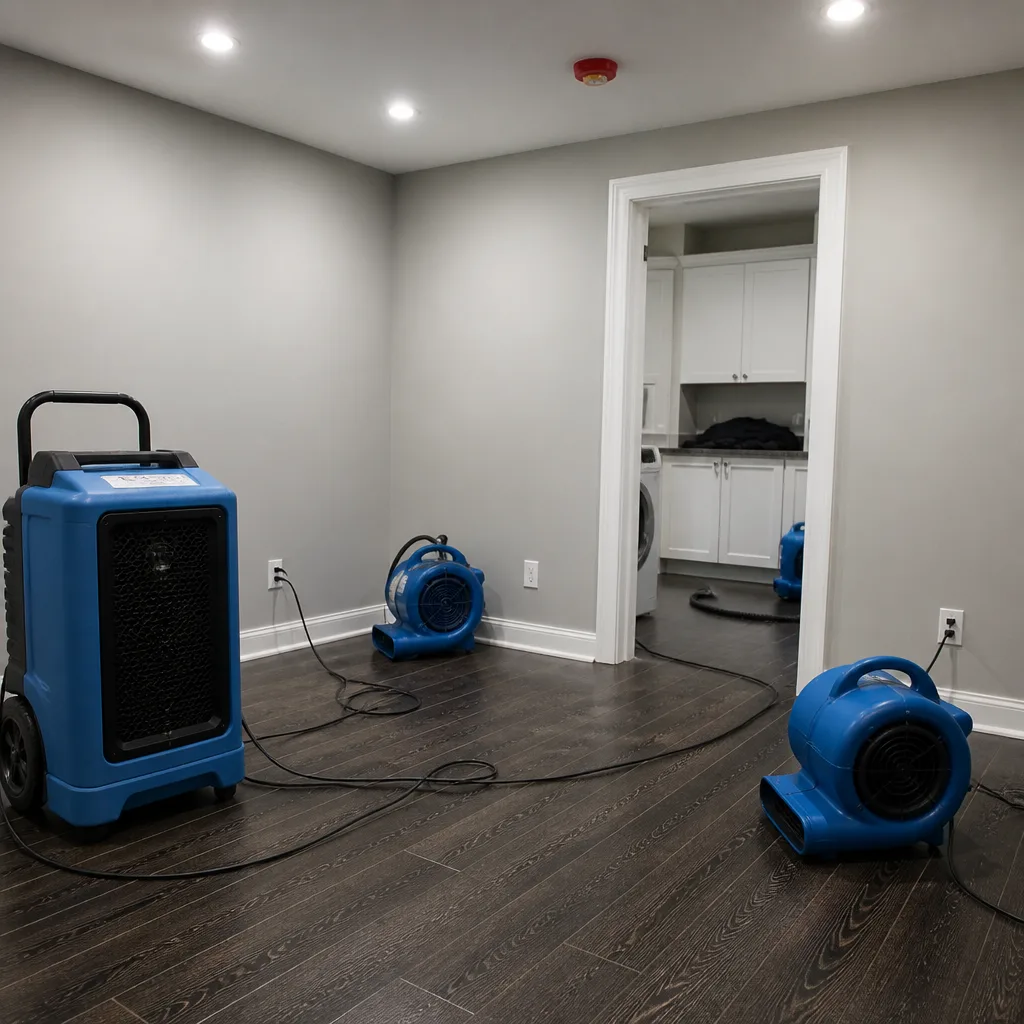
| Air movers | Household fans | Centrifugal XPOWER or B-Air air movers positioned for turbulent airflow across wet surfaces |
| Wall drying | None | Injectidry systems that force dry air into wall cavities under controlled pressure |
| Documentation | Phone photos | Daily moisture logs with written dry-standard targets, provided to homeowner and carrier |
The meaningful difference is not horsepower, though that matters. It is measurement. A professional crew knows the dry standard for each material – drywall, hardwood, concrete, engineered wood – and takes daily readings until each material reaches it. Without a moisture map taken on day one, you are guessing. Guessing wrong costs more than the professional would have.
Insurance and Documentation: The Paper Trail That Pays
When your insurance carrier is involved, the most expensive mistake a Kearny homeowner can make is doing poor DIY work before filing the claim. Here’s the sequence we see all too often: a homeowner mops up a basement flood, throws away the wet carpet pad, runs fans for five days, and then files a claim. The adjuster arrives, asks for photos, and the homeowner has none before cleanup. The adjuster sees a mostly-dry basement and hears the homeowner already “took care of it.” The claim payout shrinks because the evidence of the loss is gone.
Professional restoration companies handle documentation differently. From the first visit, our technicians photograph everything – the source of the water, the extent of the wet materials, the moisture readings at each wall and floor section – and that photographic record follows the claim file. The insurance carrier gets a written scope of work, daily moisture logs, and a final dry-standard certificate. Our office bills the carrier directly, so the homeowner never sits between us and the insurer playing messenger.
If you are handling a small claim yourself, here is the minimum to protect yourself:
- Photograph everything before touching anything. Wide shots, close-up shots, every room affected.
- Keep receipts for any equipment rental or materials you buy – they are generally reimbursable.
- Do not dispose of damaged materials until the adjuster has seen them, unless they pose a health hazard.
- Keep a written log: when the water started, when you stopped it, what you did each day.
For anything involving significant water volume, sewage, or a fire, the documentation professional crews produce routinely pays for itself through the claim.
Real Costs in Kearny: DIY vs Professional Side by Side
Cost is the number one reason Kearny homeowners consider DIY, and you deserve honest numbers. Here is what we see in this market, based on the work we’ve done throughout Kearny and the surrounding Hudson County area:
| Scenario | Typical DIY Cost | Typical Professional Cost | Risk of DIY |
|---|---|---|---|
| Small clean-water spill, hard floors, caught immediately | $50-150 for cleaning supplies and fans | $150-300 for assessment and drying | Low if truly contained |
| Water heater leak onto drywall, water present 24-48 hours | $200-500 in rental equipment, plus drywall repair later | $800-1,500 for full dry-out | High – hidden moisture leads to mold within 1-3 weeks |
| Basement sewage backup | $200-400 in PPE, cleaning supplies, disposal fees | $2,500-6,000 depending on affected square footage | Serious – sewage contains pathogens that require professional disinfection |
| Small kitchen fire with smoke throughout main floor | $300-600 for cleaning supplies and paint | $3,000-12,000 depending on damage extent | Very high – smoke particles embed in every porous surface |
| Mold patch larger than 10 square feet on drywall | $75-150 for bleach and primer – treatment fails | $800-3,000 depending on containment needs | Very high – improper removal spreads spores and worsens damage |
The pattern in these numbers is not subtle. DIY looks cheaper on day one and gets more expensive every day after. Professional restoration looks more expensive on day one and stops the cost at the point of the estimate. That is the tradeoff, and it is the reason the guy with the moisture meter costs less a year from now than the guy with the wet-dry vac.
Common Mistakes to Avoid
- Using bleach on mold. Chlorine bleach’s water content feeds the mold’s roots while the active ingredient evaporates before it reaches them. On drywall, it makes the problem worse within days.
- Renting a dehumidifier without a moisture meter. You are flying blind. The dehumidifier dries the air, but the air is not where the damage hides – wall cavities and subfloors are.
- Filing an insurance claim after you’ve already cleaned up. The adjuster cannot pay for damage they cannot see. Document first, then act.
- Painting over water stains or smoke residue. Water stains will bleed through latex paint within months. Smoke odor will return. Both require treating the source, not covering it.
- Assuming a “small” basement leak stays small. In Kearny, a foundation crack that seeps during one storm is usually connected to a larger groundwater issue that will return with the next heavy rain.
- Using household fans instead of professional air movers. Household fans move air around a room; professional air movers direct turbulent airflow across wet surfaces specifically to force evaporation. They are not the same tool.
- Discarding damaged materials before the adjuster documents them. If the evidence is gone, the payout shrinks. Point blank.
When to Call a Professional
Call a professional restoration company the same day if water has touched drywall, insulation, hardwood, or carpet pad for more than 24 hours. Call immediately if the water is sewage, if the source is a fire, if you smell gas, or if you see mold covering more than ten square feet. Call if the water entered through a foundation crack in a Kearny basement, because groundwater here rises and falls with the rivers, and what seems like a one-time seep is often a sign of a recurring problem. In our experience, homeowners who call within the first day spend less overall than those who wait a week and call after the mold appears or the odor settles in. Floodline Restoration Co. offers free estimates in Kearny – call (551) 373-5246 and a live person will answer, day or night.
Frequently Asked Questions
Mold can begin growing within 24 to 48 hours of a water event in a Kearny home, especially during the humid months from June through September. The spores are already present everywhere; they just need moisture to germinate, and that timeline shortens as temperature and humidity rise.
You can, but only for small spills on hard surfaces that you caught within hours. Once water has soaked into drywall, wood, or carpet pad, household equipment cannot pull enough moisture from the materials to prevent mold growth behind finished surfaces. Call us for an honest read on whether yours is a DIY case or a professional one.
That water stain usually means water pooled above the ceiling, and what you see is only the lowest point. The wet area is typically larger than the stain suggests, and the joist space above it needs drying before mold starts. A professional moisture assessment on a ceiling stain in Kearny costs far less than opening up the ceiling after mold gets established.
Most standard homeowners policies in New Jersey cover water damage from sudden, accidental events like a burst pipe or supply line. Groundwater seepage through a foundation is generally not covered unless you carry specific flood or seepage coverage. Floodline bills your carrier directly and provides them the documentation they require.
A live dispatcher answers at (551) 373-5246 at any hour, and a certified crew can usually be at your door the same visit to start extraction. For water and sewage emergencies, speed is the biggest factor in how much damage the house ultimately sustains.
A cheap quote usually covers extraction only, not drying, and no written guarantee. A professional quote covers the full scope: moisture assessment, extraction, daily drying readings, and a written 90-Day Done Right Promise. You are not comparing equal work. Call (551) 373-5246 and we will walk you through what should be in a scope of work for your situation.
The Bottom Line
DIY damage restoration works for small, caught-early, clean-water incidents on hard surfaces. Everything beyond that – soaked drywall, sewage, fire, mold, groundwater, anything with hidden moisture – belongs in professional hands. The numbers in this guide are real figures from a company that has served Kearny since 2010, and the pattern they show is consistent: DIY saves money for a week and costs more for a year. A professional crew costs more up front and stops the damage at the point of the estimate, in writing, with a guarantee behind it. When the choice matters, the honest answer is usually not the cheapest one.
Written by Curt Bowman, Owner at Floodline Restoration Co., serving Kearny since 2010.