

Free visual inspection and a written scope of work before any mitigation begins - photos, moisture readings, and drying logs go in your claim file
The scope we write is the scope we bill. Anything new gets shown to you, in writing, before we touch it.
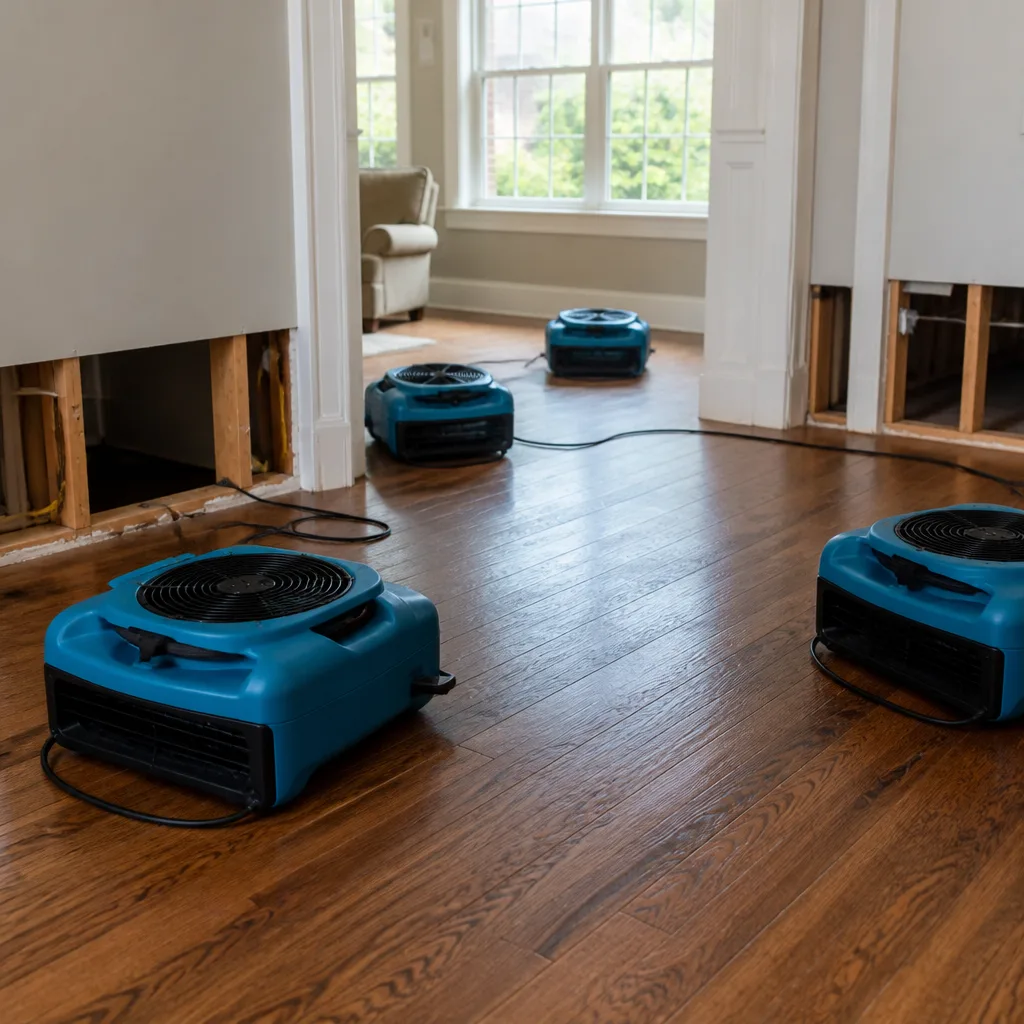
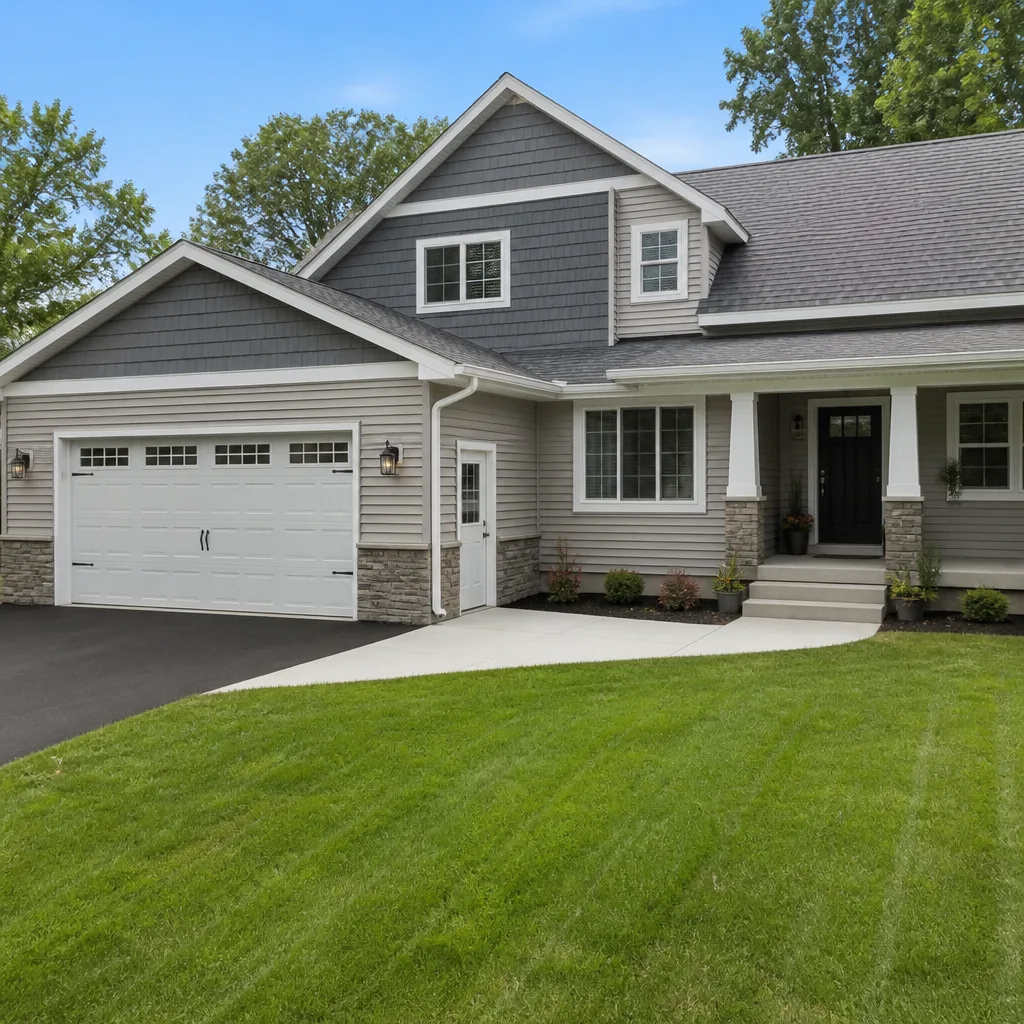
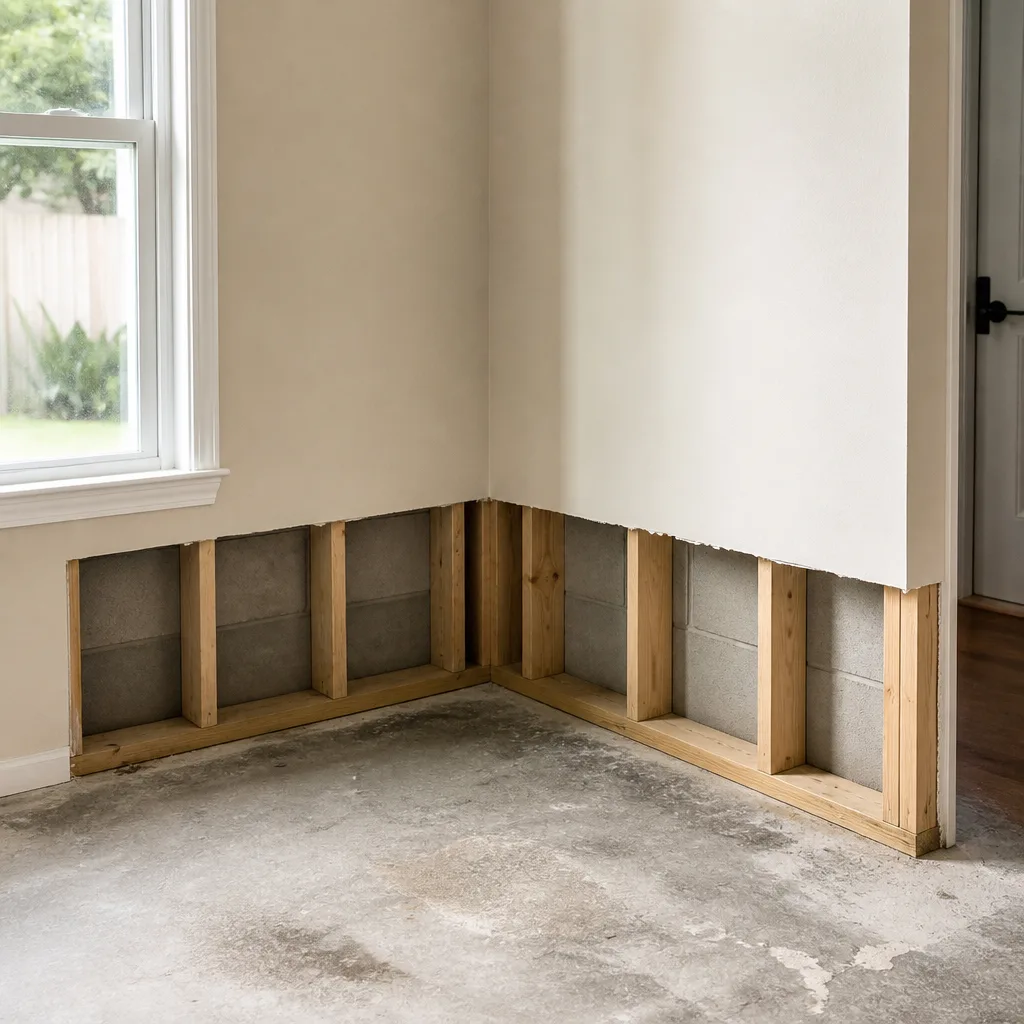
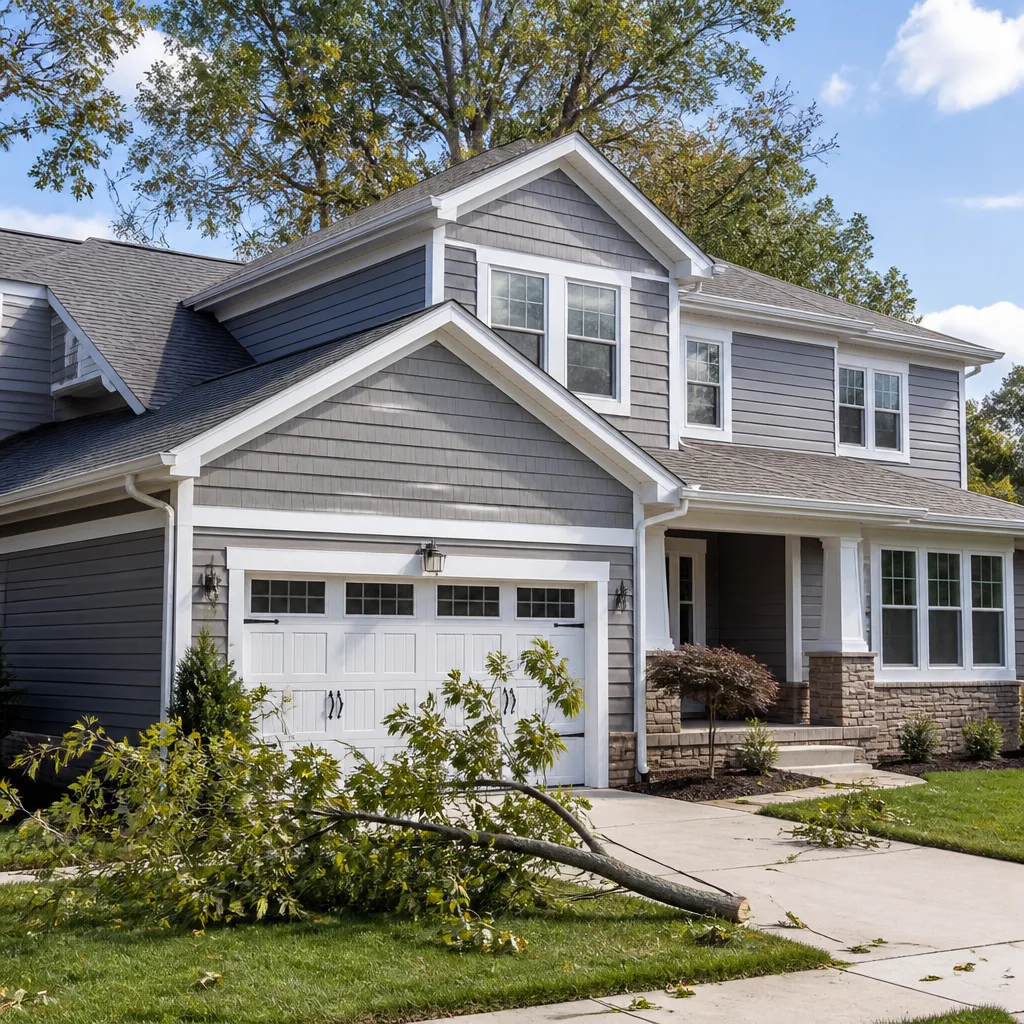
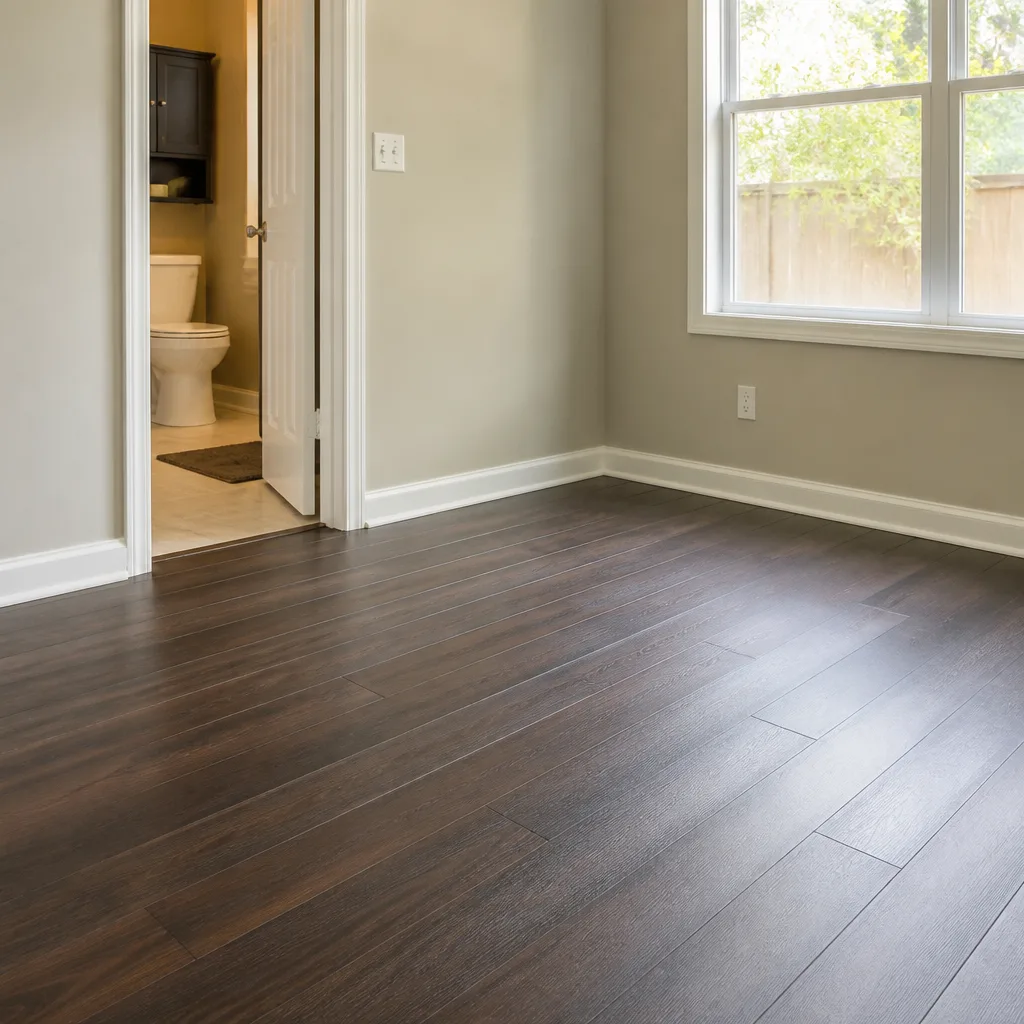
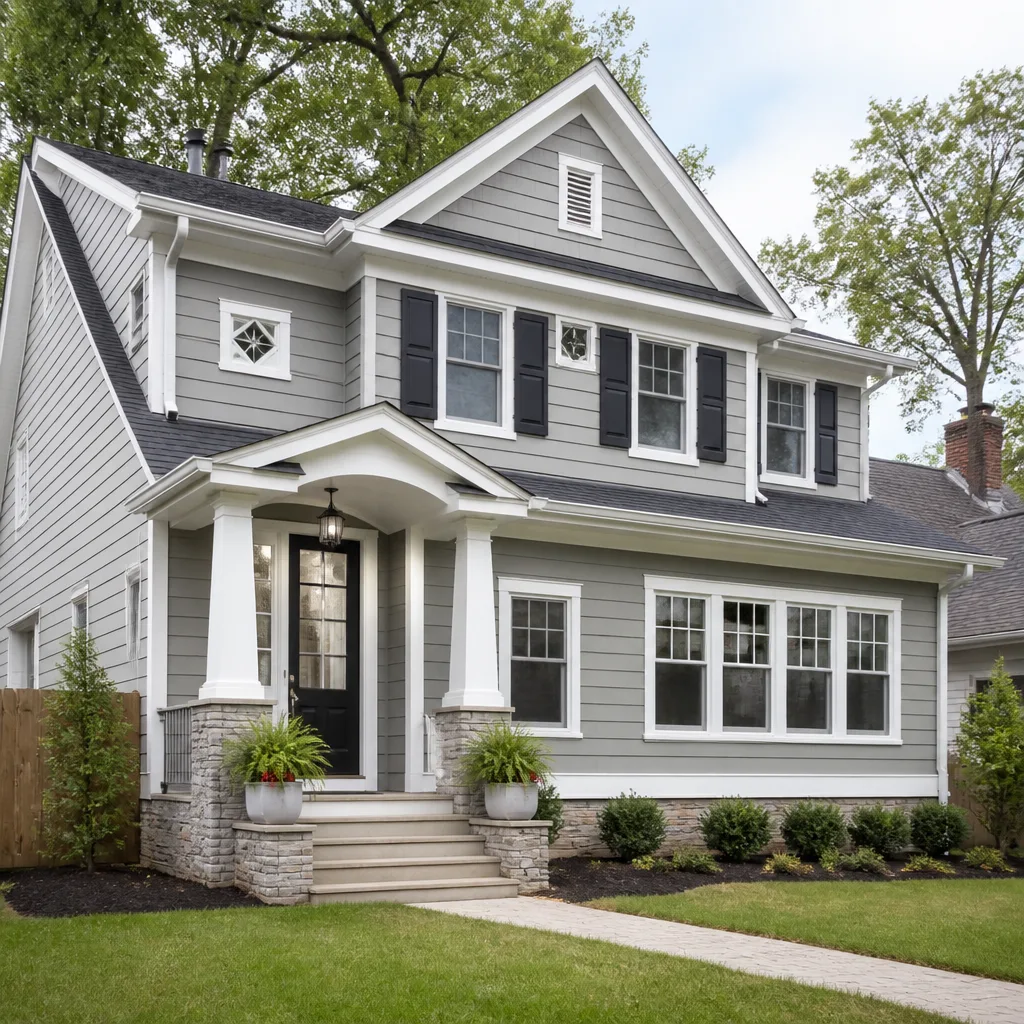
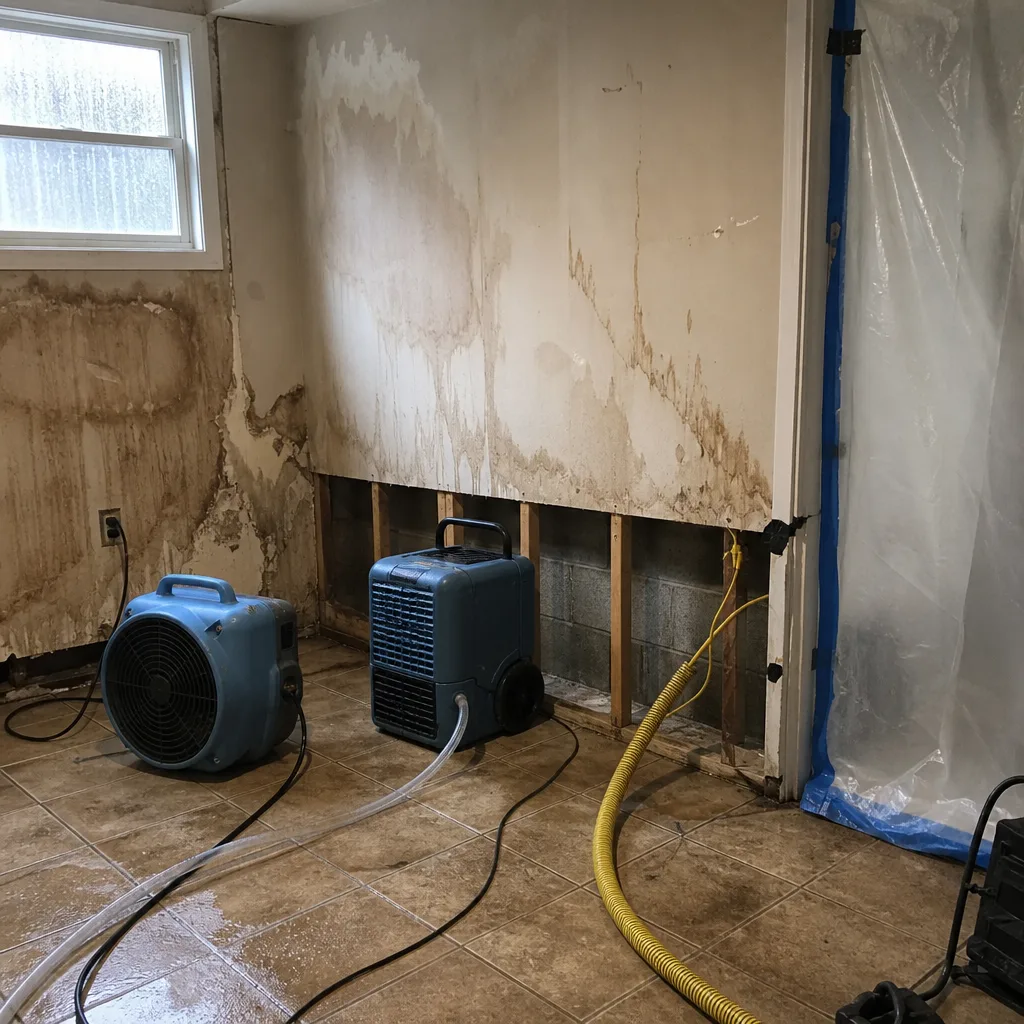 Before
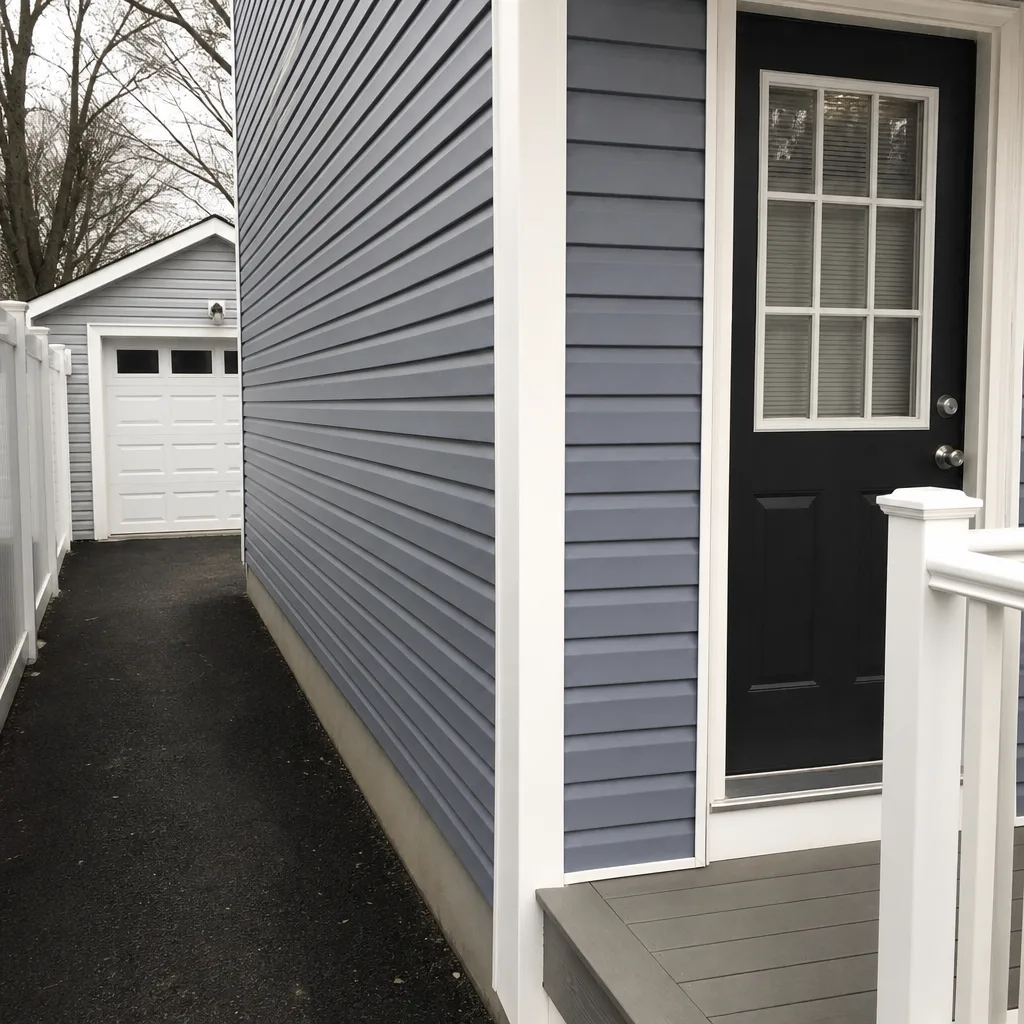 After
After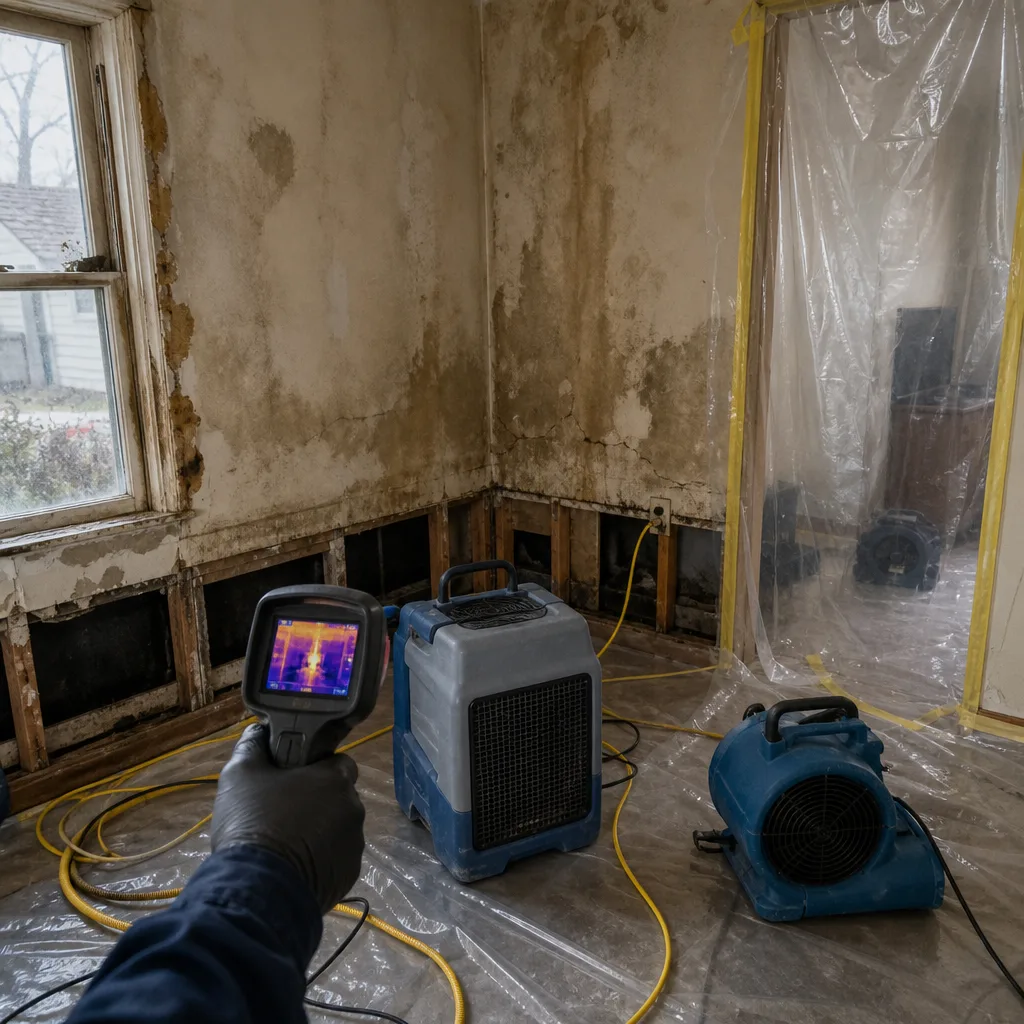 Before
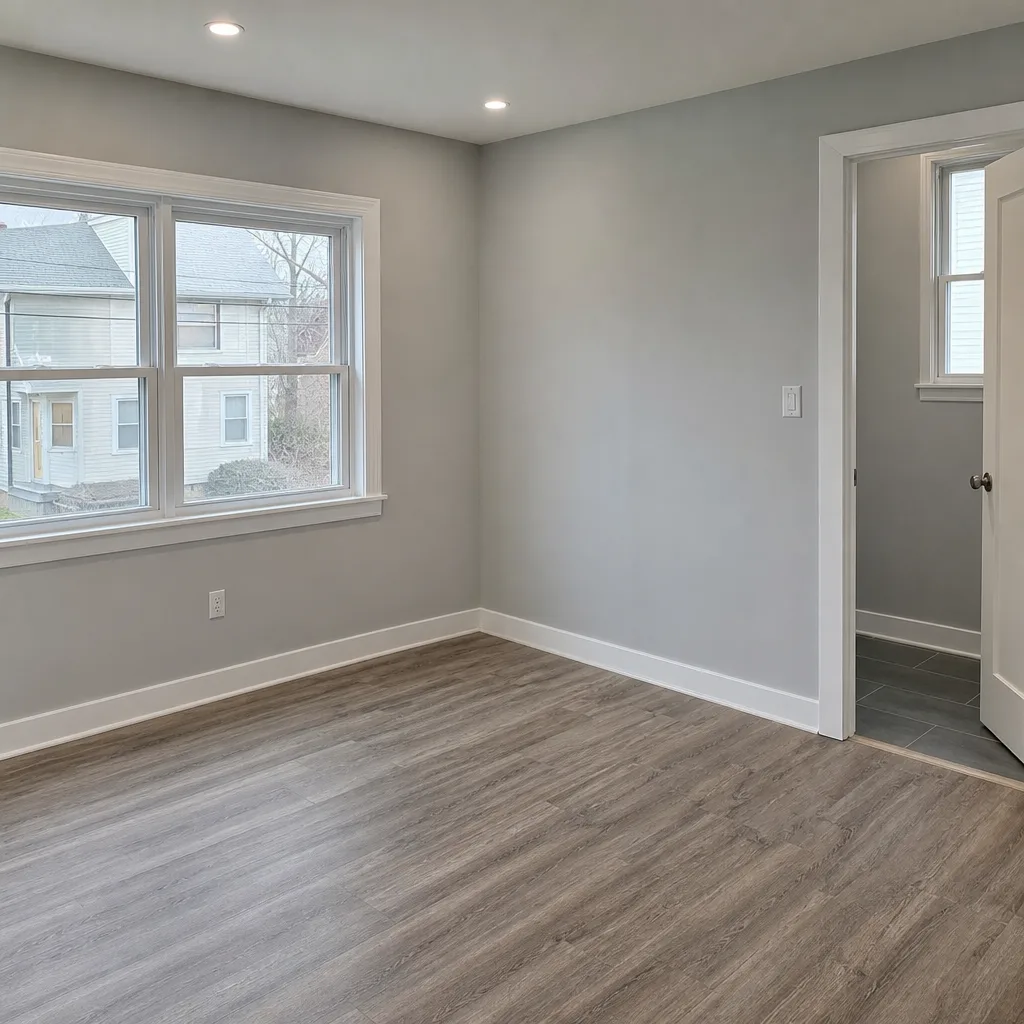 After
After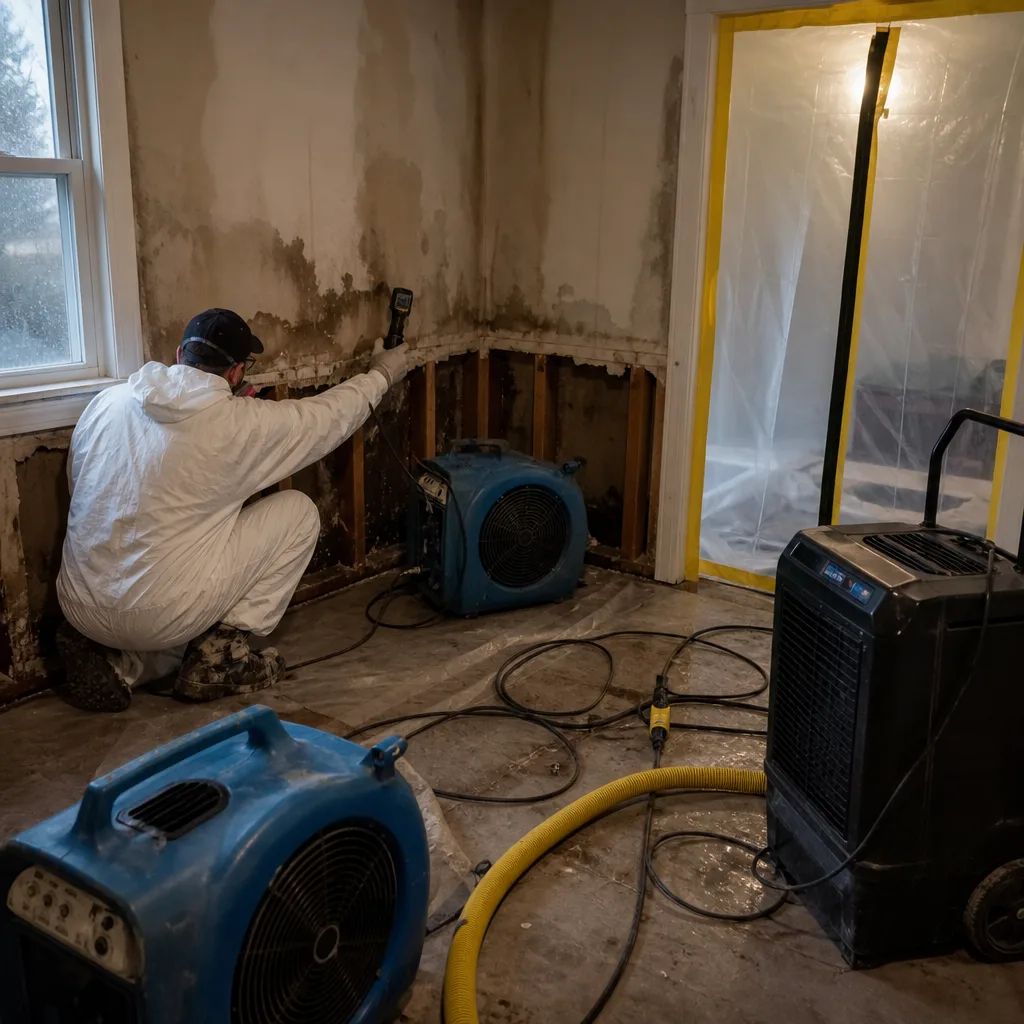 Before
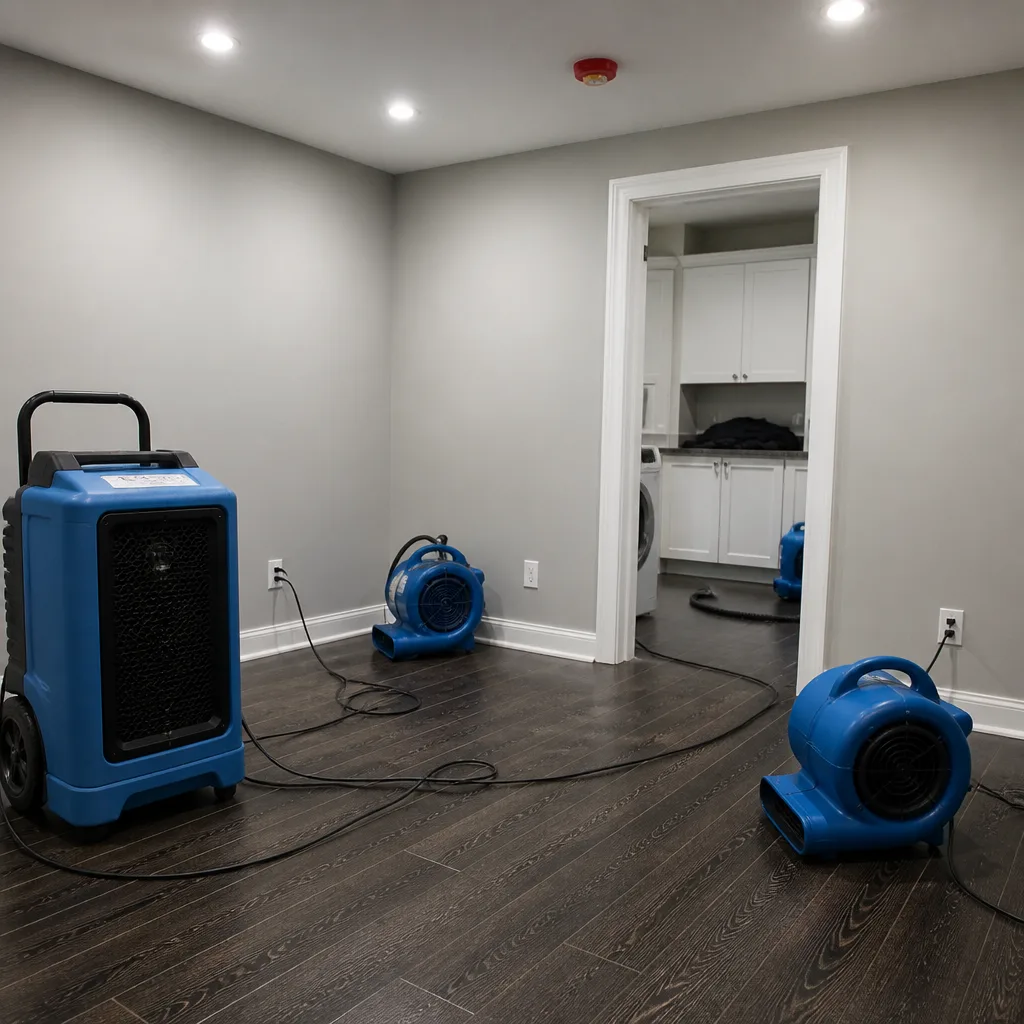 After
After24/7 Emergency Fire & Smoke Damage Restoration in Kearny
Fire and smoke damage in Kearny needs a crew that understands what happens after the flames are out, because the smoke keeps working long after the fire stops. Soot residues begin etching glass, corroding metal fixtures, and embedding into plaster within hours, and the odor migrates through wall cavities into rooms that never saw a flame. We answer the phone with a live person at any hour, day or night, and dispatch a certified crew to your street in the Kearny area with professional-grade Dri-Eaz and Phoenix equipment on board. Call (551) 373-5246 the moment the fire department clears the structure. The first hour determines how much of your home’s contents, finishes, and framing can be saved, and how much becomes a tear-out.
Understanding Fire & Smoke Damage Restoration Severity in Kearny Properties
Not every fire creates the same cleanup challenge, and Kearny’s housing stock makes the distinction sharper than most. A protein fire from a stovetop leaves a thin, nearly invisible residue that clings to painted surfaces and smells sharp for weeks. A synthetic-fuel fire involving plastics and upholstery produces thick black soot that smears when touched and drives oily residue deep into porous materials. Then there are the older Kearny two-families and rowhouses built between the 1890s and 1940s, where balloon-framed walls act as chimneys that carry smoke from a first-floor kitchen fire into second-floor bedrooms and attics. In those structures, smoke travels along the original knob-and-tube wiring chases and the gaps between plaster-and-lath walls, which means we’re often cleaning odor from spaces the fire never reached. Severity matters because it dictates whether we clean and seal surfaces or remove them entirely, and whether your insurance adjuster approves surface restoration or full framing replacement. The answer starts with a proper smoke-migration assessment, not a guess from the curb.
Why Kearny Property Owners Choose Floodline Restoration Co.
- 45-minute response commitment to Kearny: when the fire truck leaves, our crew is already rolling. We’ll be there when we say.
- 24/7 live answer, every time: a real dispatcher picks up at 2 a.m., not a recording. You’ll never fight a phone tree while your walls are still warm.
- IICRC-certified technicians: our crews hold FSRT and OCT fire-and-smoke certifications, plus WRT for water damage and AMRT for mold. Background-checked and uniformed, every job.
- Free visual inspection: we walk the damage with you, explain what we’re seeing in plain language, and hand you a written scope before any work begins. No pressure, no surprises on the bill.
- Direct insurance billing: we coordinate with your carrier and bill them directly for covered losses. You’re never stuck playing messenger between us and an adjuster.
- One team from first board-up to finished rebuild: Floodline handles full-cycle restoration. The same crew that secures the structure rebuilds the kitchen. No mid-job handoff, no inherited strangers.
Our Fire & Smoke Damage Restoration Process
Inspection & Assessment
We start with a room-by-room damage map using thermal imaging to find hidden heat and moisture behind walls. Our FSRT-certified lead tech determines soot type, smoke migration paths, and which materials can be cleaned versus replaced.
Emergency Board-Up & Tarping
Before anything else, we secure the structure. Openings get boarded, the roof gets tarped where needed, and in Kearny’s older homes we flag any knob-and-tube wiring before it gets disturbed. A secure envelope stops weather damage and keeps intruders out.
Water Extraction & Stabilization
Firefighting water is often the hidden second disaster. We extract standing water with truck-mounted extractors and set up Dri-Eaz dehumidifiers and XPOWER air movers. In Kearny’s lower-lying east side, we check sewer cleanout caps before pumping any basement, because combined-sewer surcharging can turn a simple pump-out into a Category 3 contamination event.
Soot & Smoke Removal
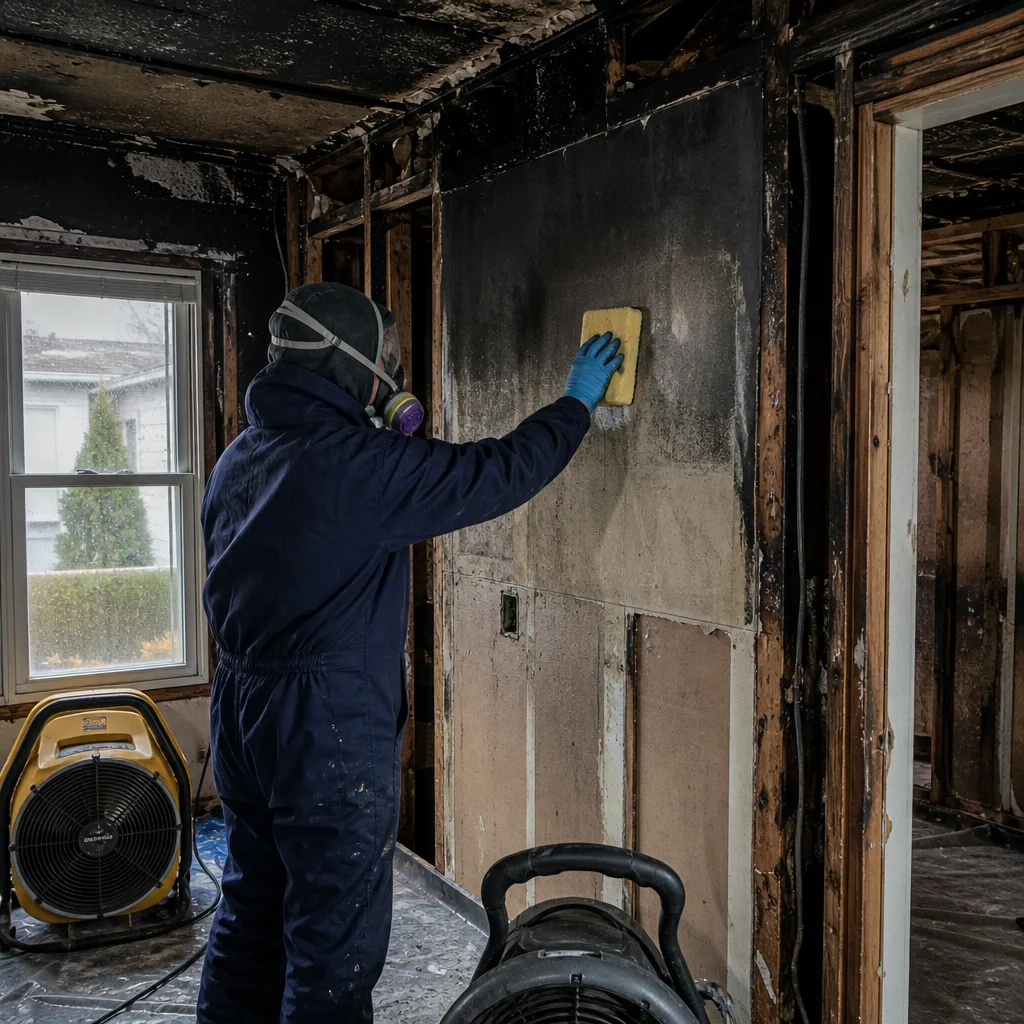
We clean surfaces with dry-chem sponges, HEPA vacuuming, and wet-cleaning methods matched to the soot type. Every surface gets treated, from ceilings and walls to the insides of cabinets and light fixtures. This is where the professional-grade equipment and training matters most.
Odor Removal & Deodorization
Cleaning removes visible soot, but the smell lives in porous materials and wall cavities. We use hydroxyl generators, ozone treatment where appropriate, and thermal fogging to neutralize odor at the molecular level. Sealing of structural surfaces follows where needed to prevent re-release.
Repairs & Restoration
From replacing drywall and flooring to rebuilding entire rooms, our reconstruction team finishes the job to pre-loss condition. The 90-Day Done Right Promise covers the work in writing. If it’s not done right, we make it right. No arguing, no paperwork battles.
Need Emergency Fire & Smoke Damage Restoration in Kearny Now?
Crews minutes away, answering live 24 hours a day. The sooner we start, the less it costs.
Working With Your Insurance Company
Fire claims are complex, and the paperwork can bury a homeowner faster than the soot can. We’ve handled thousands of insurance-covered losses, and we know what carriers need to approve a full and fair settlement. From the first hour on site, we document everything: photos of every room before we touch anything, moisture readings from affected materials, and a detailed line-item scope of work that matches industry-standard estimating software. Our team communicates directly with your adjuster, and we bill your carrier directly for covered work. You get a square deal, and the claim moves forward without you having to translate between us and an insurance desk.
What We Provide Your Insurer
- Thorough documentation of the loss
- Photos of all damage, room by room
- Moisture readings and drying logs
- A detailed, line-item scope of work
- Direct coordination with your carrier
Built for Kearny’s Loss Calendar
Kearny’s fire and smoke damage calls follow a pattern, and after 15 years of responding across this town, we can tell you what it looks like. January and February bring space heater fires in the older two-families on the river side of town, where original radiators fail and residents improvise with plug-in units near overloaded circuits. March and April add basement electrical fires as snowmelt and groundwater seep into the old stone foundations on the eastern streets. Summer brings grill fires on wooden porches, and the dry weeks of August push brush-fire smoke into homes through open windows, embedding that acrid smell into curtains and upholstery. Fall and winter bring nor’easters, and with them come the combined-sewer backups that turn a small kitchen fire into a Category 3 water extraction in the low-lying sections near the former Meadowlands. The point is simple: in Kearny, a fire job is rarely just a fire job. Planning for what’s underneath the burn is what separates a thorough restoration from a recurring problem.
Fire & Smoke Damage Restoration Across Kearny’s Neighborhoods
The work changes depending on which side of Kearny Avenue you’re on. In the Arlington section along Kearny Avenue’s northern commercial stretch, the dense mix of storefronts and attached rowhouses means fire spreads quickly through shared walls, and smoke pushes into adjacent units through common attics and party-wall voids. We’ve run containment and odor sealing across multiple addresses from a single fire in that corridor. Over on the east side, in the residential blocks near Passaic Avenue and Bergen Avenue that sit on the old marsh fill, basement fires happen in homes where the water table is so high that the concrete floor never really dries. Firefighting water pools, and because the combined sewer system on those streets surcharges during any real rain, extraction gets complicated fast. In the Manor section, where the housing turns to post-war split levels with attached garages, we see more garage fires from cars and stored fuels, with smoke migrating into the living space through the shared wall and the HVAC returns. And along the river side near Riverbank Park and the older mill-era streets parallel to the Passaic, the pre-1910 frame houses with balloon-framed walls challenge us to chase odor into every stud bay. Each neighborhood has its own rhythm, and our crews know the streets. We don’t GPS our way into a job; we drive it by memory.
Specialized Fire & Smoke Damage Restoration Services We Offer in Kearny
Fire Damage Cleanup
This is the foundational work of every fire job. We remove charred debris, dispose of unsalvageable materials under local Kearny regulations, and clean every surface that can be saved. In older Kearny homes with plaster-and-lath walls, we know when to clean versus replace; sometimes the original plaster survives better than modern drywall would, and preserving it saves you money and keeps the home’s character intact.
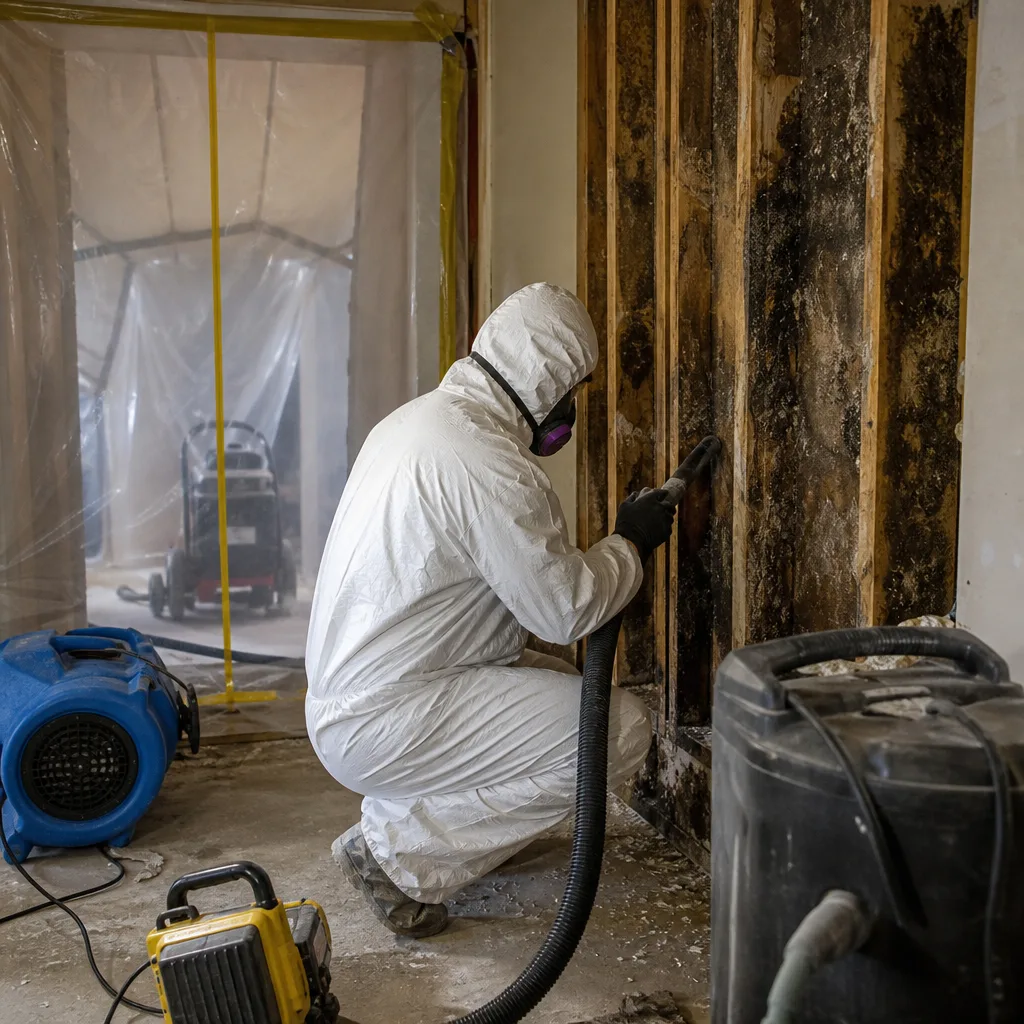
Smoke & Soot Removal
Soot types drive the cleaning method. Dry soot from wood or paper wipes away with dry sponging. Oily soot from plastics and synthetics requires wet-cleaning with specialized agents. Our crews identify the residue on site and work accordingly, treating ceilings, walls, trim, and inside every cabinet and closet. We don’t paint over soot; we remove it first, because sealing in residue is how you get smell and staining back six months later.
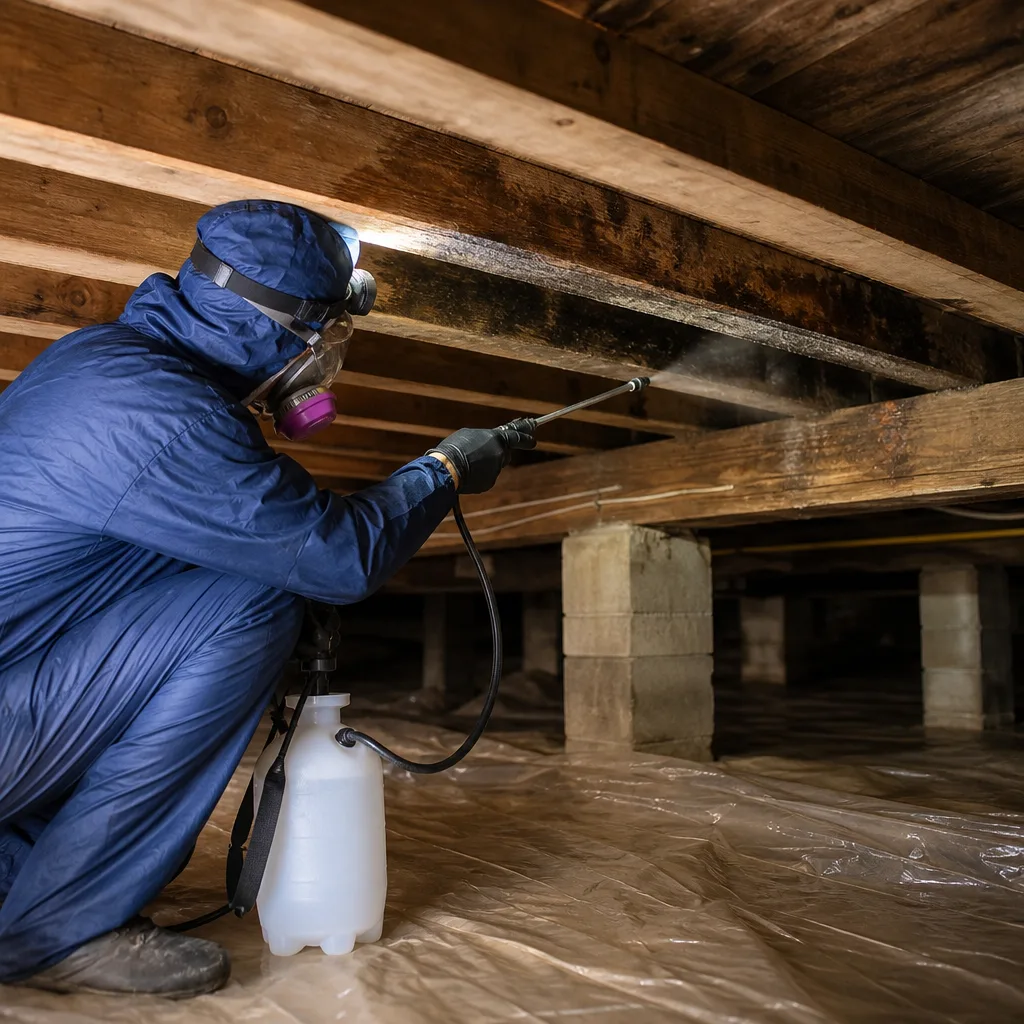
Odor Removal & Deodorization
In Kearny’s older two-family homes, smoke odor travels through the same channels that make these buildings charming: the original ductwork, the gaps around old pipes, the cavities behind built-in cabinetry. We use a combination of hydroxyl generators, ozone treatment where appropriate, and thermal fogging to neutralize odor at its source. Where odor has penetrated porous structural materials, we seal those surfaces with a professional-grade encapsulant. This is the step that big-franchise crews often rush, and it’s the step that determines whether you’ll still smell the fire next winter when the heat kicks on.
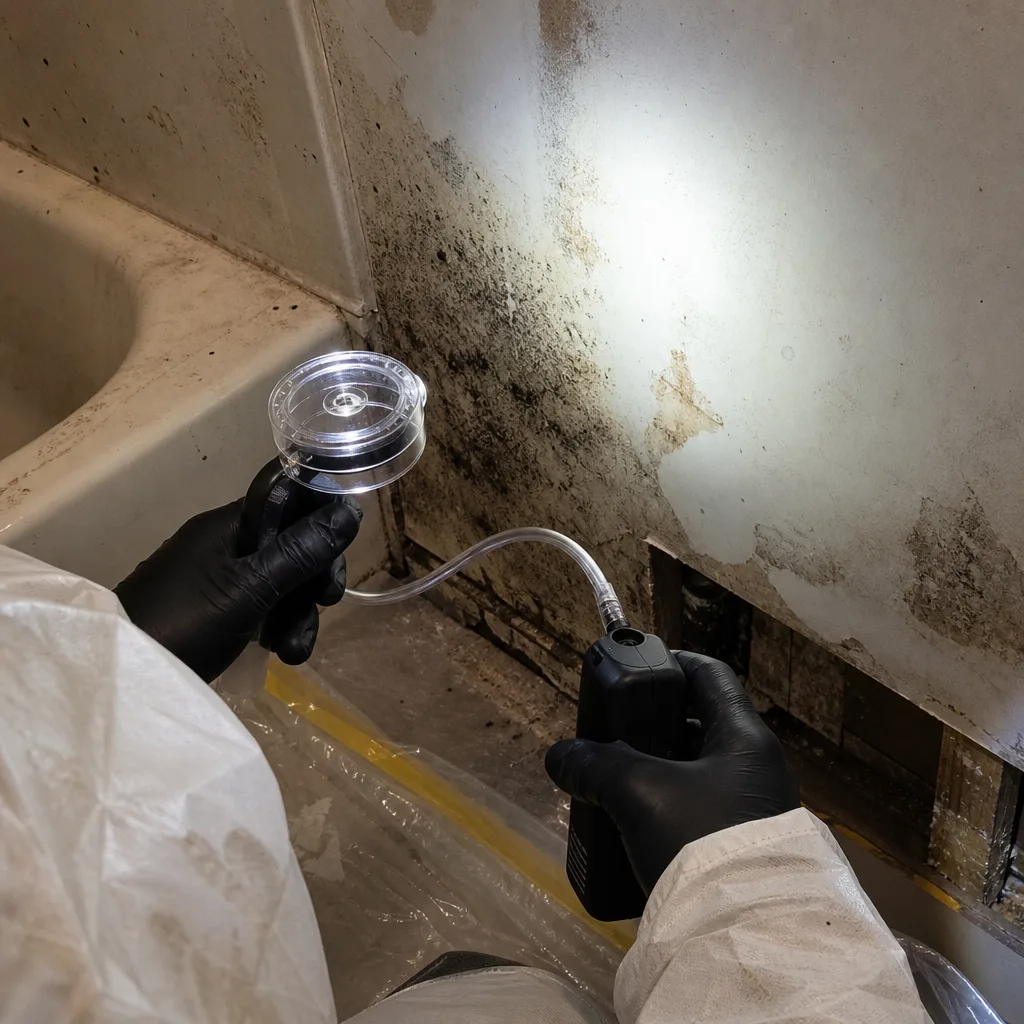
Contents Cleaning & Pack-Out
Furniture, clothing, photos, paperwork, electronics, even your grandmother’s china: fire and smoke damage affects everything in the house, not just the structure. We offer full contents cleaning and pack-out, moving your belongings to our secure, climate-controlled facility for cleaning, deodorization, and storage while repairs proceed on site. Every item gets documented with a written inventory, and your carrier gets a copy. When the rebuild is done, we bring everything back, cleaned and packed properly.
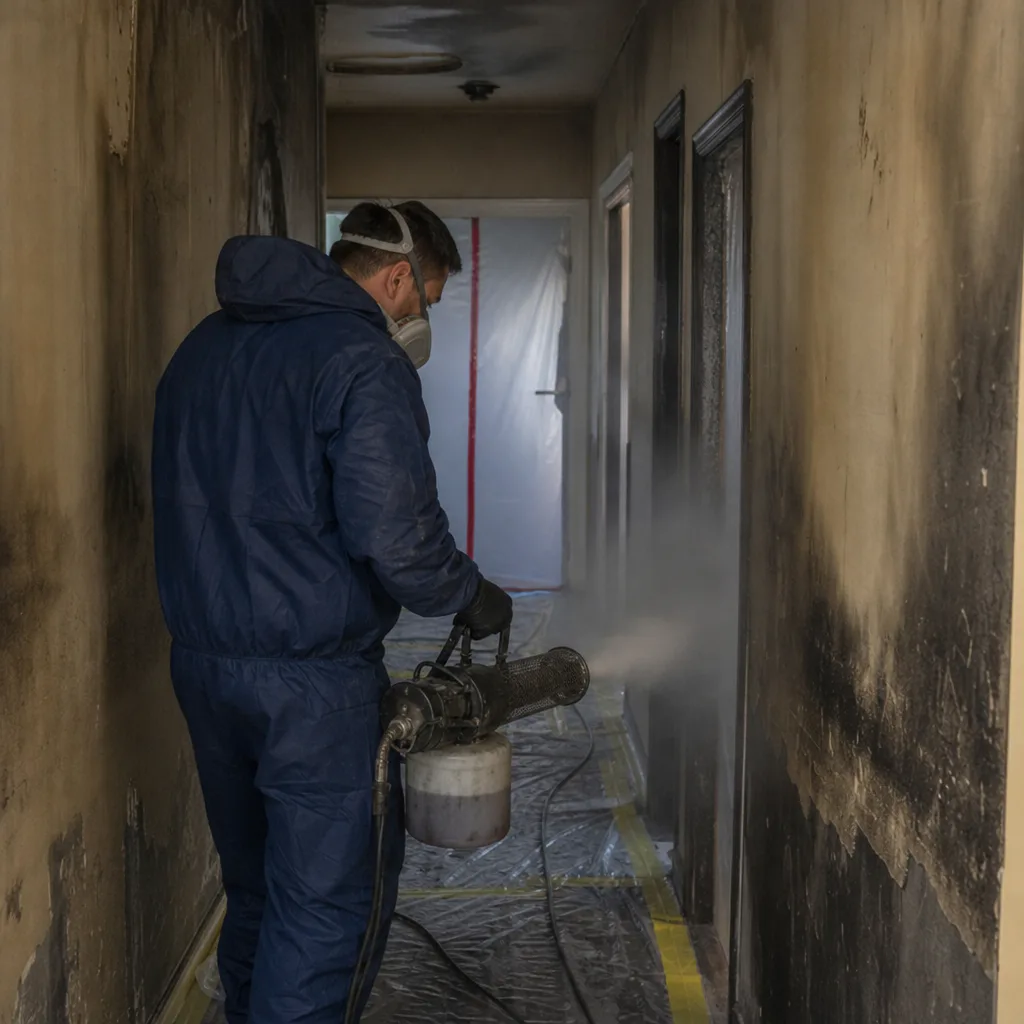
Emergency Board-Up & Tarping
The hours immediately after a fire are the most vulnerable for your home. Broken windows, burned roofing, compromised door frames: each of these invites weather, animals, and trespassers. In Kearny, where attached rowhouses and shared walls are common, a single unsecured opening can let rain into your neighbor’s side too. We arrive fast, board the openings, tarp the roof where needed, and in older homes we flag any knob-and-tube wiring before securing openings so we’re not driving nails through a live circuit. Board-up is temporary by definition; we build it to hold until reconstruction starts.
What happens when you call
- 1
A real person answersNo phone trees - you reach a local pro.
- 2
You get an upfront price rangeHonest numbers before anyone is dispatched.
- 3
A background-checked tech heads outLicensed & insured, dispatched right away.
- 4
You approve before work beginsNothing starts until you say go.
Fire & Smoke Damage Restoration Costs in Kearny, NJ
Kearny pricing reflects the town’s building stock. In a standard two-family rowhouse, emergency board-up and tarping typically runs $800 to $1,500 depending on openings and roof damage. Soot and smoke cleaning of a single room runs $2,000 to $5,000, while a full-floor smoke migration cleanup across a 1920s frame home lands between $8,000 and $20,000. Odor removal and deodorization adds $1,500 to $6,000 depending on whether thermal fogging and hydroxyl treatment are needed beyond standard methods. Contents pack-out and cleaning ranges from $3,000 to $15,000 based on volume. Structural fire repair, including framing, drywall, and finishes, starts around $10,000 and goes up with the rebuild scope. Where combined-sewer complications force Category 3 water extraction, that work carries its own pricing under water damage restoration, and we’ll walk you through it in writing. Most homeowner policies cover the bulk of these costs, and we bill the carrier directly. Call (551) 373-5246 for a free visual inspection and a firm, written scope before any work starts.
We Also Serve Cities Near Kearny
Our crews work throughout the Meadowlands region, including Harrison, North Arlington, Lyndhurst, and Secaucus. If your property sits across the town line, we’re still minutes away and ready to respond around the clock. The same live dispatch, the same certified crew, the same Kearny response standard applied to every job we take.
Serving Kearny, NJ - Our Local Coverage Area
We’re based in the Kearny area and know this community well. Use the map below to see our service coverage - if you’re nearby, we can almost certainly help.
Kearny Fire & Smoke Damage Restoration Questions, Answered
Why do fire restoration jobs in east Kearny often involve sewage cleanup on top of smoke damage?
Because the eastern sections of Kearny sit on historic marsh fill and are served by a combined storm/sanitary sewer system that surcharges during heavy rain, firefighting water and compromised plumbing often mix with sewage backup in basements, turning a fire-and-smoke job into a Category 3 biohazard water extraction. Our crews check sewer cleanout caps before any basement pump-out, and when contamination is present, we follow full Category 3 protocols with containment, removal, disinfection, and documented disposal. Call (551) 373-5246 if you suspect sewage intrusion after a fire, and we’ll assess it immediately.
How does the high water table in the Meadowlands sections extend fire and water drying times?
The filled marshland east of Kearny Avenue holds groundwater close to the surface, keeping foundation soils saturated long after surface water is gone, which means structural drying of fire-damaged basements in that area regularly takes six to ten days instead of the two to four days common in upland neighboring towns. We run daily moisture readings and log them in writing for you and your carrier, so nobody mistakes slow drying for incomplete work. The dry standard gets met, not guessed at.
Will our fire restoration crew need to coordinate asbestos, knob-and-tube wiring, or old plaster removal in a 1920s Kearny home?
Almost certainly, if the home hasn’t been significantly renovated. Kearny’s residential stock from the 1890s through the 1940s routinely contains asbestos floor tile, plaster walls with asbestos fibers, and knob-and-tube wiring that becomes brittle after fire exposure. We coordinate licensed abatement and electrical assessment before any disturbance, and we don’t cut corners on old materials. The schedule adjusts, the safety doesn’t.
Can we save original hardwood floors or trim after a small kitchen fire in an older Kearny two-family?
In most cases, yes, if the fire was small and we get to the floor before the soot etches deep. Original hardwood in these older homes is often old-growth material that cleans up well with HEPA vacuuming, dry-chem sponging, and careful refinishing. Trim and built-ins are worth saving for the home’s character and your resale value, and our crews treat them accordingly, cleaning rather than replacing wherever the material is sound. We’ll tell you honestly when something can’t be saved.
Why do your techs check sewer cleanout caps before any basement pump-out in the eastern streets of Kearny?
Because if the combined sewer is surcharged, the water in that basement isn’t gray water from the firefight; it’s Category 3 sewage, and pumping it without containment spreads contamination through the entire space. Checking the cleanout cap takes minutes and tells us which path the job takes. On the east side specifically, this one step changes the scope, the insurance coding, and the safety protocols more often than in any other part of town.
How fast can a crew actually get to a fire-damaged home in Kearny?
We commit to 45 minutes from dispatch to arrival anywhere in Kearny, and usually beat that. Our dispatchers coordinate from the New York City office, and our crews stage locally. For an active emergency, call (551) 373-5246 and a live person will get a certified crew moving immediately. Board-up and tarping start the same visit.
Will my homeowner’s insurance cover fire and smoke restoration in Kearny?
In nearly all cases, standard homeowner’s policies cover fire damage, smoke damage, and the water damage from firefighting, plus board-up as an emergency mitigation cost. Coverage specifics depend on your policy terms and deductible, and in east Kearny, sewage backup after a fire may require a separate endorsement. We document everything from the first hour, communicate directly with your adjuster, and bill your carrier directly for covered work. You’ll get a written scope so you know exactly what your out-of-pocket exposure looks like before we start.
Can we stay in the home during fire and smoke restoration?
It depends on the severity and the rooms affected. Light smoke damage in an isolated area often allows you to stay, with containment and air scrubbing running to protect the rest of the house. Structural damage, widespread soot, or sewage contamination usually requires temporary relocation until containment, removal, and drying are complete. We give you a straight answer on day one, and your adjuster gets the same documentation.
Written by Curt Bowman, Owner at Floodline Restoration Co., Fire & Smoke Damage Restoration provider serving Kearny and the surrounding area.