

Free visual inspection and a written scope of work before any mitigation begins - photos, moisture readings, and drying logs go in your claim file
The scope we write is the scope we bill. Anything new gets shown to you, in writing, before we touch it.
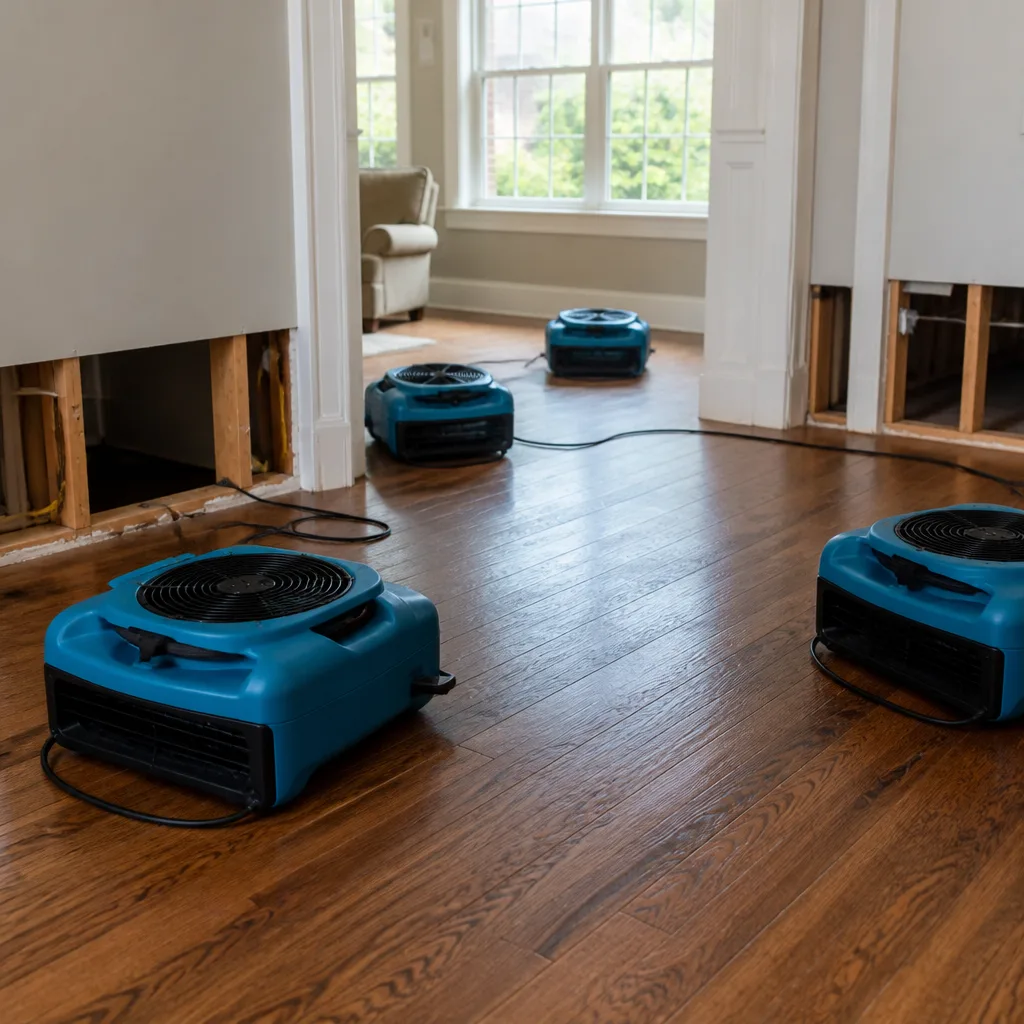
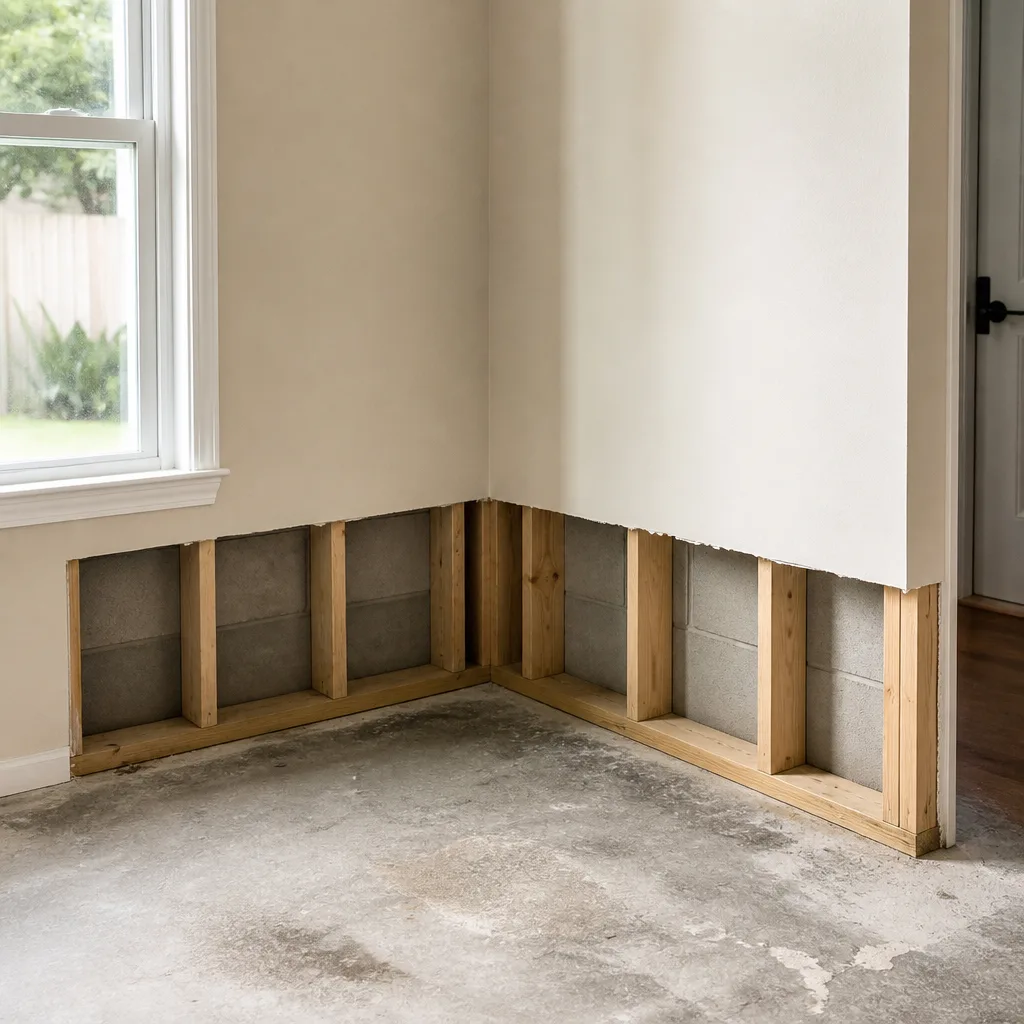
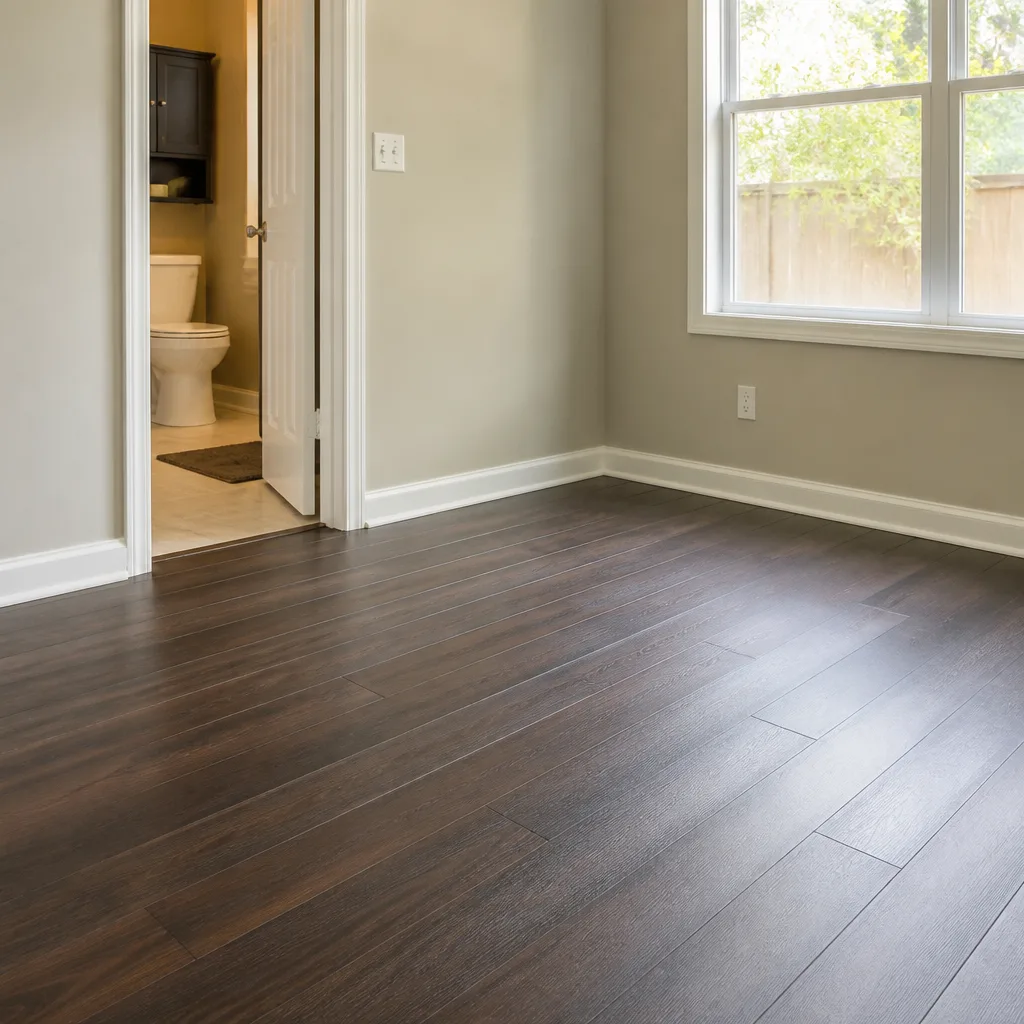
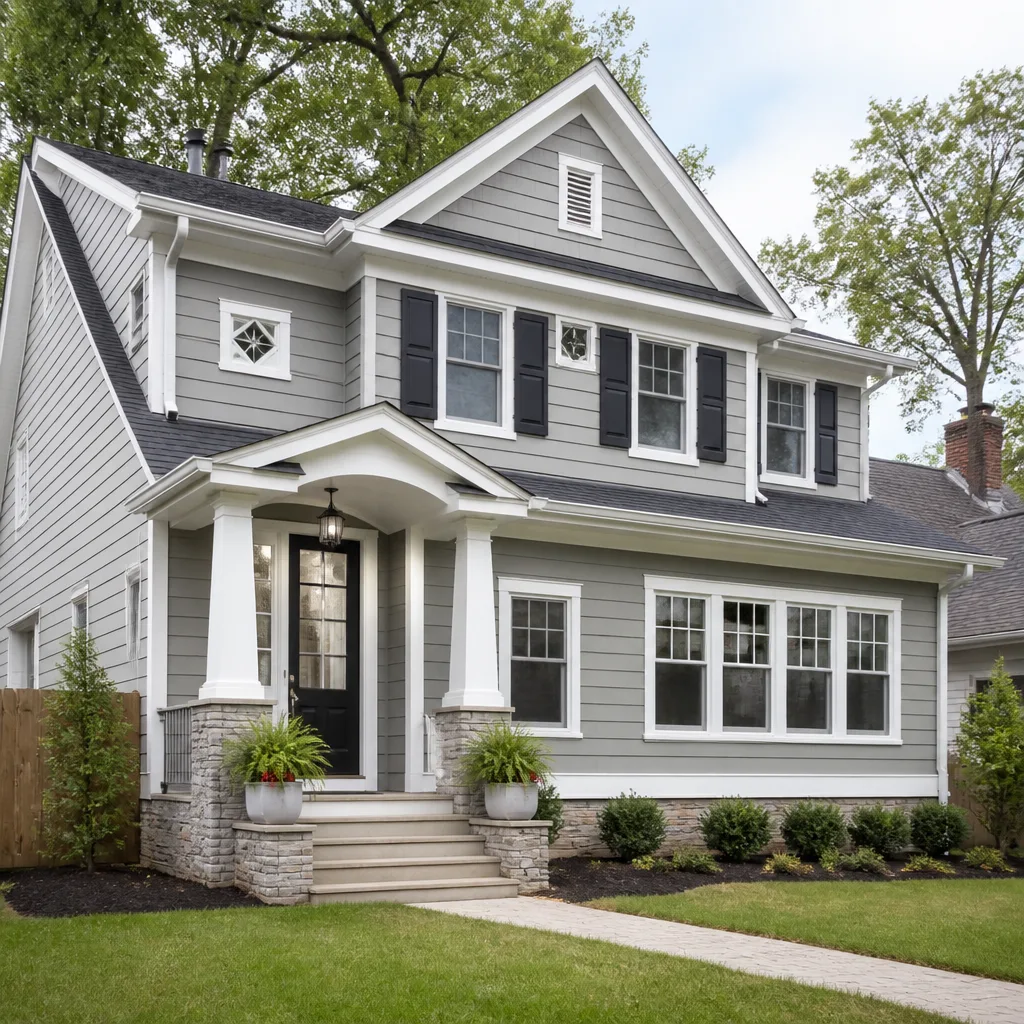
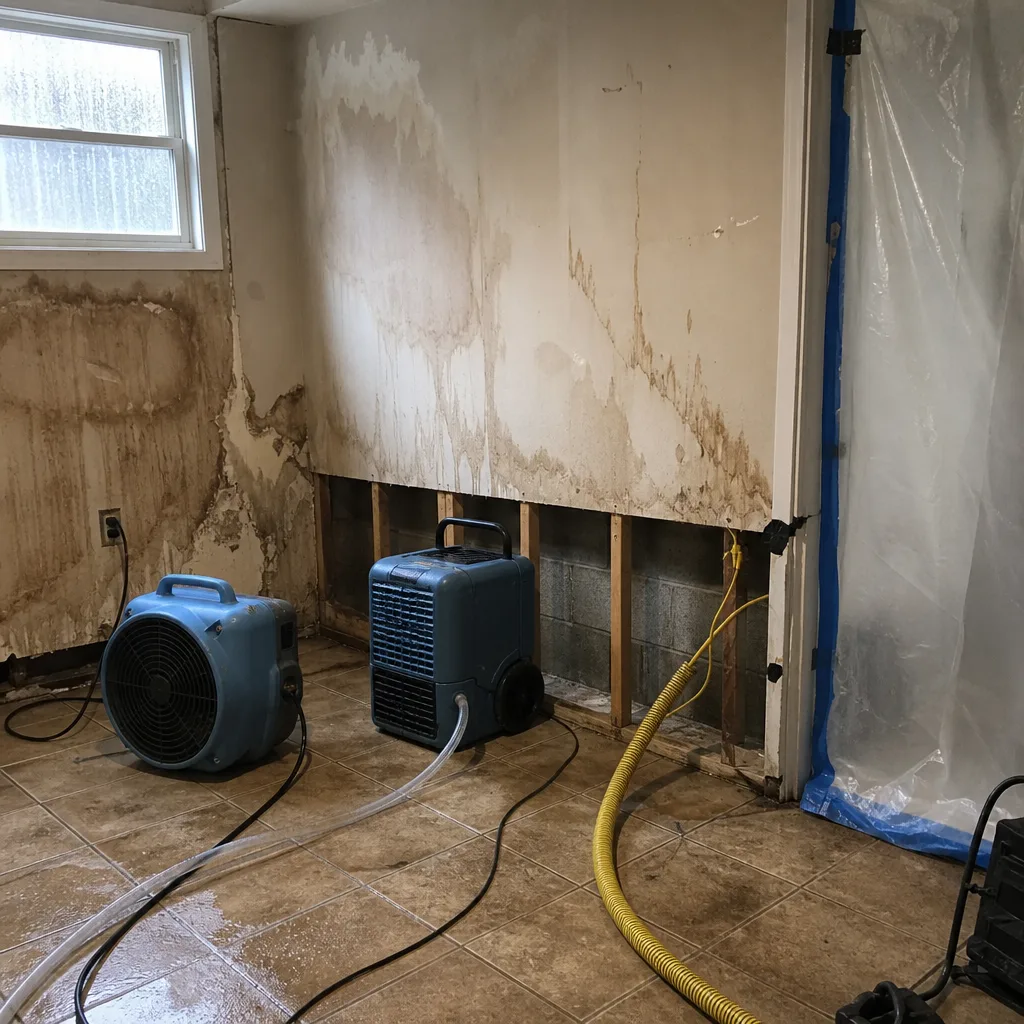 Before
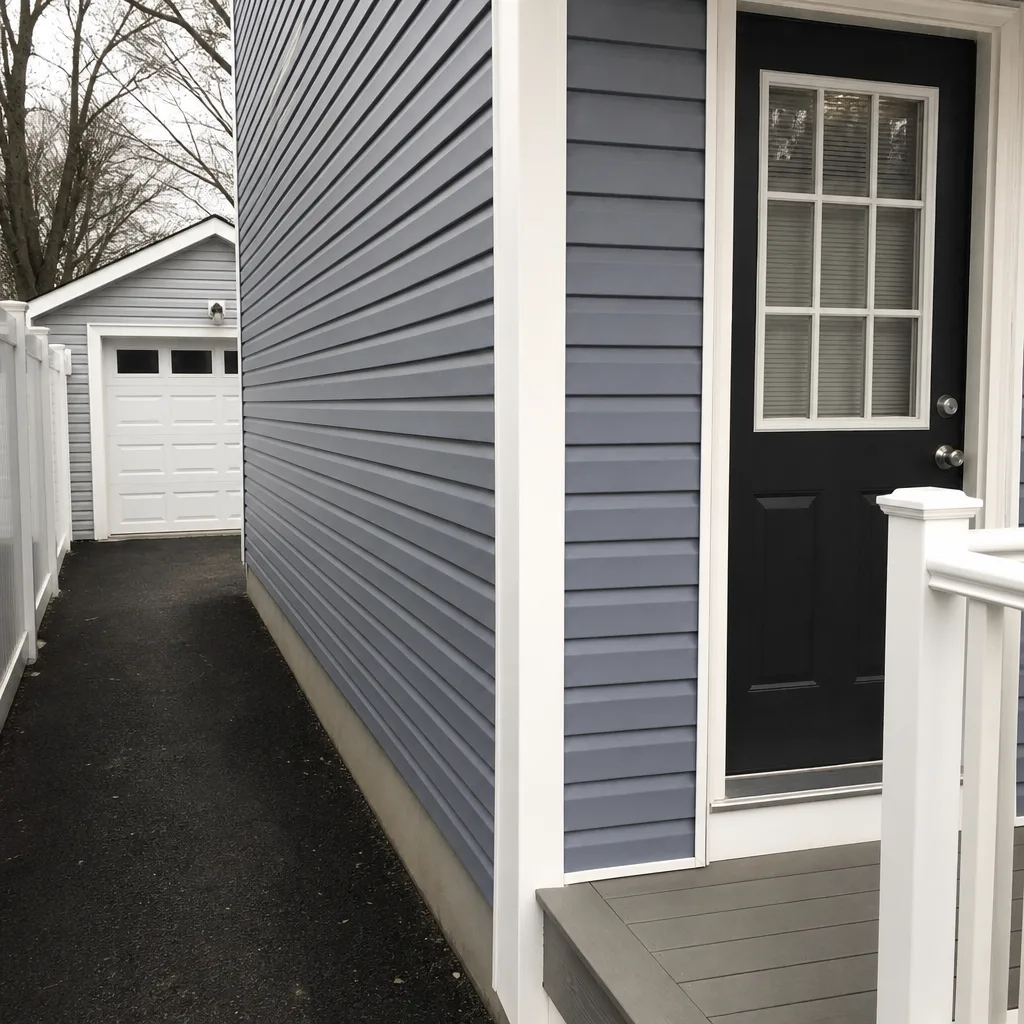 After
After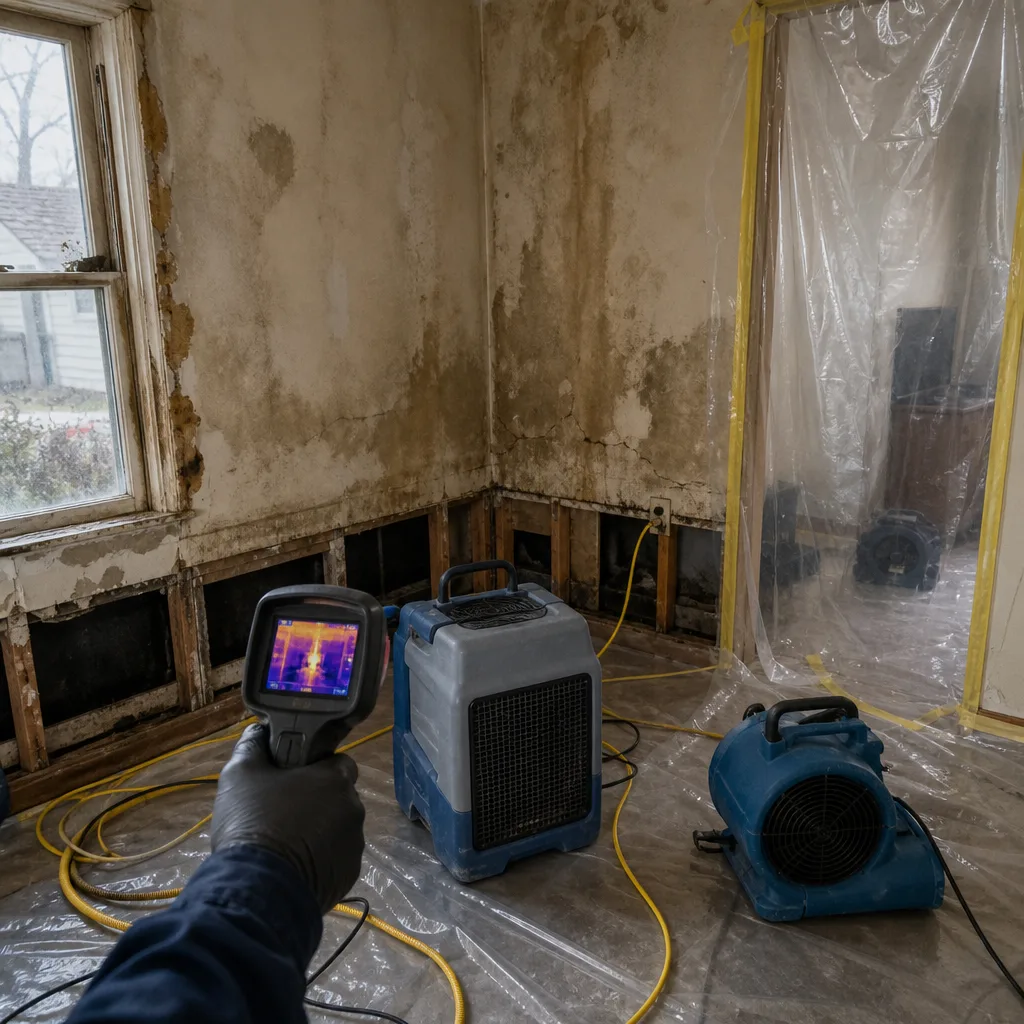 Before
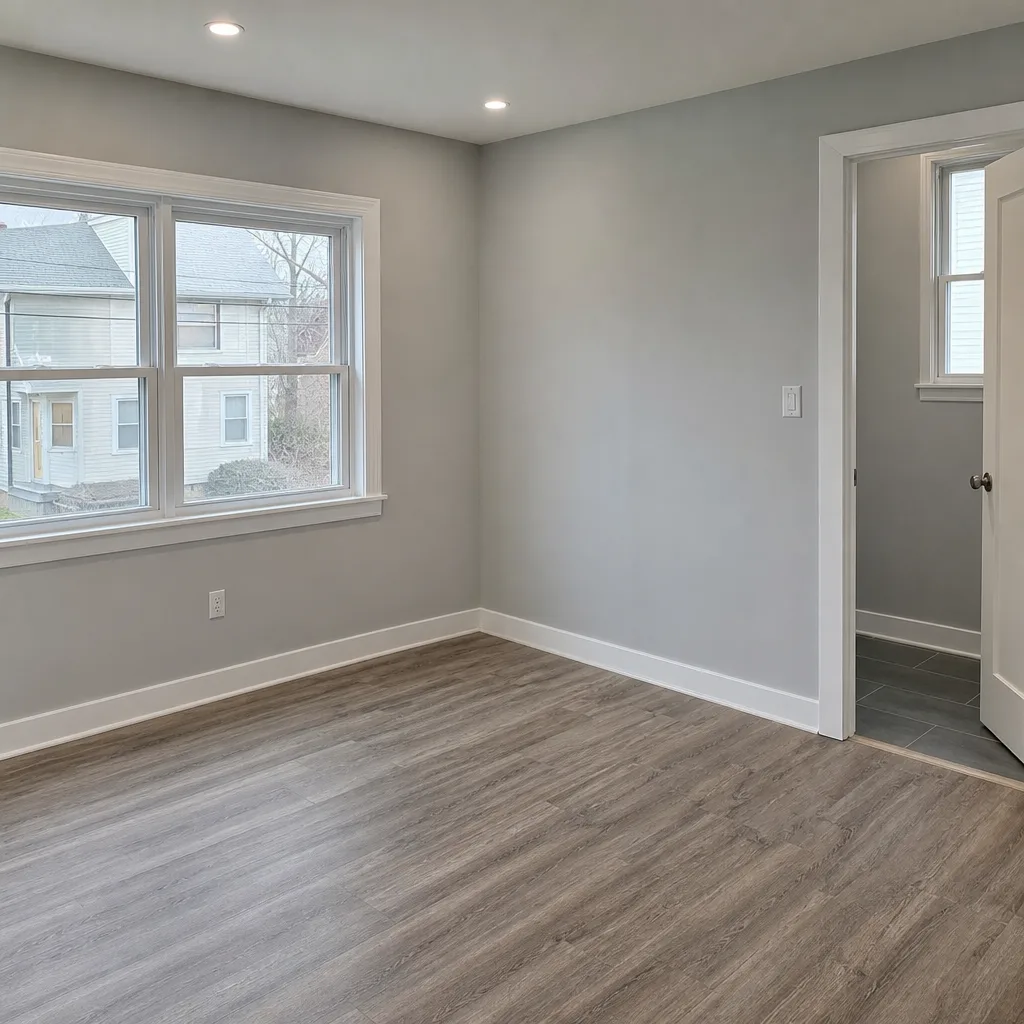 After
After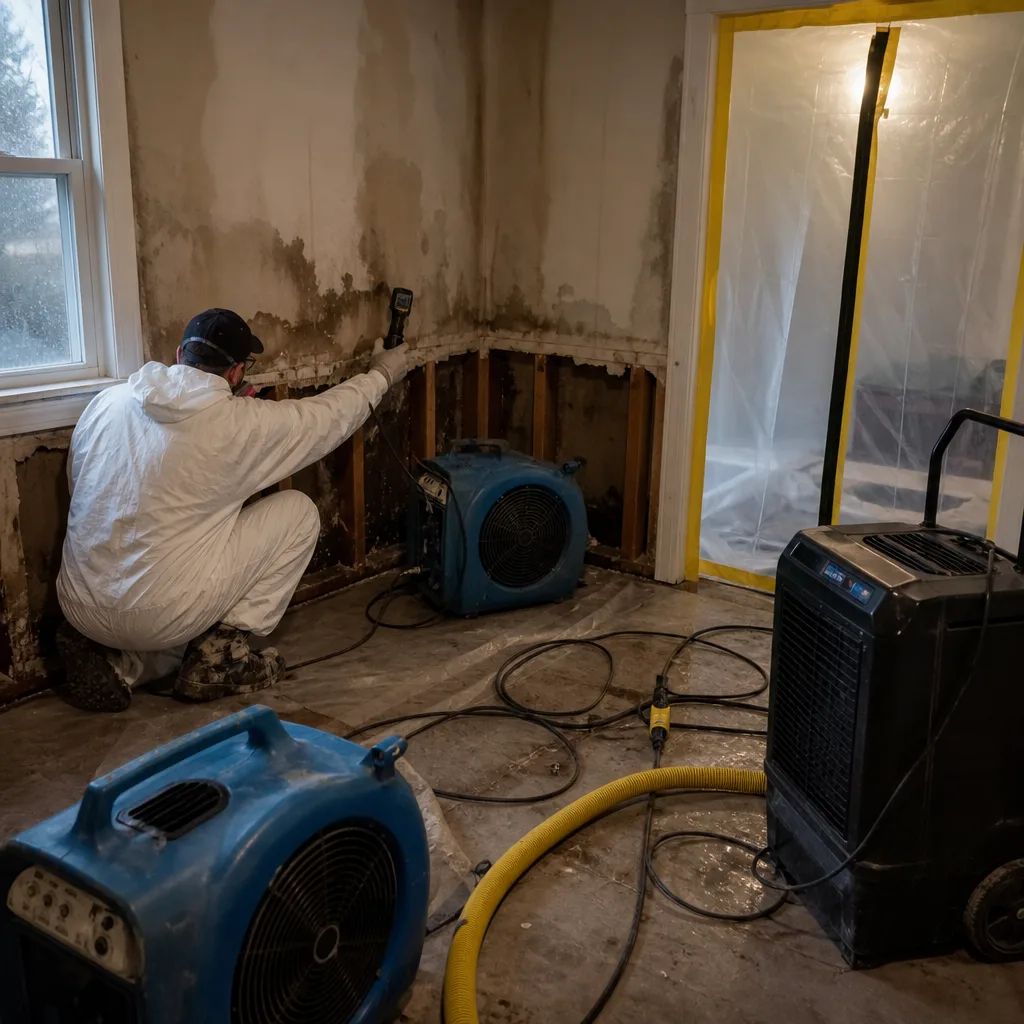 Before
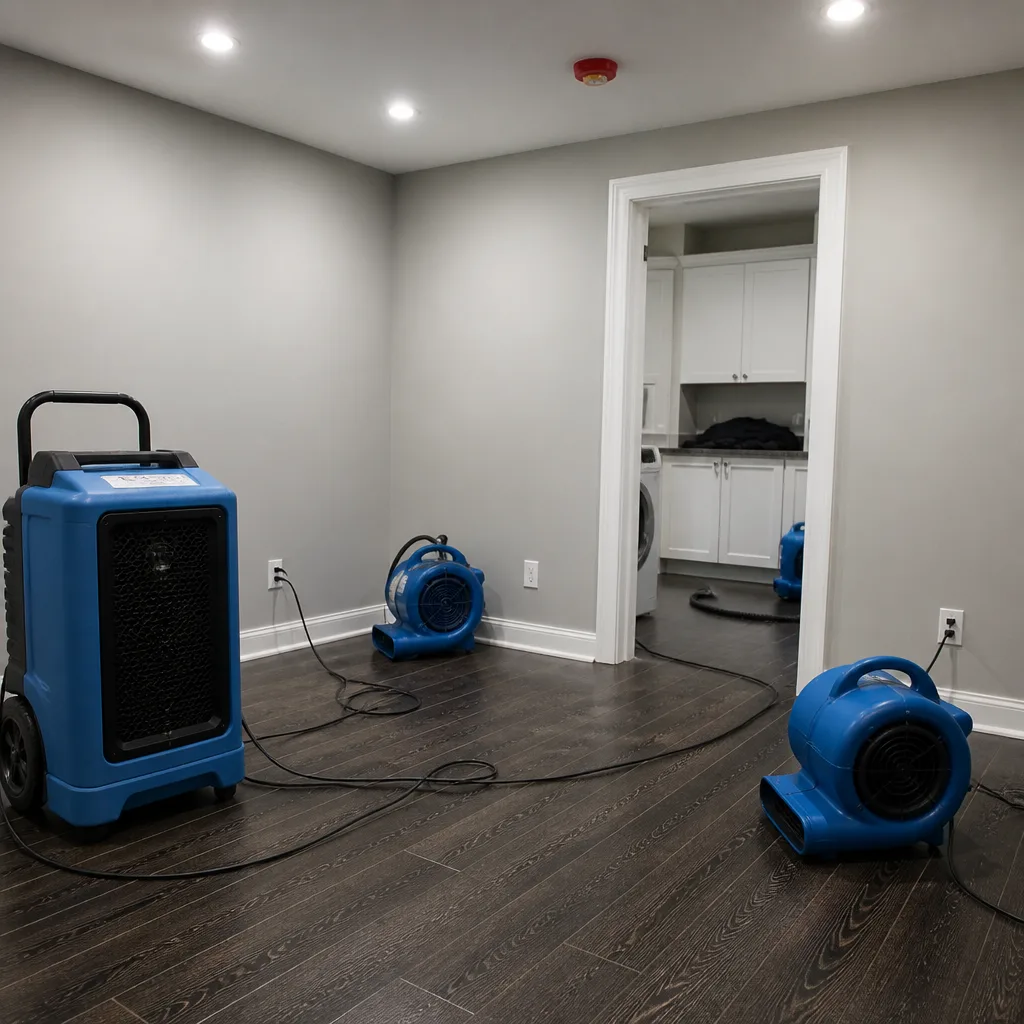 After
After24/7 Emergency Sewage Cleanup in Harrison
Sewage backing into a Harrison basement is a biohazard, not just a wet floor. Category 3 water carries bacteria, viruses, and parasites that demand immediate containment and professional equipment. Call (551) 373-5246 the moment you see it. Our sewage cleanup crews respond inside Harrison around the clock, with a live dispatcher on the line and certified technicians on the road within 45 minutes of your call. The first hour matters because sewage water saturates drywall, wicks into brick, and seeps under flooring fast. Every hour it sits, the contamination boundary expands and the restoration bill climbs. We arrive with the right gear, assess the full scope visually at no charge, and start extraction that same visit.
Harrison sits in the Passaic River flood plain at one of the lowest-lying points in Hudson County. Its aging combined sewer infrastructure, shared with the Newark system, regularly backs raw sewage into basement and ground-floor units during heavy rain events. That makes category 3 sewage-contaminated water the dominant restoration scenario here, not wind or structural damage. Storms like Irene, Sandy, and Ida repeatedly inundated the streets closest to the river. Our technicians carry full biohazard protocols on virtually every water call in Harrison, because around here, a water call is usually a sewage call.
Understanding Sewage Cleanup Severity in Harrison Properties
Water damage falls into three categories. Category 1 is clean water from a supply line. Category 2 carries significant contamination from sources like washing machine overflow. Category 3, the one Harrison homeowners face most often in basements, is grossly contaminated water containing sewage, pathogens, or floodwater from the Passaic River. Once that black water touches drywall, carpet, or that old brick foundation wall your row house was built on, you’re dealing with a genuine biohazard, not a mop-and-fan situation.
Harrison’s residential fabric is overwhelmingly brick two- and three-family row houses built between roughly 1890 and 1930, most with low-clearance unfinished basements sitting near flood-plain elevation and with minimal vapor barriers. Brick absorbs and holds moisture far longer than wood-frame housing. After a sewer surcharge soaks a brick wall, the moisture map will show elevated readings for weeks, and hidden pockets of category 3 water hide behind masonry and flooring where standard extraction equipment never reaches. That’s why we moisture-map every Harrison sewage job from day one, run daily readings until the structure reaches dry standard, and log everything for you and your carrier. Skipping that step in century-old brick is how a cleared-up basement becomes a recurring mold problem months later.
Why Harrison Property Owners Choose Floodline Restoration Co.
- 45-minute response commitment: A certified crew is dispatched toward Harrison the moment you hang up. We’ll be there when we say.
- 24/7 live answer: A real person picks up at two in the morning, not a recording. No answering service games.
- IICRC-certified crews: Our technicians hold WRT and AMRT certifications and train to RIA and IFA standards. They know what category 3 water means in a 1920s brick basement.
- Free visual inspection: We assess the damage, map the moisture, and give you a written scope before any work begins. No pressure.
- Direct insurance billing: We bill your carrier directly and send adjusters the documentation they need. You never play messenger.
- One team from extraction to reconstruction: The same Floodline crew that removes the black water also rebuilds the drywall. No mid-job handoff, no inherited stranger in your home.
Our Sewage Cleanup Process
Inspection & Assessment
We map the full water path with thermal imaging and hygrometers, identify the contamination boundary, and determine what’s salvageable. In a Harrison basement apartment, that usually means checking stud cavities behind finished walls.
Extraction/Stabilization
We remove black water with professional-grade extraction units designed for low-clearance basements, then remove any saturated materials that can’t be saved. The goal is stopping the spread in the first visit.
Drying & Dehumidification
Dri-Eaz dehumidifiers and XPOWER air movers go in immediately, sized to the square footage and brick construction. Daily moisture readings continue until the structure meets dry standard, not until it feels dry to the touch.
Cleaning & Sanitization
Full antimicrobial treatment on every affected surface, including the masonry. We don’t just sanitize what’s wet; we treat the surrounding area where aerosolized contaminants traveled.
Containment & Biohazard Treatment
HEPA air scrubbers run in containment during all work. Stud-level drywall removal, not just cutting a flood line, is standard in Harrison basement apartments after a sewer surcharge. That’s what keeps contamination from coming back.
Repairs & Restoration
The same crew that extracted the water rebuilds what came out. Drywall, trim, flooring, paint. One team, one scope, done right and backed in writing by our 90-Day Done Right Promise.
Need Emergency Sewage Cleanup in Harrison Now?
Crews minutes away, answering live 24 hours a day. The sooner we start, the less it costs.
Working With Your Insurance Company
A sewage backup is often covered, but only if the claim is documented properly from the first hour. We photograph every affected room before tearing anything out, log moisture readings daily, and write a line-item scope that speaks the carrier’s language. When your adjuster calls, we talk to them directly, walking through what we found, what we did, and what it cost. You shouldn’t have to translate restoration work into insurance paperwork. That’s our job, and we’ve done it for carriers across Hudson County since Curt Bowman founded Floodline Restoration Co. in 2010.
What We Provide Your Insurer
- Thorough documentation of the loss
- Photos of all damage, room by room
- Moisture readings and drying logs
- A detailed, line-item scope of work
- Direct coordination with your carrier
Built for Harrison’s Loss Calendar
Harrison’s sewage backup season doesn’t follow one neat pattern. January and February deep freezes strain hundred-year-old waste lines, and a cracked cast-iron pipe under a slab becomes a slow sewage weep that saturates the ground floor before anyone notices the smell. Spring brings sustained rain that pushes the Passaic River against the town’s combined system; when the sewers surcharge, basements near Frank E. Rodgers Boulevard get black water first. Summer thunderstorms drop one to two inches in an hour, overwhelming the shared Newark-Harrison capacity with almost no warning. The August downpour last year filled basement apartments in brick row houses within hours. Fall nor’easters combine storm surge with heavy rain, which is the scenario we watch most carefully. The common thread: every one of these events in Harrison involves sewage contamination. Our crews keep extraction equipment and full biohazard gear ready year-round for this town’s calendar, not some generic flood season.
Sewage Cleanup Across Harrison’s Neighborhoods
The blocks closest to Frank E. Rodgers Boulevard and the Passaic River see the worst of Harrison’s combined sewer surcharges. Basement apartments in those century-old multi-families take on category 3 water within hours of a heavy rain, and full antimicrobial treatment plus stud-level drywall removal is the standard response there. Up near the Red Bull Arena corridor, newer construction sits on slightly higher ground, but the connecting waste lines still tie into the same combined system, so backups happen there too. Over by Harrison Avenue near the PATH station, low-clearance basement units in 1920s brick two-families present a different challenge: tight access for extraction equipment and masonry walls that wick sewage water three feet up before the moisture map catches it. The residential streets around Hamilton Street and the eastern blocks toward Kearny have the older combined laterals most prone to root intrusion and cracking. In every one of these areas, the lesson is the same: the quicker we set containment, the less drywall comes out and the lower the final cost. Our Sewage Cleanup teams know these routes and these building types. When you call Floodline for Sewage Cleanup in Harrison, the dispatcher knows which crew is closest to your block, not just closest to the town line.
Specialized Sewage Cleanup Services We Offer in Harrison
Sewage Backup Cleanup
When the combined Harrison-Newark system surcharges, it pushes raw waste back through floor drains and basement toilets. We extract the black water, remove saturated materials, and treat every affected surface with full antimicrobial protocols. In brick row houses, that means treating masonry, not just drywall, to stop the contamination from wicking upward.
Black Water Extraction
Black water isn’t just dirty water. It’s category 3, carrying pathogens that require HEPA containment during extraction and proper disposal under biohazard regulations. Our crews extract with commercial-grade equipment and run air scrubbers from the first visit. We never treat a Harrison sewer backup as a mop job.
Sanitization & Disinfection
Extraction gets the water out, but sanitization is what makes your Harrison basement safe to breathe in again. We apply EPA-registered antimicrobials on all affected surfaces, including stud cavities, subfloors, and masonry. The drying log and treatment record get handed to you and your carrier so there’s written proof the space was properly disinfected.
Toilet Overflow Cleanup
A clogged toilet that overflows for twenty minutes can soak a second-floor bathroom and wick into ceilings below. In Harrison’s older wood-and-plaster construction, that water travels fast. We extract the surface water, map the hidden path, and dry the cavity to prevent a small overflow from becoming a ceiling replacement.
Septic Failure Cleanup
A handful of Harrison properties still run on private septic systems, and when they fail, the result is the same category 3 contamination. We handle the cleanup and coordinate with your plumber or septic contractor so the source gets fixed and the damage gets restored under one plan.
What happens when you call
- 1
A real person answersNo phone trees - you reach a local pro.
- 2
You get an upfront price rangeHonest numbers before anyone is dispatched.
- 3
A background-checked tech heads outLicensed & insured, dispatched right away.
- 4
You approve before work beginsNothing starts until you say go.
Sewage Cleanup Costs in Harrison, NJ
Sewage cleanup in Harrison runs $2,800 to $8,500 for a typical basement backup when you factor in extraction, containment, drywall removal, antimicrobial treatment, and structural drying. A small contained overflow in a first-floor bathroom may come in around $1,200 to $2,400. A major sewer surcharge that floods a finished basement apartment off Frank E. Rodgers Boulevard can exceed $12,000 when stud cavities, flooring, and kitchen bases are involved. Brick construction adds to drying time and equipment days compared to wood-frame homes, which is a real cost driver in Harrison. The free visual inspection we offer gives you a written scope with a firm number before work starts. No surprises on the bill. When insurance covers the loss, we bill the carrier directly and you cover only your deductible. Call (551) 373-5246 for an exact quote. Estimates are free.
We Also Serve Cities Near Harrison
Floodline Restoration Co. handles sewage cleanup throughout the area, including Kearny, North Arlington, Secaucus, and Jersey City. If your property sits just over a town line, call anyway. The dispatcher will send the closest certified crew.
Serving Harrison, NJ - Our Local Coverage Area
We’re based in the Harrison area and know this community well. Use the map below to see our service coverage - if you’re nearby, we can almost certainly help.
Harrison Sewage Cleanup Questions, Answered
How quickly does mold start growing on drywall after a sewage backup in a Harrison basement?
Mold can colonize wet drywall within 24 to 48 hours, and in Harrison’s brick row houses, the masonry holds moisture longer, extending that window for weeks. That’s why we remove stud-level drywall and run dehumidifiers immediately after a backup. Call (551) 373-5246 the moment you see water.
Why does Harrison see more sewage backups into basements than neighboring towns?
Harrison shares a combined sewer system with Newark, and the town sits at one of the lowest elevations in Hudson County along the Passaic River. A rainfall of just one to two inches can surcharge the shared system and push raw sewage back into basement drains. Neighboring towns on separate systems or higher elevation avoid many of these events.
Do I need full containment and drywall removal for a basement sewage backup in Harrison?
Yes, in almost every case. Sewage water is category 3, meaning full HEPA containment is required during cleanup for safety. And in Harrison’s low-clearance brick basements, cutting only a flood line leaves contaminated drywall and insulation that will cause problems after the next heavy rain. Stud-level removal is the code-standard response here.
What type of water is a Harrison sewer backup, and why does that matter for cleanup?
A Harrison sewer backup is category 3 water, which is grossly contaminated with sewage, bacteria, and pathogens. It matters because category 3 requires full biohazard protocols: personal protective equipment, HEPA air scrubbing, controlled disposal, and antimicrobial treatment. Anything less leaves your home a health risk even after it looks dry.
How long does structural drying take in a 1920s brick Harrison row house after sewage extraction?
Typical structural drying in a 1920s brick Harrison row house takes four to seven days with professional Dri-Eaz dehumidifiers and XPOWER air movers running continuously. Brick holds moisture longer than wood-frame construction, so we log daily moisture readings until the structure meets dry standard, not just until it feels dry.
Can I stay in my home during sewage cleanup in Harrison?
If the sewage is confined to an unfinished basement with separate access, you can usually stay during cleanup. If the black water affected living spaces, we recommend vacating until containment is set and the affected areas are extracted and sanitized. We assess this honestly on the free inspection.
What certifications do your sewage cleanup crews hold?
Our technicians are IICRC-certified in Water Damage Restoration (WRT) and Applied Microbial Remediation (AMRT), and they train to RIA and IFA standards. Background-checked and uniformed on every job. No subcontractor surprises.
What should I do in the first 30 minutes after discovering a sewage backup in Harrison?
Don’t step in the water, don’t run the HVAC, and don’t try to shop-vac it yourself. Call (551) 373-5246 immediately. Shut off power to the affected area if you can reach the breaker safely, keep children and pets away, and take photos of the standing water for your insurer. Our crew handles the rest.
Learn why Harrison’s combined sewer system makes every backup a category 3 biohazard that requires full containment and stud-level removal, not just extract-and-dry. Last August, after a two-inch downpour, our crew was called to a 1920s brick two-family on a low block off Frank E. Rodgers Boulevard. The basement apartment had taken on several inches of black water from a sewer surcharge. We set up full containment with HEPA air scrubbers, removed stud-level drywall, and ran Dri-Eaz dehumidifiers and XPOWER air movers for five days, documenting moisture readings and drying logs until the space met pre-loss condition. That’s the standard we hold on every Harrison sewage job, and it’s backed by the 90-Day Done Right Promise in writing.
Call Floodline Restoration Co. now at (551) 373-5246 for a free estimate on sewage cleanup in Harrison, NJ. A live person answers, day or night.
Written by Curt Bowman, Owner at Floodline Restoration Co., serving Harrison with full-cycle restoration since 2010.