
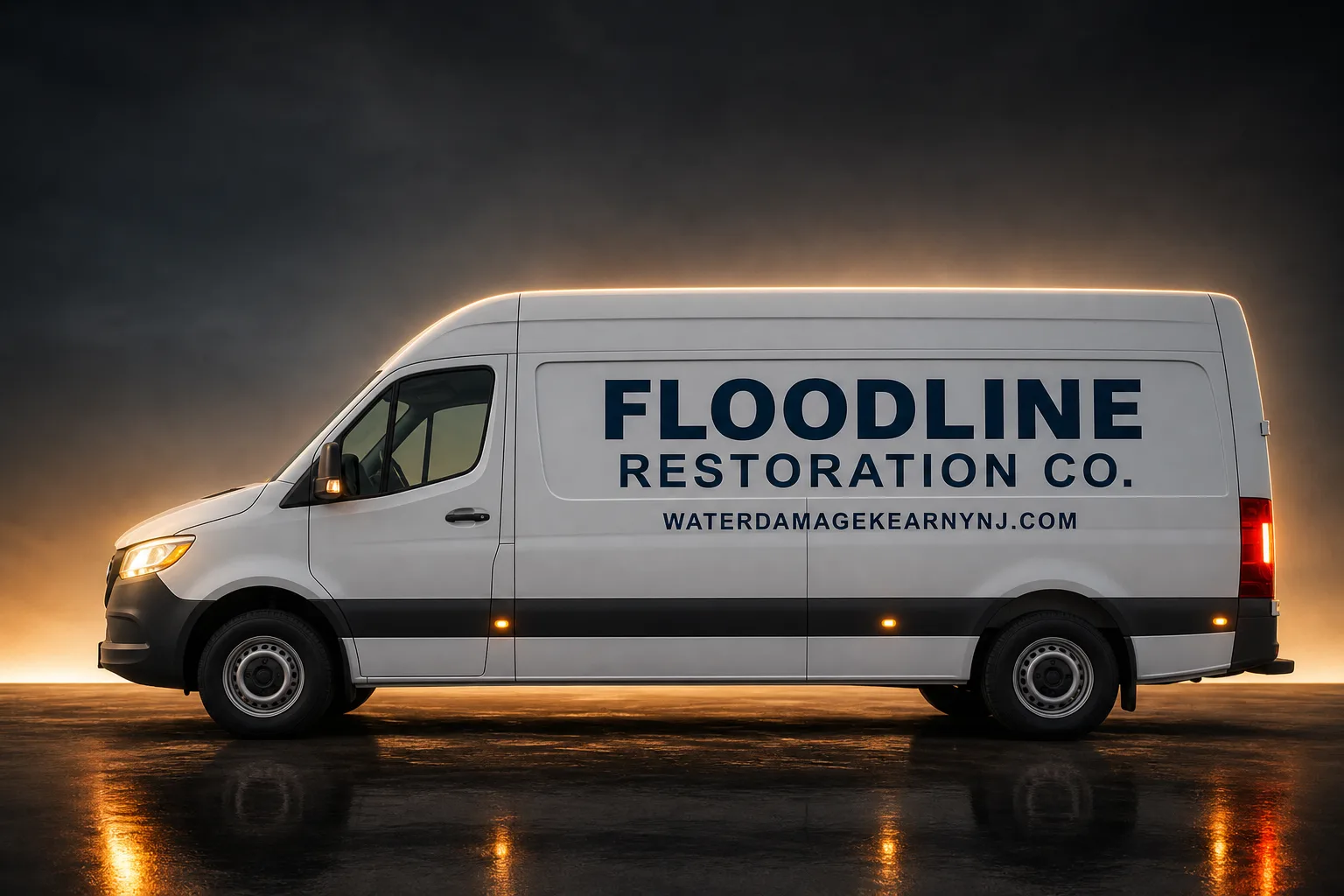
Free visual inspection and a written scope of work before any mitigation begins - photos, moisture readings, and drying logs go in your claim file
The scope we write is the scope we bill. Anything new gets shown to you, in writing, before we touch it.
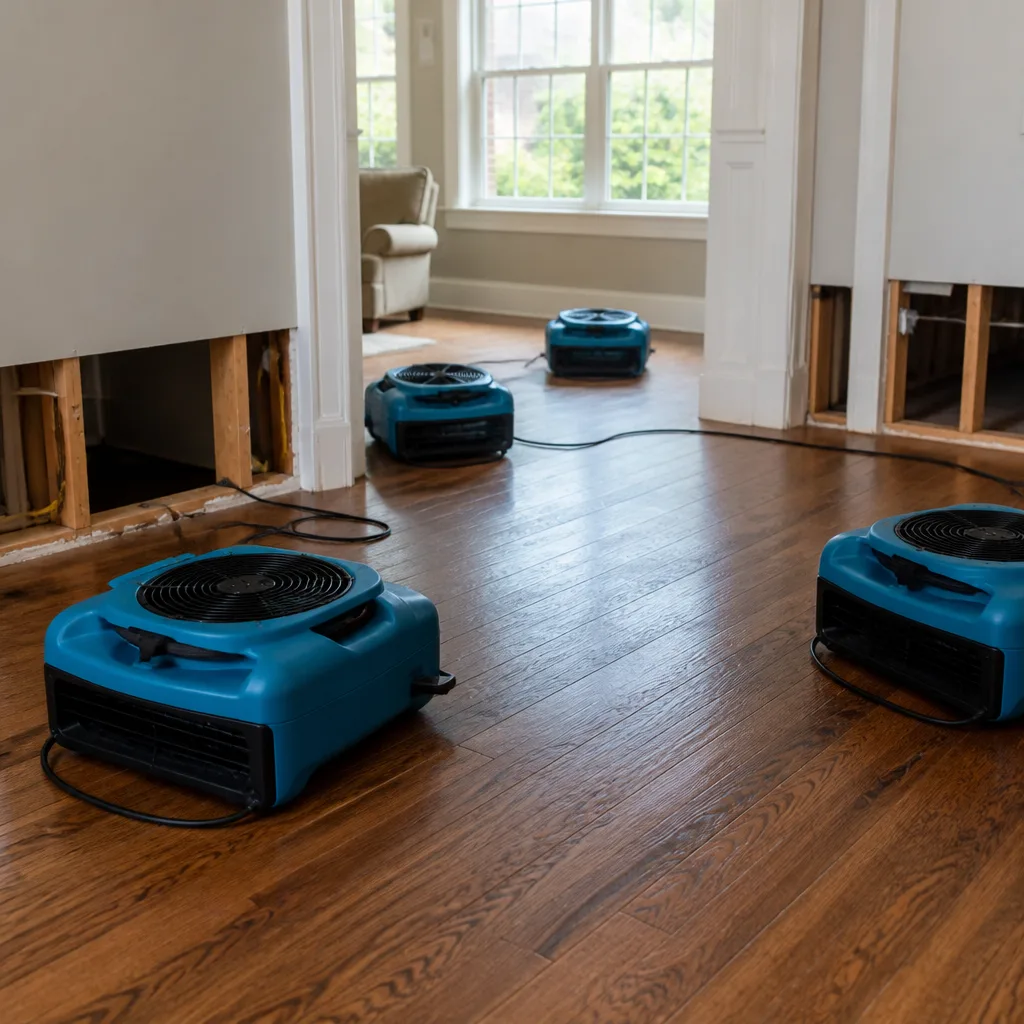
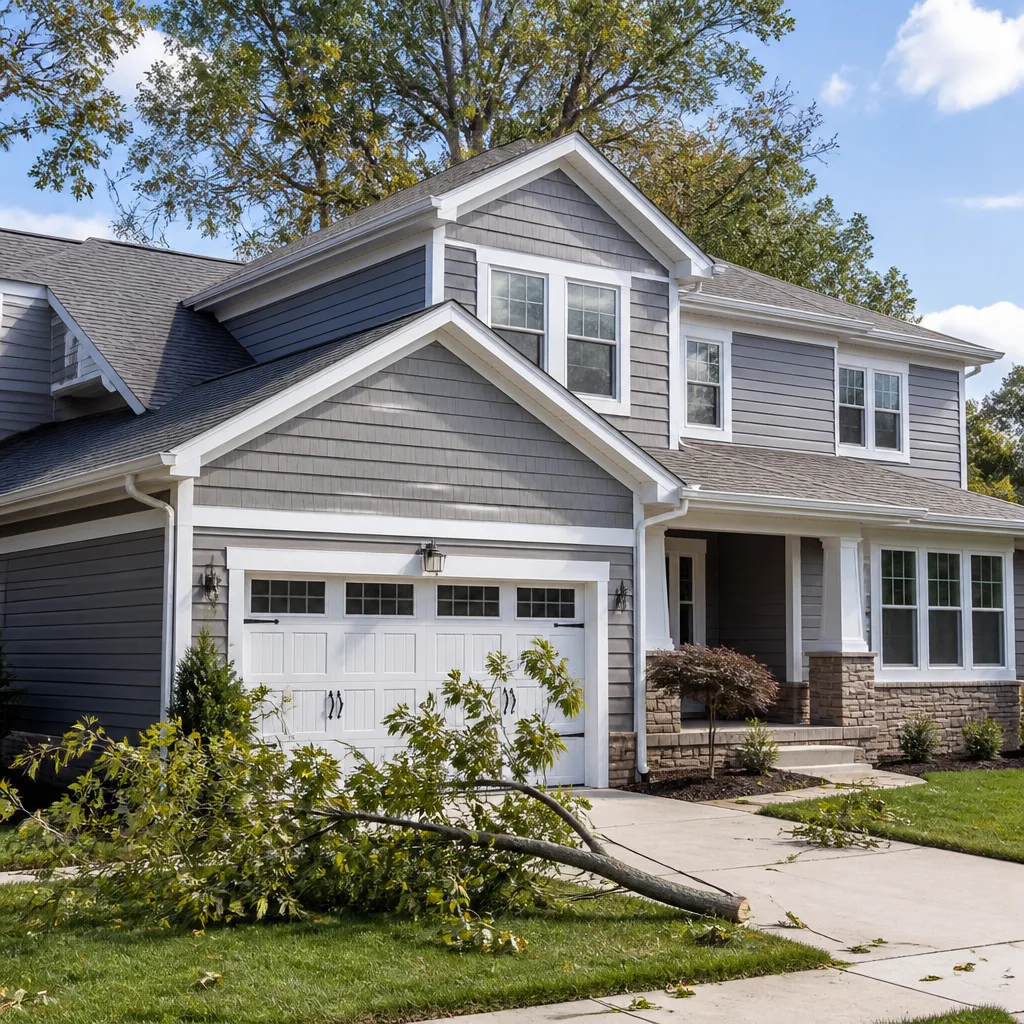
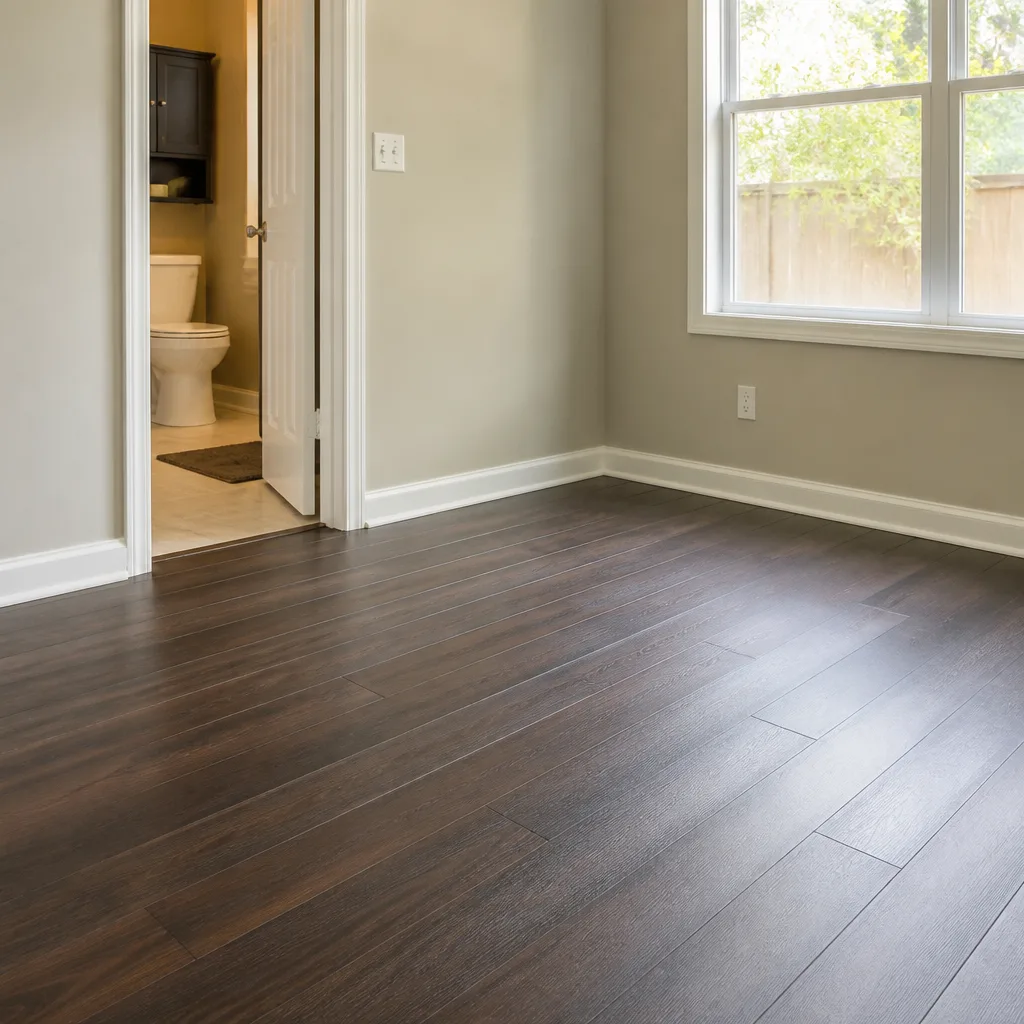
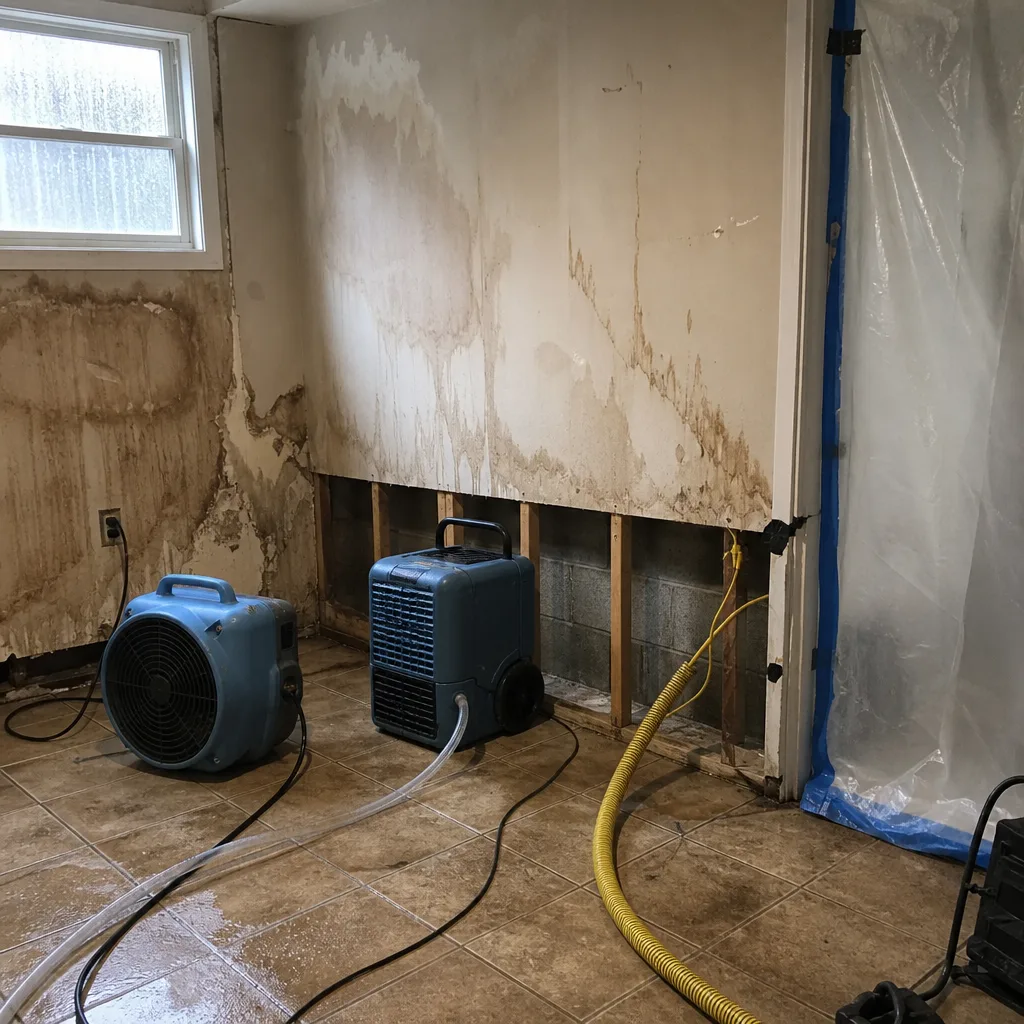 Before
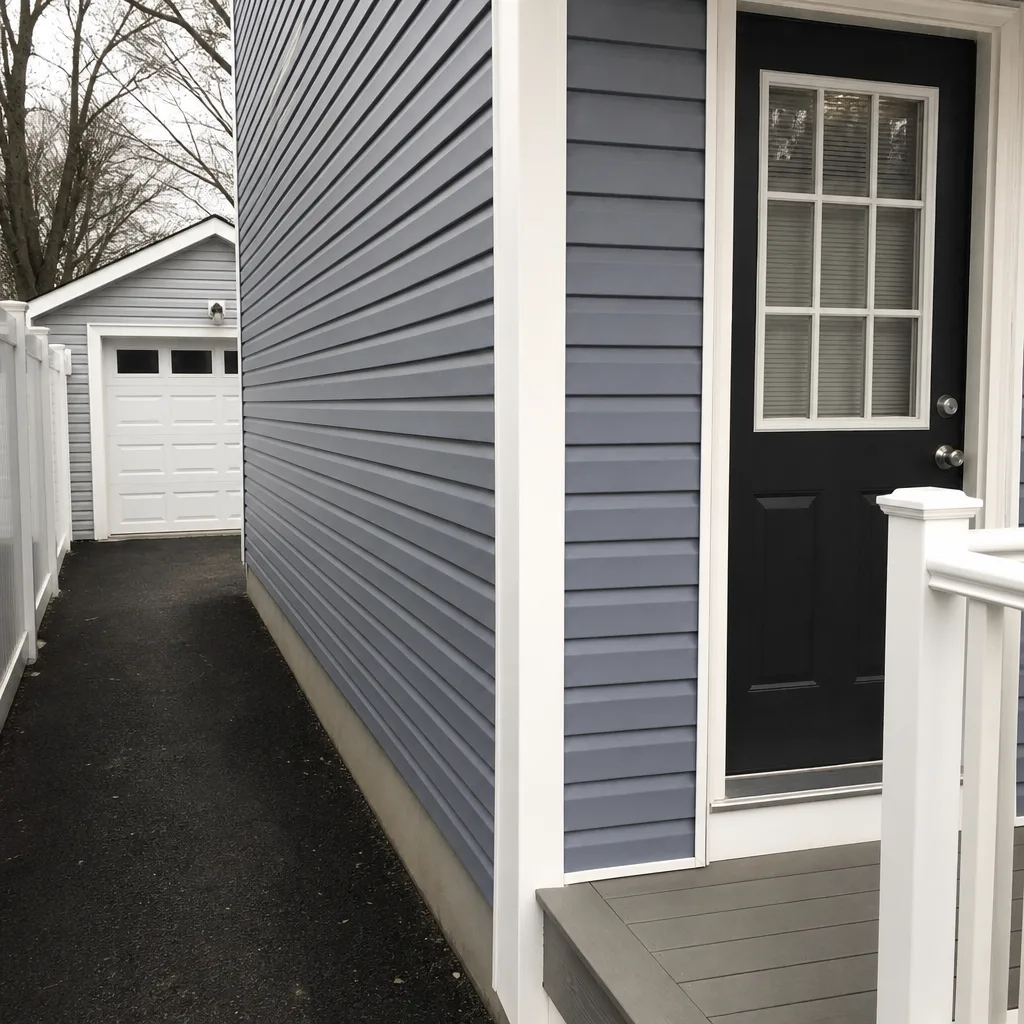 After
After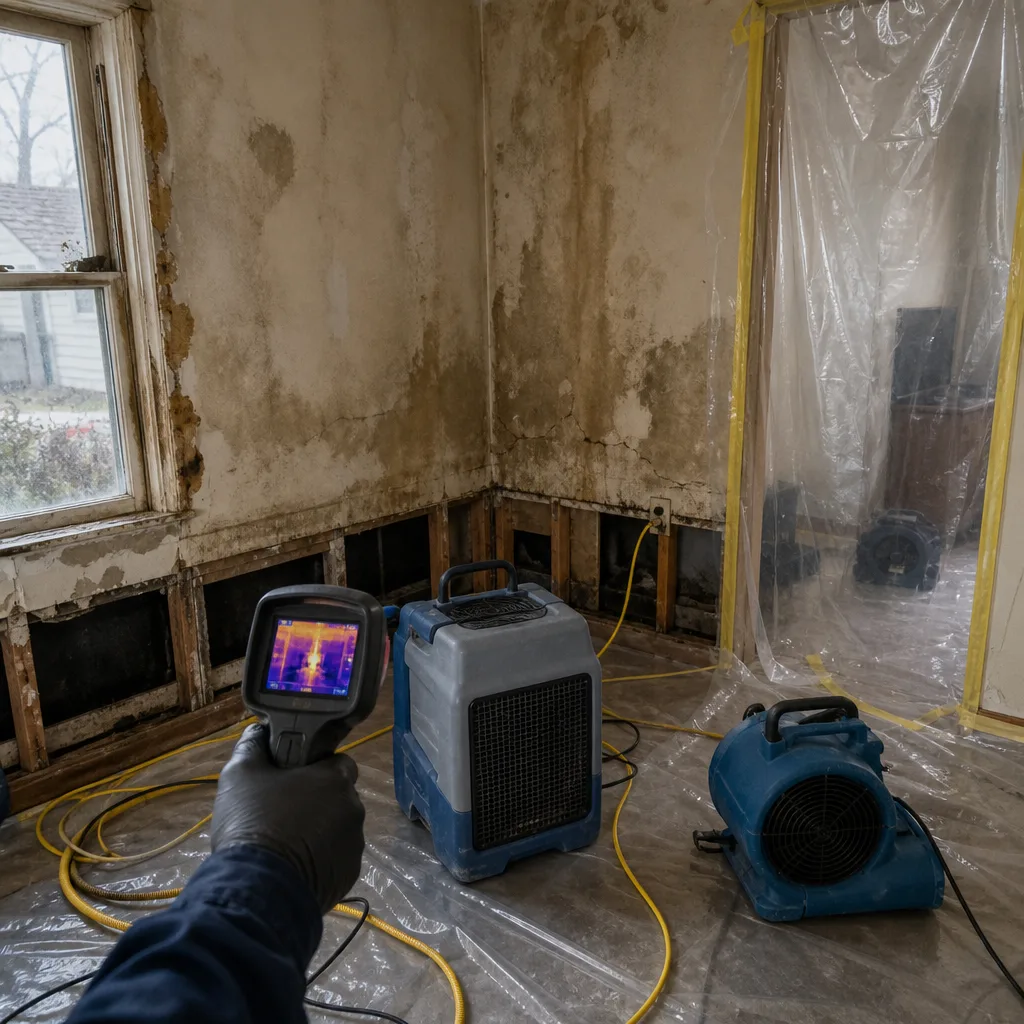 Before
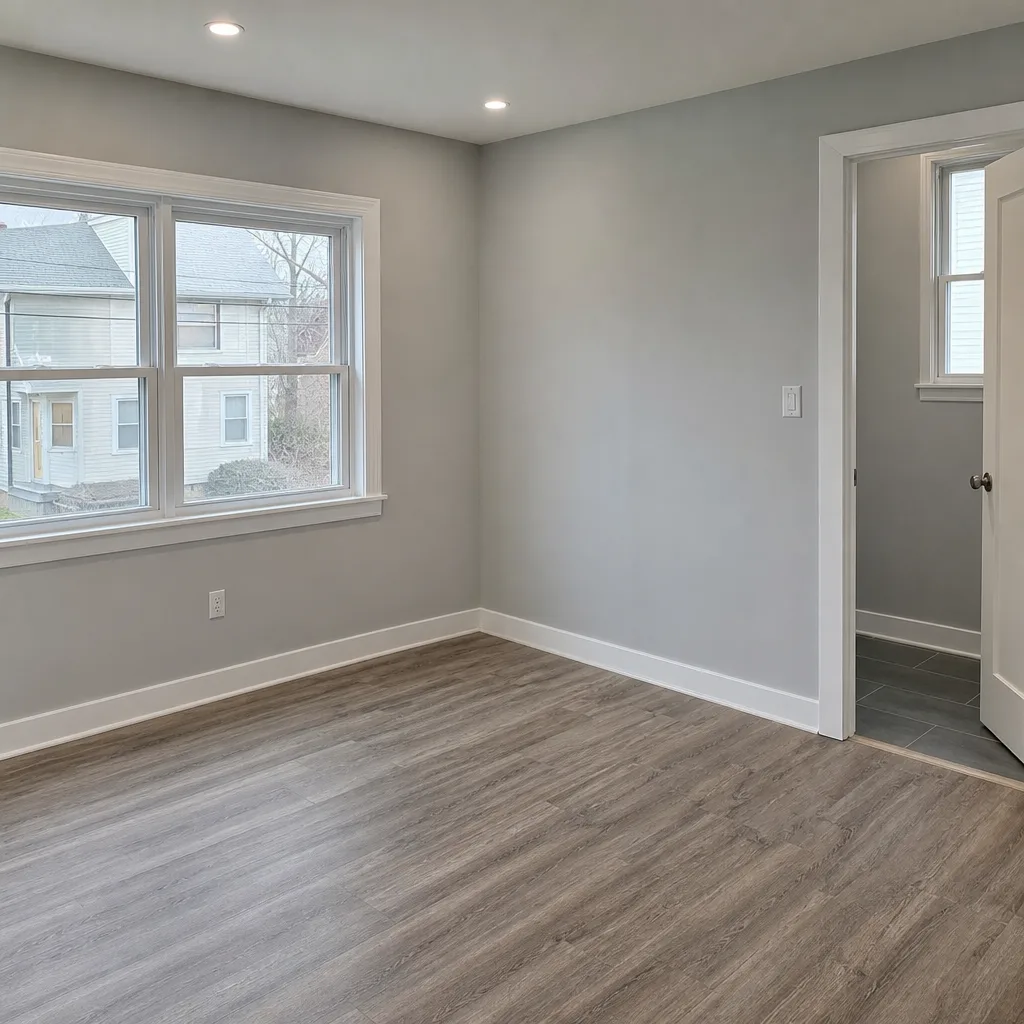 After
After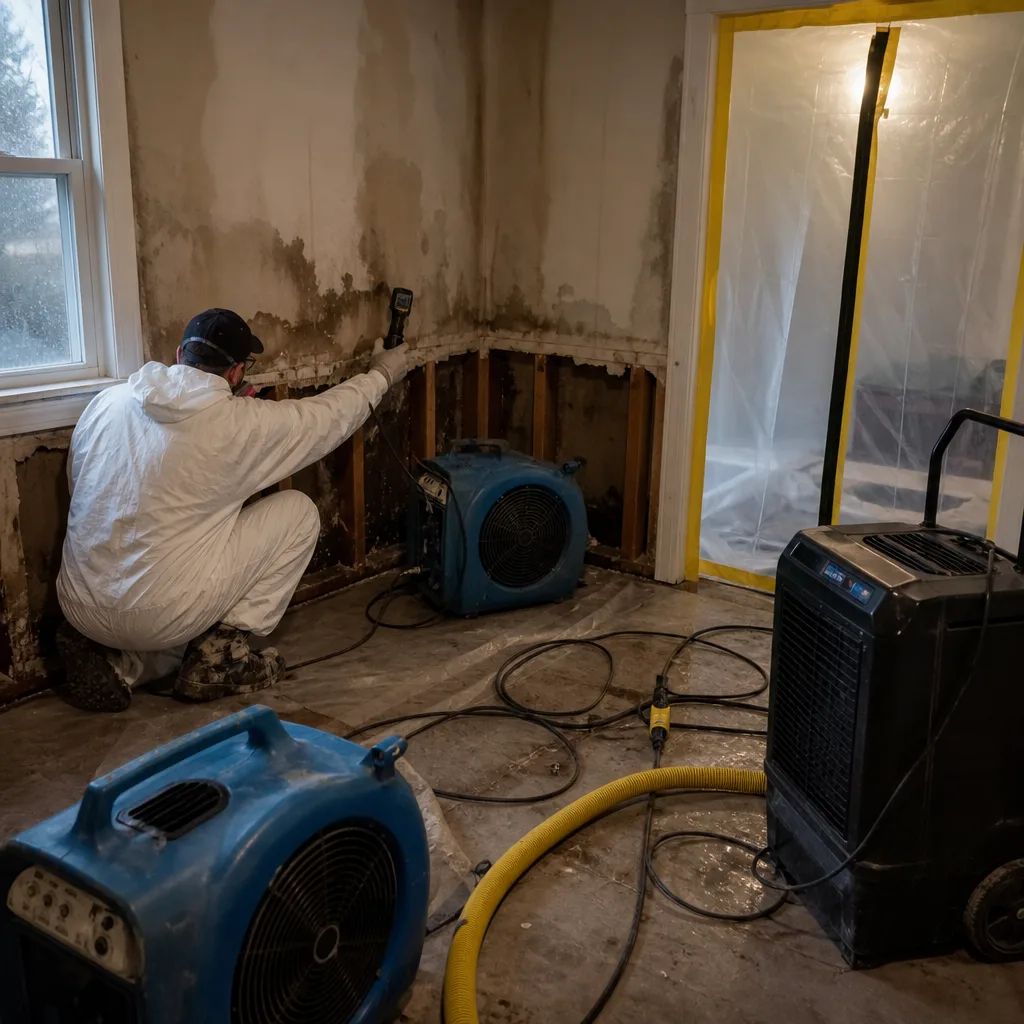 Before
 After
After24/7 Emergency Sewage Cleanup in Union City
Sewage cleanup in Union City is an emergency, not a later-this-week job. A backed-up sewer line, toilet overflow, or black water pooling across a floor is a health hazard in the first hour, and in this city’s shared-wall housing, it is already traveling into a neighbor’s unit before most people have finished mopping. Call (551) 373-5246 any hour. A live dispatcher answers, and a crew from Floodline Restoration Co. heads toward your address inside Union City, 07087, with the containment barriers, extraction pumps, and antimicrobial agents this kind of loss demands. The first hour decides whether this stays a mop-up or becomes a multi-room tear-out. We have seen both.
Union City’s housing stock makes sewage loss uniquely unforgiving here. Most buildings are 3 to 6 story masonry tenements from the 1890s through the 1940s, with cast-iron drain stacks that have been carrying waste for a century. When one fails, the mess goes through floors. When a floor drain backs up in a garden-level apartment, the effluent soaks laterally into masonry party walls. That is why we answer the phone at 2 a.m., and why we dispatch within hours, not days.
Understanding Sewage Cleanup Severity in Union City Properties
Sewage cleanup in Union City is classified into three categories under the IICRC S500 standard, and the category determines everything: the equipment, the PPE, the demolition scope, and the drying protocol. Category 1 is clean water from a supply line. It becomes Category 2, gray water, when it sits and picks up detergents or urine. Category 3 is black water: raw sewage, fecal matter, pathogens, and anything that came up through a floor drain connected to the combined sewer. Union City’s older cast-iron stacks and the sheer density of the city’s combined sewer system mean restorers here see more Category 3 losses than in neighboring towns with separated storm and sanitary lines.
Why does that matter? Because Category 3 work in Union City requires full containment and disposal, not just drying. Porous materials in contact with sewage-contaminated water, drywall, insulation, carpet pad, often cannot be saved and must be removed. The shared masonry walls in pre-war tenements mean contaminants wick beyond the visible wet line. The moisture map is never a simple patch on one floor; it extends into the joist pockets and party walls of the units on either side. That is the single biggest reason sewage damage in Union City gets worse when it goes uncontained: there is no such thing as “just our unit” in a building built this way.
Why Union City Property Owners Choose Floodline Restoration Co.
We know the difference between a one-unit spill and a building-wide sewage event, because we see both every month in this city’s housing.
- 45-minute response commitment - A live dispatcher takes your call at any hour, and we aim to have a certified crew on scene in Union City within 45 minutes of that call. Sewage does not wait. Neither do we.
- Live answer, 24/7 - You reach a real person at 2 a.m., not a machine. Floodline Restoration Co. has run on a live dispatch board since 2010.
- IICRC-certified crews with AMRT and WRT codes - Applied Microbial Remediation Technician and Water Restoration Technician certifications mean our teams are trained for the microbial side of sewage cleanup, not just the wet vacuum part.
- Free visual inspection - We assess the loss and give you a written scope before any billable work begins. No obligation, no pressure, no surprise on the invoice later.
- Direct insurance billing - We document everything from the first hour and bill your carrier directly for covered losses. You never play messenger between us and the adjuster.
- One crew, extraction to reconstruction - We run the containment, dry the structure, and if needed, rebuild the wall we tore out. No handoff to an unknown subcontractor halfway through.
Our Sewage Cleanup Process
Inspection & Assessment
We walk the unit with thermal imaging and moisture meters, mapping every wet surface. In a Union City walk-up, that includes the party walls and the floor cavity below, not just the area around the drain. We identify the Category of water and the full affected boundary before any equipment is staged.
Extraction: Getting the Black Water Out
Truck-mounted extraction pulls the sewage out of floor surfaces and any carpet or padding that can be saved. For tight-access units where hoses cannot run across a building courtyard, we use compact portable extraction units. The goal is to remove the contaminant source before it spreads further through floor joints or wall cavities.
Drying & Dehumidification
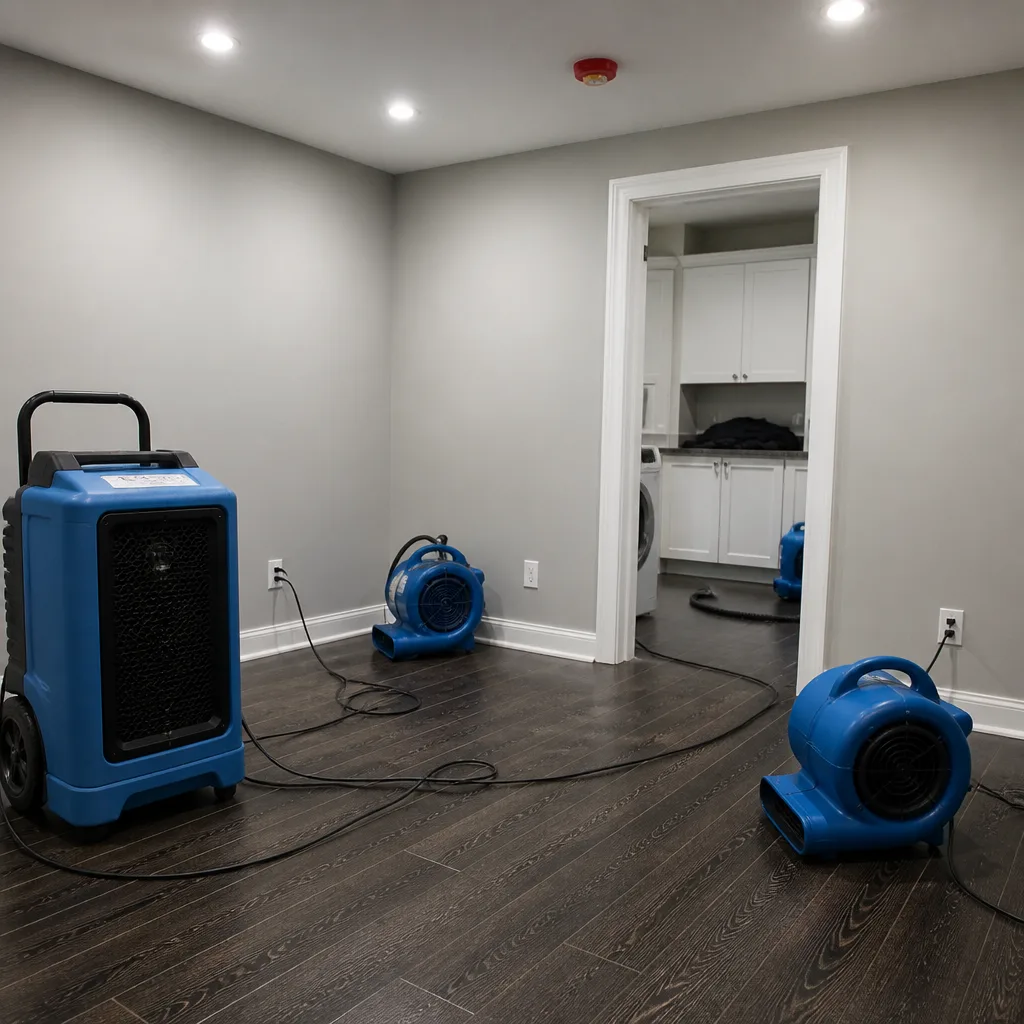
We place high-volume air movers and low-grain dehumidifiers with the airflow directed at the wet masonry and framing. In a dense building, that means the equipment runs in the affected unit and the adjoining wall cavity, with daily moisture readings logged until the dry standard is met. Dri-Eaz air movers and dehumidifiers are our standard.
Cleaning & Sanitization
All hard surfaces in the containment zone are cleaned with an EPA-registered antimicrobial. We scrub the floor, the lower wall surfaces, and any salvaged furniture that will remain. This stage only works if the extraction and drying stages were done properly first.
Containment Verification
In multi-unit buildings, we re-test the moisture levels in the party walls and adjacent units. If the moisture map originally showed migration into a neighbor’s cavity, we verify that cavity is dry before dismantling containment. We also run an air scrubber at the end of the dry-down to clear residual particulates.
Repairs & Restoration
Where drywall, baseboard, or insulation was removed, we handle the rebuild. Same crew, same company, same written scope. The 90-Day Done Right Promise, our Keystone Standard, covers the work in writing: if it is not done right, we make it right.
Need Emergency Sewage Cleanup in Union City Now?
Crews minutes away, answering live 24 hours a day. The sooner we start, the less it costs.
Working With Your Insurance Company
Sewage backup coverage in Union City is rarely straightforward. Some carriers include it in a standard homeowners or renters policy; many require a specific water backup endorsement. A garden-level apartment off Bergenline Avenue may have a landlord policy covering the structure while the tenant’s personal property and displacement costs fall to a renters policy. The last thing you want after a sewage backup is to play telephone between your carrier and a restoration company that does not speak insurance.
We do speak it. Floodline Restoration Co. has spent years documenting sewage losses in dense multi-unit buildings, and we know what adjusters ask for: photos showing the Category 3 water source, moisture readings that prove migration into party walls or floor cavities, and a line-item scope of work that separates mitigation from reconstruction. We provide all of it, from the first hour.
What We Provide Your Insurer
- Thorough documentation of the loss
- Photos of all damage, room by room
- Moisture readings and drying logs
- A detailed, line-item scope of work
- Direct coordination with your carrier
Built for Union City’s Loss Calendar
Sewage cleanup in Union City follows a local rhythm. In January and February, the city’s freeze-thaw cycles, often 60 to 70 per winter along the Palisades ridge, crack the flat roof membranes and stress the old cast-iron stacks and galvanized lines. When the snow melts, the runoff hits a combined sewer that is already carrying the city’s normal flow. A heavy rain in March can push that system past its designed capacity, and garden-level drains off Bergenline Avenue start backing up.
Summer thunderstorms drop water faster than the dense, impermeable street grid can absorb. Union City’s combined sewer system takes everything: rainwater, household waste, and whatever got flushed out of a sink drain. When it surcharges, sewage comes up through the lowest drain in the building. That is a Category 3 loss every time, no matter how small the visible puddle. Fall brings nor’easters with similar effects. The wind exposure on top of the Palisades adds membrane damage on flat roofs and drives water into the building envelope. In this city, sewage cleanup is a year-round concern, but the triggers shift with the season.
Sewage Cleanup Across Union City’s Neighborhoods
Union City packs more people per square mile than nearly any city in the country, and the way a sewage backup plays out depends on exactly where you live. Along Bergenline Avenue, the commercial spine means basement spaces and garden-level apartments sit directly above the combined sewer lateral that runs under the street. These are the chronic repeat calls: floor drains that surge during heavy rain, backflow that arrives overnight when no one notices until morning.
The side streets off Bergenline, from 15th Street up to 49th Street, run through blocks of 4 to 6 story tenements with narrow access alleys. A sewage backup in one unit here means we are staging hoses through a side alley door and past trash bins. Compact extraction units matter. On Summit Avenue, the building stock sits higher on the ridge, but the cast-iron stacks are just as old, and a failure on the top floor runs through the vertical stack and pools in the basement shops below. Near the Hudson-Bergen Light Rail station at Union City / Bergenline, the newer mixed-use buildings have separated storm and sanitary lines, but the older tenements around them share laterals that have been patched and repiped inconsistently over a century. Those shared laterals are the wild card: a blockage in one unit’s line can pressurize the neighbor’s drain. Around Washington Park, the buildings back up directly against each other, and masonry party walls mean sewage water from a garden-level overflow can show up as damp drywall on the second floor of the adjacent building within 48 hours.
Specialized Sewage Cleanup Services We Offer in Union City
Sewage Backup Cleanup
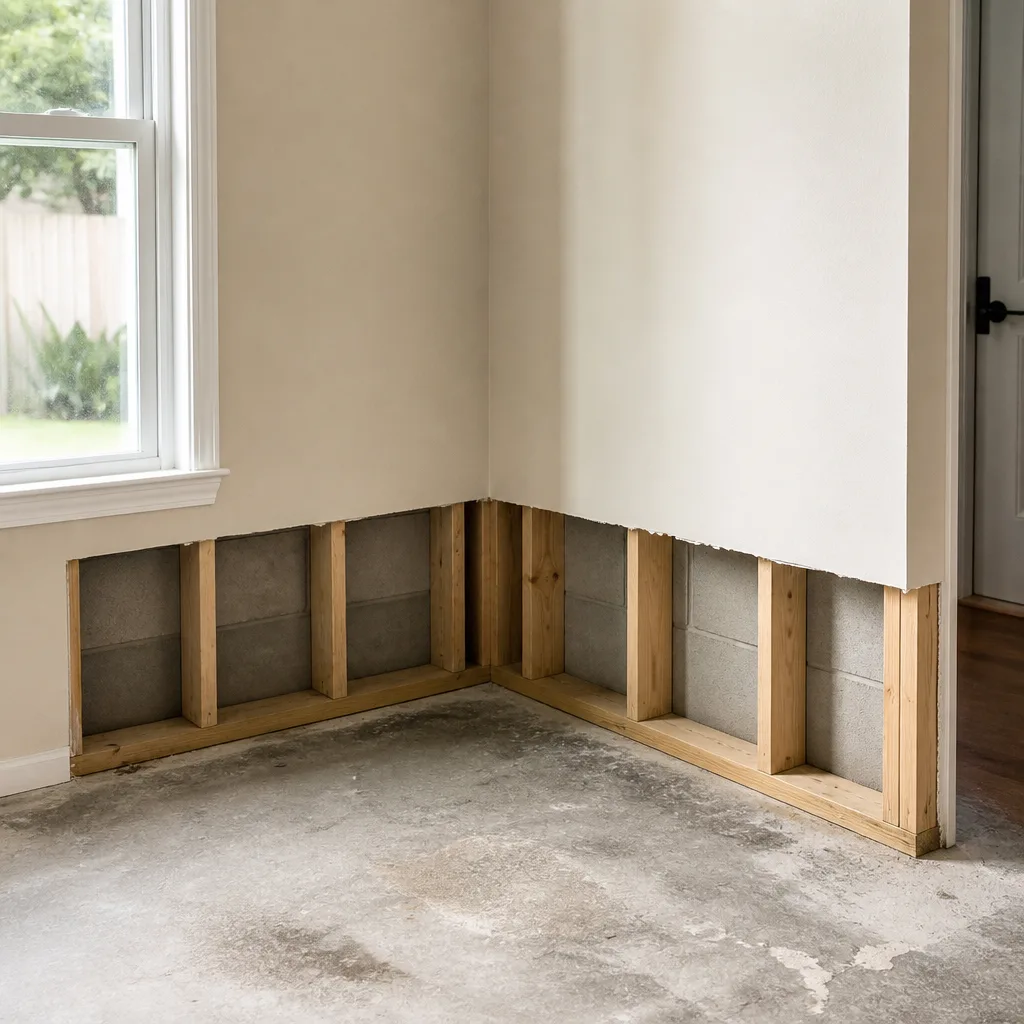
This is our bread and butter in Union City: a combined sewer that surcharges during rain, a floor drain that starts spitting brown water, and a Category 3 loss that spreads across a tile or concrete floor. We handle the full scope, from water extraction through antimicrobial treatment and dry-down. In a garden-level unit off Bergenline Avenue, a proper sewage backup cleanup means cutting away affected drywall at the bottom two feet, not just drying it. The moisture wicks up through the gypsum, and sewage pathogens multiply in the paper layer. We remove it, bag it, and dispose of it as contaminated waste.
Black Water Extraction
Black water is any water containing human waste, soil bacteria, or standing gray water that has fermented. In Union City’s multi-family buildings, black water extraction is the first mechanical step before any drying or sanitizing makes sense. We use truck-mounted extractors where access allows, and portable units where the alley or doorway is too tight for the big equipment. The extraction step matters: if sewage water is left in contact with a concrete or masonry floor for more than a day, it will require multiple passes to get the moisture content back down.
Sanitization & Disinfection
After extraction and during dry-down, we apply an EPA-registered antimicrobial to every surface the Category 3 water touched or could have splashed onto. That includes the lower wall surfaces, the floor, the baseboards, and any non-porous items in the room. In a shared-building situation, we also treat the inside of the containment zone before dismantling the plastic sheeting, so no aerosolized contaminants drift into a neighbor’s hallway. An air scrubber with a HEPA filter runs during the final stage to pull residual spores and particulates out of the air. This is not optional in Union City: the shared air in a pre-war corridor moves unit to unit.
What happens when you call
- 1
A real person answersNo phone trees - you reach a local pro.
- 2
You get an upfront price rangeHonest numbers before anyone is dispatched.
- 3
A background-checked tech heads outLicensed & insured, dispatched right away.
- 4
You approve before work beginsNothing starts until you say go.
Sewage Cleanup Costs in Union City, NJ
Sewage cleanup in Union City is priced by the square foot of affected area, the category of water, and the access difficulty. A straightforward toilet overflow contained to one bathroom typically runs $400 to $1,200. A garden-level sewage backup requiring full containment, removal of 100 to 200 square feet of drywall and baseboard, and three days of drying generally lands between $2,800 and $6,500. A multi-unit loss where sewage has migrated through a shared masonry party wall and affected two or three apartments often runs $8,000 to $20,000 or more, largely because the demolition and the rebuild are both bigger jobs, and the containment has to stay up longer.
What moves the price in Union City specifically? Access. If the apartment is on the third floor of a building with no elevator, every piece of equipment and every bag of debris travels the stairs. If the alley is too narrow for a truck-mounted extractor, we use portable units, which cost more per hour to run. And if the sewage has entered a masonry party wall, the cavity drying time goes from days to a week or more, with equipment running in the affected unit and the neighbor’s. Insurance covers the bulk of most sewage losses, but your deductible and your policy’s specific water backup endorsement determine your out-of-pocket. The free inspection gives you a firm, written scope in writing before any billable work starts, so there are no surprises.
We Also Serve Cities Near Union City
Sewage backups do not respect municipal borders. We serve Union City and also respond to losses in Weehawken, Hoboken, North Bergen, and Secaucus. If your building sits on the edge of Union City, or if you manage properties across Hudson County, call (551) 373-5246 and ask for dispatch. We will tell you whether we cover your exact address and how soon a crew can arrive.
Serving Union City, NJ - Our Local Coverage Area
We’re based in the Union City area and know this community well. Use the map below to see our service coverage - if you’re nearby, we can almost certainly help.
Union City Sewage Cleanup Questions, Answered
Why do garden-level apartments on side streets off Bergenline Avenue get sewage backups so often?
Because Union City runs on a combined sewer system built for a 19th-century urban grid. Storm water and household waste share the same pipes. When heavy rain overwhelms the system, the surcharge pushes up through the lowest drain in the building, and the garden-level floor drain is exactly that spot. Add century-old lateral connections and tree root intrusion, and these side-street units become repeat backup sites. Call (551) 373-5246 if you are seeing dark water or a sewage smell from a floor drain.
Can sewage from a neighbor’s backup enter my apartment through the walls?
Yes, and it is more common in Union City than in almost any other New Jersey town. The pre-war masonry buildings share party walls with continuous joist pockets and brick cavities. When sewage water pools on a neighbor’s floor, it wicks laterally through the masonry. You may smell it before you see it. If you live adjacent to a unit that had a sewage backup and your lower wall feels damp or you smell sewage, get it checked immediately; Category 3 moisture inside a wall cavity breeds mold within 24 to 48 hours.
How fast do I need to respond to a sewage backup in a Union City walk-up?
Within the hour. Sewage is a Category 3 biological hazard. Every hour it sits, more pathogens grow, more gypsum drywall wicks up the moisture, and more of the masonry party wall absorbs contaminated water. In a walk-up, it is not just your unit: the neighbor’s wall cavity is going to get wet. Speedy extraction and containment are the difference between a one-unit cleanup and a multi-unit restoration. Live dispatch answers at all hours.
Do I need to leave my apartment during sewage cleanup in a dense building?
Often yes, especially in the affected room and the immediate containment zone. Category 3 sewage work involves removing contaminated materials and running air movers, dehumidifiers, and air scrubbers. The noise is loud, the air is moving, and the plastic containment is up while the contaminated dryout dries. If the unit is small and the damage is in the main living space, your carrier may cover temporary accommodations. We can document the displacement and support the claim.
What’s the difference between cleaning up a toilet overflow and a full sewer backup in Union City?
A toilet overflow is often Category 2 or Category 3 depending on whether the bowl water was just flushed. If the overflow is clean tank water, it may be Category 1. A full sewer backup from a surcharged combined sewer or a collapsed cast-iron stack is always Category 3: raw sewage, pathogens, and whatever was in the pipe. Different category, different PPE, different level of demolition and disposal. We assess the category first and show you the difference on the written scope.
Does homeowners insurance cover sewage backup in Union City?
Many policies include water backup coverage, but not all. Some carriers require a specific endorsement. The building owner’s policy generally covers the structure; a tenant’s renters policy covers personal property and may cover displacement. The age of the building can matter, but insurance is not our call to make. We provide the photos, moisture maps, and line-item scope your carrier needs, and we bill directly on covered losses.
How long does sewage cleanup and drying take in a Union City apartment?
Extraction happens the first day. Drying a masonry building with contaminated water typically runs 3 to 5 days, and longer if the party wall cavity is involved. The antimicrobial treatment is applied during the dry-down, and we run the air scrubber at the end. Repairs, if drywall was removed, add a few more days. The full scope, from first call to final walk-through, is usually one to two weeks for a typical garden-level backup.
What should I do in the first 30 minutes after a sewage backup in Union City?
Do not flush anything, do not run any water, and do not walk through the sewage if you can help it. Shut off the water valve if you can access it safely. Move any dry personal items out of the wet zone. Do not use a household fan: it will aerosolize sewage particles. Call (551) 373-5246. A live person answers, and we will tell you what to do while the crew is on the way.
Written by Curt Bowman, Owner at Floodline Restoration Co., serving Union City with emergency sewage cleanup, full mitigation, and reconstruction since 2010.