
Free visual inspection and a written scope of work before any mitigation begins - photos, moisture readings, and drying logs go in your claim file
The scope we write is the scope we bill. Anything new gets shown to you, in writing, before we touch it.
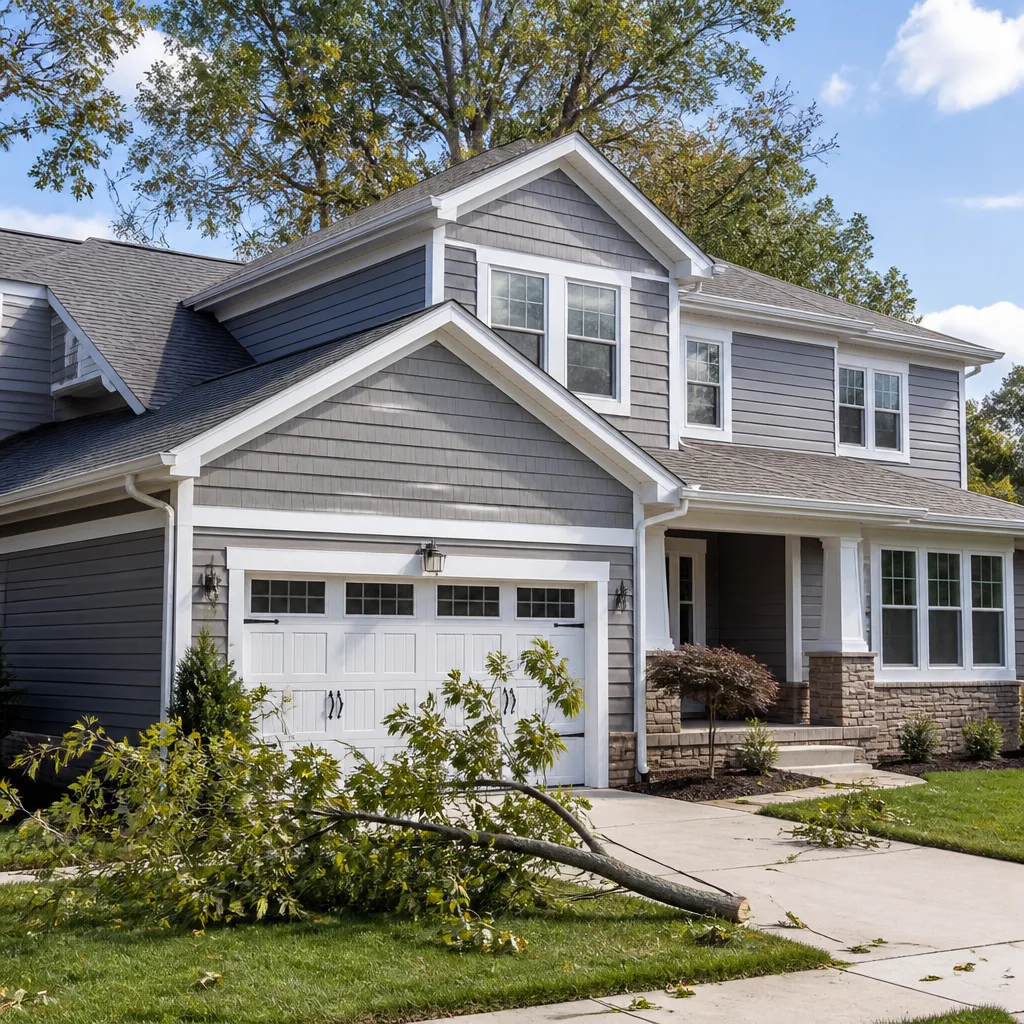
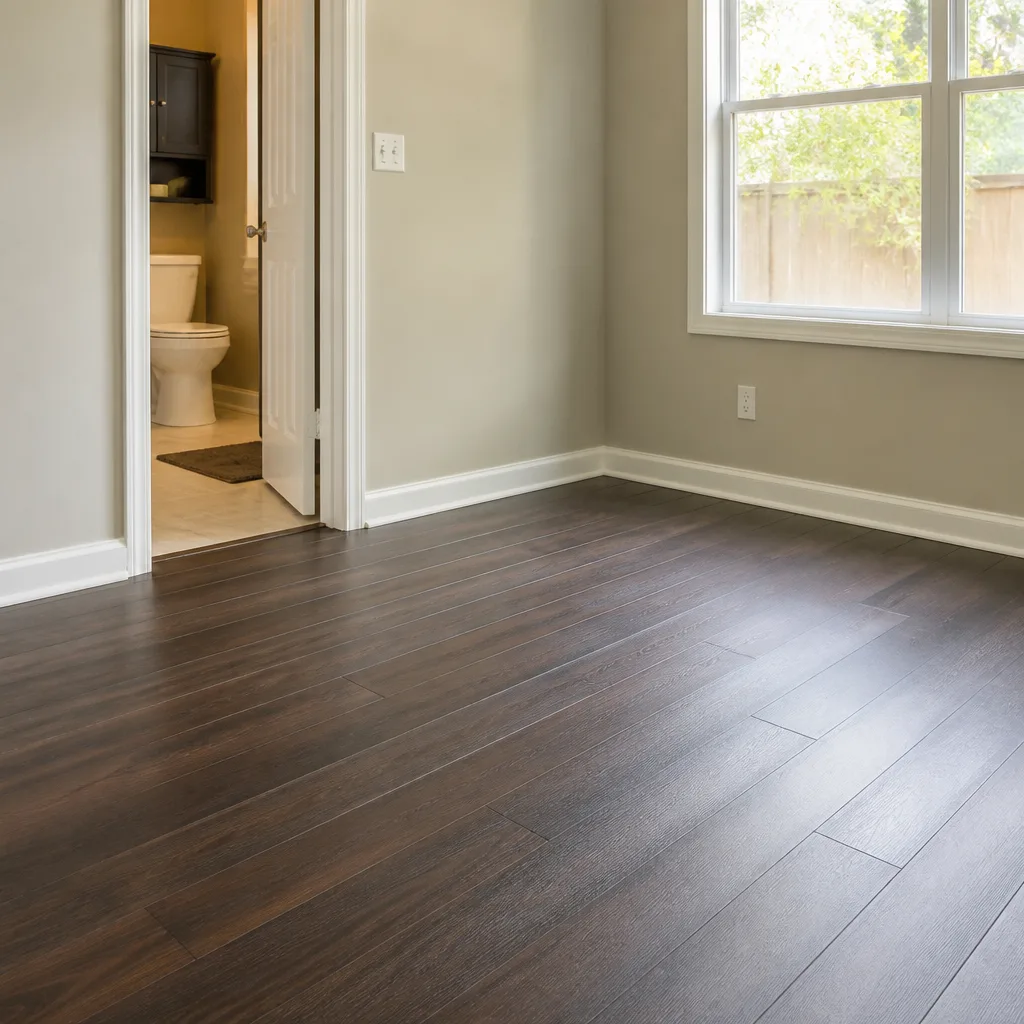
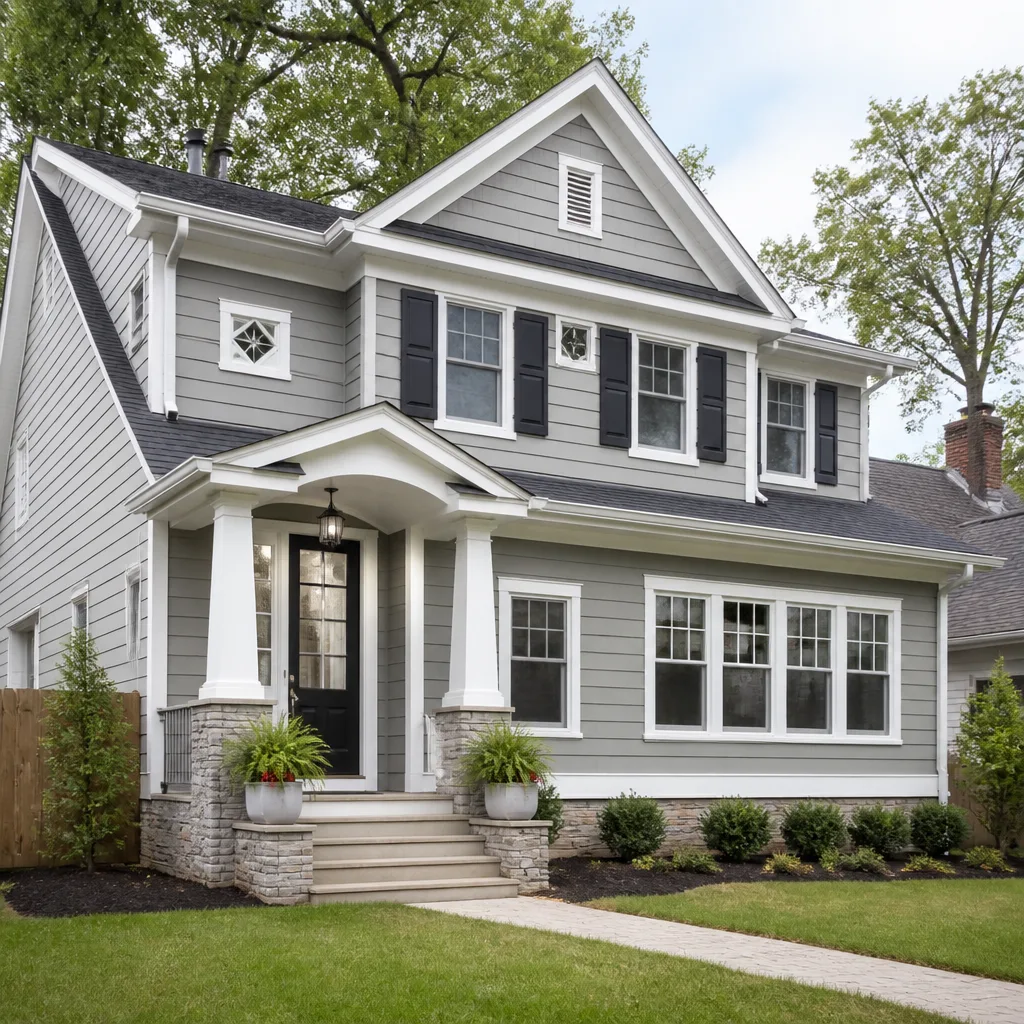
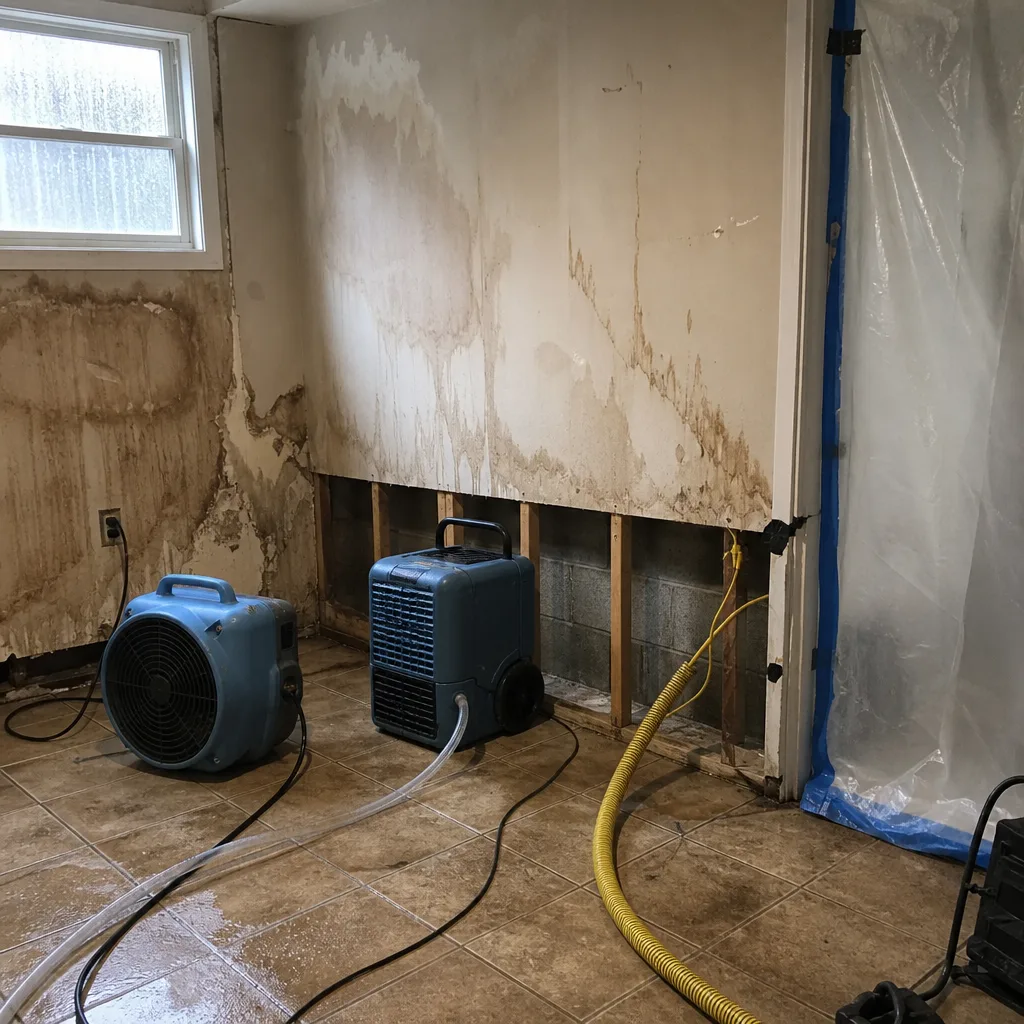 Before
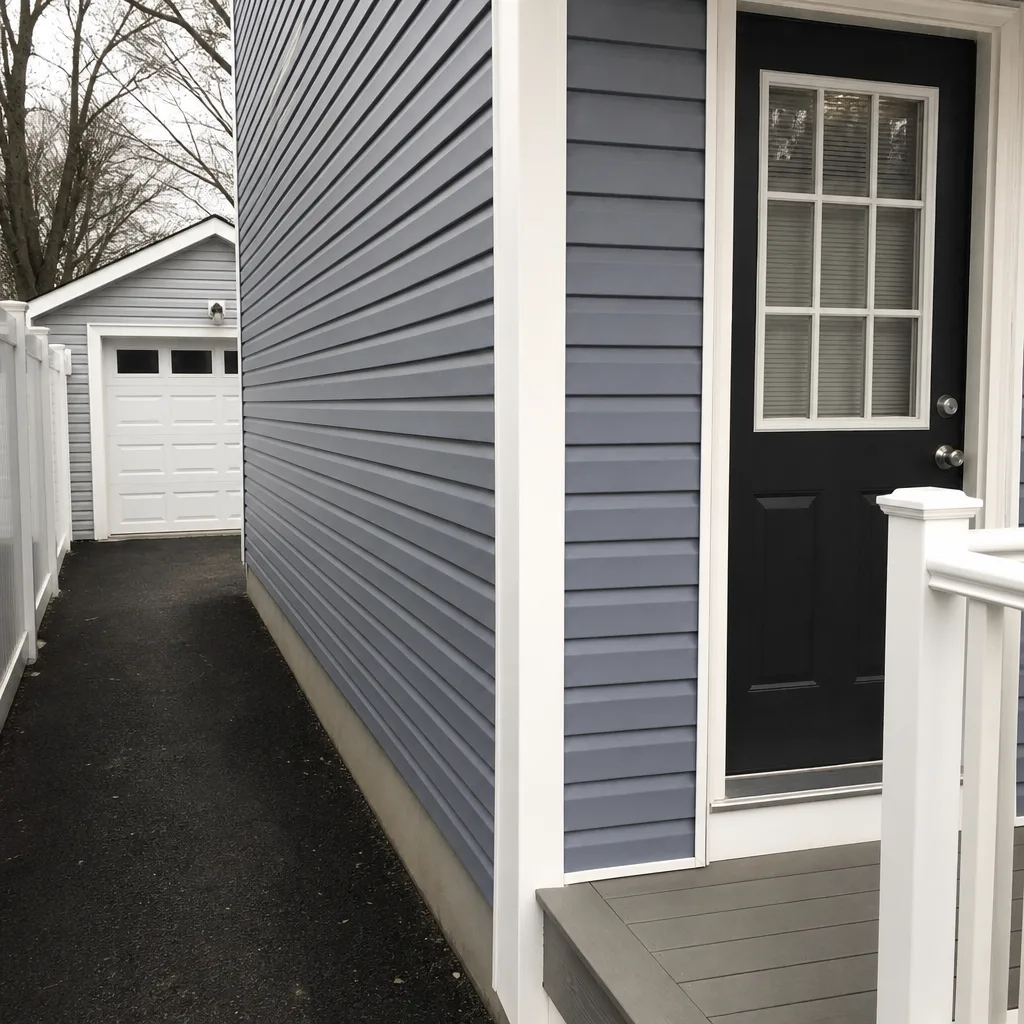 After
After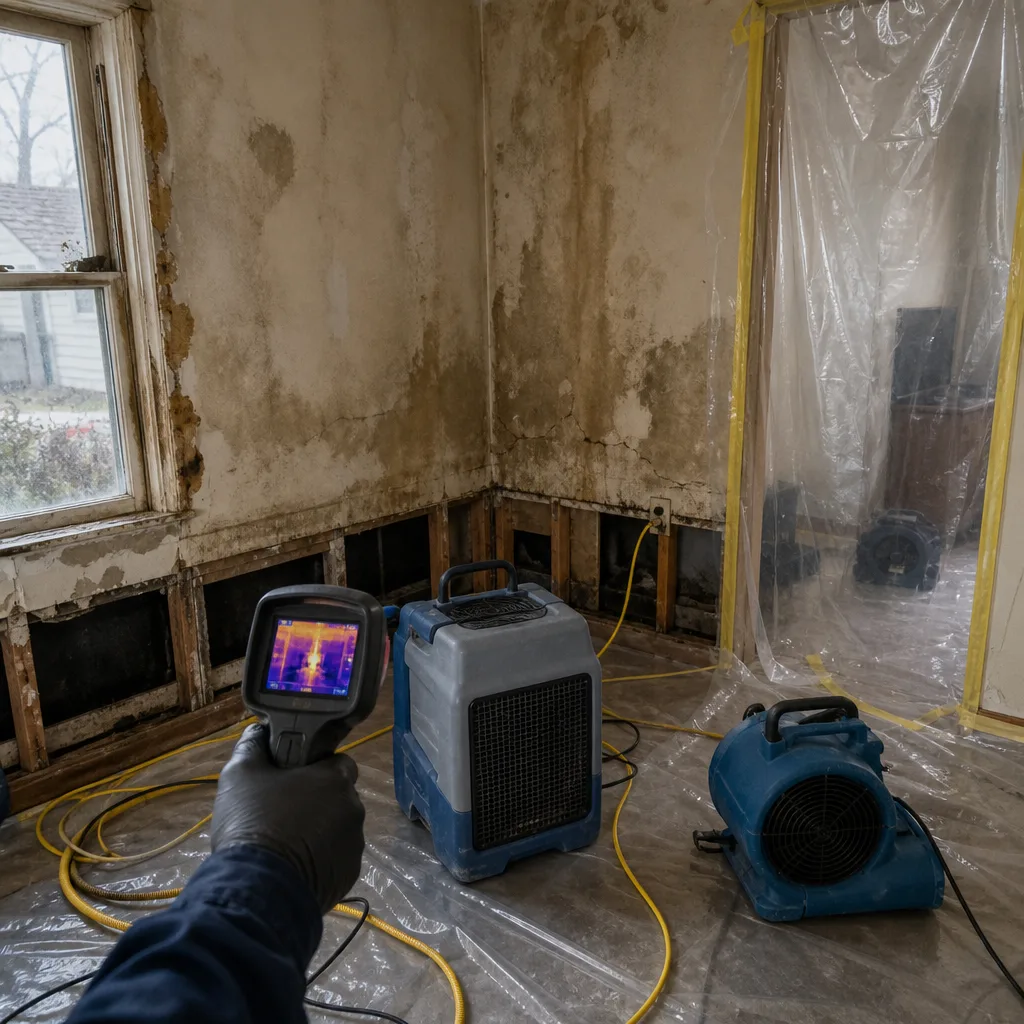 Before
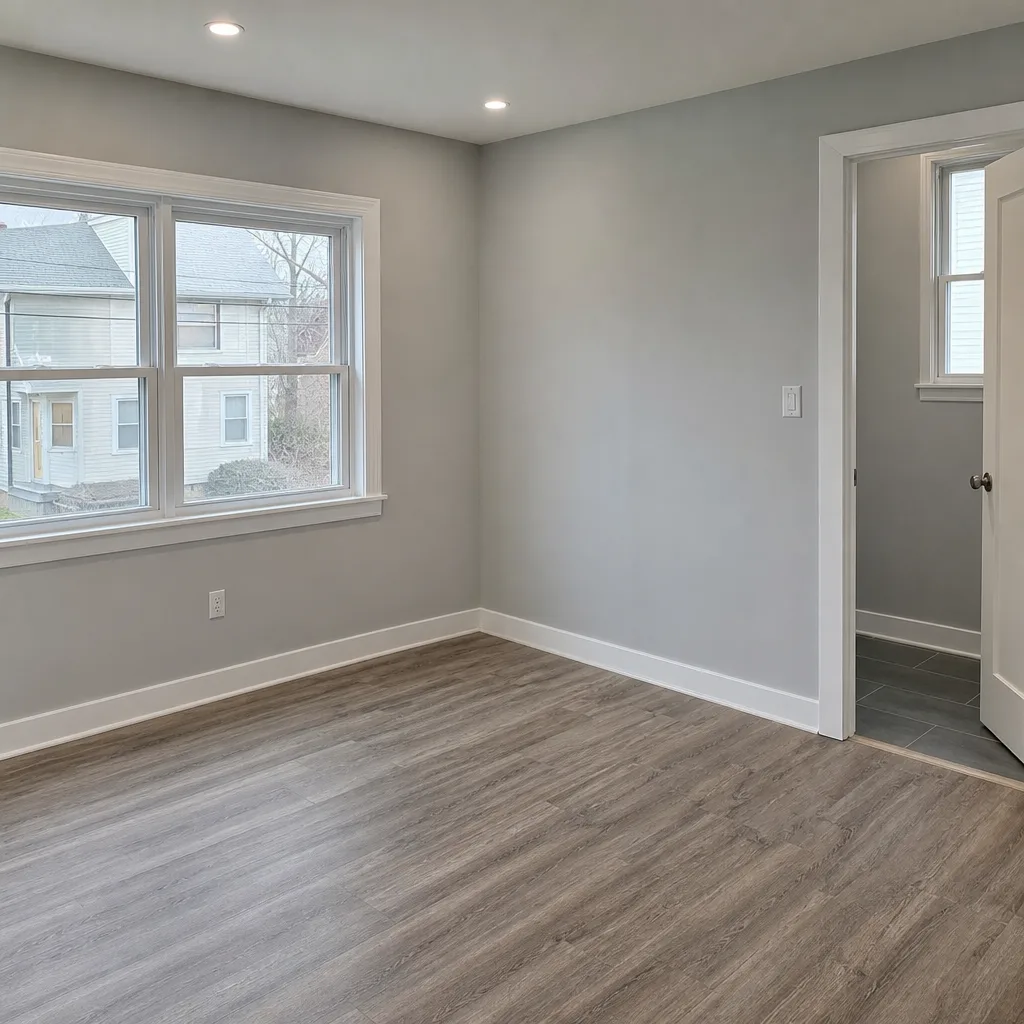 After
After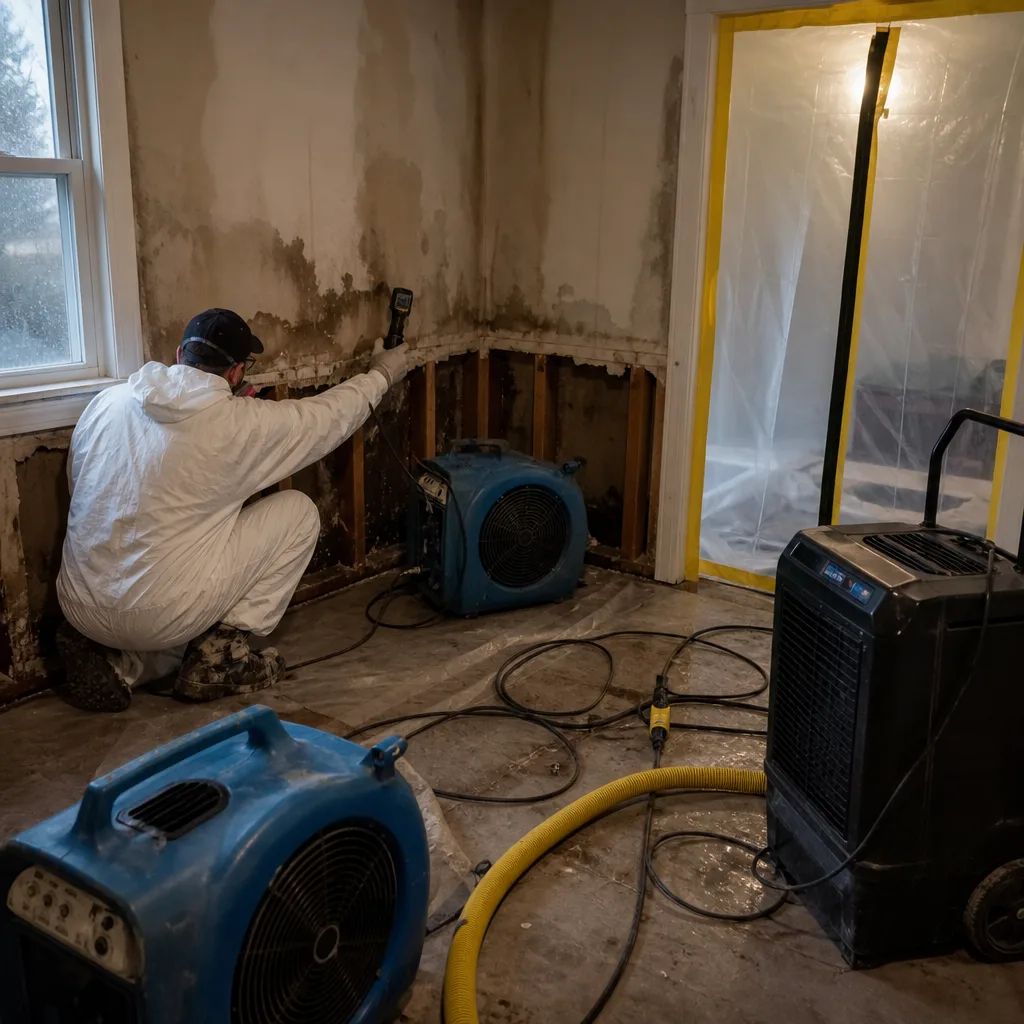 Before
 After
After24/7 Emergency Commercial Restoration in Weehawken
When water, fire, or storms hit a commercial property in Weehawken, the building doesn’t wait for business hours to reopen. Neither do we. Floodline Restoration Co. answers live around the clock at (551) 373-5246, with a restored-urgently dispatcher who gets a certified crew rolling toward your building right away, not a call center that takes a message. In the first hour after a loss, water is still migrating through walls, wicking up drywall, and saturating flooring. Fire soot is chemically bonding to surfaces. Mold spores are finding damp cavities. The faster extraction starts, the less of your inventory, millwork, and structural framing has to come out. We offer a free visual inspection for any commercial property in 07086, and we’ll tell you straight what the damage actually is, what it will take to fix, and what your insurer needs to see. If you’re standing in a flooded office on Park Avenue or a soggy retail space on Boulevard East right now, call. The line the water left is where we start.
Understanding Commercial Restoration Severity in Weehawken Properties
Restoration severity in Weehawken’s commercial buildings breaks down along a line most towns don’t have: elevation. At sea level, along the Port Imperial and Lincoln Harbor waterfront, you’re dealing with Hudson River storm surge, FEMA flood-zone compliance, and mixed-use high-rises where a single failed riser line can migrate water through multiple floors of engineered hardwood and custom millwork before anyone notices. That’s Category 2 and Category 3 water territory, where we’re running containment across stairwells, mapping moisture in wall cavities with thermal imaging, and documenting everything for flood-insurance adjusters. Up on the bluffs, the older brick and masonry commercial stock presents a different profile: groundwater seepage through foundations, failing cast-iron drain lines behind plaster walls, and chimney and parapet deterioration that lets wind-driven rain into retail spaces and professional offices. In these buildings, we use hygrometers and infrared to trace moisture that’s already wicked up through old lime mortar, because that’s where repeat losses hide. The Lincoln Tunnel helix adds one more Weehawken-specific variable: constant heavy-vehicle vibration that accelerates micro-cracking in older masonry, cracking that turns every nor’easter into a new interior water event. Not every restoration company reads a building like that. Our crews do because we’ve worked too many jobs where the first water event wasn’t the enemy; the untreated one behind the plaster was.
Why Weehawken Property Owners Choose Floodline Restoration Co.
- 45-minute response commitment from the first call to a crew en route, with live dispatch that answers at 2 a.m. the same way it answers at 2 p.m.
- A real person, every time. No automated menus, no answering service that takes a call-back number. You talk to someone who can dispatch.
- IICRC-certified crews trained in WRT, FSRT, and AMRT protocols, using Dri-Eaz, Phoenix, Injectidry, XPOWER, and B-Air equipment on every job.
- Free visual inspection with no obligation and no scare tactics. If it’s a small job, we’ll say so. If it’s not, we’ll show you the moisture readings and explain why.
- Direct insurance billing. We handle carrier communication, documentation, and billing directly, so the property owner never plays middleman with an adjuster.
- One crew from extraction to reconstruction. We do not hand your building off to another company after the drying is done. The same Floodline crew that extracted the water rebuilds what it damaged.
Our Commercial Restoration Process
Inspection & Assessment
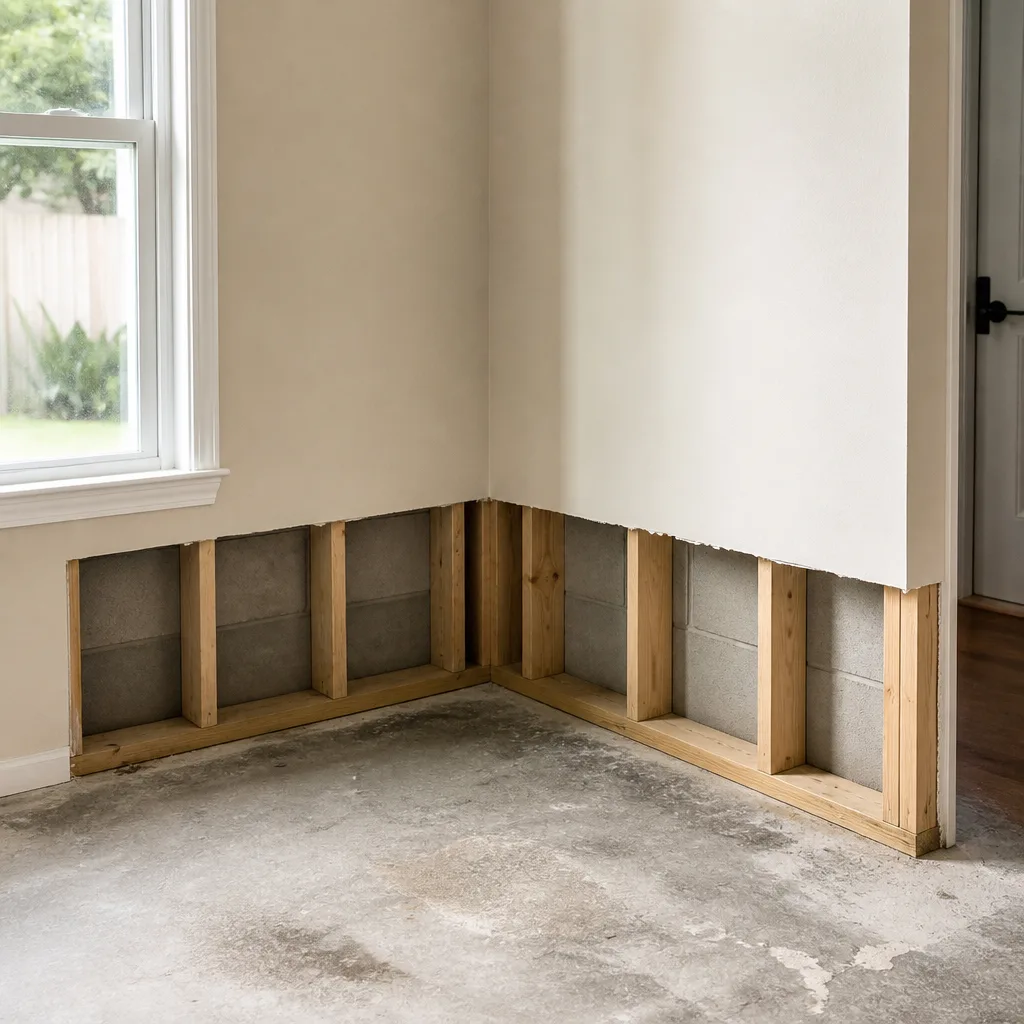
We arrive with thermal imaging cameras, hygrometers, and moisture meters. We map the full extent of the damage, not just what’s visible, and give you a written scope before any work begins. This is where we catch the water behind baseboards, the soot in wall cavities, and the groundwater seeping up through the slab.
Extraction & Stabilization
Truck-mounted extraction removes standing water fast. We locate the source, stop it, and secure the building, roofing, or plumbing so the loss stops spreading. For fire losses, we begin immediate soot stabilization to stop acidic residue from etching glass and metal surfaces.
Drying & Dehumidification
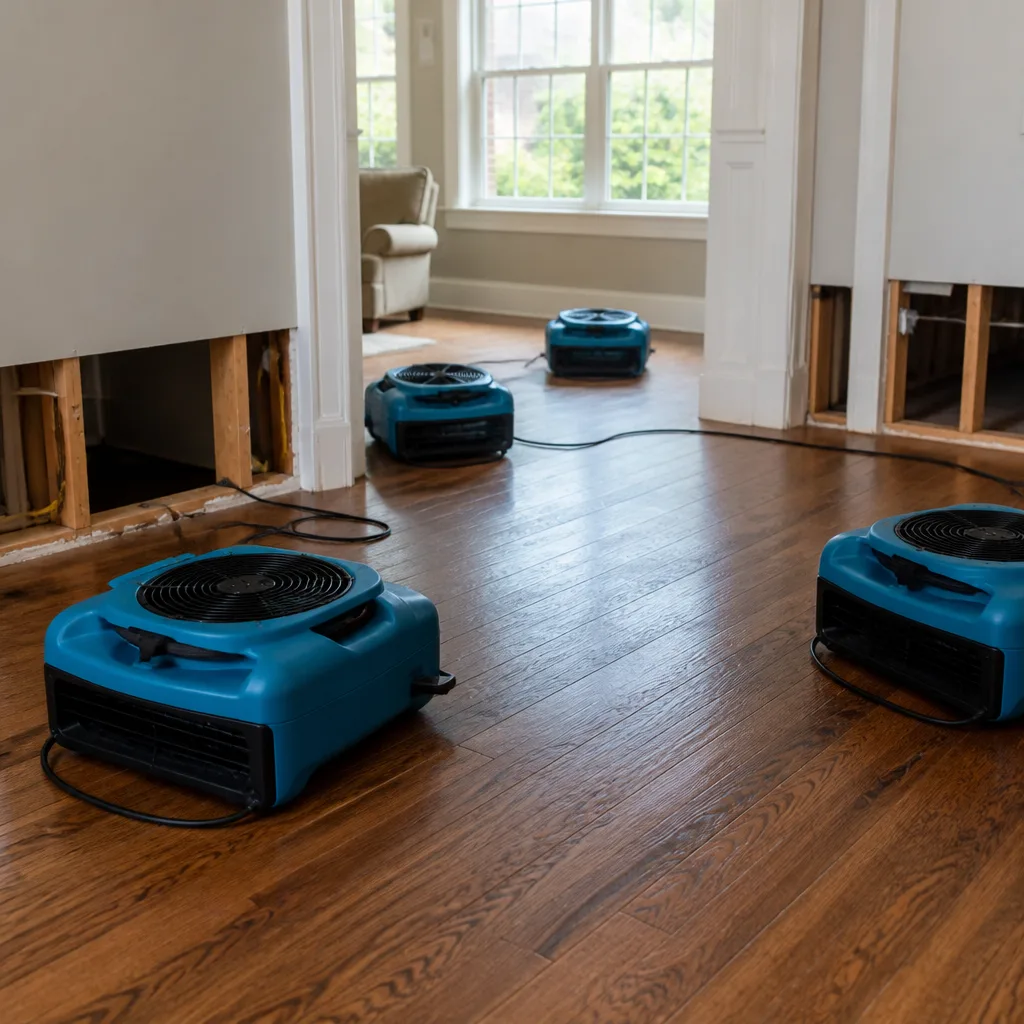
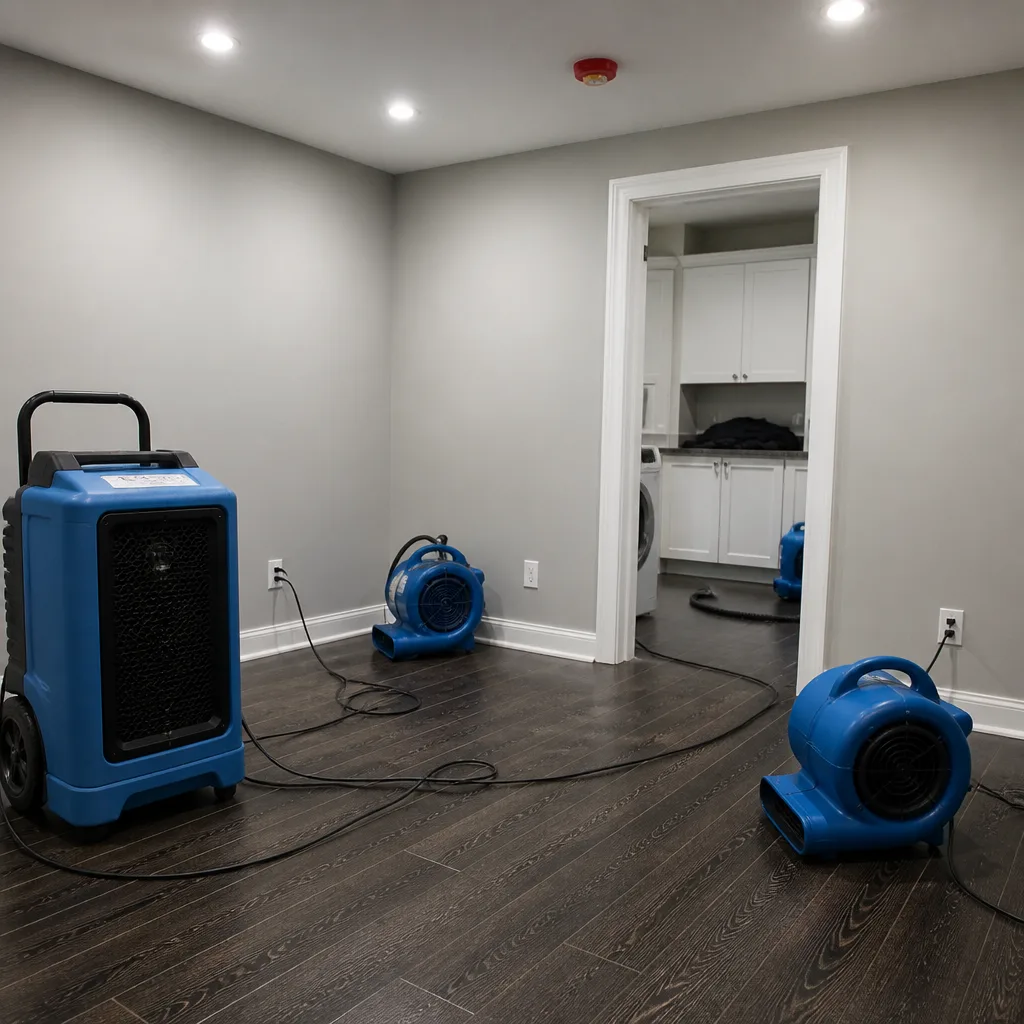
We set Phoenix axial air movers and Dri-Eaz dehumidifiers according to a calculated drying plan, taking daily moisture readings and logging every number. In Weehawken’s below-grade commercial spaces, we pay particular attention to what the slab is doing, because Palisades groundwater keeps pushing upward long after the first extraction.
Cleaning & Sanitization
Every affected surface gets cleaned, sanitized, and verified for the loss type. We use HEPA air scrubbers to capture airborne particulates during work, and we follow IICRC standards for the specific category of water or fire residue we’re treating.
Mold Prevention & Specialty Treatment
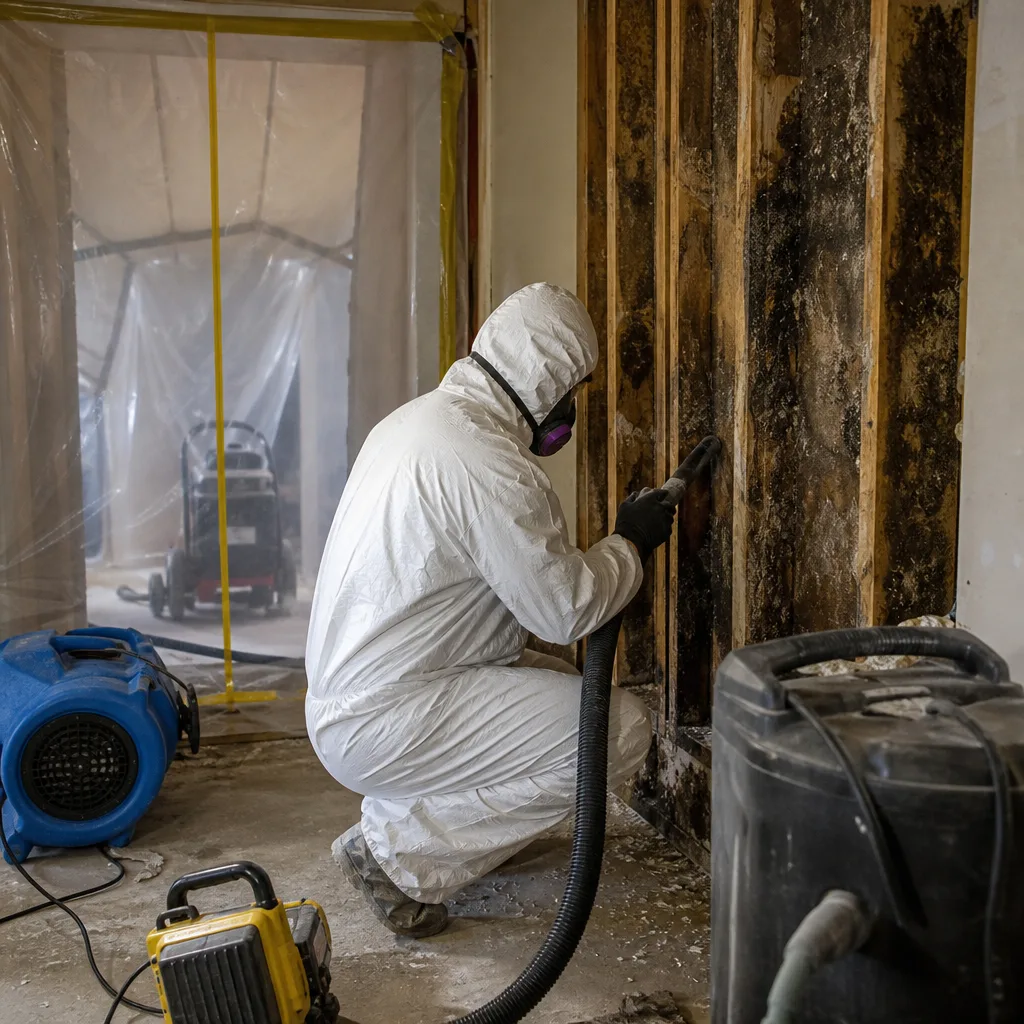
Where conditions allow, we treat framing and cavities for mold risk before reconstruction begins. In Weehawken’s older brick buildings, that means addressing the moisture source behind the plaster, not just killing what grew on the surface. For high-rise commercial spaces, we coordinate pack-out, cleaning, and return of contents, including smart-home and automation hardware.
Repairs & Reconstruction
The same crew that dried the building does the rebuild. Drywall, millwork, flooring, paint, electrical: we bring the space back to pre-loss condition and hand you a complete moisture log and documentation packet. If something isn’t right within 90 days, we make it right. That’s the 90-Day Done Right Promise, in writing, no arguing.
Need Emergency Commercial Restoration in Weehawken Now?
Crews minutes away, answering live 24 hours a day. The sooner we start, the less it costs.
Working With Your Insurance Company
Commercial property claims in Weehawken get complicated fast, especially on the waterfront where FEMA flood-zone designations mean a separate flood insurance policy may be in play alongside your commercial property coverage. We document from the first hour: photos of every affected area before any demolition, moisture readings that establish baseline conditions, and a line-item scope that your carrier can process without back-and-forth. Our team talks directly to adjusters, sends them the documentation they request, and handles the billing paperwork so you don’t have to. If your carrier asks why something needs to come out, we’ve already sent photos and readings that answer that question. For multi-unit and HOA losses, where a board, a property manager, and an insurance adjuster all need to be aligned, we provide consolidated documentation that holds up.
What We Provide Your Insurer
- Thorough documentation of the loss
- Photos of all damage, room by room
- Moisture readings and drying logs
- A detailed, line-item scope of work
- Direct coordination with your carrier
Built for Weehawken’s Loss Calendar
Weehawken’s commercial property losses track the seasons in a very specific way. January and February bring deep freezes that burst supply lines in older bluff-top buildings: the walk-up storefronts on Park Avenue, the professional offices in converted brick row houses, the unheated basement mechanical rooms. When the thaw comes in March, groundwater starts moving down through the Palisades, and below-grade commercial spaces start seeing seepage that never really dries until the ground does. Late spring and summer bring the thunderstorms that dump inches in an hour, overwhelming storm drainage in the lower elevations around the township and flashing water into ground-floor retail and restaurant spaces. Fall nor’easters hit the waterfront hardest: wind-driven rain and storm surge at Port Imperial and Lincoln Harbor, where one bad tide can turn a commercial lobby into Category 3 water in under an hour. And running through all of it, year-round, the Lincoln Tunnel helix’s constant freight vibration quietly working on the mortar joints and parapet caps of the older masonry buildings within a few blocks. A commercial restoration plan in Weehawken doesn’t need to be generic. It needs to be seasonal, and it needs to be local.
Commercial Restoration Across Weehawken’s Neighborhoods
Weehawken packs an unusual range of commercial property types into one square mile, and each corridor has its own loss profile. Along the Port Imperial waterfront, luxury high-rise condominium buildings with commercial ground-floor space sit in FEMA flood zones, so restoration work there means flood-insurance adjuster coordination, elevation-certificate compliance, and installing drying equipment in buildings where freight elevators and access hours matter. Up on Boulevard East, the cliff-side commercial and residential mix includes older pre-war buildings where custom millwork and plaster walls demand a careful hand, and where the vibration from the helix below shows up as cracked parapets and loose window frames that leak during nor’easters. Park Avenue runs through the heart of the upper bluff, where early-20th-century mixed-use buildings sit close together and share party walls, meaning water moves laterally from one commercial bay into the next far faster than owners expect. Lincoln Harbor and the office and hospitality buildings around it have their own dynamic: higher asset values, stricter facility rules, and the need for after-hours work that doesn’t disrupt tenants or guests. And the industrial and garage spaces near the township’s edges, up toward the North Bergen line, often lack proper drainage slope, making them prone to recurring flooding that a surface-level restoration never fixes. When we answer the phone in Weehawken, we ask what part of town you’re in, because the building type tells us most of what we need to know before we arrive.
Specialized Commercial Restoration Services We Offer in Weehawken
Multi-Unit & HOA Restoration
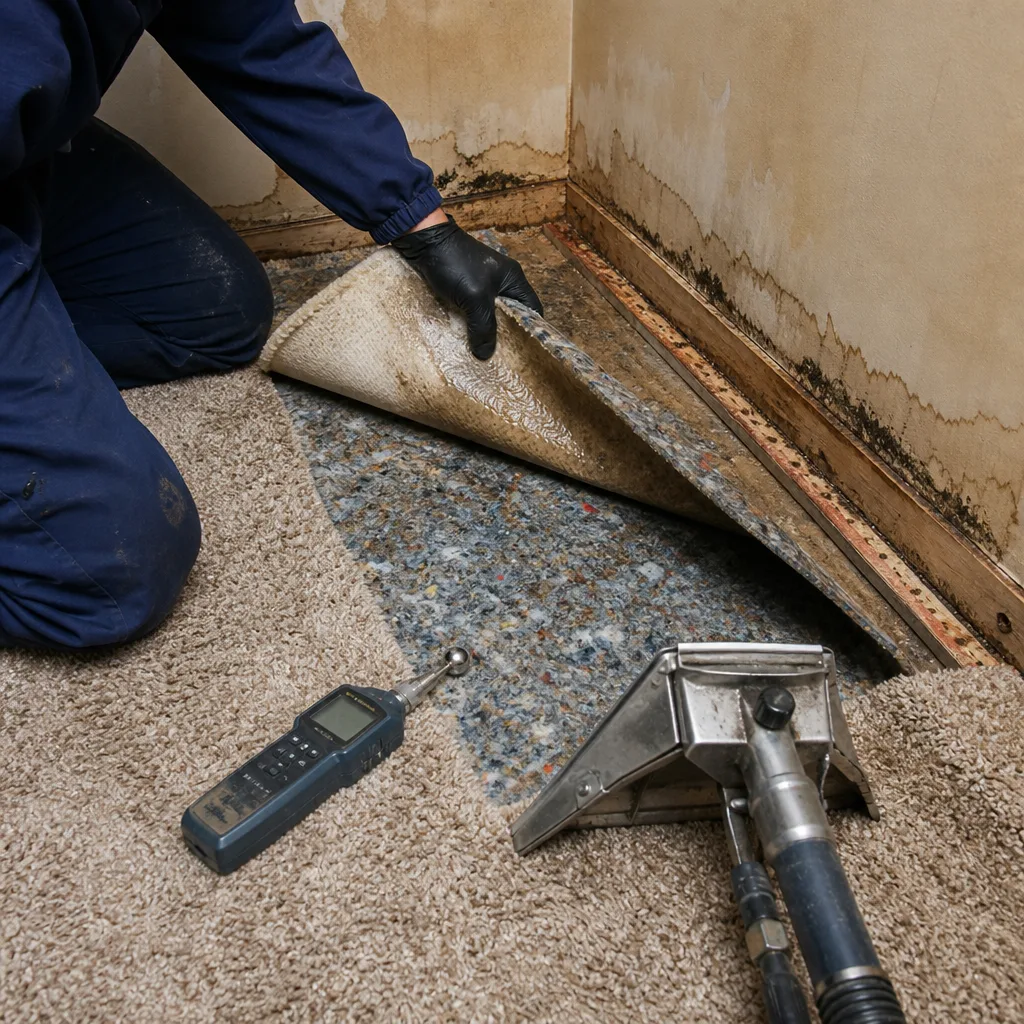
A water event in a Weehawken high-rise doesn’t affect just one unit: it moves down walls, through floor assemblies, and into neighboring spaces within the hour. Our Commercial Restoration team handles multi-unit and HOA losses with a building-wide approach, mapping moisture across every affected unit, coordinating with property managers and boards, and documenting in the format associations need for their own claims and reserve reporting. We work in occupied buildings without leaving residents in the dark about what we’re doing and when.
Large-Loss Response
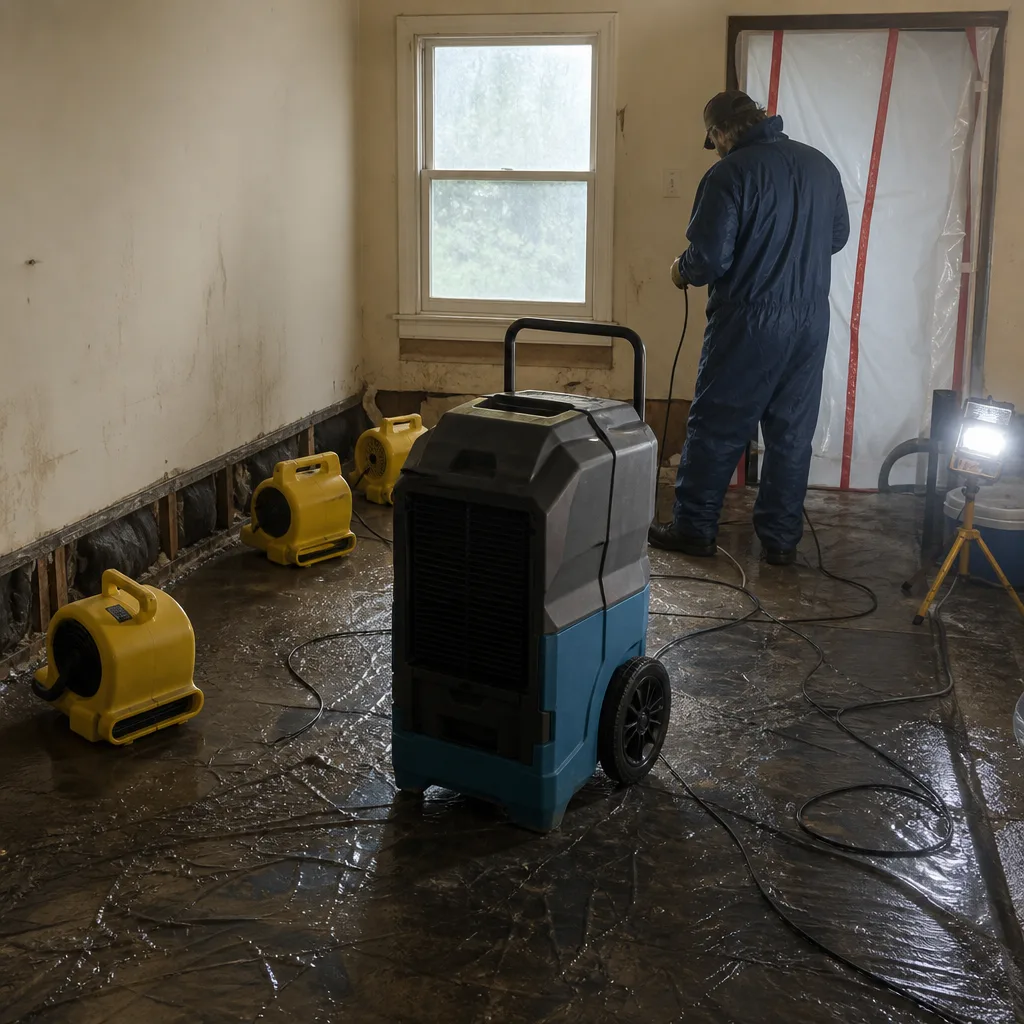
When a waterfront high-rise lobby takes storm surge, or a commercial building on the upper bluff loses its roof to a nor’easter, the scope is beyond what a small-service truck can handle. We dispatch multiple crews, set up centralized drying plans with monitoring, and stage reconstruction materials so drying and rebuild happen on one schedule, not two. In Weehawken, our experience has been that large-loss response on the waterfront means coordinating with building management, flood adjusters, and elevator access from day one. We’ve done it, and we plan for it.
Document & Inventory Recovery
Commercial spaces hold more than drywall and carpet: they hold paper files, client records, servers, point-of-sale systems, and inventory. When we restore a flooded office or retail space in Weehawken, we handle pack-out and recovery of contents as part of the scope. Documents get priority treatment. Electronics get inventoried, dried, and evaluated. Sometimes we can save more than the owner expects. What cannot be restored gets photographed and itemized, so the insurance claim has everything it needs.
What happens when you call
- 1
A real person answersNo phone trees - you reach a local pro.
- 2
You get an upfront price rangeHonest numbers before anyone is dispatched.
- 3
A background-checked tech heads outLicensed & insured, dispatched right away.
- 4
You approve before work beginsNothing starts until you say go.
Commercial Restoration Costs in Weehawken, NJ
Commercial restoration pricing in Weehawken depends on the loss category, the building type, and how quickly the work starts. For a small Category 1 water loss in a single office or retail bay, typically a supply-line failure with quick shutoff, restoration often runs $2,800 to $6,500, including extraction, drying, and minor finish repairs. A Category 2 loss, where water has migrated through multiple rooms or below flooring, usually lands between $7,000 and $18,000, with containment, equipment days, and flooring replacement driving the cost. Large-loss commercial events, such as a flooded waterfront lobby, a multi-unit high-rise riser break, or a fire with smoke migration through multiple floors, routinely exceed $40,000 and can reach six figures depending on the finishes destroyed and the engineering required. Below-grade commercial spaces in the older bluff-top buildings often run higher because Palisades groundwater extends drying times and adds slab work that a surface-level loss never requires. Two things keep costs down: fast shutoff and quick extraction, both of which we bring with us. We quote in writing before work begins, not after, and we bill your carrier directly whenever coverage applies. Call (551) 373-5246 for a free inspection and a firm, line-item scope.
We Also Serve Cities Near Weehawken
Union City, Hoboken, North Bergen, and Secaucus are all within dispatch range of our crews, and we respond to commercial losses in all of them with the same 24/7 live answer and the same written 90-Day Done Right Promise. If your building is just over the line, call the same number: (551) 373-5246.
Serving Weehawken, NJ - Our Local Coverage Area
We’re based in the Weehawken area and know this community well. Use the map below to see our service coverage - if you’re nearby, we can almost certainly help.
Weehawken Commercial Restoration Questions, Answered
How does Weehawken’s flood-zone status affect a commercial restoration scope on the waterfront?
A FEMA flood-zone designation changes both the insurance path and the restoration scope. It means the loss likely falls under a separate flood policy, so we document damage in the format flood adjusters require, including pre-damage conditions, water line marks, and contents inventory by location. Restoration work itself must also account for the likelihood of future events: materials and methods may need to meet floodplain compliance standards that you wouldn’t apply to a bluff-top building.
Why do some Weehawken commercial buildings need moisture mapping below the slab?
In older bluff-top buildings, groundwater from the Palisades can keep moving upward through masonry foundations and into floor slabs long after surface water is extracted. Moisture mapping below the slab tells us whether the foundation itself is still wet, which changes the drying plan entirely. If we skip the sub-slab readings and just dry the surface, we’ve left a reservoir under the floor that will re-wet the space after every heavy rain.
Can you restore a commercial space without shutting down the business?
Often, yes. Containment barriers, negative air pressure, and scheduled work hours let us isolate the affected area while adjacent operations continue. For spaces that do need to close, our job is to shorten the closure, and large-loss response in Weehawken, where a waterfront lobby or a retail corridor can’t sit dark for weeks, is something we plan for explicitly.
What is the biggest mistake commercial property owners make after a water event in Weehawken?
Waiting to see if it dries on its own. In Weehawken’s climate, it won’t. The moisture just keeps wicking until mold sets in and the damage spreads from a few square feet to whole walls and floors. The second mistake is assuming any water is clean water. In a mixed-use high-rise, a leak from one unit may carry contaminants from another, and calling it Category 1 when it’s not forces a much larger tear-out later.
Does your commercial team handle large-loss response for the high-rise condominiums?
Yes. We’ve handled large-loss water and fire events in Weehawken’s waterfront high-rises, including multi-floor riser failures and storm-surge flooding. In those buildings, the work requires coordinating with management, respecting freight elevator schedules, and documenting in the format the building’s carrier and the unit owners’ carriers both need. We’ve done it enough to know the drill.
Can I stay in my commercial space during restoration?
For Category 1 water events with structural drying only, daily operations can often continue in unaffected areas. For Category 2 or 3 water, fire damage, or widespread mold, we’ll tell you honestly whether the air quality and safety conditions support occupancy. In many high-rise losses, the building requires us to set containment and you may need to relocate until the affected zone tests clear.
Are your certifications current?
Yes. Our technicians are certified by the IICRC, with training in WRT (Water Restoration Technician), FSRT (Fire and Smoke Restoration Technician), and AMRT (Applied Microbial Remediation Technician) standards. We also hold RIA and IFA training, and every technician is background-checked and uniformed.
What should commercial property owners do in the first 30 minutes?
Shut off the water or power source if you can do so safely, move valuable documents and electronics out of the affected area, and call (551) 373-5246. The first hour determines how much of your finishes, inventory, and framing can be saved. Extraction running in the same visit, not tomorrow, is the difference between a repair and a reconstruction.
Written by Curt Bowman, Owner at Floodline Restoration Co., serving Weehawken commercial properties with certified crews and a written 90-Day Done Right Promise.