
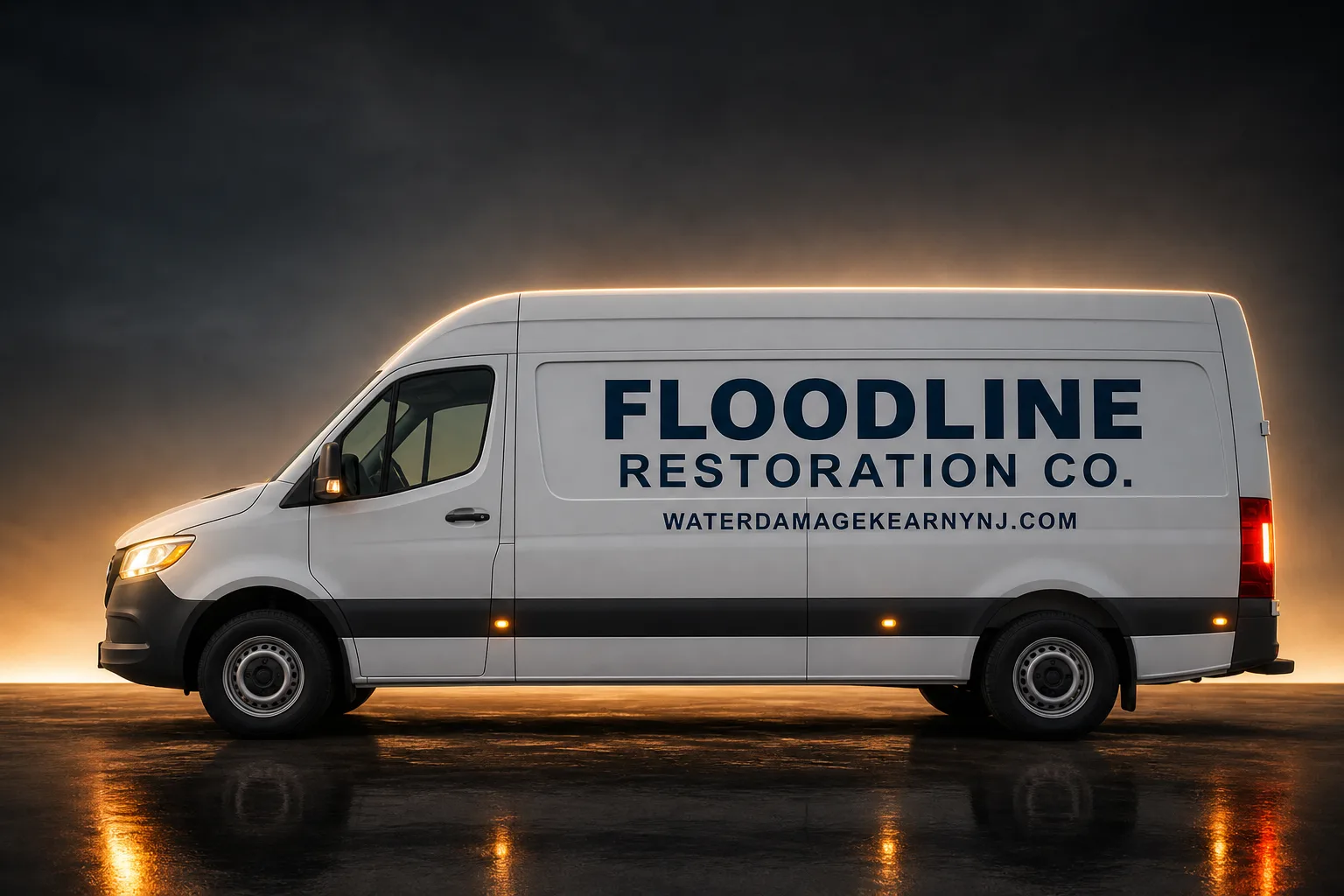
Free visual inspection and a written scope of work before any mitigation begins - photos, moisture readings, and drying logs go in your claim file
The scope we write is the scope we bill. Anything new gets shown to you, in writing, before we touch it.
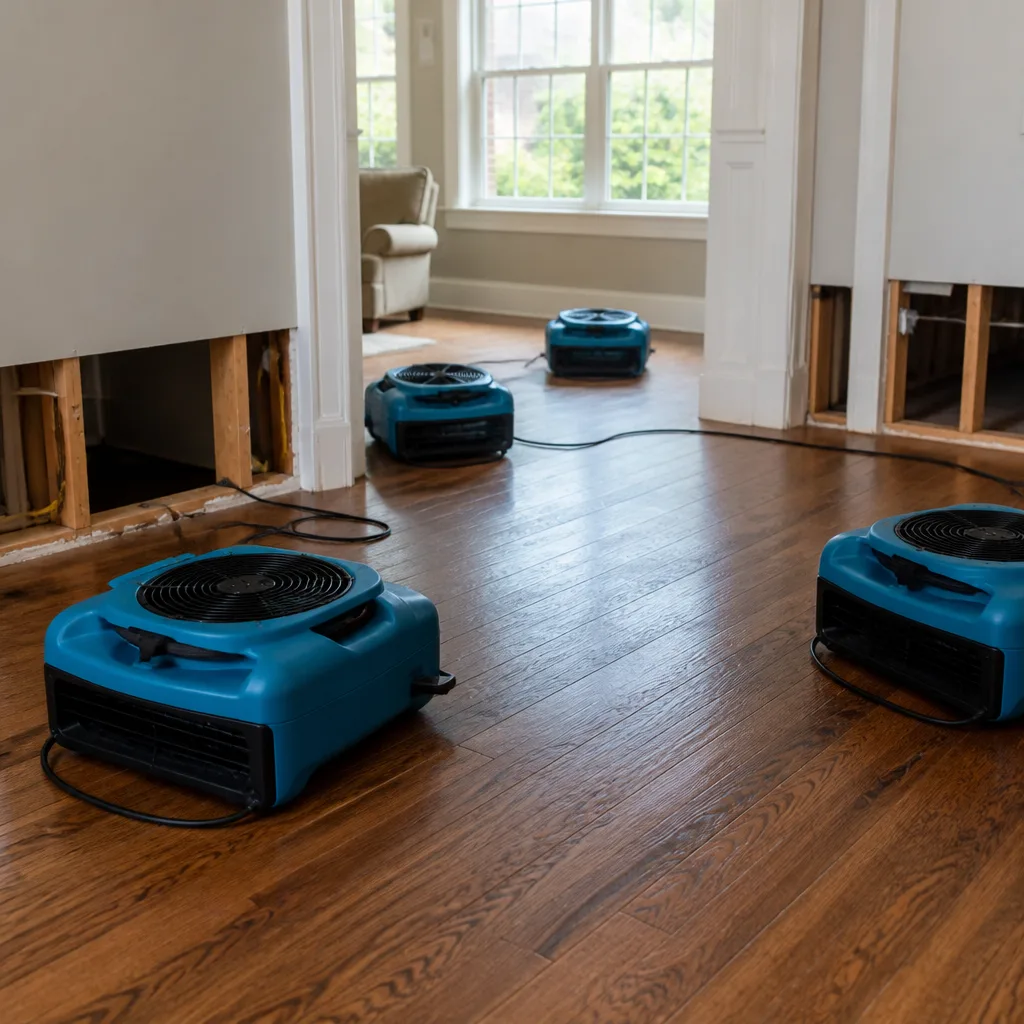
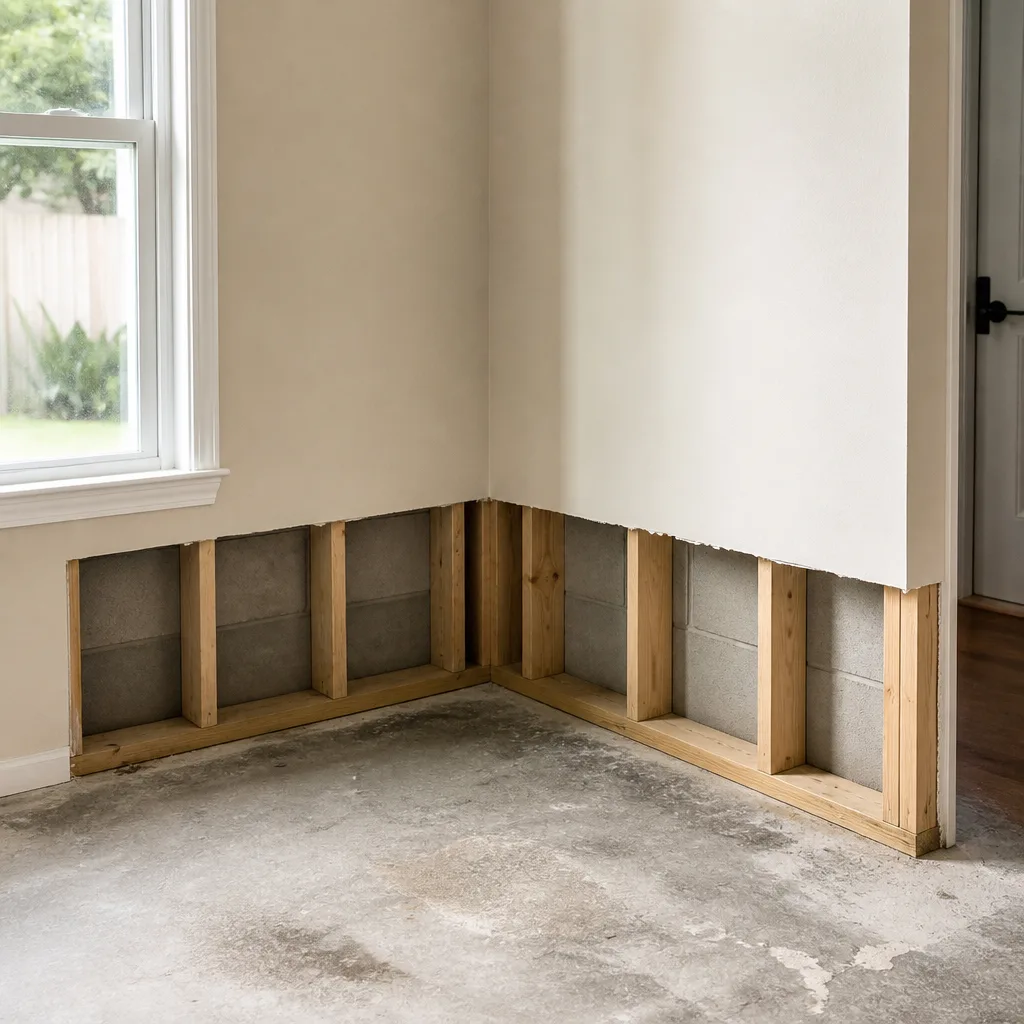
 Before
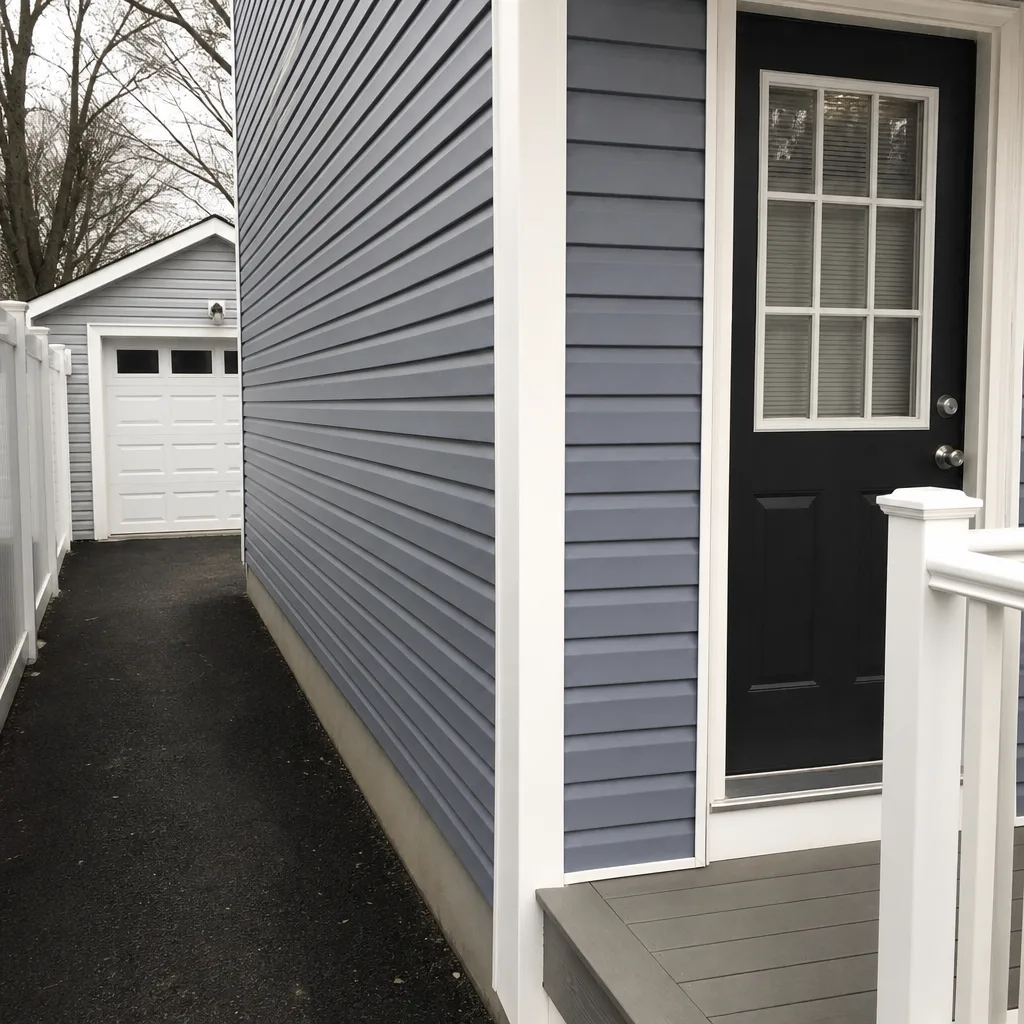 After
After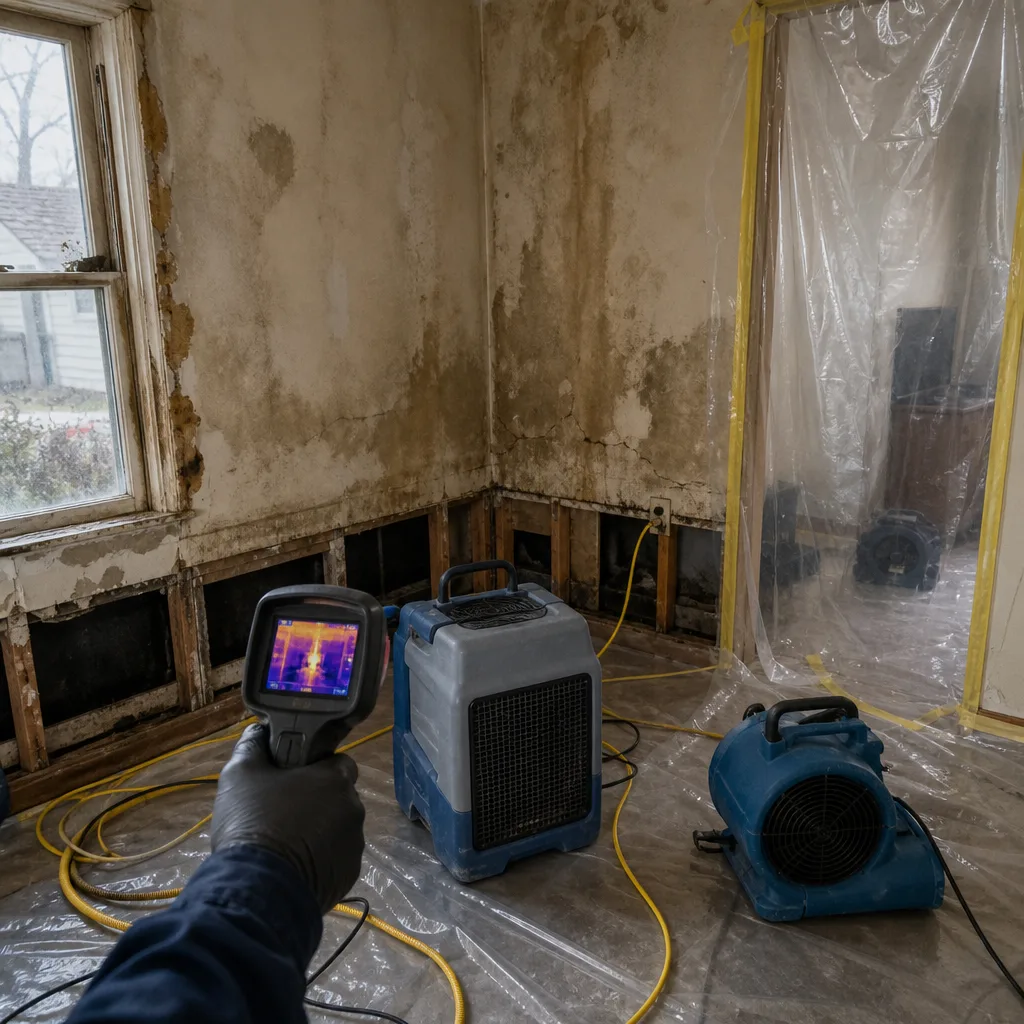 Before
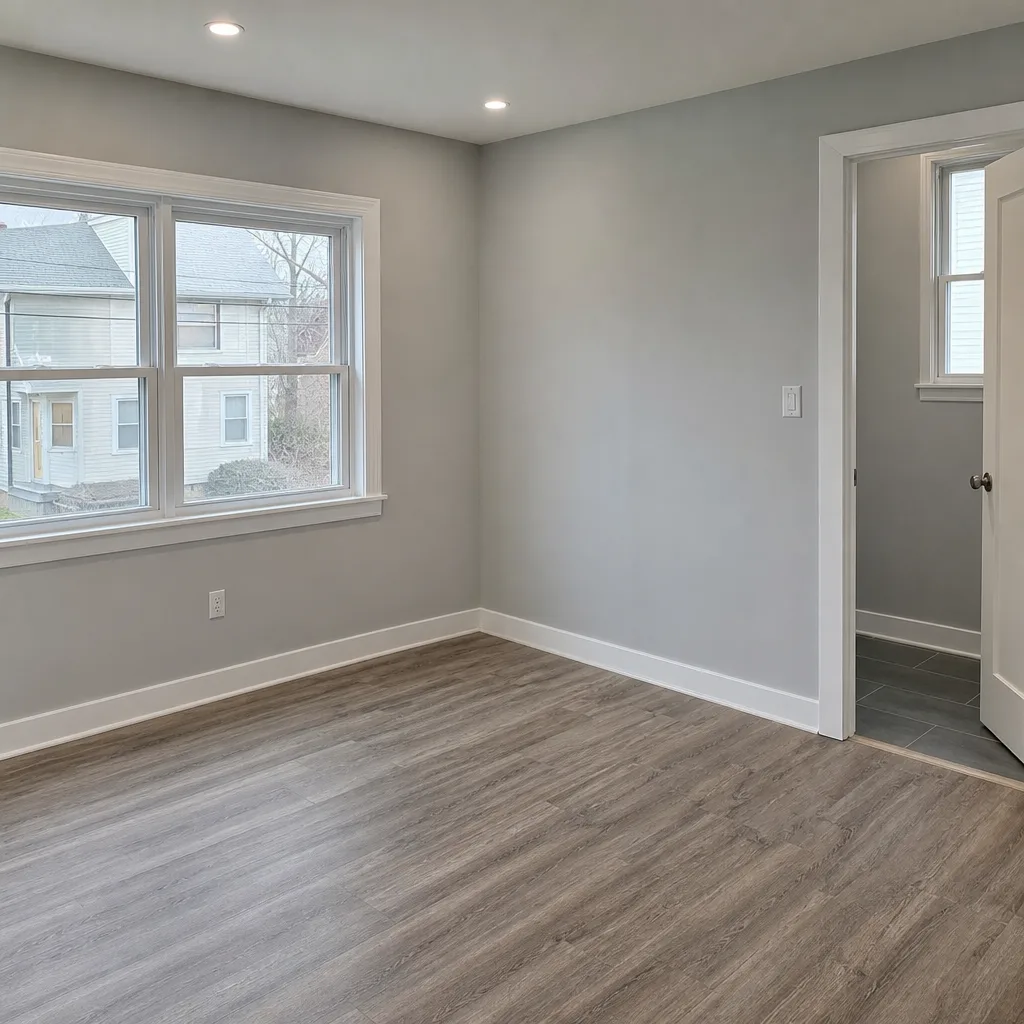 After
After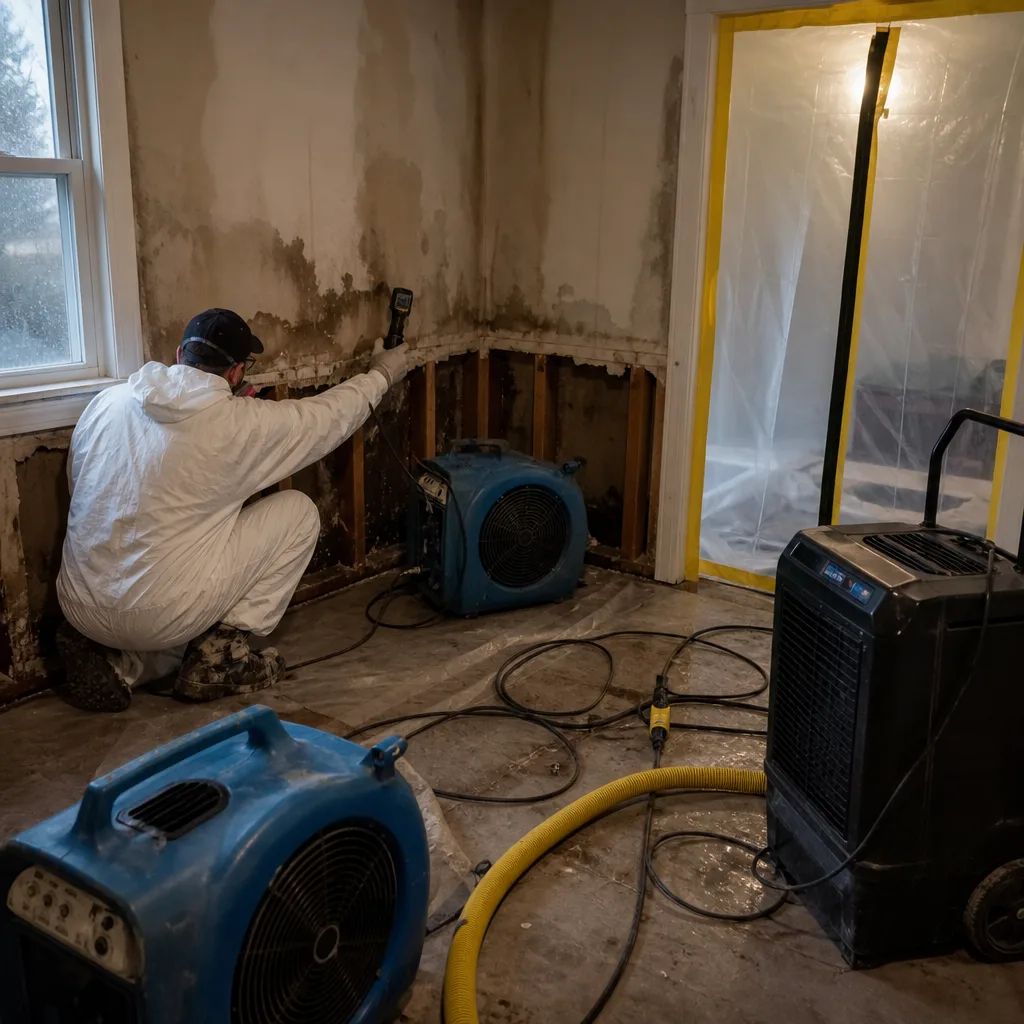 Before
 After
After24/7 Emergency Storm & Disaster Restoration in Weehawken
Storm damage in Weehawken moves fast, whether it’s Hudson River surge pushing into a Port Imperial lobby or Palisades runoff flooding a Boulevard East basement. Our Storm & Disaster Restoration crews answer live around the clock and reach Weehawken properties within 45 minutes of your call. The first hour determines whether you’re drying a floor or replacing it. Call (551) 373-5246 the moment you see water, wind damage, or a compromised opening. We arrive with moisture mapping equipment, board-up materials, and a written scope before any work starts.
Understanding Storm & Disaster Restoration Severity in Weehawken Properties
Water damage in Weehawken divides sharply by elevation. Along the waterfront at Port Imperial and Lincoln Harbor, storm surge introduces Category 3 water: salt-laden, contaminated, carrying silt, fuel residue, and bacteria from the Hudson. That water saturates engineered stone, wicks into drywall, and corrodes smart-home wiring behind custom millwork. On the bluff, century-old brick row houses contend with Category 2 groundwater. Palisades runoff carries surface contaminants into basements with original plaster walls, cast-iron drains, and mortar joints already micro-cracked by Lincoln Tunnel Helix vibration. Both require structural drying to a measurable dry standard, not just surface extraction. We map moisture through walls and floors, take daily readings with hygrometers, and keep the log until pre-loss conditions are confirmed. Skipping that on either tier of Weehawken means hidden water re-activates mold inside 48 hours.
Why Weehawken Property Owners Choose Floodline Restoration Co.
- 45-minute response commitment – crews are staging in the Weehawken area and dispatched the moment you call, not after a call-back.
- 24/7 live answer – a real dispatcher picks up at 2 a.m., not a recording. You’ll speak to a person who can move a crew.
- IICRC-certified crews – technicians trained to WRT and FSRT standards, experienced with both waterfront high-rises and pre-war masonry.
- Free visual inspection – we walk the property, map the moisture, and hand you findings before any work is authorized.
- Direct insurance billing – we coordinate with your flood or homeowners carrier and bill them directly. You never play messenger.
- One team from extraction to reconstruction – the same crew that reads the moisture map on day one rebuilds what needs rebuilding. No mid-job handoff.
Our Storm & Disaster Restoration Process
Inspection & Assessment
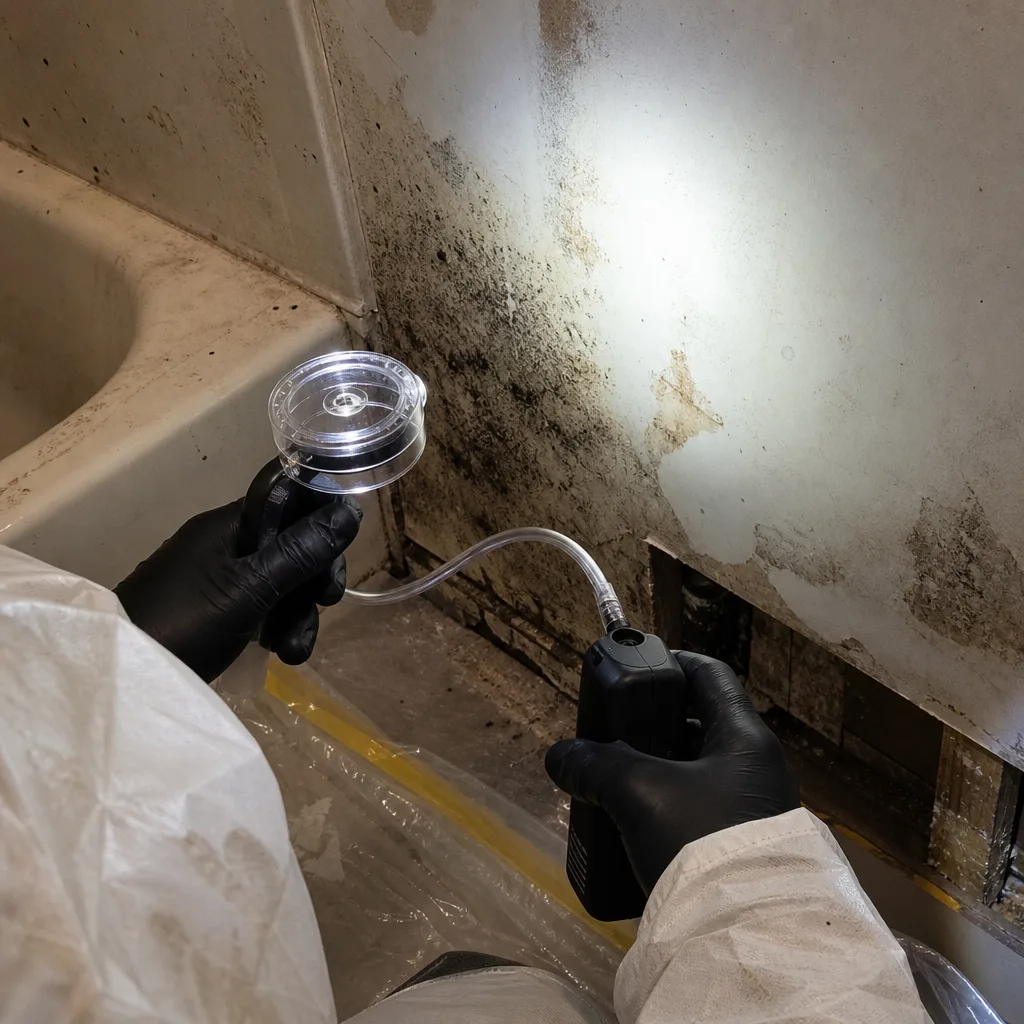
We arrive, map moisture through walls and floors with thermal imaging and hygrometers, and identify the water category. On Weehawken bluff homes, that means tracing the Palisades-side foundation, not just the visible wet spot.
Extraction & Stabilization
Standing water is removed with truck-mounted extraction units. For wind-damaged openings, we board up and tarp immediately to stop further intrusion.
Drying & Dehumidification
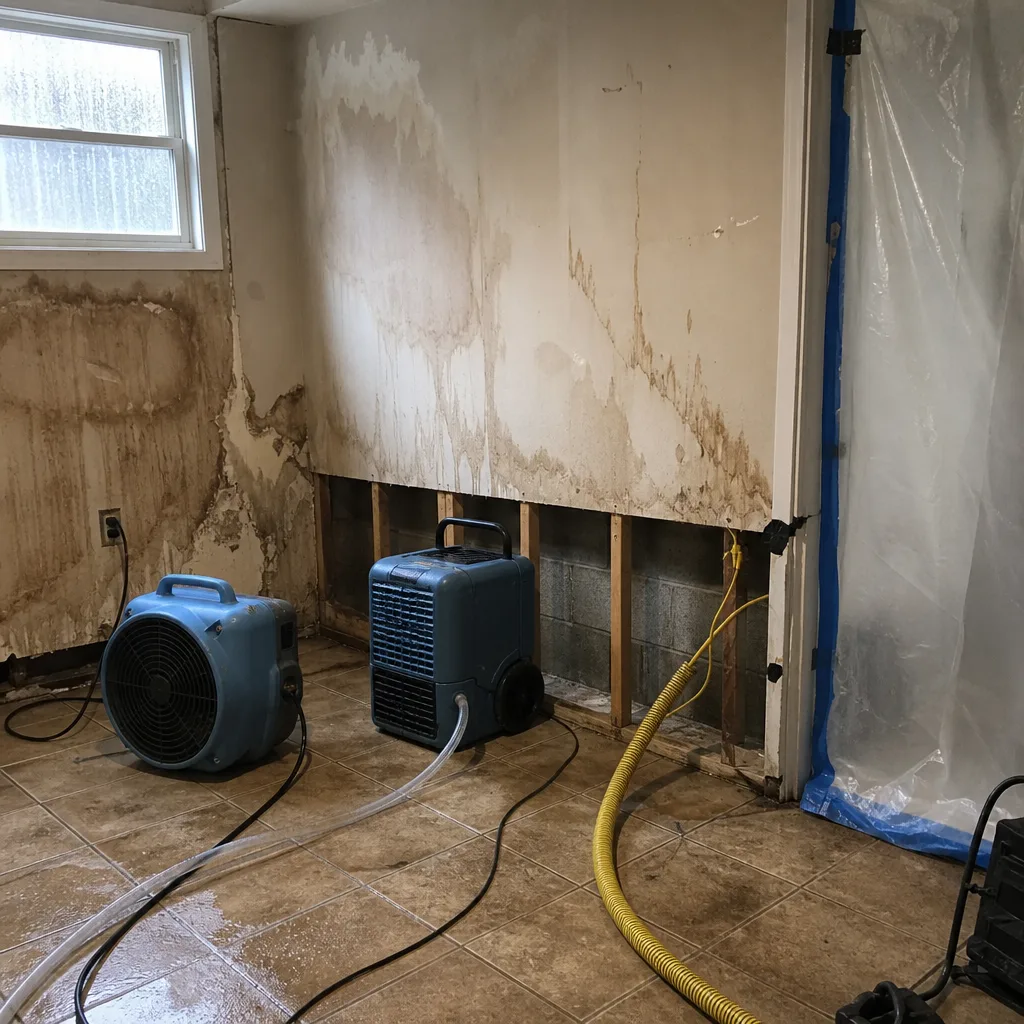
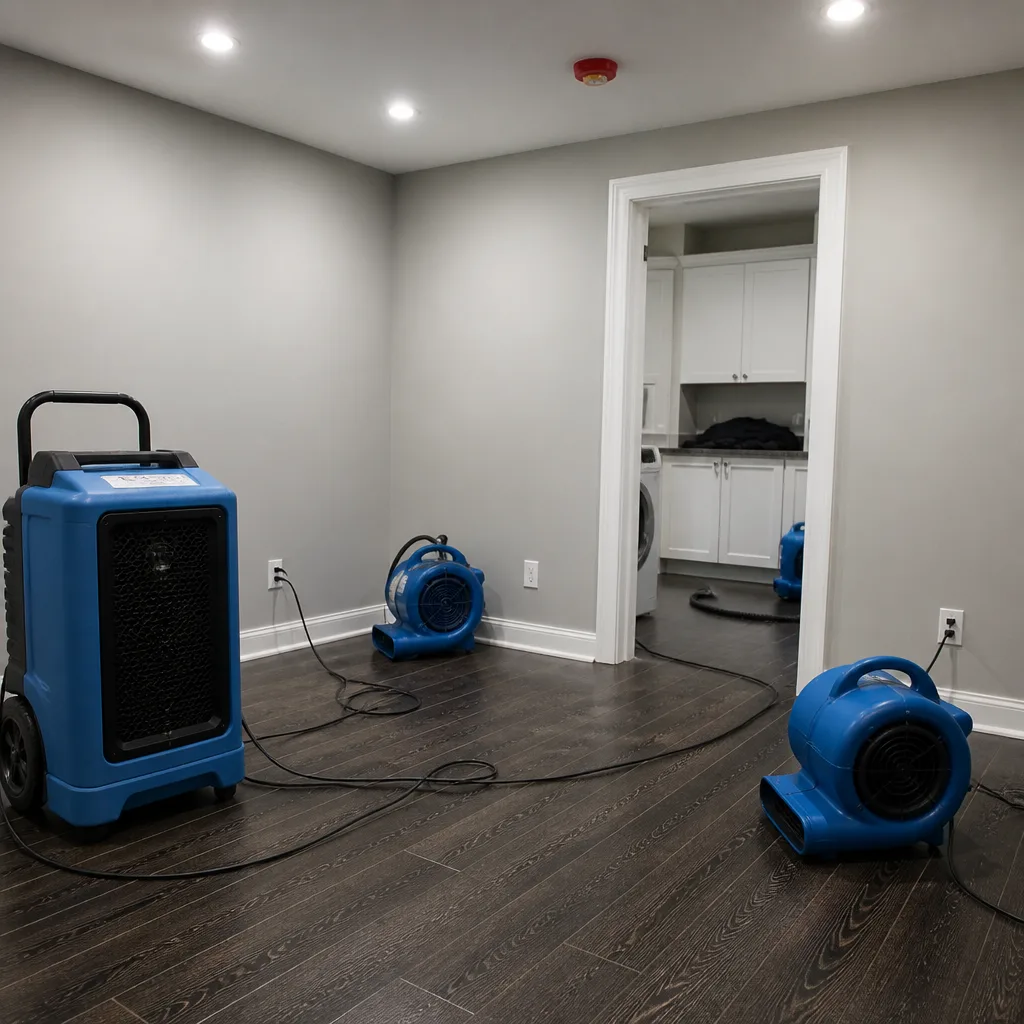
Dri-Eaz dehumidifiers and high-velocity air movers run on a moisture map, not a guess. We return daily for readings until the dry standard is met.
Cleaning & Sanitization
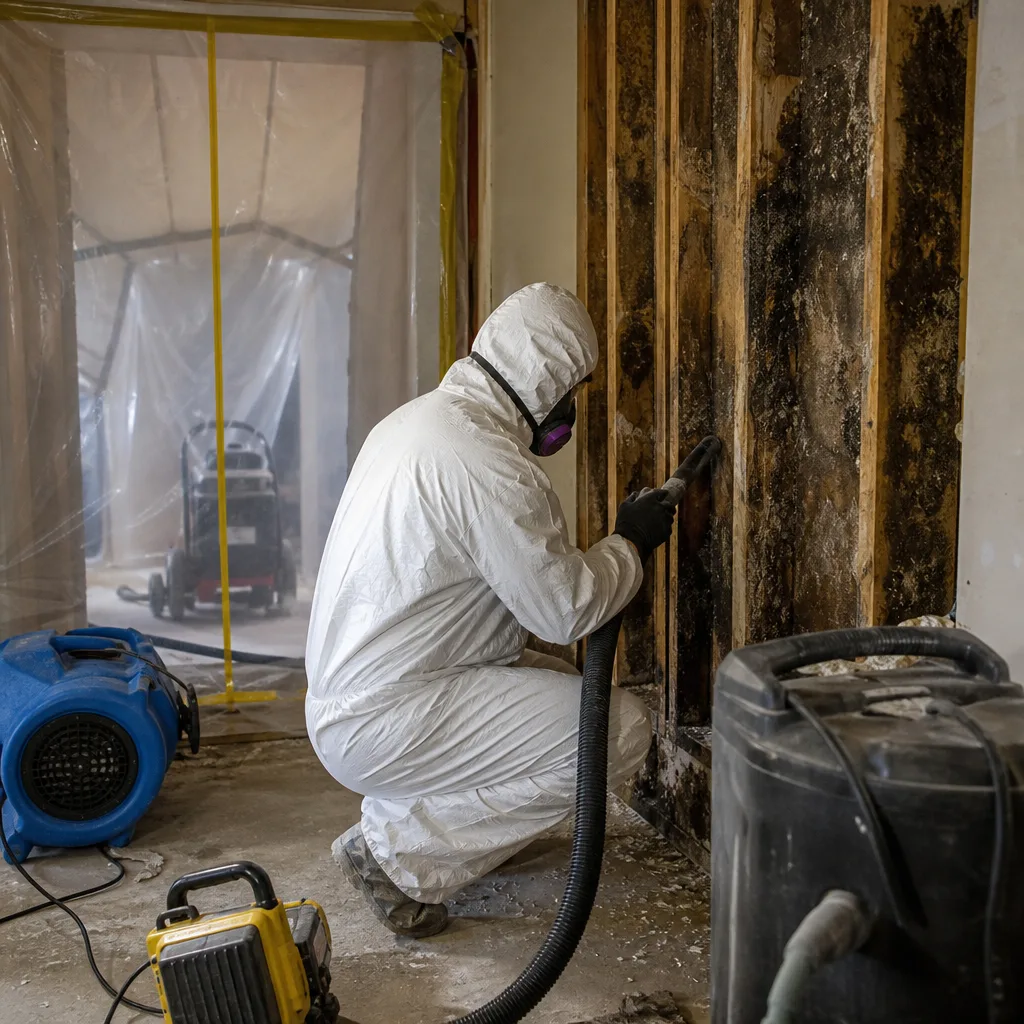
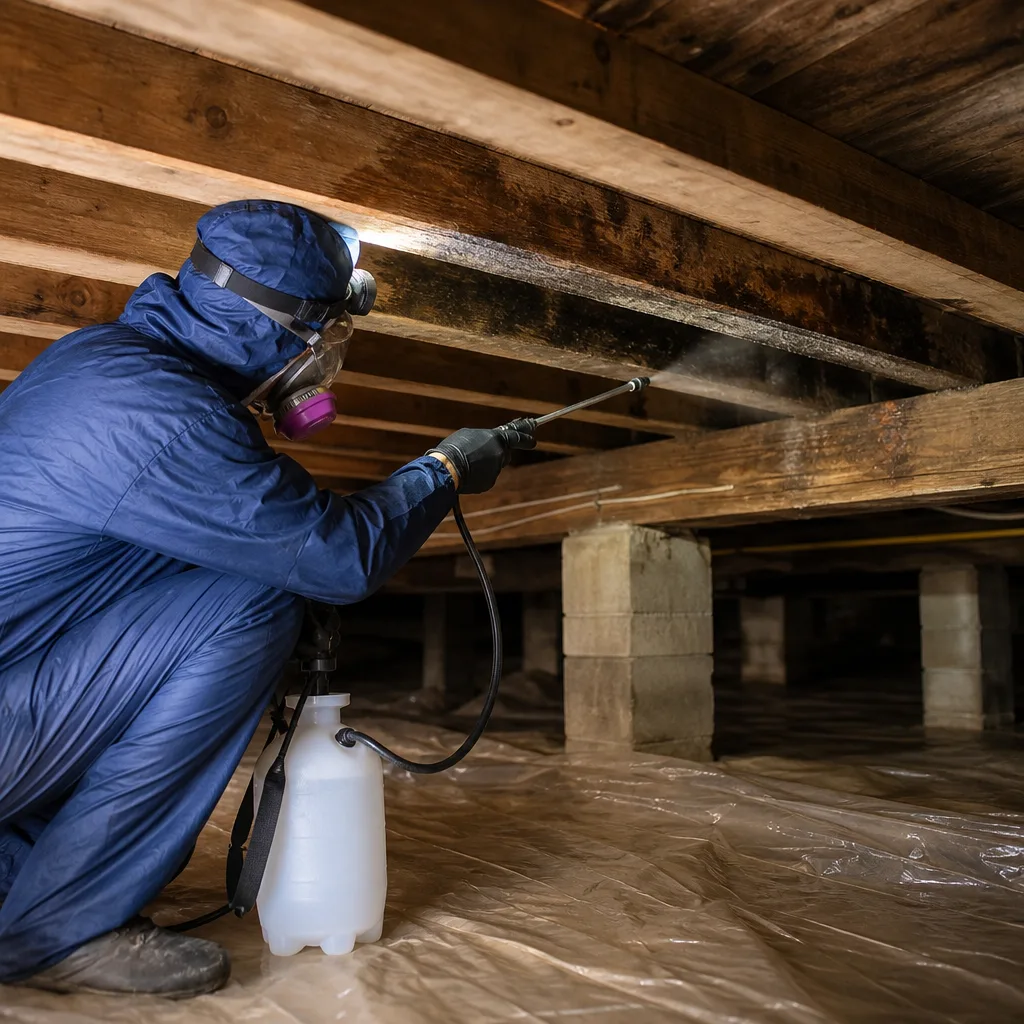
Contaminated surfaces are cleaned with EPA-registered antimicrobials. HEPA air scrubbers run where Category 3 water or mold spores are present.
Specialty Treatment for Weehawken Structures
On waterfront condos, we address saltwater corrosion and smart-home system damage. On bluff row houses, we coordinate masonry repointing of vibration-cracked mortar that let water in behind the plaster.
Repairs & Restoration
The same crew rebuilds. Custom millwork, plaster, and premium finishes are restored to pre-loss condition, not replaced with builder-grade substitutes.
Need Emergency Storm & Disaster Restoration in Weehawken Now?
Crews minutes away, answering live 24 hours a day. The sooner we start, the less it costs.
Working With Your Insurance Company
Flood and storm claims in Weehawken carry specific wrinkles. Port Imperial properties in FEMA flood zones require flood-insurance adjuster coordination and elevation-certificate compliance. Bluff homes with groundwater intrusion often trigger different coverage questions than surface-water flooding. We document from the first hour: photos of every affected room, moisture readings, category classification, and a line-item scope of work in industry-standard estimating format. Our team communicates directly with your adjuster so you aren’t relaying technical details between parties. The 90-Day Done Right Promise means if something wasn’t done right, we make it right, in writing, with no arguing.
What We Provide Your Insurer
- Thorough documentation of the loss
- Photos of all damage, room by room
- Moisture readings and drying logs
- A detailed, line-item scope of work
- Direct coordination with your carrier
Built for Weehawken’s Loss Calendar
Weehawken’s storm damage follows a predictable rhythm, and we staff for it. January and February bring freeze-thaw cycles that burst supply lines in unheated bluff basements and stress already-cracked masonry from the Helix vibration. March and April thaw sends Palisades runoff into those same basements as groundwater, not rainfall, which means Category 2 intrusion that homeowners often mistake for a simple wet floor. Summer thunderstorms overwhelm the township’s aging storm drains along Park Avenue and Boulevard East, sending flash water into walk-up apartment entrances. Nor’easters in fall and winter are the biggest threat to the waterfront: storm surge over the bulkheads at Port Imperial, wind-driven rain through high-rise window assemblies, and debris impact on roof equipment. This is the Weehawken storm calendar we plan around, and it’s why our crews know the township’s trouble spots by name.
Storm & Disaster Restoration Across Weehawken’s Neighborhoods
The response route through Weehawken changes with the elevation. Down at Port Imperial and Lincoln Harbor, we’re working in high-rise garages, lobby-level common areas, and condo units with engineered flooring and smart-home panels, coordinating with building management and flood adjusters on Category 3 saltwater claims. Up on Boulevard East, the work shifts to pre-war walk-ups and brick row houses where the water came down through the Palisades, not up from the river. Around Gregory Avenue and the streets sloping toward the Helix, we trace intrusion through vibration-cracked foundation mortar and parapet seams. Near Hamilton Park and the northern edge of 07086, older single-family homes with basements below grade face the same groundwater pattern we see throughout the bluff. Each pocket of Weehawken has a distinct failure mode, and our crews read them before the first dehumidifier is placed.
Specialized Storm & Disaster Restoration Services We Offer in Weehawken
Flood Damage Restoration
Waterfront surge and bluff groundwater are two different floods, and we treat them that way. In Port Imperial, Category 3 saltwater requires containment, antimicrobial treatment, and coordination with your flood-insurance adjuster. On the bluff, Category 2 groundwater calls for structural drying behind plaster walls and cast-iron drain inspection. Basement flooding in a Weehawken row house typically runs $3,200 to $7,500 for extraction, drying, and sanitization, depending on square footage and how far the water traveled behind walls.
Emergency Board-Up
When nor’easter winds take out a window on Boulevard East or a door at a Port Imperial lobby, a property sits open to weather, theft, and further damage. We board up openings with plywood and fasteners suited to the building type; no finish damage to surrounding frames. Board-up service in Weehawken runs $250 to $600 per window opening, and $400 to $900 for a door, depending on size and access.
Debris Removal
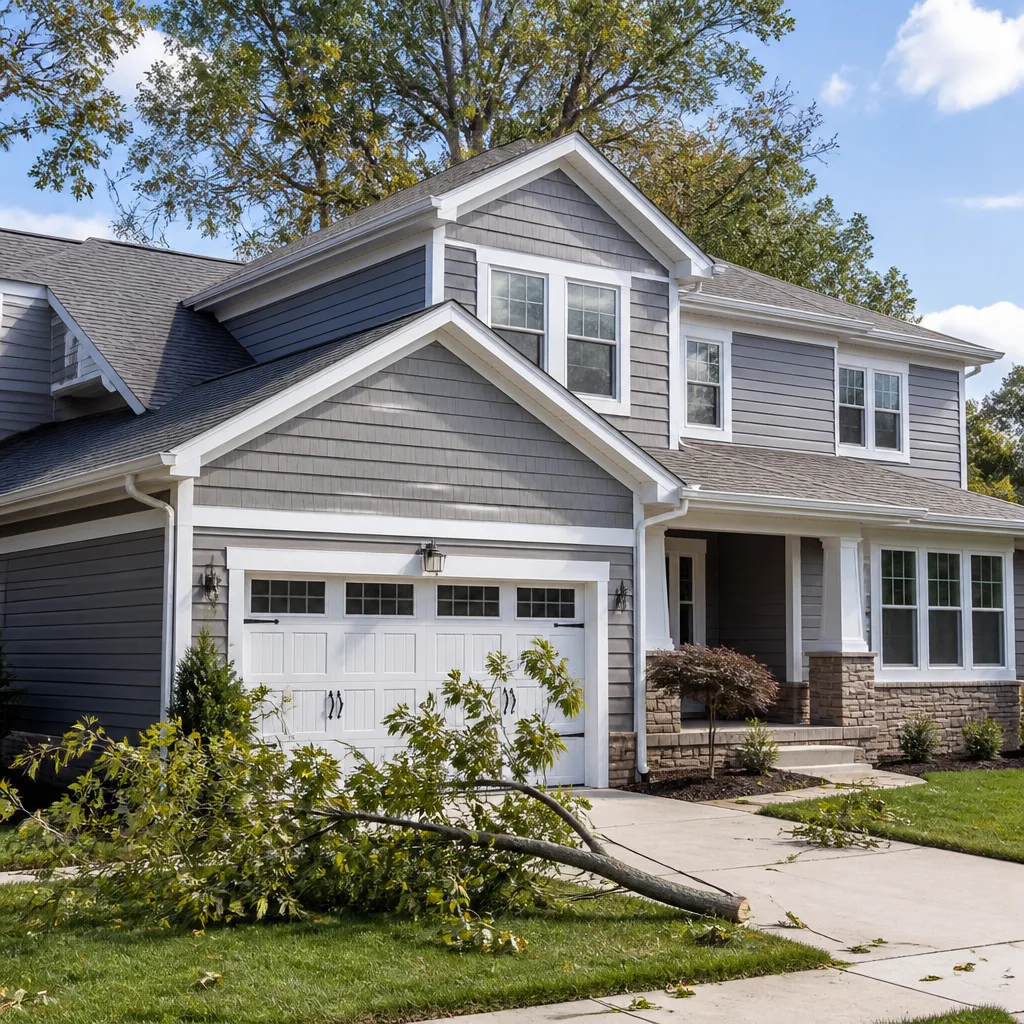
Wind-driven branches, roof material, and storm detritus pile up fast around Weehawken’s narrow streets and steep driveways. We remove storm debris, document what we hauled, and note any impact damage that might be claim-relevant. Debris removal in Weehawken runs $350 to $1,200 depending on volume and disposal requirements.
What happens when you call
- 1
A real person answersNo phone trees - you reach a local pro.
- 2
You get an upfront price rangeHonest numbers before anyone is dispatched.
- 3
A background-checked tech heads outLicensed & insured, dispatched right away.
- 4
You approve before work beginsNothing starts until you say go.
Storm & Disaster Restoration Costs in Weehawken, NJ
Weehawken restoration pricing reflects the two-tier market. A moderate basement flood in a bluff row house runs $3,200 to $7,500. The same event in a Port Imperial condo spans $5,000 to $15,000 because engineered finishes, custom millwork, and smart-home components cost more to replace and specialty subcontractors are required. Emergency board-up adds $250 to $900 per opening. Roof tarping after wind damage runs $500 to $1,800 depending on roof height and access. Debris removal adds $350 to $1,200. Full reconstruction after a major flood or wind event can reach $60,000 or more on vintage bluff homes with original plaster and custom woodwork. Insurance covers much of this when documentation is solid from hour one. Our free visual inspection gives you a firm scope in writing before you authorize anything.
We Also Serve Cities Near Weehawken
Our crews handle storm and disaster restoration across Hudson County, including Union City, Hoboken, North Bergen, and Secaucus. Same response commitment, same written guarantee.
Serving Weehawken, NJ - Our Local Coverage Area
We’re based in the Weehawken area and know this community well. Use the map below to see our service coverage - if you’re nearby, we can almost certainly help.
Weehawken Storm & Disaster Restoration Questions, Answered
How does Weehawken’s two-tier geography change Flood Damage Restoration on the waterfront versus the bluff?
Waterfront work at Port Imperial and Lincoln Harbor involves Category 3 saltwater surge, flood-insurance adjuster coordination, elevation-certificate compliance, and premium-finish restoration in high-rise condos. Bluff work involves Category 2 groundwater intrusion through Palisades-fed soil, masonry foundation issues, and plaster-wall drying in pre-war row houses. The equipment, containment protocols, and documentation differ. Call (551) 373-5246 for a crew that handles both.
Can you restore custom wood doors and millwork after a flood without replacing them?
In most cases, yes. Solid wood doors and plaster crown moldings in Weehawken’s older homes absorb water but can often be saved with controlled drying, targeted sanding, and refinishing. We assess each piece’s moisture content and material integrity before recommending restoration or replacement. The goal is pre-loss condition, not a builder-grade swap.
What category of water is typical in a Weehawken bluff basement after heavy rain?
Category 2, which is contaminated but not sewage. Palisades runoff carries surface chemicals, soil, and bacteria into basements through foundation cracks, sump overflows, and vibration-damaged mortar. It requires antimicrobial treatment and structural drying, not just a mop. Left 48 hours, it degrades toward Category 3 as microbial growth accelerates.
Does the Lincoln Tunnel approach cause damage that leads to storm water intrusion in nearby homes?
Yes. Years of 24/7 heavy truck and bus vibration from the Helix creates hairline cracks in foundation walls, parapets, and mortar joints on homes within a few blocks. During heavy rain, water enters through those cracks and travels behind finished walls before any standing water appears. We trace the source, not just the stain, and coordinate masonry repointing when needed.
How do you handle debris removal and emergency board-up during a storm without damaging custom finishes?
Our board-up crews use padded bracing and fasteners sized to the existing framing, not oversize lag bolts. On homes with original wood windows or custom door casings, we secure from the structural frame rather than the finish surface. Debris is hand-cleared around tight Weehawken driveways and walkways to avoid scraping stone or brick.
How fast can you actually reach Weehawken?
We commit to 45 minutes for emergency calls within Weehawken’s 07086 ZIP. Crews stage locally, and dispatch is live, not voicemail. Call (551) 373-5246 and a person answers.
Will my insurance cover storm damage in Weehawken?
Homeowners policies typically cover wind damage and interior water damage from storm entry. Flood damage from Hudson River surge requires a separate flood policy, and Port Imperial properties in FEMA flood zones depend on that policy’s terms. Groundwater intrusion in bluff basements sits in a gray area that varies by carrier. We document everything and coordinate directly with your adjuster so coverage questions get answered with evidence.
What should I do in the first 30 minutes after discovering storm or flood damage?
Shut off power if water is rising near outlets. Move what you can lift safely. Don’t wade into standing water you can’t see through. Then call us at (551) 373-5246. The first hour of extraction and drying saves thousands in reconstruction later.
Written by Curt Bowman, Owner at Floodline Restoration Co., serving Weehawken and all of Hudson County.
Call (551) 373-5246 for a free visual inspection. Live dispatch, 45-minute response in Weehawken, and the 90-Day Done Right Promise in writing. We stand behind it.