
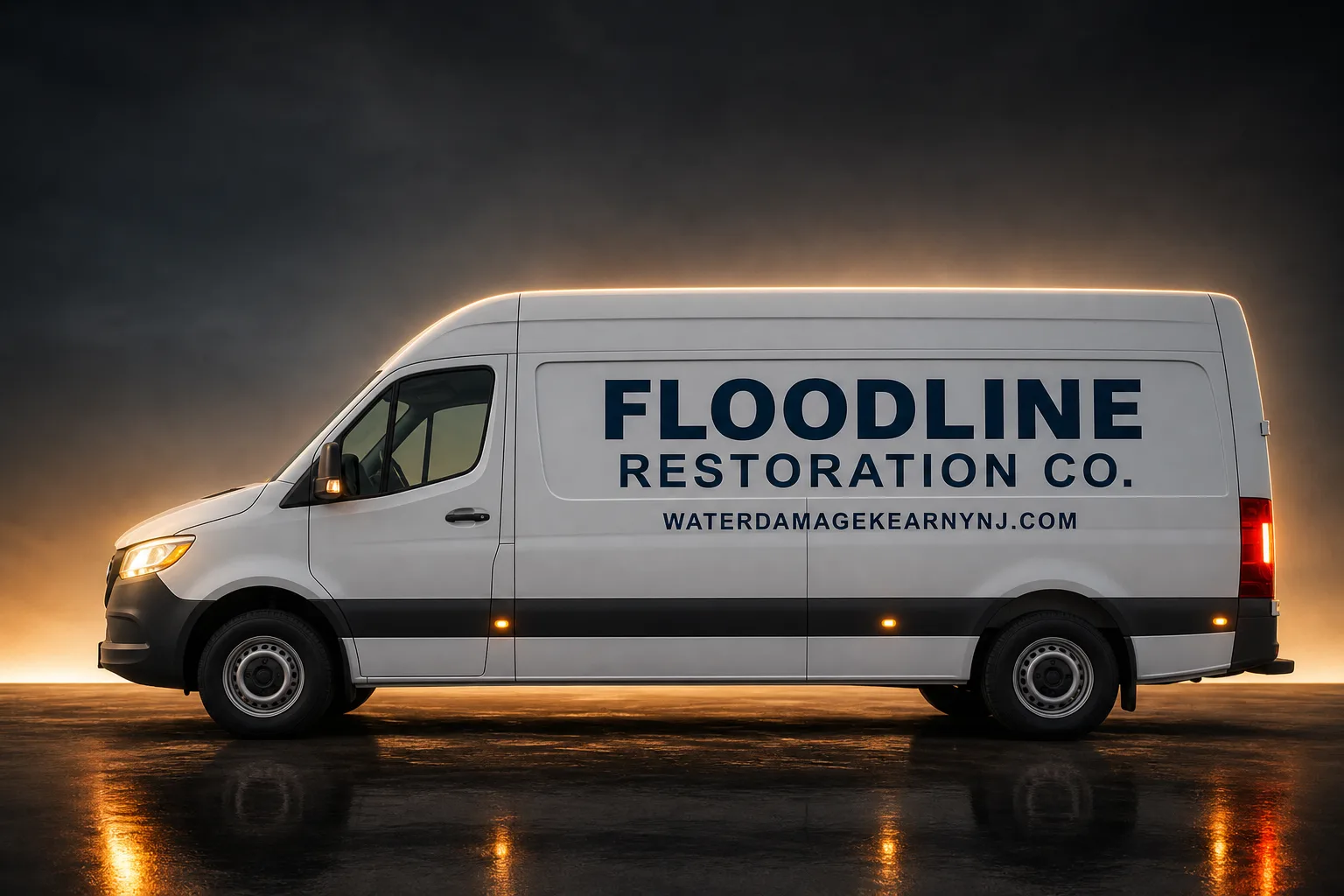
Free visual inspection and a written scope of work before any mitigation begins - photos, moisture readings, and drying logs go in your claim file
The scope we write is the scope we bill. Anything new gets shown to you, in writing, before we touch it.
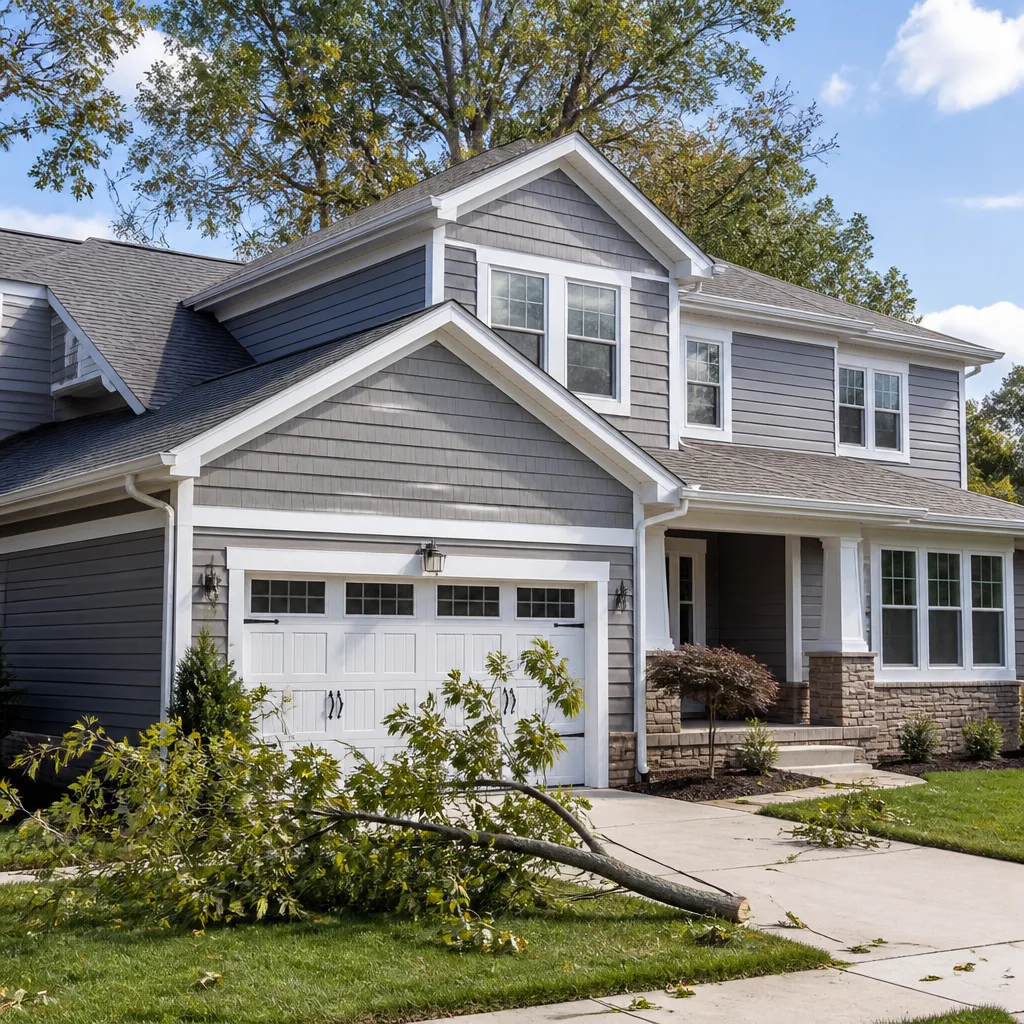
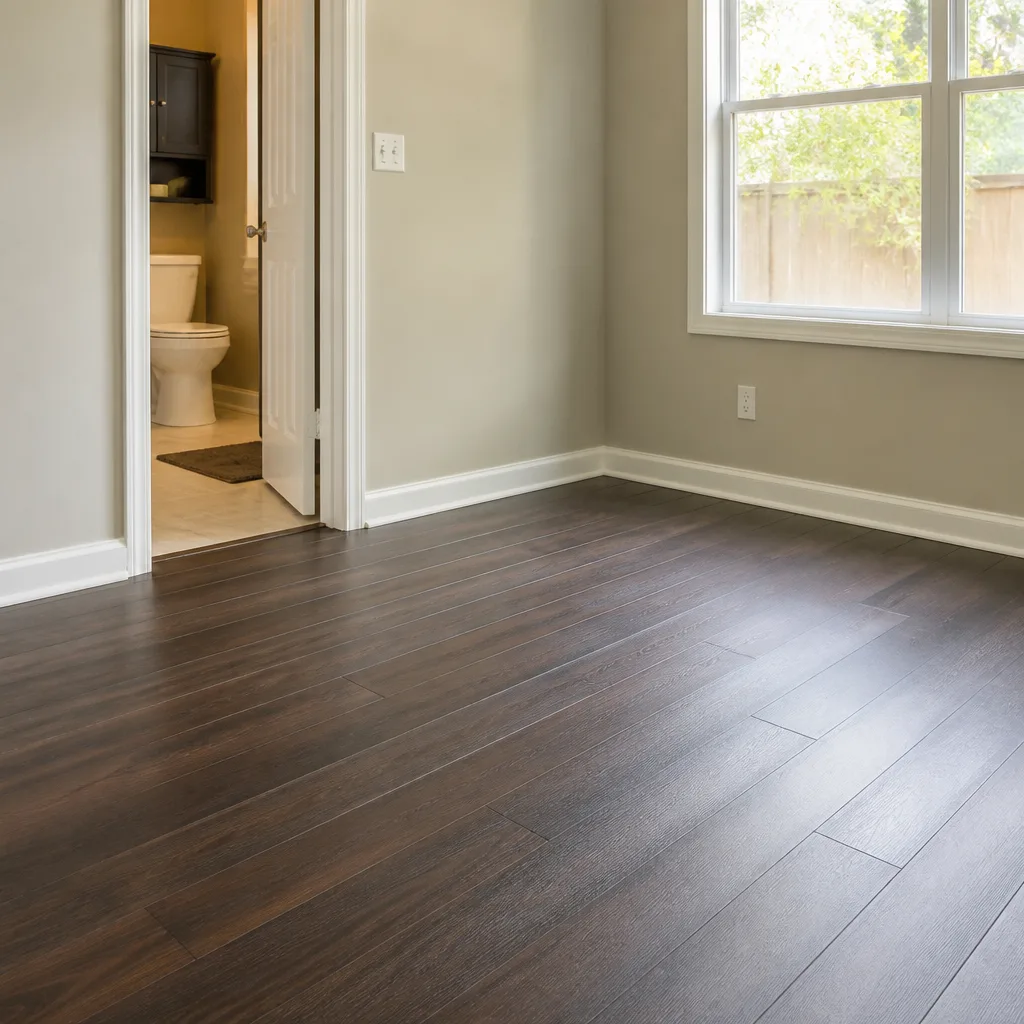
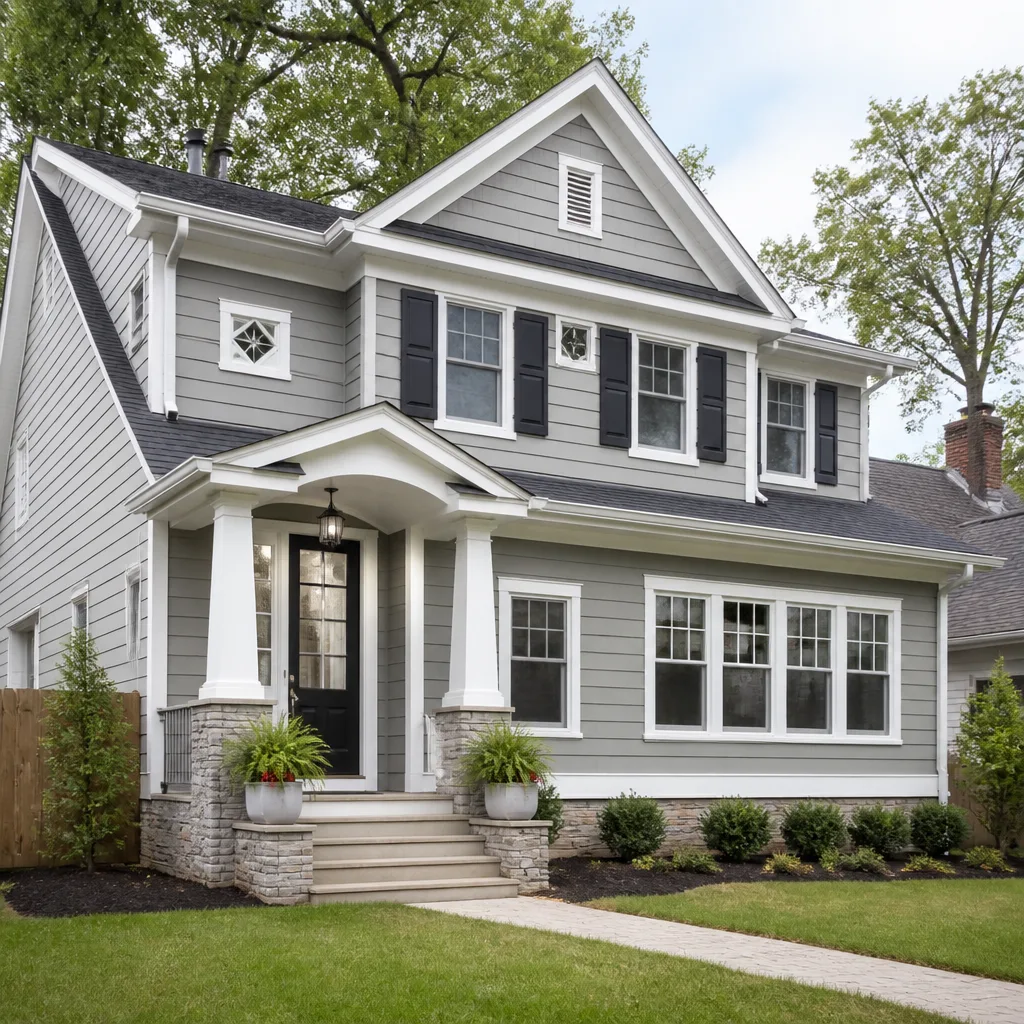
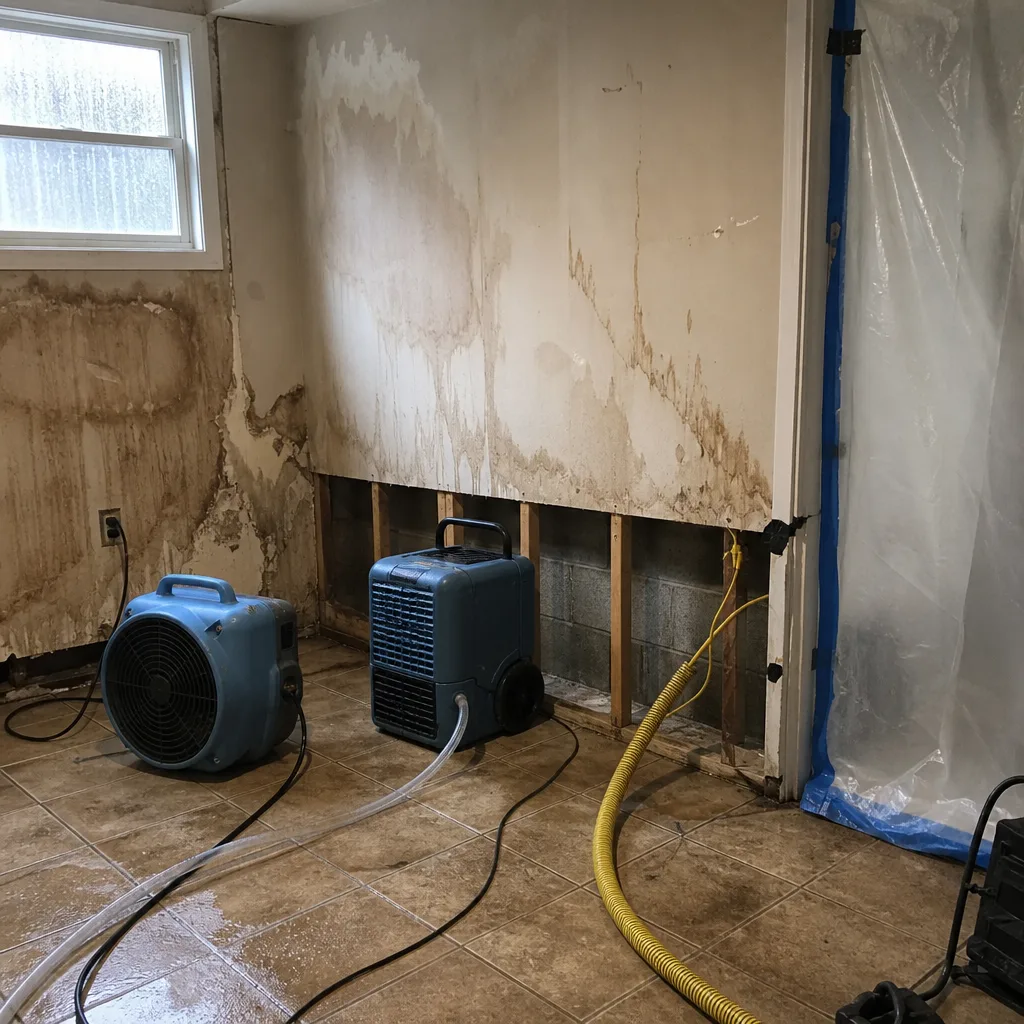 Before
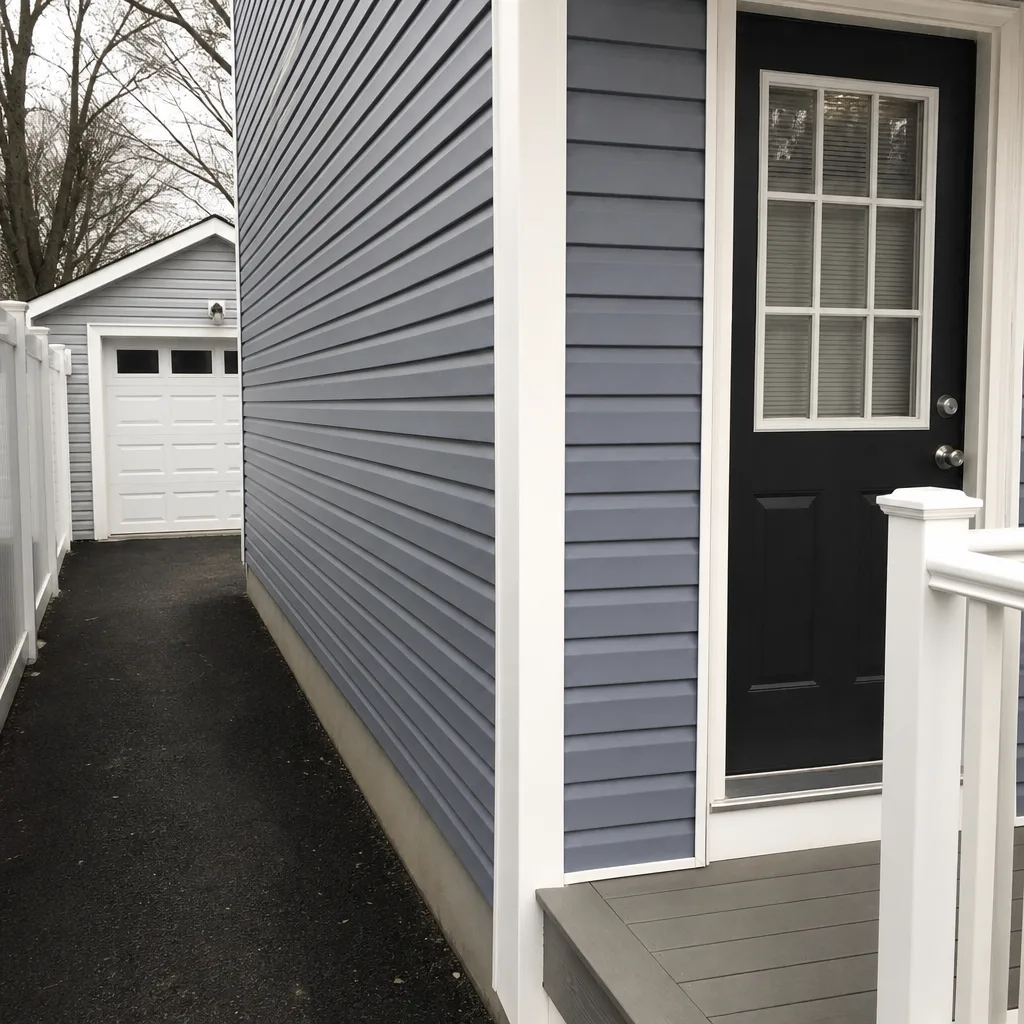 After
After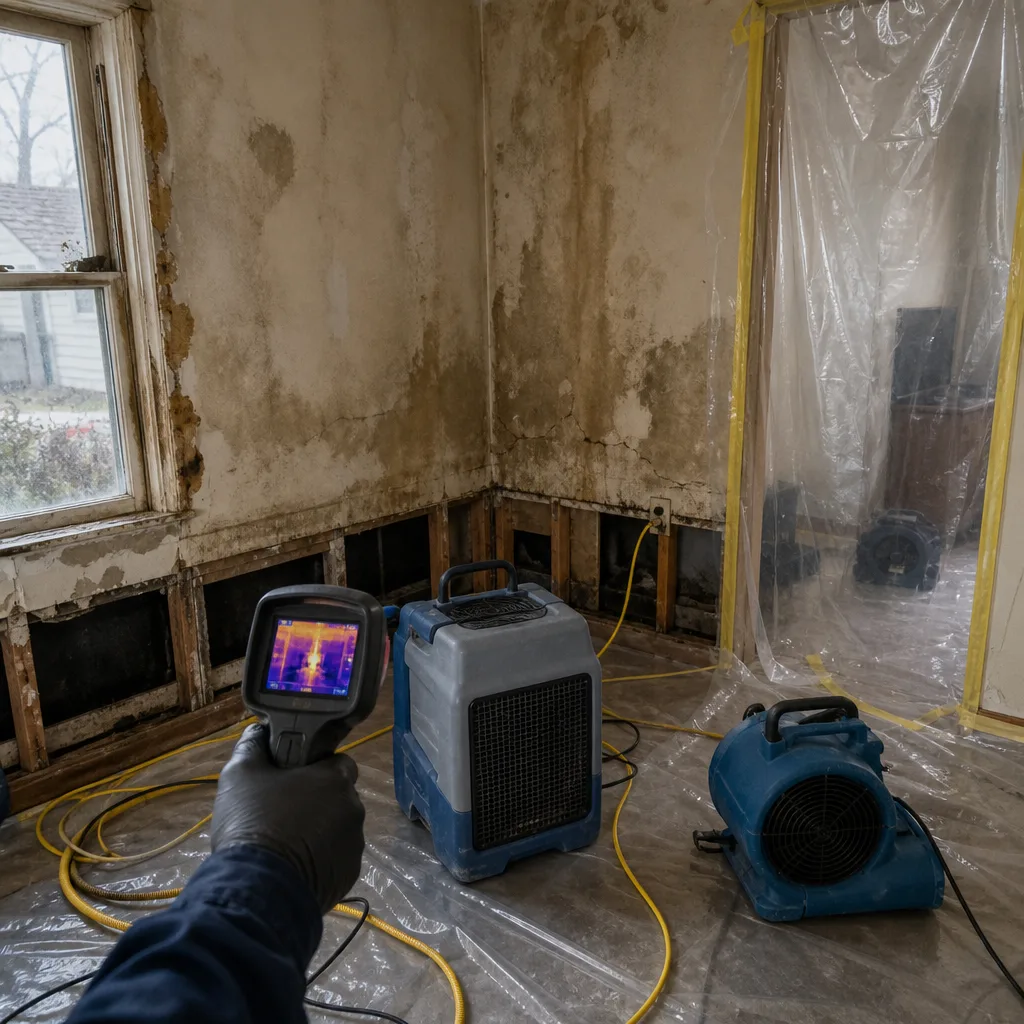 Before
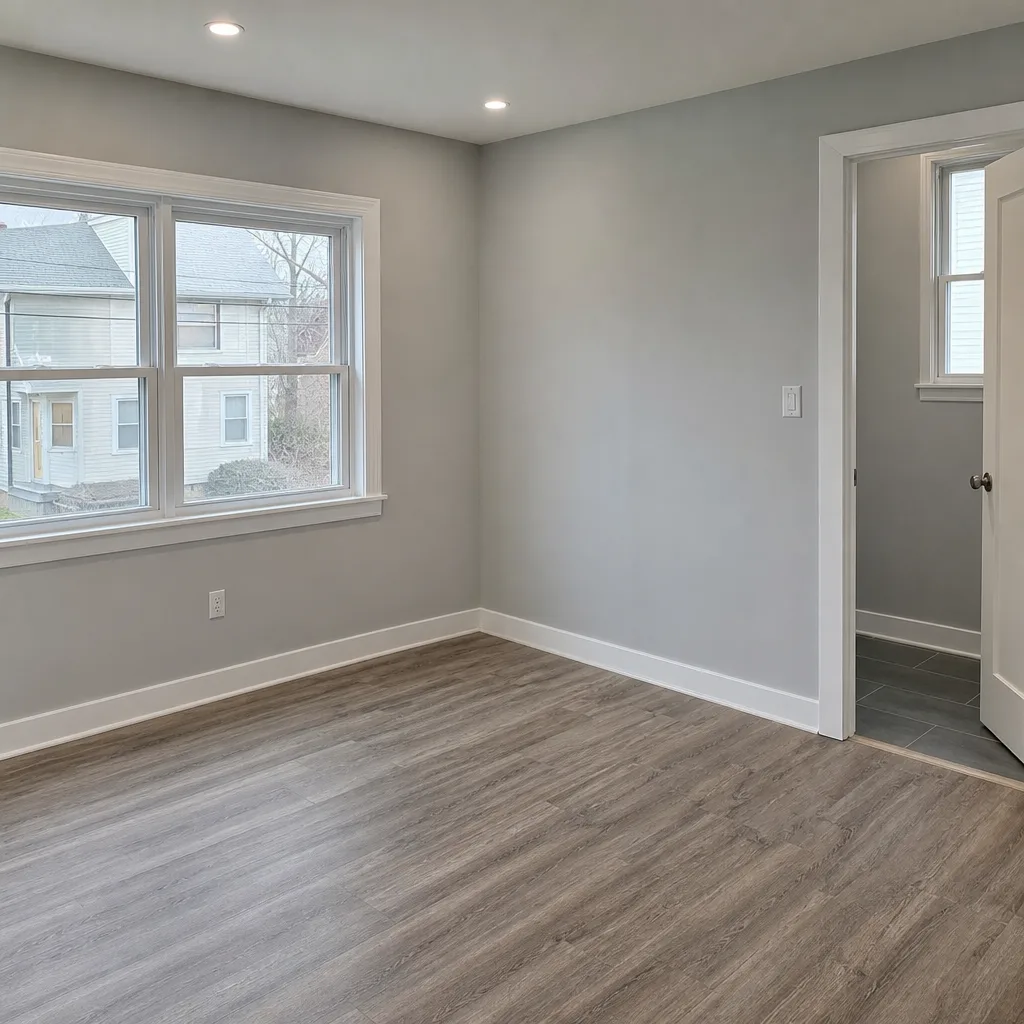 After
After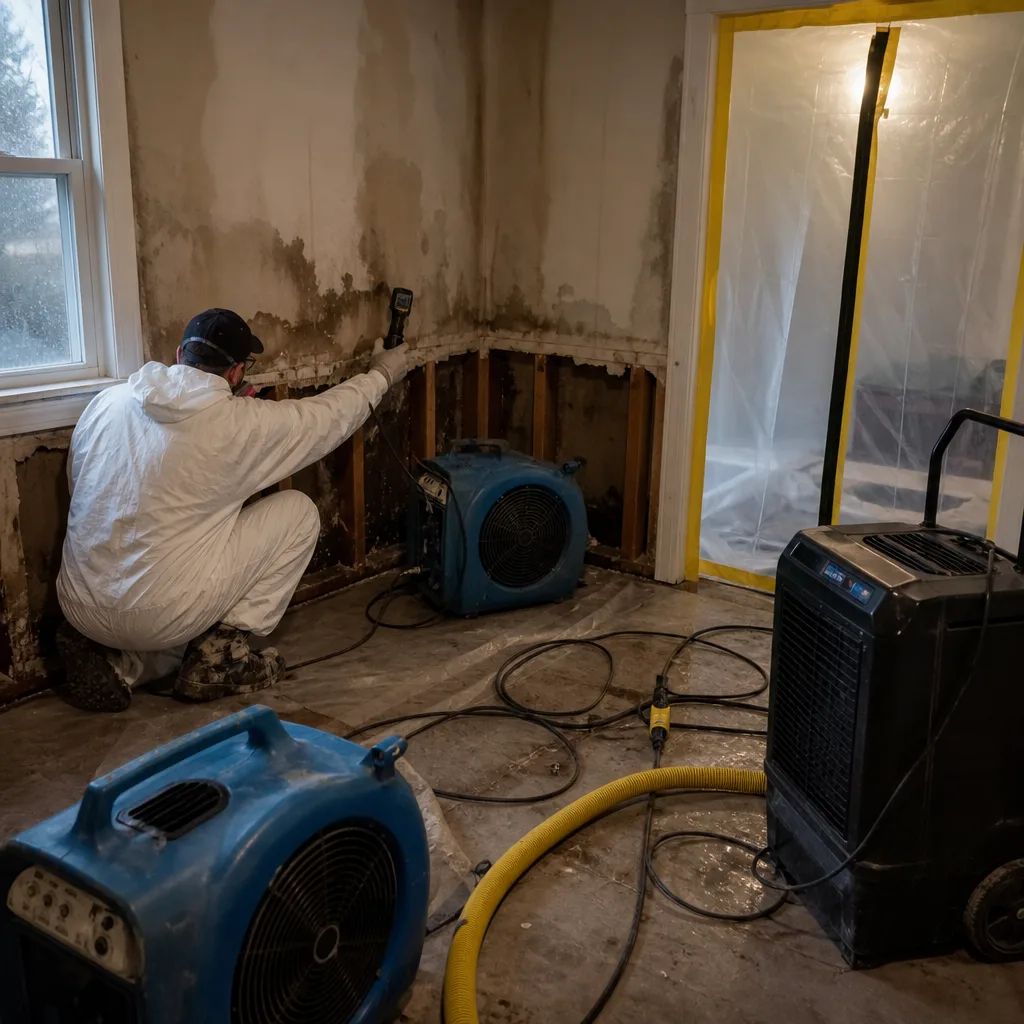 Before
 After
After24/7 Emergency Mold Remediation in Weehawken
Mold remediation in Weehawken typically costs $1,800-$6,500 depending on square footage, containment requirements, and whether the source is storm surge, groundwater seepage, or a plumbing failure. Most jobs in 07086 can be scoped and started within 24 to 48 hours once we complete a visual inspection and moisture mapping. If you’re seeing visible mold growth, a musty odor that won’t clear, or you’ve had a recent water event in a Port Imperial high-rise or an upper-bluff row house, call (551) 373-5246 right now. A live dispatcher answers at any hour, and a certified crew can reach most Weehawken addresses the same day.
The first 48 hours matter most. Mold spores colonize damp drywall, plaster, and wood within two days of a water event, and once that happens, containment and material removal costs climb quickly. Weehawken’s dense housing – high-rise condos along the Hudson and century-old brick homes stacked up the Palisades – creates tight spaces where moisture hides behind finished surfaces. Our Mold Remediation team moisture-maps every job before writing a scope, so you know exactly what you’re paying for and why.
Understanding Mold Remediation Severity in Weehawken Properties
Mold growth in Weehawken falls into three practical categories, and the difference determines whether you’re looking at a cleaning or a full containment project. Category 1 and 2 water – clean water from a supply line or gray water from a dishwasher or washing machine – becomes a mold hazard when it sits for more than 48 hours on porous materials. Category 3 water, which includes sewage cleanup in Weehawken, Hudson River storm surge, and groundwater carrying soil bacteria, requires full containment, antimicrobial treatment, and often removal of affected drywall and insulation.
Weehawken’s housing stock amplifies this. The pre-war brick row houses up on the Palisades bluffs have plaster walls and cast-iron drain lines that absorb moisture slowly and hold it. The waterfront high-rises at Port Imperial and Lincoln Harbor are built with modern engineered materials, but they sit in FEMA flood zones where a single storm event can drive saltwater into common areas and lower-floor units. In both cases, we use thermal imaging and hygrometers to map moisture behind finished surfaces before we touch anything. Visual mold is often the smallest part of the problem. The reading behind the wall is what dictates scope.
Why Weehawken Property Owners Choose Floodline Restoration Co.
- 45-minute response commitment to Weehawken addresses: When mold is spreading, every hour adds cost. We dispatch from a scheduled-crew model built around reaching Weehawken fast, not around a sales rep showing up with a clipboard.
- A real person answers, 24/7: Call (551) 373-5246 at 2 a.m. and a live dispatcher picks up. We’ll tell you over the phone whether it’s a genuine emergency or something that can wait until morning. No automated trees, no message box.
- IICRC-certified crews: Our technicians carry WRT, FSRT, and AMRT certifications through IICRC and RIA standards. That’s water damage, fire and smoke, and applied microbial remediation. Not someone reading a manual on the way to your door.
- Free visual inspection with moisture mapping: We can’t give you a real mold number without looking at the wall cavity behind the visible staining. We do that at no charge, then hand you a written scope with line-item pricing.
- Direct insurance billing: We coordinate with your flood adjuster on Port Imperial jobs and standard homeowner carriers everywhere else in Weehawken. You don’t play messenger between us and the carrier.
- One crew from containment to clearance: The same certified technicians who set up HEPA air scrubbers and negative air containment also handle the removal, drying, antimicrobial treatment, and any rebuild work. No mid-job handoff, no inherited crew.
Our Mold Remediation Process
Inspection & Assessment
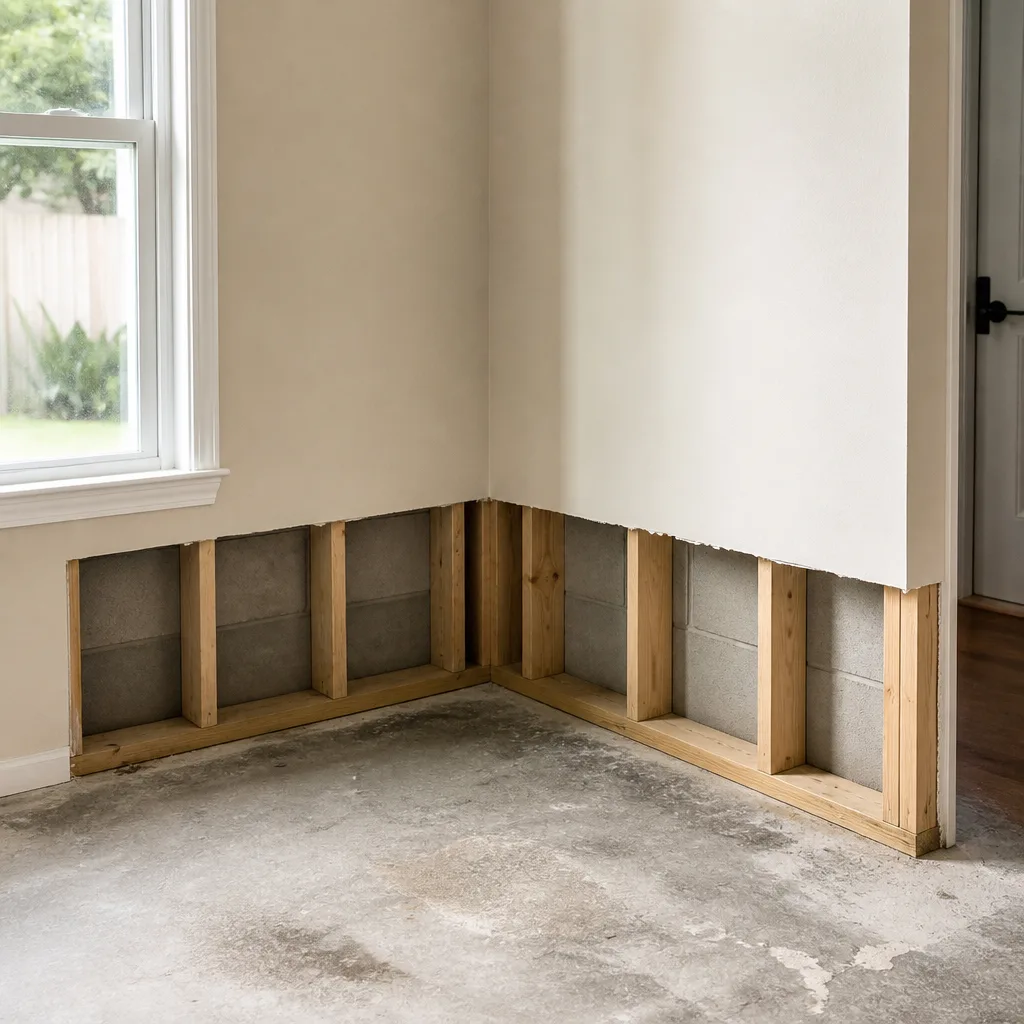
We start with a visual inspection, then pull moisture readings with thermal imaging and hygrometers across affected surfaces and the wall cavities behind them. In Weehawken row houses, we pay particular attention to basement corners and foundation walls where Palisades groundwater wicks upward through masonry.
Containment & Stabilization
Before any removal begins, we set up containment barriers and negative air pressure with HEPA-scrubbed exhaust so airborne spores don’t cross into the rest of the home or neighboring condo units. In high-rise work, this step protects shared corridors and adjacent residences.
Source Correction
Mold doesn’t come back unless the moisture source is fixed. That means repairing the cast-iron drain line, sealing the foundation crack, correcting the humidity imbalance, or resolving the ventilation problem that created the condition in the first place.
Removal & Cleaning
Porous materials that cannot be salvaged – saturated drywall, section of plaster, insulation – are bagged and removed under containment. Salvageable surfaces get HEPA-vacuumed, scrubbed with antimicrobial treatment, and dried to the material-specific standard.
Drying & Dehumidification
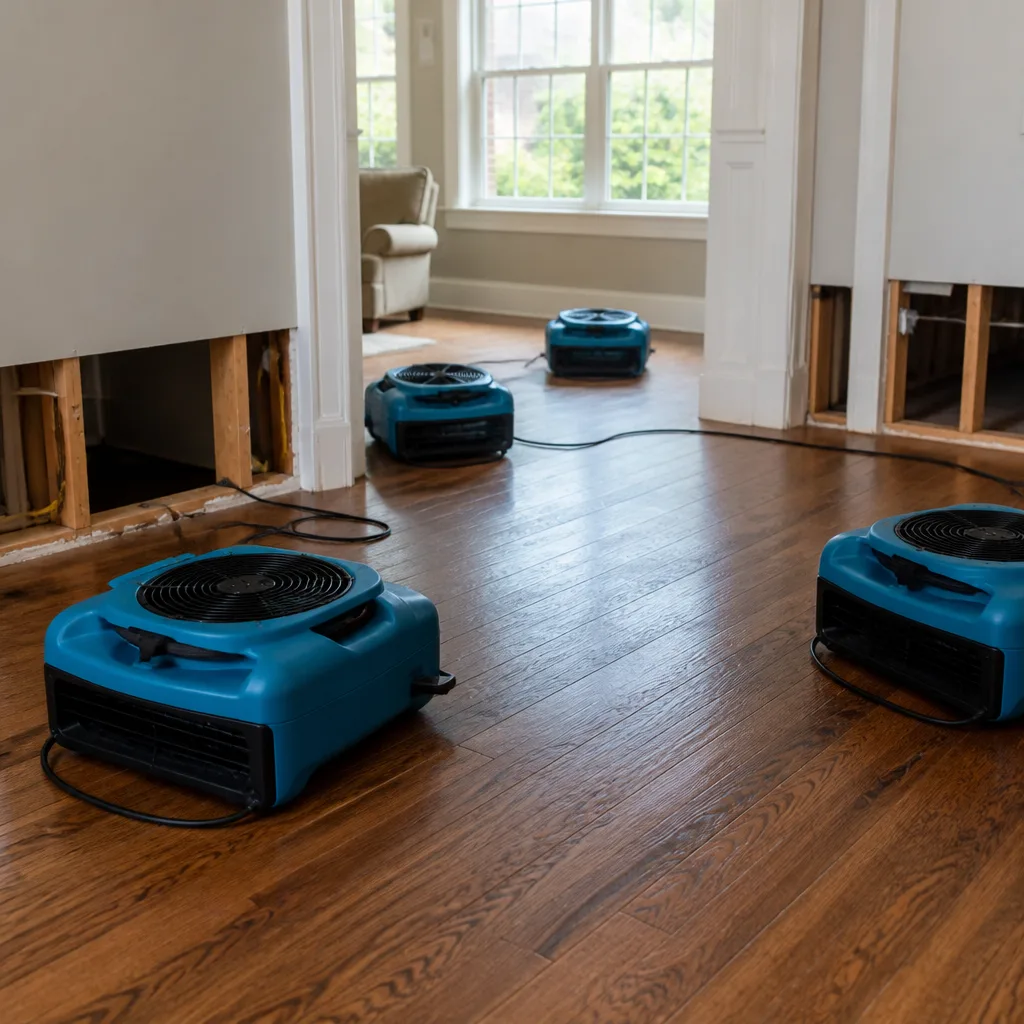
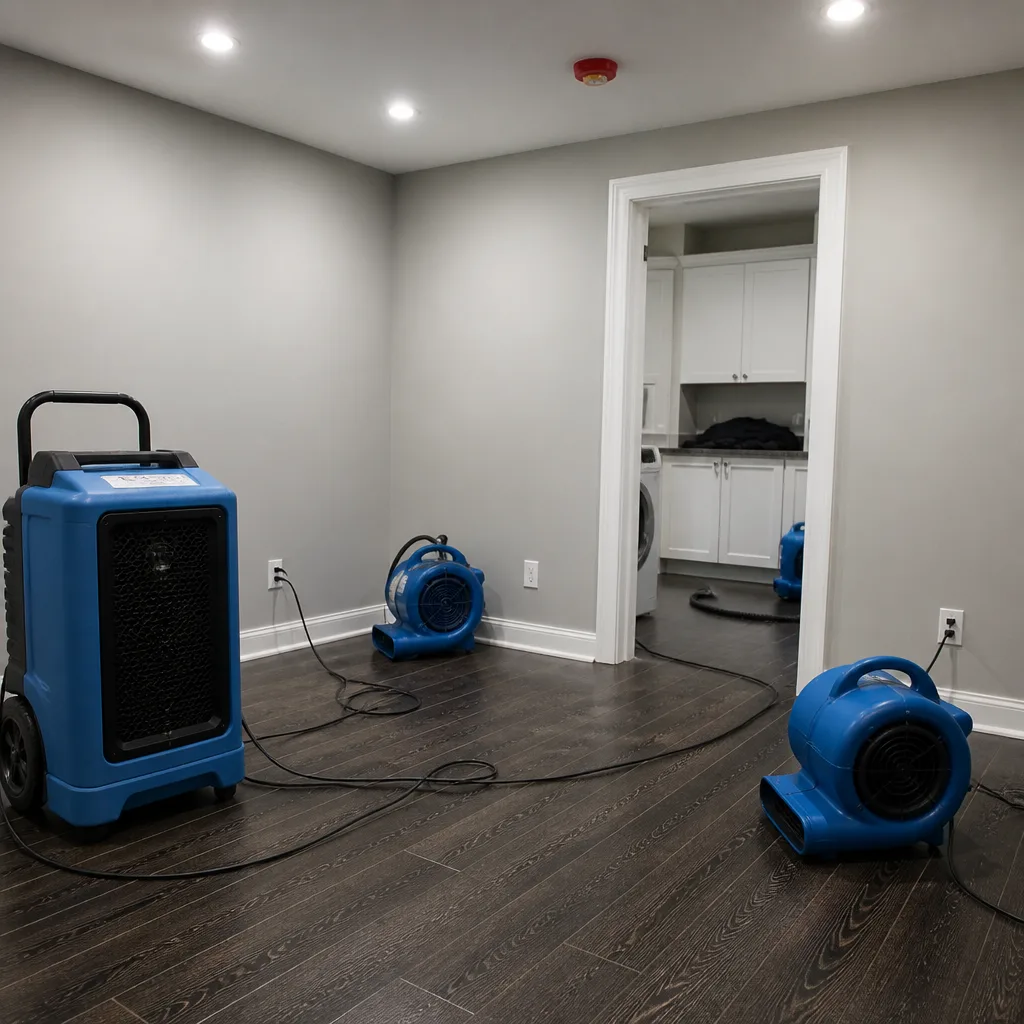
We run professional-grade Dri-Eaz and XPOWER air movers and dehumidifiers until moisture readings return to pre-loss conditions for each material type. In pre-war brick homes, that drying standard is different than in a 2015 high-rise build, and we calibrate accordingly.
Clearance & Restoration
Post-remediation verification confirms spore counts have returned to acceptable indoor levels. We then rebuild what was removed – drywall, trim, paint – using materials matched to Weehawken’s housing stock, whether that’s pre-war plaster or modern engineered finishes.
Need Emergency Mold Remediation in Weehawken Now?
Crews minutes away, answering live 24 hours a day. The sooner we start, the less it costs.
Working With Your Insurance Company
Mold remediation insurance coverage depends on the source of the moisture and the language in your policy. We’ve handled hundreds of Weehawken claims where a covered water event – a burst supply line, a storm surge intrusion, a sewage backup – led to mold growth, and the Weehawken Storm & Disaster Restoration was covered as part of the original loss. Sudden and accidental water events are typically covered. Long-term seepage through a foundation wall or a condensation problem that existed for months is usually excluded. We don’t interpret your policy for you; what we do is document everything from the first hour so your adjuster has no room to question the scope. On Port Imperial flood-zone claims, we coordinate directly with flood insurance adjusters and FEMA elevation certificate requirements. Our documentation standards are built for the claim review process.
What We Provide Your Insurer
- Thorough documentation of the loss
- Photos of all damage, room by room
- Moisture readings and drying logs
- A detailed, line-item scope of work
- Direct coordination with your carrier
Built for Weehawken’s Loss Calendar
Weehawken’s mold problems follow a seasonal pattern that most national franchises don’t account for. Nor’easters from November through March push Hudson River surge into the Port Imperial waterfront and drive wind-driven rain through aging masonry up on the bluffs. January and February deep freezes burst supply lines in the older row houses along Highwood Avenue, Park Avenue, and Boulevard East. Spring thaw sends saturated groundwater through Palisades soil and into upper-bluff basements through foundation micro-cracks. Summer thunderstorms overwhelm the township’s drainage on steep slopes and flood below-grade spaces fast. And the Lincoln Tunnel helix traffic never stops, delivering constant vibration to foundations and mortar joints near the approach, which we see as hairline cracks that open and close with temperature swings. When you understand the failure modes, you know where to look before the mold appears. That’s the difference between a company that treats symptoms and one that prevents the next event.
Mold Remediation Across Weehawken’s Neighborhoods
Weehawken’s single ZIP code, 07086, packs two different restoration worlds into one square mile. Down at the waterfront, Port Imperial and Lincoln Harbor are dominated by post-1990 luxury high-rises. Remediation there means coordinating with building management, protecting shared corridors during containment, and documenting everything for flood-zone adjusters. Up on the bluffs, the Highwood Avenue corridor and the streets running off Park Avenue hold the early-20th-century brick row houses, where cast-iron drain lines and plaster walls create slow, hidden moisture problems that often trace back to foundation cracks from helix vibration. The Tower Plaza and Gregory Avenue area adds walk-up apartment buildings with shared wall cavities, where mold in one unit can migrate through joist bays to the next. And the Boulevard East spine running along the top of the Palisades has some of the oldest housing stock in town, with below-grade spaces that collect groundwater year-round. Our crews know which neighborhoods need flood-adjuster coordination, which need masonry repair first, and which need high-rise containment protocols before any work starts.
At a pre-war brick row house on Highwood Avenue, our crew set containment and ran Dri-Eaz dehumidifiers and air movers after moisture mapping traced elevated readings through a cast-iron drain line that had been micro-cracked by helix vibration. We removed category 2 water-damaged plaster, applied antimicrobial treatment to exposed joists, and logged structural drying until moisture readings returned to pre-loss condition for those 1920s materials. That’s what Weehawken mold remediation looks like in practice – specific readings, specific materials, specific standards. Not a generic checklist.
Specialized Mold Remediation Services We Offer in Weehawken
Mold Inspection & Testing
Before we recommend any remediation, we know what we’re dealing with. Our inspection includes thermal imaging behind walls and under flooring, hygrometer readings on wood and masonry, and air sampling where needed. In Weehawken’s pre-war homes, we’re specifically looking at cast-iron drain line conditions, foundation wall moisture, and the plaster-and-lath cavities that hold water differently than modern drywall.
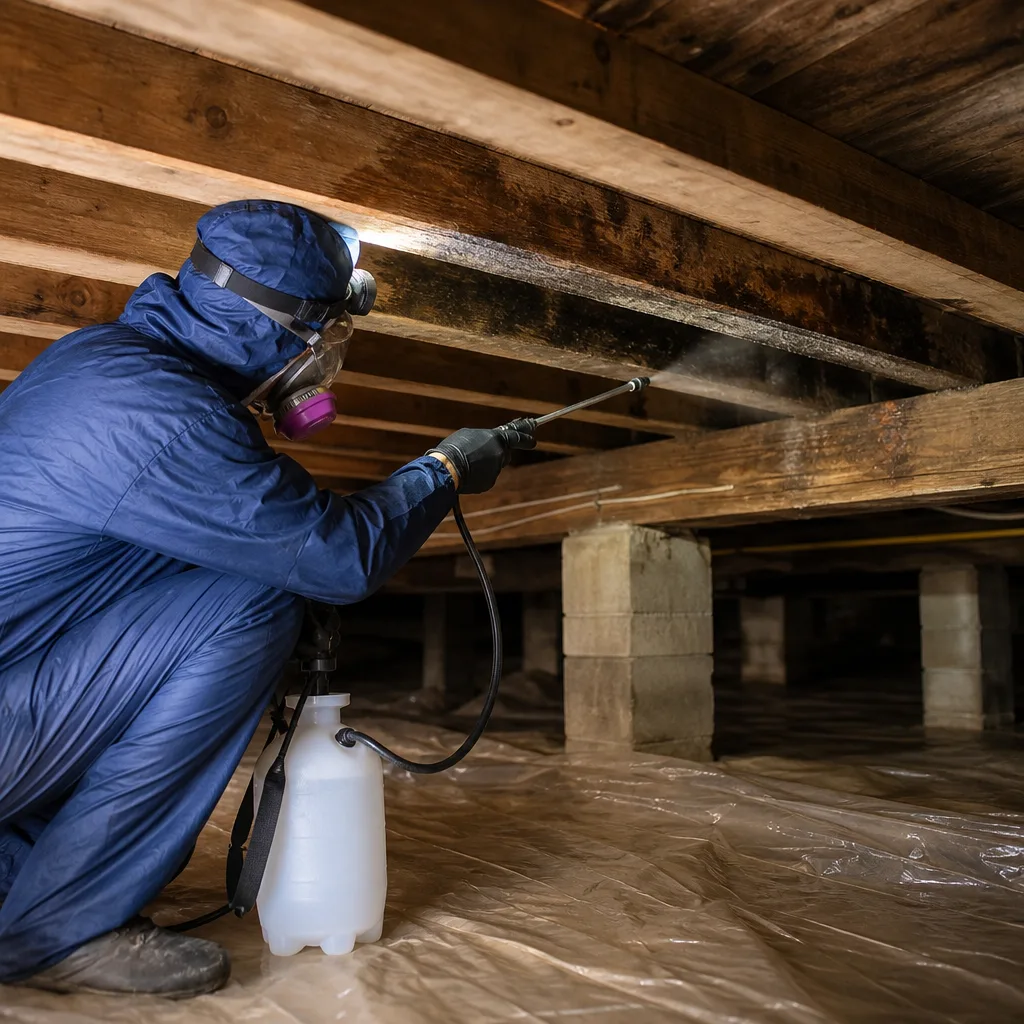
Mold Removal
Physical removal under containment is the only way to actually eliminate a mold problem. We remove affected porous materials, HEPA-vacuum salvageable surfaces, and dispose of contaminated material through proper channels. Surface sprays and bleach solutions don’t reach mold that’s rooted inside a wall cavity, which is where most Weehawken growth actually lives.
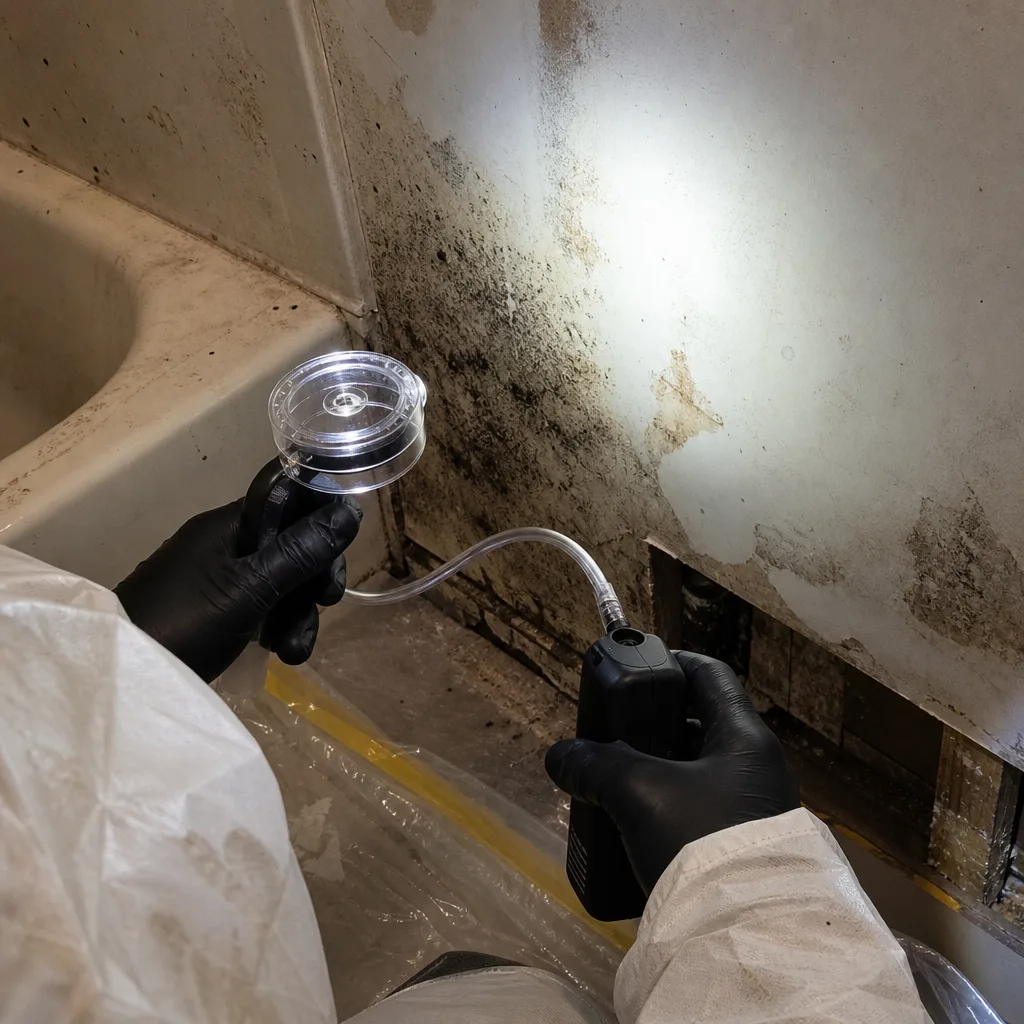
Black Mold Remediation
Stachybotrys – what most people call black mold – needs full containment, negative air pressure, and strict material removal protocols. It typically grows on materials that have been wet for extended periods, which is exactly what happens in upper-bluff basements with chronic seepage or waterfront units after a surge event that may require biohazard & crime scene cleanup in Weehawken. We treat it seriously and we test after remediation to confirm clearance.
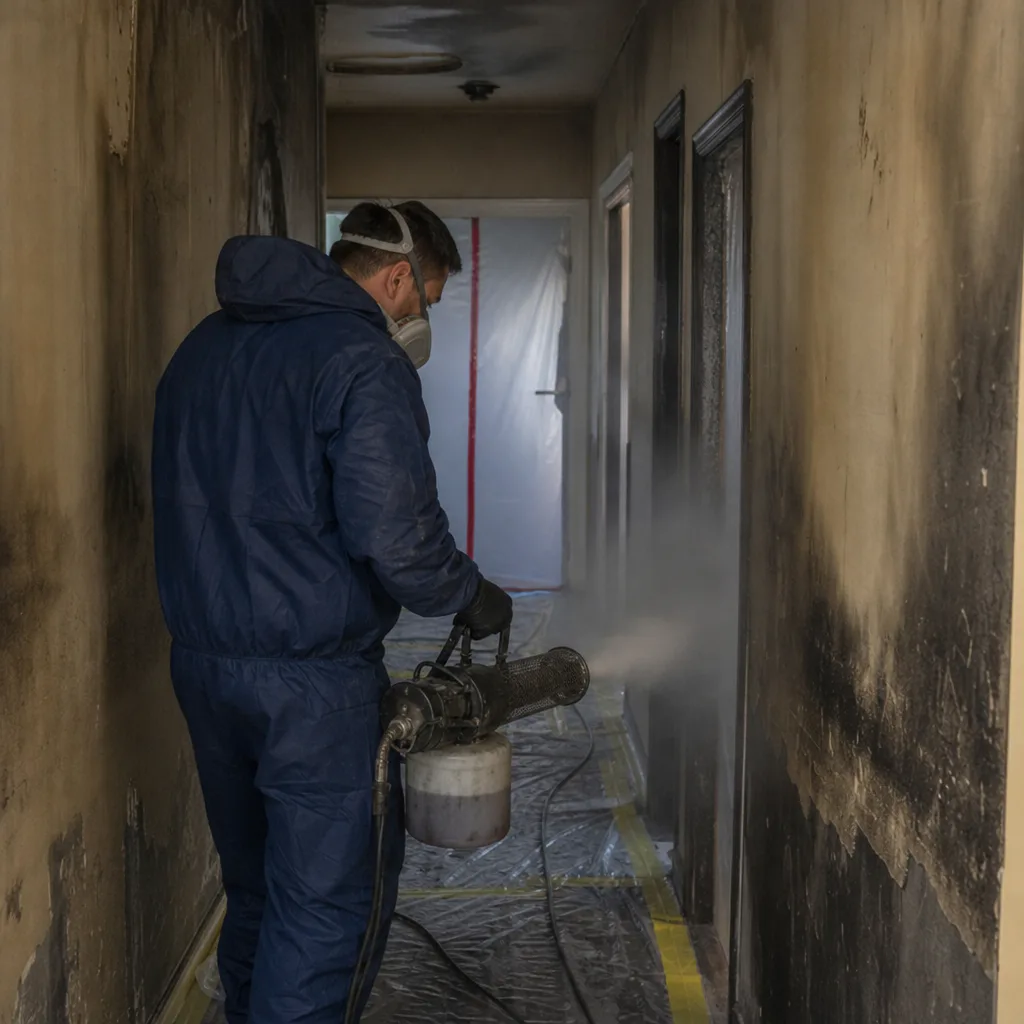
Air Quality Restoration
Mold spores don’t stay in the room where they grew. During containment, we scrub the air with HEPA filtration. After removal and drying, we verify indoor air quality with post-remediation testing so you’re not breathing spores from a missed wall cavity. In high-rise work, this step matters for your neighbors too.
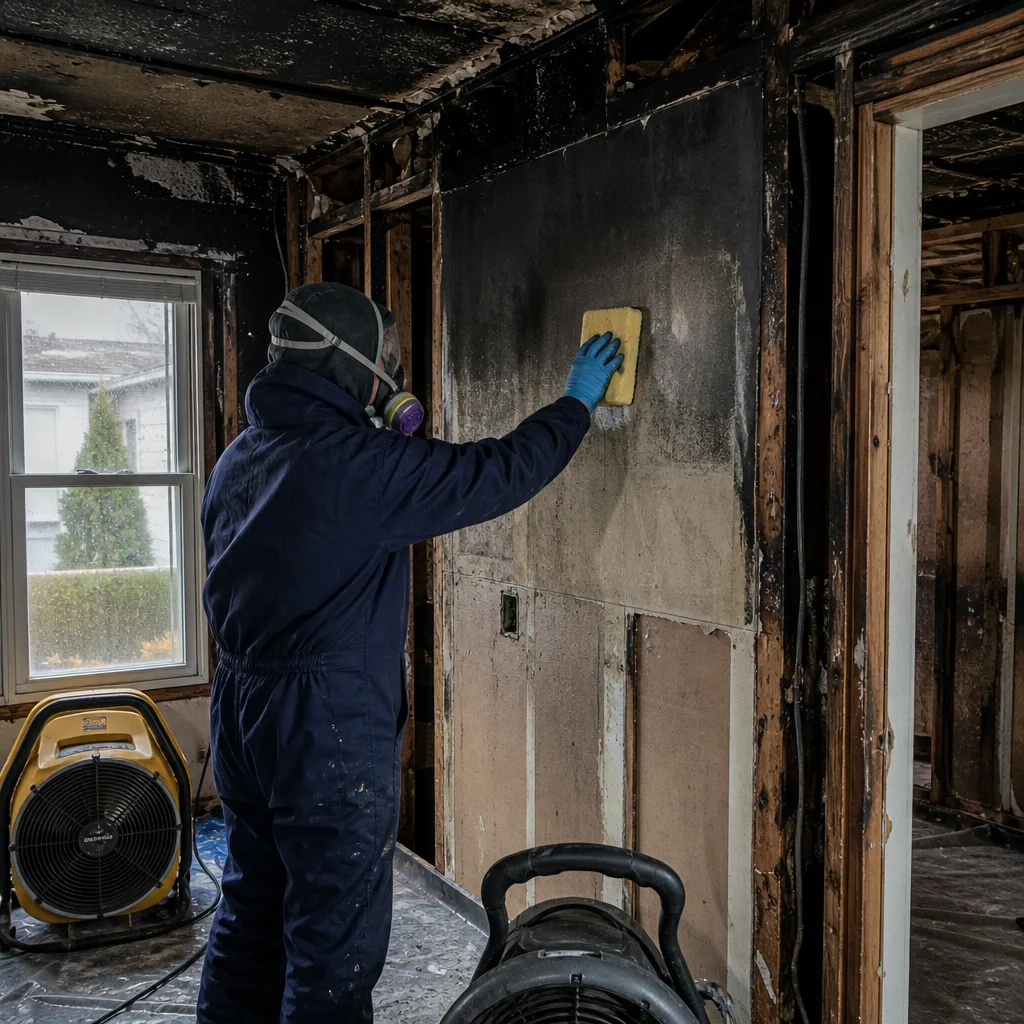
Crawl Space Treatment
Many Weehawken row houses have shallow crawl spaces that were never designed for modern humidity loads. We treat crawl space mold with antimicrobial applications, install vapor barriers where appropriate, and address the ventilation or drainage problem that created the condition. Without fixing the moisture source, any treatment is temporary.
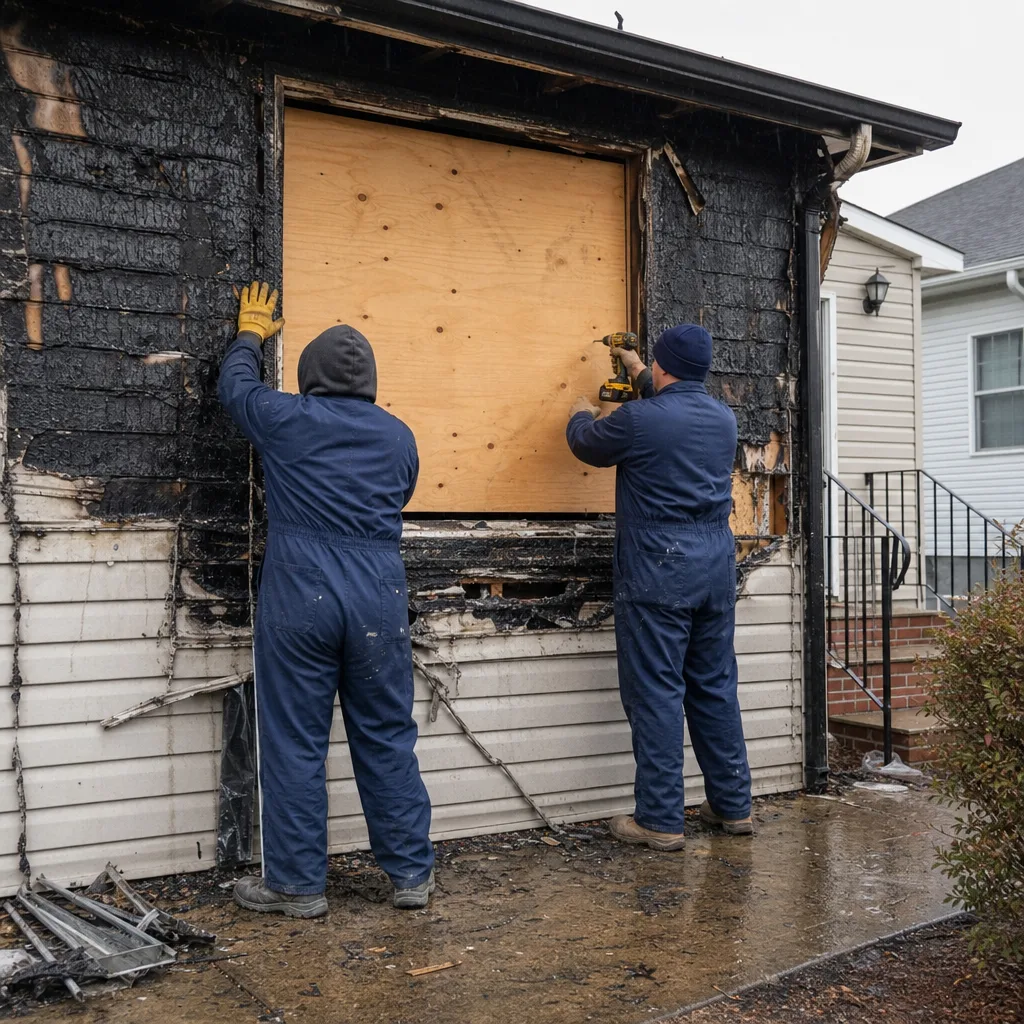
Moisture & Humidity Control
The long-term answer to mold is controlling the moisture that feeds it. We assess ventilation, dehumidification capacity, drainage, and foundation sealing specific to Weehawken’s two-tier geography – sea-level humidity and storm surge on the waterfront, groundwater wicking and masonry seepage up on the bluffs. Then we make recommendations that fit the actual building, not a generic humidity target.
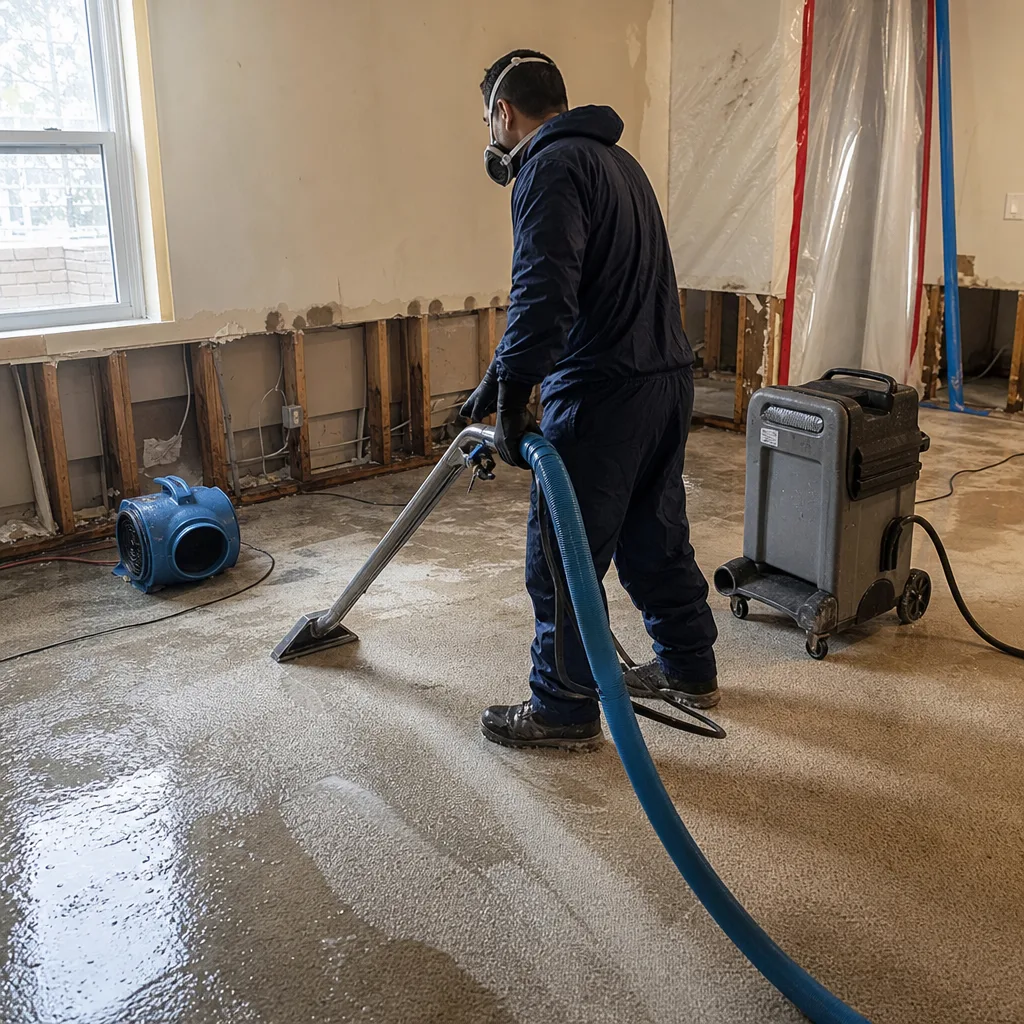
What happens when you call
- 1
A real person answersNo phone trees - you reach a local pro.
- 2
You get an upfront price rangeHonest numbers before anyone is dispatched.
- 3
A background-checked tech heads outLicensed & insured, dispatched right away.
- 4
You approve before work beginsNothing starts until you say go.
Mold Remediation Costs in Weehawken, NJ
Most Weehawken mold remediation projects land between $1,800 and $6,500. A contained 10-by-10 basement section with source correction typically runs $2,400-$4,200. A full crawl space treatment in a row house on the bluff usually comes in at $3,500-$6,000 once you include vapor barrier and antimicrobial application. A Port Imperial high-rise bathroom with water-damaged drywall and early mold is often $1,800-$3,200. What moves the price: containment requirements, the size of the affected cavity, whether structural drying is needed, and how much material must be removed and rebuilt. The free visual inspection gives you a written scope with actual numbers before we start. Call (551) 373-5246 to schedule one. If it’s covered by insurance, we bill your carrier directly.
We Also Serve Cities Near Weehawken
Our Mold Remediation crews also serve Union City, Hoboken, North Bergen, and Secaucus from the same live-dispatch operation. Each has its own housing stock and moisture patterns, but the standard is the same: written scope, certified technicians, and a job done right the first time.
Serving Weehawken, NJ - Our Local Coverage Area
We’re based in the Weehawken area and know this community well. Use the map below to see our service coverage - if you’re nearby, we can almost certainly help.
Weehawken Mold Remediation Questions, Answered
How fast do I need mold remediation after a water event in a Port Imperial high-rise condo in Weehawken?
Within 48 hours is the standard, and faster is better. Mold colonization begins on damp drywall and carpet within 24 to 48 hours of a water event, and once colonized, materials must be removed rather than dried. In a high-rise, a slow response also risks spores moving into shared corridors and neighboring units, which expands the containment scope and cost. If you’ve had water intrusion, call (551) 373-5246 the same day. A live dispatcher will walk you through whether it’s an emergency and get a crew scheduled.
Does the Lincoln Tunnel helix traffic actually cause mold problems in Weehawken row houses?
Yes, indirectly. The constant vibration from 24/7 truck and bus traffic on the helix accelerates mortar joint deterioration and micro-cracking in older masonry buildings near the approach. Those cracks become water intrusion points during heavy rain and nor’easters, and the moisture behind plaster walls is what leads to mold growth months later. We regularly trace mold problems in upper-bluff row houses back to foundation and parapet cracks that a quiet town wouldn’t see. That’s why source correction matters more than surface cleaning.
What does water category have to do with mold remediation in Weehawken basements?
Water category determines the remediation protocol. Category 1 water, like a clean supply line, carries no significant contaminants, but it still creates mold conditions if it sits more than 48 hours. Category 2 water, like dishwasher or washing machine discharge, has some contaminants and requires antimicrobial treatment on affected surfaces. Category 3 water – sewage, groundwater with soil bacteria, or Hudson River surge – is considered contaminated, and any porous material it touches is typically removed, not salvaged. Most upper-bluff basement seepage in Weehawken is category 3 because it carries soil bacteria through the foundation. Port Imperial storm surge is category 3 as well. We don’t cut corners on category 3 jobs, and neither should your contractor.
Can you remove mold from a pre-war brick row house without gutting the plaster walls?
Sometimes, yes. If the moisture source is corrected and the plaster is still structurally sound, we can often salvage it with HEPA vacuuming, antimicrobial scrubbing, and controlled drying to the appropriate standard for century-old materials. But if the plaster has been saturated for weeks or the lath behind it is mold-damaged, removal is the only honest option. The moisture readings behind the surface dictate the call, not a visual guess. That’s why we map every job before we write the scope.
Does Weehawken high-rise mold remediation require air quality clearance for neighbors?
Yes, in most Port Imperial and Lincoln Harbor buildings, clearance testing is required before we remove containment, and many buildings require notification of adjacent units before work starts. Negative air pressure and HEPA-scrubbed exhaust protect shared corridors during the job. We coordinate with building management throughout. This is standard practice for us on any high-rise remediation in Weehawken, and it protects you from liability if spores spread to a neighboring unit.
How fast can a crew actually reach my Weehawken address?
Most addresses in 07086 are reached within 45 to 75 minutes of your call, depending on the time of day and location. Boulevard East and the waterfront are easier to reach than some of the tighter upper-bluff streets, but we run crews specifically allocated to the Weehawken area. Call (551) 373-5246 and the dispatcher will give you a straight answer on arrival time. Not a window. A time.
Will my homeowner’s insurance cover mold remediation in Weehawken?
If the mold growth resulted from a sudden and accidental covered water event – a burst pipe, storm surge through a window, a sewage backup – the remediation is usually covered as part of that claim. Long-term seepage, chronic condensation, or neglect are typically excluded. The key is documentation from the first hour: photos, moisture readings, and a clear cause-and-effect chain from water event to mold growth. We build that file for your adjuster automatically. If you’re on the Port Imperial waterfront, we also coordinate with flood insurance adjusters. Call us at (551) 373-5246 before you file the claim, and we’ll tell you what we’re seeing and how to position it honestly.
What should I do in the first 30 minutes after I find mold in my Weehawken home?
Don’t disturb it. Don’t wipe it, don’t spray bleach on it, don’t run a regular box fan in the room. Agitating mold releases spores into the air, and a box fan without HEPA filtration spreads them through the house. Close the door to the affected area if you can, turn off the HVAC if it serves that zone, and call (551) 373-5246. We’ll walk you through whether it’s an active emergency or a scheduled inspection. The faster you get a moisture map, the smaller the containment scope will be.
If you’ve got mold in a Weehawken home or condo, or you suspect it behind a wall or under a floor, call Floodline Restoration Co. at (551) 373-5246. We’ll answer live, send a certified crew, and give you a written scope with real numbers before any work begins. Done right, and backed in writing.
Written by Curt Bowman, Owner at Floodline Restoration Co., serving Weehawken and surrounding Hudson County communities for over 42 years.