
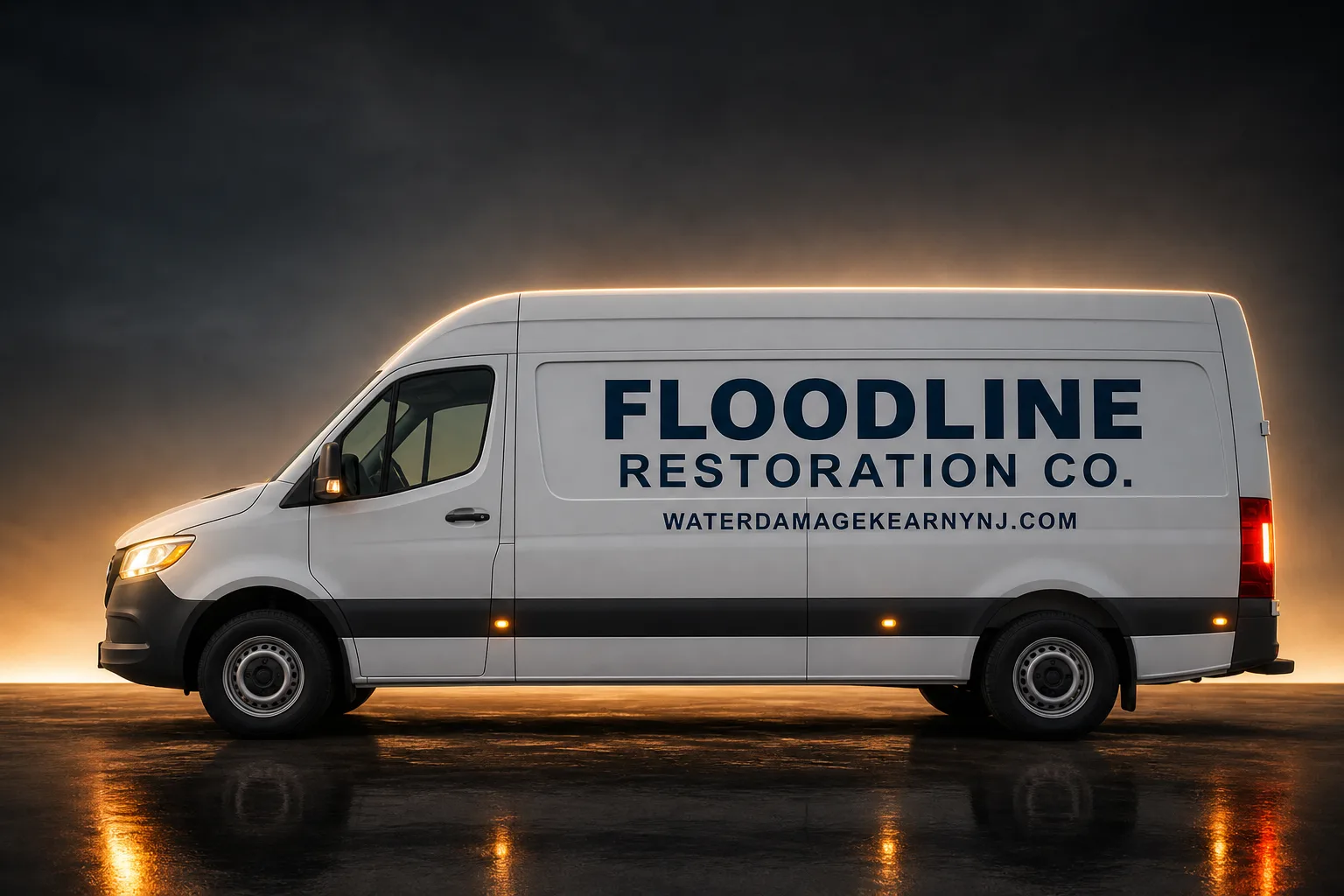
Free visual inspection and a written scope of work before any mitigation begins - photos, moisture readings, and drying logs go in your claim file
The scope we write is the scope we bill. Anything new gets shown to you, in writing, before we touch it.
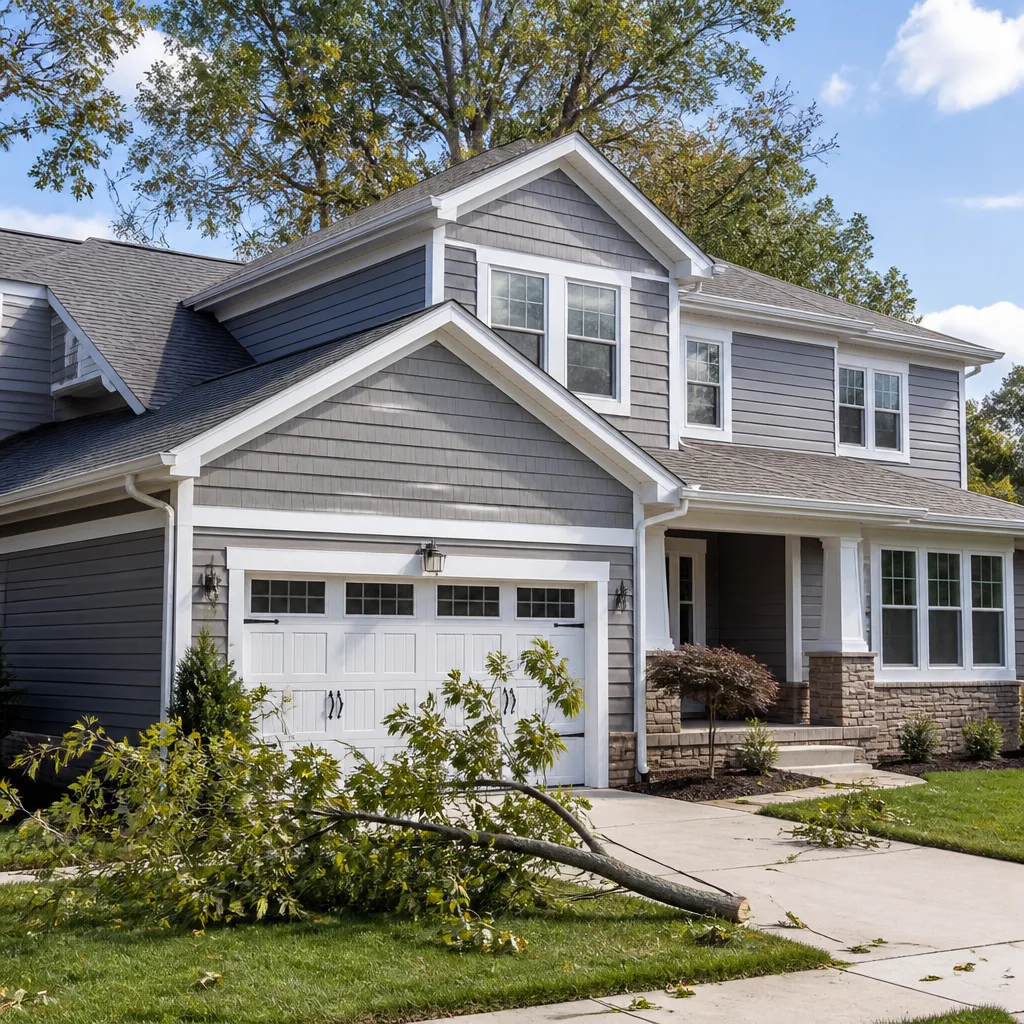
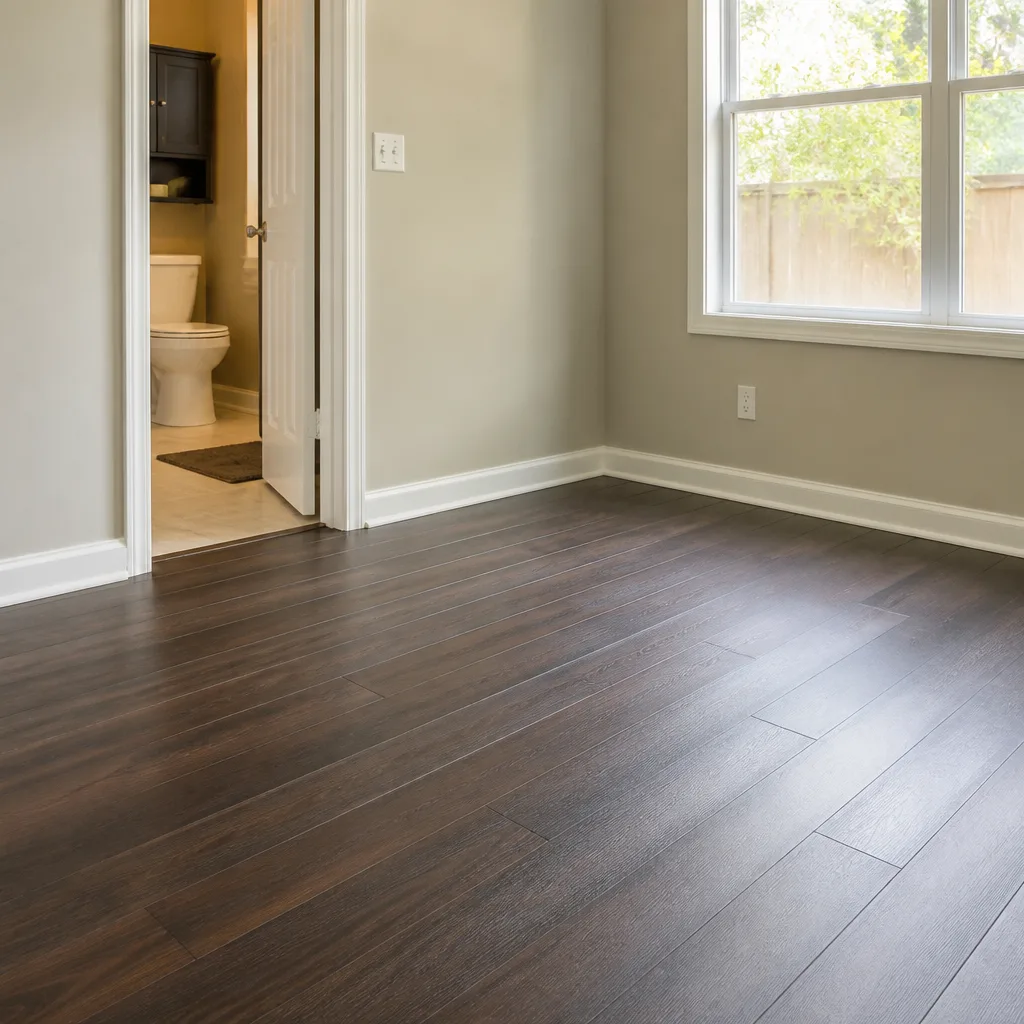
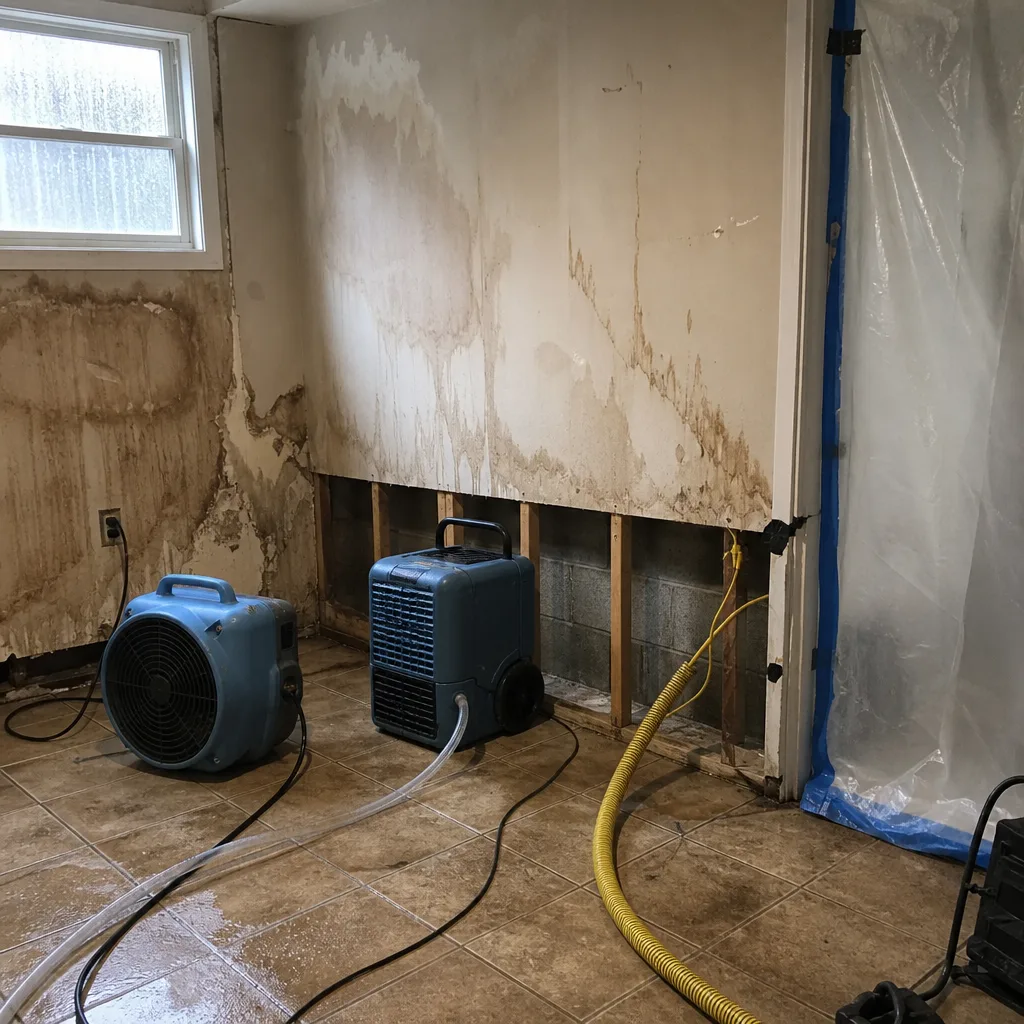 Before
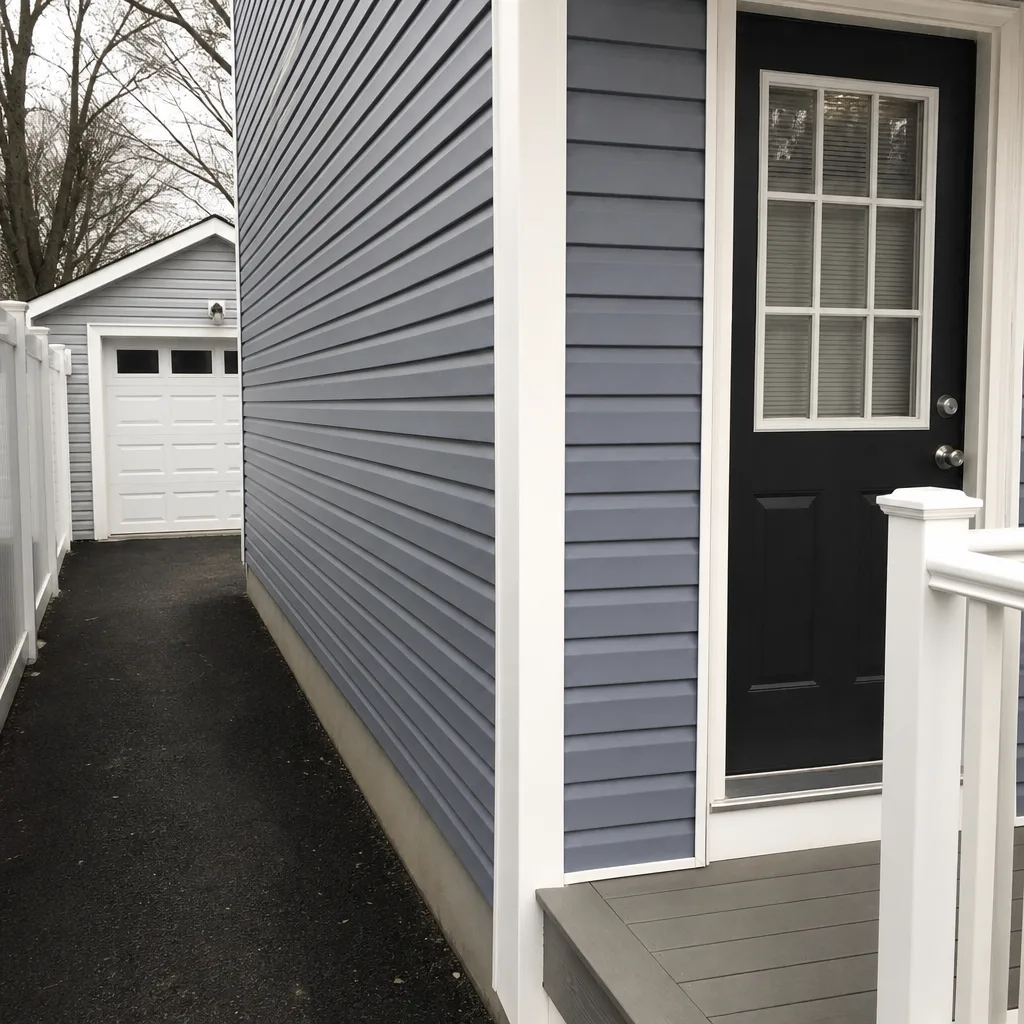 After
After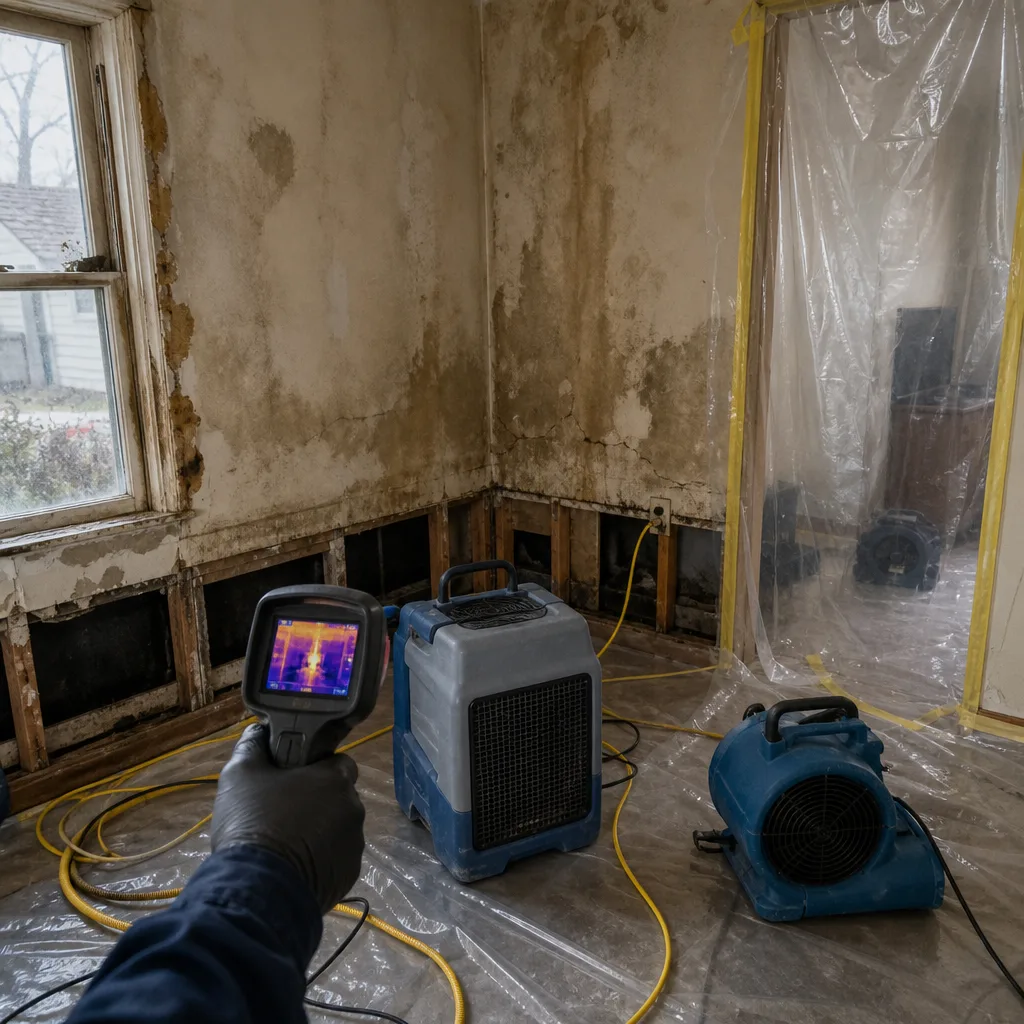 Before
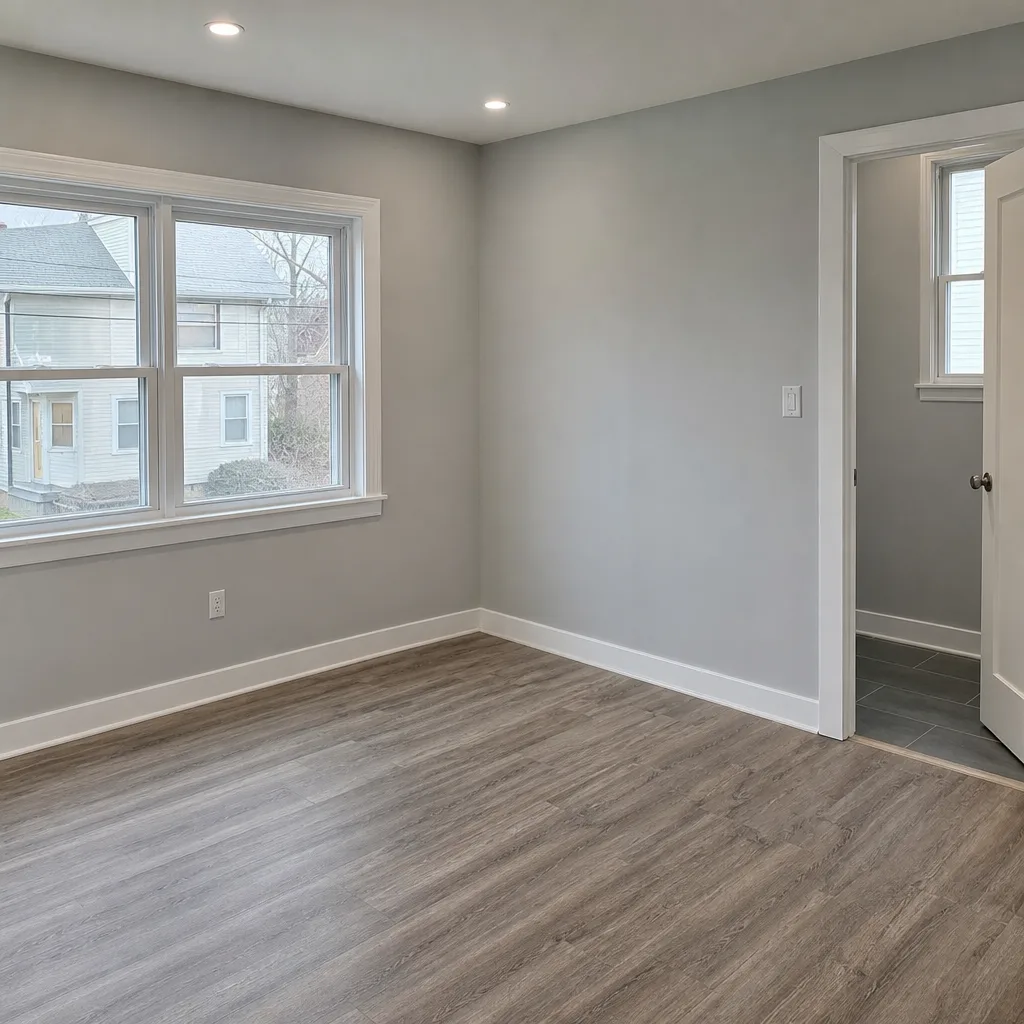 After
After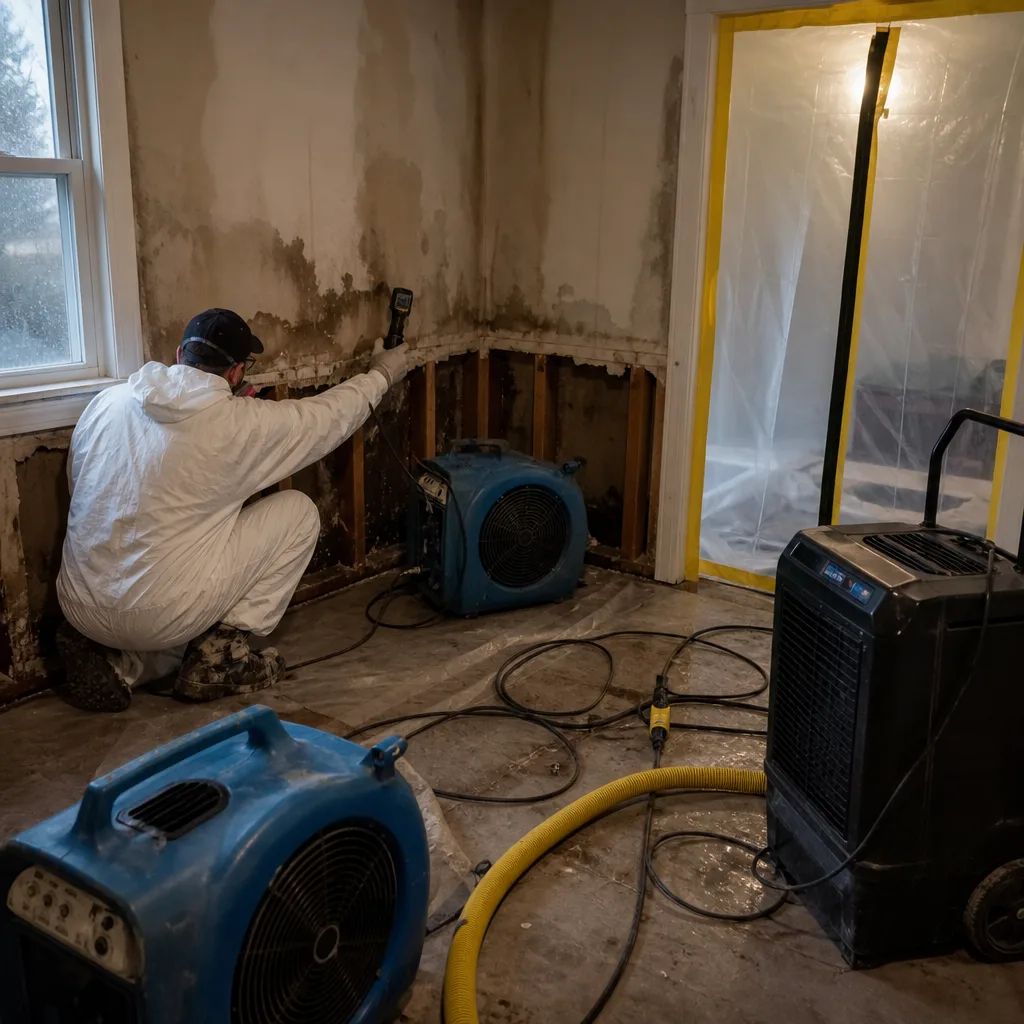 Before
 After
After24/7 Emergency Water Damage Restoration in Union City
Water damage restoration in Union City typically costs $1,800-$6,500 depending on the category of water, square footage affected, and whether sewage is involved. A burst supply line in a garden-level apartment usually runs $2,200-$4,800, while a Category 3 sewer backup off Bergenline Avenue often lands between $3,500-$8,000 because of antimicrobial treatment and selective demolition. Our crews answer live at (551) 373-5246 around the clock, and we dispatch into Union City within 45 minutes of your call. The first hour matters more in Union City than almost anywhere else in Hudson County because moisture moves through shared masonry party walls fast. One burst pipe on the third floor of a pre-war walk-up can be dripping into the apartment two floors down before the water even pools on the original floor. Call us the moment you see water. We’ll be there when we say.
Understanding Water Damage Restoration Severity in Union City Properties
Category 1 water is clean: a cracked supply line, an overflowing tub, a failed water heater. Category 2 is grey water: washing machine discharge, sump pump overflow, anything with soap or food residue. Category 3 is black water: sewage, combined-sewer backflow, Hudson River floodwater. The distinction matters because Category 3 requires full PPE, antimicrobial treatment, and removal of porous materials like drywall and carpet. Union City’s combined sewer system makes Category 3 losses far more common here than in nearby lower-density towns. A heavy rainstorm surcharges the same pipes that carry sewage, and garden-level apartments along the side streets off Bergenline Avenue back up through floor drains. We moisture-map every loss with hygrometers and thermal imaging because in these old masonry buildings, water wicks laterally through party walls and vertically through concrete plank floors. The visible puddle tells you almost nothing about where the moisture actually went. Our IICRC-certified technicians log readings daily until the structure meets the dry standard.
Why Union City Property Owners Choose Floodline Restoration Co.
- 45-minute response commitment: We dispatch crews from just across the Hudson, and we reach most Union City addresses within 45 minutes of your call.
- 24/7 live answer: A real person picks up at 2 a.m., not a recording. You tell us what happened; we tell you what happens next.
- IICRC-certified crews: Our technicians hold WRT, FSRT, and AMRT certifications, so the person reading the moisture map is trained to read it right.
- Free visual inspection: We walk the loss with you, explain what we’re seeing, and give you a written scope before any work starts.
- Direct insurance billing: You never play messenger between us and your carrier. We bill them directly and keep the paperwork moving.
- One team from extraction to rebuild: The same crew that pulls the water out is the crew that hangs the new drywall. No handoffs, no inherited subs.
Our Water Damage Restoration Process
Inspection & Assessment
We arrive with thermal imaging cameras and penetrating moisture meters. We map the full extent of the loss, including moisture that has migrated into party walls, floor cavities, and ceiling plenums. You get a written scope before we touch anything.
Extraction & Stabilization
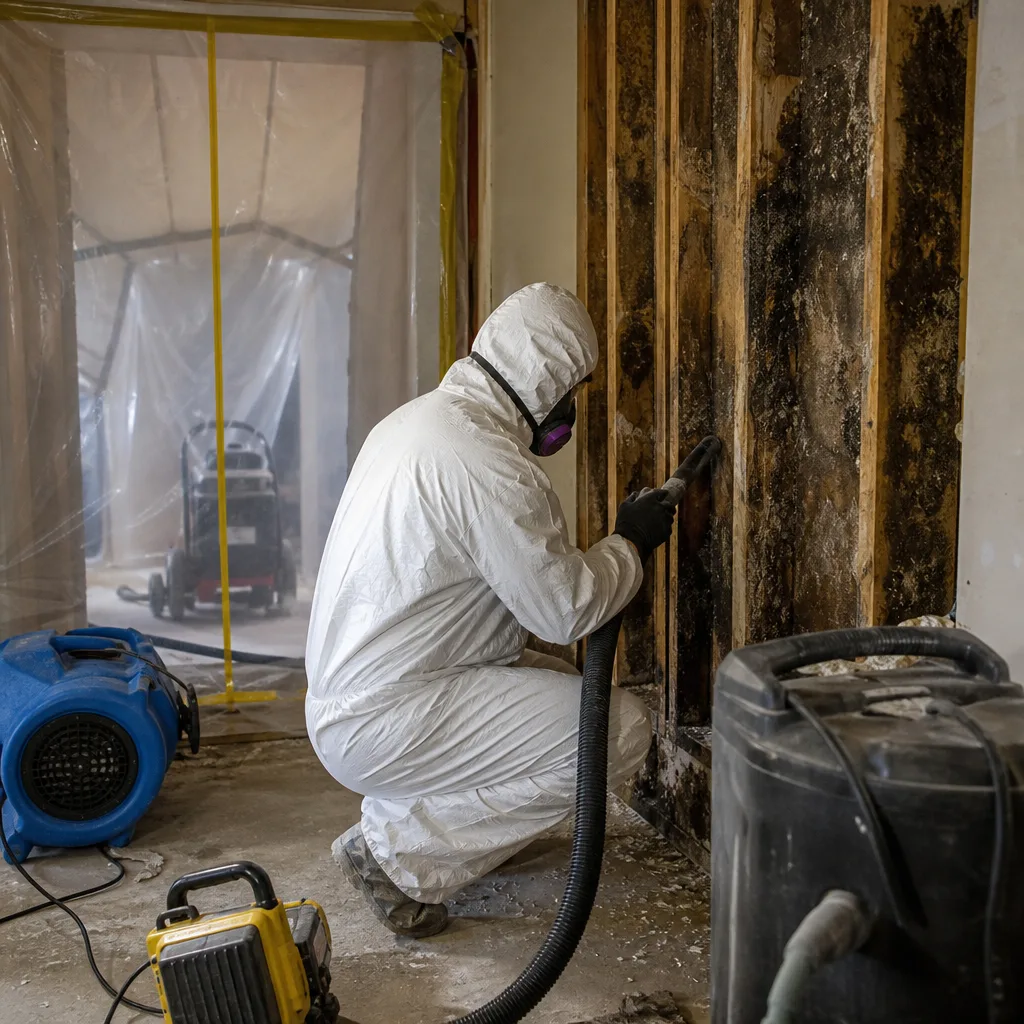
We remove standing water with truck-mounted extraction units and submersible pumps, then set up containment if we’re dealing with Category 2 or 3 water. For sewage cleanup in Union City, we run full negative-air containment with HEPA filtration before disturbing any materials.
Drying & Dehumidification
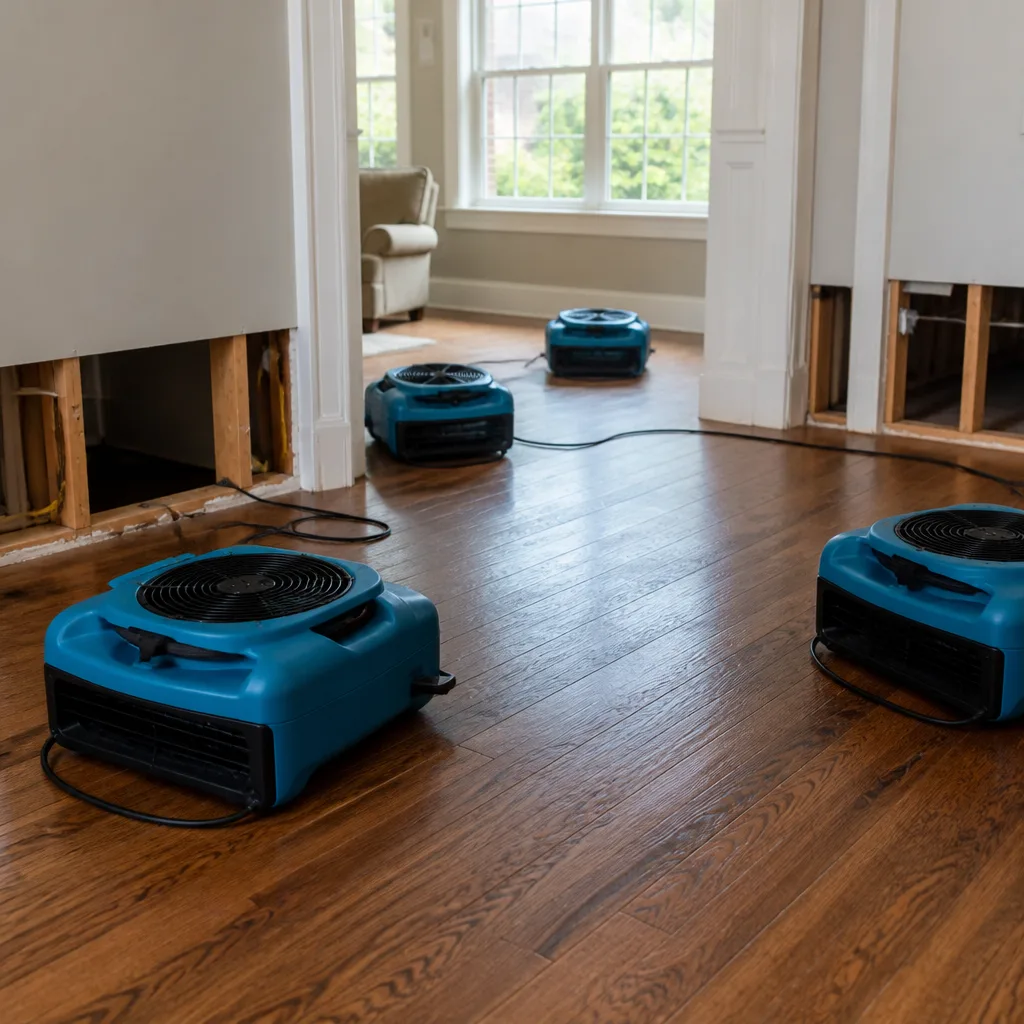
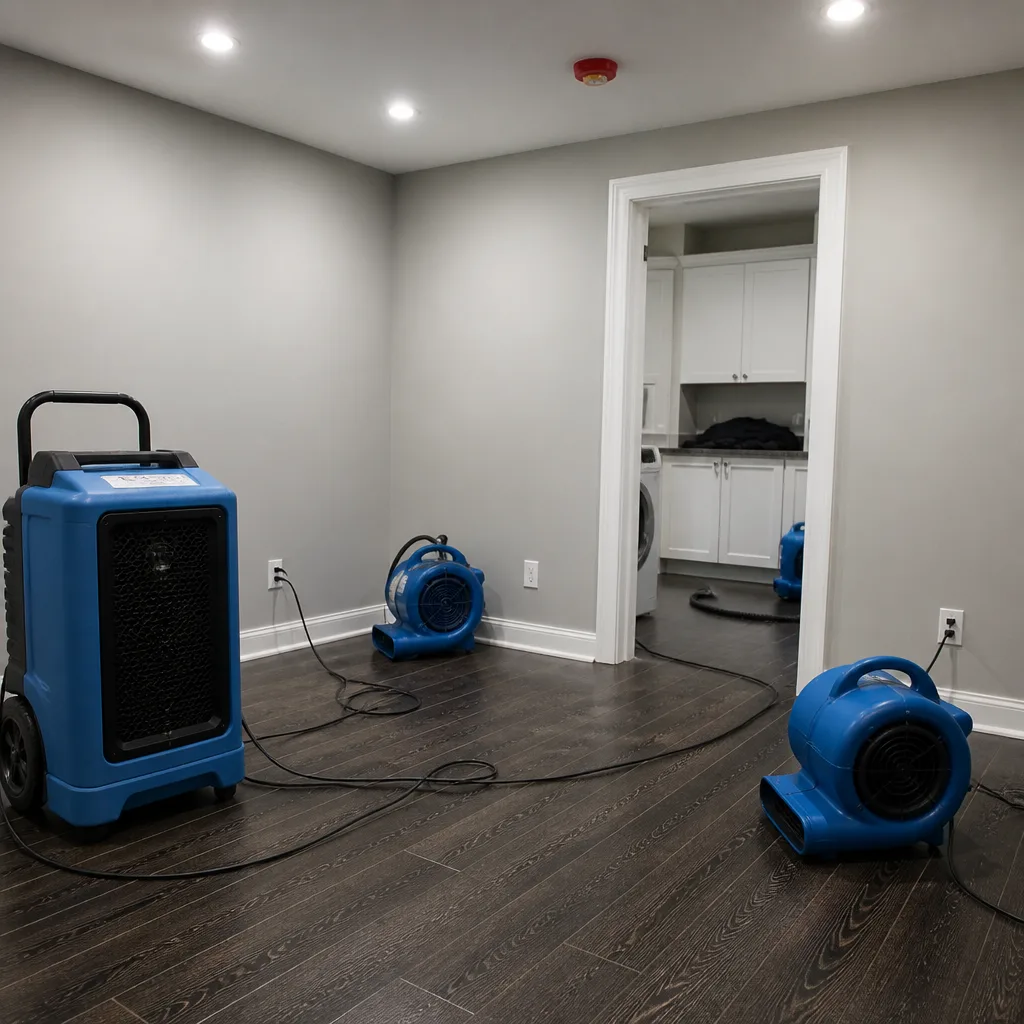
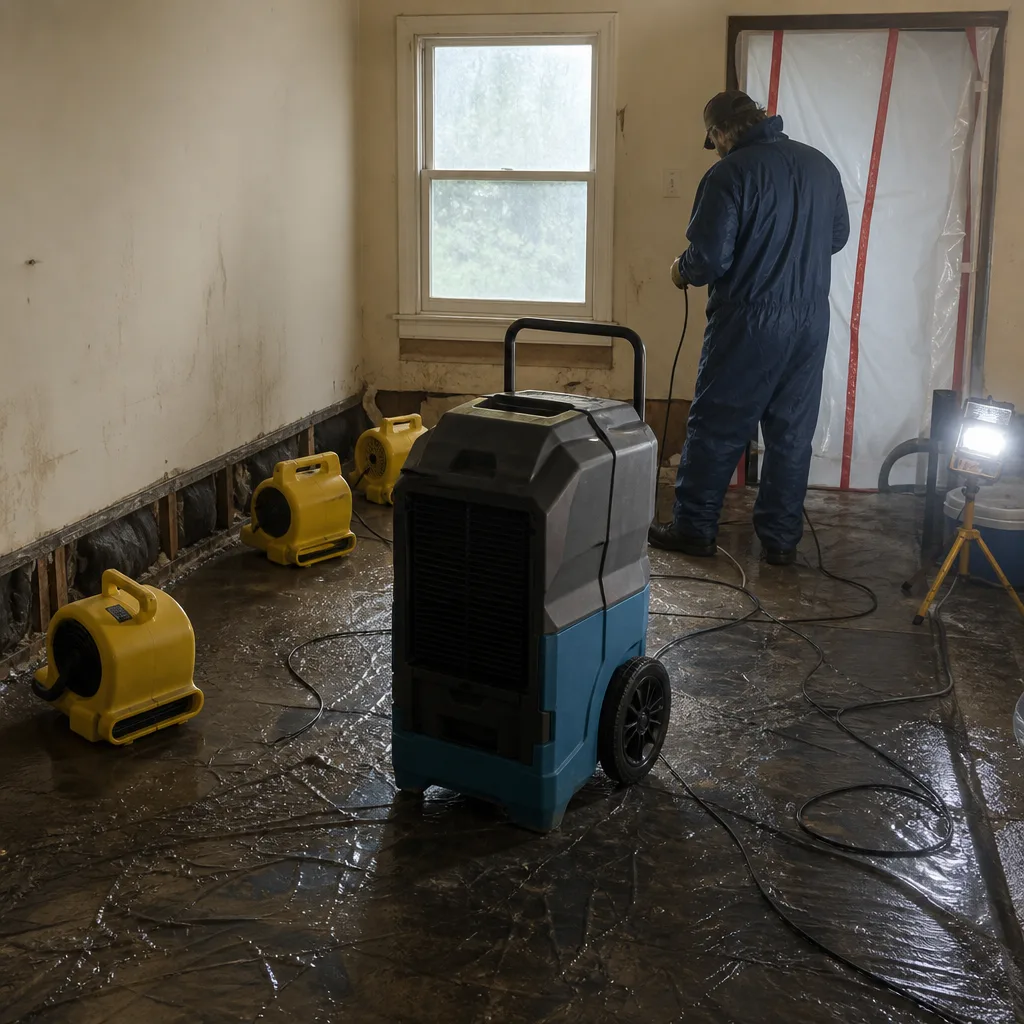
Dri-Eaz, Phoenix, and XPOWER air movers go in with LGR dehumidifiers sized to the space. In Union City’s masonry buildings, we place air movers to push air through wall cavities, not just across open floors. Daily moisture readings get logged and shared with your insurer.
Cleaning & Sanitization
We clean salvageable contents and apply antimicrobial treatment where the water category demands it. For Category 3 losses, this means full disinfection of all affected surfaces and the discard of any porous item that touched sewage.
Specialty Treatment for Union City Buildings
We inject dry air into wall cavities using Injectidry systems, which reach the space behind plaster and lath that surface drying cannot touch. We also open and inspect party-wall cavities in multi-unit buildings when moisture readings suggest lateral migration into a neighboring apartment.
Repairs & Restoration
We rebuild what we remove: drywall, trim, flooring, paint. Because we’re a full-cycle restoration company, the crew that dried your walls is the crew that finishes them. Done right, and backed in writing.
Need Emergency Water Damage Restoration in Union City Now?
Crews minutes away, answering live 24 hours a day. The sooner we start, the less it costs.
Working With Your Insurance Company
We know how carriers think because we’ve been billing them directly for years. From the first hour on site, we photograph every wet surface, log every moisture reading, and document the category of water before we move a single piece of drywall. That matters in Union City especially, where a claim that starts as a simple supply-line burst can grow into a multi-unit loss when the adjuster realizes water reached a party wall. Our estimators write industry-standard line-item scopes using the same software your carrier uses, so the numbers match up on the first pass. We speak directly with your adjuster, send them the drying logs, and handle the back-and-forth. You have enough to deal with; nobody needs to be a courier between two companies.
What We Provide Your Insurer
- Thorough documentation of the loss
- Photos of all damage, room by room
- Moisture readings and drying logs
- A detailed, line-item scope of work
- Direct coordination with your carrier
Built for Union City’s Loss Calendar
Union City gets hit differently by season, and the building stock makes each season’s losses worse than they’d be in a suburb. January and February deep freezes split galvanized supply lines in unheated stairwells and along exterior walls, and because most of these buildings share plumbing risers, a split on the top floor becomes a waterfall through four apartments. March and April bring the thaw, plus spring rains that surcharge the combined sewers along the lower streets. Garden-level units take the worst of it. July and August thunderstorms dump rain faster than those same 19th-century sewers can carry it, and the flat tar-and-gravel roofs, baked all summer, crack and open at the flashings, which is why Union City Storm & Disaster Restoration crews stay busy through hurricane season. Nor’easters in the fall and early winter are a wind problem up on the Palisades, not a surge problem like they are down in Hoboken. The ridge keeps Union City above storm surge, but the wind tears membrane roofs and drives rain into brick facades that have been absorbing moisture since the 1920s. Every season has a signature, and we’ve seen them all enough times to know what to expect before we even open the door.
Water Damage Restoration Across Union City’s Neighborhoods
Water Damage Restoration in Union City means something different depending on which block you call home. Up along Palisade Avenue, the larger pre-war buildings with original cast-iron drain stacks see more vertical chase leaks, water traveling down pipe chases through four or five floors before it shows itself. The streets running east-west between Bergenline and Kennedy Boulevard are dense rowhouse territory, where shared party walls mean a leak in one house dampens the plaster in the one next door within a day. Closer to the Weehawken line, along the numbered streets from 30th up, many buildings sit below the grade of the Palisades slope, and groundwater seepage through old fieldstone foundations is a constant springtime call. The garden-level apartments off Bergenline Avenue, especially along 15th through 22nd Streets, are the repeat sewer-backup zone. Those combined-sewer surcharges put black water into living spaces, and by the time we arrive, the drywall is already wicking moisture upward. Every neighborhood has its own failure pattern. We navigate the narrow streets and double-parked Bergenline traffic daily, and we know which buildings have walk-up access issues and which have freight elevators. That local knowledge shaves time off every response.
Specialized Water Damage Restoration Services We Offer in Union City
Emergency Water Extraction
Standing water in a Union City apartment is never a single-unit problem. We extract fast, then trace where the water went through the floor and into the walls. Truck-mounted extractors pull hundreds of gallons per hour, and we don’t leave until the visible water is gone and the drying plan is set.
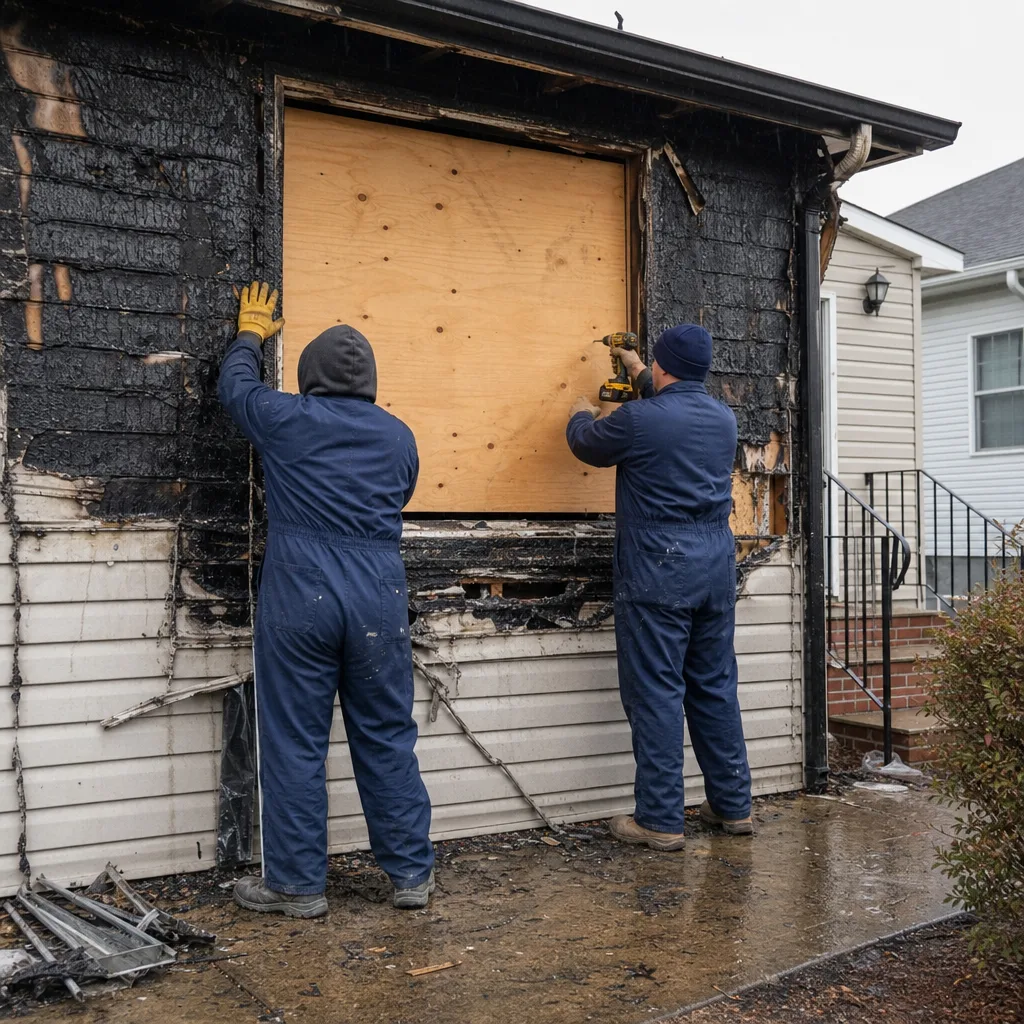
Structural Drying & Dehumidification
Masonry holds water. Our Injectidry systems push dry air into wall cavities and under floors where surface drying never reaches. In a three-story rowhouse, that can mean daily readings across multiple units, even if the leak started in just one.
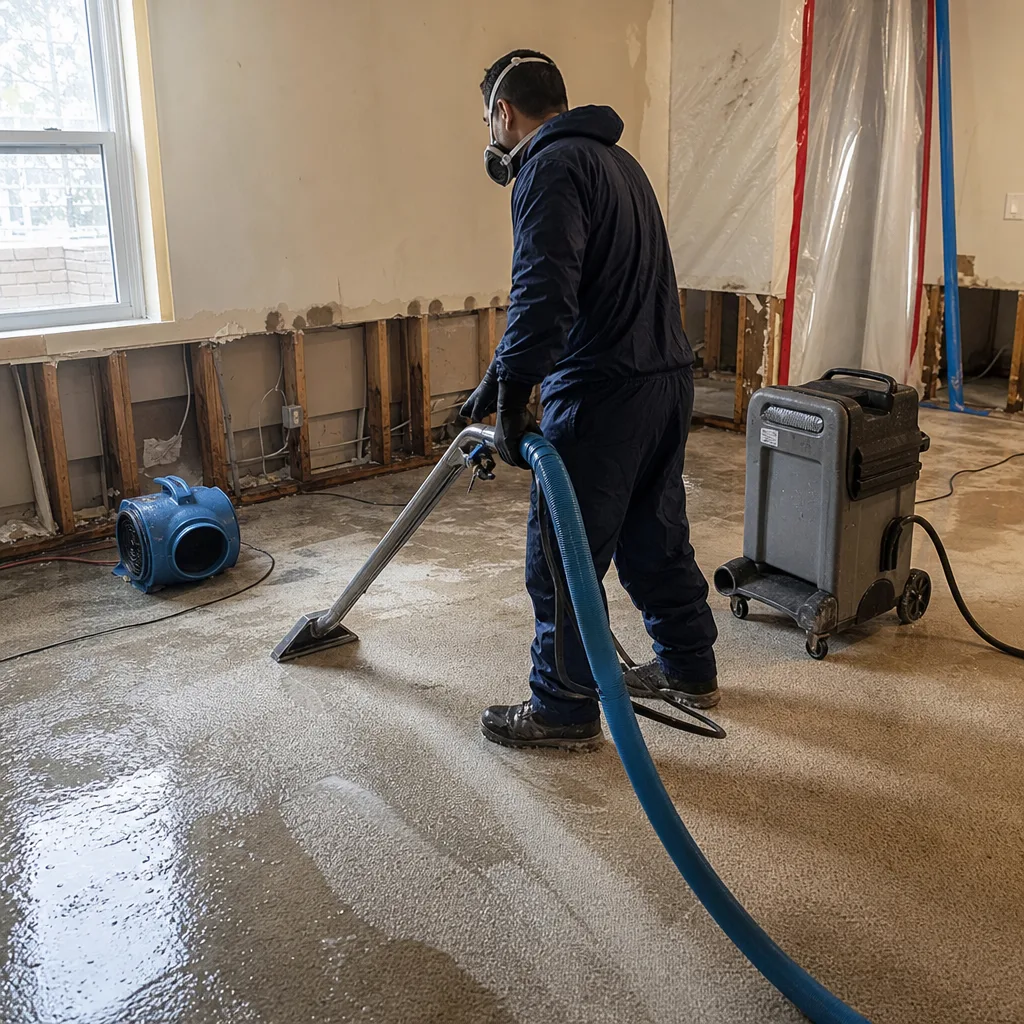
Flood Cleanup
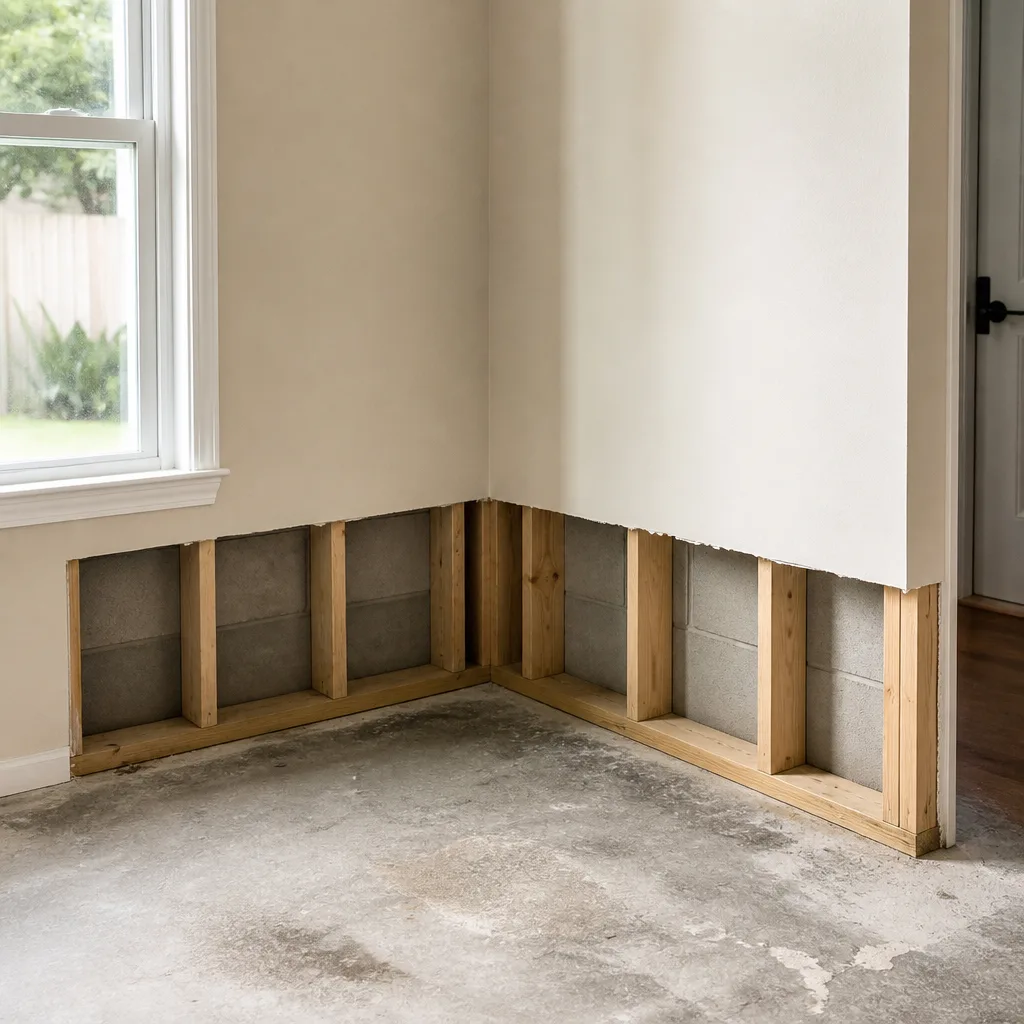
Whether the water came from a surcharged sewer, a failed roof during a nor’easter, or a burst riser, fire and smoke damage restoration in Union City isn’t all we do-we also remove the water, the contaminated materials, and the odor. In garden-level units, that usually means cutting the bottom two feet of drywall and treating the studs and masonry behind it.
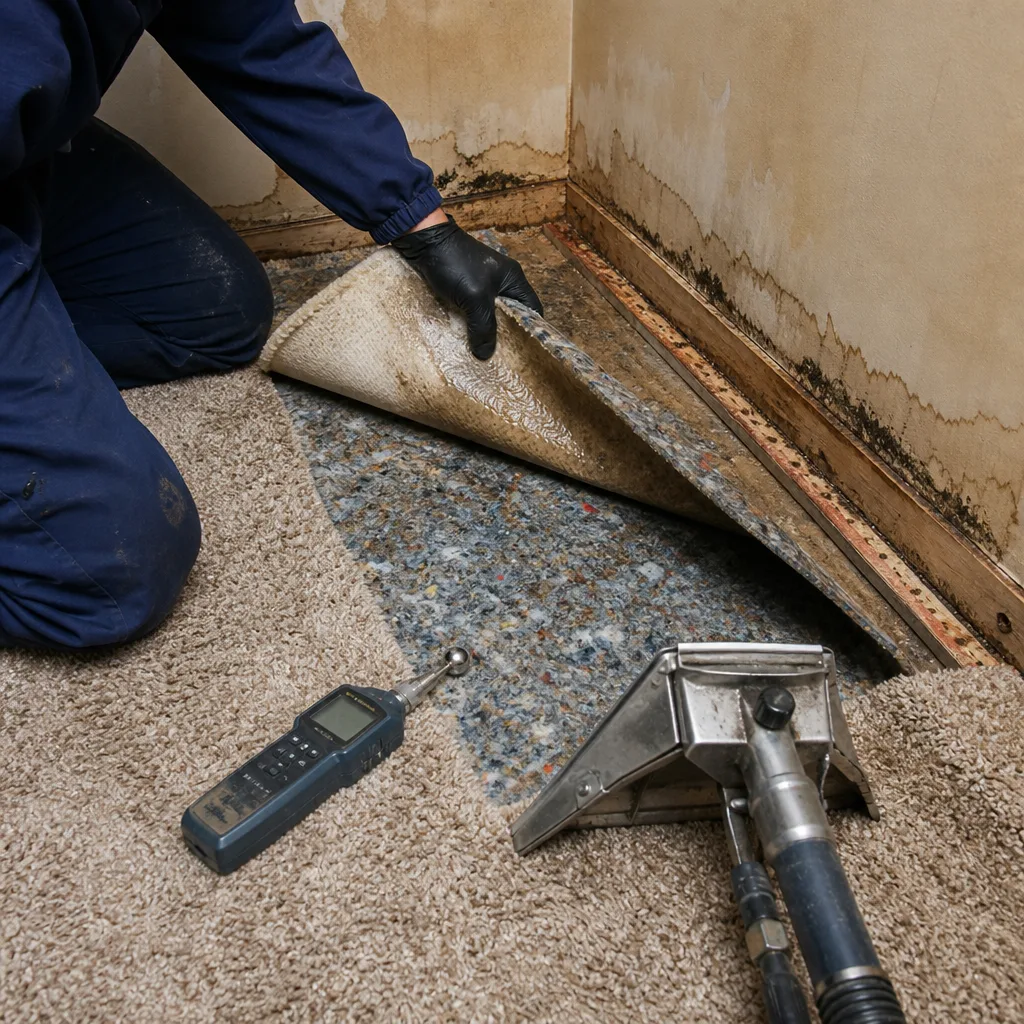
Burst Pipe Restoration
Galvanized supply lines from the 1930s fail without warning, and when they do, the water follows gravity through every chase it can find. We stop the source, extract, dry, and rebuild. Same crew from the first cut to the final coat of paint.
Basement Water Removal
Basements in Union City are rarely finished, but they hold boilers, electrical panels, and decades of stored belongings. We pump them out fast, dry the structure, and sanitize. If the water was sewage, we treat it as Category 3 from the first minute.
What happens when you call
- 1
A real person answersNo phone trees - you reach a local pro.
- 2
You get an upfront price rangeHonest numbers before anyone is dispatched.
- 3
A background-checked tech heads outLicensed & insured, dispatched right away.
- 4
You approve before work beginsNothing starts until you say go.
Water Damage Restoration Costs in Union City, NJ
Here’s what we actually see on invoices in the 07087 zip code. A straightforward Category 1 extraction and drying in a single apartment runs $1,800-$3,200. A burst supply line that affected three units and required party-wall drying typically lands $4,500-$7,800. A Category 3 sewage backup in a garden-level apartment, with containment, antimicrobial treatment, and selective demolition, usually costs $3,500-$8,000 depending on how much drywall and flooring comes out. The price moves up with the number of units affected, whether we need containment, and how long the water sat before we arrived. Insurance covers most of these losses, and we bill your carrier directly. The free visual inspection gives you a firm number before work starts, so there’s no guesswork. Call (551) 373-5246 and we’ll walk you through it.
We Also Serve Cities Near Union City
Our crews cover Union City and the surrounding Hudson County communities, including Union City, Weehawken, Hoboken, North Bergen, and Secaucus. If you’re in one of those towns and water is where it shouldn’t be, the same live dispatch and certified crews are available to you.
Serving Union City, NJ - Our Local Coverage Area
We’re based in the Union City area and know this community well. Use the map below to see our service coverage - if you’re nearby, we can almost certainly help.
Union City Water Damage Restoration Questions, Answered
How quickly can mold start growing in a Union City tenement after a pipe burst?
Mold can begin colonizing damp drywall and organic materials within 24 to 48 hours in a Union City tenement, especially in the summer months when indoor humidity rides high. In these older masonry buildings, the slow-drying wall cavities behind plaster and lath stay wet longer than surface materials, which extends the mold window. If water from a burst pipe reached a shared party wall, assume the clock started when the pipe broke, not when you noticed it. Call (551) 373-5246 as soon as you see water so we can extract and start drying before mold has a chance to take hold.
What is the difference between Category 1, 2, and 3 water, and why does it matter for my Union City apartment?
Category 1 is clean water from a supply line or faucet; Category 2 is grey water with soap, food, or chemical residue; Category 3 is black water containing sewage, bacteria, or floodwater. It matters because Category 3 requires full PPE, antimicrobial treatment, and removal of porous materials, while Category 1 can often be dried in place. In Union City, garden-level apartments off Bergenline Avenue frequently experience Category 3 from combined-sewer surcharge, which means a different protocol entirely. We assess the category on arrival and show you why the treatment plan looks the way it does.
Why does a pipe burst in one apartment affect so many other units in Union City buildings?
Because Union City’s housing stock is dominated by pre-war masonry buildings with shared plumbing risers, concrete plank floors, and continuous wall cavities. Water from a burst pipe on an upper floor follows gravity through pipe chases and wicks laterally into neighboring party walls. We’ve walked into a third-floor Loss and found wet plaster in the first-floor apartment two doors over, connected by nothing but a shared wall cavity. That’s why our moisture mapping covers adjacent units, not just the one where the pipe actually failed.
What should I do if my basement apartment on a side street off Bergenline Avenue floods during heavy rain?
First, do not stand in the water if it rose through a floor drain, because it’s likely Category 3 sewage from a surcharged combined sewer. Turn off electricity to the affected area if you can do so safely without stepping in the water, then call us at (551) 373-5246. We treat every side-street basement backup as contaminated until proven otherwise. The faster we get extraction and antimicrobial treatment running, the less of your drywall and flooring has to come out.
How do you dry the shared brick walls in a Union City rowhouse without opening every unit?
We use penetrating moisture meters to map exactly how far water has migrated through a party wall, then we inject dry air into the wall cavity through small access points using Injectidry systems. That lets us dry the inside of a shared wall from one unit without tearing into the neighbor’s side. If moisture readings show significant saturation in the adjoining apartment, we coordinate with that unit’s owner or tenant and dry both sides. The goal is to meet the dry standard, not just make the visible surfaces look dry.
How fast can you actually get to my Union City apartment after I call?
Most Union City calls are reached within 45 minutes. Our dispatch office is across the Hudson, and our crews know the Bergenline traffic patterns, the narrow side-street alleys, and the buildings with freight elevator access. We answer live at every hour, so you’ll talk to a person immediately and get a realistic arrival window, not a recording promising a callback.
Will my insurance cover water damage restoration in Union City?
Most homeowner and landlord policies cover sudden and accidental water damage, including burst pipes and sewer backups if you carry that endorsement. Garden-level tenants often fall under the landlord’s policy for the structure, while the tenant’s renters policy covers their personal belongings. We document everything from the first hour, bill your carrier directly, and handle adjuster communication so the claim doesn’t stall on missing paperwork. Bring us in early, and the documentation starts before anything gets moved.
How long does drying take in a Union City building with plaster walls and concrete floors?
Three to five days is typical for a standard Category 1 loss in one of Union City’s pre-war buildings, but a Category 3 loss with masonry party walls and concrete floors can run five to seven days or more. Plaster and lath hold moisture stubbornly, and concrete planks release it slowly. Our daily moisture readings tell us when the structure actually meets the dry standard, and we don’t pull equipment early just to free up a machine. You’ll get the drying log at the end, proving the building was dry when we said it was.
Water damage in Union City is rarely a simple job. The buildings are old, the walls are shared, and the sewers back up when the rain falls hard. Floodline Restoration Co. has been handling these exact scenarios long enough to know what the first hour demands. Our Water Damage Restoration team will take your call day or night, arrive fast, and stay until the job is done right. Call (551) 373-5246 now. The line the water left is where we start.
Written by Curt Bowman, Owner at Floodline Restoration Co., serving Union City and the surrounding Hudson County area since 2010.