

Free visual inspection and a written scope of work before any mitigation begins - photos, moisture readings, and drying logs go in your claim file
The scope we write is the scope we bill. Anything new gets shown to you, in writing, before we touch it.
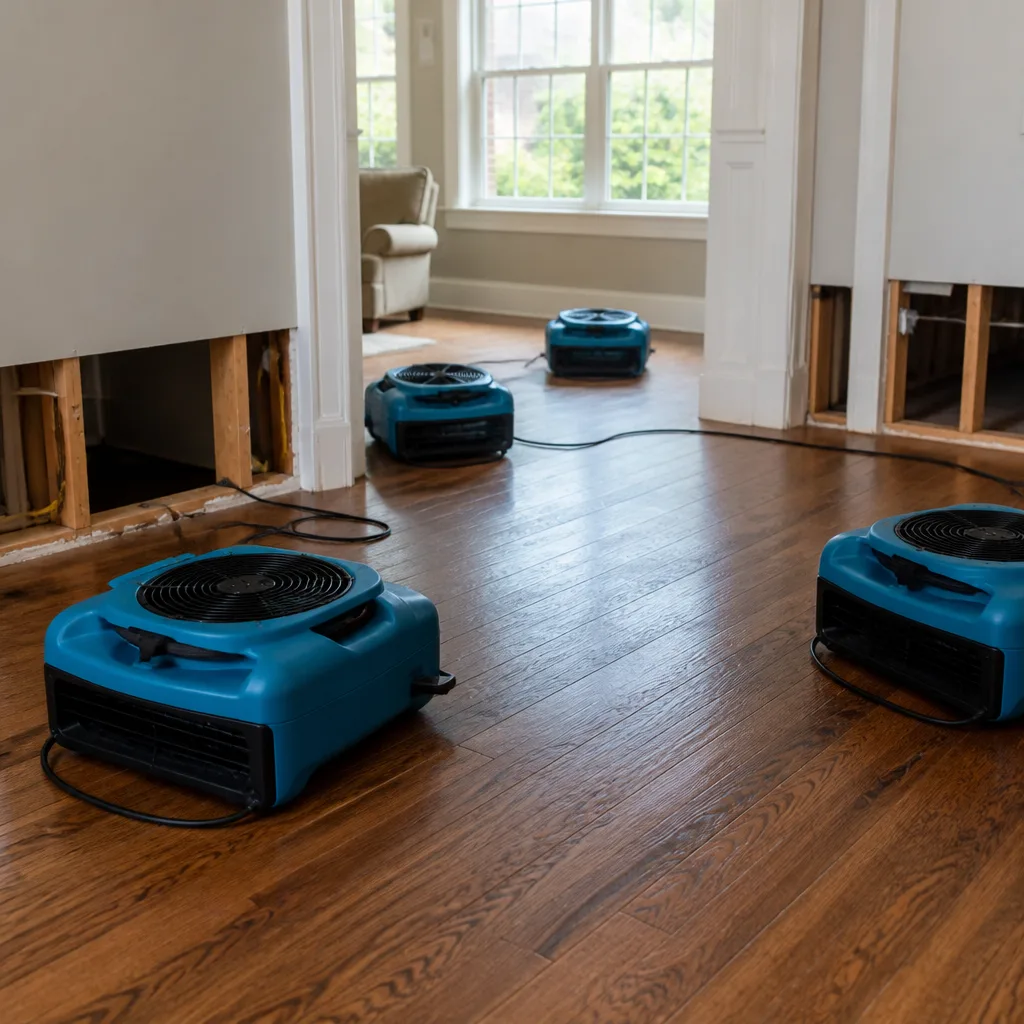
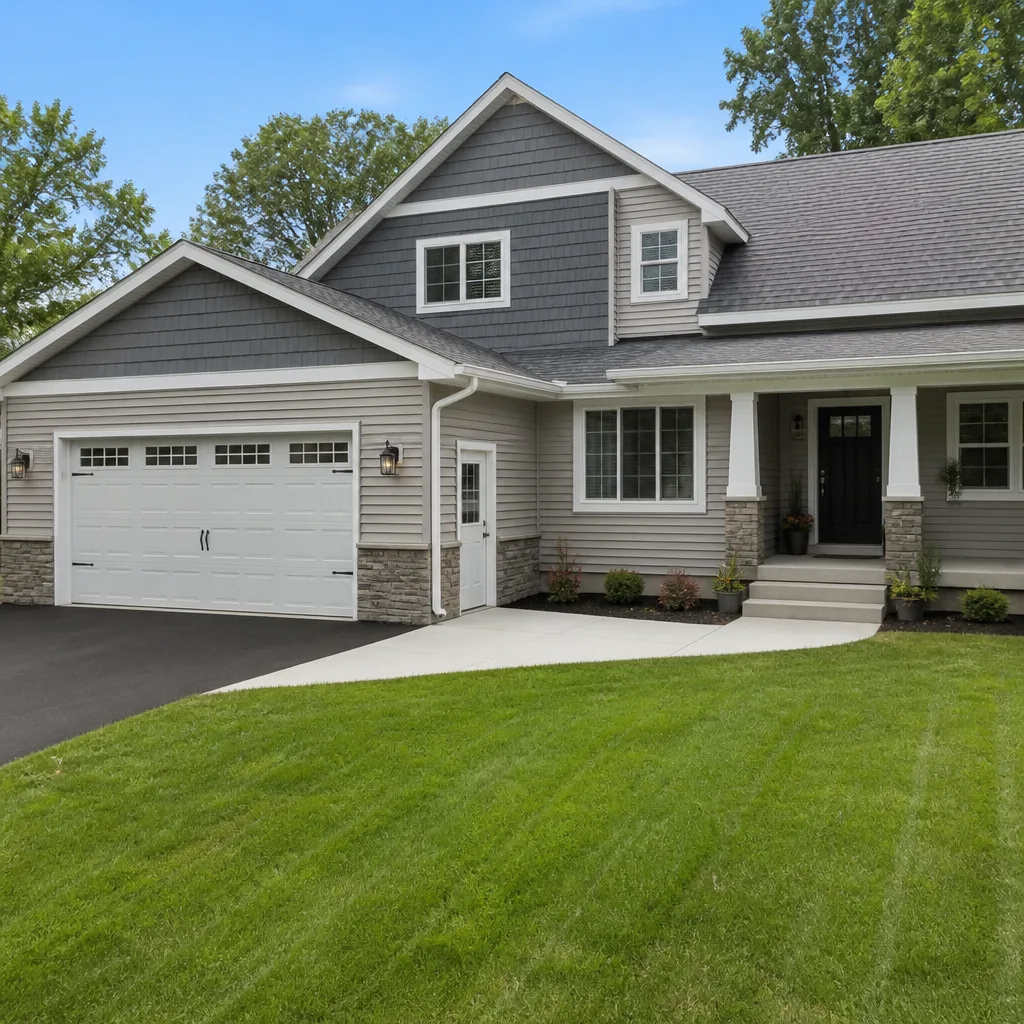
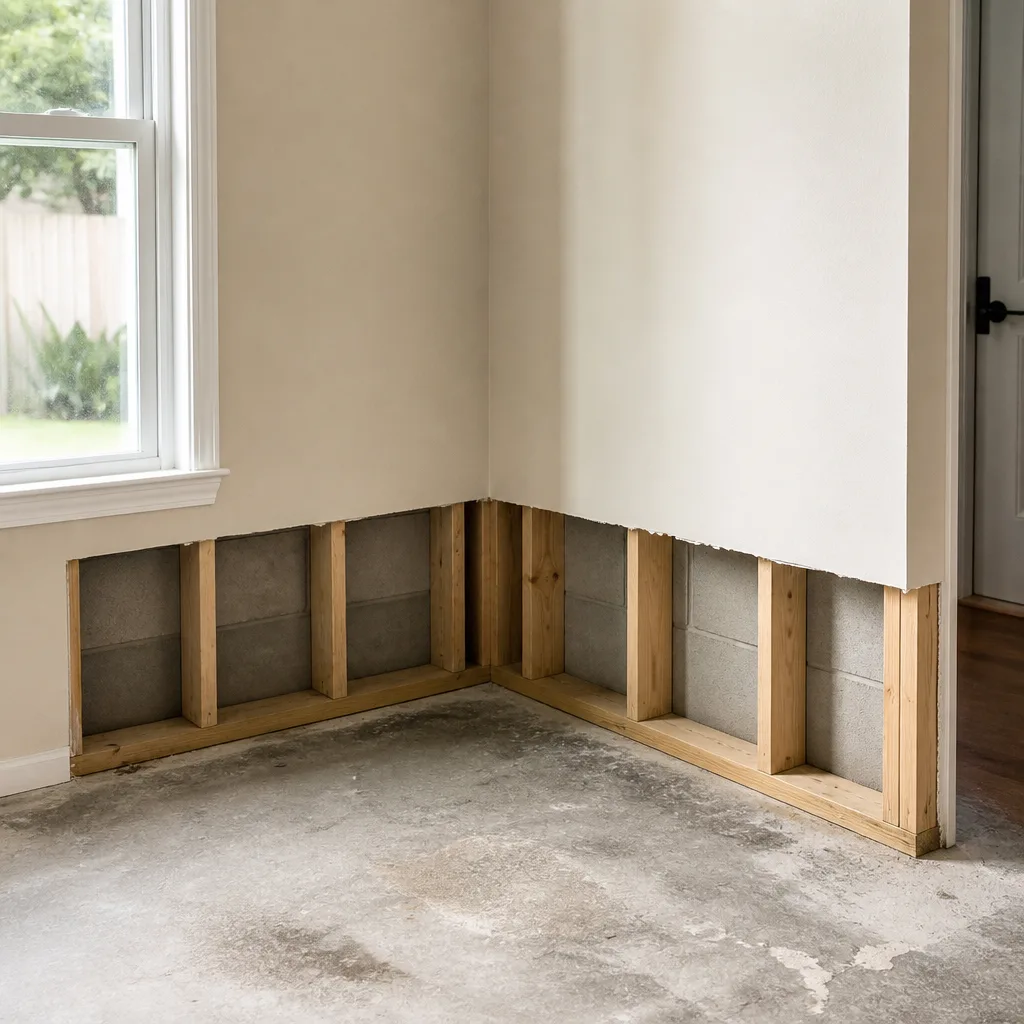
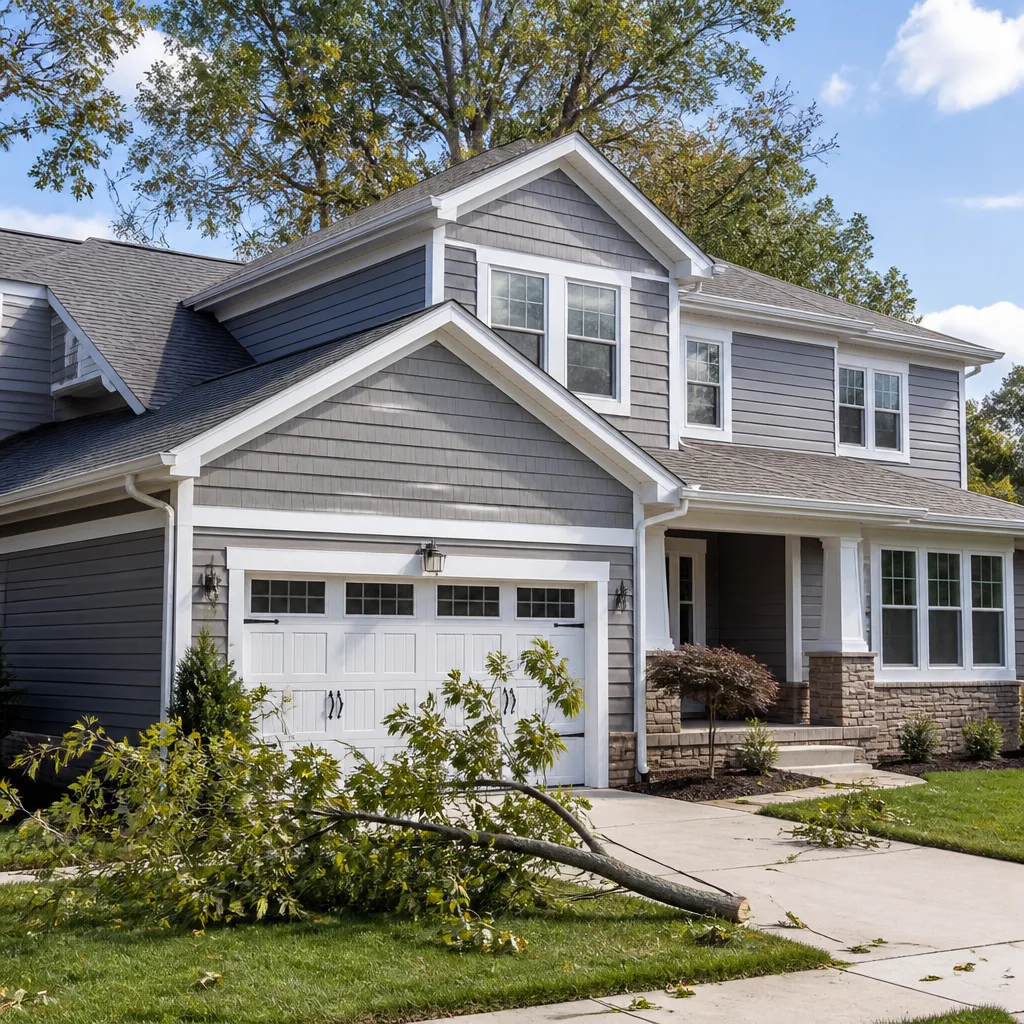
 Before
 After
After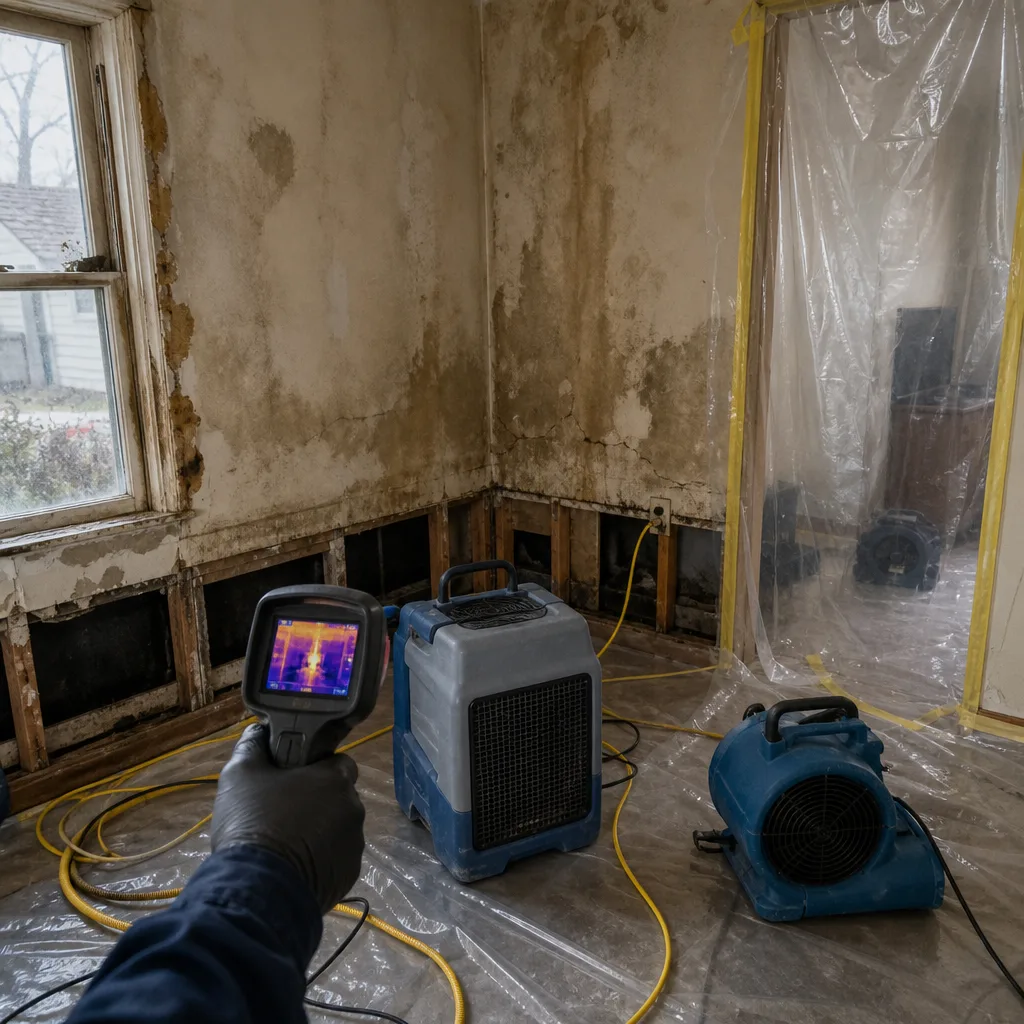 Before
 After
After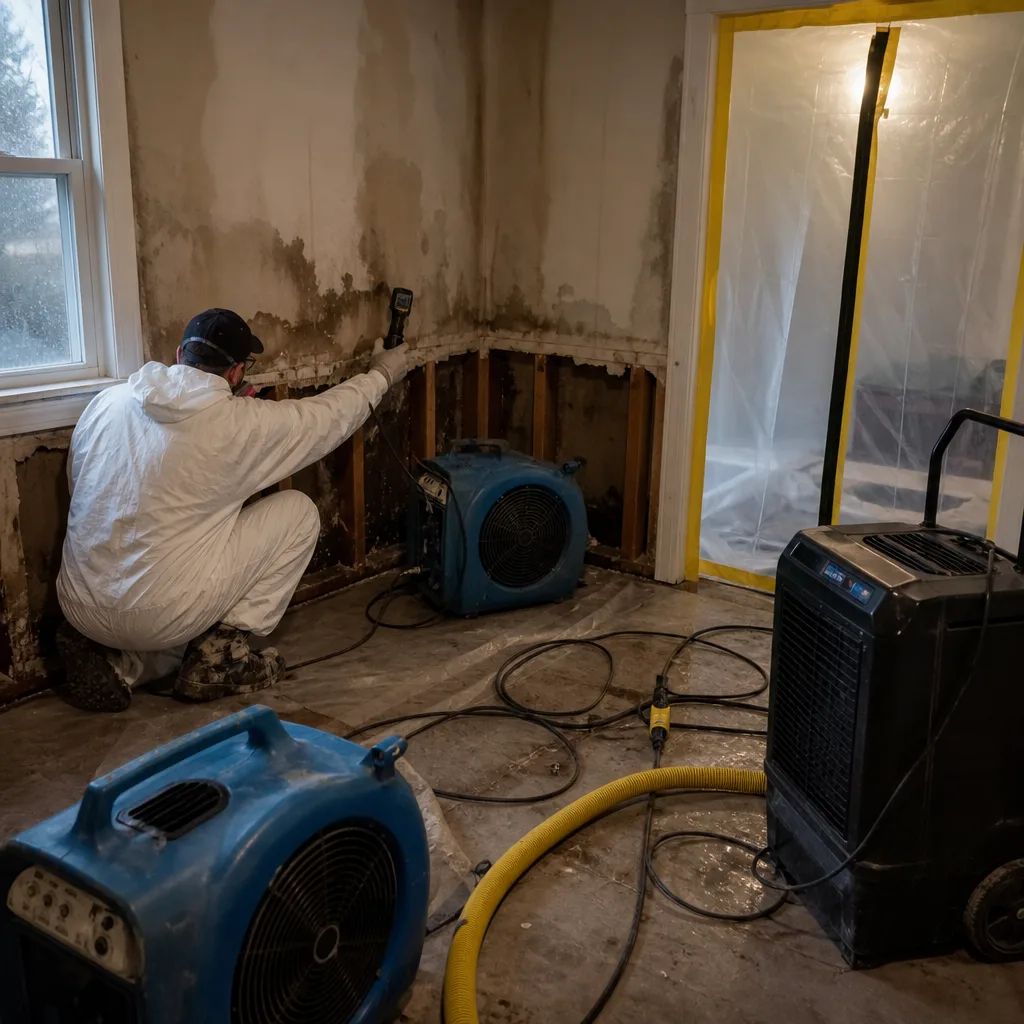 Before
 After
After24/7 Emergency Mold Remediation in Kearny
Mold remediation in Kearny typically costs $1,800 to $6,500 depending on how far moisture has traveled through plaster, framing, and foundation block. Most jobs start with a free visual inspection and moisture mapping, not with demolition. If you’re seeing black staining on basement walls, catching a musty smell near the floor drain, or peeling paint on foundation block along Kearny Avenue or Belgrove Drive, call (551) 373-5246 now. A live dispatcher answers at any hour, because mold does not wait for business hours in a town built on marsh fill.
We dispatch certified crews into Kearny the same visit, not days later. The first hour matters because every rainfall recharges the water table that keeps your foundation damp, and damp foundations keep feeding the mold. Our Mold Remediation team works off a moisture map, not a guess, so you get containment set before spores spread through the house.
Understanding Mold Remediation Severity in Kearny Properties
Mold severity in Kearny breaks into three practical levels. Level one is surface growth on plaster, drywall, or framing with moisture content between 20 and 30 percent. This is common in basements and crawl spaces where groundwater wicks through stone and cinder-block foundations. Level two is hidden colonization behind walls, under baseboards, or inside wall cavities. We find this constantly in the 1890s to 1940s housing stock, where lath-and-plaster construction creates dead air spaces that trap humidity. Level three is mold fed by Category 3 water, which means sewage. In Kearny, the combined storm/sanitary sewer system backs up through floor drains during heavy rain events, and that water carries bacteria, viruses, and mold spores into finished basements. Treating a Category 3 intrusion as if it were clean water leaves biohazard residue behind and guarantees the mold comes back.
We use moisture meters, thermal imaging, and hygrometers to map exactly where water has traveled, because in Kearny the water table is so high that moisture can wick upward through foundation block from the soil itself, not from a single leak. Containment is set with HEPA air scrubbers running negative pressure before any demolition begins. Clearance testing confirms spore counts have dropped to acceptable levels before we pull equipment.
Why Kearny Property Owners Choose Floodline Restoration Co.
- 45-minute response commitment to Kearny: We’ll be there when we say, and a live person confirms the dispatch time while you’re still on the phone.
- 24/7 live answer, never an automated system: Call (551) 373-5246 at 2 a.m. and a dispatcher picks up. Kurt Bowman built this company around a dispatch board, not a sales desk.
- IICRC-certified crews trained to AMRT and WRT standards: Technicians are background-checked, uniformed, and certified through IICRC, RIA, and IFA. The crew that reads the moisture map on day one handles the daily readings until the dry standard is met.
- Free visual inspection with a written scope before work starts: No crew comes into your Kearny home and starts cutting until you have a line-item scope and a price on paper.
- Direct insurance billing with photo documentation: We document from the first hour, send adjusters our drying logs and line-item estimates, and bill the carrier directly so you’re not playing messenger.
- One team from extraction to reconstruction: We do not hand your house off to a sub after drying. The same certified crew runs extraction, drying, remediation, and any rebuild needed.
Our Mold Remediation Process
Inspection & Assessment
We start with a free visual inspection, then moisture-map the foundation, walls, and floors using thermal imaging and hygrometers. In Kearny’s meadowlands sections, we check sewer cleanout caps and test for sewage contamination before anything else. You get a written scope and a firm price before any work begins.
Containment Setup
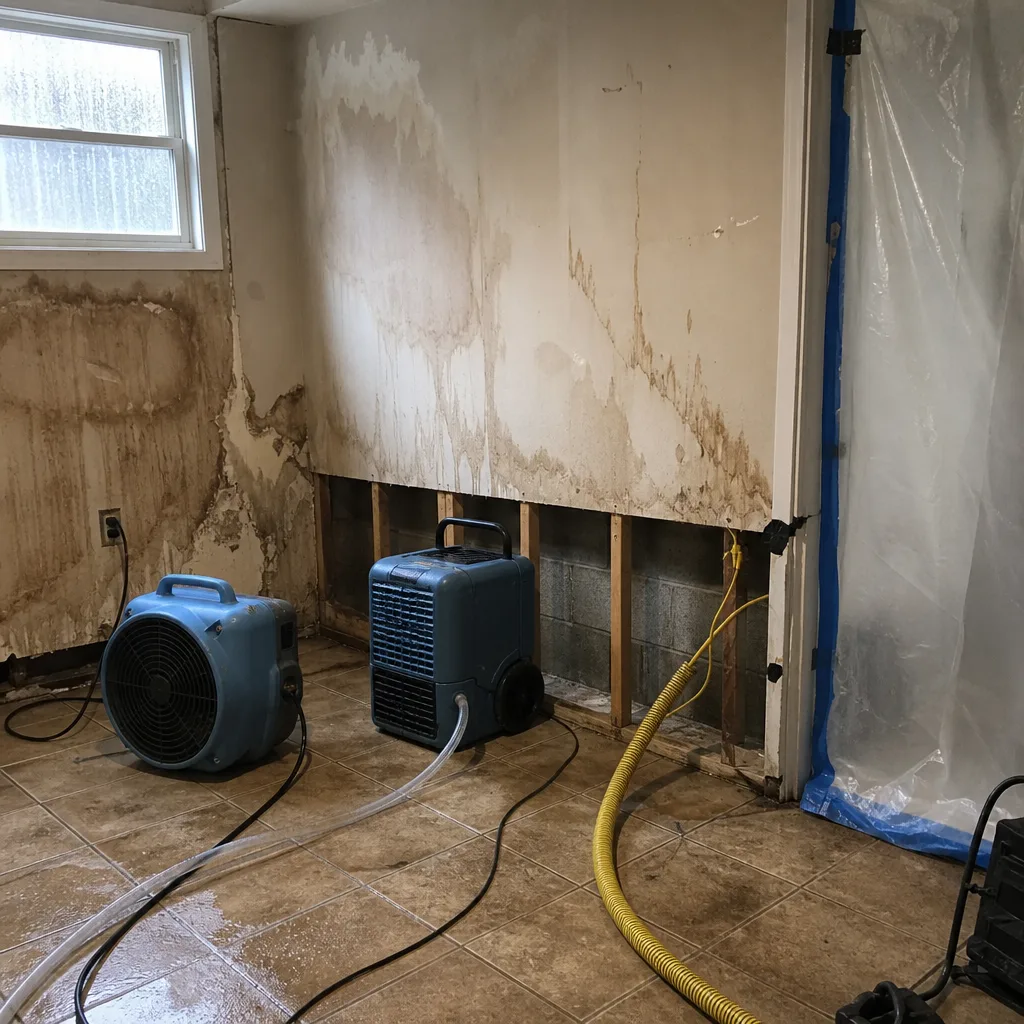
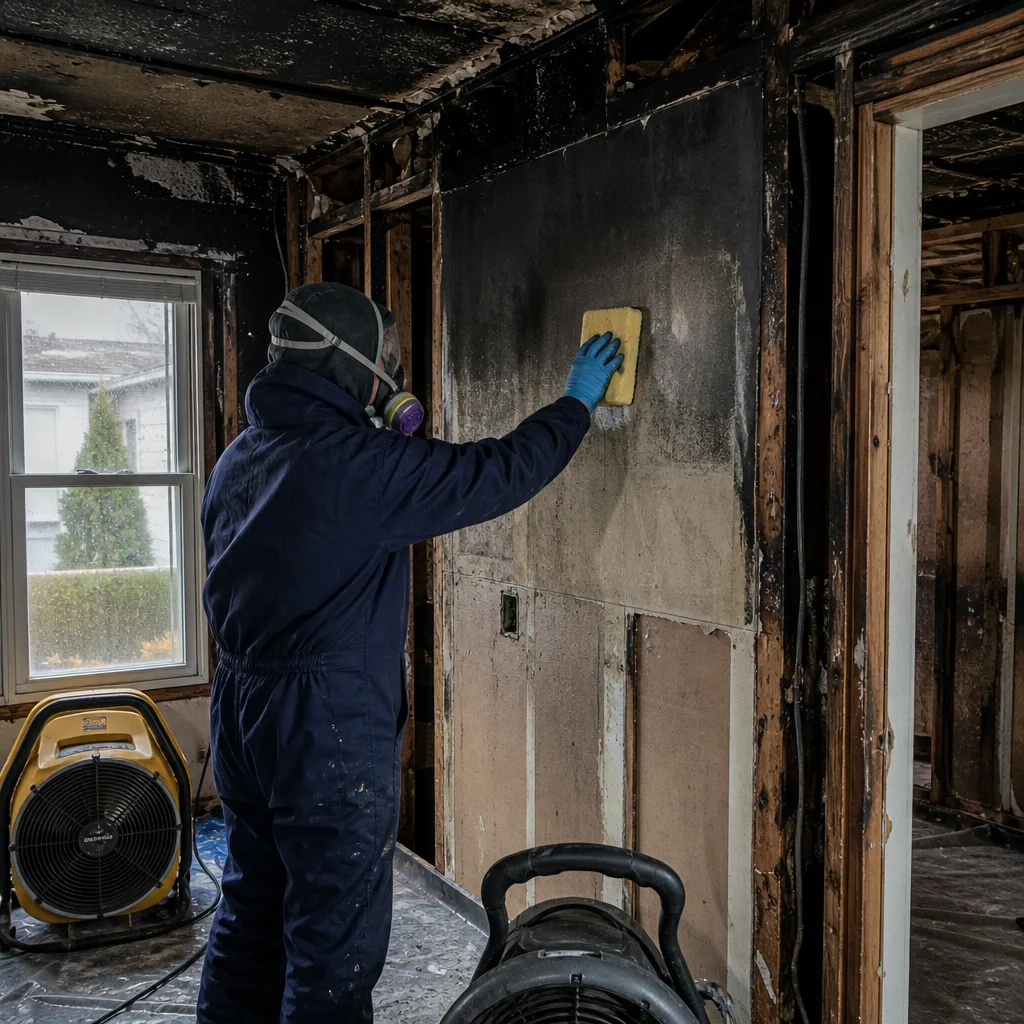
HEPA air scrubbers run negative pressure while we seal the affected area with polyethylene sheeting. This keeps spores from spreading through the rest of the house during removal. We also test for asbestos in older plaster, flooring, and insulation before disturbing those materials, because most Kearny homes predate modern building codes.
Source Removal & Drying
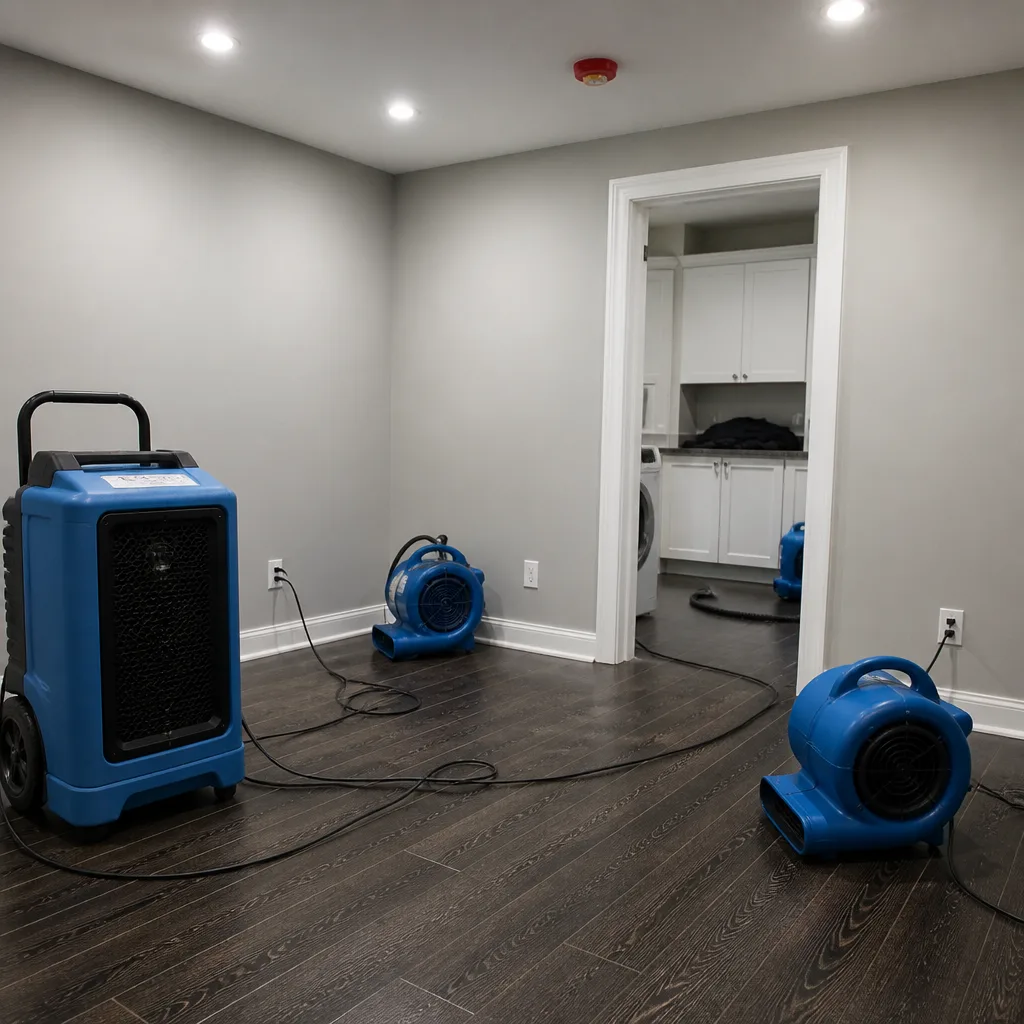
We remove mold-damaged drywall, plaster, insulation, and flooring back to sound material. Injectidry systems pull moisture from saturated plaster-and-lath walls, while Dri-Eaz dehumidifiers and XPOWER air movers drive the structure toward the dry standard. In the filled meadowlands sections, drying timelines run longer because the surrounding soil keeps re-wetting foundation block.
Cleaning & Sanitization
All remaining surfaces are HEPA-vacuumed and treated with an antimicrobial to kill residual spores. We focus on floor joists, sill plates, and foundation walls where humidity collects. If the source was sewage, the entire affected area receives Category 3 biohazard protocols before drying proceeds.
Air Quality Restoration
We run air scrubbers throughout the drying period, then perform post-remediation clearance testing to verify spore counts have returned to normal background levels for Kearny’s indoor environments. You get the lab results in writing.
Repairs & Restoration
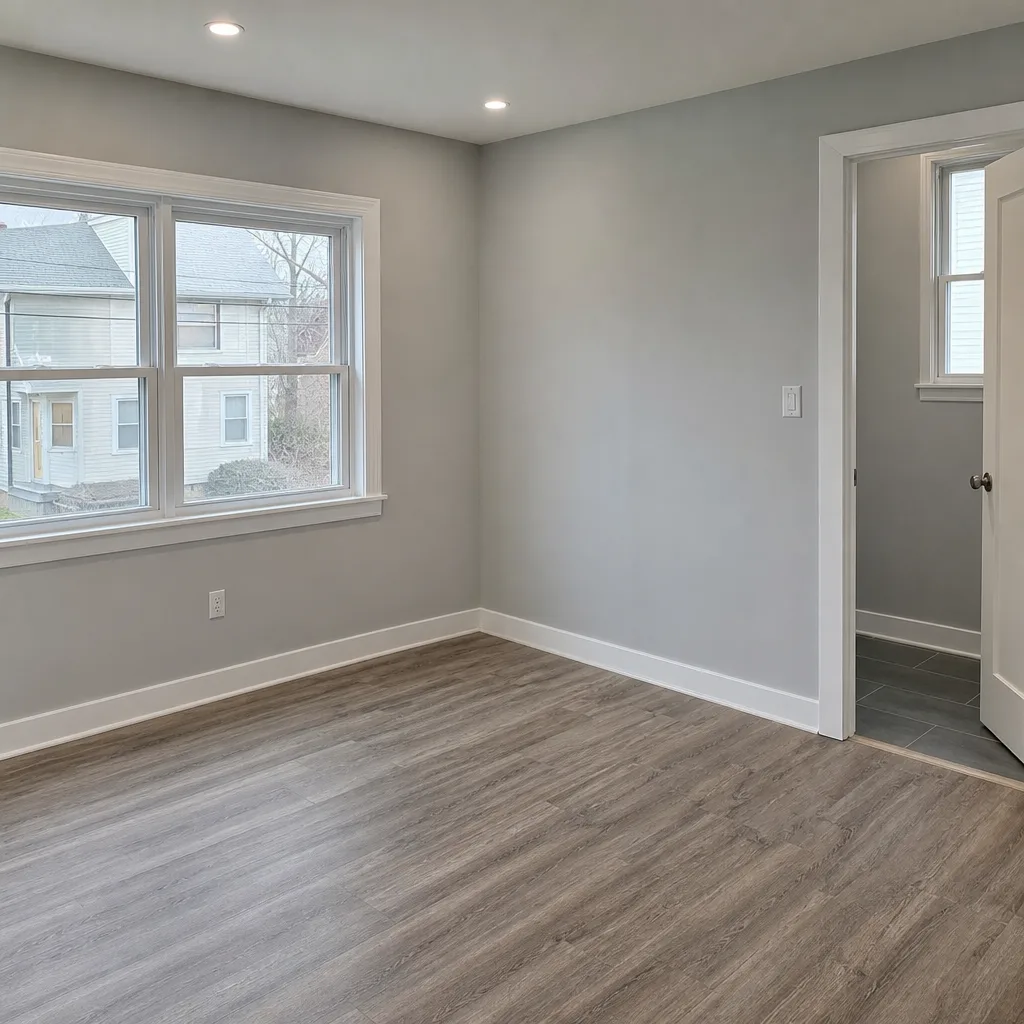
Once the structure is dry and clean, we rebuild what was removed: drywall, plaster, insulation, trim, flooring. The same uniformed crew handles it from start to finish, backed by the 90-Day Done Right Promise in writing.
Need Emergency Mold Remediation in Kearny Now?
Crews minutes away, answering live 24 hours a day. The sooner we start, the less it costs.
Working With Your Insurance Company
Mold claims in Kearny are tricky because insurers want to see proof that the moisture source was sudden and accidental, not long-term neglect. In a town where groundwater wicking is constant, the documentation matters even more. We have handled hundreds of Hudson County mold claims and know what adjusters look for: a clear moisture history, photos from day one, drying logs showing daily readings, and a scope of work tied to industry standards. Our crews photograph everything room by room before touching anything, and we coordinate directly with your carrier so you are not stuck translating technical reports over the phone. Whether your policy covers full remediation or only mitigation, you get the same documentation and the same straight answer before work begins.
What We Provide Your Insurer
- Thorough documentation of the loss
- Photos of all damage, room by room
- Moisture readings and drying logs
- A detailed, line-item scope of work
- Direct coordination with your carrier
Built for Kearny’s Loss Calendar
Kearny’s mold season follows the water, and the water follows the calendar. January and February bring deep freezes that burst supply lines in unheated basements, which is the cleanest mold source we see but still saturates framing and drywall. March and April bring spring thaw, when the water table rises and groundwater wicking through foundation block spikes in the eastern meadowlands sections. June through August, heavy thunderstorms hit the combined sewer system hard, and basement backups become Category 3 sewage jobs. September through November is nor’easter season, when storm surge on the Passaic River and Hackensack Meadowlands pushes groundwater up under foundations across the low-lying eastern streets. Ida in 2021 and Sandy in 2012 both left mold problems that took months to surface because homeowners dried the visible water but never addressed the saturated foundation soil underneath. If you smell must in a Kearny basement, the water has been there longer than you think.
Mold Remediation Across Kearny’s Neighborhoods
Kearny’s housing stock changes block by block, and mold behaves differently in each. Along Highland Avenue and the lower-lying eastern sections near the former Hackensack Meadowlands, water table wicking keeps foundation block perpetually damp, so remediation there centers on long-term moisture control and crawl space treatment rather than a single fixed leak. Along Belgrove Drive and the Midland Avenue corridor, the two-family frame homes from the 1910s and 1920s have full basements with stone foundations that draw groundwater through mortar joints. Kearny Avenue runs north-south through the center of town and features a mix of brick rowhomes and wood-frame houses, many with shallow crawl spaces that trap humidity against floor joists. Up in the Arlington section near North Arlington, homes sit slightly higher but still deal with clay soils that hold surface water against foundation walls after heavy rain. South Kearny, near the industrial edge along the Passaic River, sees older workers’ housing with cinder-block foundations that corrode and crack, letting water in from below. Each area has a different failure mode, and our crews know which one to check first based on the address.
On Highland Avenue in the lower-lying eastern section, our crew responded to a Category 3 backup after a heavy rain event where the combined sewer surcharged through a floor drain. We set containment and performed antimicrobial treatment before structural drying, using Injectidry systems on saturated plaster-and-lath walls where asbestos concerns required coordination with an abatement contractor. Daily drying logs and moisture readings showed the foundation remained above 20% moisture content for nearly three weeks because the filled meadowland soil outside kept re-wetting the block, so we extended dehumidification and air mover placement until pre-loss condition was verifiable.
Specialized Mold Remediation Services We Offer in Kearny
Mold Inspection & Testing
We test for mold in the air and on surfaces, but we also test for what started it. In Kearny, that often means checking sewer cleanout caps before pumping a flooded basement, because what looks like a water heater failure is frequently raw sewage. You get a clear written report with spore counts, moisture readings, and the source identified.
Mold Removal
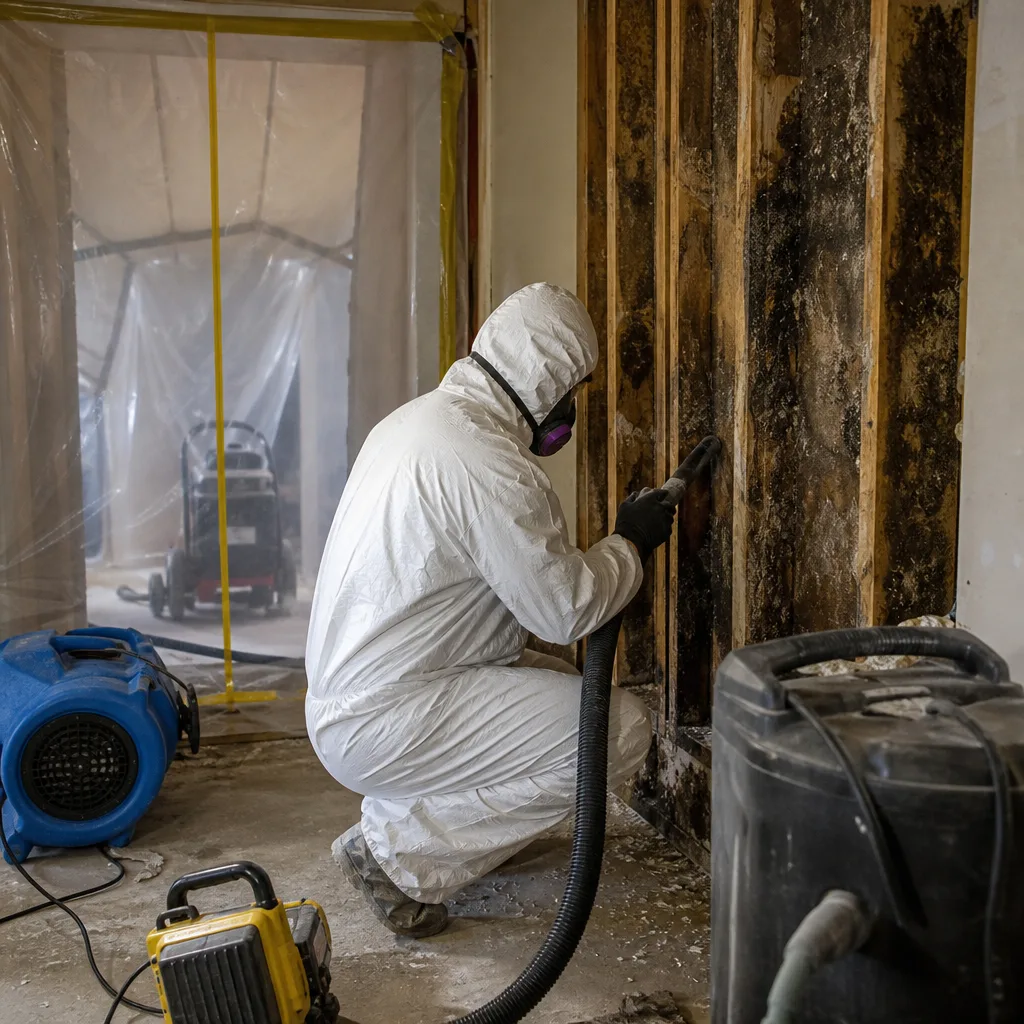
Removal means cutting out contaminated drywall, plaster, and insulation back to sound material, then HEPA-vacuuming and antimicrobial treatment. In Kearny’s older homes, we coordinate asbestos testing before disturbing plaster and lath, because most of these houses have layers of material that predate modern codes.
Black Mold Remediation
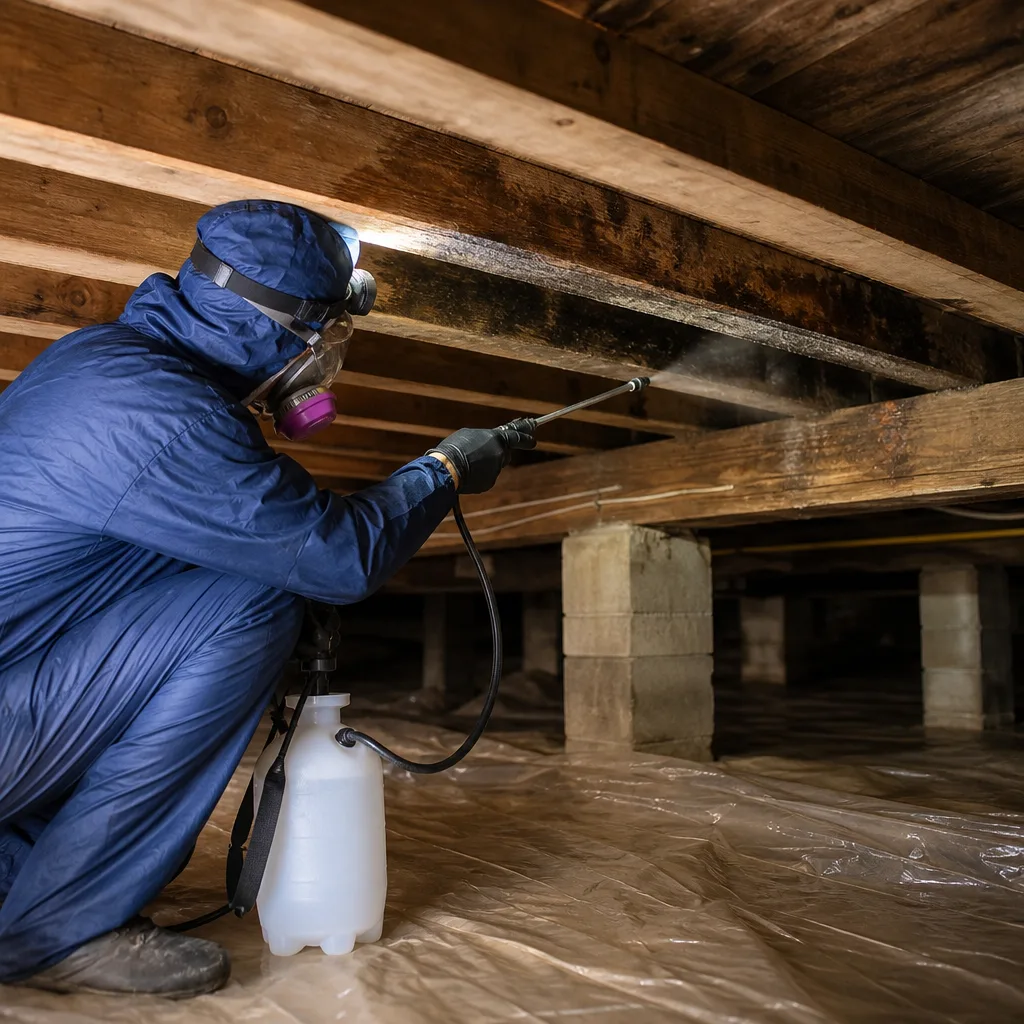
Stachybotrys, the black mold homeowners worry about, thrives on cellulose surfaces that stay wet for weeks. Basement drywall in Kearny is a textbook host. We contain, remove, and treat it the same way we handle every mold job: with written clearance testing at the end.
Air Quality Restoration
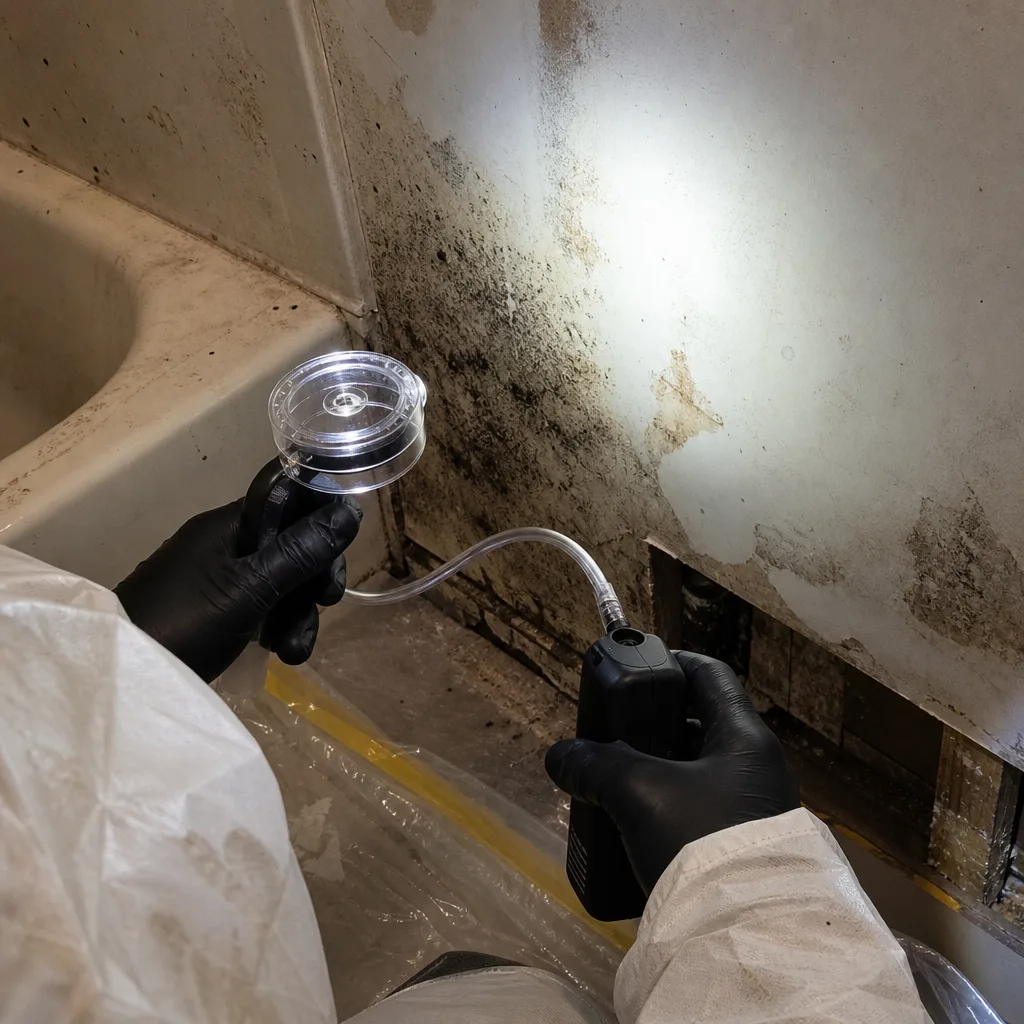
After removal and drying, we run air scrubbers to pull residual spores from the air and restore indoor air quality to normal background levels for Kearny’s housing stock. You get post-remediation verification in writing, not a verbal assurance.
Crawl Space Treatment
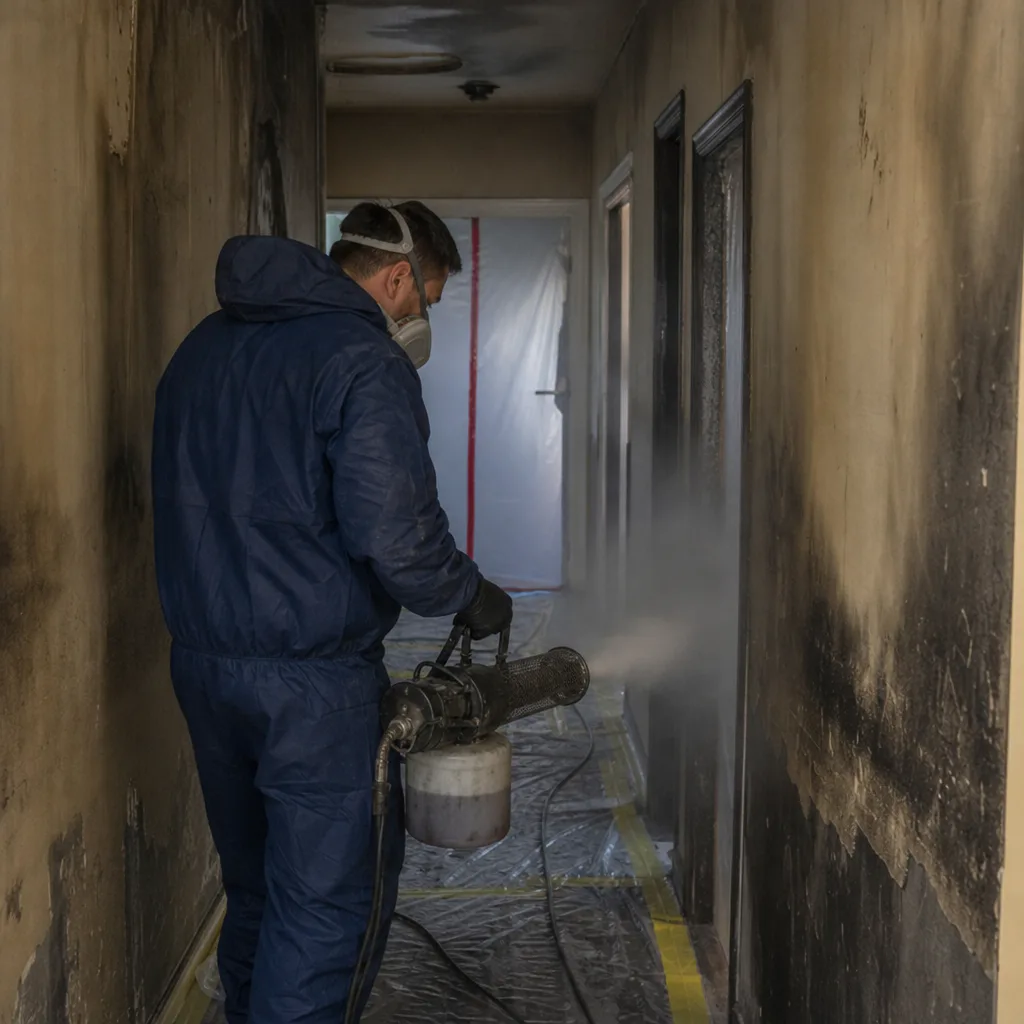
Many Kearny homes have shallow crawl spaces that trap humid air against floor joists and subflooring. We treat these with moisture barriers, dehumidification plans, and antimicrobial applications, because treating visible mold without addressing crawl space humidity means you will be calling again next year.
What happens when you call
- 1
A real person answersNo phone trees - you reach a local pro.
- 2
You get an upfront price rangeHonest numbers before anyone is dispatched.
- 3
A background-checked tech heads outLicensed & insured, dispatched right away.
- 4
You approve before work beginsNothing starts until you say go.
Mold Remediation Costs in Kearny, NJ
Here is what mold work actually costs in Kearny, based on the jobs we have run across town. A basic inspection with moisture mapping runs $250 to $450. Surface mold removal in a small basement area costs $1,800 to $3,500. Full remediation with containment, removal, drying, and clearance testing in a finished basement runs $4,000 to $6,500. When sewage is involved, add $800 to $1,500 for Category 3 biohazard protocols and disposal. Crawl space treatment with vapor barrier installation runs $2,200 to $4,000 depending on square footage and access. The biggest cost driver in Kearny is the water table itself: homes in the eastern meadowlands sections need longer drying times with more equipment, which moves the price up. Every job starts with a free visual inspection and a written scope, so you know the number before we start.
Homeowners aged 55 and up qualify for our Senior & Veteran 5% discount, always. Repairs over $250 qualify for $50 off. And if you need a seasonal check on your basement or crawl space, the $89 Seasonal Tune-Up covers a moisture assessment and humidity reading. These offers stack with insurance-covered work where allowed.
We Also Serve Cities Near Kearny
We run the same crews into Kearny and the surrounding towns. Our service area covers Harrison, North Arlington, Lyndhurst, and Secaucus. Same response time, same 90-Day Done Right Promise, same live dispatcher on the phone at any hour. If you are in one of those towns and seeing mold, the number is (551) 373-5246.
Serving Kearny, NJ - Our Local Coverage Area
We’re based in the Kearny area and know this community well. Use the map below to see our service coverage - if you’re nearby, we can almost certainly help.
Kearny Mold Remediation Questions, Answered
Why does mold keep returning in my Kearny basement even after remediation?
Because the water source was never addressed, and in Kearny the water source is usually the groundwater itself. The high water table in the filled meadowlands sections keeps foundation block saturated, and saturated block keeps feeding mold spores. Remediation that removes surface mold without installing moisture barriers, dehumidification, or drainage correction will fail within months. We identify the actual saturation source before removal begins.
Is the mold in my Kearny basement from clean water or sewage?
If your basement flooded during a rain event and the water came up through a floor drain, it is probably sewage. Kearny’s combined storm and sanitary sewer system backs up during heavy rain, which means Category 3 water, not Category 1. Treating sewage water as clean water leaves biohazards and mold behind. We check sewer cleanout caps and test the water before recommending a protocol.
How long does mold remediation take in a Kearny home with old plaster and lath walls?
Longer than in a modern drywall house, and you should plan for it. Plaster and lath hold moisture deep in the wall cavity, and in the eastern meadowlands sections the surrounding soil keeps re-wetting foundation block from the outside. Expect drying to take two to three weeks when groundwater is involved, sometimes longer. We log daily moisture readings and do not pull equipment until the dry standard is verifiable.
What does a mold inspector look for in Kearny crawl spaces?
Four things: the vapor barrier, if one exists at all; standing water or saturated soil under the crawl space; humidity levels above 60 percent; and mold growth on floor joists and subflooring. In Kearny, we also check whether the crawl space is vented or sealed, because vented crawl spaces in humid months actually pull moisture in. The fix is usually a sealed barrier and a dehumidification plan, not just bleach.
Can I stay in my house during mold remediation in Kearny?
For small, contained jobs, yes, as long as you stay out of the contained area. For large jobs with active spore release, or when sewage is involved, we recommend relocating during the removal and drying phase. We tell you up front, based on the scope, and we set containment so the rest of the house stays safe.
How fast can a crew get to my Kearny home?
Within 45 minutes of your call, in most of Kearny. A live dispatcher confirms the time while you are still on the phone. Call (551) 373-5246 any hour, any day.
Will my insurance cover mold remediation in Kearny?
It depends on the source and your policy language. Sudden and accidental water events, like a burst pipe, are more likely covered. Long-term groundwater wicking through foundation block is often excluded, but the documentation we provide gives you the best possible case with your adjuster. We bill directly and coordinate with the carrier.
What should I do in the first 30 minutes after finding mold in my Kearny home?
Do not disturb it. Do not wipe it, spray it, or try to dry it with a fan. Disturbing mold releases spores. Call (551) 373-5246 and describe what you see. We’ll tell you what is safe to do right now, and a crew will be there shortly.
Floodline Restoration Co. serves Kearny, NJ with mold inspection, removal, and air quality restoration. Call (551) 373-5246 for a free visual inspection and a written scope before any work starts.
Written by Curt Bowman, Owner at Floodline Restoration Co., serving Kearny since the company’s founding in 2010.