
Free visual inspection and a written scope of work before any mitigation begins - photos, moisture readings, and drying logs go in your claim file
The scope we write is the scope we bill. Anything new gets shown to you, in writing, before we touch it.
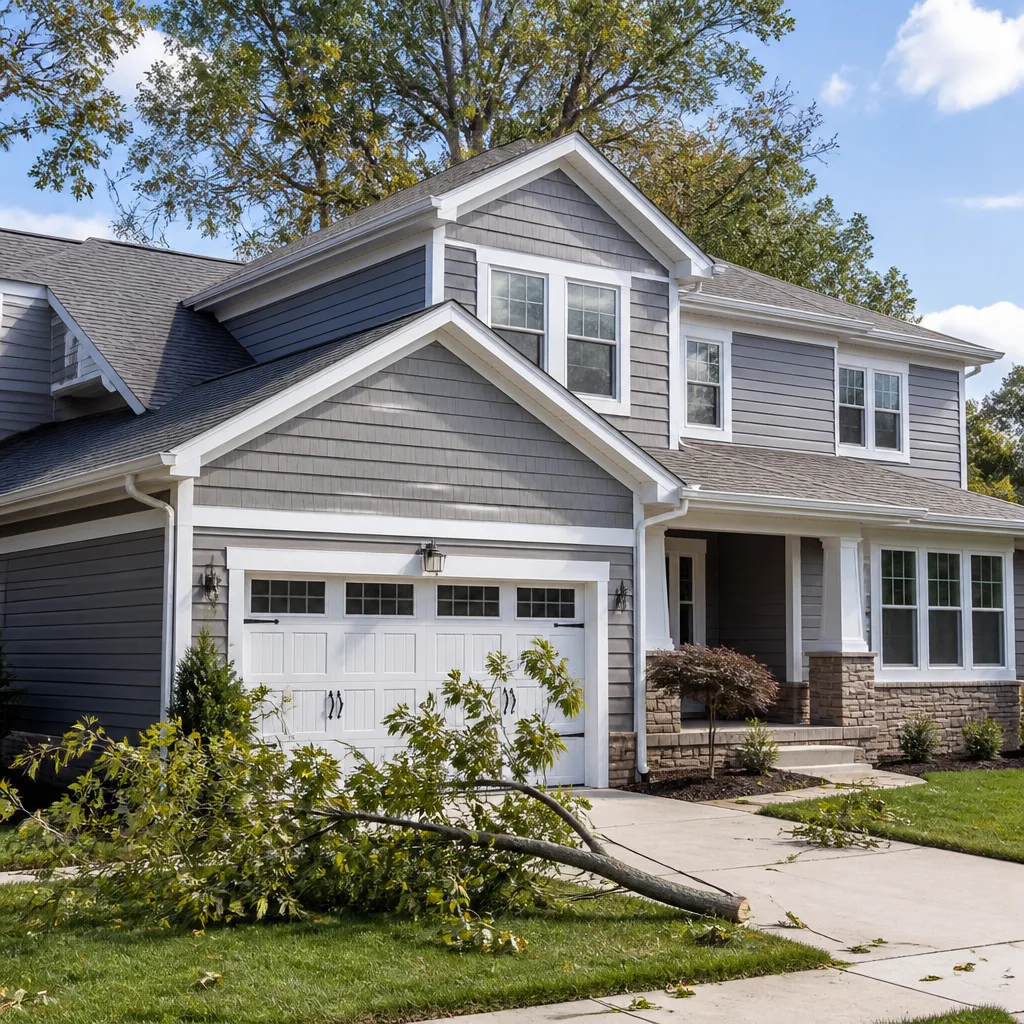
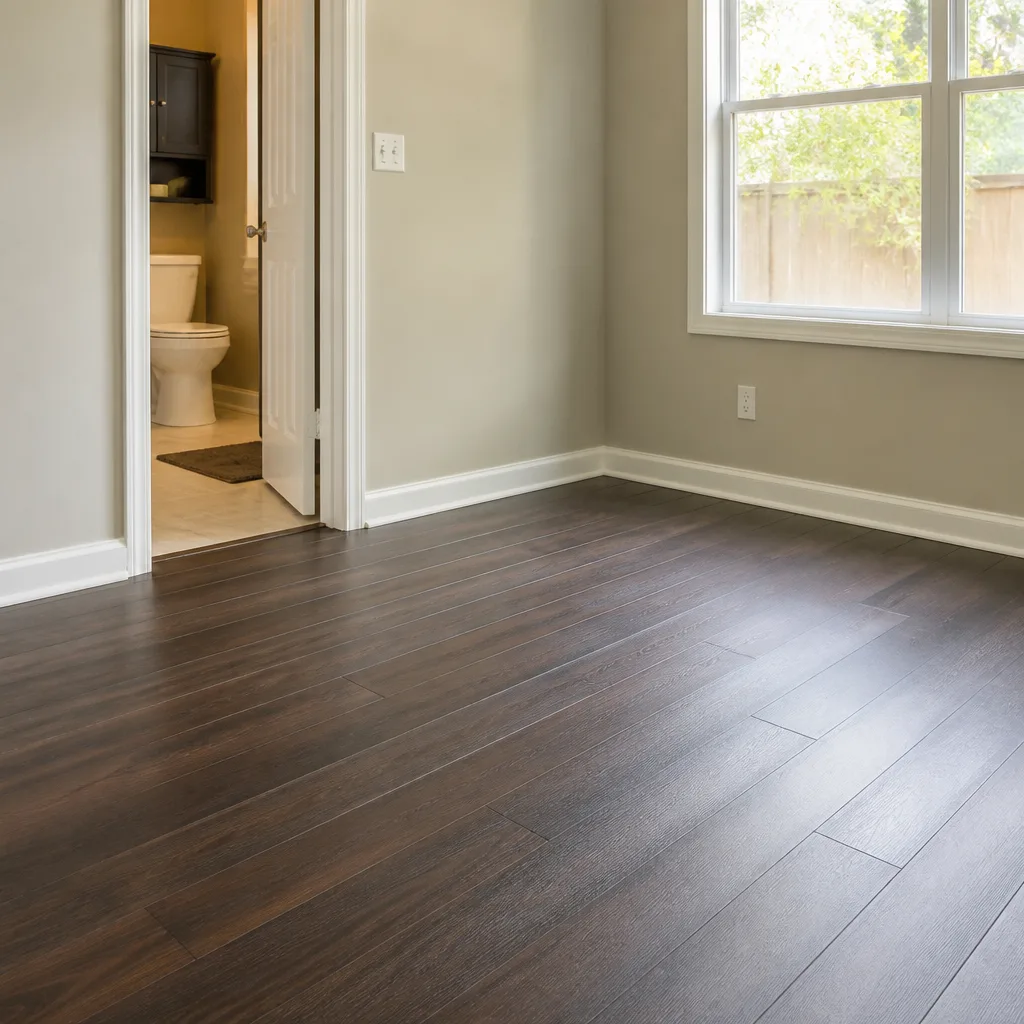
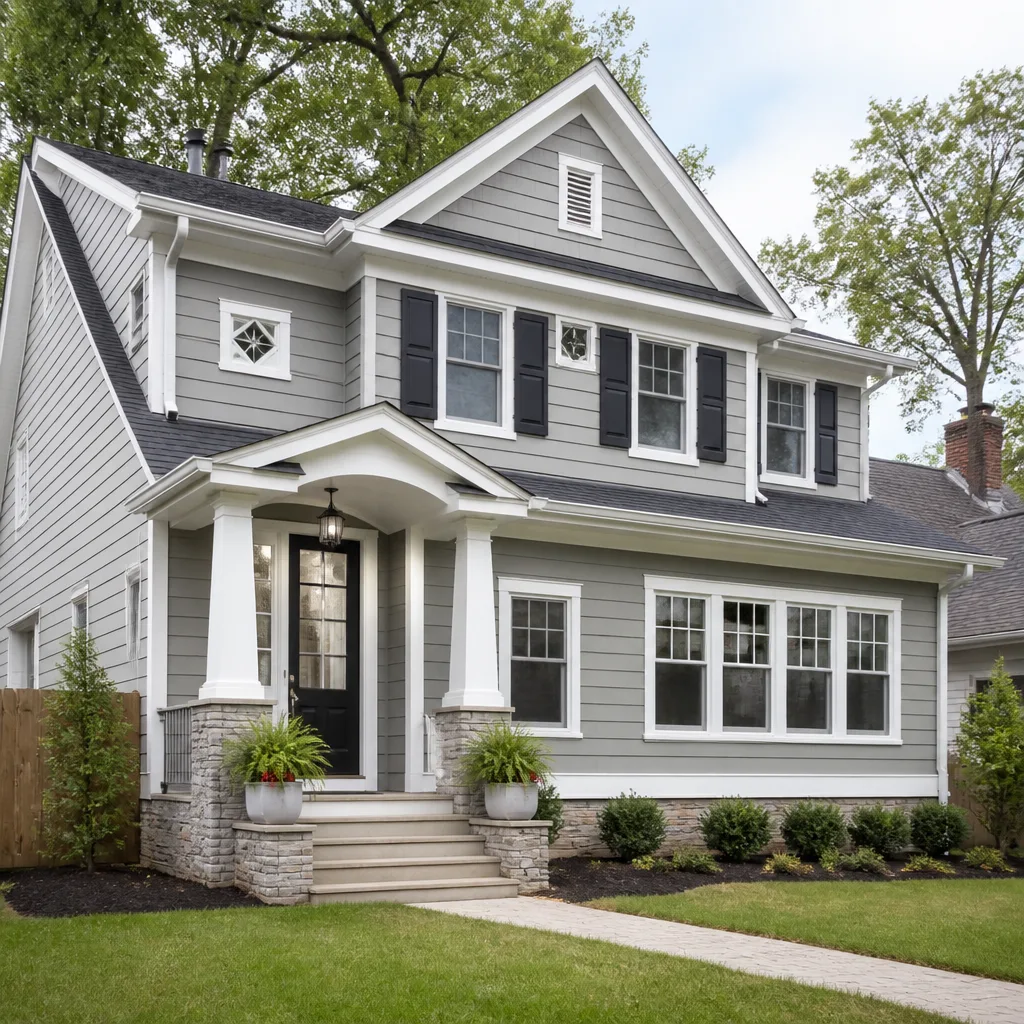
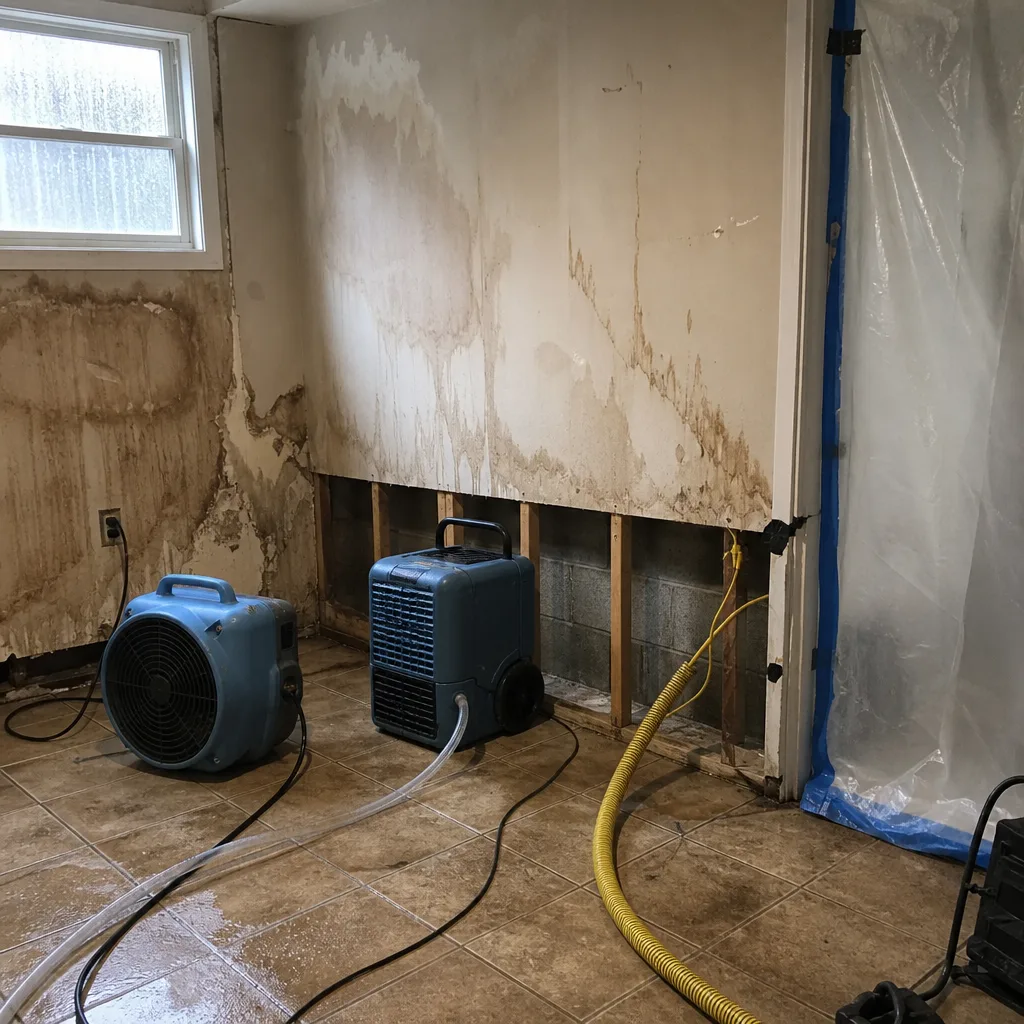 Before
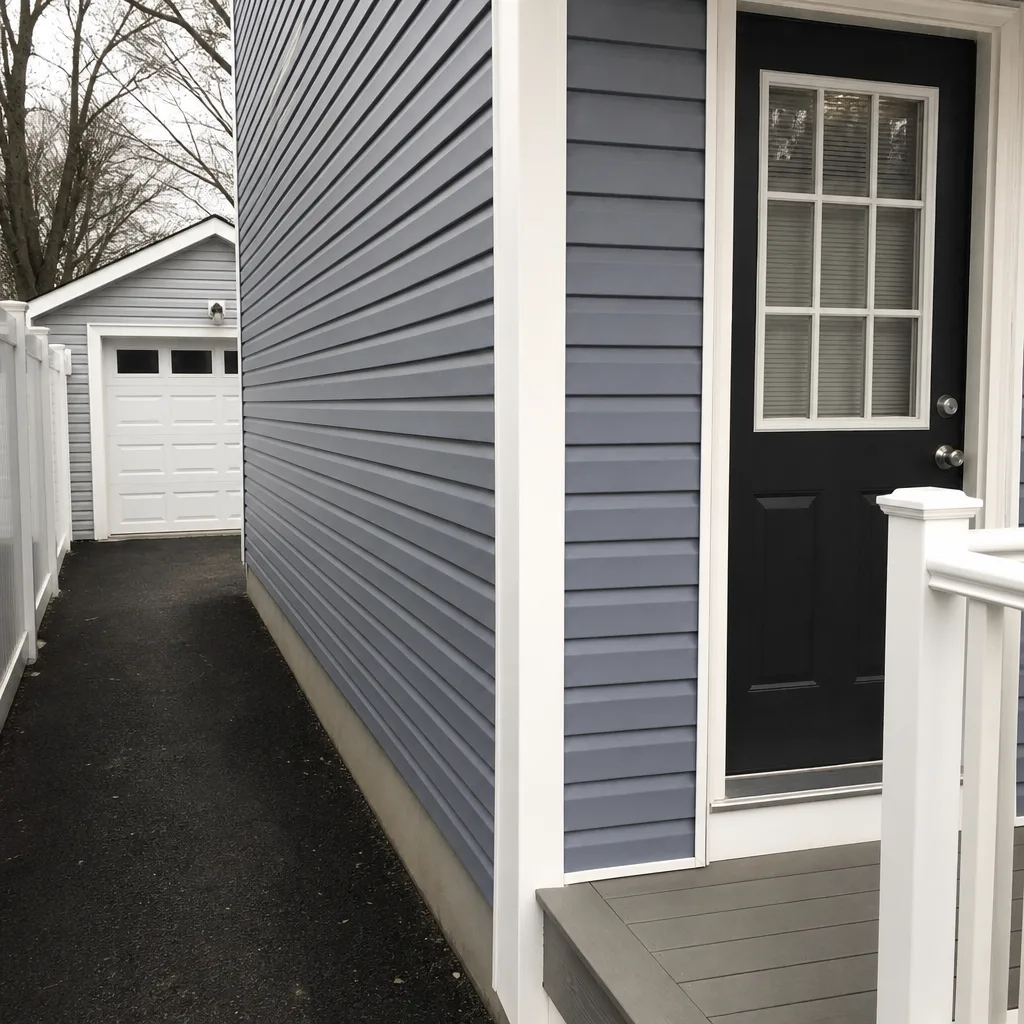 After
After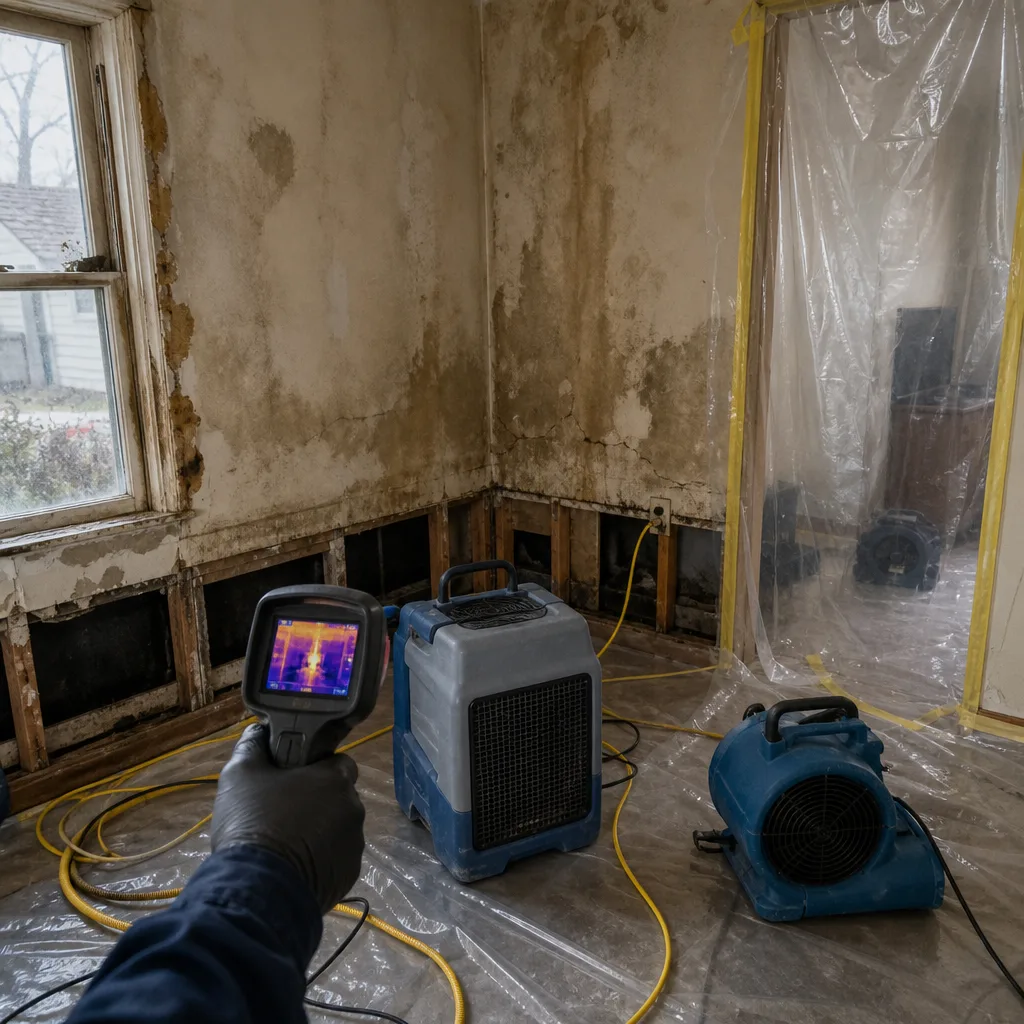 Before
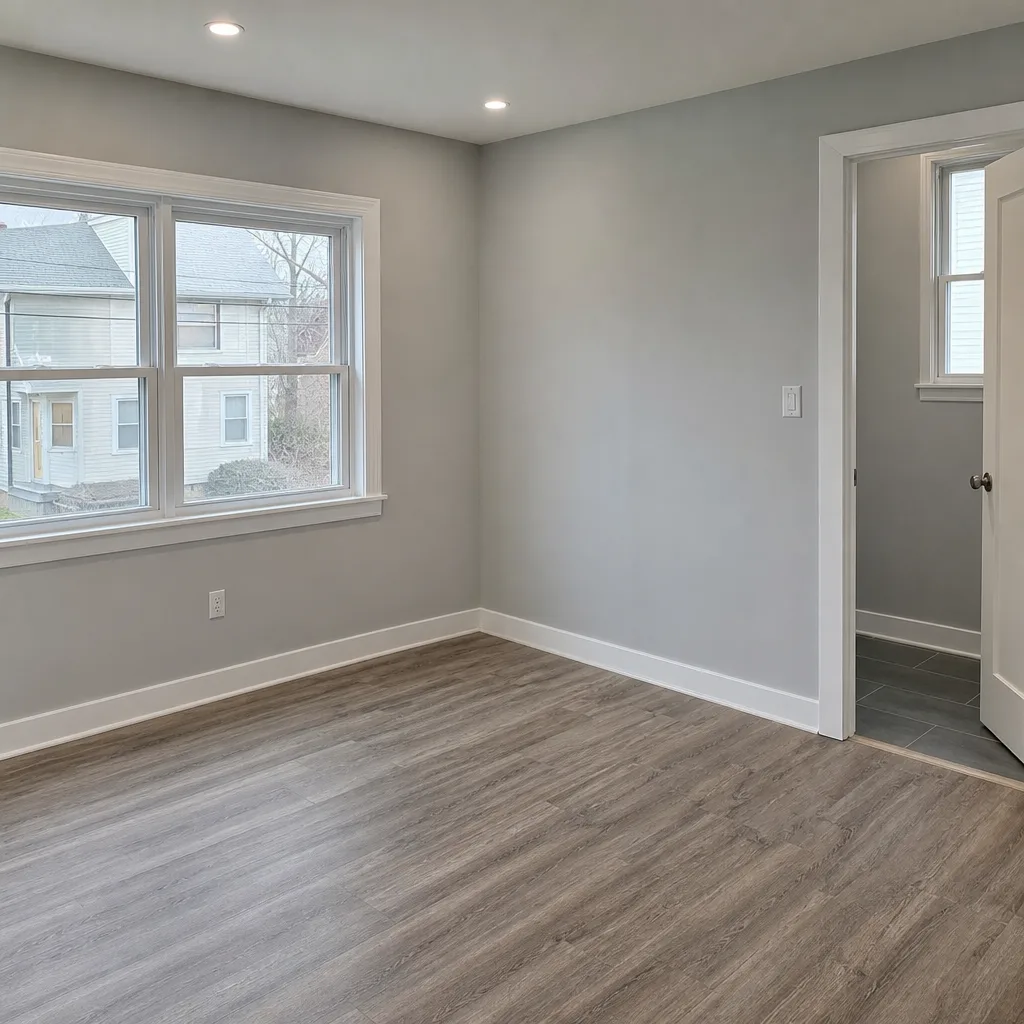 After
After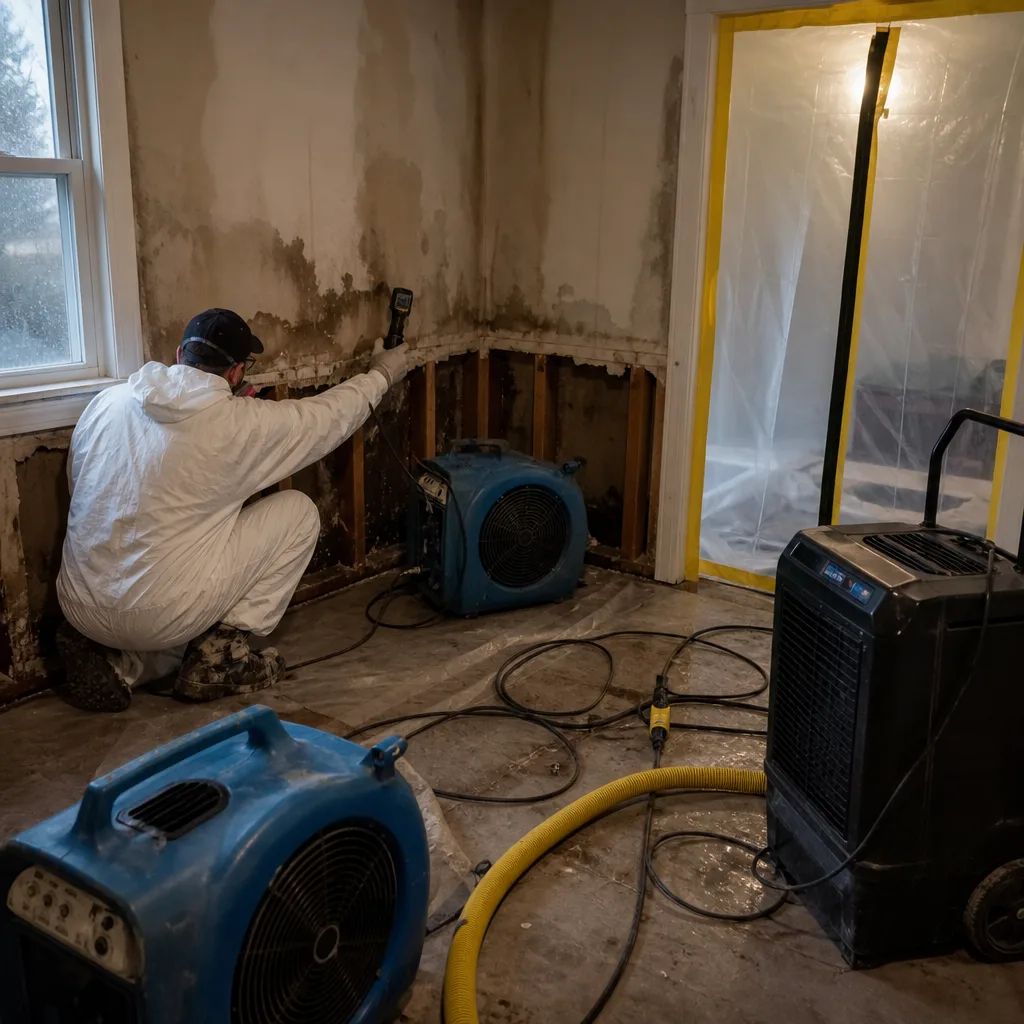 Before
 After
After24/7 Emergency Reconstruction & Cleanup in Lyndhurst
Flooding and fire damage in Lyndhurst demand a fast, coordinated response, and that is exactly what we provide. Our crews are dispatched inside the Lyndhurst area around the clock, with a live person answering at (551) 373-5246 no matter the hour. For water losses, the first hour is critical: Category 3 water from a Passaic River backflow event or a sewage line break gets worse by the minute, soaking into drywall, wicking up studs, and saturating flooring. We arrive, assess the full scope visually at no charge, and set up extraction and drying equipment the same visit. The goal is simple: stop the damage from spreading, document everything for your carrier, and begin the path back to a finished, livable home.
Understanding Reconstruction & Cleanup Severity in Lyndhurst Properties
Reconstruction and cleanup work in Lyndhurst is rarely a cosmetic exercise. The borough’s housing stock, dominated by mid-century Cape Cods, ranches, and two-family homes built between the 1940s and 1960s, puts basements and crawlspaces directly in the path of groundwater and river-driven moisture. Those lower levels are the primary battleground. When the Passaic River overflows or the Meadowlands water table rises, we are typically dealing with Category 3 water: heavily contaminated, carrying silt, sewage, and whatever the river picked up. That means extraction is followed by removal of affected drywall and insulation, antimicrobial treatment on framing, and structural drying with professional-grade Dri-Eaz and Phoenix equipment. Category 1 and 2 water, from a burst supply line or an overflowing appliance on the second floor, behaves differently: more localized, less contaminated, but still capable of warping hardwood and spawning mold within 48 hours. We classify the water, map the moisture, and build the scope of work from those readings, not from a guess. For fire damage in Lyndhurst’s older homes, soot residue types matter: protein soot from a kitchen fire behaves one way, oily soot from burning synthetics behaves another, and each requires a different cleanup chemistry. Every job starts with a severity assessment that matches the building’s age and materials to the damage class at hand.
Why Lyndhurst Property Owners Choose Floodline Restoration Co.
- Fast dispatch with a live answer: A real person answers the phone 24/7. No automated system, no callback queue. When you call about floodwater in a finished basement on Riverside Avenue, we are already moving a crew.
- Certified crews with the right credentials: Our technicians are background-checked, uniformed, and trained to IICRC, RIA, and IFA standards, including WRT, FSRT, and AMRT certifications for water, fire, and mold scenarios.
- Free visual inspection before any commitment: We walk the property, look at the damage, and give you a straight read on scope. You get answers before you get a bill.
- Direct insurance billing with thorough documentation: We photograph everything, log every moisture reading, and write line-item scopes that align with your policy, including NFIP documentation when a Lyndhurst home sits in a flood zone.
- One team from extraction to final paint: The same crew that maps moisture on day one handles drying, rebuild, and finishing. No mid-job handoff, no inherited subcontractor who never saw the original damage.
- The 90-Day Done Right Promise: Every job, every time. If something is not done right, we make it right, in writing, with no arguing. That is the Keystone Standard.
Our Reconstruction & Cleanup Process
Inspection & Assessment
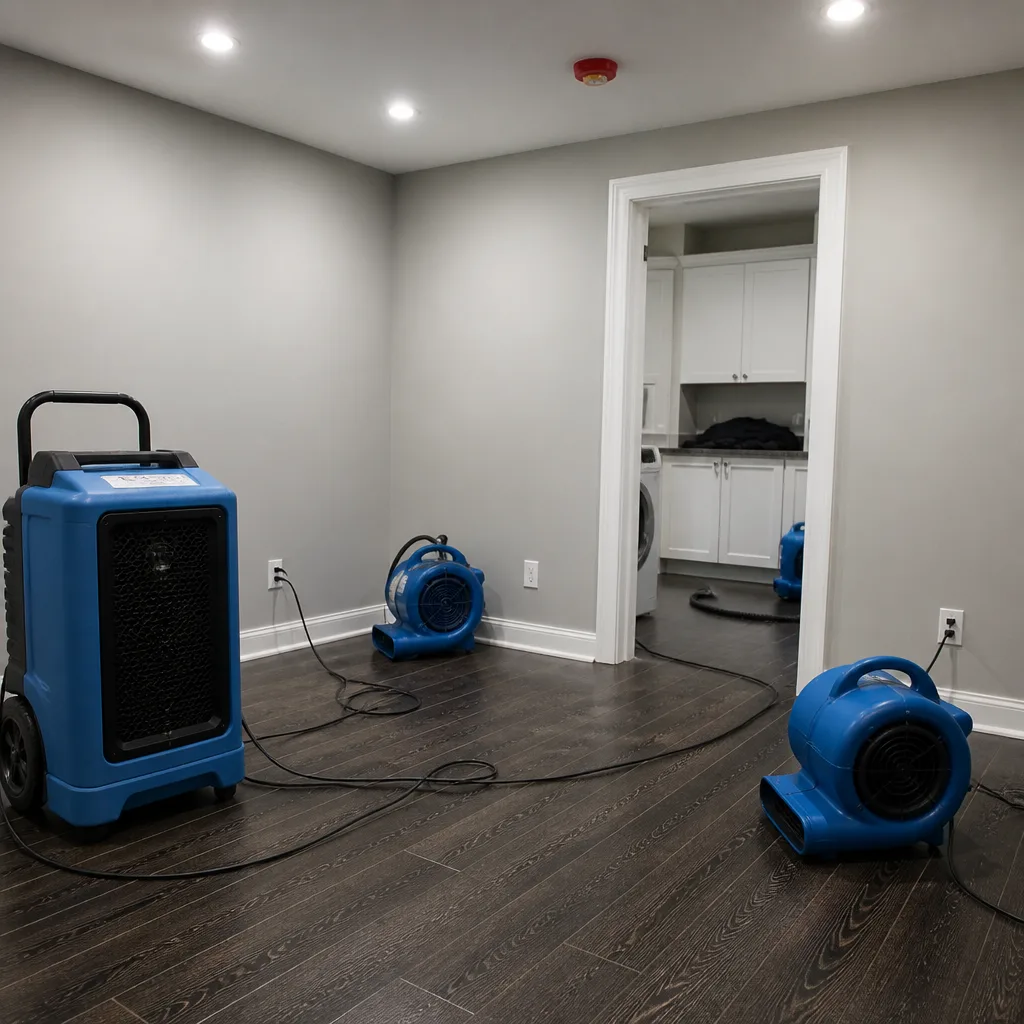
We start with a full visual and moisture inspection using thermal imaging and hygrometers. We identify the water category, map the affected areas, and photograph everything for your claim file. You get a clear scope before any demolition or drying begins.
Extraction & Stabilization
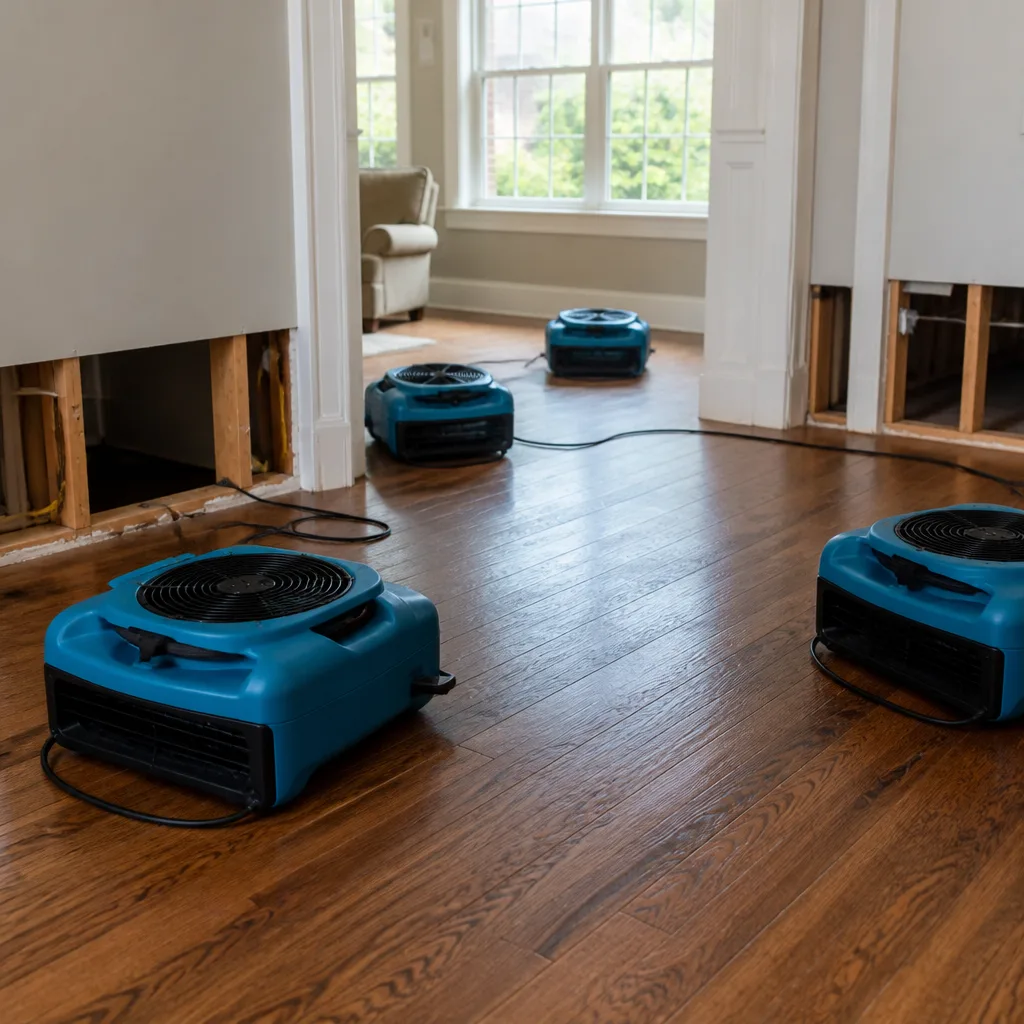
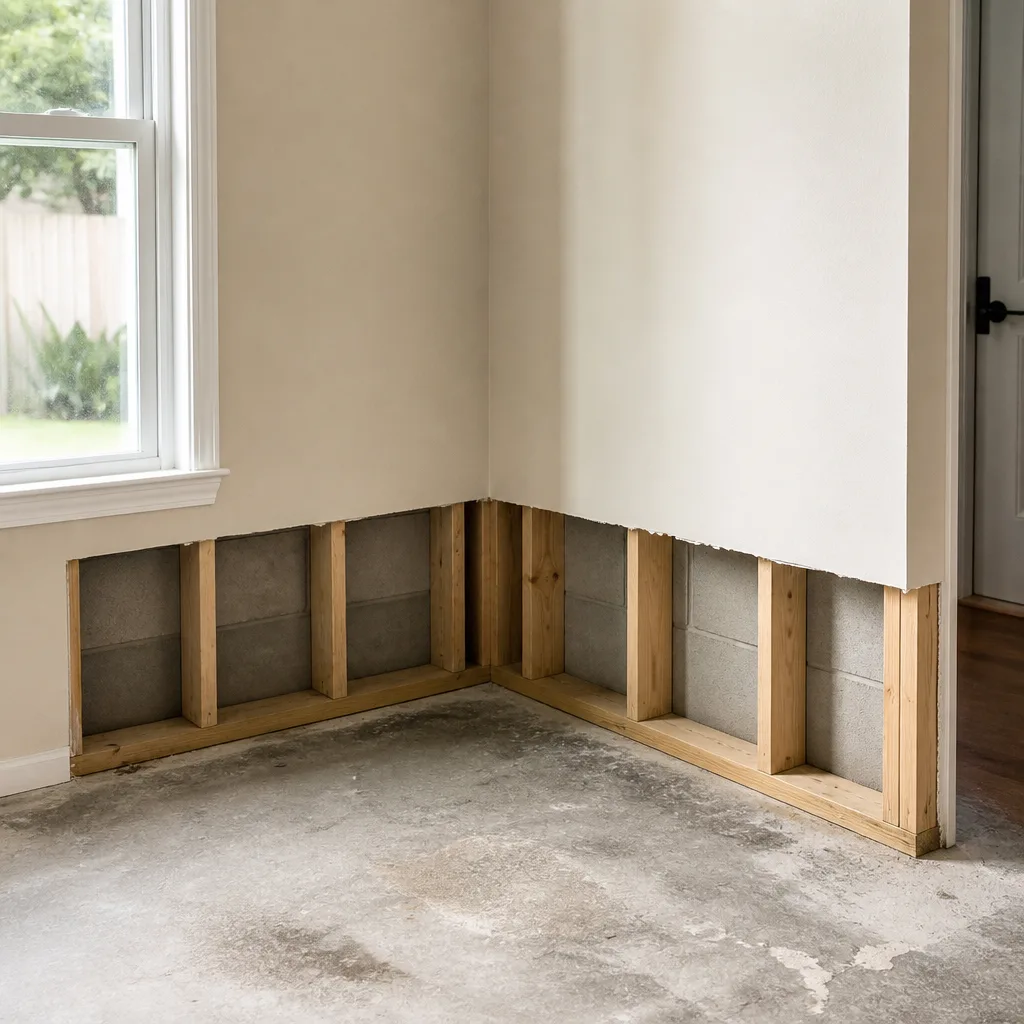
Standing water comes out first, using truck-mounted and portable extraction units. We remove saturated materials that cannot be salvaged: drywall, carpet pad, compromised insulation. The goal is to stop moisture from migrating into untouched areas.
Drying & Dehumidification
We set air movers and low-grain refrigerant dehumidifiers, then take daily moisture readings until the dry standard is met. In Lyndhurst, where the Meadowlands keep subsurface water tables high, we monitor longer than a standard job to catch hidden moisture before it becomes mold.
Cleaning & Sanitization
We clean hard surfaces, sanitize contaminated areas, and run HEPA air scrubbers when soot, mold spores, or sewage particulates are present. This step is non-negotiable after Category 3 water or fire damage.
Reconstruction & Post-Construction Cleanup
We rebuild: drywall, trim, flooring, paint, and any structural repairs. Then we clean the space so it is move-in ready, not “contractor clean.” Dust, debris, and construction residue are removed before we hand you the keys.
Final Repairs & Restoration
Walk-through with you, final photos for your insurer, and the 90-Day Done Right Promise in writing. If something is not right, we come back. No arguments, no chasing.
Need Emergency Reconstruction & Cleanup in Lyndhurst Now?
Crews minutes away, answering live 24 hours a day. The sooner we start, the less it costs.
Working With Your Insurance Company
For Lyndhurst homeowners, especially those in the Riverside section with active NFIP policies, insurance paperwork is not a formality. It determines whether your claim gets paid. We document from the first hour: photos of every room, moisture readings before and during drying, and a line-item scope that matches your pre-loss condition. We communicate directly with your adjuster, send the documentation we provide, and make sure the numbers add up. You never play messenger between our crew and your carrier. That is a square deal, and it is how we have kept homeowners out of paperwork battles for years.
What We Provide Your Insurer
- Thorough documentation of the loss
- Photos of all damage, room by room
- Moisture readings and drying logs
- A detailed, line-item scope of work
- Direct coordination with your carrier
Built for Lyndhurst’s Loss Calendar
Lyndhurst has a seasonal rhythm of reconstruction and cleanup needs, and it is shaped by geography more than any other factor. January and February bring deep freezes that burst supply lines in unheated crawlspaces, filling the finished basements of Kingsland Avenue ranches and two-families with clean Category 1 water that still requires fast extraction. Spring thaw and heavy March rains push the Passaic River out of its banks and raise the Meadowlands water table, soaking Riverside-section basements with Category 3 floodwater. Summer thunderstorms bring flash flooding to the low-lying western edge of the borough, often without much warning. Nor’easters in the fall and early winter carry both wind and water, tearing at roofs and driving rain through aging flashing. The recurring theme: water finds the lowest point, and in Lyndhurst the lowest point is almost always a basement built in the 1950s or 1960s that sits near or below the seasonal water table. Our crews know the flood calendars of the Riverside section, the areas near the Hackensack Meadowlands, and the neighborhoods off Stuyvesant Avenue better than any out-of-area contractor ever could.
Reconstruction & Cleanup Across Lyndhurst’s Neighborhoods
Reconstruction and cleanup work in Lyndhurst changes character depending on which block you call home. The Riverside section, bounded by the Passaic River and Park Avenue, is ground zero for repeat flood claims. Homes there, many of them two-family dwellings built before the flood maps were redrawn, carry NFIP policies and prior claim histories. Our crews know these streets and know what an elevation certificate means for a scope of work. On Stuyvesant Avenue, the mid-century Cape Cods and ranches present a different pattern: finished basements with paneling installed directly over masonry, creating a moisture trap when river water or groundwater intrudes. Near the Lyndhurst High School and the neighborhoods off Kingsland Avenue, we see more burst-pipe and appliance-failure losses in the higher-density residential blocks. Along Ridge Road and the commercial corridors near the NJ Transit station, older mixed-use buildings need post-construction cleanup after water and fire mitigation in tight shared walls. Every neighborhood gets the same approach: a full assessment, honest documentation, and a rebuilt space that meets current materials and wind-ratings expectations, not just a patch job.
Specialized Reconstruction & Cleanup Services We Offer in Lyndhurst
Full-Service Reconstruction
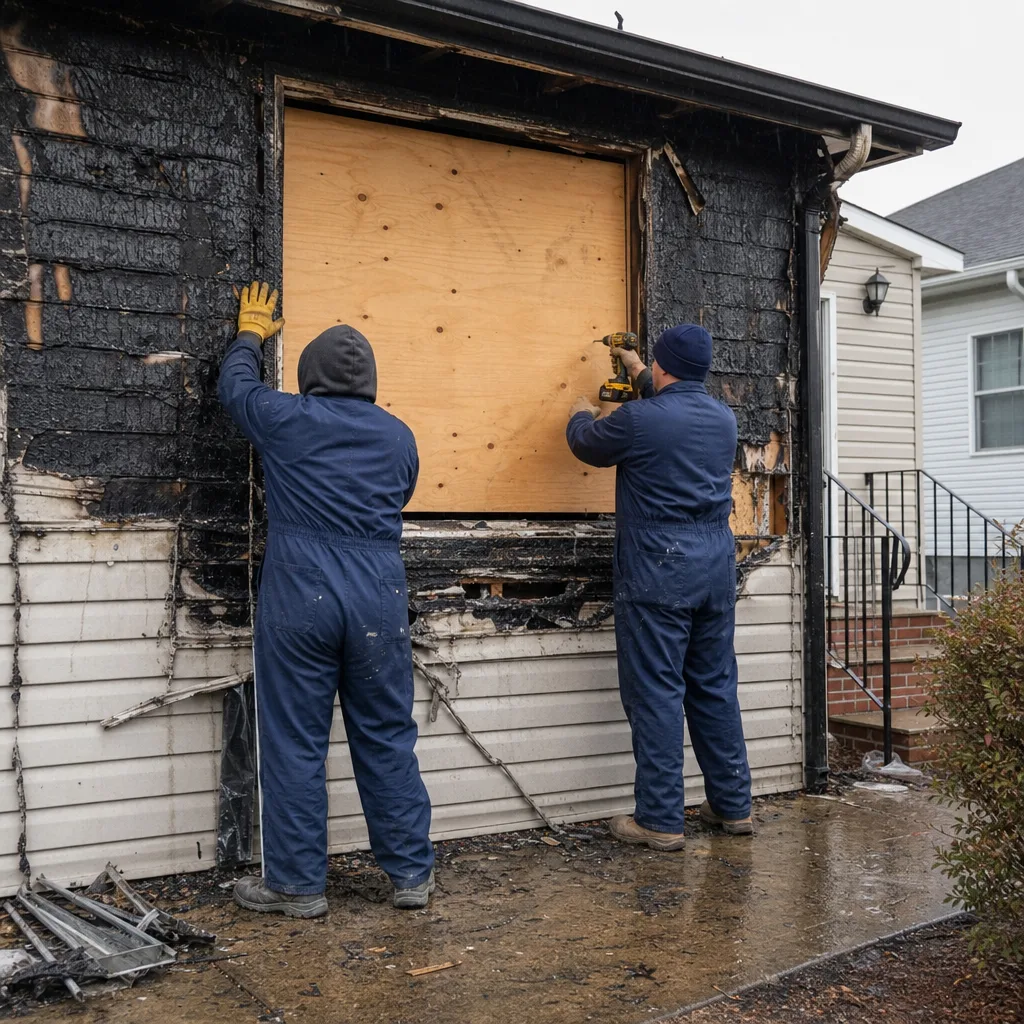
After the drying is done and the damage is documented, the rebuild begins. We frame, drywall, tape, paint, and finish. For Riverside-section homes with prior flood repairs, our Reconstruction & Cleanup team knows to check stud bays for hidden moisture before closing walls, because the Meadowlands-adjacent soil holds water long after the visible flooding is gone. The result is a basement that is not just dry on the surface but dry at the framing level.
Insurance Claim Documentation
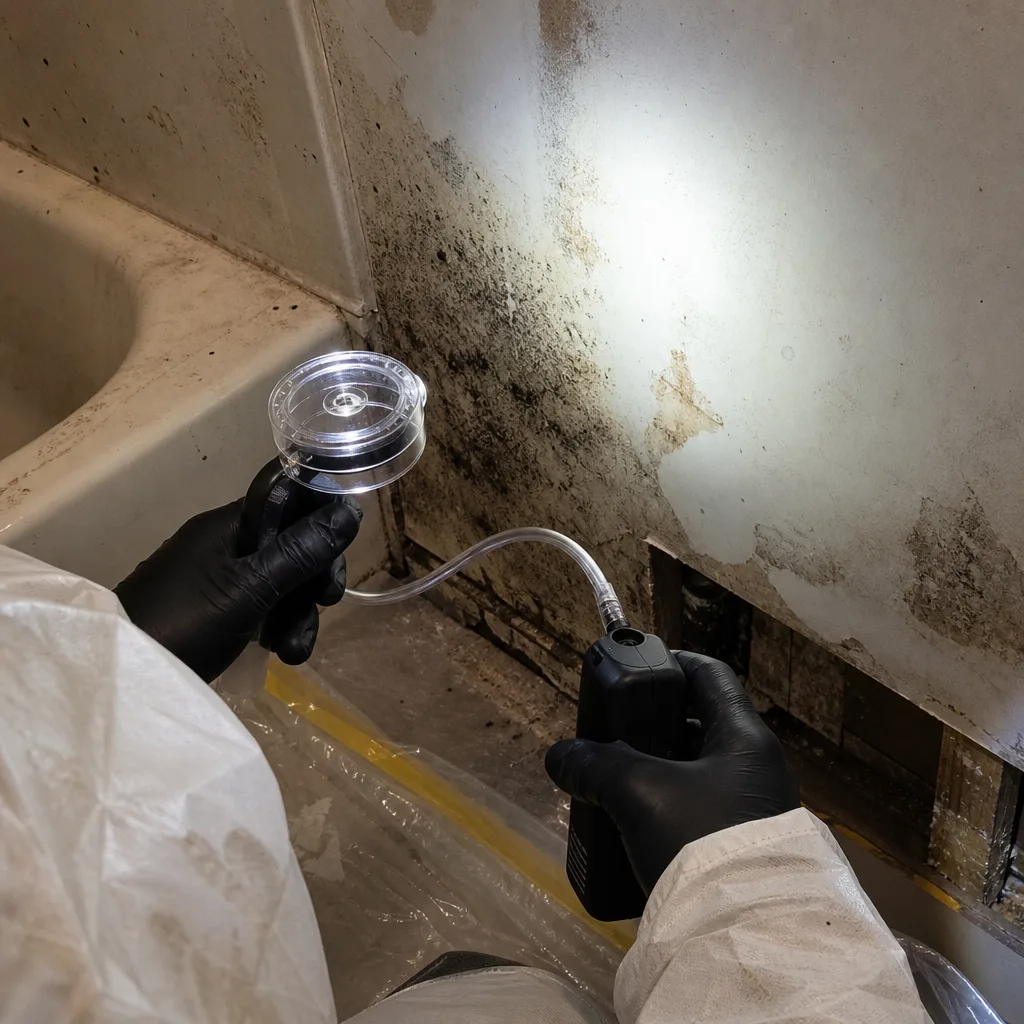
For Lyndhurst homeowners, especially those carrying NFIP coverage, proper documentation is the difference between a paid claim and a denied one. We write scopes of work that are FEMA-compliant where required and detailed enough to satisfy any adjuster. Photos, drying logs, moisture maps, and line-item estimates go directly to your carrier. We coordinate with your adjuster from first contact to final walk-through, and we document the property’s pre-loss condition so the rebuild matches what you had before the loss, not a downscaled version of it.
Drywall & Flooring Repair
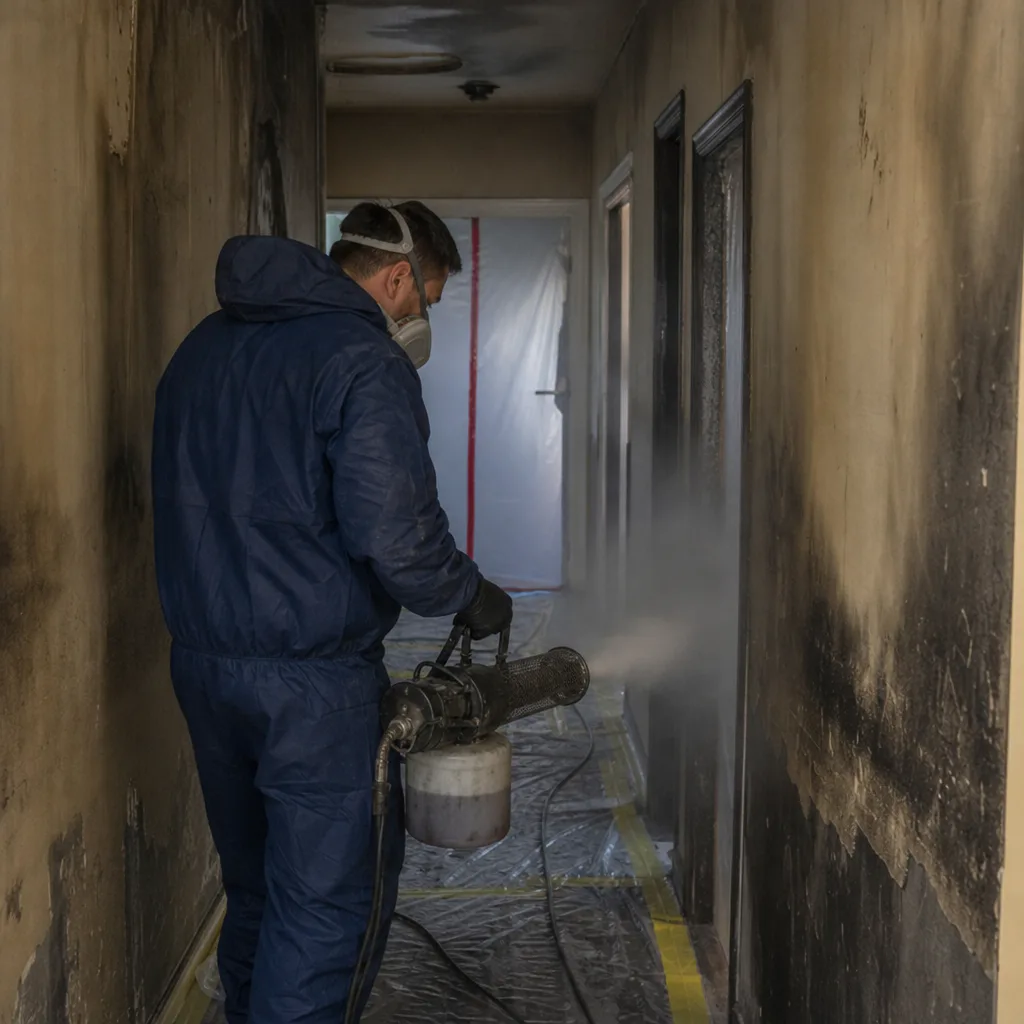
Floodwater in Lyndhurst basements almost always means opening the lower portions of drywall, insulating behind it, and replacing flooring. We remove and replace wet drywall, subfloor, carpet, pad, and hardwood that has warped or cupped. We dry to standard before closing any cavity, and we use materials that perform well in below-grade environments. No shortcuts, no covering wet framing with new sheetrock.
Contents Restoration & Pack-Out
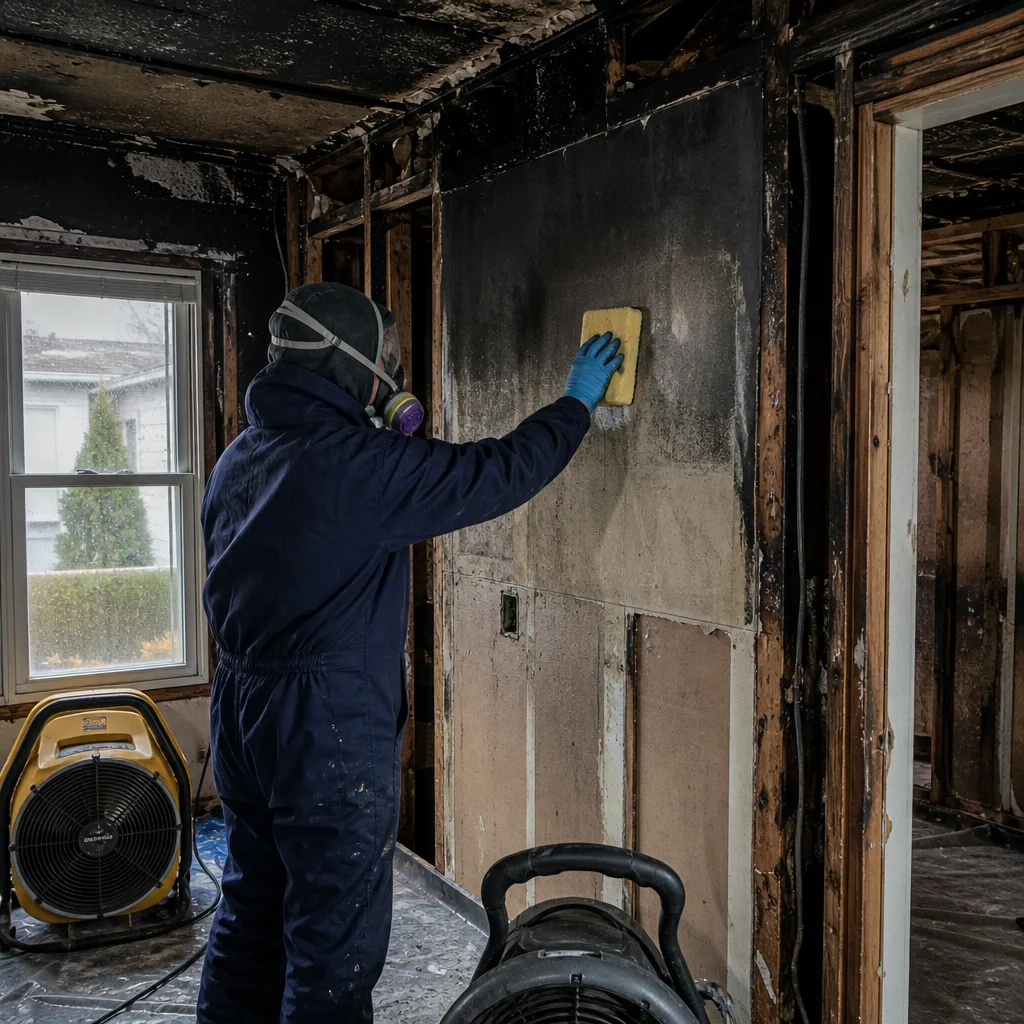
When a Riverside-section basement floods or a kitchen fire spreads soot through a Cape Cod on Stuyvesant Avenue, the personal items matter as much as the building. We inventory, photograph, pack out, and restore contents, from furniture to documents to family keepsakes. Then we store them safely until the reconstruction is done and deliver them back to the finished space.
Carpet & Upholstery Cleaning
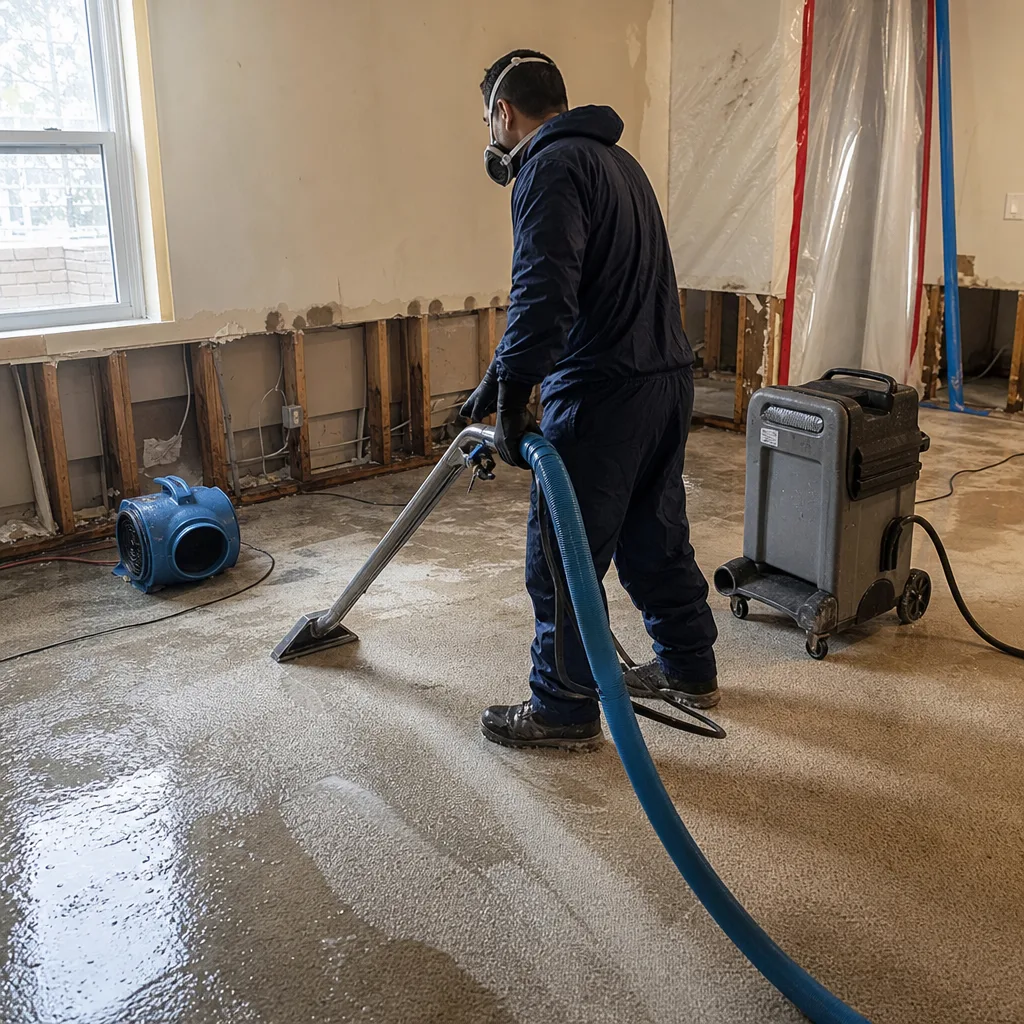
Water and fire losses leave behind more than visible damage. We clean and deodorize carpets, rugs, and upholstered furniture that can be salvaged, using professional extraction equipment and HEPA filtration. For Category 3 water, we recommend replacement of carpet and pad rather than cleaning, but we give you an honest read either way.
Post-Construction Cleanup
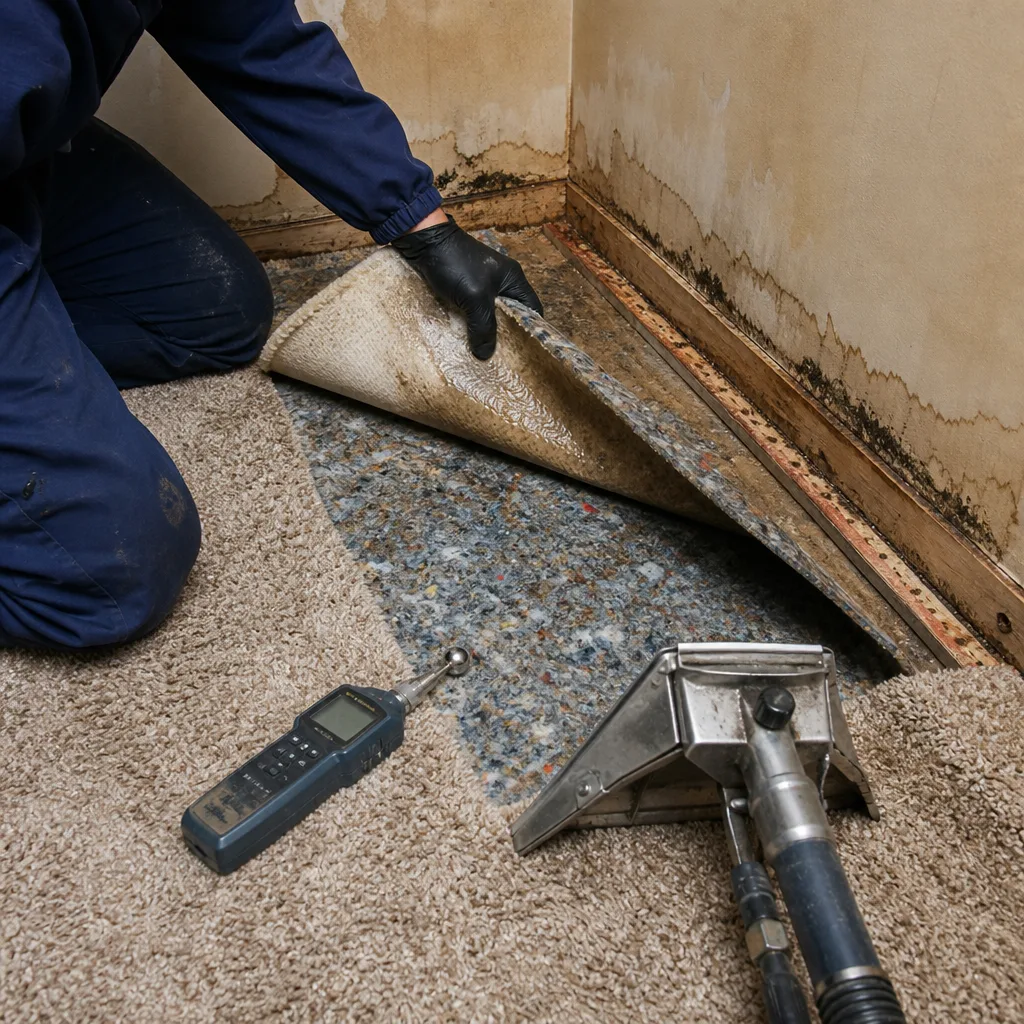
When the reconstruction crew leaves, the last thing you should face is a layer of drywall dust and construction debris. We offer a full post-construction cleanup: vacuuming, wiping down every surface, cleaning windows, removing debris, and leaving the space livable. For Lyndhurst homeowners who have already spent weeks dealing with a flood or fire, this is the moment the house finally feels like home again.
What happens when you call
- 1
A real person answersNo phone trees - you reach a local pro.
- 2
You get an upfront price rangeHonest numbers before anyone is dispatched.
- 3
A background-checked tech heads outLicensed & insured, dispatched right away.
- 4
You approve before work beginsNothing starts until you say go.
Reconstruction & Cleanup Costs in Lyndhurst, NJ
Pricing for reconstruction and cleanup in Lyndhurst depends on the scale of the loss and the building’s age and condition, but you should expect real numbers, not vague promises. A flooded finished basement in a 1950s Cape Cod typically runs $6,500 to $14,000 for water extraction, drying, drywall removal, antimicrobial treatment, and basic rebuild. Larger repeat-flood repairs on Riverside-section two-families can reach $18,000 to $40,000 when floor systems, electrical, and HVAC components are involved. Fire damage cleanup and reconstruction ranges from $4,000 for a contained kitchen fire to $25,000 or more for whole-floor smoke and soot remediation. Insurance coverage depends on your policy: NFIP policies cover flood damage to the building and some contents, but homeowners policies exclude surface flood water and cover the burst-pipe or appliance losses instead. The best way to get a firm number is a free visual inspection. We give you a written scope and an honest range before any work is authorized. Call (551) 373-5246 and we will come look.
We Also Serve Cities Near Lyndhurst
Our crews work throughout southern Bergen County, including North Arlington, Rutherford, East Rutherford, and Carlstadt. If you live just across the Passaic River or a few blocks outside the Lyndhurst border, the same emergency response and documentation standards apply. Call (551) 373-5246 and we will get a crew moving toward you.
Serving Lyndhurst, NJ - Our Local Coverage Area
We’re based in the Lyndhurst area and know this community well. Use the map below to see our service coverage - if you’re nearby, we can almost certainly help.
Lyndhurst Reconstruction & Cleanup Questions, Answered
Do I need special documentation for reconstruction if my Lyndhurst home has an NFIP policy?
Yes. NFIP claims require a scope of work that matches your pre-loss condition and, for some properties, aligns with your elevation certificate. Our crews write FEMA-compliant scopes, document every step with photos and drying logs, and coordinate directly with your adjuster so the claim moves without delay. Call (551) 373-5246 if you have an active NFIP policy and need reconstruction after a flood.
How soon after a Passaic River overflow should I schedule water extraction in the Riverside section?
Immediately. Category 3 river water enters a finished basement fast, and every hour it sits increases the saturation area, the mold risk, and the eventual rebuild cost. We dispatch crews to the Riverside section around the clock, and extraction usually starts the same visit. Call (551) 373-5246 as soon as water is inside.
What category of water is typical for Lyndhurst basement floods near the Meadowlands?
Category 3, which means contaminated water carrying silt, sewage, or river-borne debris. This water requires full extraction, removal of affected drywall and insulation, antimicrobial treatment, and structural drying. Do not attempt to clean it yourself. Our crews handle Category 3 losses in Lyndhurst and the Meadowlands-adjacent areas regularly and safely.
Can you rebuild my basement after a flood even if it has been flooded before?
Yes. Many Riverside-section and Meadowlands-adjacent homes have flooded more than once, and rebuilding a basement that has a prior claim history is routine for us. We document pre-loss condition, verify subsurface moisture before closing walls, and rebuild with materials intended for below-grade environments. Call (551) 373-5246 for a free inspection and a straight read on your options.
Do Lyndhurst building codes require special wind ratings for reconstruction after a storm?
Depending on the scope, yes. When a nor’easter tears off roofing or damages a wall assembly, the rebuild must meet current Bergen County code for wind resistance, which often means upgraded fasteners, rating-compliant sheathing, and impact-rated doors or windows in vulnerable openings. We spec the work to code and document it for your insurer. We never rebuild to the old standard if the code now says otherwise.
How fast can a crew actually reach my Lyndhurst home?
Typically within 45 minutes of your call for emergency water or fire damage. We staff live dispatch 24/7, and our crews are positioned to serve Lyndhurst directly. For non-emergency reconstruction and cleanup, we schedule at a time that works for you and arrive when we say we will.
Is flood damage from the Passaic River covered by regular homeowners insurance?
No. Surface water from overflowing rivers is excluded from standard homeowners policies. You need an active NFIP flood insurance policy for flood damage to the building envelope and some contents. We work with NFIP claims routinely, and we document everything to the standard your policy requires.
What should I do in the first 30 minutes after my basement floods?
Shut off electricity to the affected area if you can do so safely, then call (551) 373-5246. Move valuables that are not yet wet, but do not wade into standing water, especially if sewage or river water is present. The sooner extraction starts, the less damage spreads. A live dispatcher will walk you through the first steps while a crew heads your way.
Written by Curt Bowman, Owner at Floodline Restoration Co., serving Lyndhurst and surrounding Bergen County communities.