
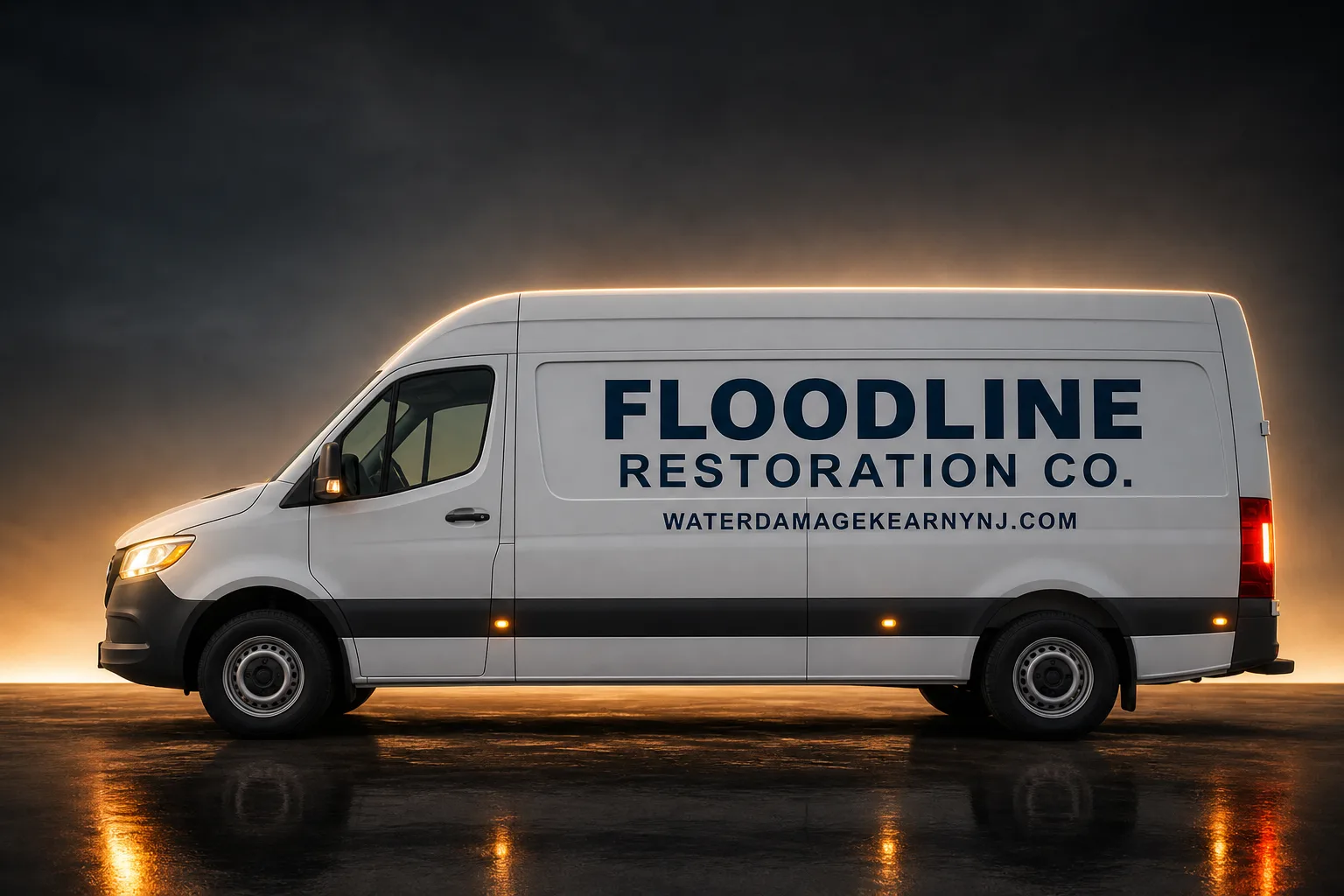
Free visual inspection and a written scope of work before any mitigation begins - photos, moisture readings, and drying logs go in your claim file
The scope we write is the scope we bill. Anything new gets shown to you, in writing, before we touch it.
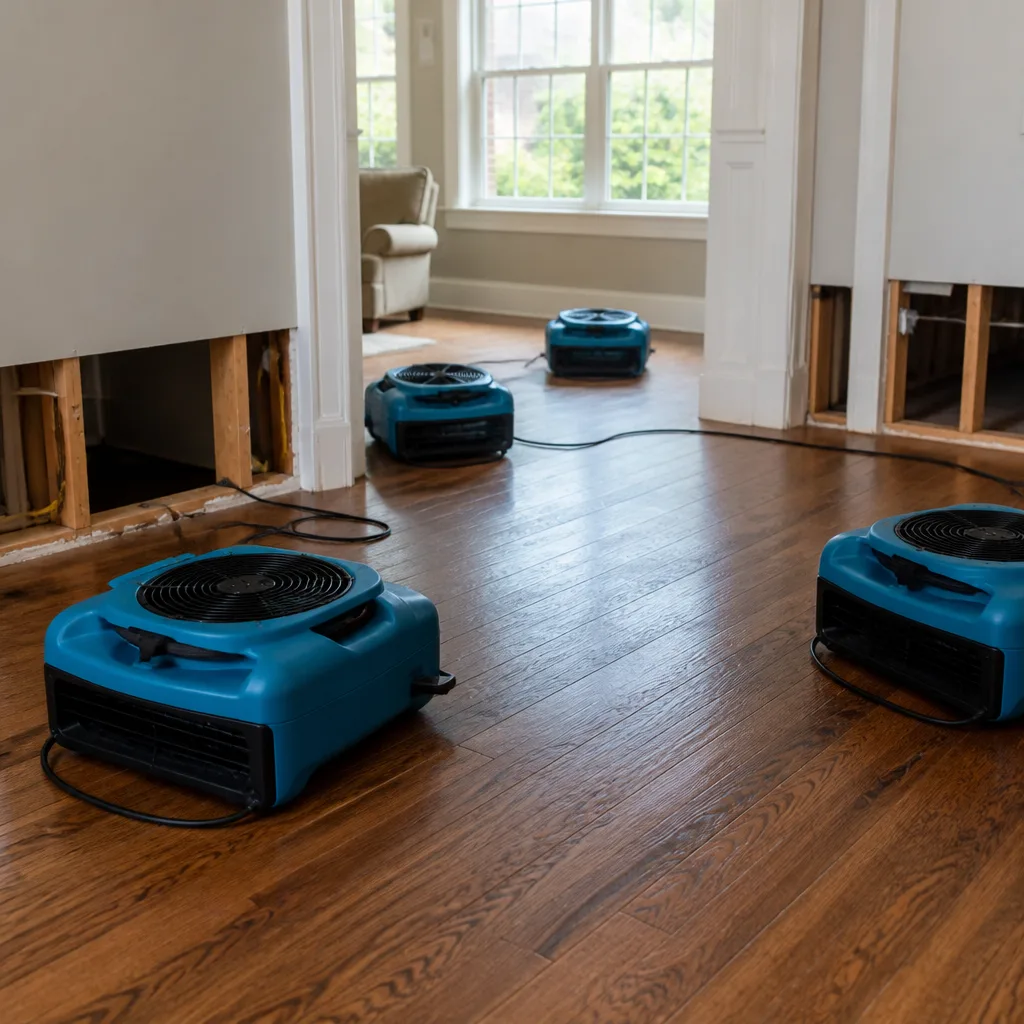
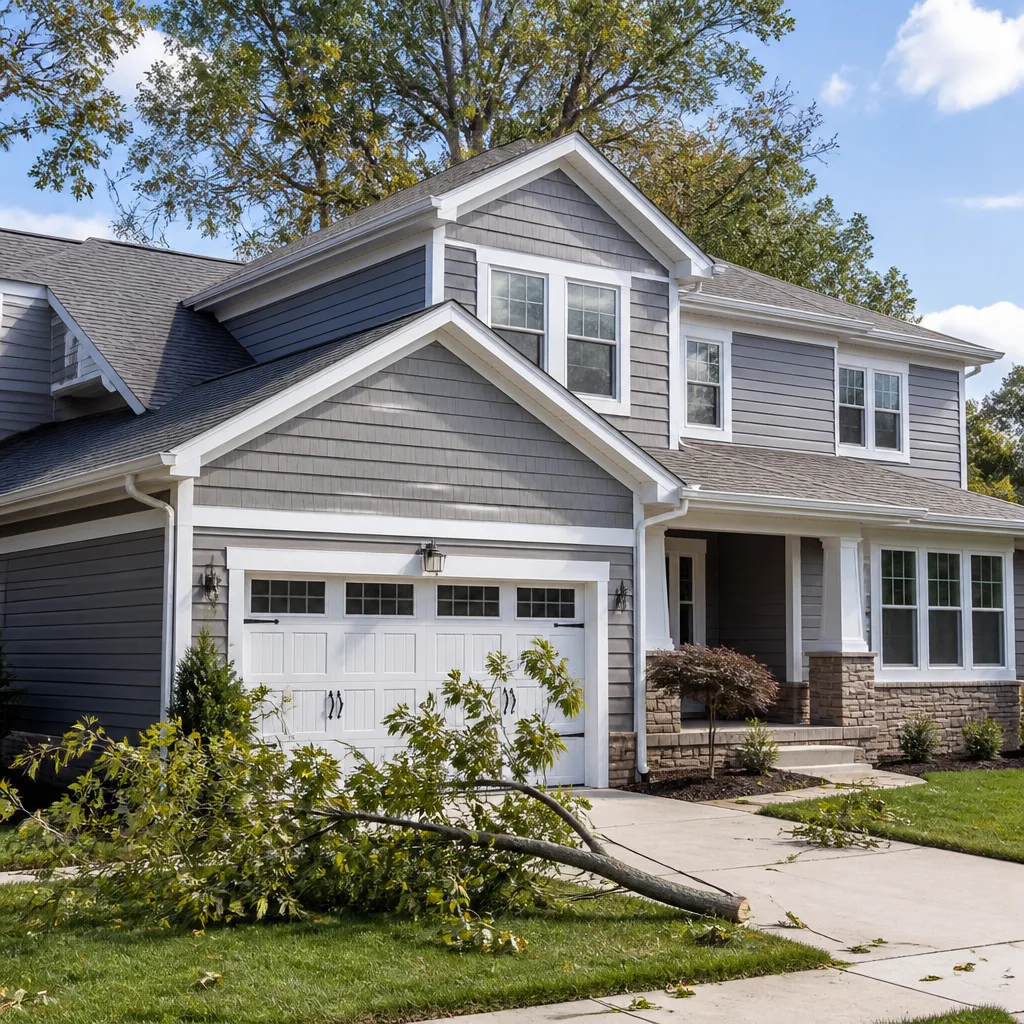
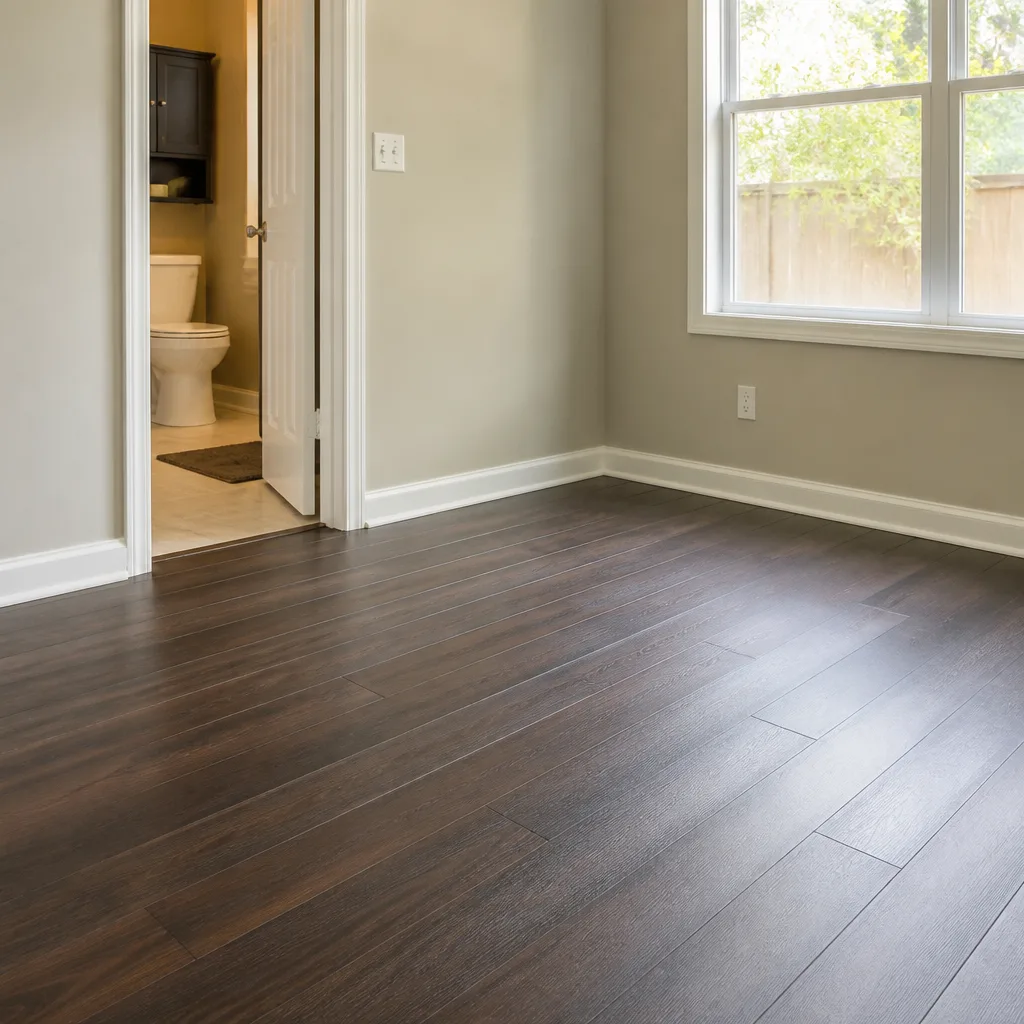
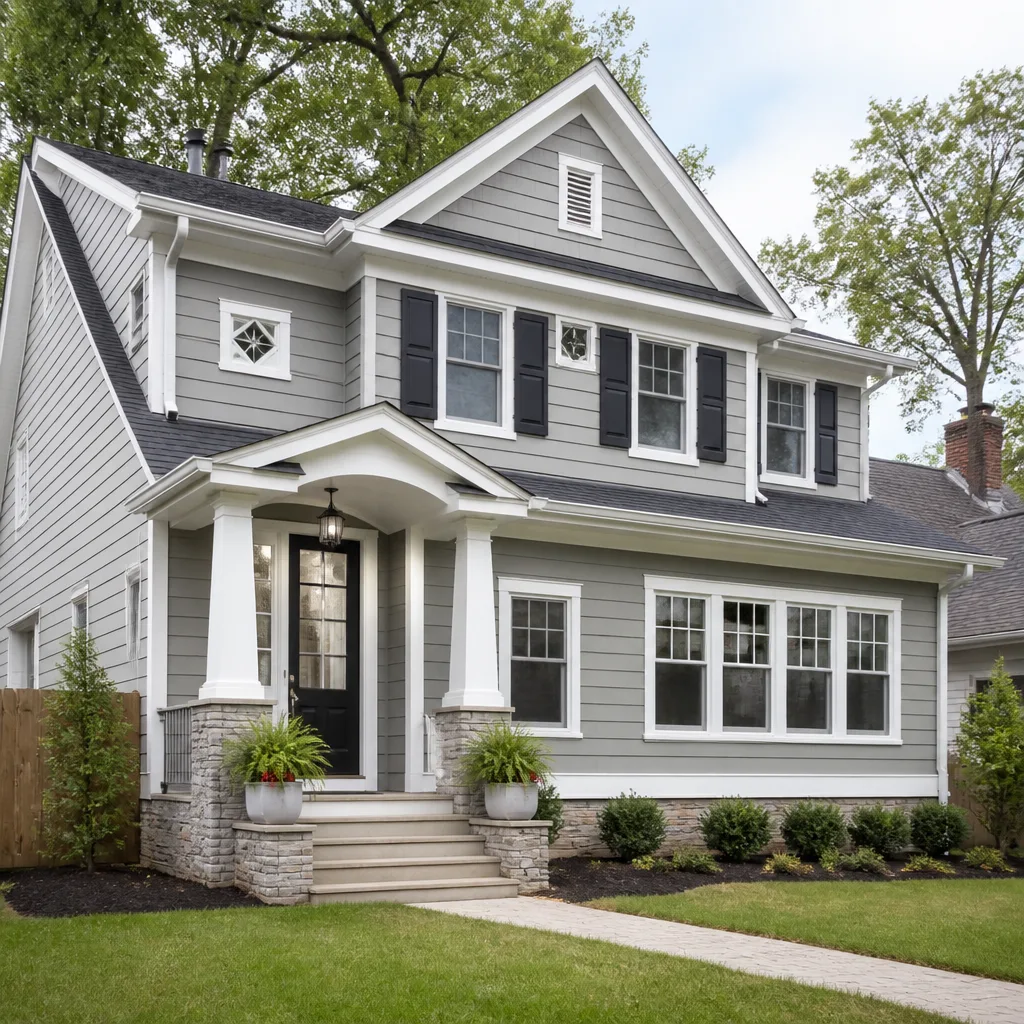
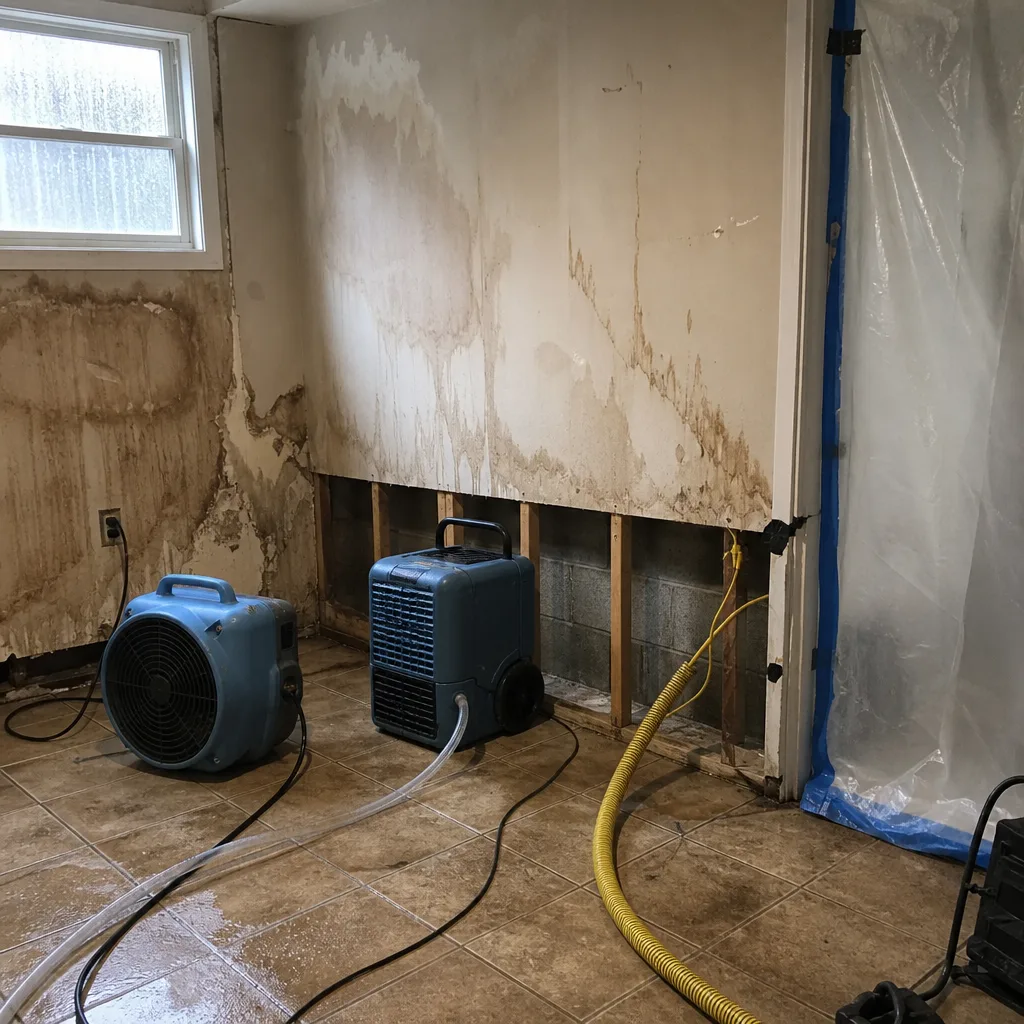 Before
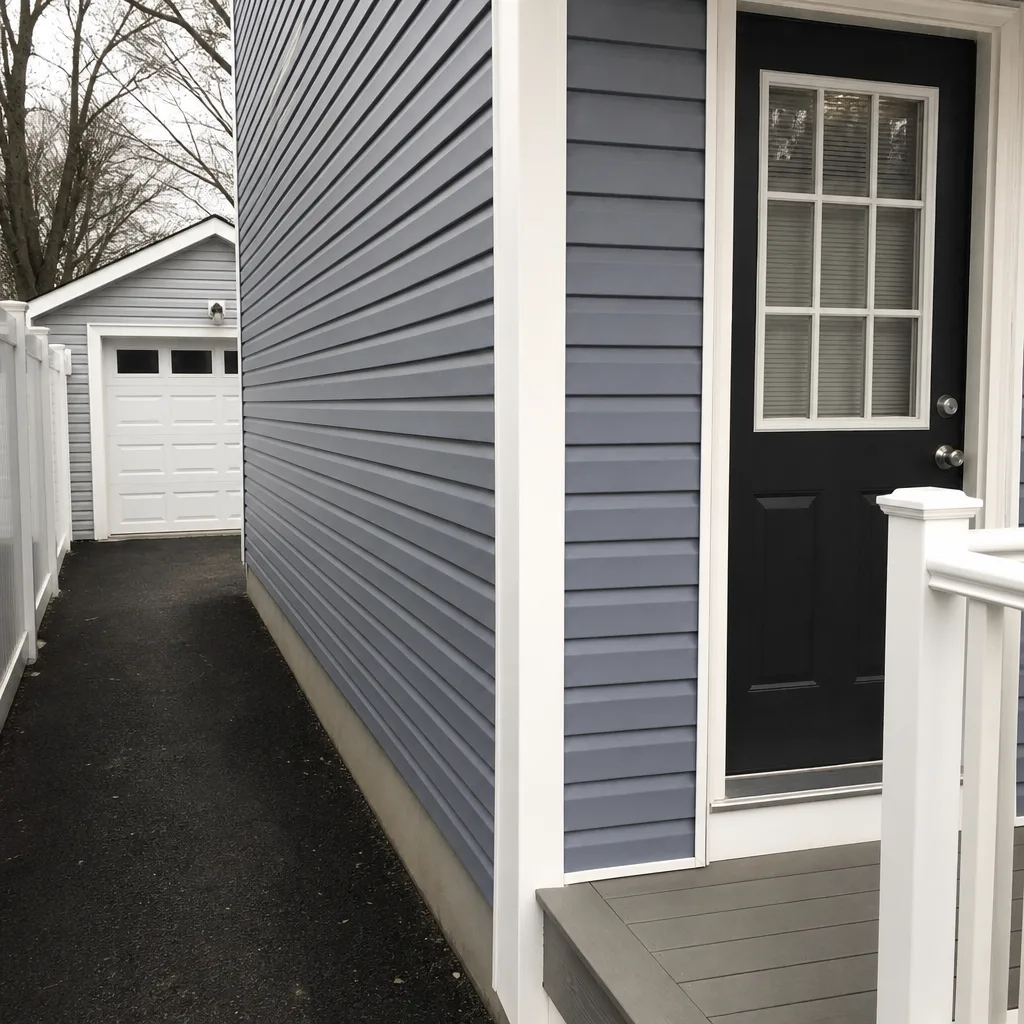 After
After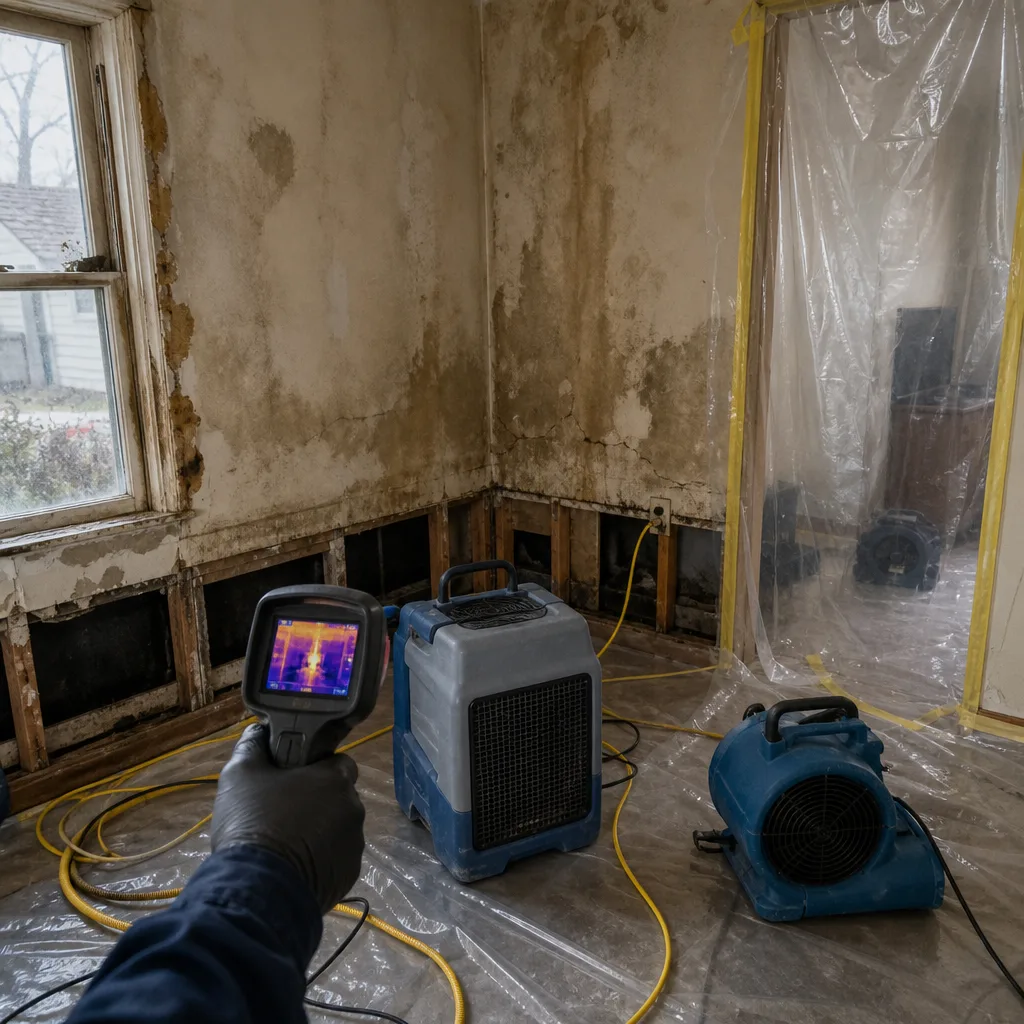 Before
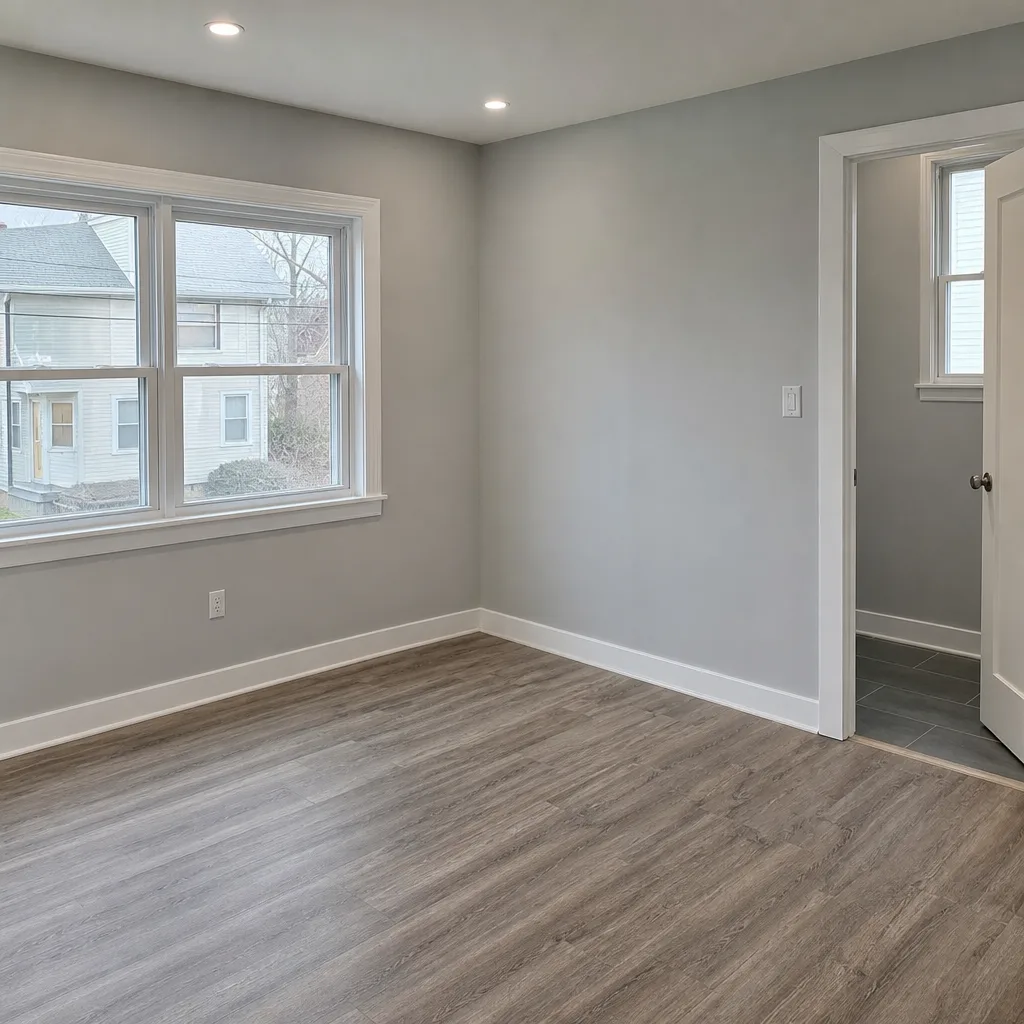 After
After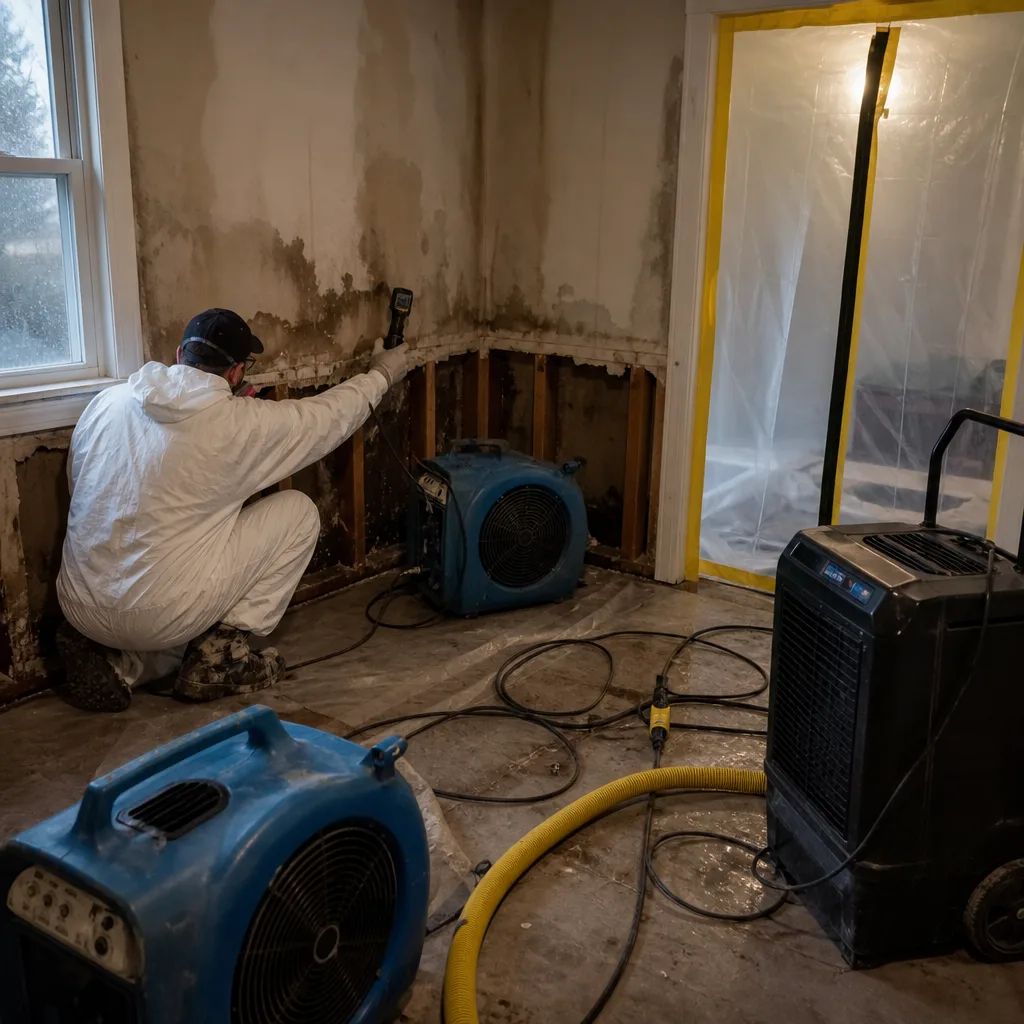 Before
 After
After24/7 Emergency Reconstruction & Cleanup in Weehawken
Weehawken homes face three distinct threats most restoration companies never see in one place: salt-air corrosion along the Hudson, Palisades groundwater pushing into bluff-top basements, and Lincoln Tunnel helix vibration cracking century-old masonry. When water, fire, or storm damage hits, the first hour determines whether you’re looking at cleanup or full reconstruction. Our crews answer live at (551) 373-5246 around the clock, every day. We dispatch from the metro area and reach Weehawken properties within 45 minutes, starting with a free visual inspection so you know the honest scope before any work begins. In Port Imperial high-rises, water migration through layered flooring assemblies means extraction should start the same visit. In bluff-top row houses, groundwater finds its way through masonry within hours of a nor’easter. Acting now keeps a cleanup from becoming a rebuild.
Understanding Reconstruction & Cleanup Severity in Weehawken Properties
Water damage falls into three categories, and the category dictates how much reconstruction you’ll actually need. Category 1 water is clean, from a supply line or tub overflow. Category 2 carries contamination, like dishwasher discharge or sump-pump overflow, the kind that trails through a bluff-top basement after heavy rain. Category 3 is unsanitary, from sewage backups or Hudson River storm surge, and it requires full antimicrobial treatment and removal of saturated porous materials. Weehawken’s housing stock amplifies the differences. A category 1 leak in a Port Imperial tower can wick through gypsum underlay and laminate within 48 hours, while a category 3 event in a pre-war brick home saturates plaster, lath, and hardwood at different rates. Our technicians use thermal imaging and moisture meters to map exactly where water traveled through each material, then write a drying plan specific to what we find. In homes near the Lincoln Tunnel helix, we also check for vibration-induced crack pathways that let water travel vertically through masonry before pooling below grade. That’s the difference between treating the visible spill and treating the actual loss.
Why Weehawken Property Owners Choose Floodline Restoration Co.
- 45-minute response commitment to any Weehawken address, from Boulevard East to Port Imperial. The dispatcher who answers logs your call and gets a certified crew moving immediately, not after a callback.
- 24/7 live answer, always a person. Two in the morning on a February night, a real dispatcher picks up, not a recording. That’s how extraction starts the same visit.
- IICRC-certified crews with WRT, FSRT, and AMRT credentials on every job. Background-checked and uniformed, trained to IICRC, RIA, and IFA standards, using Dri-Eaz, Phoenix, XPOWER, B-Air, and Injectidry equipment.
- Free visual inspection before any work is authorized. We walk the site, explain the severity honestly, and give you a written scope, so there are no surprises on the bill.
- Direct insurance billing. We deal with your carrier and their adjuster, so you’re not playing messenger while your home sits wet. Photo documentation throughout the job supports every line item.
- One team from extraction to reconstruction. The same crew that reads the moisture map on day one handles daily readings, hands you and your carrier the drying log, and rebuilds what needs rebuilding. No mid-job handoff, no inherited crew that wasn’t there for the hard part.
Our Reconstruction & Cleanup Process
Inspection & Assessment
We start with thermal imaging, moisture meters, and a walk-through of every affected room. In Weehawken, that includes checking for salt-air corrosion on metal components and vibration-cracked mortar around lower-level walls. You get a written scope before any equipment comes off the truck.
Extraction & Stabilization
Standing water comes out first, using truck-mounted extraction units where access allows or portable extractors for high-rise floors and narrow row-house stairways. We also remove unsalvageable saturated materials like carpet pad, baseboard, and damaged drywall to stop wicking and prevent secondary damage.
Drying & Dehumidification
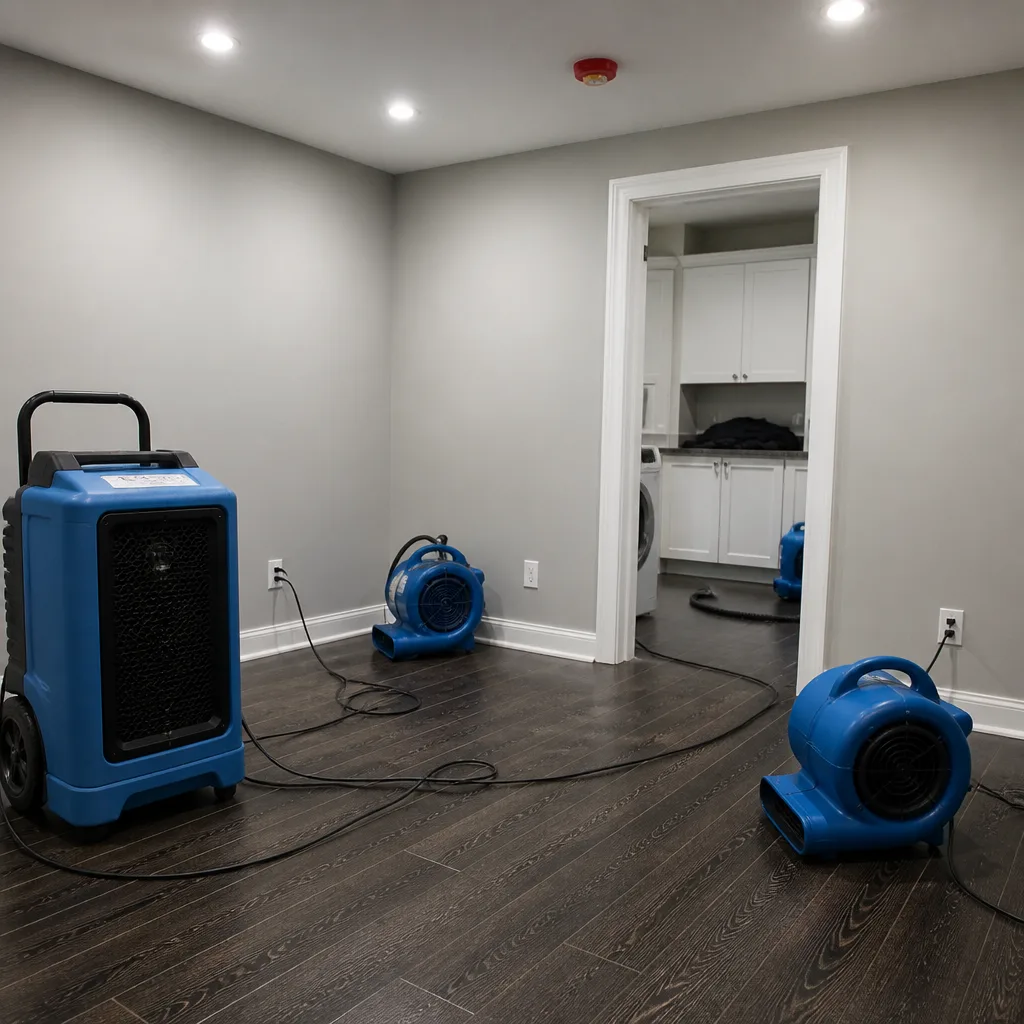
We place Dri-Eaz and Phoenix air movers and LGR dehumidifiers according to the moisture map, including Injectidry systems for hard-to-reach wall cavities and under hardwood. Daily readings track progress against the dry standard until materials stabilize at pre-loss moisture levels. The log goes to you and your insurer.
Cleaning & Sanitization
Affected surfaces get professional-grade cleaning and, where water category demands it, antimicrobial treatment. HEPA air scrubbers run where mold or particulate is present. We clean what can be saved and document everything for your carrier.
Reconstruction Specialty Treatment
This is where Weehawken-specific work happens. We repair vibration-cracked masonry before refinishing walls, replace corroded garage-door hardware with galvanized or coated components, and restore custom millwork and engineered stone in waterfront condos to pre-loss condition.
Repairs & Restoration
Drywall, flooring, paint, trim, doors, and cabinetry go back in, matched to the original finish. The job isn’t complete until you walk the space and sign off. Then the 90-Day Done Right Promise applies, in writing, no arguing.
Need Emergency Reconstruction & Cleanup in Weehawken Now?
Crews minutes away, answering live 24 hours a day. The sooner we start, the less it costs.
Working With Your Insurance Company
We’ve spent over 42 years handling insurance claims, and the pattern in Weehawken is consistent whether the loss is in a Port Imperial condo or a Boulevard East row house: carriers move faster when the documentation is assembled from the first hour. Weehawken properties in FEMA flood zones, especially along the waterfront, add another layer. Flood-insurance claims through FEMA have their own paperwork cadence, and adjusters need elevation certificates, damage photos tied to storm timelines, and line-item scopes that separate flood-caused loss from pre-existing conditions. We handle that coordination directly, because homeowners shouldn’t have to learn claim-speak while their home sits unlivable. Our crews photo-document room by room, log moisture readings daily, and prepare industry-standard estimates your carrier can process without back-and-forth. We bill your insurer directly, and you get a written scope before work begins, so the only thing you approve is the actual work.
What We Provide Your Insurer
- Thorough documentation of the loss
- Photos of all damage, room by room
- Moisture readings and drying logs
- A detailed, line-item scope of work
- Direct coordination with your carrier
Built for Weehawken’s Loss Calendar
Weehawken’s damage season runs differently than towns even two miles inland. January and February bring deep freezes that rupture supply lines in unheated crawl spaces and exterior walls, and the thaw turns those same spaces into standing water by mid-March. Spring rain saturates the soil above the Palisades, and what doesn’t run off down Boulevard East finds its way into bluff-top basements through hairline cracks, some of them vibration-widened by the constant truck traffic on the helix. Summer thunderstorms drop two inches in an hour, overwhelming the drainage on the narrow streets that climb from Park Avenue to the top of the bluff, sending sheet flow into below-grade entries. Nor’easter season from September through November pushes water into the Port Imperial waterfront, where high-rise garages and ground-floor mechanical rooms take the brunt. And all year, the salt air off the Hudson works on every piece of exposed metal: garage-door springs, hinges, tracks, and fasteners. We schedule corrosion inspections around the same calendar, because a spring that snaps in a Port Imperial garage at 7 a.m. is a small fix; the same failure at 2 a.m. during a storm is a missing door and a flooding ground floor.
Reconstruction & Cleanup Across Weehawken’s Neighborhoods
Port Imperial and Lincoln Harbor are the youngest parts of Weehawken, and the losses there run to luxury finishes and flood-zone complications. Condo units along the water carry engineered stone countertops, custom millwork, and smart-home systems, all of which require specialty subcontractors and delicate moisture mapping when water moves through layered flooring. Garages in these towers, pooled in salt-heavy air, see accelerated corrosion on springs, hinges, and tracks during any reconstruction project that touches them. Up on the bluff, around Park Avenue and the streets climbing east toward Boulevard East, the row houses date from the early 20th century. They have plaster walls, cast-iron drain lines, and basements that fight groundwater every wet season. The helix’s constant vibration micro-cracks mortar over years, and restoration techs here trace water intrusion to foundation and parapet cracks that wouldn’t exist in a quieter town. Along Boulevard East itself, the older apartment buildings have small service doors, narrow stairs, and the kind of access constraints that make equipment choices matter. We stage accordingly, bringing compact extractors when a full-size unit won’t make the turn.
Specialized Reconstruction & Cleanup Services We Offer in Weehawken
Full-Service Reconstruction
Weehawken’s split housing stock demands two reconstruction playbooks. In waterfront towers, we rebuild to premium-condo standards: matching engineered stone, restoring custom millwork, and coordinating with building management on freight elevator schedules and work-hour rules. On the bluff, we repair the masonry first, before any drywall goes in, so the same water path doesn’t reopen next spring. One crew handles the whole scope from structural drying to final paint, and the job is backed by the 90-Day Done Right Promise in writing.
Drywall & Flooring Repair
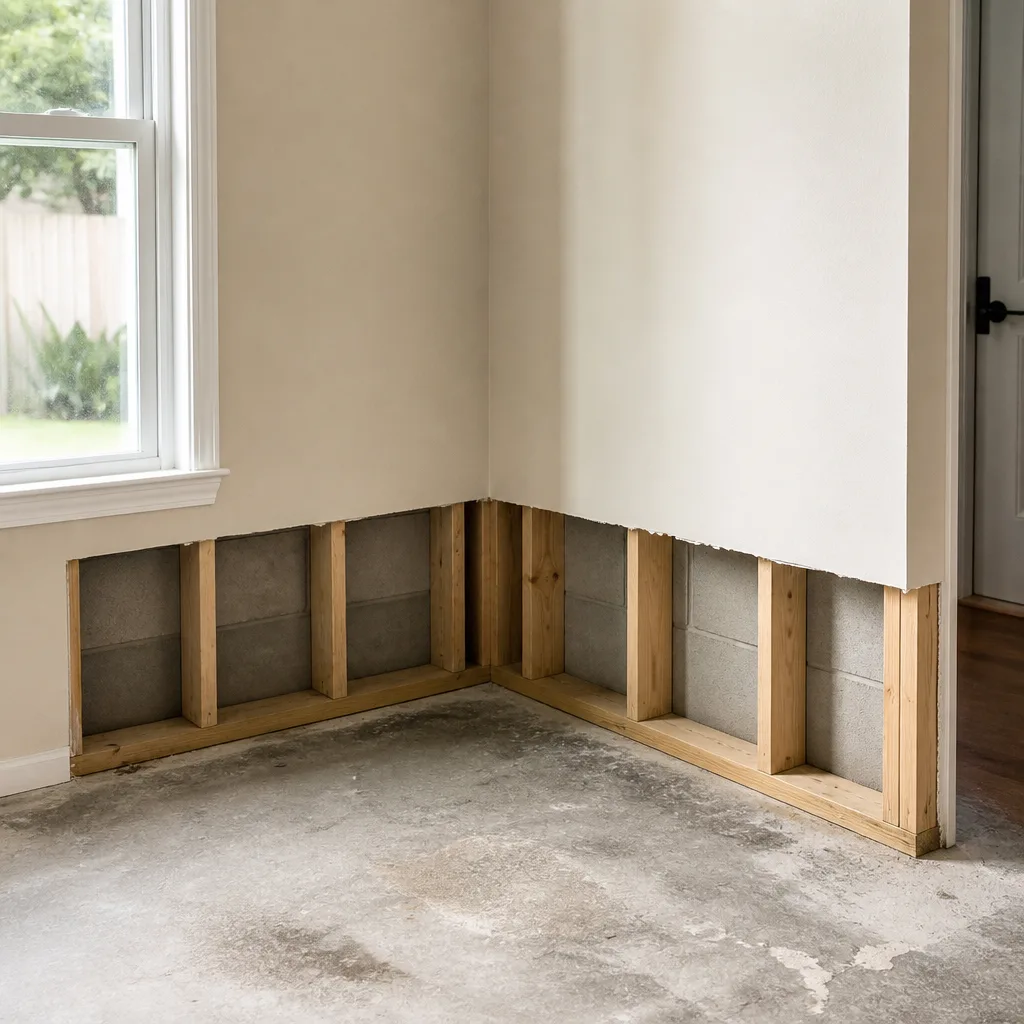
Water-soaked drywall loses its structural integrity quickly, and in Weehawken’s older homes, the original plaster often sits behind modern drywall, creating a second material layer that holds moisture longer. We cut flood cuts at the correct height, replace with new board, and match texture and finish to the surrounding wall. Flooring in Path-adjacent high-rises often runs to engineered wood over concrete, which requires drying the subfloor completely before any replacement goes down. Weehawken’s humid summers mean we keep dehumidifiers running through the finishing stage, not just the structural drying stage.
Contents Restoration & Pack-Out
When a Port Imperial unit takes water from a burst supply line, the furniture and personal contents often need to move out before drying can happen properly. We photograph, inventory, pack, and remove items to our climate-controlled facility, where contents are cleaned, dried, and stored until the unit is ready. In bluff-top homes with narrow stairwells and small rooms, we handle pack-out carefully, since there’s no freight elevator and every item has to be walked out the front door. Your adjuster gets the full contents list with photos from the start, which protects the claim.
Carpet & Upholstery Cleaning
Salvageable carpet and upholstery get professional cleaning and deodorizing before they go back into a reconstructed space. Near the waterfront, we see salt residue trapped in fibers after surge events, and it shortens fabric life if it’s not extracted correctly. Our hot-water extraction units pull the salt and contaminants out, then drying begins immediately so installed carpet doesn’t hold moisture against the subfloor. Items that can’t be cleaned to a safe standard get documented for replacement.
Post-Construction Cleanup
After a reconstruction in a Weehawken home, the dust from drywall sanding, masonry repair, and floor finishing settles everywhere, including inside HVAC returns and behind trim. We provide post-construction cleanup that includes HEPA-filtered air scrubbing, surface and duct cleaning, and a final pass that leaves the home ready for furniture and family. This is not a broom-and-rag visit; it’s part of the restoration, because construction dust in a finished home is a failure to finish the job.
What happens when you call
- 1
A real person answersNo phone trees - you reach a local pro.
- 2
You get an upfront price rangeHonest numbers before anyone is dispatched.
- 3
A background-checked tech heads outLicensed & insured, dispatched right away.
- 4
You approve before work beginsNothing starts until you say go.
Reconstruction & Cleanup Costs in Weehawken, NJ
Reconstruction costs in Weehawken run higher than in neighboring Hudson County towns, driven by two local realities: premium-condo finishes along the waterfront and century-old masonry repair on the bluff. A straightforward drywall and flooring repair after a category 1 kitchen leak in a row house typically runs $2,800 to $7,500, depending on the square footage and whether plaster repair is involved. Full basement reconstruction after category 2 groundwater seepage on the bluff often lands between $9,000 and $22,000, because masonry crack repair happens before any interior work. In Port Imperial condos, reconstruction after a burst supply line in a unit with engineered stone and custom millwork regularly runs $15,000 to $45,000 or more, driven by match-grade materials and building management requirements. Contents pack-out and cleaning typically adds $1,800 to $6,000 depending on volume. Carpets and upholstery cleaning runs $250 to $900 per room set. Every job starts with a free visual inspection that gives you a written scope and a firm number before any work begins. Call (551) 373-5246 for an exact quote.
We Also Serve Cities Near Weehawken
The same crews that cover Weehawken also serve Union City, Hoboken, North Bergen, and Secaucus. The dispatch response time, the equipment, the certification, and the 90-Day Done Right Promise don’t change across the township line. Call (551) 373-5246 if you’re in a neighboring city and need reconstruction or cleanup.
Serving Weehawken, NJ - Our Local Coverage Area
We’re based in the Weehawken area and know this community well. Use the map below to see our service coverage - if you’re nearby, we can almost certainly help.
Weehawken Reconstruction & Cleanup Questions, Answered
How quickly can a crew reach my Weehawken home after I call?
We commit to a 45-minute response to any Weehawken address, from Port Imperial to the top of Boulevard East. The dispatcher who answers live logs the call and dispatches a local crew immediately, not after a call-back queue. For active water intrusion, extraction typically starts the same visit.
Do you coordinate with FEMA flood insurance adjusters for Sandy-related reconstruction in Weehawken?
Yes. Waterfront properties in Weehawken’s FEMA flood zones carry flood policies through FEMA, and those claims have their own documentation requirements, including elevation certificates and storm-timeline damage photos. We coordinate directly with FEMA adjusters and your carrier, so the claim moves without you glued to the phone.
How do you handle salt-air corrosion on garage-door hardware in Weehawken waterfront condos during reconstruction?
We replace corroded springs, hinges, rollers, and tracks with galvanized or coated components and stainless hardware where the exposure is worst. We recommend a corrosion inspection as part of any reconstruction that touches a Port Imperial or Lincoln Harbor garage, because salt air shortens hardware life here. Call (551) 373-5246 to schedule one.
Does the Lincoln Tunnel helix vibration really cause basement water intrusion in bluff-top Weehawken homes?
It does, and we’ve traced it in homes near Park Avenue and the surrounding bluff streets. The constant 24/7 truck traffic sends low-level vibration through the bedrock, micro-cracking mortar over years, and groundwater follows those paths into basements during heavy rain and nor’easters. We repair the masonry before refinishing interiors, so the same water path doesn’t reopen.
What categories of water do you handle in Weehawken, and why does it matter for reconstruction?
We handle Category 1 clean water, Category 2 contaminated water, and Category 3 unsanitary water including sewage and storm surge. The category determines what gets dried, what gets treated, and what gets replaced, and a wrong call means mold or contamination behind new walls. We classify the water before we write the scope.
How quickly can mold start in a Port Imperial high-rise after a water event, and what do you do about it?
Mold can begin colonizing in 24 to 72 hours in warm, humid conditions, and high-rise units hold moisture longer because air movement through concrete assemblies is slow. We start drying with LGR dehumidifiers and air movers on day one, run HEPA air scrubbers where necessary, and log moisture readings daily until the dry standard is met. Quick extraction plus steady drying is the only reliable mold prevention.
Is it cheaper to just clean up instead of doing full reconstruction?
Sometimes, and we’ll tell you honestly after the free visual inspection. If materials are sound and moisture hasn’t compromised structure, cleaning and targeted drying may be enough. If drywall is saturated, subflooring is swelling, or masonry is cracked, partial work just moves the failure date. We show you the findings before you commit to anything.
Can we stay in our home during reconstruction?
It depends on the scope. A single-room drywall repair usually allows staying in the home. Full basement reconstruction on the bluff, with masonry work and dehumidifiers running, often means relocating for a week or two. We tell you at the first inspection what living conditions will look like, so you can plan realistically.
In a brick row house near Park Avenue on the bluff, our techs traced recurring basement moisture to micro-cracks in the foundation mortar caused by 24/7 Lincoln Tunnel helix vibration. We performed structural drying with Dri-Eaz dehumidifiers, mitigated category 2 water seepage with antimicrobial treatment, and repaired the masonry before restoring the plaster walls to pre-loss condition. That’s the Weehawken difference: we treat the cause, not just the stain.
Weehawken’s salt air, Palisades groundwater, and Lincoln Tunnel vibration change the Reconstruction & Cleanup playbook. If you’re facing water, fire, storm, or mold damage here, call (551) 373-5246 for a free visual inspection and a written scope from the team at Reconstruction & Cleanup that’s been doing this work across Weehawken for decades. Done right, and backed in writing.
Written by Curt Bowman, Owner at Floodline Restoration Co., serving Weehawken and the surrounding Hudson County communities.