
Free visual inspection and a written scope of work before any mitigation begins - photos, moisture readings, and drying logs go in your claim file
The scope we write is the scope we bill. Anything new gets shown to you, in writing, before we touch it.
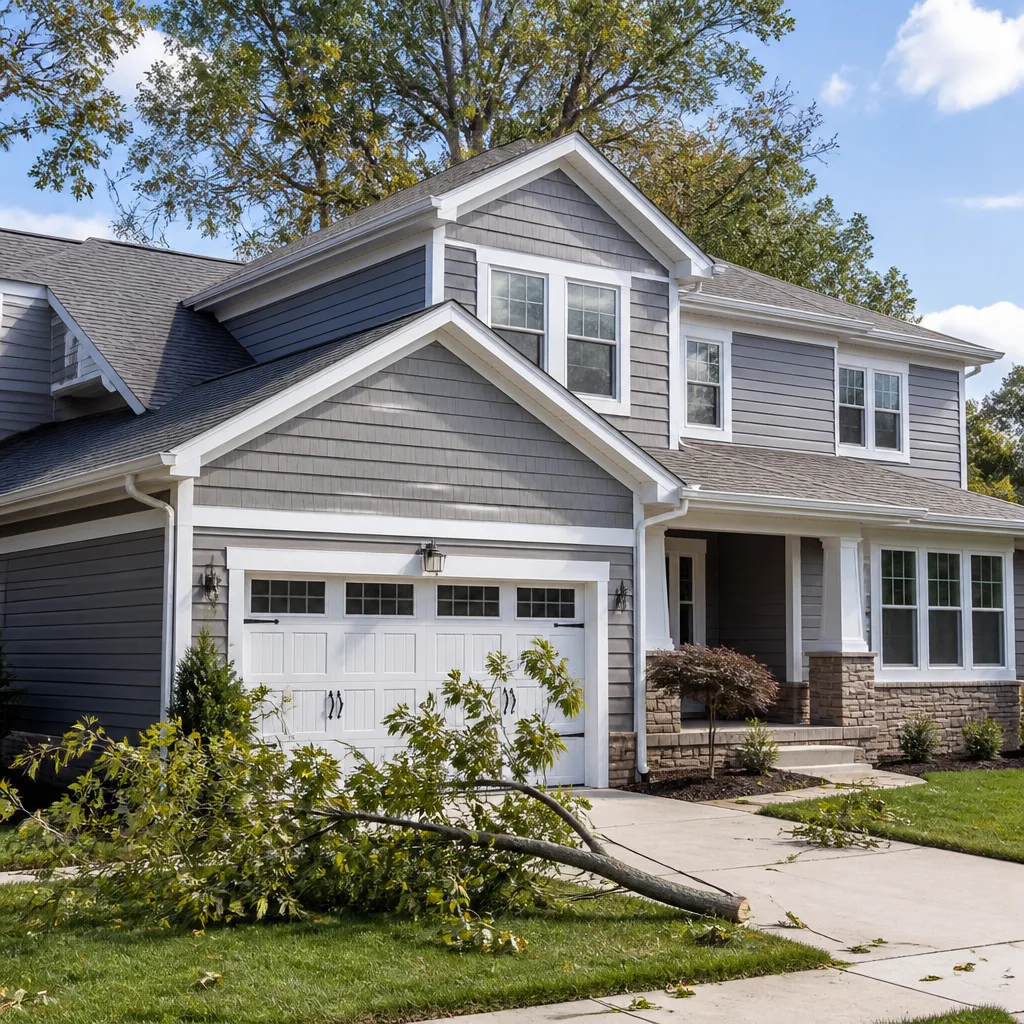
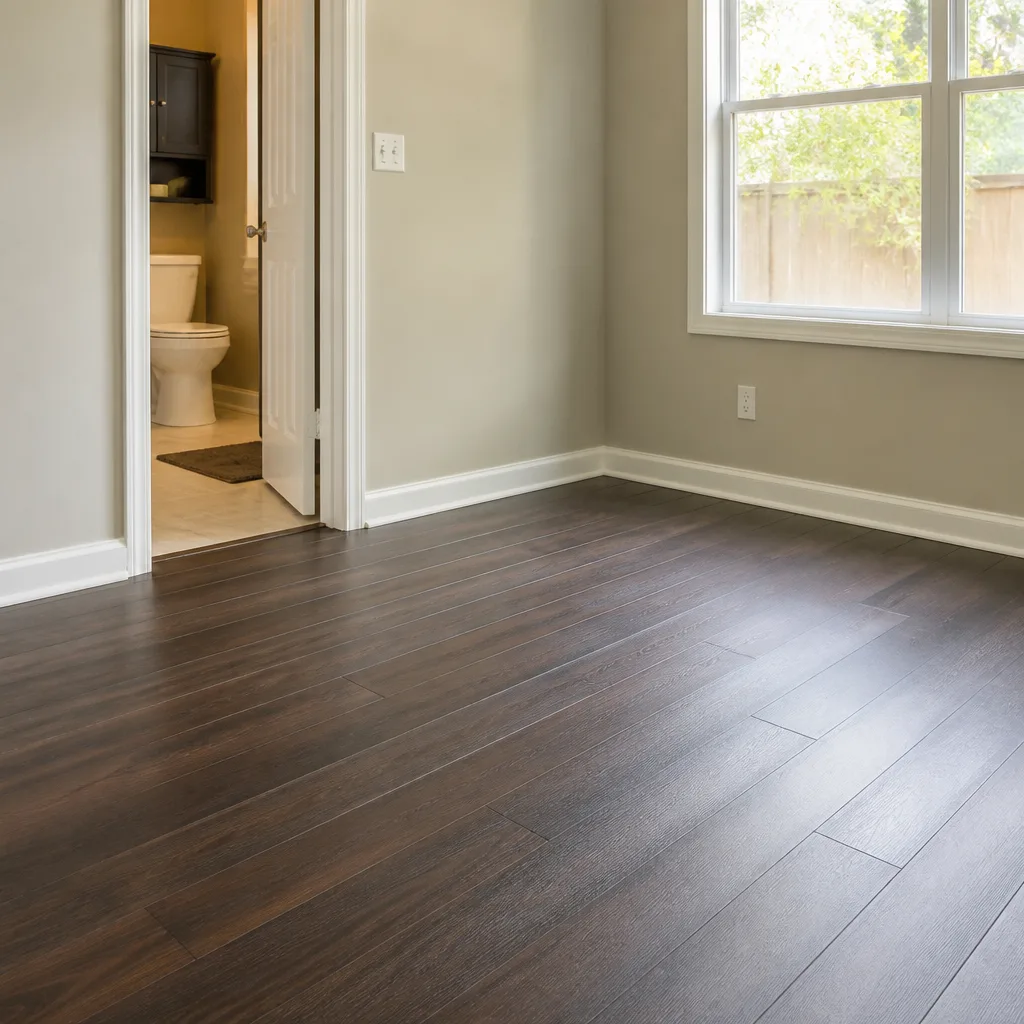
 Before
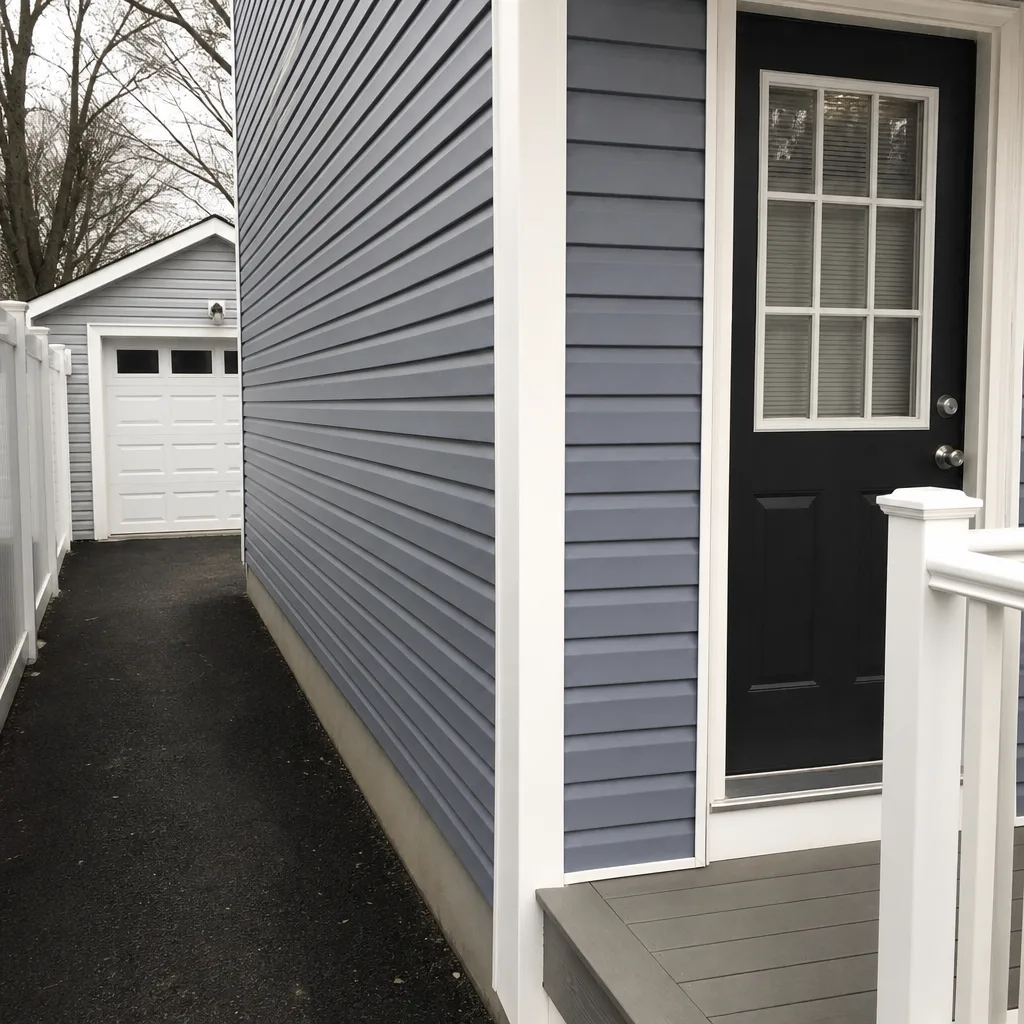 After
After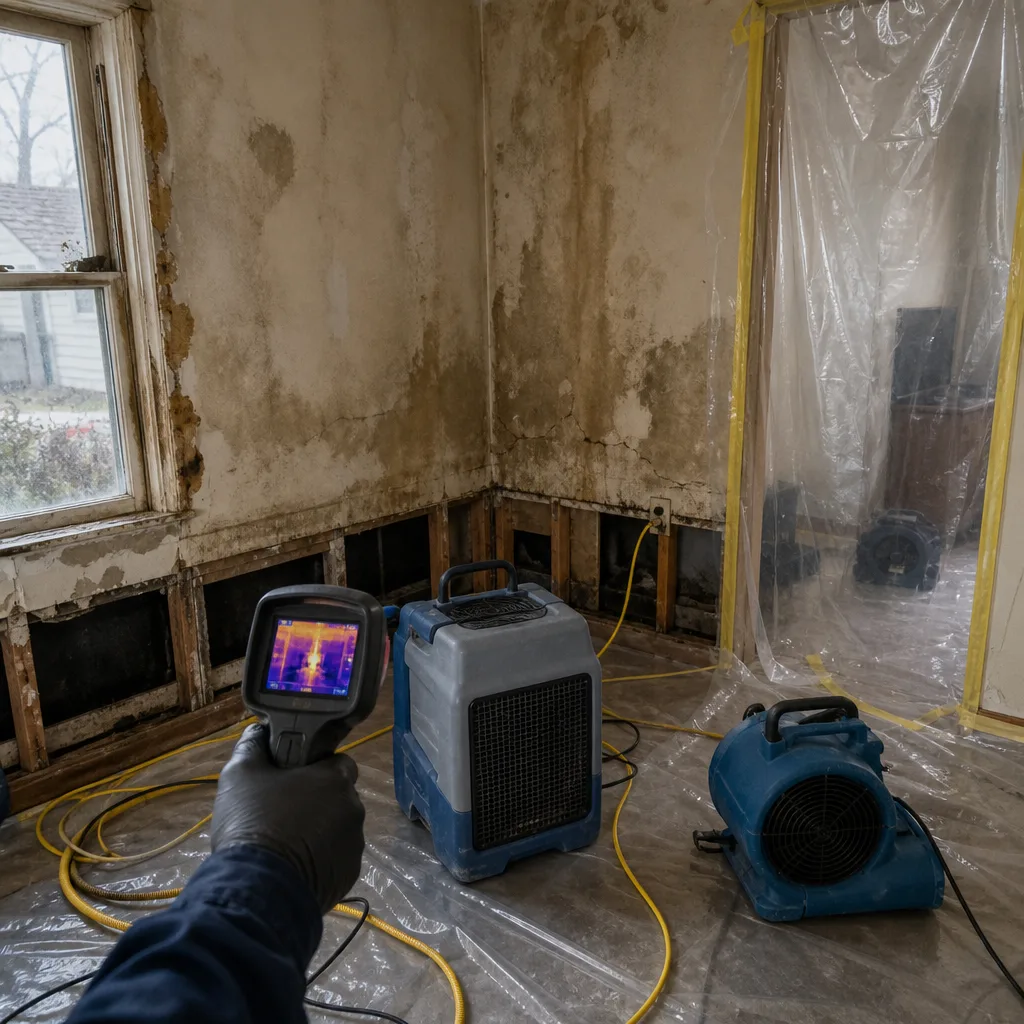 Before
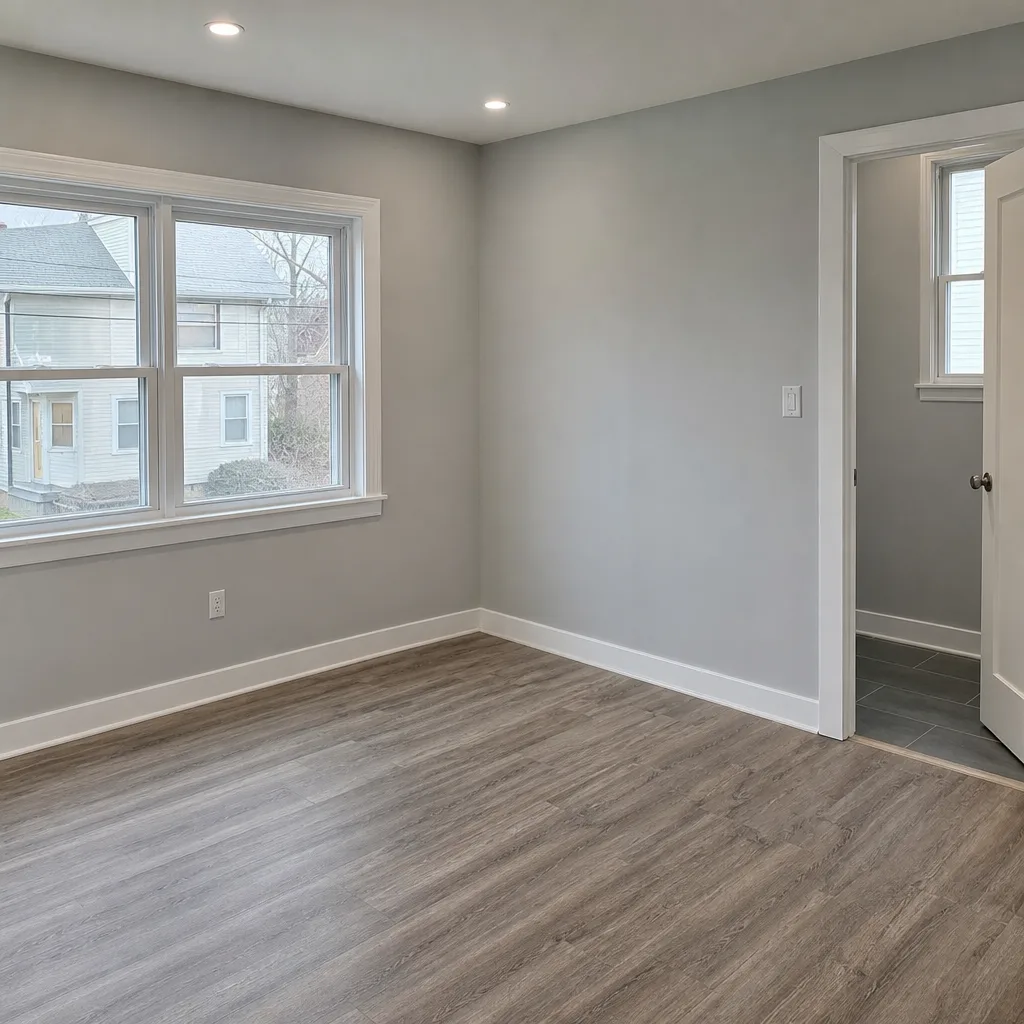 After
After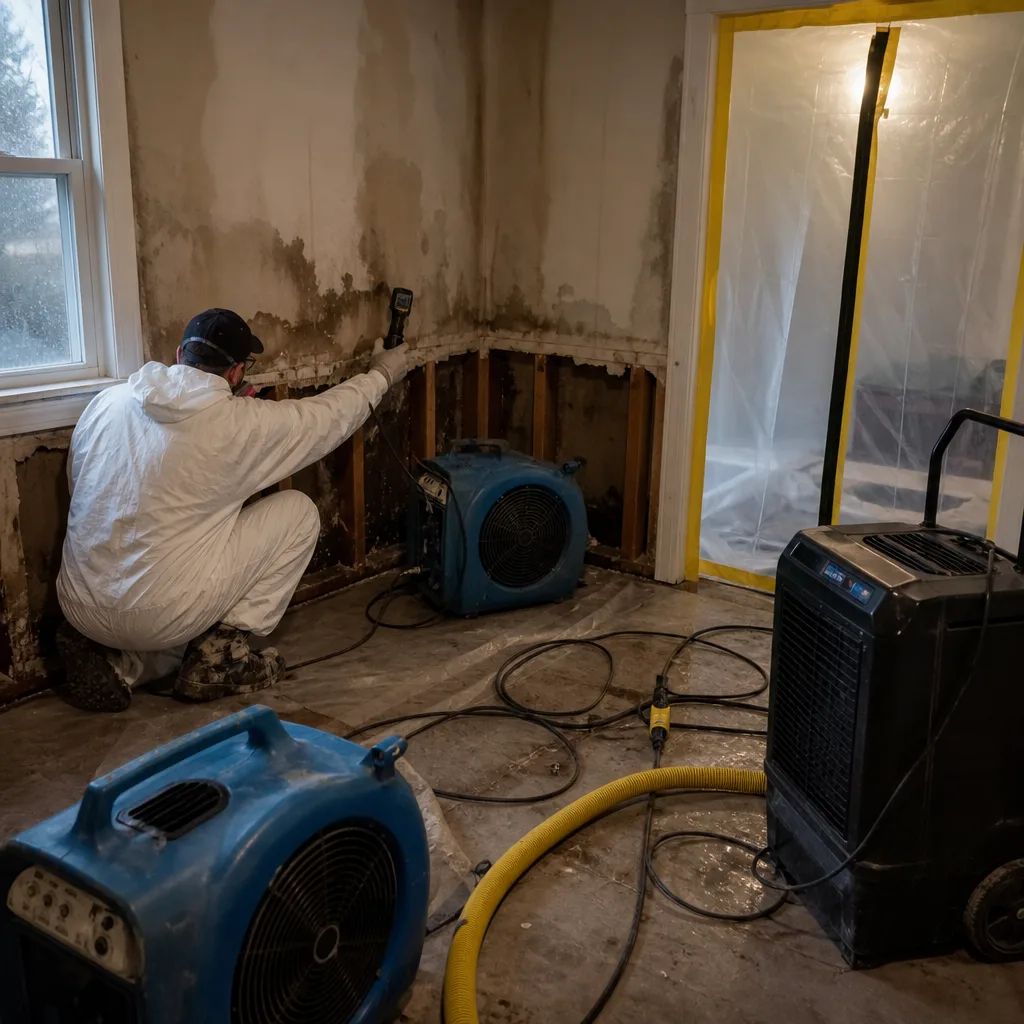 Before
 After
After24/7 Emergency Sewage Cleanup in Lyndhurst
Sewage backup in a Lyndhurst basement averages $1,400 to $3,800 to clean and restore, and the first hour determines whether that number stays low or climbs into a full lower-level rebuild. Our crews arrive at Riverside, Kingsland, and Meadowlands-area homes within 45 minutes of your call, extract the black water, and start structural drying the same visit. Call (551) 373-5246 and you’ll get a live dispatcher who can have a truck rolling toward Lyndhurst before the water in your basement finishes settling.
Category 3 water, what sewage backup actually is, carries bacteria, viruses, and parasites that don’t wait for business hours. Every hour it sits, contaminated water wicks up drywall, seeps into floor coves, and works its way under vinyl and tile. In Lyndhurst’s densely built basements, that means the difference between a contained cleanup and a pack-out of the entire lower level. Our Sewage Cleanup team handles this work every day, and we answer the phone every hour of it.
Understanding Sewage Cleanup Severity in Lyndhurst Properties
Not all sewage water is the same, and Lyndhurst’s housing stock makes the distinctions matter. Category 2 water, sometimes called gray water, comes from washing machines, dishwashers, or sump pump overflows. It carries some contaminants but not the full biological load of Category 3. In a 1950s ranch on Kingsland Avenue with a semi-finished basement, gray water might mean removing carpet and pad, treating the slab, and running air movers for two or three days. Straightforward, contained, manageable.
Category 3, or black water, is what most Lyndhurst calls are really about. Toilet overflows, sewer line backups, and Passaic River backflow all fall here. This water contains fecal matter, pathogens, and whatever the river picked up between its banks and your floor drain. In Lyndhurst specifically, many calls combine both: a municipal sewer backup that pushes river-influenced water through basement floor drains. When moisture gets behind 1960s paneling or into the open web of a finished basement ceiling, drying takes longer and the antimicrobial step becomes non-negotiable. Our techs classify the water first, then build the scope from what actually happened, not from a generic checklist.
Why Lyndhurst Property Owners Choose Floodline Restoration Co.
- 45-minute response commitment – A crew leaves the dispatch board the moment your Lyndhurst call ends. We don’t schedule you for a window; we give you an arrival time and hit it.
- 24/7 live answer, never a recording – At 2 a.m. on a Tuesday, a real person picks up the phone. That person can dispatch a crew, not take a message for someone to read in the morning.
- IICRC-certified crews trained to WRT and AMRT standards – Water damage and applied microbial remediation certifications mean our techs know where sewage hides and how to prove it’s gone.
- Free visual inspection – We walk the damage with you, show you what we see, and put the scope in writing before any equipment comes off the truck.
- Direct insurance billing – Floodline Restoration Co. works with your carrier and adjuster directly. You don’t carry paperwork between us and them, and we document to FEMA/NFIP standards on flood claims.
- One team from extraction to reconstruction – Same certified crew, same project manager, same guarantee through the final coat of paint. No mid-job handoff to a subcontractor you never vetted.
Our Sewage Cleanup Process
Inspection & Assessment
We identify the water category, map the migration path with moisture meters and thermal imaging, and photograph every affected surface. In Lyndhurst basements, that means checking behind baseboards, under stair stringers, and inside closet coves where sewage travels silently. You get a written scope before work starts.
Extraction & Stabilization
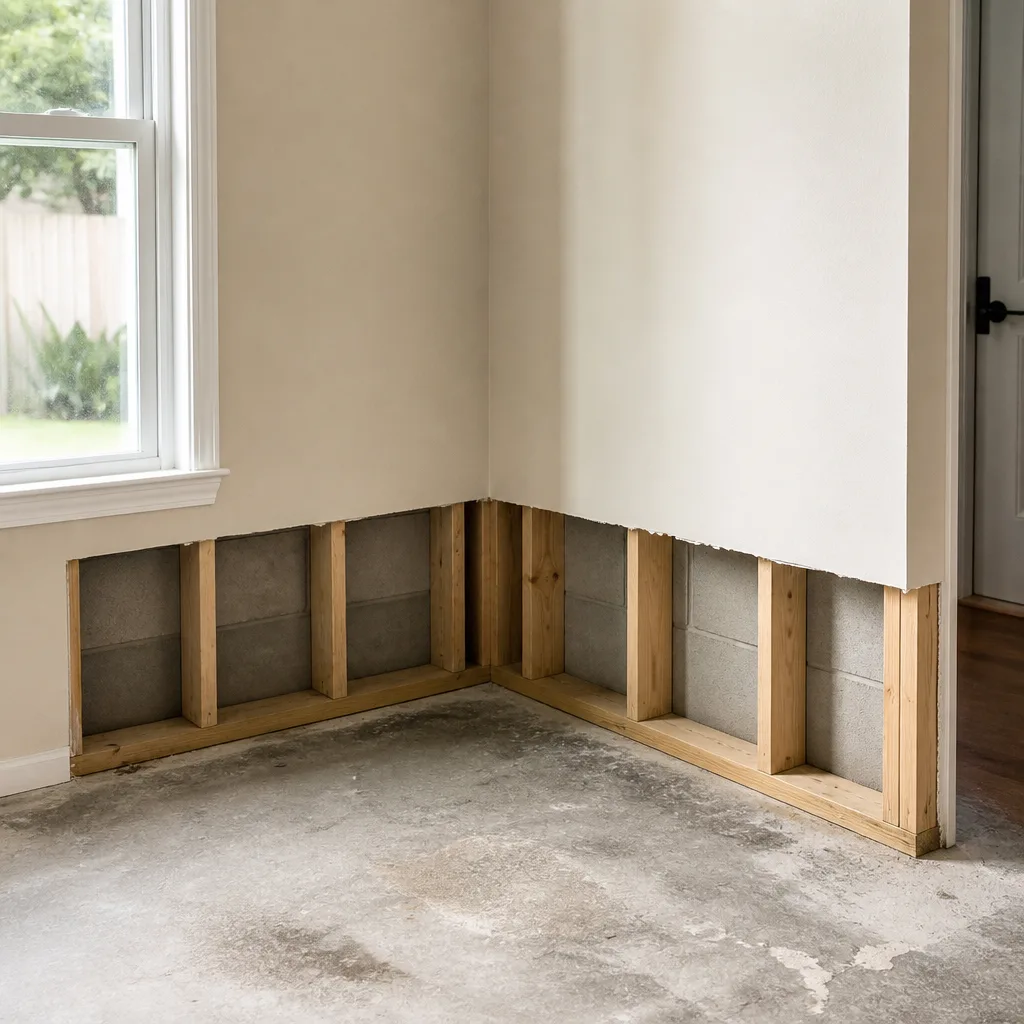
Truck-mounted extraction pulls standing black water from finished and unfinished surfaces. We remove saturated carpet, pad, and drywall that can’t be saved. The goal in the first visit is stopping the spread and getting moisture readings to start dropping.
Drying & Dehumidification
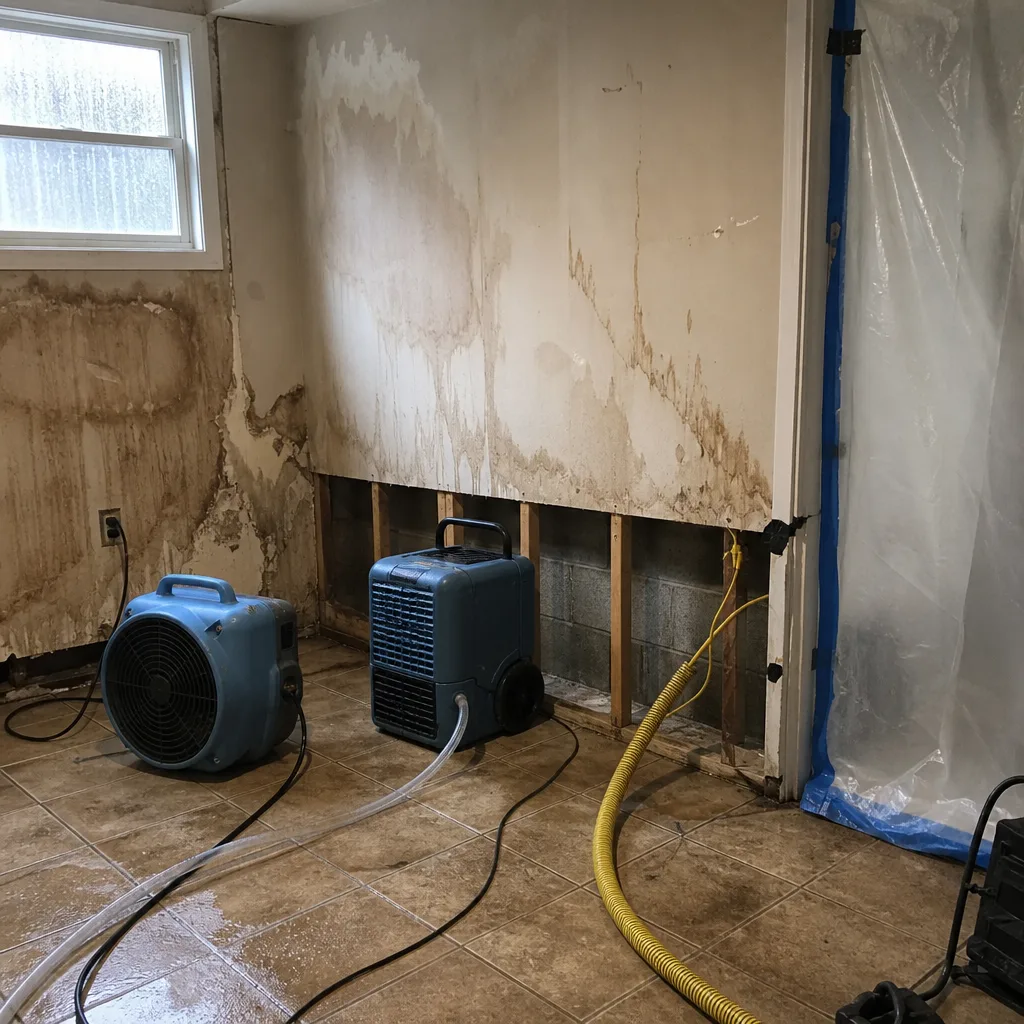
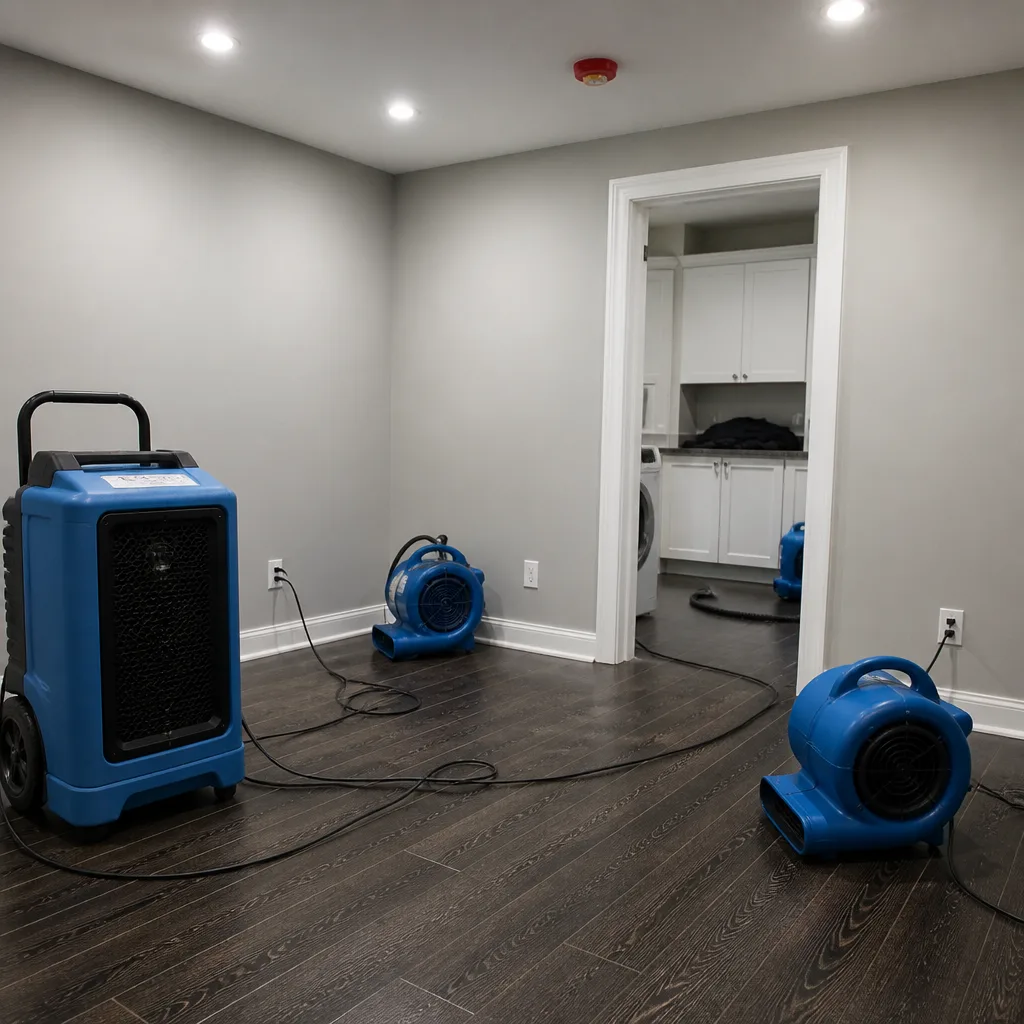
Dri-Eaz dehumidifiers and XPOWER air movers go in immediately. We take daily moisture readings and log them, so you and your adjuster see the dry-down progress in hard numbers, not vague promises. Lyndhurst’s elevated Meadowlands water table means we run this longer than in drier towns.
Cleaning & Sanitization
Every surface that contact Category 3 water gets treated with an EPA-registered antimicrobial. HEPA air scrubbers run during the cleanup to capture aerosolized contaminants, especially in the finished lower levels where families live and sleep.
Containment & Air Scrubbing
In Lyndhurst’s dense basements, airborne sewage particles can reach rooms that never touched water. We build containment with negative air pressure before we start tearing out materials, protecting the rest of your house from the cleanup itself.
Repairs & Restoration
Once dry-standard readings hold and clearance testing passes, we rebuild what came out: drywall, flooring, trim, paint. The same Floodline Restoration Co. crew that extracted on day one finishes the job, backed by the 90-Day Done Right Promise in writing.
Need Emergency Sewage Cleanup in Lyndhurst Now?
Crews minutes away, answering live 24 hours a day. The sooner we start, the less it costs.
Working With Your Insurance Company
Sewage backup claims in Lyndhurst are rarely simple. Some homeowner policies include backup coverage as an add-on; some don’t. Flood claims from Passaic River overflow go through NFIP, which has its own documentation rules. We’ve handled hundreds of these, and we know what adjusters accept and what gets a scope kicked back. Our documentation starts the moment we arrive: photos before anything moves, moisture maps, extraction logs, and drying charts. We write line-item scopes in the format carriers expect, and we talk to your adjuster directly so you don’t have to translate restoration terminology over the phone. For repeat-claim properties in floodplain zones, we include the documentation an adjuster needs to process supplemental payments without months of back-and-forth.
What We Provide Your Insurer
- Thorough documentation of the loss
- Photos of all damage, room by room
- Moisture readings and drying logs
- A detailed, line-item scope of work
- Direct coordination with your carrier
Built for Lyndhurst’s Loss Calendar
Lyndhurst sits between the Passaic River and the Hackensack Meadowlands, and that geography writes our call log. January and February bring frozen sewer lines and the occasional deep-freeze pipe burst on exterior walls of 1940s Cape Cods. Spring thaw pushes groundwater up through foundation slabs in the low streets off Riverside Avenue, and the same basements that flooded in March often see another round in April. Summer thunderstorms drop two inches in an hour and overwhelm municipal storm drains, sending street water and sewage back through basement floor drains before a homeowner even hears rain hit the roof. Nor’easters in October and November combine heavy rain with river surge, and that’s when NFIP claims spike. By December, the ground is saturated and every moderate storm becomes a backup risk. We staff for this calendar, and our Lyndhurst crews expect the busy seasons before they arrive. We stock equipment and schedule crews accordingly, so when your basement fills, we’re not figuring out logistics; we’re already rolling.
Sewage Cleanup Across Lyndhurst’s Neighborhoods
The Riverside section, the stretch closest to the Passaic, gives us the most repeat-claim backups. Houses here, many built as modest two-families between the 1940s and 1960s, sit low enough that river backflow finds floor drains before it finds the street. We’ve worked homes on Riverside Avenue where the same basement has needed sewage extraction three times in five years, each time documented for a new flood claim. Kingsland, the neighborhood around Kingsland Avenue and Valley Brook Avenue, poses a different problem: dense lots, shared sewer laterals, and finished basements that homeowners converted decades ago without considering drainage. A block-wide sewer backup there can send black water into a dozen basements, and containment matters more because the homes sit close enough to share air. Over by the Meadowlands, groundwater presses against foundations year-round, even in dry weather, which means sewage that enters a basement stays wetter longer and wicks higher into drywall. Any legitimate scope of work in this section has to account for extended drying times or mold follows within 48 hours.
Specialized Sewage Cleanup Services We Offer in Lyndhurst
Sewage Backup Cleanup
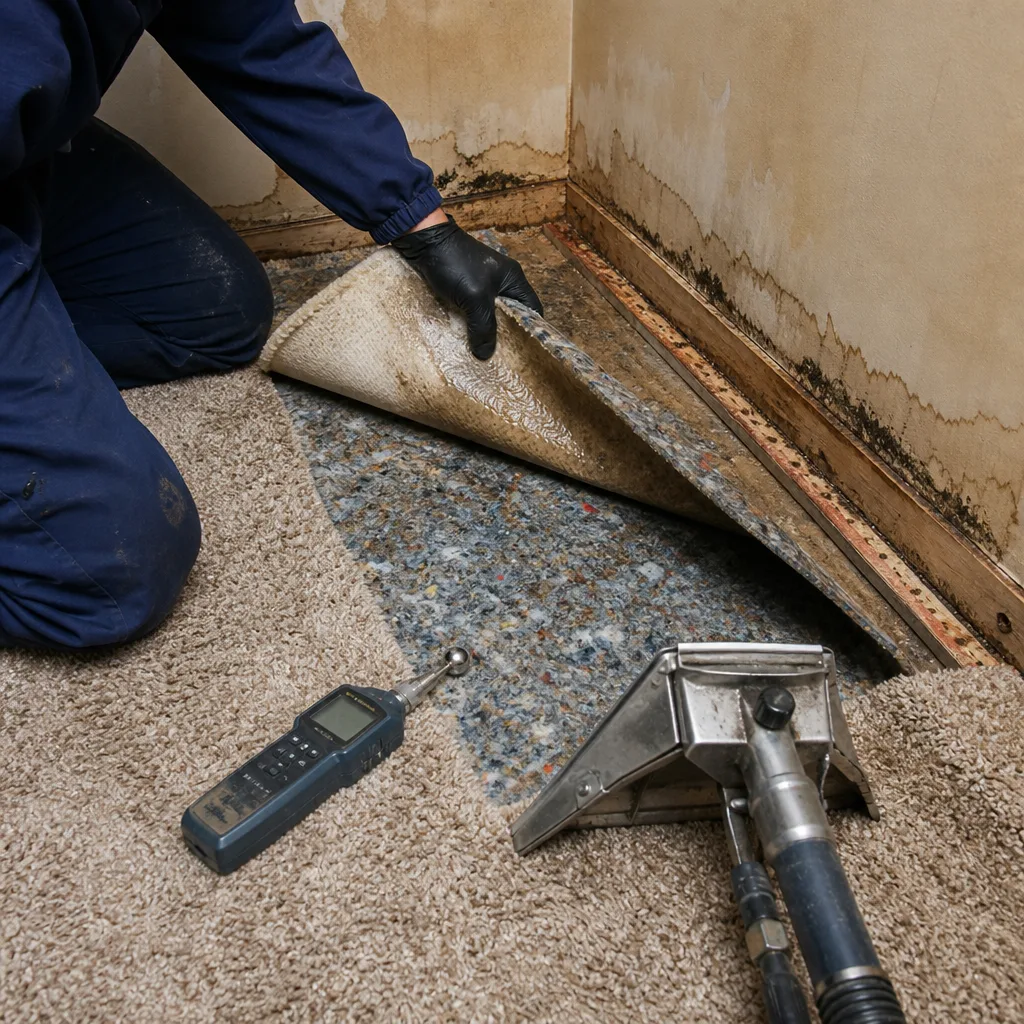
Municipal sewer backups are the most common emergency call we take in Lyndhurst, especially in the older neighborhoods where laterals date to the Eisenhower administration. We extract Category 3 water, remove contaminated materials, and sanitize to a standard that leaves the space safe for family use again. Containment goes up first, every time.
Black Water Extraction
Passaic River backflow isn’t just sewage; it’s river sediment, petroleum residue, lawn chemicals, and whatever came downstream. Truck-mounted extraction pulls it out by the hundreds of gallons. On the shallow slabs and crawl spaces common in Lyndhurst’s mid-century housing stock, we get into coves, behind baseboards, and under stair platforms where hidden black water feeds mold growth within a day or two.
Sanitization & Disinfection
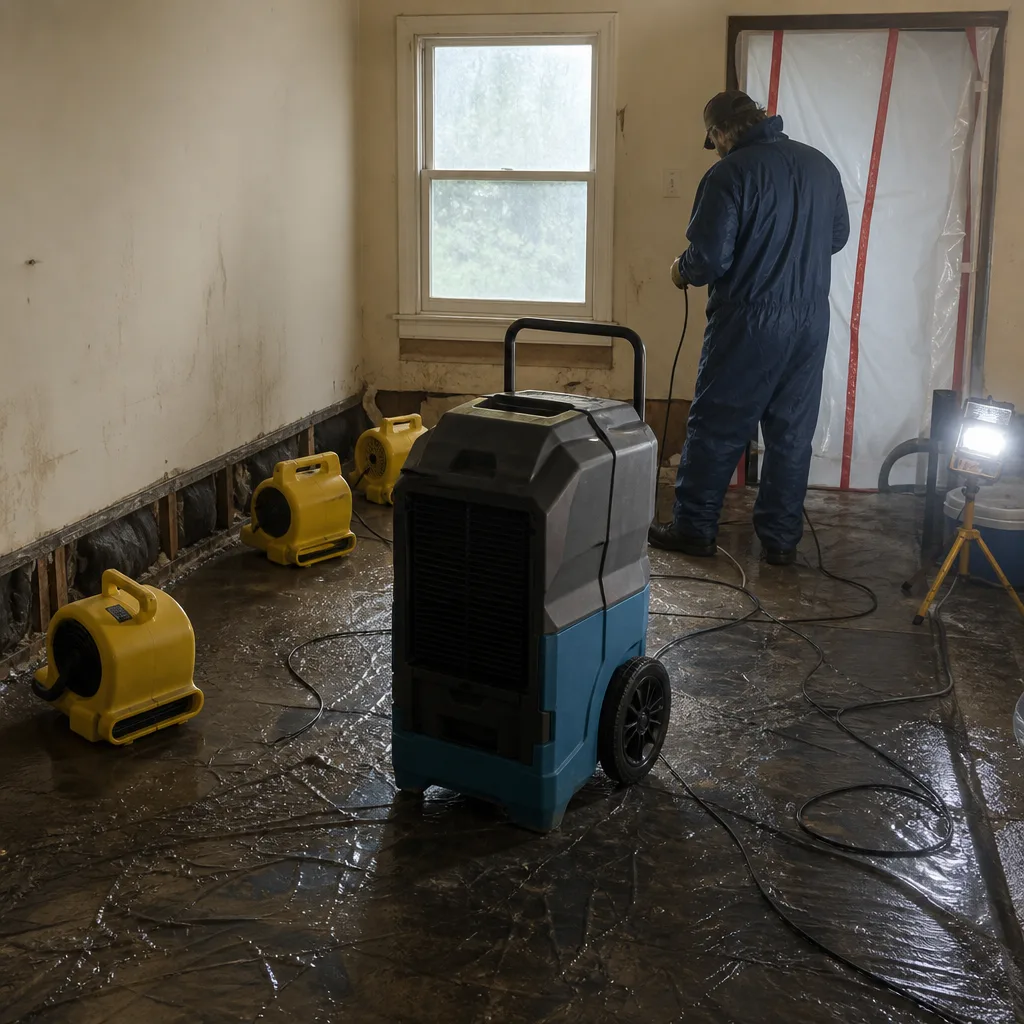
Extraction removes the water. Sanitization removes the threat. We treat every affected surface with EPA-registered antimicrobials, then run HEPA air scrubbers until post-treatment air and surface samples come back clean. In finished basements where children play and families do laundry, this step is not optional; it’s the reason the space is safe to occupy at all.
Toilet Overflow Cleanup
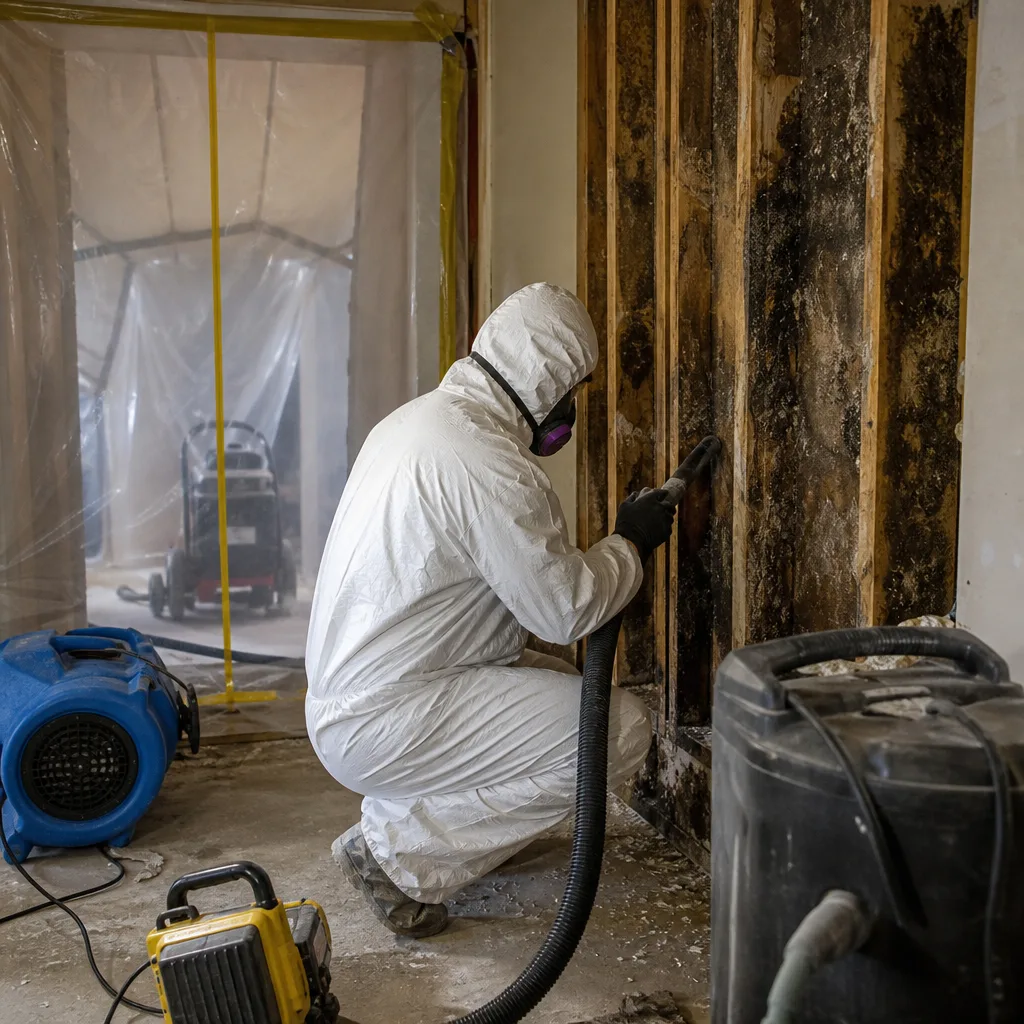
A single toilet overflow in a first-floor bathroom of a Lyndhurst two-family can send sewage through subfloor cavities and into the unit below, which is why we treat these as full contamination events, not spot cleanups. We remove affected drywall, treat framing, and document everything for the landlord or homeowner insurance carrier.
Septic Failure Cleanup
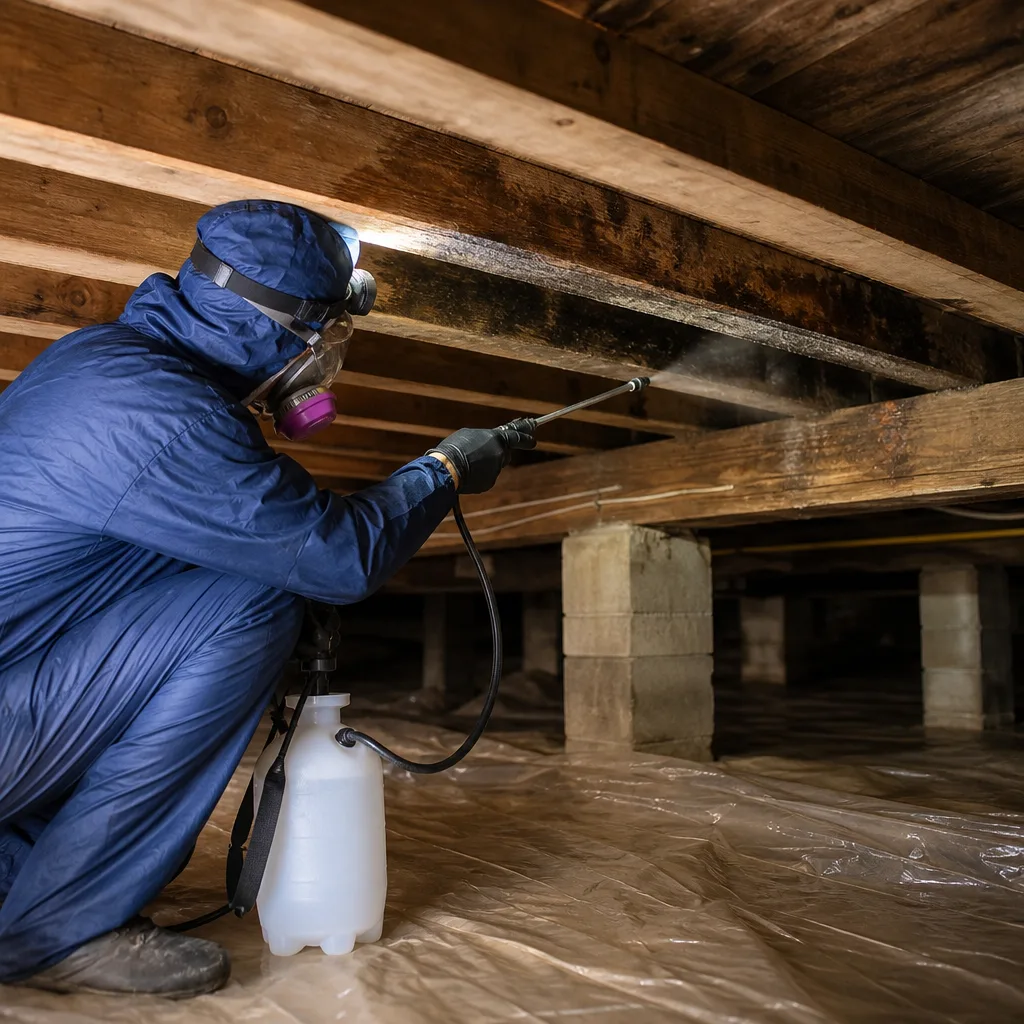
Though most of Lyndhurst is on municipal sewer, a handful of older properties near the Meadowlands still run private septic. When a septic system fails, the result is black water pooling in the yard and seeping toward the foundation. We extract, contain, and coordinate with a licensed septic contractor to ensure the cleanup holds once the system is repaired.
What happens when you call
- 1
A real person answersNo phone trees - you reach a local pro.
- 2
You get an upfront price rangeHonest numbers before anyone is dispatched.
- 3
A background-checked tech heads outLicensed & insured, dispatched right away.
- 4
You approve before work beginsNothing starts until you say go.
Sewage Cleanup Costs in Lyndhurst, NJ
Expect these ranges for common Lyndhurst scenarios: containment and extraction only for a contained basement backup runs $1,200 to $2,500. Full Category 3 cleanup with drywall removal, drying, and sanitization for a 400 to 800 square foot finished basement typically lands between $2,800 and $6,500. Crawl space sewage removal, common in older Lyndhurst homes with shallow foundation clearances, runs $1,800 to $4,200 depending on access and how far the contamination traveled. River backflow jobs, which often require decontaminating a full lower level and rebuilding finished space, can reach $12,000 to $30,000 before reconstruction is complete. The number moves on three things: how much finished material came in contact with sewage, how long the water sat before we arrived, and whether containment was needed for adjacent rooms. Insurance coverage changes the picture substantially. A free visual inspection lets us hand you a firm written scope with line items you can take to your adjuster, no guessing involved.
We Also Serve Cities Near Lyndhurst
Floodline Restoration Co. runs sewage cleanup crews throughout the Meadowlands and lower Bergen County. We serve North Arlington, Rutherford, East Rutherford, and Carlstadt with the same 45-minute response commitment and live dispatch. If you’re just across the borders, call and we’ll route the nearest available crew.
Serving Lyndhurst, NJ - Our Local Coverage Area
We’re based in the Lyndhurst area and know this community well. Use the map below to see our service coverage - if you’re nearby, we can almost certainly help.
Lyndhurst Sewage Cleanup Questions, Answered
How does Lyndhurst’s Passaic River floodplain status change the way sewage cleanup is scoped?
It means the water in your basement is often a mix of sewage and river backflow, not a single-source backup. A scope written for a simple municipal backup won’t hold up with an NFIP adjuster, who requires documentation showing contamination source, saturation levels, and drying standards that match FEMA expectations. That’s why we document every Lyndhurst job as if it may become a flood claim, because in the Riverside section and low-lying streets near the Meadowlands, it often does. Call (551) 373-5246 for a scope built for Lyndhurst’s reality.
Do I need to prove the source of black water in a Lyndhurst basement before cleanup starts?
No, and you shouldn’t wait to find out. Category 3 water is treated as Category 3 regardless of whether it came from your toilet, the municipal sewer, or the Passaic River. The source matters for your insurance claim, not for the immediate cleanup protocol. We extract, contain, and sanitize first, then document the source as part of the claims package.
What is the specific risk of delaying sewage cleanup in a house built in the 1950s near the Meadowlands?
The elevated water table near the Meadowlands keeps basements damp even when it hasn’t rained in weeks. Raw sewage wicks through drywall and into stud cavities faster because the materials never fully dry on their own. Within 48 to 72 hours, mold establishes in the wall cavities, at which point the job doubles or triples in scope. In a 1950s ranch with older drywall and no modern moisture barriers, delay is expensive.
Why do some Lyndhurst sewage backups require crawl space work even if the basement looks dry?
Many Lyndhurst homes built between the 1940s and 1960s have shallow crawl spaces under parts of the house. Sewage follows gravity, and a backup that floods a finished basement will often run into the crawl space through foundation gaps or open framing, where it’s invisible from inside. If we don’t check and treat the crawl space, mold grows there and migrates into the house. Our moisture mapping includes crawl access on every sewage job.
Can a sewage cleanup in Lyndhurst be documented for a future flood insurance claim?
Yes, and it should be even if you don’t anticipate a current claim after a backup. We provide photos before anything moves, moisture readings at start and finish, drying logs, and a line-item scope comparable with what FEMA and NFIP adjusters require. Homeowners in the floodplain who keep these records have a much easier time when the next storm hits. Call (551) 373-5246 and ask about our documentation standard before any work begins.
How quickly can a crew actually reach a Lyndhurst home?
Our dispatch board shows the nearest available crew to Lyndhurst at all hours. In most cases, we arrive within 45 minutes of your call. Friday nights and during nor’easters, we add crews proactively because we know the loss calendar. A live person answers, checks the board, and commits to an arrival time, not a window.
Can my family stay in the home during sewage cleanup?
Generally, yes, as long as we can contain the affected lower level and the living spaces above are airtight to the contamination. In a two-family home where sewage traveled between units, or in homes where HVAC systems shared the lower level’s air, we may recommend relocating for 24 to 48 hours. The answer depends on what the moisture map and air sampling show.
How long does sewage cleanup and drying take in Lyndhurst basements?
Extraction and tear-out usually finish in one visit. Drying in Lyndhurst’s elevated water table conditions typically runs 3 to 7 days. Full restoration, including rebuilt drywall, flooring, and paint, lands between 7 and 21 days depending on how much finished space was lost. We hand you a schedule with the scope and invite you to track the moisture numbers daily alongside our techs.
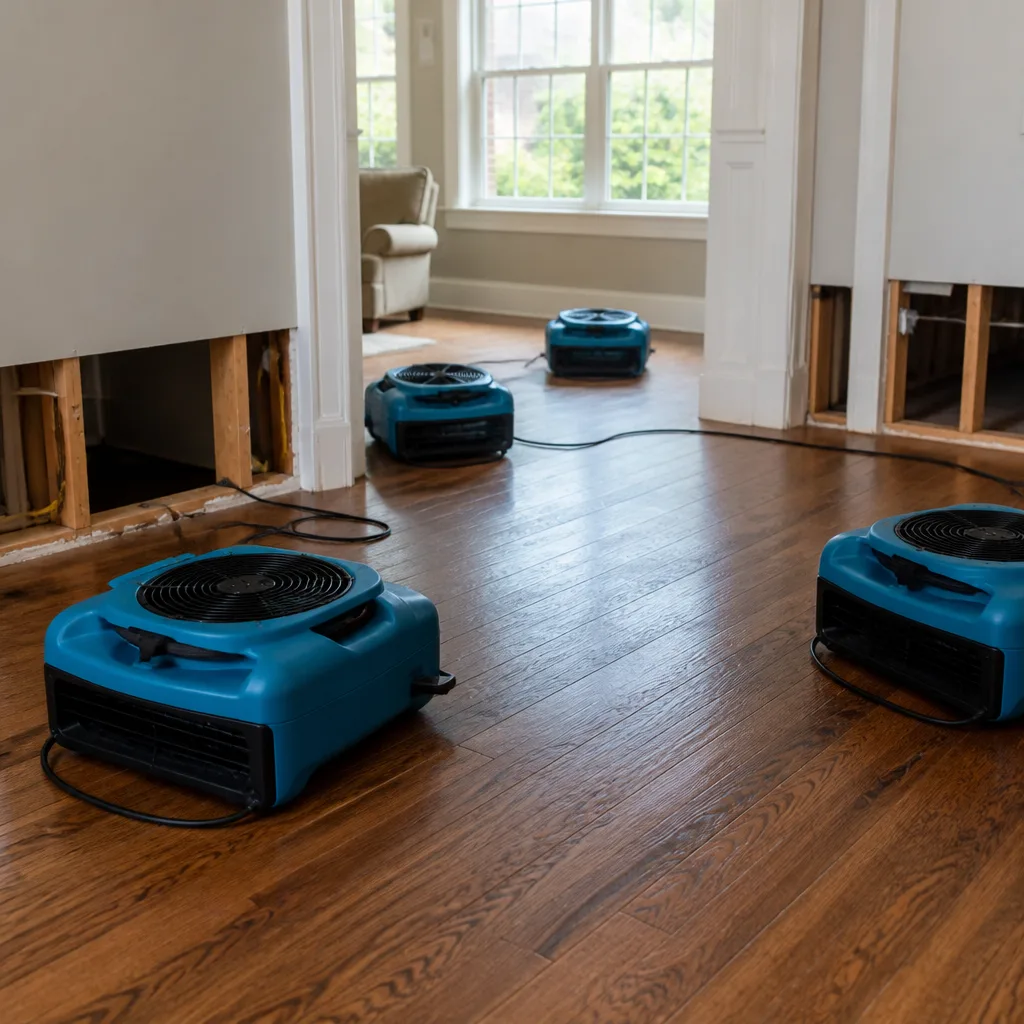
Because Lyndhurst sits between the Passaic River and the Meadowlands, our sewage cleanup techs routinely encounter Category 3 black water mixed with river backflow during even moderate storms. That means every scope of work here must be written to FEMA/NFIP documentation standards for repeat-claim properties, something crews in neighboring Bergen towns rarely face. We know Lyndhurst’s drainage patterns, its flood-prone streets, and its aging laterals because we work them every week. We responded to a two-family home in the Riverside section after a summer cloudburst pushed Passaic River backflow through floor drains into a finished basement. Our techs sealed containment, used XPOWER air movers and a Dri-Eaz dehumidifier to stop secondary damage, extracted Category 3 water, and removed saturated drywall; within hours, moisture readings confirmed the framing was drying to pre-loss condition before we applied an antimicrobial treatment.
If you’re standing in a Lyndhurst basement with sewage at your feet, call (551) 373-5246 now. A live person answers, a crew gets moving, and the cleanup starts the same visit. We do it right, and we stand behind it in writing with the 90-Day Done Right Promise.
Written by Curt Bowman, Owner at Floodline Restoration Co., serving Lyndhurst and the Meadowlands region since founding the company in 2010.