
Free visual inspection and a written scope of work before any mitigation begins - photos, moisture readings, and drying logs go in your claim file
The scope we write is the scope we bill. Anything new gets shown to you, in writing, before we touch it.
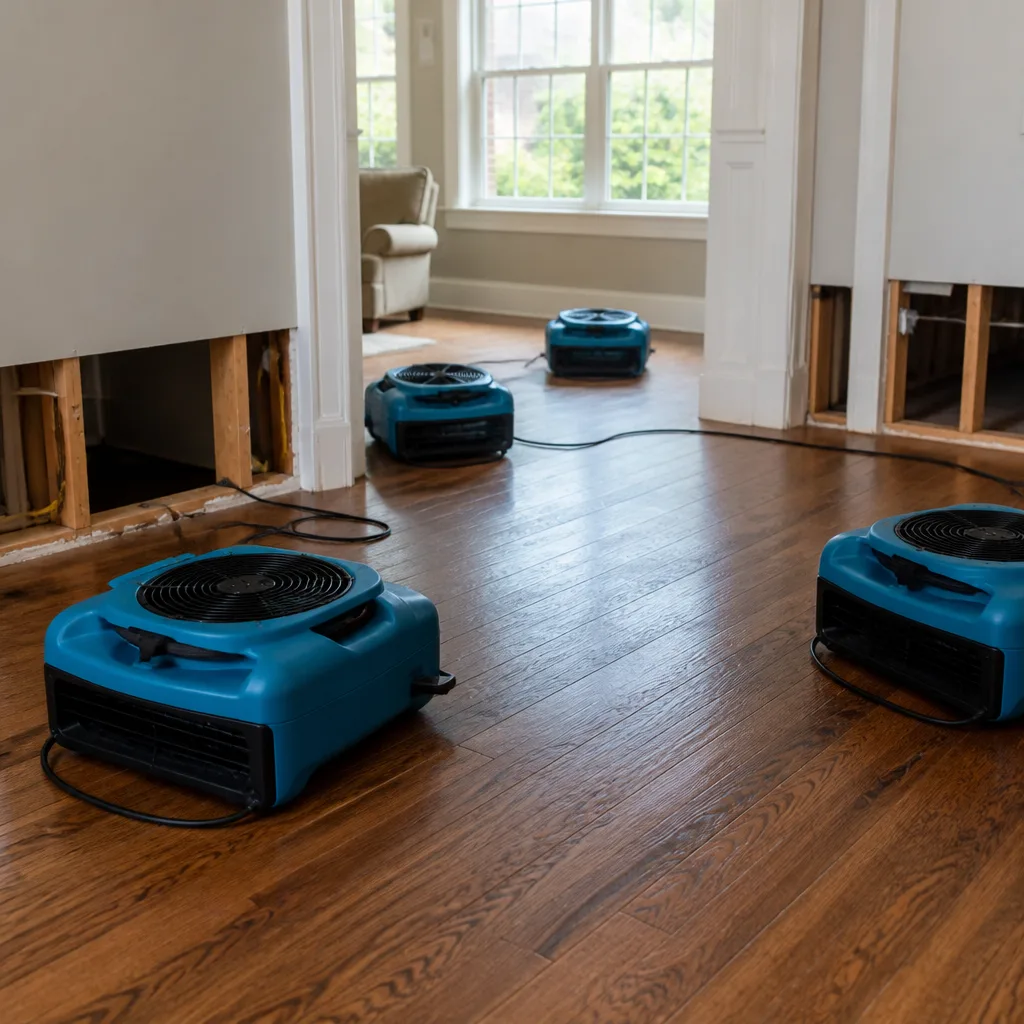
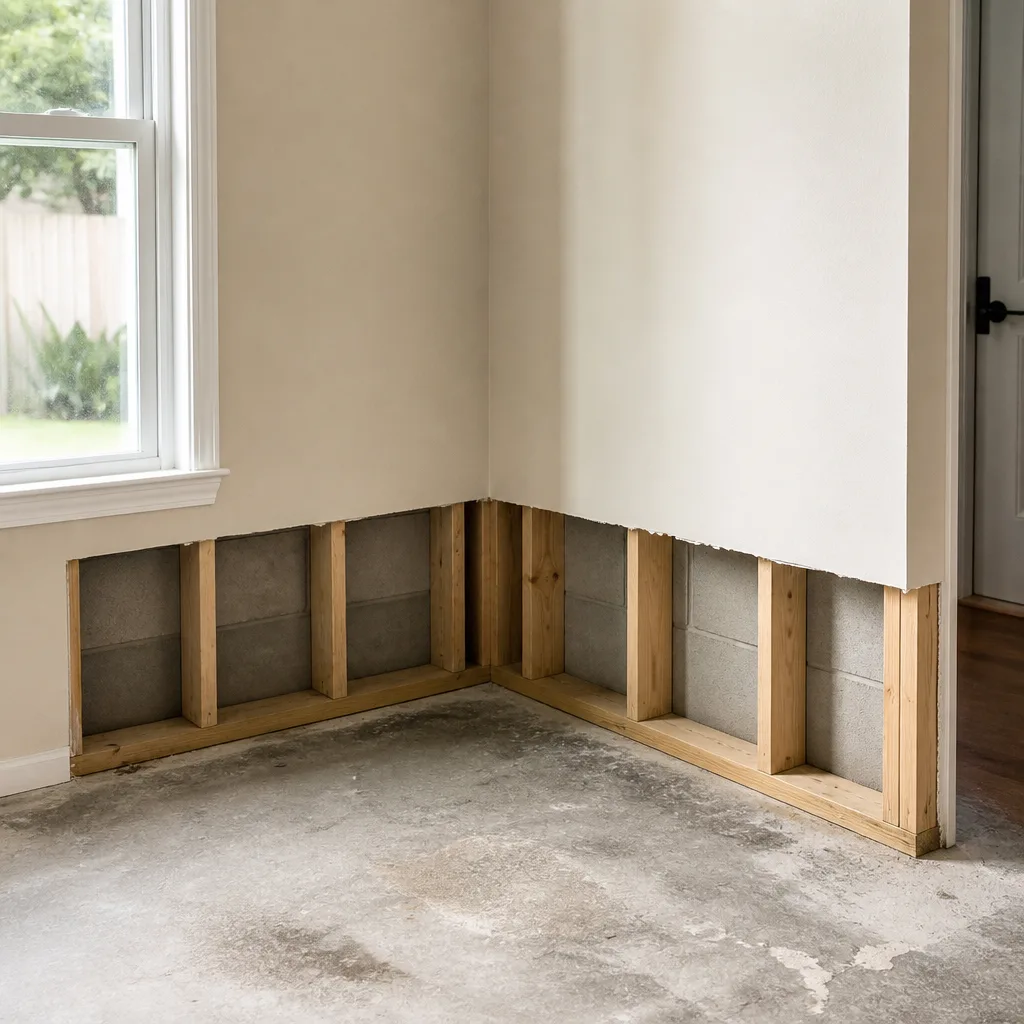
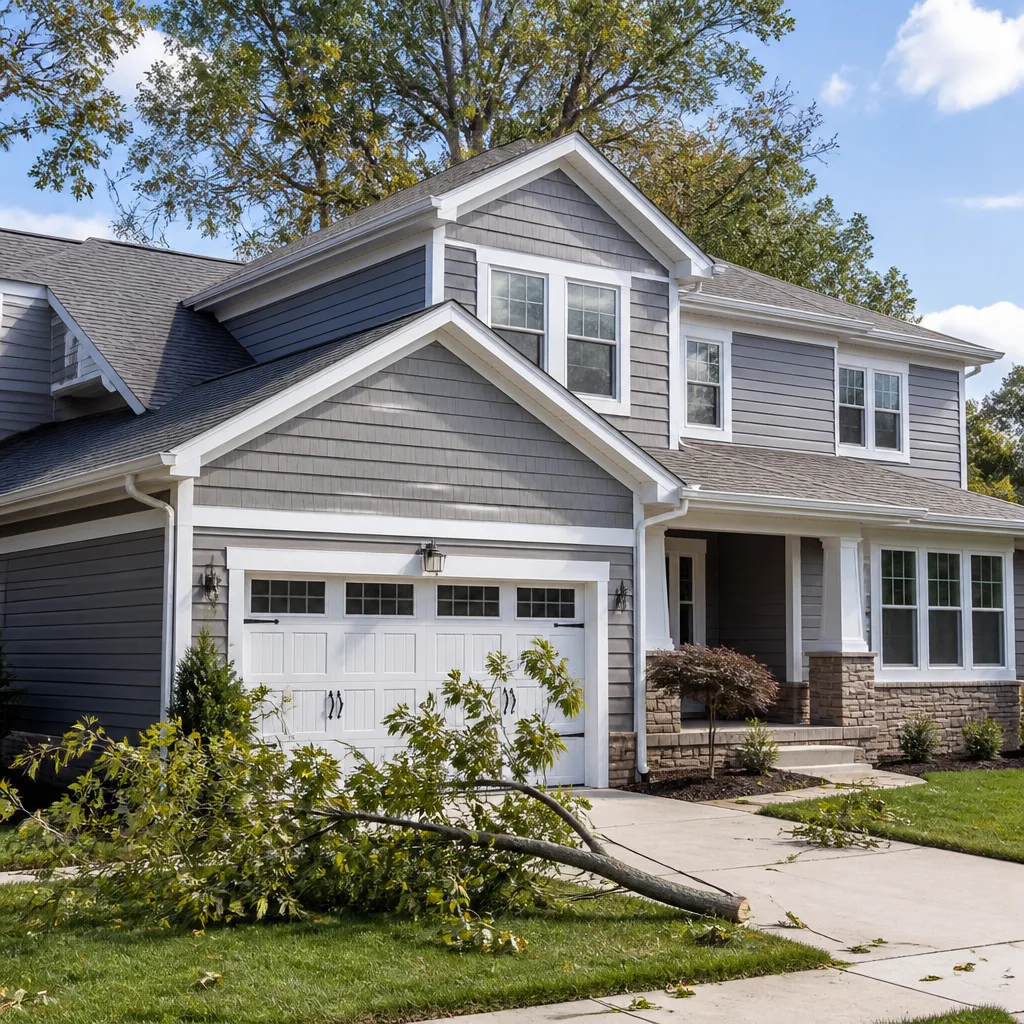
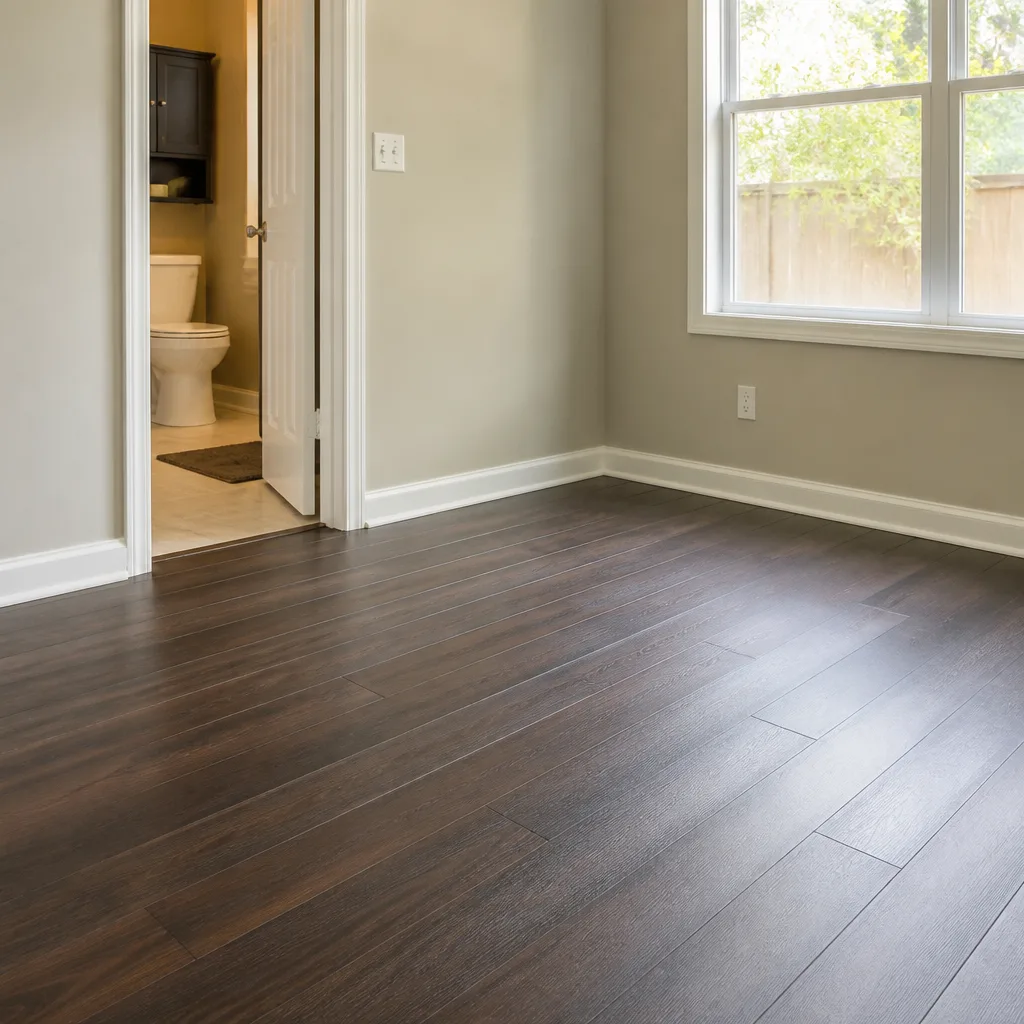
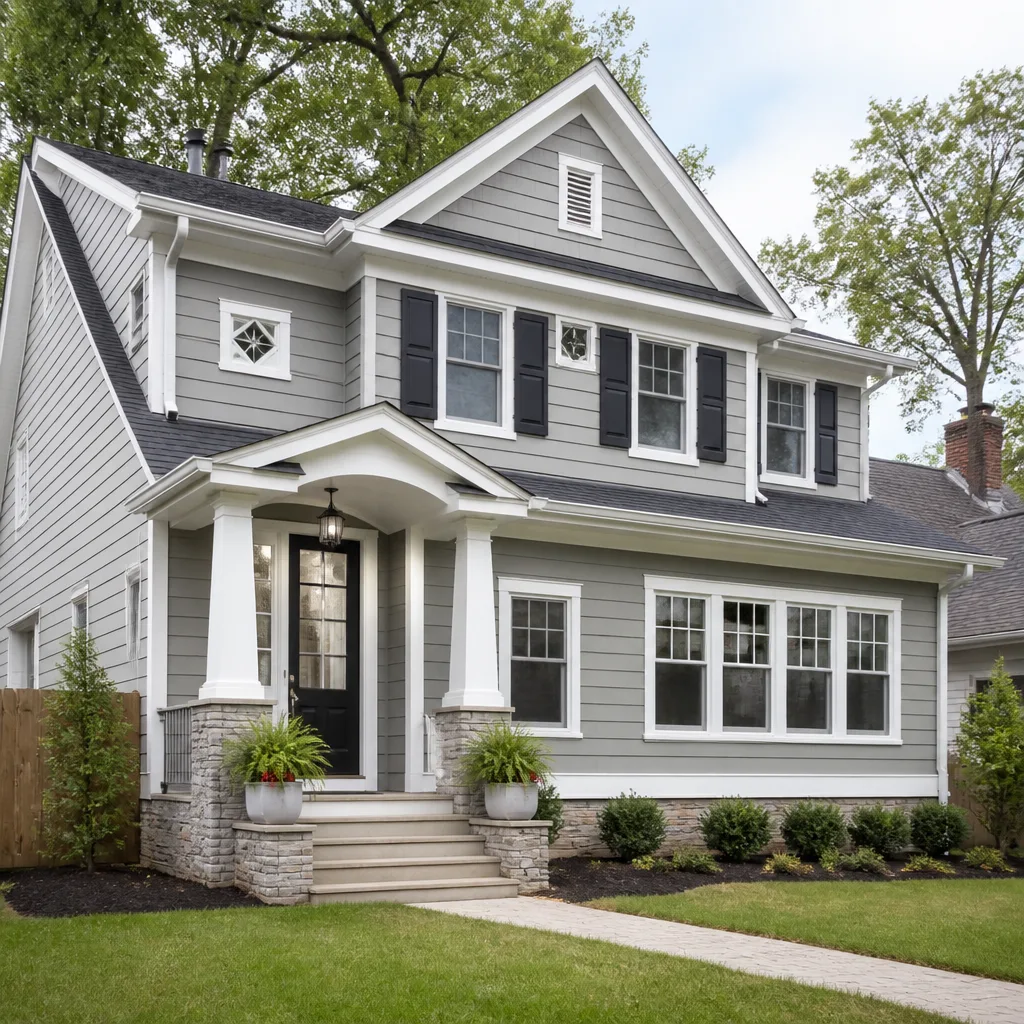
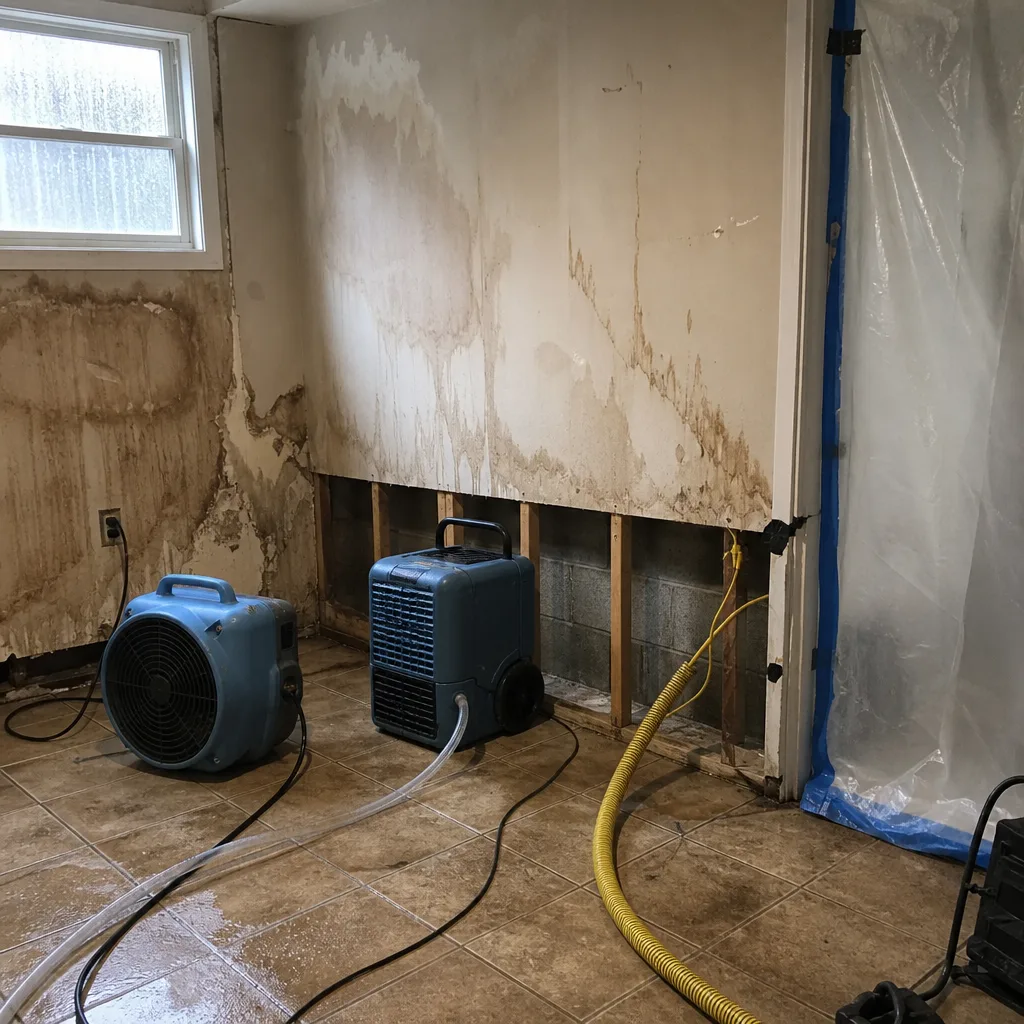 Before
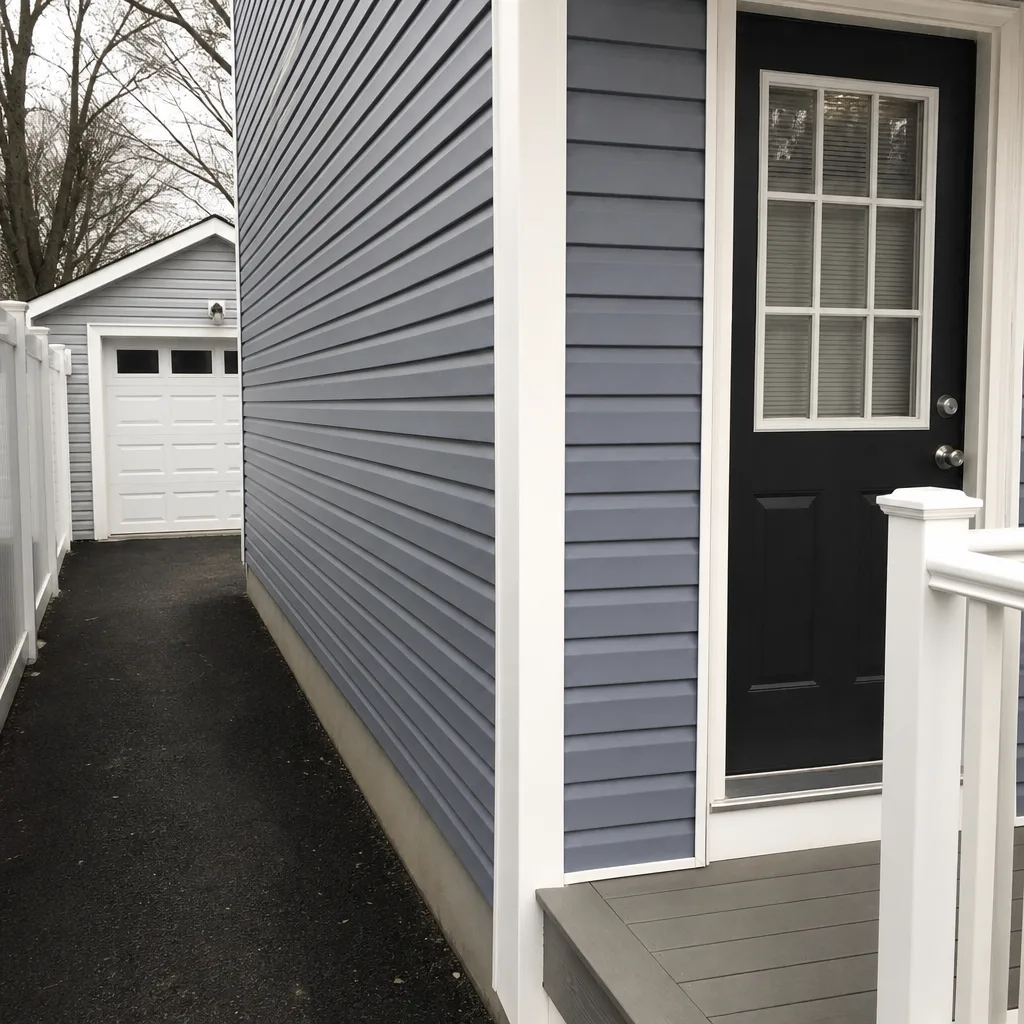 After
After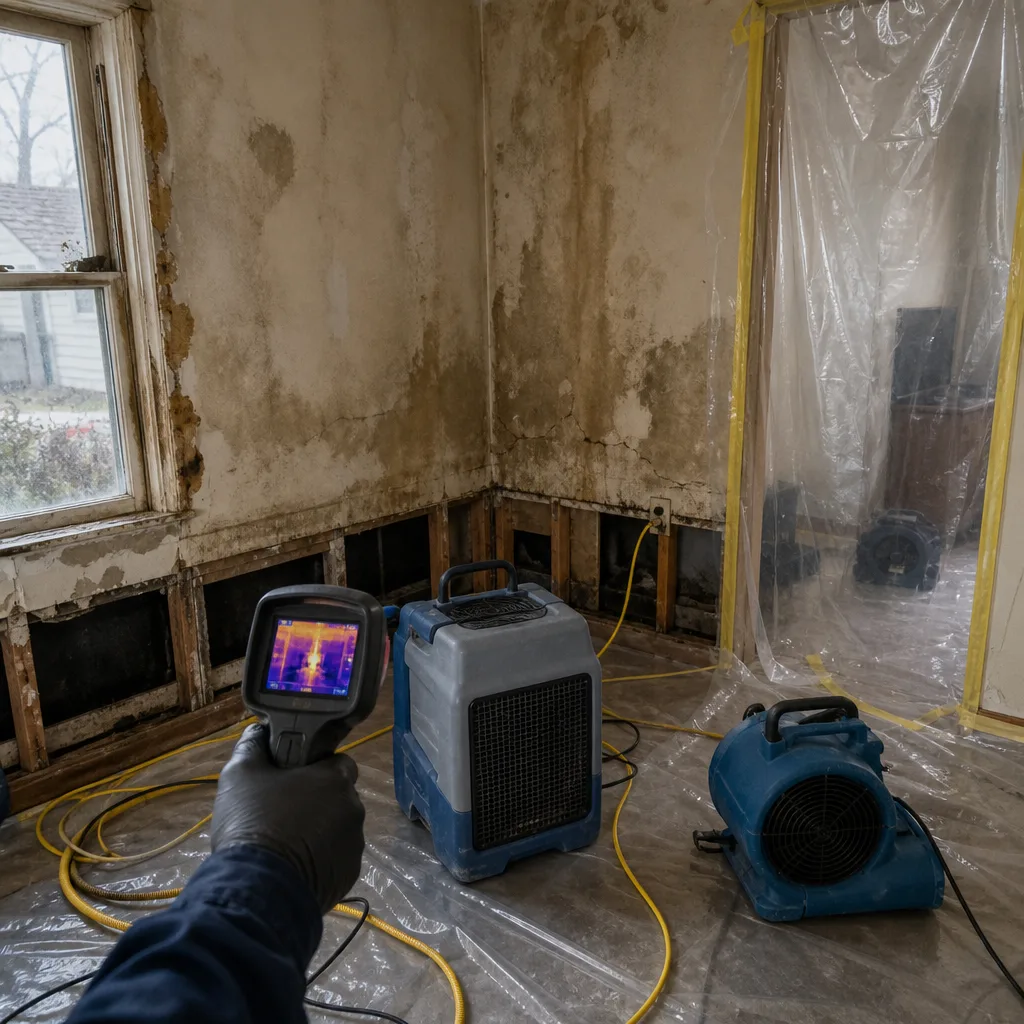 Before
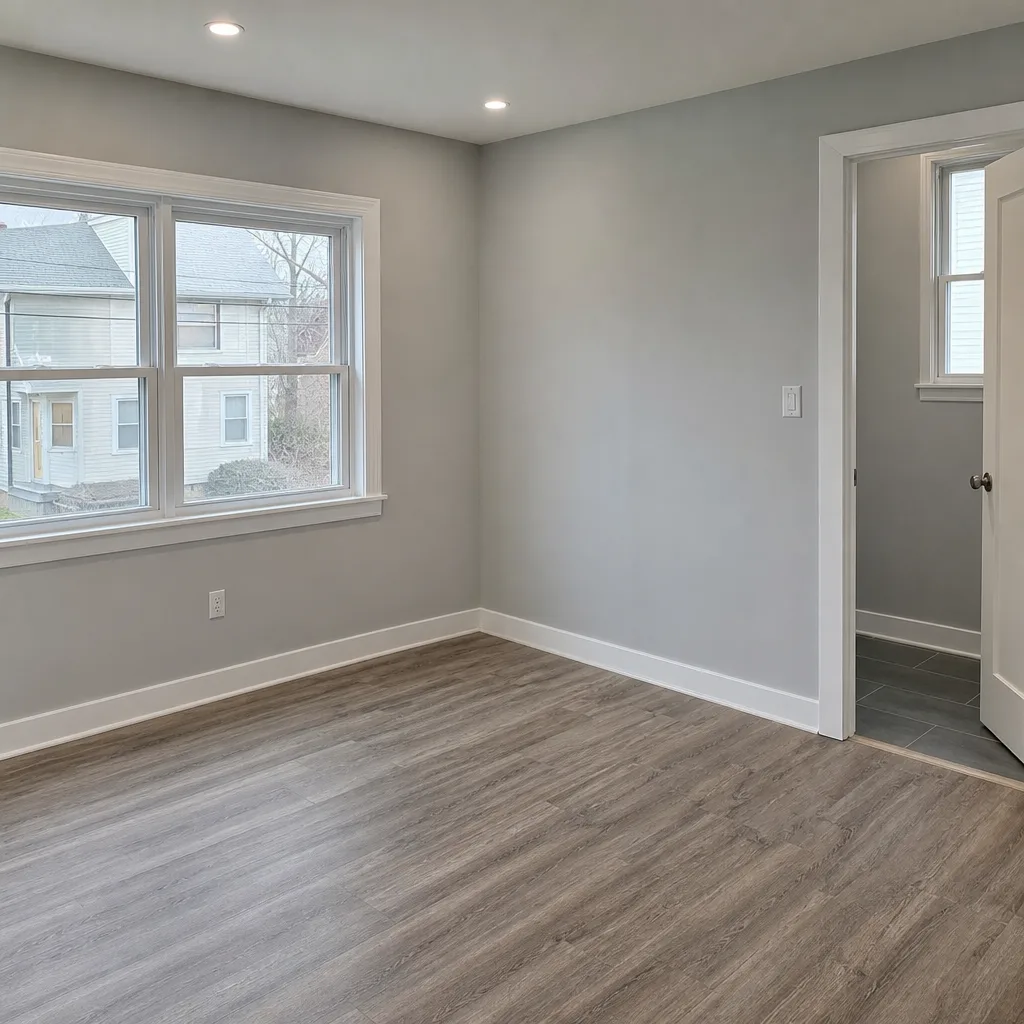 After
After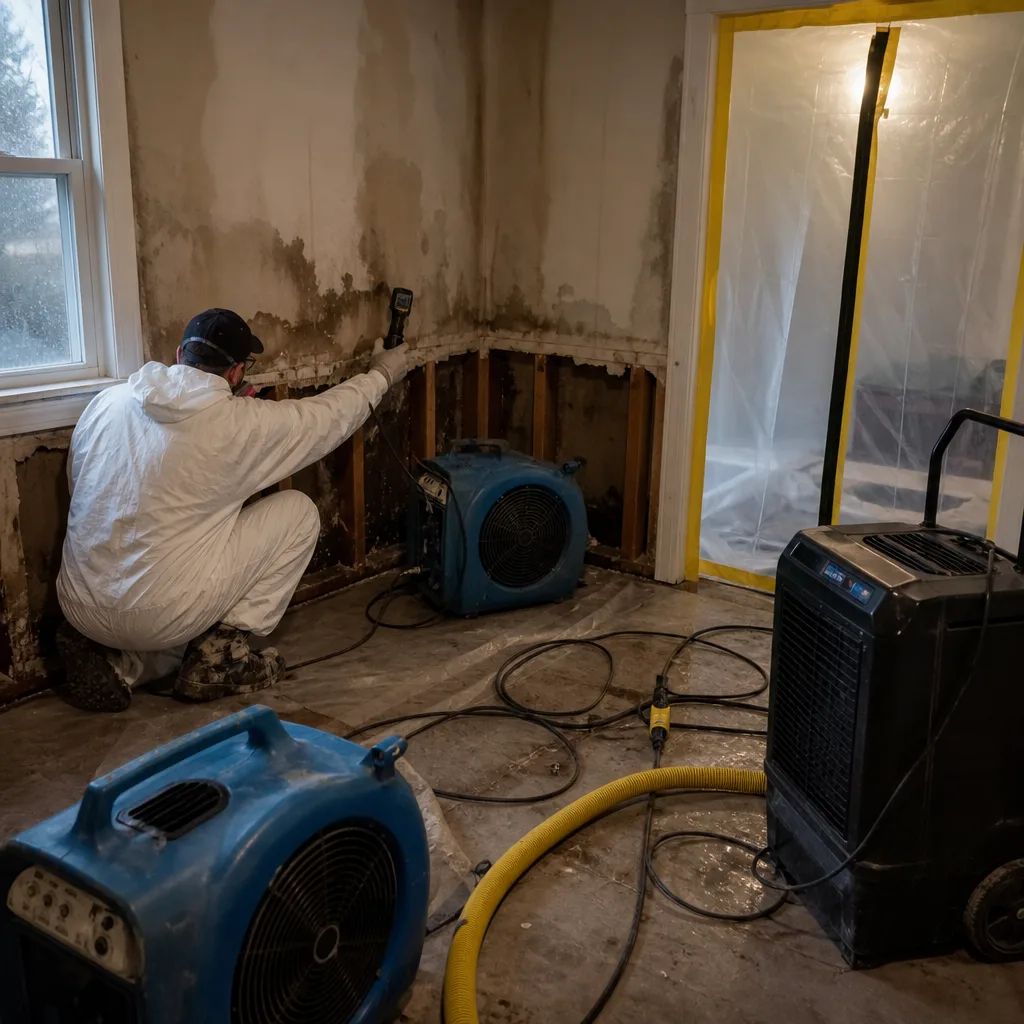 Before
 After
After24/7 Emergency Storm & Disaster Restoration in West New York
Storm damage in West New York doesn’t wait for business hours, and neither do we. Floodline Restoration Co. answers live at (551) 373-5246 around the clock, every day of the year. When a nor’easter tears off a section of flat roofing on a pre-war walk-up near Bergenline Avenue, or wind-driven rain finds its way through a parapet crack into three stacked apartments, the first hour determines how far the water travels and how much the repair ultimately costs.
Our crews dispatch from the New York City office and reach West New York properties quickly, ready to board up windows, tarp compromised roofs, and begin extraction the same visit. We don’t hand you off to a subcontractor. The same certified technicians who stabilize the building stay with the job through drying, cleaning, and rebuild. Call (551) 373-5246 now for a free visual inspection and a written scope before any work begins.
Understanding Storm & Disaster Restoration Severity in West New York Properties
West New York’s building stock makes storm damage uniquely treacherous. The town is one of the most densely populated municipalities in the United States, packed with pre-WWII brick tenements and low-rise apartment buildings that share party walls and original cast-iron drain stacks. When water enters one unit, it rarely stays there. Wind-driven rain punching through a failed roof membrane routinely channels down shared walls and around cast-iron stacks, saturating ceilings and plaster across multiple floors before anyone on the ground floor notices a stain.
Water from a storm is rarely clean. By the time it has run across a flat roof, through a parapet crack, and down three stories of lath and plaster, it picks up decades of dust, soot, and deteriorated masonry. That’s Category 2 or Category 3 water in IICRC terms, and it requires antimicrobial treatment and full structural drying, not just mopping and painting. Our technicians use moisture mapping and thermal imaging to trace the full migration path, because in a West New York tenement the visible stain is almost never the whole story. We assess every floor above the leak, not just the unit where someone called it in.
Why West New York Property Owners Choose Floodline Restoration Co.
- 45-minute response commitment. We treat storm damage as an active emergency, not a scheduled appointment. A crew is dispatched as soon as you call, and we arrive ready to tarp, board, and extract.
- 24/7 live answer, never an automated system. A real dispatcher picks up at 2 a.m. during a nor’easter and starts coordinating the crew. You will never leave a message and wait.
- IICRC-certified crews trained to WRT and FSRT standards. Our technicians carry IICRC, RIA, and IFA certifications and know how pre-war construction behaves when it gets wet. That matters in West New York.
- Free visual inspection with a written scope. We document the damage, explain what needs to happen, and hand you a line-item scope before anyone swings a hammer. No open-ended work orders.
- Direct insurance billing. We coordinate with your adjuster, submit the documentation, and bill the carrier directly. You don’t play messenger between us and your insurance company.
- One team from extraction to reconstruction. The crew that tarped your roof after the storm is the same crew that rebuilds the interior. No mid-job handoff, no inherited subcontractors, no finger-pointing.
Our Storm & Disaster Restoration Process
Inspection & Assessment
We arrive, walk the property with you, and trace the water or wind damage from the entry point to the furthest migration. In a West New York walk-up, that means checking the roof or parapet, then every unit below along the shared walls and cast-iron stacks. Thermal imaging and moisture meters give us a map, not a guess.
Extraction / Stabilization
If there’s standing water, it comes out immediately using truck-mounted or portable extraction units. If the roof is open or windows are blown out, we board up and tarp before anything else. The building gets stabilized first, then the drying begins.
Drying & Dehumidification
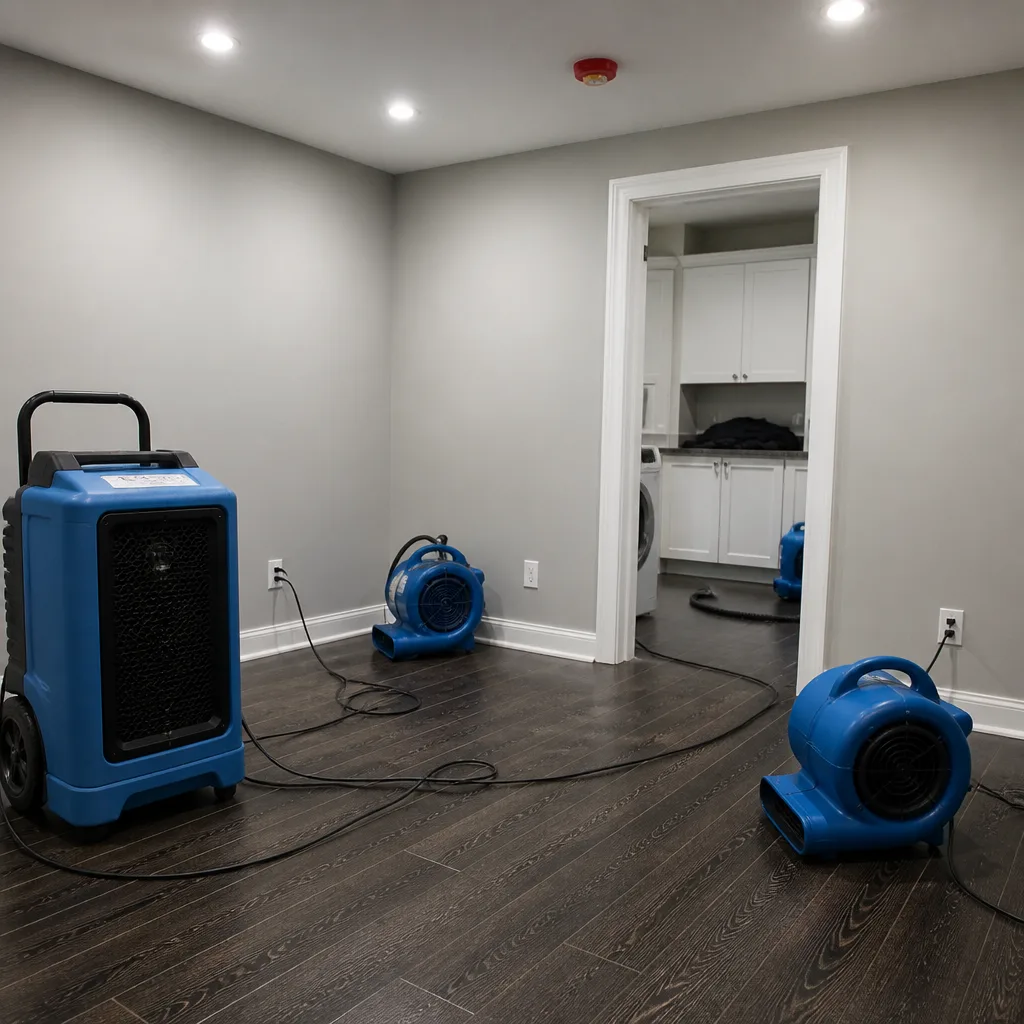
We deploy professional-grade Dri-Eaz dehumidifiers, Phoenix units, and high-volume air movers positioned for the actual moisture map of your building, not a generic layout. Injectidry systems handle water trapped in wall cavities and under flooring. Daily moisture readings are logged until the dry standard is met.
Cleaning & Sanitization
Storm water that has run through old masonry and plaster is treated as contaminated until proven otherwise. We clean affected surfaces, apply antimicrobial treatments where the water category requires it, and run HEPA air scrubbers to capture particulates released during drying.
Wind & Structural Stabilization
For wind-damaged buildings, this is where we address compromised door systems, damaged curtain-wall panels, loose parapet copings, and failed roof fastening. The goal is a building that can withstand the next storm, not just a cosmetic patch.
Repairs & Restoration
Drywall, plaster, flooring, trim, paint, and any structural carpentry are restored to pre-loss condition. The same Floodline Restoration Co. crew handles it, and the work carries our 90-Day Done Right Promise in writing.
Need Emergency Storm & Disaster Restoration in West New York Now?
Crews minutes away, answering live 24 hours a day. The sooner we start, the less it costs.
Working With Your Insurance Company
Storm claims in West New York often involve multiple units, shared walls, and long vertical plumbing runs, which makes documentation everything. We start building the file in the first hour: photos of every affected room, moisture readings at each location, and a written scope that itemizes exactly what needs to happen and why. Our teams are trained to produce the documentation adjusters actually need, in the format carriers recognize.
We speak directly with your adjuster, walk them through the moisture map, and justify every line item with evidence. You get a copy of everything. If the carrier questions a reading or a treatment decision, we answer it. We bill the carrier directly so you’re not floating thousands of dollars while the claim processes. Curt Bowman founded Floodline Restoration Co. in 2010 on a simple principle: a square deal, no surprises on the bill. That principle runs through every claim we handle.
What We Provide Your Insurer
- Thorough documentation of the loss
- Photos of all damage, room by room
- Moisture readings and drying logs
- A detailed, line-item scope of work
- Direct coordination with your carrier
Built for West New York’s Loss Calendar
West New York’s Hudson River frontage and Palisades escarpment create a distinct damage cycle through the year. January and February bring deep freezes that split supply lines in uninsulated pre-war walls, and the thaw that follows sends water through ceilings and down shared chases. Spring brings nor’easters with sustained wind that pries at flat-roof membranes and parapet copings on the older brick tenements along Bergenline Avenue and up the slope toward Kennedy Boulevard.
Summer thunderstorms dump water faster than aging roof drains can handle, pooling water on flat roofs until it finds a seam and runs down through the building. And every few years, a coastal storm pushes Hudson River surge into the lower-elevation waterfront blocks, flooding ground-floor and basement units in ways that demand full Category 3 water protocols. The freeze-thaw cycle on the escarpment is relentless: water gets into a parapet crack in November, freezes and expands through the winter, and by March the crack is wide enough to channel rain into three apartments. West New York property owners learn to read the calendar, but the building always tells the story first.
Storm & Disaster Restoration Across West New York’s Neighborhoods
The older 5- and 6-story walk-ups along Bergenline Avenue and the side streets running east toward the river carry the heaviest storm load. These pre-1940 brick tenements share party walls and run original cast-iron stacks through every floor. A single roof breach on one building can saturate units in the adjacent structure too, because the walls themselves act as a water path. Our crews responding to a Bergenline Avenue leak route to the roof first, then work down through every unit on the column above the reported stain.
Down along Boulevard East and the waterfront, the post-2000s high-rise towers present a different challenge: curtain-wall panels, operable windows, and mechanical penthouses that take the full force of Hudson River wind. When a panel is damaged or a track fails, the repair has to happen without disturbing the occupied units around it, which means containment, negative air pressure, and sequenced access. Up near 61st and 62nd Streets on the escarpment side, the freeze-thaw cycle on parapet copings and flat roofs drives most of our spring call volume. And in the blocks around Donnelly Memorial Park, where the old tenements sit closest to the waterfront, ground-floor flooding during coastal events is the recurring pattern. Each area of West New York has its own failure mode, and we know them all.
Specialized Storm & Disaster Restoration Services We Offer in West New York
Emergency Board-Up
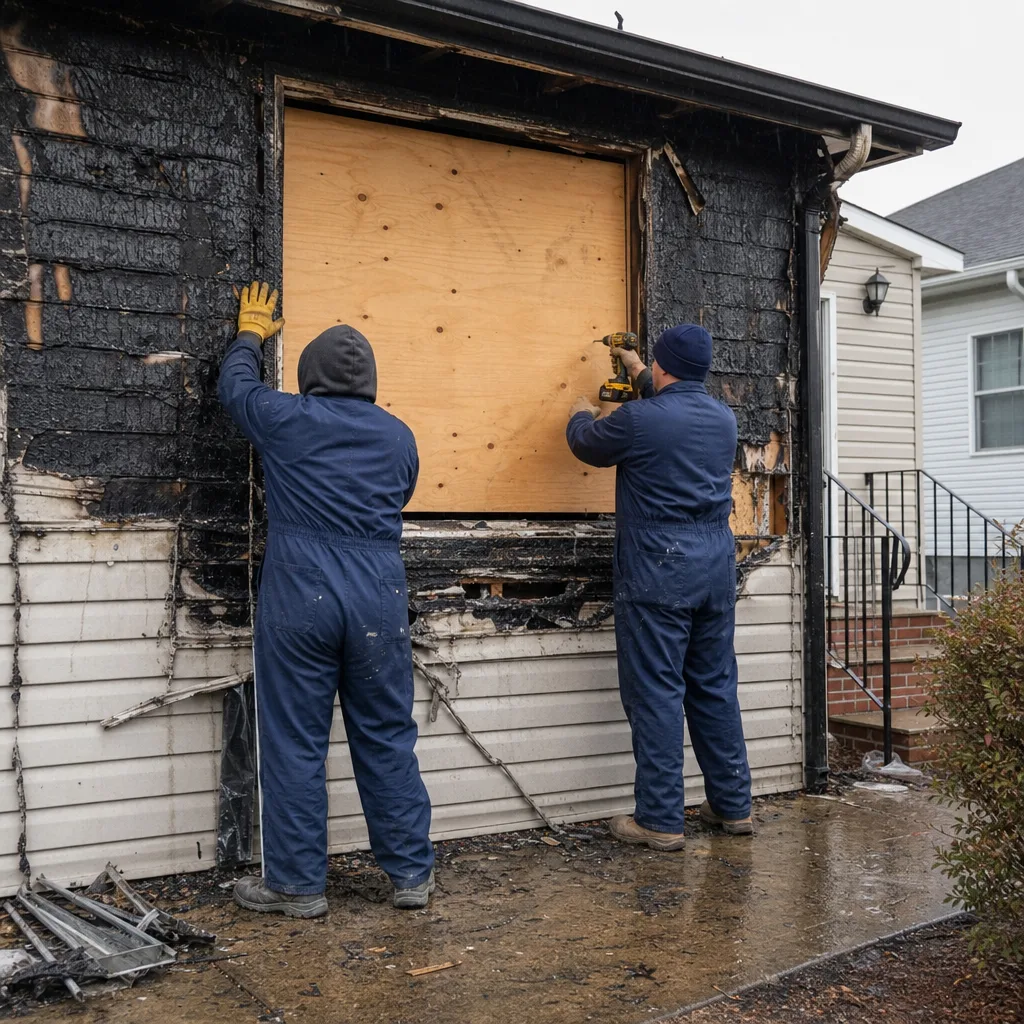
When wind takes out a ground-floor window or a door fails, the building is open to weather, trespass, and further damage. We board up openings with materials rated for the actual wind load on your building, not whatever plywood is on the truck. On waterfront high-rises, unrated boarding is a liability: a gust can rip it off and send debris into a neighbor’s curtain wall. We secure every opening properly, document it for your insurer, and schedule the permanent repair.
Roof Tarping
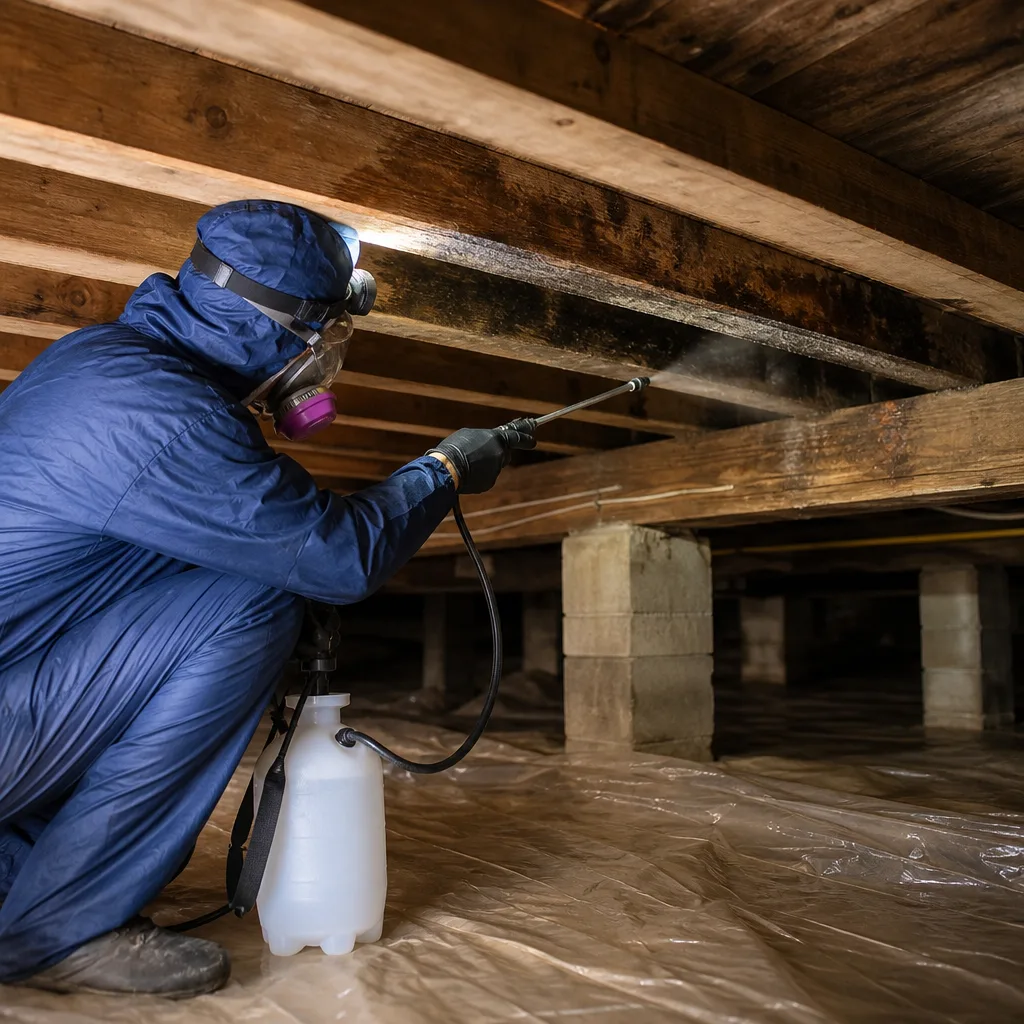
A tarp is not a repair, but it’s the difference between a contained loss and a five-floor cascade. We install commercial-grade roof tarps over damaged flat roofs, parapet failures, and torn torch-down membranes, fastening them to survive the wind that caused the damage in the first place. On a 5-story walk-up near Bergenline Avenue, that means securing the tarp along the parapet and around roof penetrations so the next gust doesn’t peel it back into the street.
Wind Damage Repair
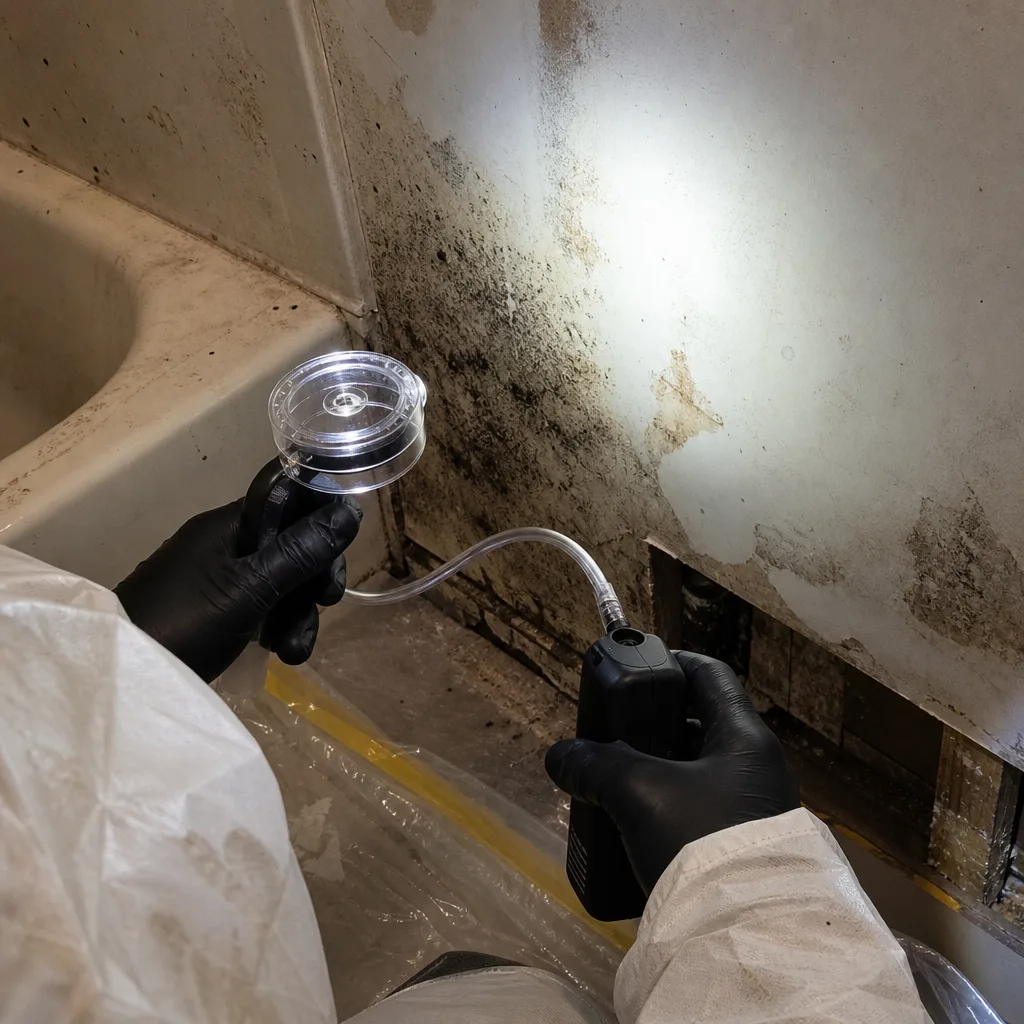
Wind damage in West New York shows up as failed entry doors, broken track systems, damaged curtain-wall panels, loose parapet copings, and compromised roof fastening. We repair the actual structural failure, not just the cosmetic aftermath. That includes reinforcing door frames, replacing wind-rated hardware, re-flashing parapet copings, and securing roof membranes to manufacturer spec. If your building’s entry door is hard to open after a storm, the frame has likely shifted, and the next storm will finish the job.
Storm Damage Cleanup
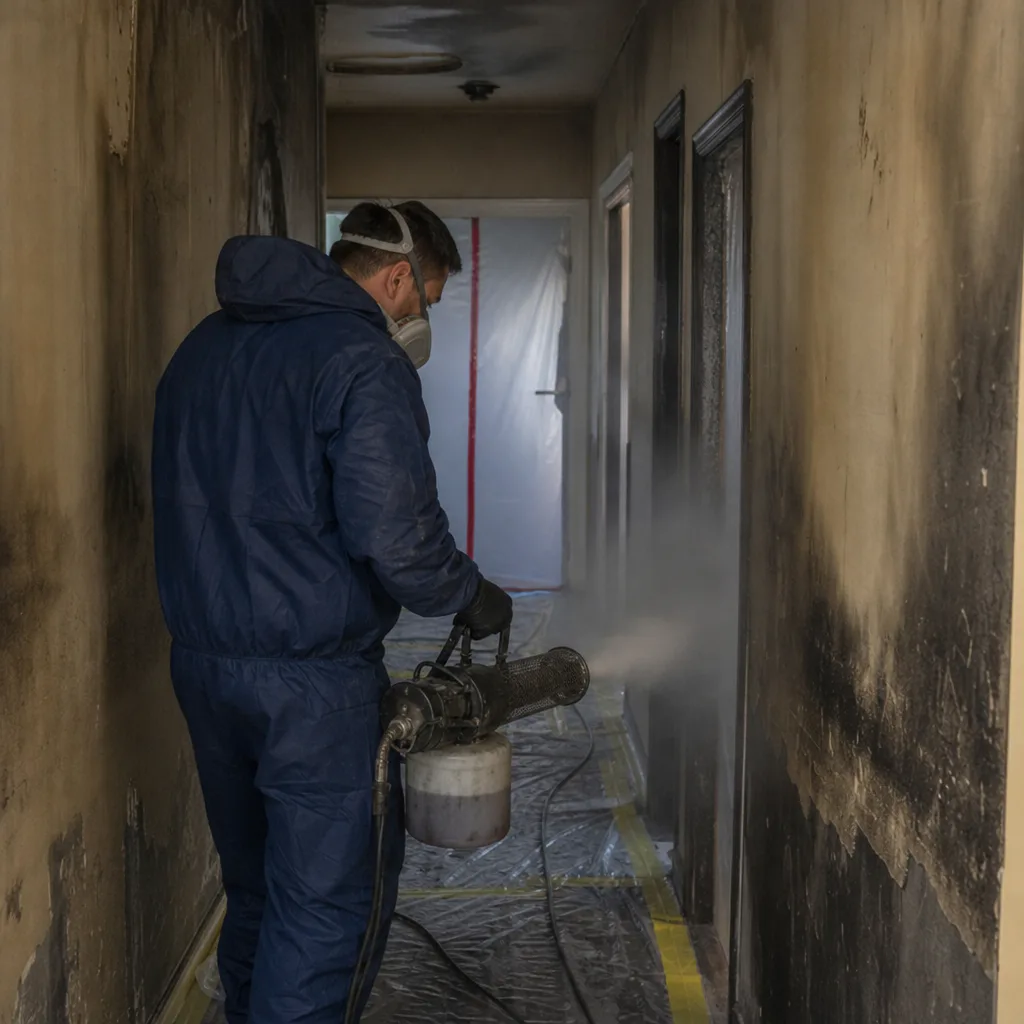
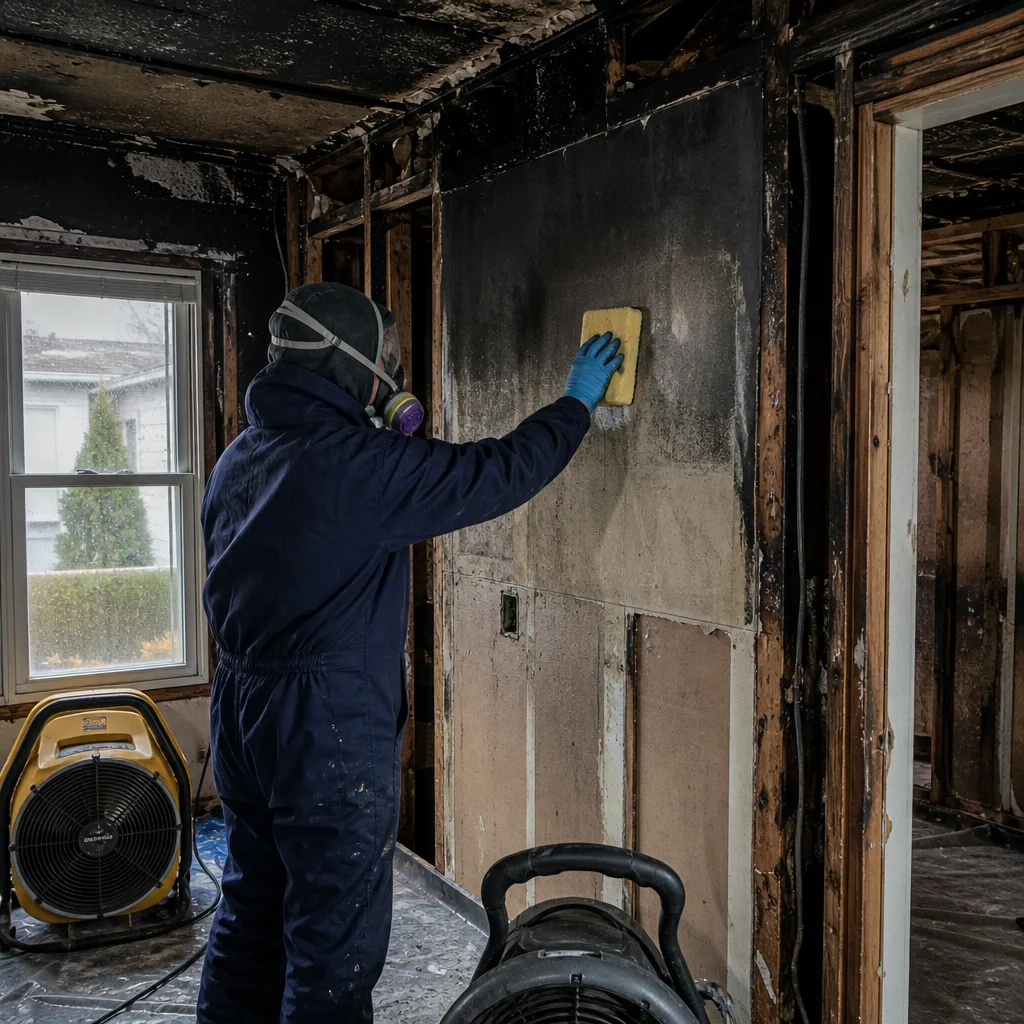
After the water is out and the building is stabilized, the cleanup begins. Debris from wind-blown roofing material, broken glass, saturated insulation, and damaged drywall all has to come out before drying can work properly. We remove storm debris, classify the water, and set up containment if water from outside has contaminated interior spaces. In multi-unit buildings, we clean shared stairwells and common areas too, because tenants and owners cannot live around storm debris for weeks.
Flood Damage Restoration
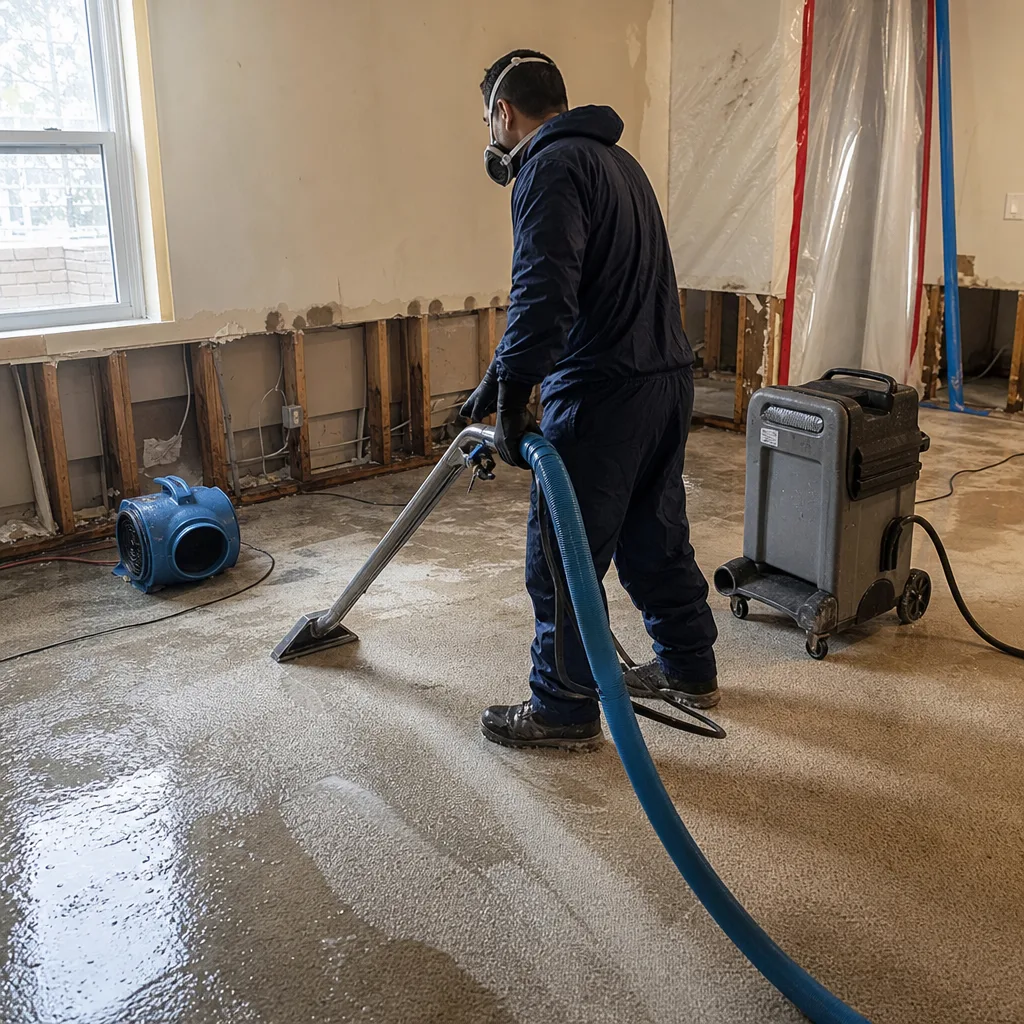
Coastal flooding in the lower-elevation blocks of West New York is Category 3 water, full stop. Hudson River surge carries salt, sewage, fuel residue, and everything else the storm picked up. That water requires full extraction, antimicrobial treatment, controlled demolition of saturated materials, and structural drying with daily moisture logs. If you’re in a ground-floor or basement unit near the waterfront after a high tide event, do not wait. Call (551) 373-5246 and we’ll start the same day.
Debris Removal
Storm debris in West New York comes in forms a dumpster can’t always handle: pieces of parapet coping, sections of roof membrane, damaged doors, and waterlogged plaster. We handle removal and disposal with the building’s access constraints in mind, which on a 5-story walk-up means carrying debris down stairs and out through narrow entries, not expecting a chute or an elevator. We leave the property clean and documented for the claim.
What happens when you call
- 1
A real person answersNo phone trees - you reach a local pro.
- 2
You get an upfront price rangeHonest numbers before anyone is dispatched.
- 3
A background-checked tech heads outLicensed & insured, dispatched right away.
- 4
You approve before work beginsNothing starts until you say go.
Storm & Disaster Restoration Costs in West New York, NJ
Emergency board-up in West New York typically runs $400 to $900 depending on the number and size of openings, with waterfront high-rise work on the upper end because wind-load-rated materials and lift access cost more. Roof tarping on a flat-roof tenement runs $600 to $1,800, driven by roof size, parapet condition, and how much of the membrane is gone. Wind damage repair on an entry door system starts around $500 for track and hardware realignment and runs upward of $2,500 when the frame needs rebuilding.
Full flood restoration in a basement unit after a coastal event can run $4,000 to $15,000 depending on square footage, water category, and how much drywall and flooring has to come out. Multi-floor water migration through a cast-iron stack, the kind of loss that saturates three apartments at once, often lands between $8,000 and $30,000 across all affected units. Your insurance may cover most of it, and we bill the carrier directly. The free inspection gives you a firm written scope before any work begins, so you know the number before you approve anything. Call (551) 373-5246 for an exact quote.
We Also Serve Cities Near West New York
Floodline Restoration Co. serves the surrounding Hudson County and Bergen County communities: West New York, Kearny, Harrison, North Arlington, and Lyndhurst. Our certified crews respond across the entire metro area with the same live dispatch and written-scope commitment.
Serving West New York, NJ - Our Local Coverage Area
We’re based in the West New York area and know this community well. Use the map below to see our service coverage - if you’re nearby, we can almost certainly help.
West New York Storm & Disaster Restoration Questions, Answered
How soon after a storm should I get a roof tarp on my West New York flat-roof building?
Same day, and ideally within the first few hours. A breached flat roof on a pre-war tenement channels water down shared walls and cast-iron stacks into units two or three floors below within a single rain event. If the tarp isn’t on before the next rainfall, the loss compounds. Call (551) 373-5246 and a crew will be dispatched immediately.
What does a failing entry door mean for my West New York apartment building before a storm?
A door that sticks, scrapes, or won’t latch after a storm signals frame movement, failed hardware, or compromised weatherstripping. Before the next storm, that door becomes a wind-load failure point: the gust that gets behind it can blow it off its hinges and send it into the street. We inspect, reinforce, or replace failing entry systems before the next event, with wind-rated hardware appropriate for Hudson River exposure.
How do you handle water extraction in a pre-WWII walk-up where cast-iron stacks run through multiple units?
We assess the full vertical column above any reported leak, not just the unit that called. Moisture mapping and thermal imaging trace the water path along shared walls and around the stack. Extraction starts where standing water exists, then drying equipment is positioned on every affected floor, including units where the damage hasn’t shown itself yet. Daily readings continue until every unit meets the dry standard.
Do I need a permit for wind damage repair on a West New York brick tenement?
For structural repairs, parapet reconstruction, or door frame replacement, yes, West New York typically requires a permit. Cosmetic repairs and emergency tarping do not. We handle the permit paperwork for any work that requires it, and we know the local code expectations for wind ratings on Hudson River frontage buildings. Your written scope will itemize any permit requirements before work starts.
Can you restore a post-storm track or panel on a waterfront high-rise’s curtain wall without disturbing other units?
Yes. We set up containment and negative air pressure in the affected area and sequence access so occupied units are not disturbed. Curtain-wall panel and track repair on waterfront towers requires working from lifts or swing stages, and we coordinate building access with management. The work is documented for your insurance carrier the same way as any other loss.
How fast can you actually get to a West New York property when I call?
Our commitment is 45 minutes from your call to our arrival at most West New York properties. During active storm events when call volume peaks, response may run longer, but a live dispatcher will tell you exactly when to expect the crew. No messages, no callbacks, no waiting until morning. Call (551) 373-5246.
Will my insurance cover storm restoration in West New York?
Most standard property policies cover wind and storm damage, including emergency board-up, tarping, and the resulting water damage. Flood damage from coastal surge requires separate flood coverage. We document the loss from the first hour, submit the file to your adjuster, coordinate directly, and bill the carrier for covered work. You see the entire file. Call (551) 373-5246 and we’ll walk you through what your policy likely covers.
What should I do in the first 30 minutes after storm damage to my West New York building?
Call us. Then, if it’s safe, move valuables out of the water path and take photos of the damage. Do not enter standing water in a flooded basement, especially after a coastal event, and do not attempt to open a compromised door or window. Do not try to tarp a roof yourself: flat roofs in West New York are slippery when wet, and the parapet edges on a 5-story walk-up are not a place for untrained work. Let our crew handle stabilization. Call (551) 373-5246 first.
Written by Curt Bowman, Owner at Floodline Restoration Co., serving West New York with 24/7 storm and disaster restoration backed in writing.