
Free visual inspection and a written scope of work before any mitigation begins - photos, moisture readings, and drying logs go in your claim file
The scope we write is the scope we bill. Anything new gets shown to you, in writing, before we touch it.
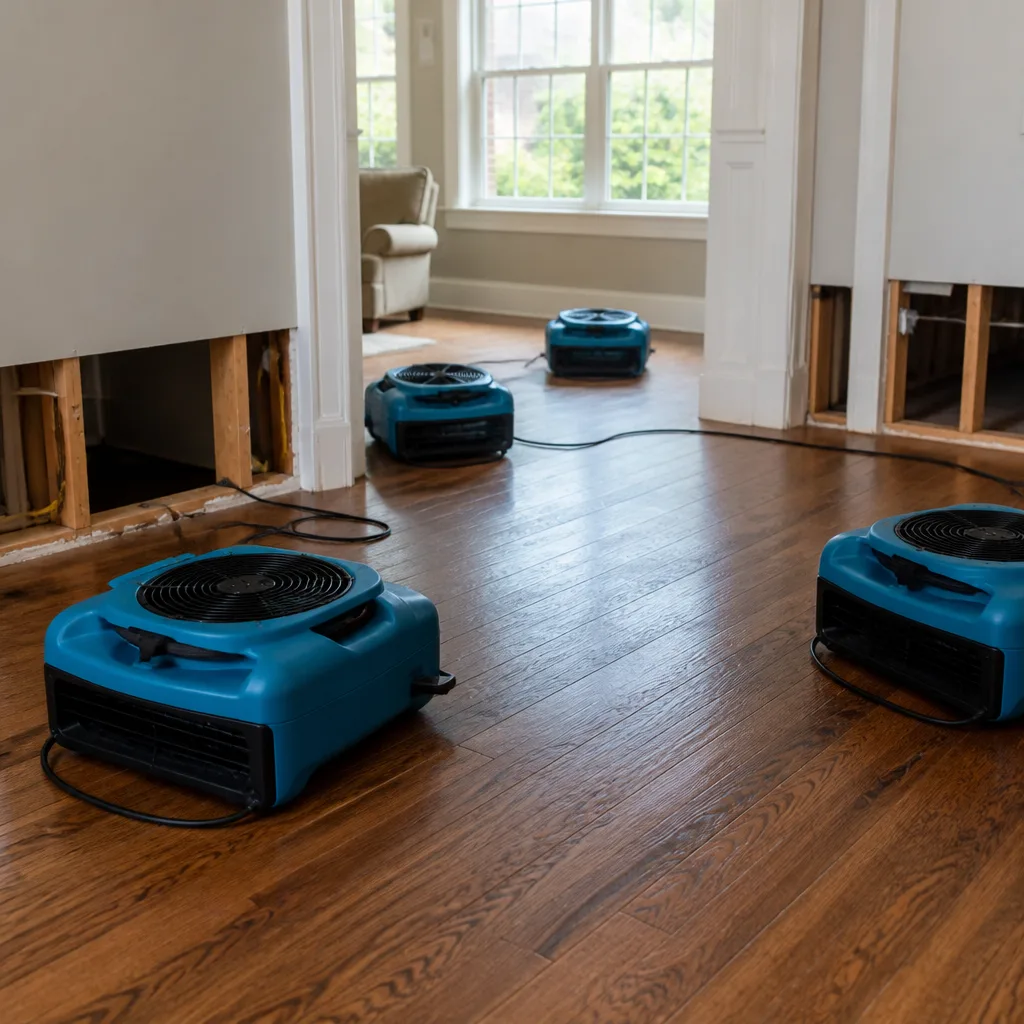
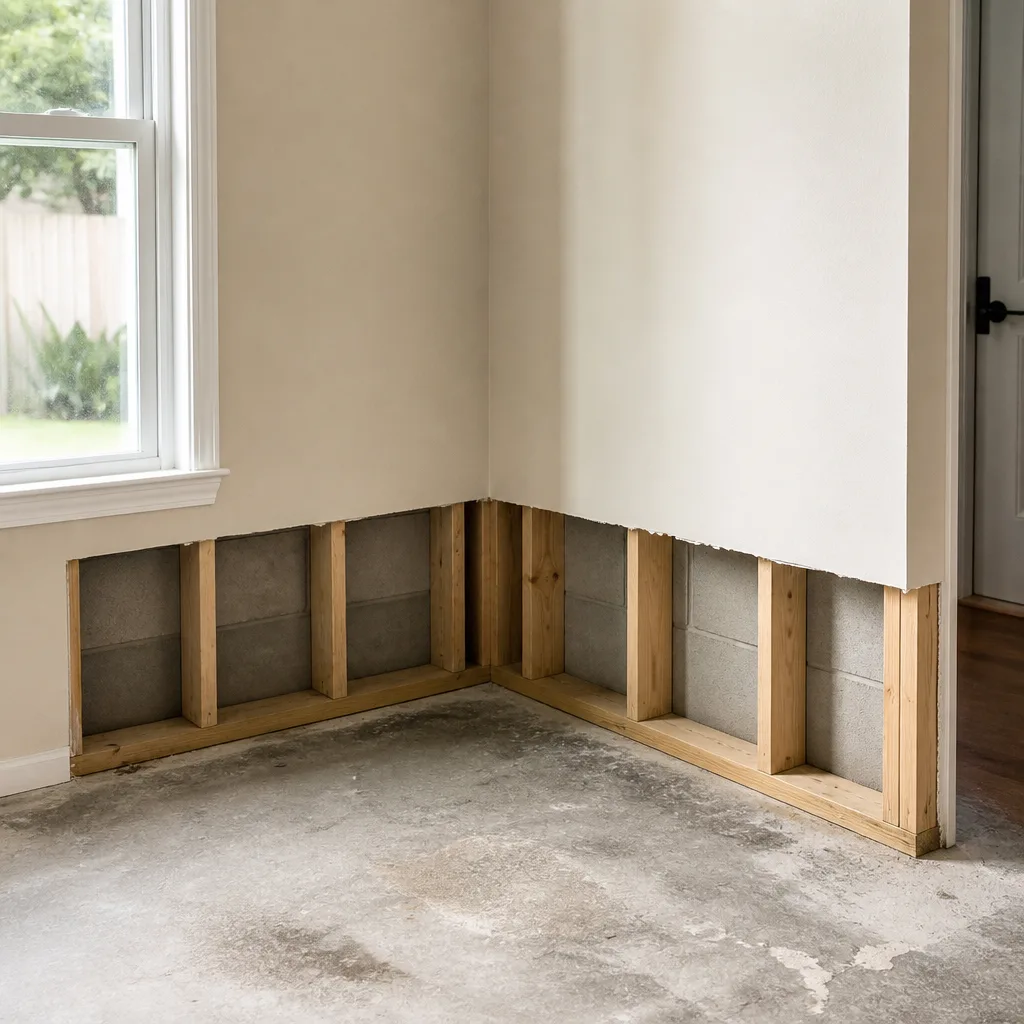
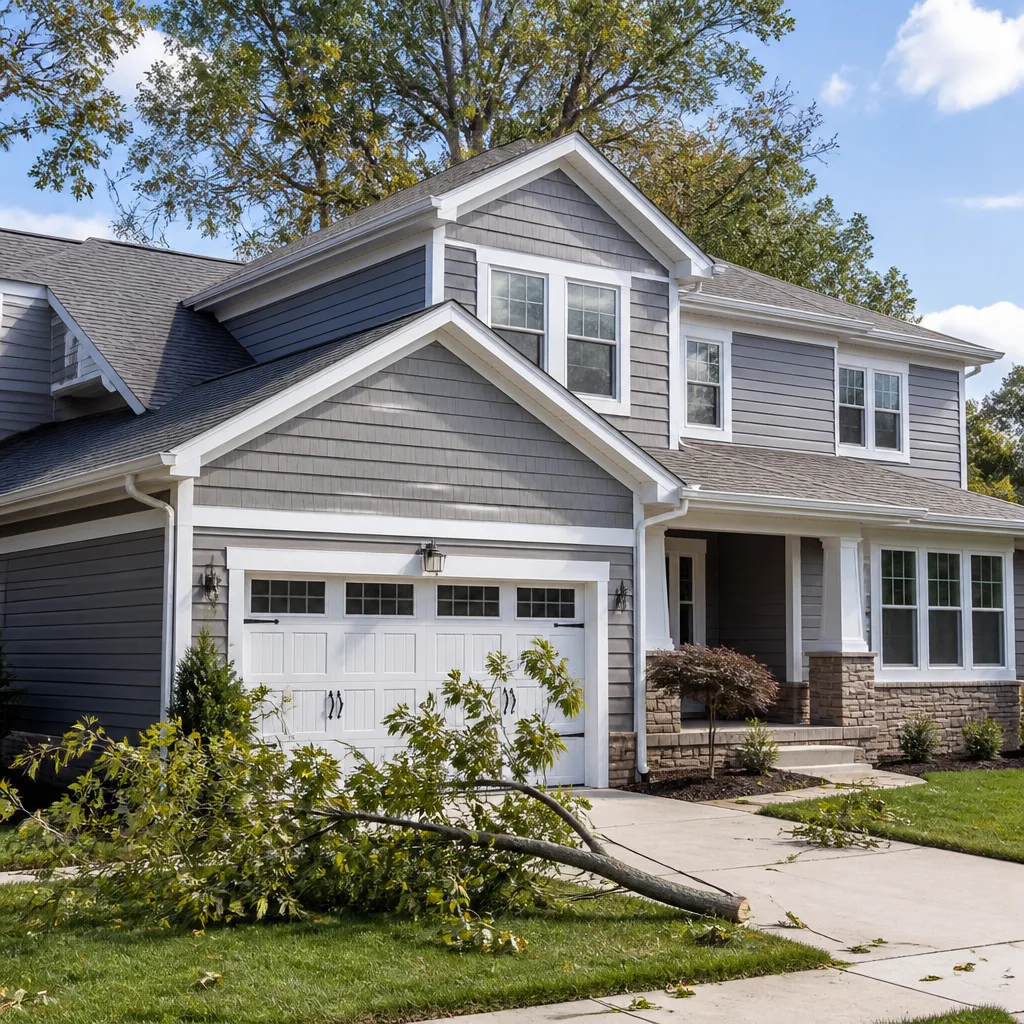
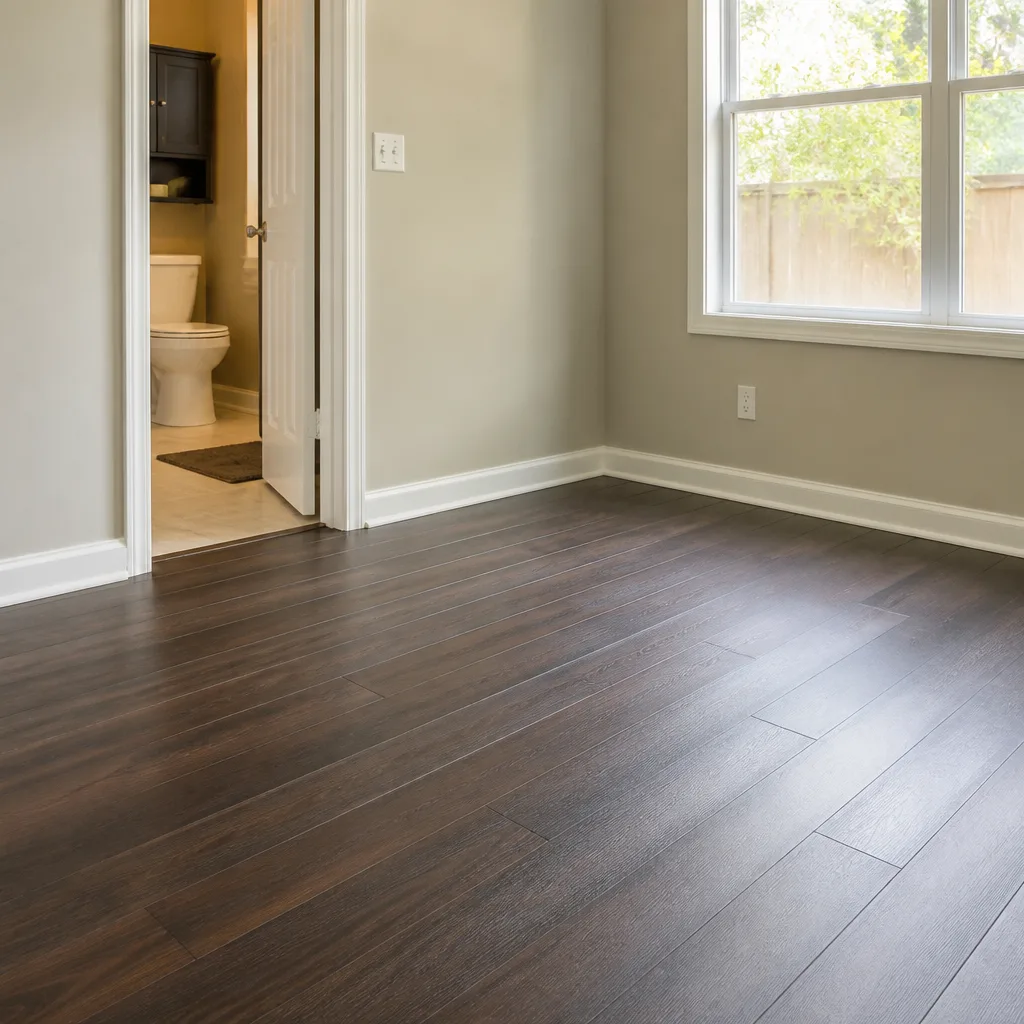
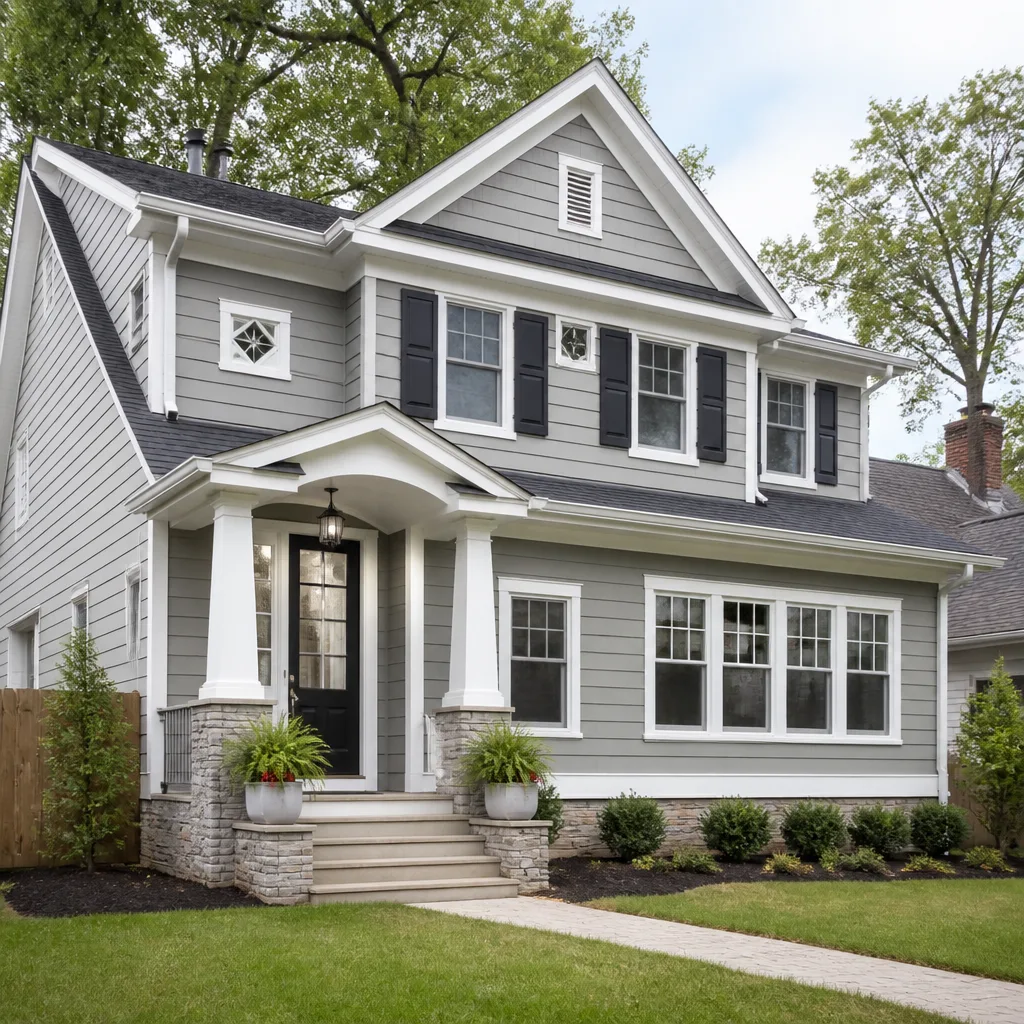
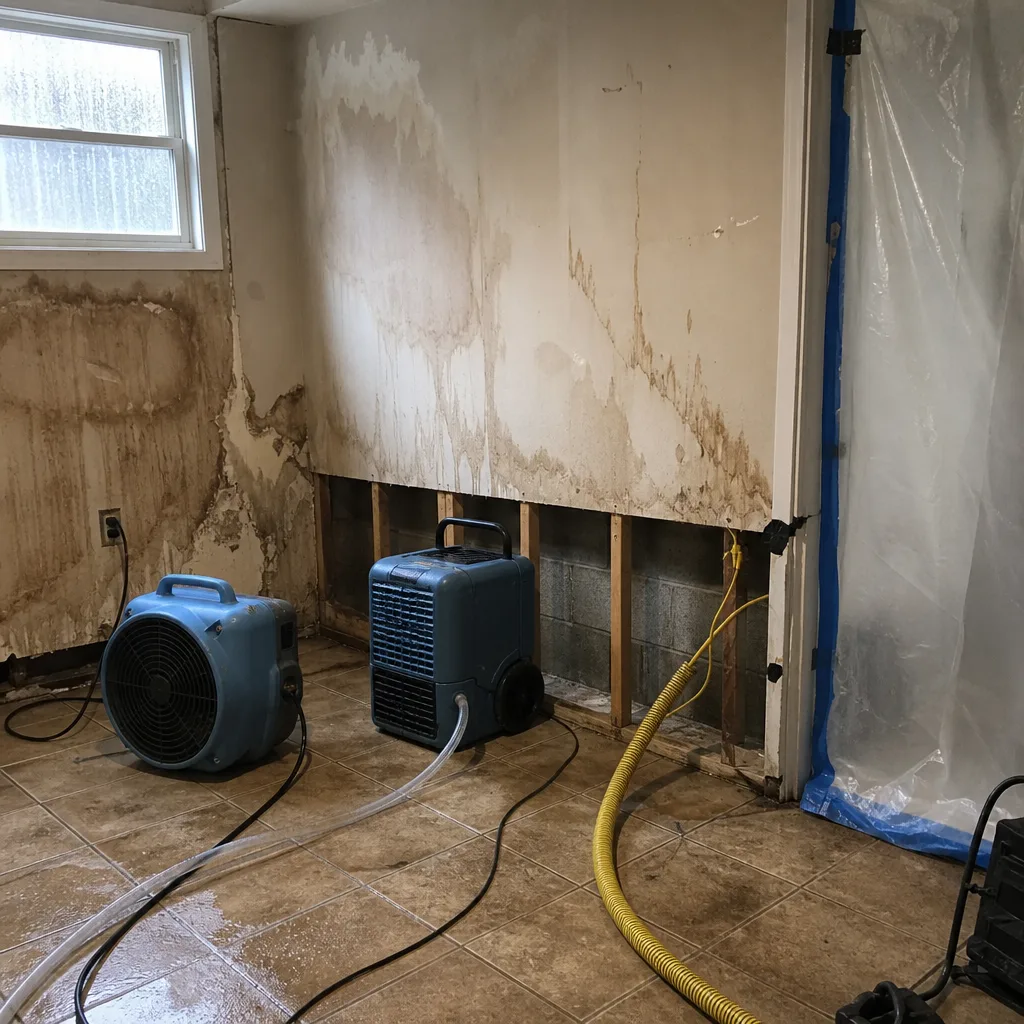 Before
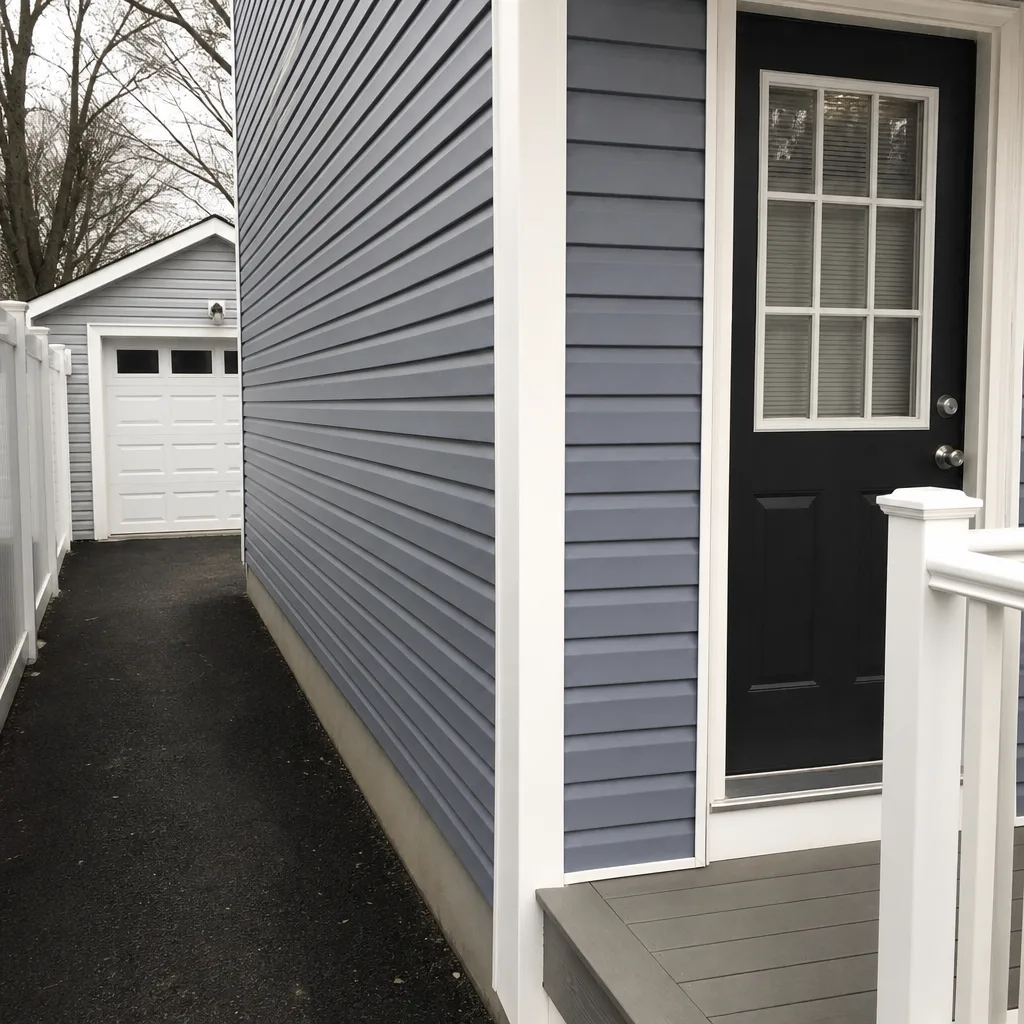 After
After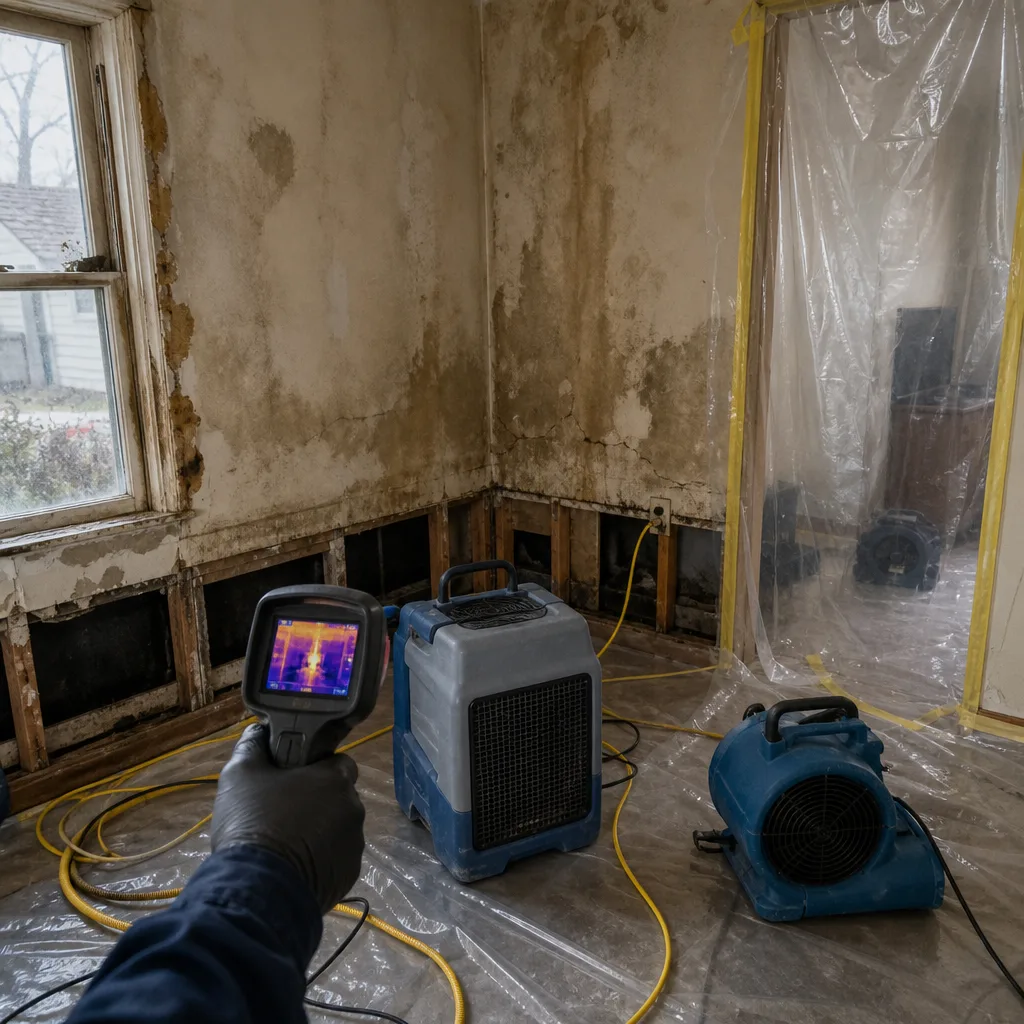 Before
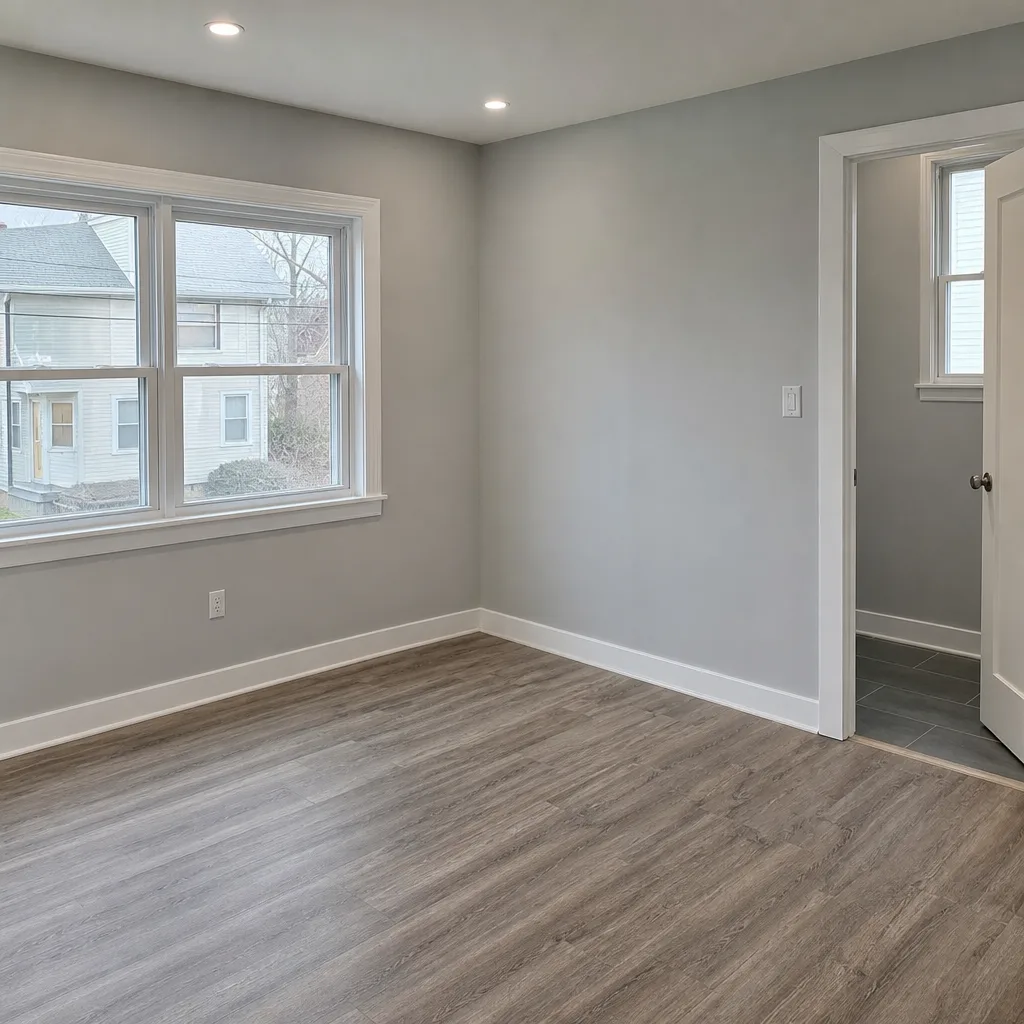 After
After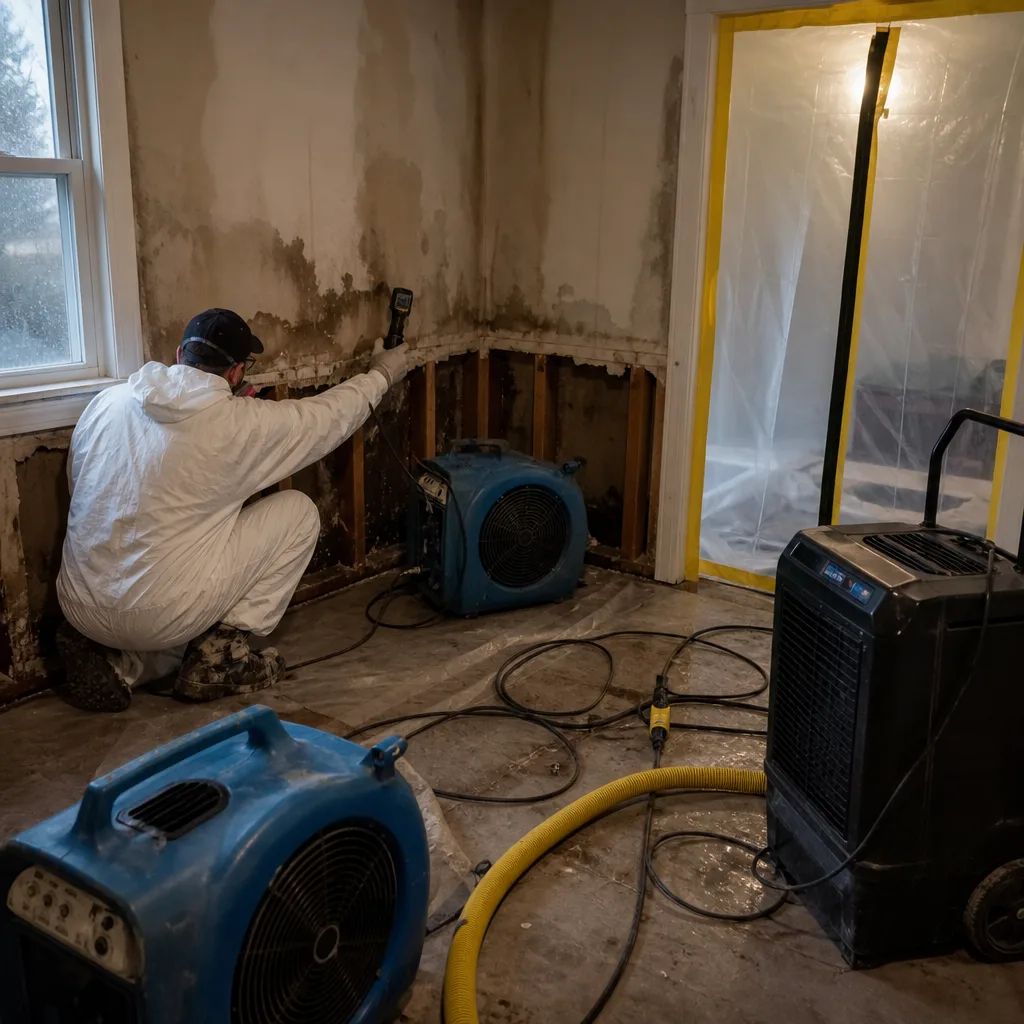 Before
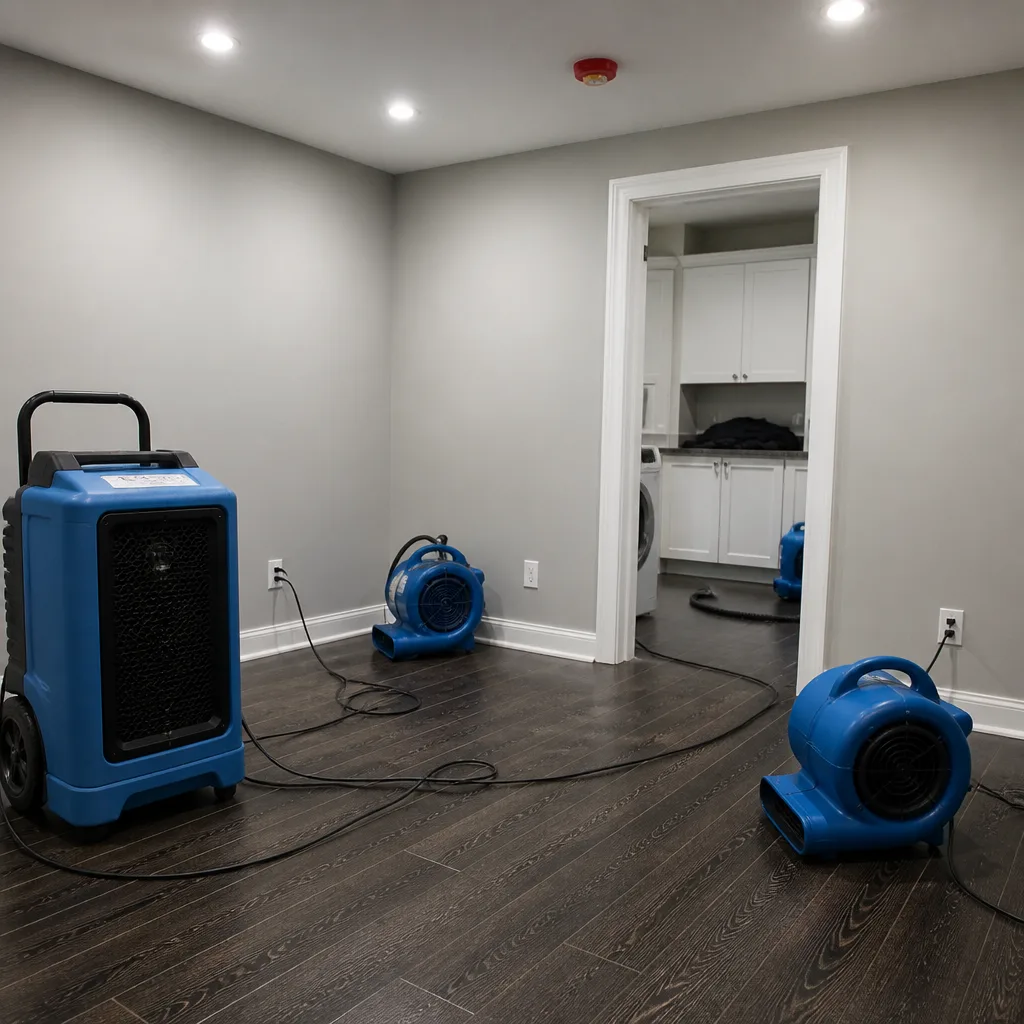 After
After24/7 Emergency Water Damage Restoration in Kearny
Water damage restoration in Kearny typically costs between $2,800 and $7,500 for a basement flood, with sewage-contaminated Category 3 jobs running higher due to biohazard disposal and containment. Our crews reach most Kearny addresses within 45 minutes, and a live dispatcher answers at (551) 373-5246 around the clock, every day of the year. The first hour matters more than most homeowners realize: water from a backed-up combined sewer moves through porous plaster, wicks up drywall, and saturates the oak or pine floor joists in a 1920s frame house faster than you’d think. By the time you can smell it, it’s already deep in the materials.
We’re Floodline Restoration Co., and we’ve built our entire operation around one principle: the line the water left is where we start. Not a sales pitch. Not a franchise playbook. A place to begin, with a written scope in your hand and a crew that knows Kearny’s particular water problems better than any out-of-town outfit ever will.
Understanding Water Damage Restoration Severity in Kearny Properties
Every water loss falls into one of three categories, and in Kearny the category matters more than in most towns because of what’s under the streets. Category 1 is clean water from a burst supply line or an overflowing tub. Category 2 is gray water, meaning it carries some contamination, from a washing machine overflow or a sump pump failure. Category 3 is black water, and that’s sewage, river backflow, or storm water that has picked up whatever the combined sewer was carrying. Here’s the uncomfortable truth about water damage restoration in Kearny: what starts as a Category 1 basement leak often becomes Category 3 within hours, because the combined storm and sanitary sewer system that serves much of the town surcharges into basements during heavy rain. The Passaic River to the west and the old Hackensack Meadowlands fill to the east keep the water table high, and that means groundwater intrusion is a constant companion to sewer backup.
For the restoration tech, the difference is everything. Category 1 allows aggressive structural drying with air movers and dehumidifiers. Category 3 requires full containment, removal of saturated porous materials, disinfection, and biohazard disposal under different protocols. In Kearny’s housing stock, built mainly between 1890 and 1940, we’re frequently dealing with both at once: clean water from a failed supply line on the second floor, and black water surging up through the basement floor drain. Moisture mapping on day one, not guesswork, is what separates a job done right from a mold problem six months later.
Why Kearny Property Owners Choose Floodline Restoration Co.
- 45-minute response commitment. A crew actually on the road toward your street within 45 minutes of your call. Not a callback. Not a sales appointment. Extraction running the same visit.
- Live answer, 24/7. A dispatcher picks up at 2 a.m. on Christmas Eve if that’s when the sewer backs up. You’ll never reach a recording, never leave a voicemail.
- IICRC-certified crews. Our technicians hold WRT and ASD certifications, which matter when a wet basement in Kearny means sewage, asbestos plaster, and knob-and-tube wiring in the same room.
- Free visual inspection. Before any work starts, you get eyes on the problem and a straight explanation of what you’re looking at, with no charge for the visit.
- Direct insurance billing. We deal with your carrier directly. You never carry paperwork between us and the adjuster.
- One crew from extraction to reconstruction. The same certified team that runs the extractor on day one handles the drying, the demo, and the rebuild. No handoff to a subcontractor you’ve never met.
Our Water Damage Restoration Process
Inspection & Assessment
Thermal imaging and moisture meters show us exactly where the water has traveled, including inside wall cavities and under flooring that looks dry. We classify the water category, check for asbestos in legacy materials, and map the full loss before any equipment is set.
Extraction & Stabilization
Commercial extractors pull standing water from basements, crawl spaces, and finished living areas. If we’re dealing with Category 3 water, containment barriers go up first. In Kearny, we’ve learned to check sewer cleanout caps before assuming the source, because a combined-sewer surcharge changes the entire job.
Drying & Dehumidification
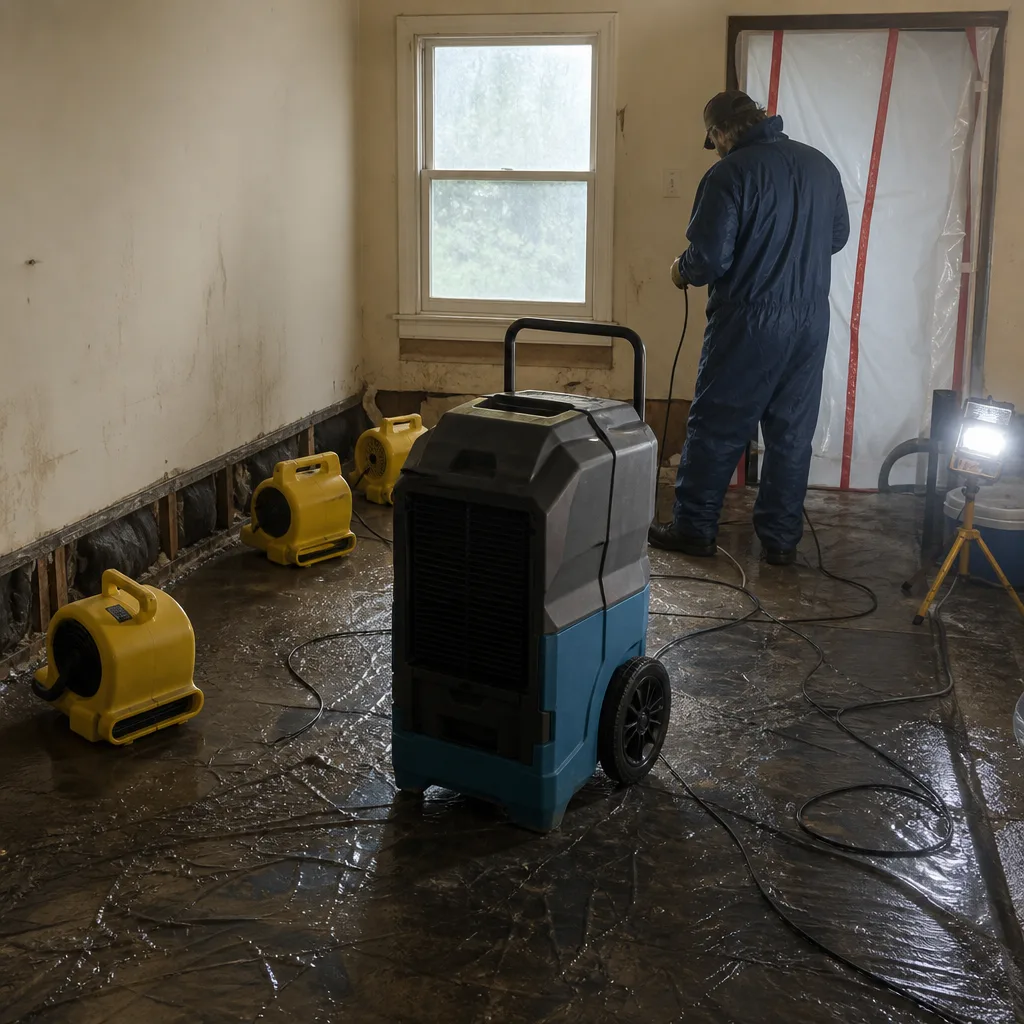
Dri-Eaz dehumidifiers, Phoenix air movers, and Injectidry systems drive moisture out of framing, plaster, and subfloor. Daily moisture readings are logged against the dry standard, and we don’t leave until the numbers say we’re done. Marsh-fill foundations in eastern Kearny can double the drying time, and we plan for that from the first day.
Cleaning & Sanitization
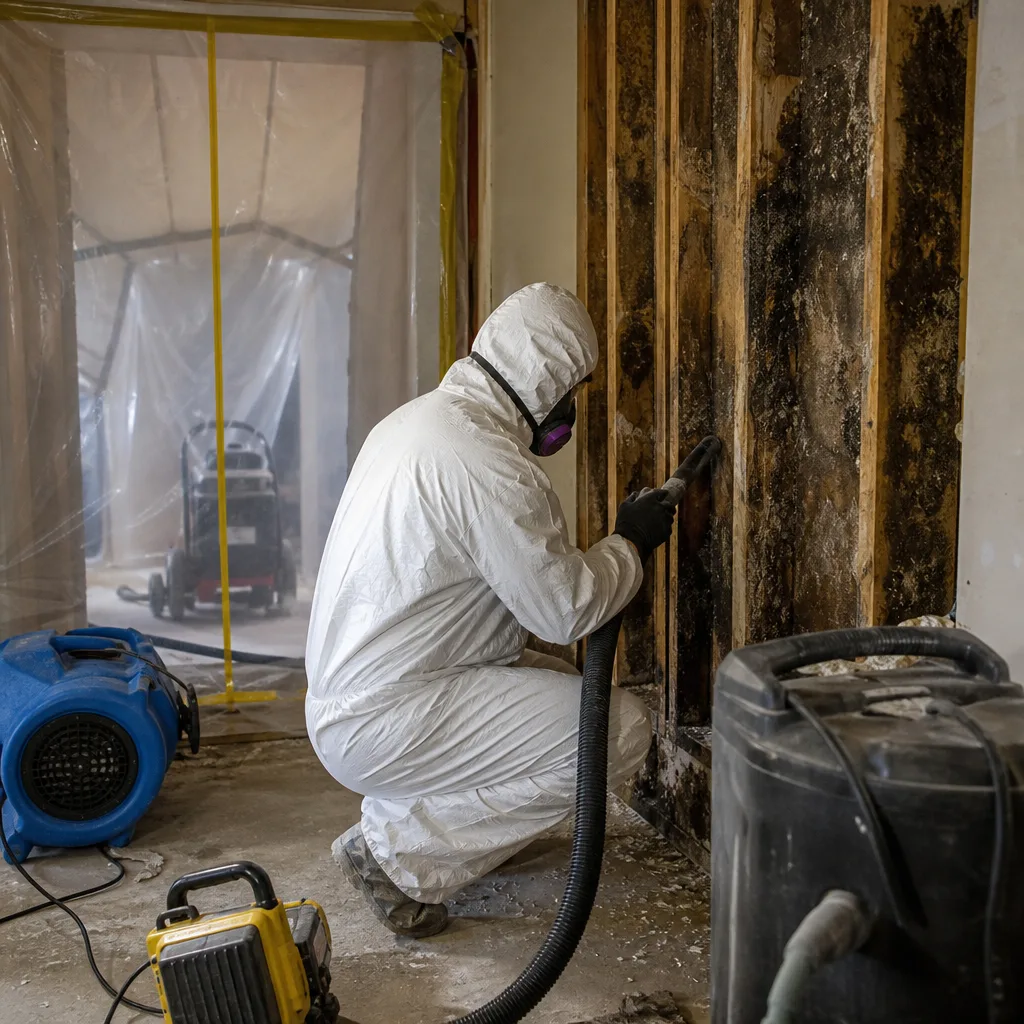
Every affected surface gets cleaned and treated to prevent bacterial or fungal growth. For sewage losses, that means full disinfection of framing and floors after contaminated material is removed. HEPA air scrubbers keep the rest of the house protected while we work.
Specialty Treatment for Kearny Basements
Plaster-and-lath walls, cinder-block foundations, and vintage mill-built framing need different drying strategies than modern construction. We may use Injectidry panels to dry wall cavities without demolition, saving original plaster wherever it can be saved.
Repairs & Restoration
Once the dry standard is met, our own crew handles the rebuild: drywall, trim, flooring, paint, and any structural repair needed. You’re not chasing a separate contractor. The same team that set the extractor finishes the job, backed by our 90-Day Done Right Promise in writing.
Need Emergency Water Damage Restoration in Kearny Now?
Crews minutes away, answering live 24 hours a day. The sooner we start, the less it costs.
Working With Your Insurance Company
Most homeowners in Kearny file water damage claims through their homeowner’s policy, and the process goes smoother when the documentation starts in the first hour. We photograph everything before demolition begins, take moisture readings on every affected wall and floor, and maintain a drying log that shows your carrier exactly when the property reached the dry standard. That log is the difference between a claim approved in full and one that gets nickeled and dimed. We also bill your insurer directly, and we speak with your adjuster in the field so you don’t have to translate trade language over the phone. A square deal means no surprises on the bill, and that includes knowing what’s covered before we ever set a blower.
What We Provide Your Insurer
- Thorough documentation of the loss
- Photos of all damage, room by room
- Moisture readings and drying logs
- A detailed, line-item scope of work
- Direct coordination with your carrier
Built for Kearny’s Loss Calendar
If you’ve lived in Kearny for twenty years, you already know the rhythm. January and February bring deep freezes that crack supply lines in uninsulated exterior walls and crawl spaces. March and April thaw the ground, and the saturated fill under the eastern sections of town pushes groundwater into basements through stone and cinder-block foundations. Summer thunderstorms drop an inch an hour, and the combined sewers can’t keep up. Then comes hurricane season. Nor’easters in the fall, the occasional tropical system pushing up the coast. Superstorm Sandy in 2012 and Hurricane Ida in 2021 both left water in homes across town that took months to fully remediate. If you live in Kearny, you don’t have to ask whether water will find its way in. The question is when, and whether the crew you call knows exactly what they’re walking into when they pull up on your street.
We built our response model around this calendar. That means live dispatch all year, equipment staged for storm events, and a team that has seen enough Kearny basements to know that the water heater in the corner is rarely the whole story.
Water Damage Restoration Across Kearny’s Neighborhoods
The pattern of water damage in the numbered streets off Kearny Avenue differs from what we see up by the Belleville border or down near the river wards. In the lower-lying sections east of Schuyler Avenue, where the old meadowland fill hasn’t settled in a hundred years, basement water is so routine that some homeowners keep the washer and dryer up on blocks. Streets around Arlington Memorial Park and along Passaic Avenue sit slightly higher, but the housing stock is the same vintage: two-family frame houses with full basements and foundations that were never waterproofed by modern standards. We regularly run calls in the area around the former Clark Thread Mill off Passaic Avenue, where worker housing from the 1910s has stone foundations that breathe groundwater in every season. The neighborhoods off Belgrove Drive and along the Belleville Turnpike corridor see more burst-pipe losses, where kitchen additions and enclosed porches from the 1950s left supply lines in unheated spaces.
What doesn’t change is the age of the material we’re drying. Plaster and lath hold water differently than drywall. Original oak flooring swells and cups. And in homes built before 1940, asbestos-containing floor tile shows up under linoleum layers in basements, which complicates any demolition. Knowing each block’s particular problems isn’t a marketing line. It’s what keeps us from making a wet basement worse.
Specialized Water Damage Restoration Services We Offer in Kearny
Basement Water Removal
The most common call we answer in Kearny. Whether it’s groundwater rising through a stone foundation in the eastern sections or a sewer surcharge pushing up through the floor drain, we start with extraction and classification. If the water is Category 3, we don’t just pump it out and leave. We remove contaminated material, disinfect the structure, and document everything for your insurance company.
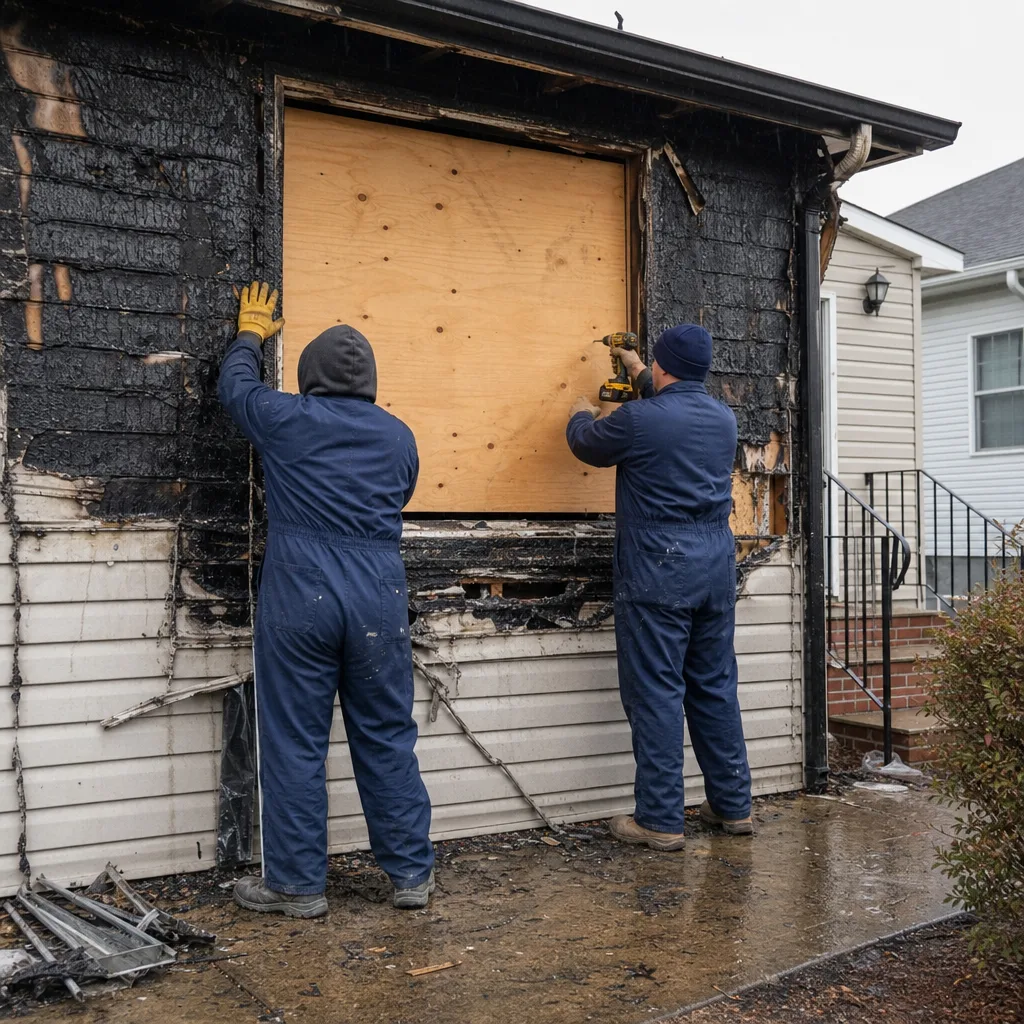
Flood Cleanup
When the Passaic River tops its banks or the combined sewers back up across a whole neighborhood, floodwater brings in silt, fuel residue, and whatever the storm picked up along the way. Flood cleanup means more than drying. It means decontamination, porous-material removal, and a clear-eyed assessment of what can be saved and what cannot. Our Water Damage Restoration team has handled flood losses in every section of Kearny, and we’ll tell you straight what the situation calls for.
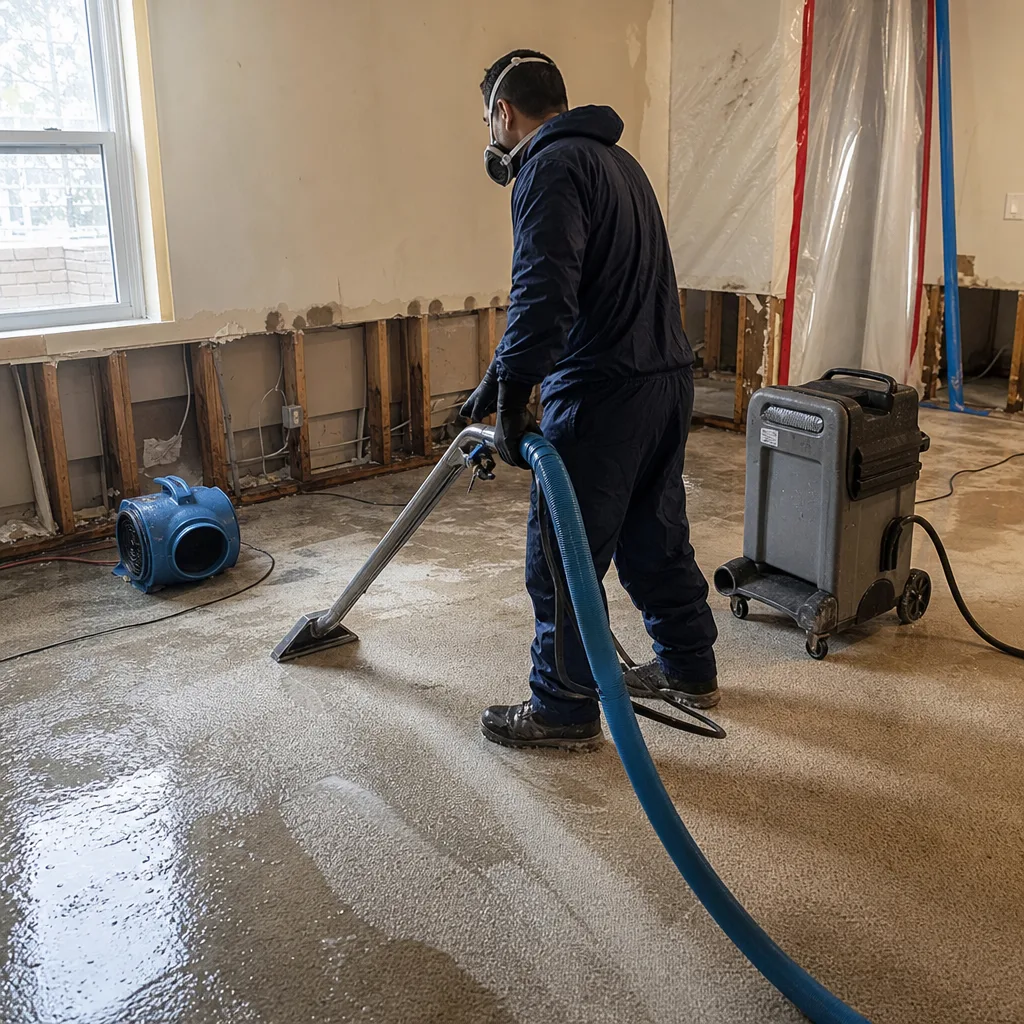
Structural Drying & Dehumidification
The hidden half of every water loss. You can pump the water out, but the moisture in the framing, plaster, and subfloor is what grows mold and weakens structure. We use Dri-Eaz dehumidifiers, Phoenix air movers, and Injectidry systems to pull water from materials you can’t even see, logging moisture readings daily until we hit the dry standard. In the marsh-fill sections of Kearny, where foundation soils stay saturated year-round, we run equipment longer and verify results with meters before we call it done.
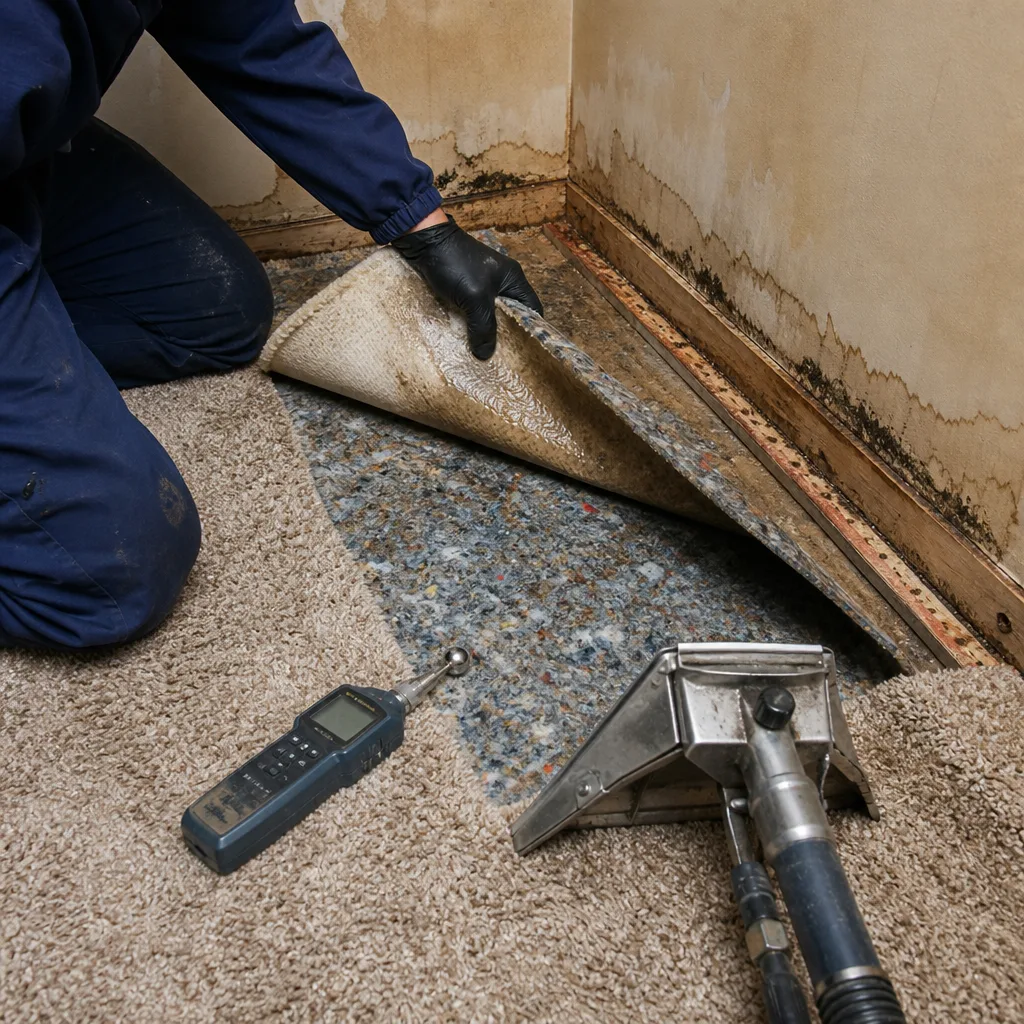
Emergency Water Extraction
A burst supply line on the second floor of a Kearny two-family doesn’t wait for business hours. We arrive, stop the source if it hasn’t already been shut off, and get commercial extraction running immediately. The goal is to pull water out before it drops through the ceiling, through the floor, and into the apartment below. Speed genuinely changes the final bill.
Burst Pipe Restoration
Winter in Kearny means uninsulated pipes in pre-war houses, especially in enclosed porch additions and unheated basements. When a pipe lets go, the water is clean, which is good news for drying, but the volume can be enormous. We repair the source, extract the water, dry the structure, and handle the rebuild. One crew for the whole job.
What happens when you call
- 1
A real person answersNo phone trees - you reach a local pro.
- 2
You get an upfront price rangeHonest numbers before anyone is dispatched.
- 3
A background-checked tech heads outLicensed & insured, dispatched right away.
- 4
You approve before work beginsNothing starts until you say go.
Water Damage Restoration Costs in Kearny, NJ
Kearny’s older housing stock and combined-sewer issues shape the numbers. A straightforward basement water removal with clean Category 1 water and no structural repair typically runs $1,800 to $4,000. If the loss involves Category 3 sewage, the range moves to $4,500 to $9,500, because contaminated porous material gets removed and disposed under biohazard protocols, and containment equipment adds cost. Structural drying for a 1920s basement with plaster walls and original framing generally lands between $2,500 and $6,000 depending on square footage and how saturated the foundation is. Burst-pipe losses in finished living spaces often run $3,000 to $8,000 when you factor in drywall replacement, flooring, and paint. The variables are water category, affected square footage, material type, and how long the water sat before we arrived. The fastest way to a firm number is a free visual inspection. We walk the loss with you, write a line-item scope, and you know the cost before any work begins.
We Also Serve Cities Near Kearny
Our crews cover the surrounding Hudson and Bergen County towns daily. If you’re in Harrison, North Arlington, Lyndhurst, or Secaucus, the same live dispatch and 45-minute response commitment applies. Call (551) 373-5246 and a real person will answer, any hour.
Serving Kearny, NJ - Our Local Coverage Area
We’re based in the Kearny area and know this community well. Use the map below to see our service coverage - if you’re nearby, we can almost certainly help.
Kearny Water Damage Restoration Questions, Answered
Why does my Kearny basement flood even when it’s not raining heavily?
The most common cause in Kearny is a rising water table under the eastern sections of town, where the ground is historic meadowland fill that stays saturated. Groundwater pushes through stone and cinder-block foundations through floor cracks and cove joints, even on dry days. Combined-sewer surcharge from the town’s shared storm and sanitary system is the other usual suspect, backing up through floor drains during and after rain events. A free inspection from our Kearny team pinpoints which one you’re dealing with. Call (551) 373-5246 for a straight answer.
How do I know if my basement water is Category 1, 2, or 3?
Clean water from a burst supply line is Category 1. Water from a washing machine overflow or sump failure is Category 2. Anything that has touched sewage, river water, or street runoff, which includes most combined-sewer backups in Kearny, is Category 3 and needs biohazard handling. If the water came up through a floor drain during rain, treat it as Category 3 until proven otherwise. We classify water on site and document it for your carrier.
Can you dry out my 1920s Kearny basement without tearing out the plaster walls?
Often, yes. Injectidry panels can draw moisture out of wall cavities without demolition, and Dri-Eaz dehumidifiers handle the ambient humidity. Plaster and lath dry more slowly than modern drywall, but where the plaster is still sound, we save it. Where it has already degraded or where asbestos testing requires it, removal happens under proper containment. We’d rather save your original walls than replace them.
How long does water damage restoration take in Kearny compared to neighboring towns?
Most drying jobs in Kearny run three to six days, but homes in the eastern meadowland sections can take a week or more because the surrounding soil holds water and re-saturates foundation materials. Upland towns like North Arlington or parts of Lyndhurst dry faster simply because the ground drains better. We don’t rush the dry standard, and a call to (551) 373-5246 gets you an honest timeline for your specific house.
What should I do immediately after a sewer backup floods my Kearny basement?
Keep everyone out of the water, shut off electricity to the affected area at the panel if you can reach it safely, and call us. Don’t run the furnace or any appliance that could draw contaminated air through the house. Don’t try to pump it out yourself, sewage water needs containment and biohazard disposal, not just a wet vac. We’re answering live at (551) 373-5246 and can reach most Kearny streets within 45 minutes.
Will my homeowners insurance cover water damage in Kearny?
Most Kearny policies cover sudden and accidental water losses like burst pipes and sewer backups, though sewer backup coverage is sometimes an endorsement worth checking. Groundwater seepage through foundations is generally excluded unless you carry specific flood coverage. We handle the documentation and adjuster communication on every job, and we bill your carrier directly so you’re not fronting cash for a claim you’re owed.
Do I really need full structural drying, or can I just run some fans?
Fans move air. They don’t pull water out of plaster, framing, or the concrete floor slab. In a Kearny basement with saturated marsh-fill soil outside, moisture lingers in materials long after the visible water is gone, and mold starts within 24 to 48 hours in the right conditions. Professional drying with monitored moisture readings is the difference between a one-time cleanup and a recurring mold problem. The free inspection tells you what you actually need, and the written scope means you’ll know before you commit.
Are your technicians actually certified, or is that just talk?
Every Floodline Restoration Co. technician is background-checked, uniformed, and trained to IICRC, RIA, and IFA standards. For water damage, that includes Water Restoration Technician and Applied Structural Drying certifications. We’re happy to show you credentials on site. This is licensed, documented work, and the 90-Day Done Right Promise is in writing, not a handshake.
Written by Curt Bowman, Owner at Floodline Restoration Co., serving Kearny since founding the company in 2010.