
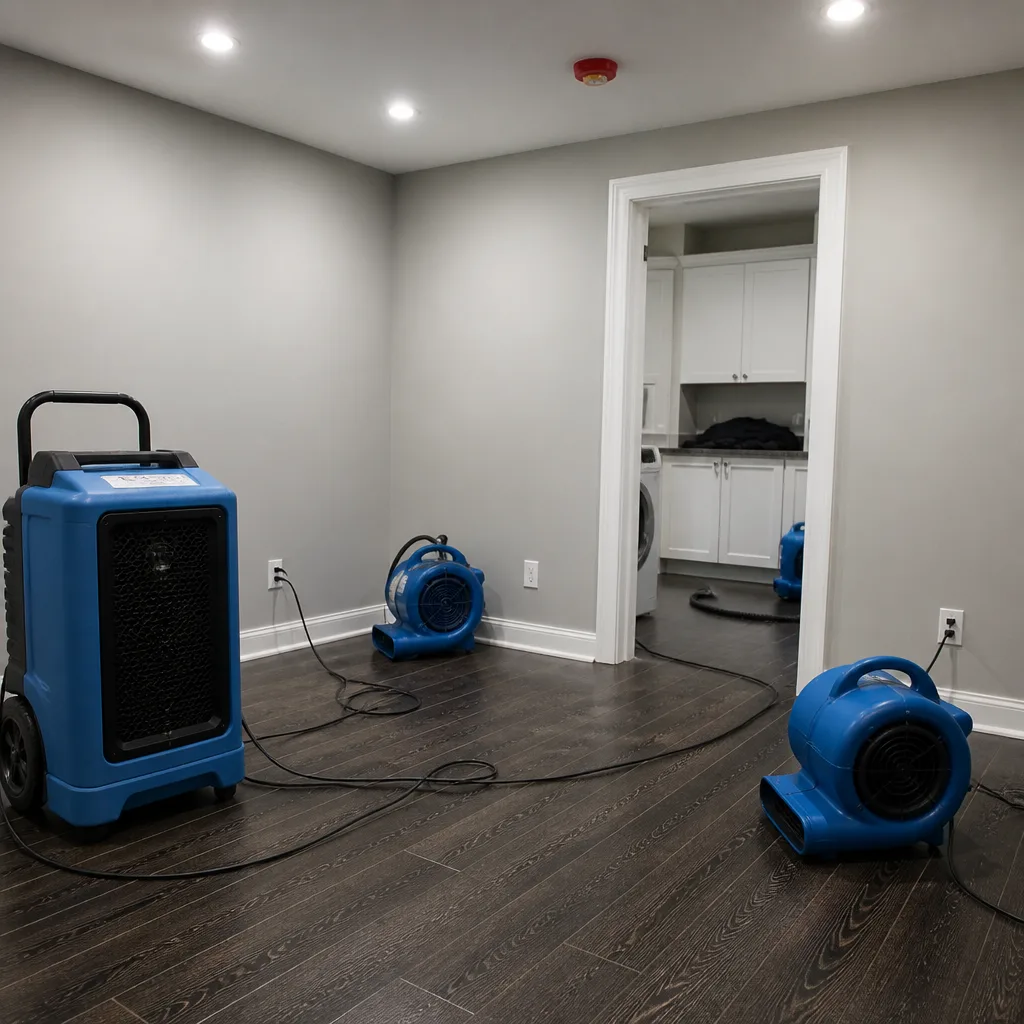
Free visual inspection and a written scope of work before any mitigation begins - photos, moisture readings, and drying logs go in your claim file
The scope we write is the scope we bill. Anything new gets shown to you, in writing, before we touch it.
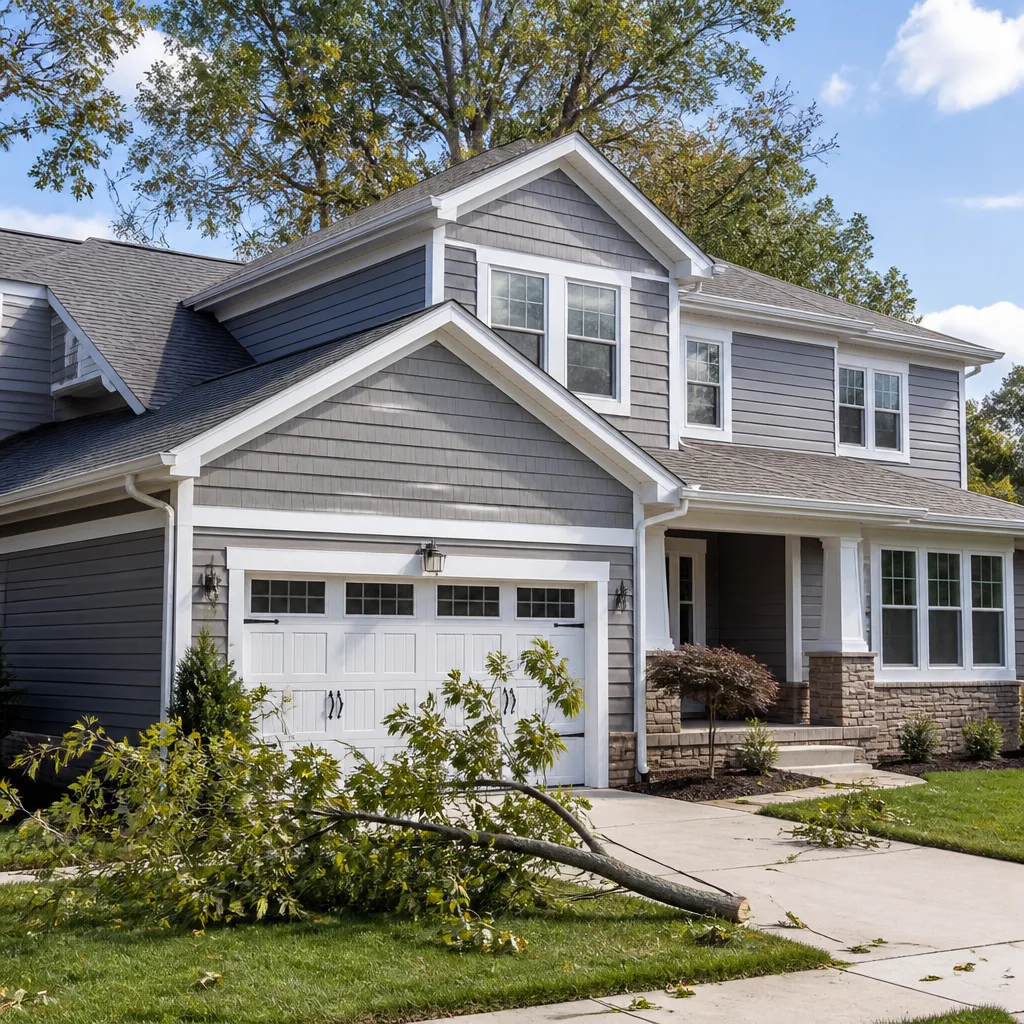
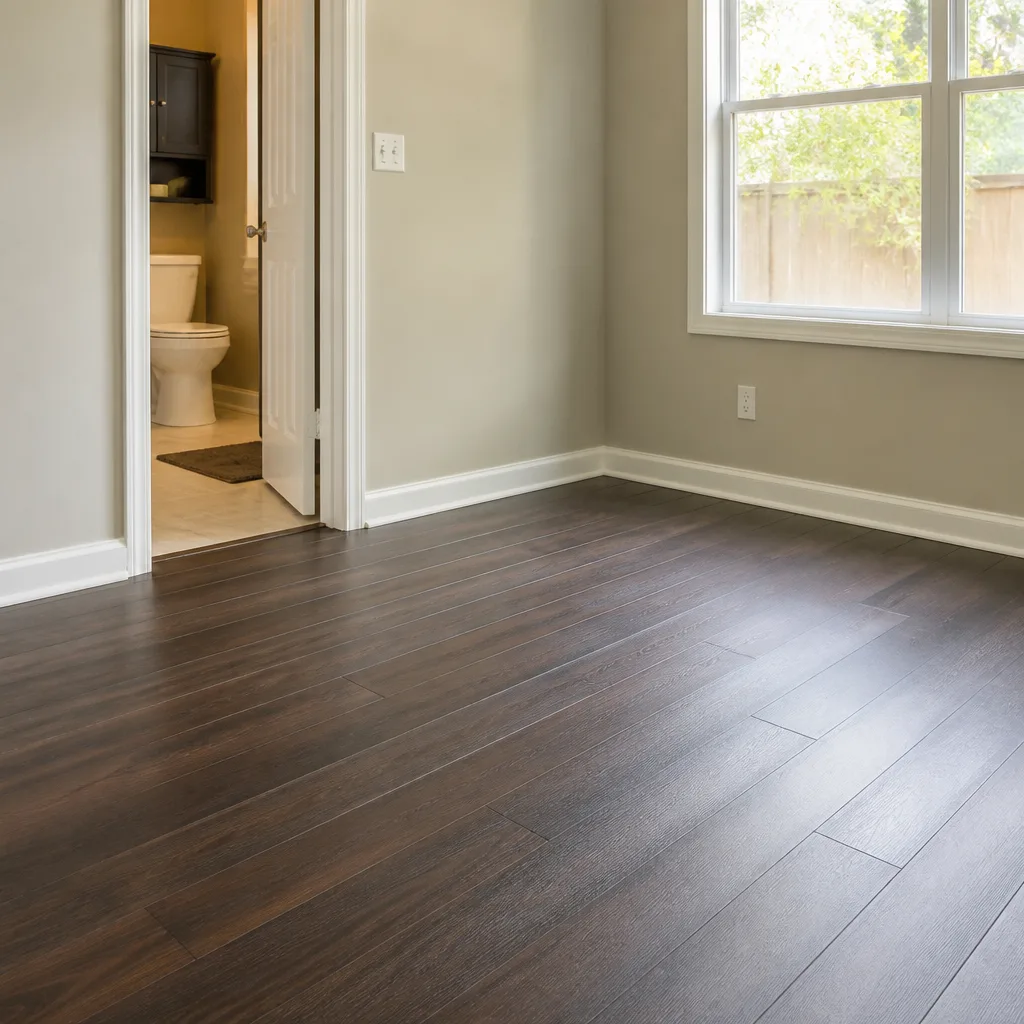
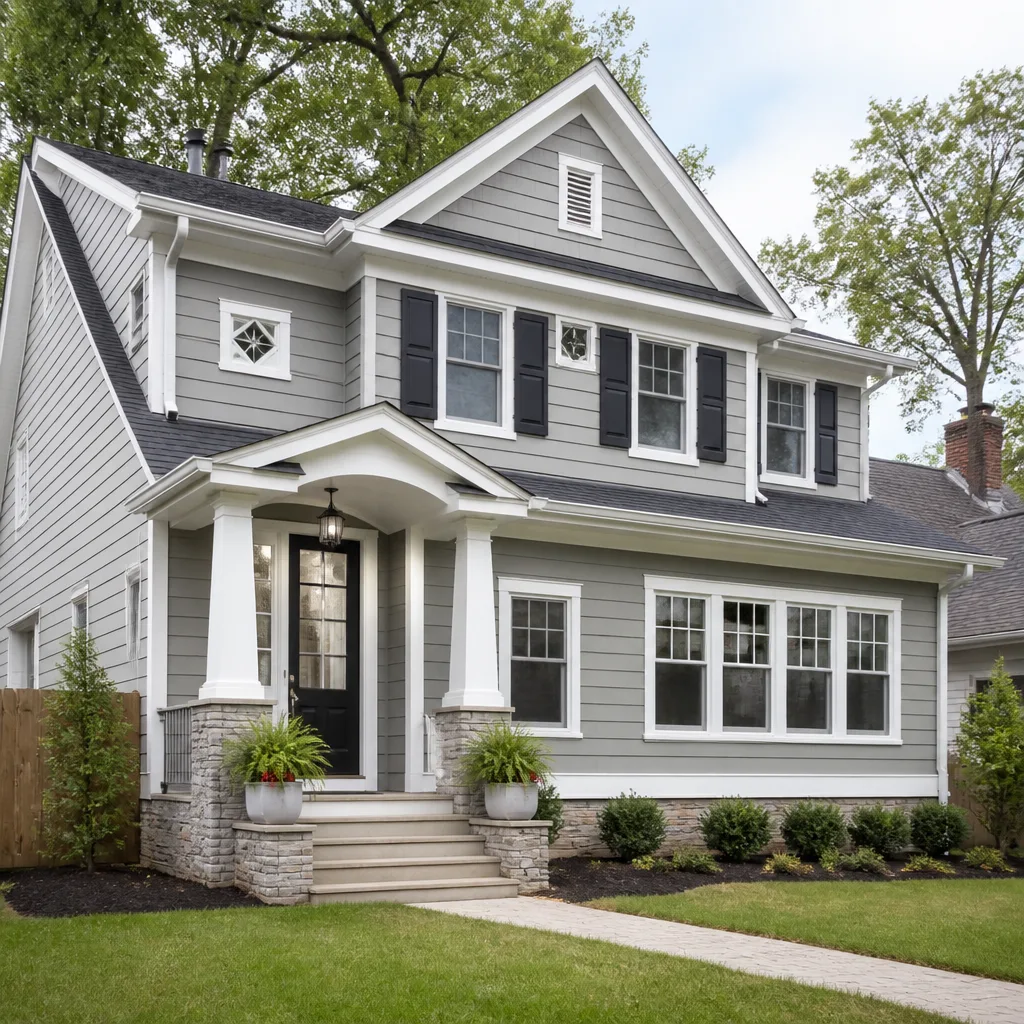
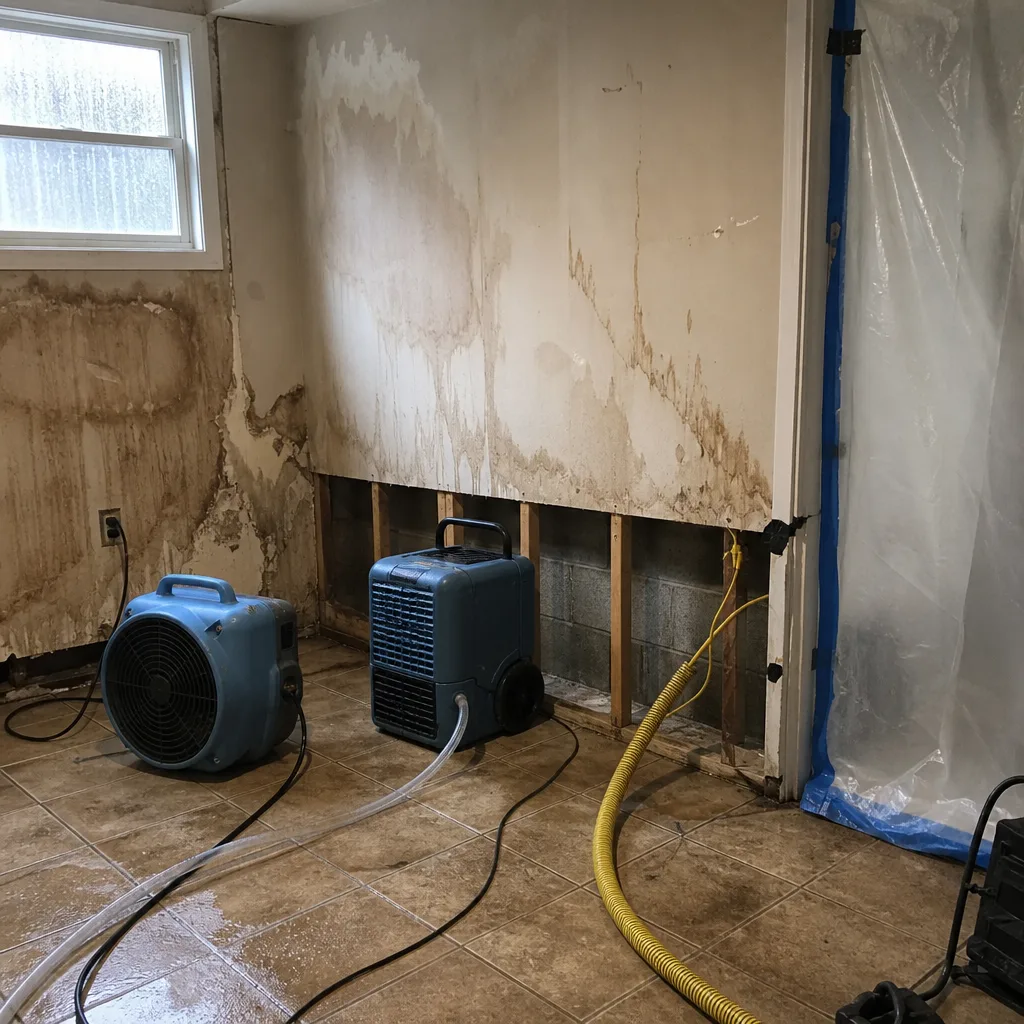 Before
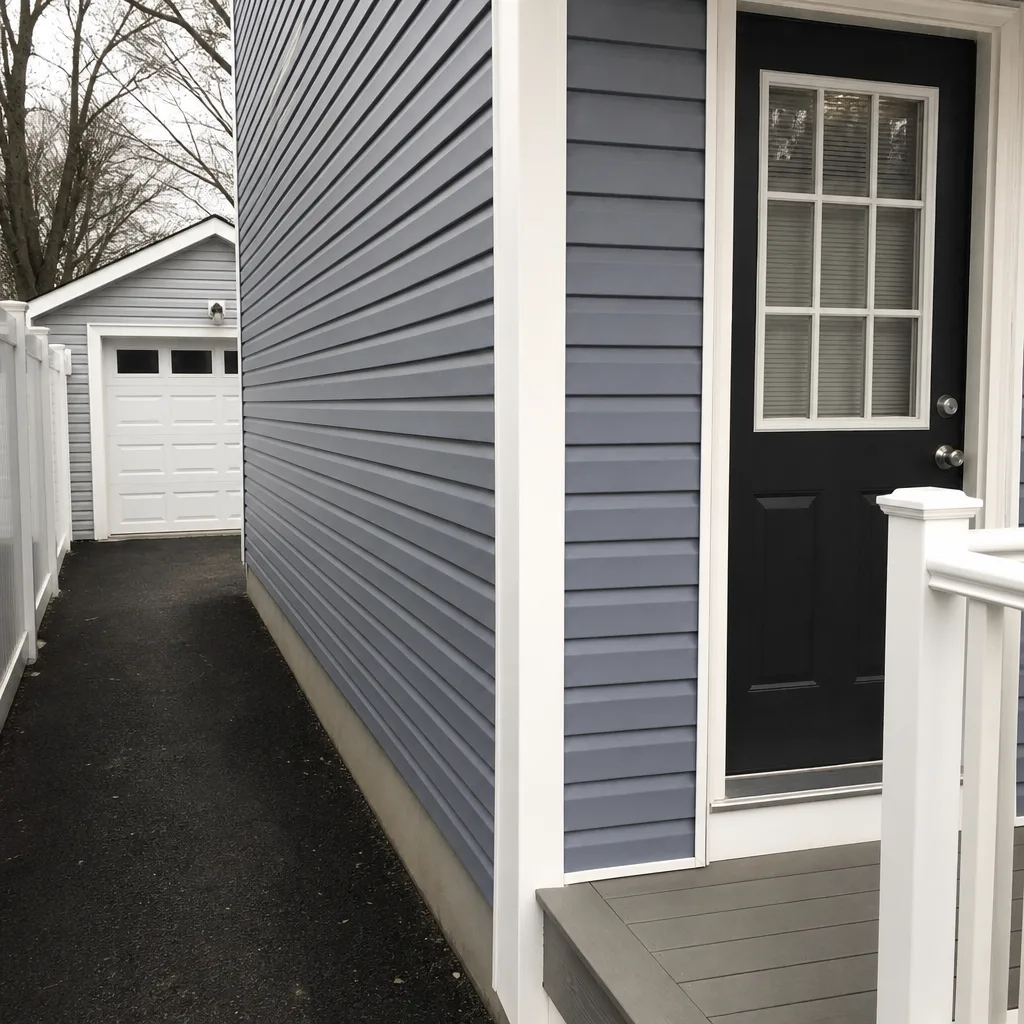 After
After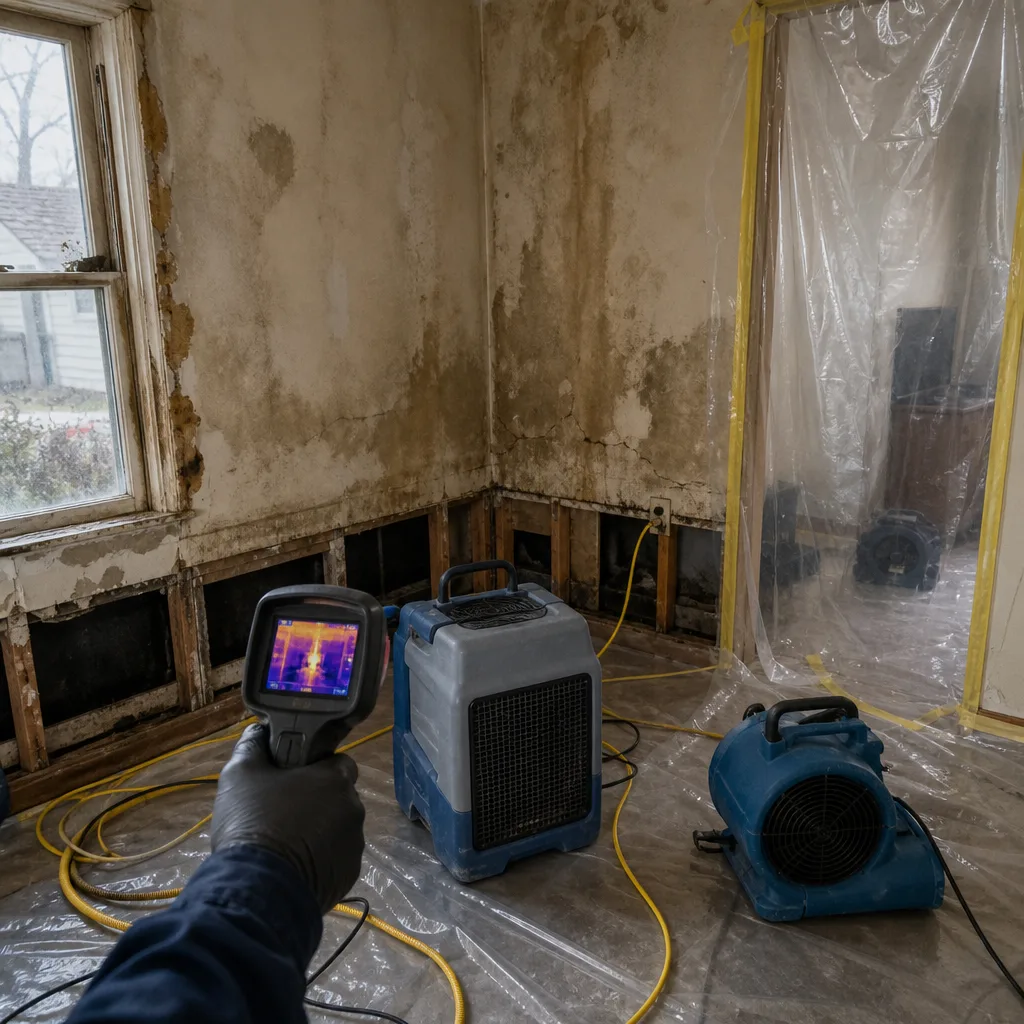 Before
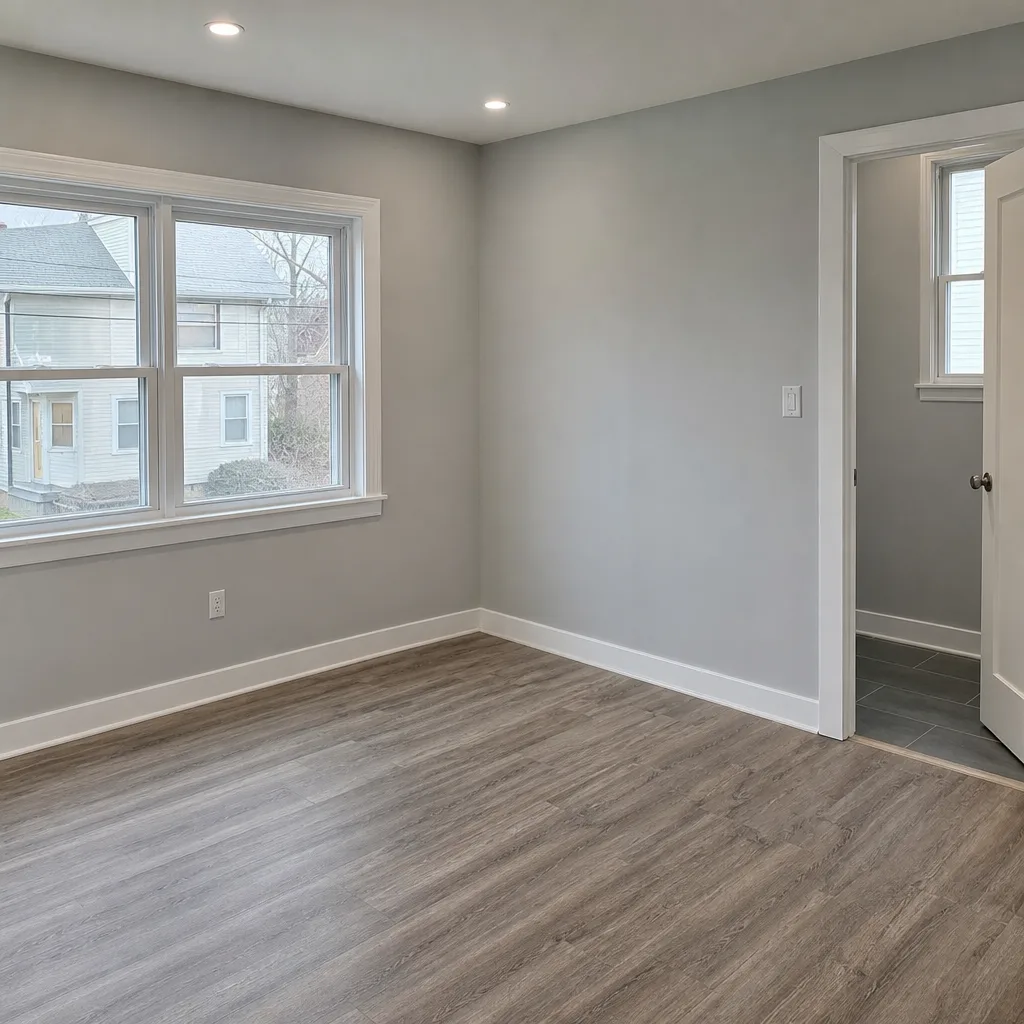 After
After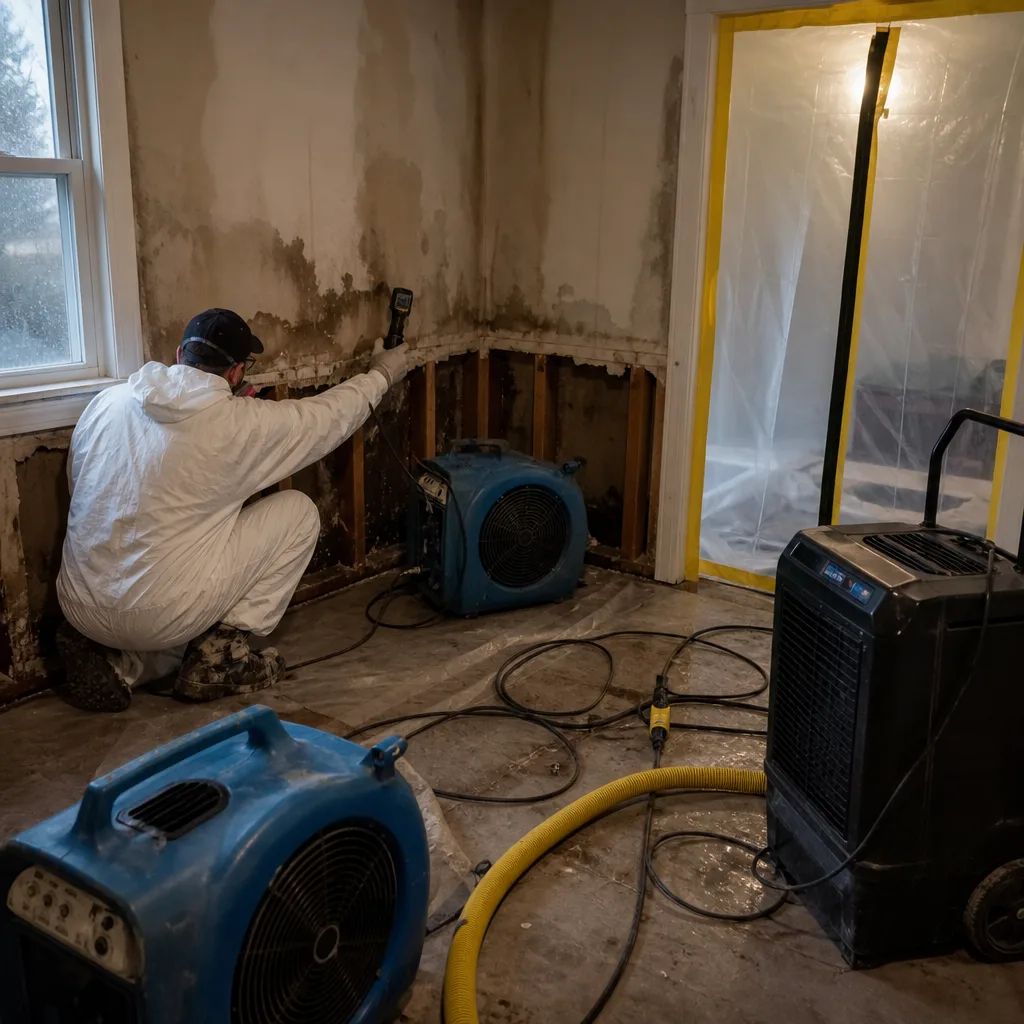 Before
 After
After24/7 Emergency Fire & Smoke Damage Restoration in Lyndhurst
Fire and smoke damage in Lyndhurst moves fast, and so do we. Soot from a kitchen fire or furnace flare-up works into drywall, insulation, and ductwork within hours, and the acidic residue keeps eating into surfaces until someone stops it. That’s why our live dispatchers answer at 2 a.m. the same way they do at noon, and why a Floodline Restoration Co. crew can be at your door anywhere in Lyndhurst within roughly 45 minutes of your call to (551) 373-5246. The first hour after a fire is when most of the permanent damage is either prevented or locked in. We start with a free visual inspection, a written scope of work, and a plan that keeps your family out of limbo. Done right, and backed in writing.
Understanding Fire & Smoke Damage Restoration Severity in Lyndhurst Properties
Not every fire leaves the same residue. A slow-smoldering electrical fire produces a fine, oily soot that migrates through wall cavities and finds its way into closets and drawers in rooms the flames never touched. A grease fire in the kitchen leaves a heavier, protein-based residue that bonds to painted surfaces and requires aggressive cleaning before repainting. In Lyndhurst’s mid-century Cape Cods and two-family homes, the problem often compounds because those houses were built with balloon framing or shared wall cavities between units. Smoke travels through those open channels from a basement furnace fire straight up into second-floor bedrooms. The severity of restoration work depends on soot type, how long it sat, and whether water from firefighting or a flood event introduced moisture into the same materials. Those variables change the job from a $300 surface cleaning to a $4,000-plus structural cleanup.
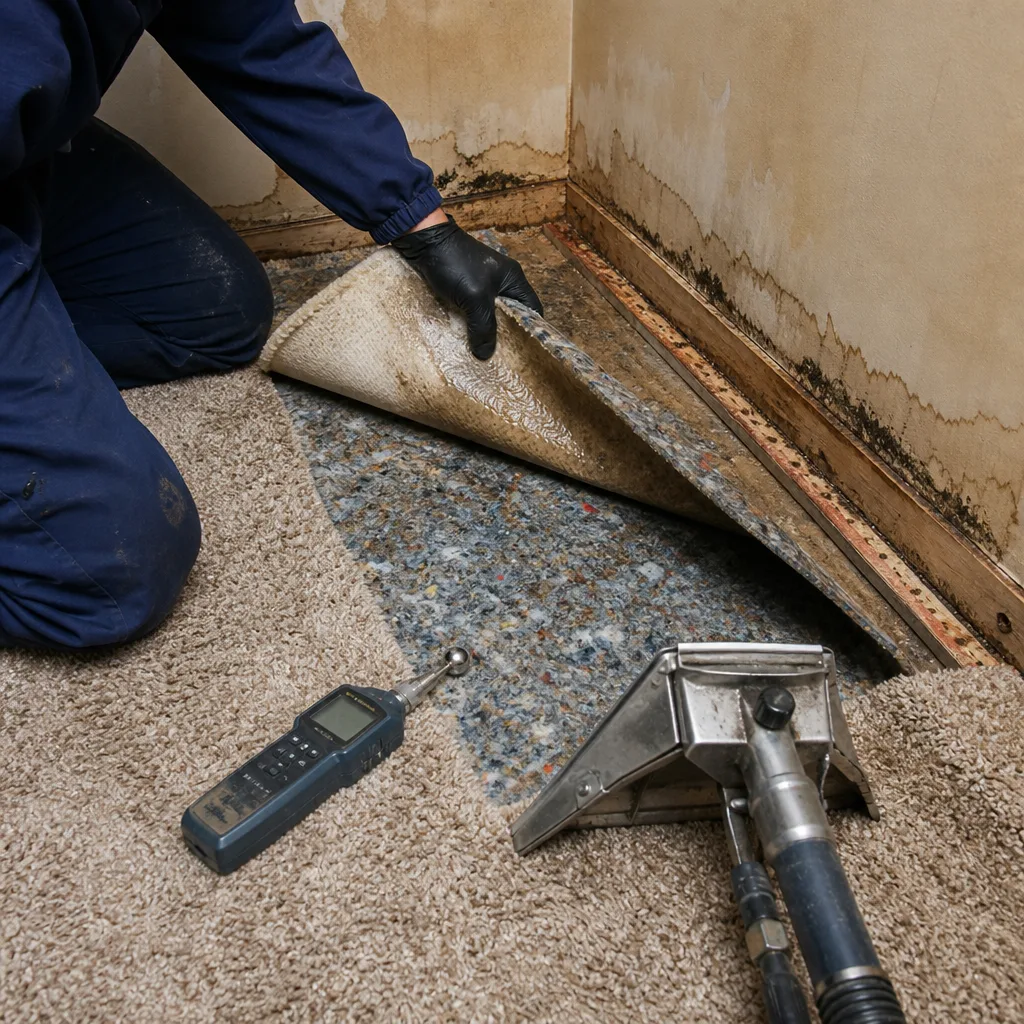
Here’s what we see in Lyndhurst specifically. Homes along Riverside Avenue and the streets feeding toward the Passaic River sit close to the water table. When a basement fire is extinguished by firefighting water in a home whose foundation already holds ground moisture, the soot and water combine into an acidic slurry that accelerates corrosion on furnace components, electrical boxes, and ductwork. You can’t just wipe it off. The affected materials need to be assessed for both fire residue and moisture load before any meaningful restoration begins. That’s why our technicians use moisture meters and thermal imaging alongside soot testing, not just a flashlight and a rag.
Why Lyndhurst Property Owners Choose Floodline Restoration Co.
- 45-minute response commitment to any Lyndhurst address. We stage crews daily and our dispatch board tracks trucks in real time. When you call, we tell you who’s coming and when they’ll pull up.
- Live answer, 24/7, every day. No automated prompts asking you to press 2. The person who picks up at 2 a.m. is the same person radioing a crew toward Stuyvesant Avenue or Riverside Avenue.
- IICRC-certified crews trained to FSRT, WRT, and ASD standards. Fire and smoke restoration requires knowledge of soot chemistry, air flow, and structural drying. Our technicians carry those certifications and update them continuously.
- Free visual inspection before any work begins. We walk the property, document what we see, and hand you a written scope of work with a line-item estimate. No pressure, no surprise add-ons later.
- Direct insurance billing with daily logs and photo documentation. We coordinate with your carrier and provide the documentation NFIP and FEMA expect when a Lyndhurst fire traces back to floodwater reaching electrical systems.
- One crew from first extraction to final rebuild. Floodline Restoration Co. handles extraction, drying, soot removal, deodorization, contents cleaning, and structural repairs. You won’t get a handoff to a subcontractor you never met.
Our Fire & Smoke Damage Restoration Process
Inspection & Assessment
We start with a walkthrough and documentation. Soot type gets identified, moisture readings taken, and we map out which rooms need demolition, cleaning, or both. On Lyndhurst jobs where floodwater reached electrical panels before the fire, we verify the utility room is safe before anything else happens.
Emergency Stabilization
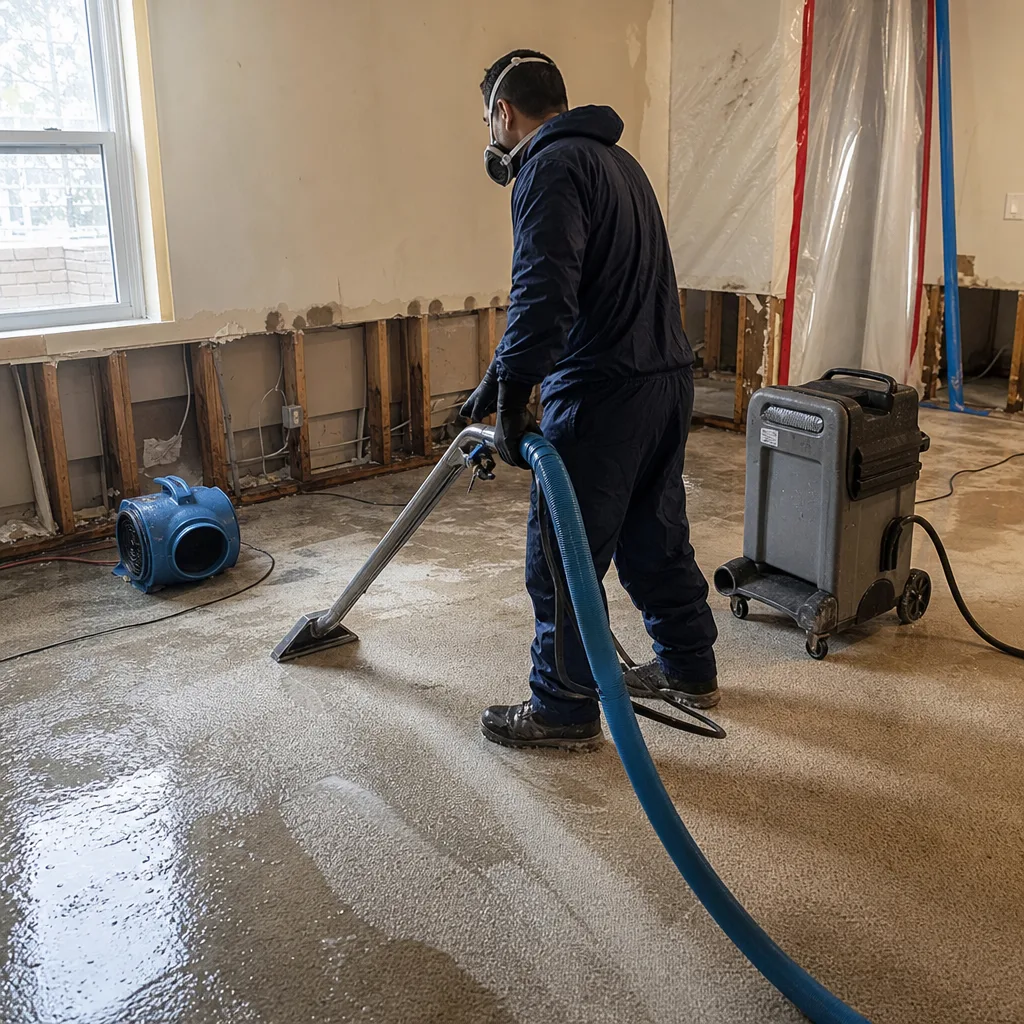
Board-up, tarping, and water extraction happen first. If a fire compromised a window or roof section, we secure the opening to keep rain and trespassers out. Any standing water from firefighting or flooding gets pulled immediately with truck-mounted extraction equipment.
Drying & Dehumidification
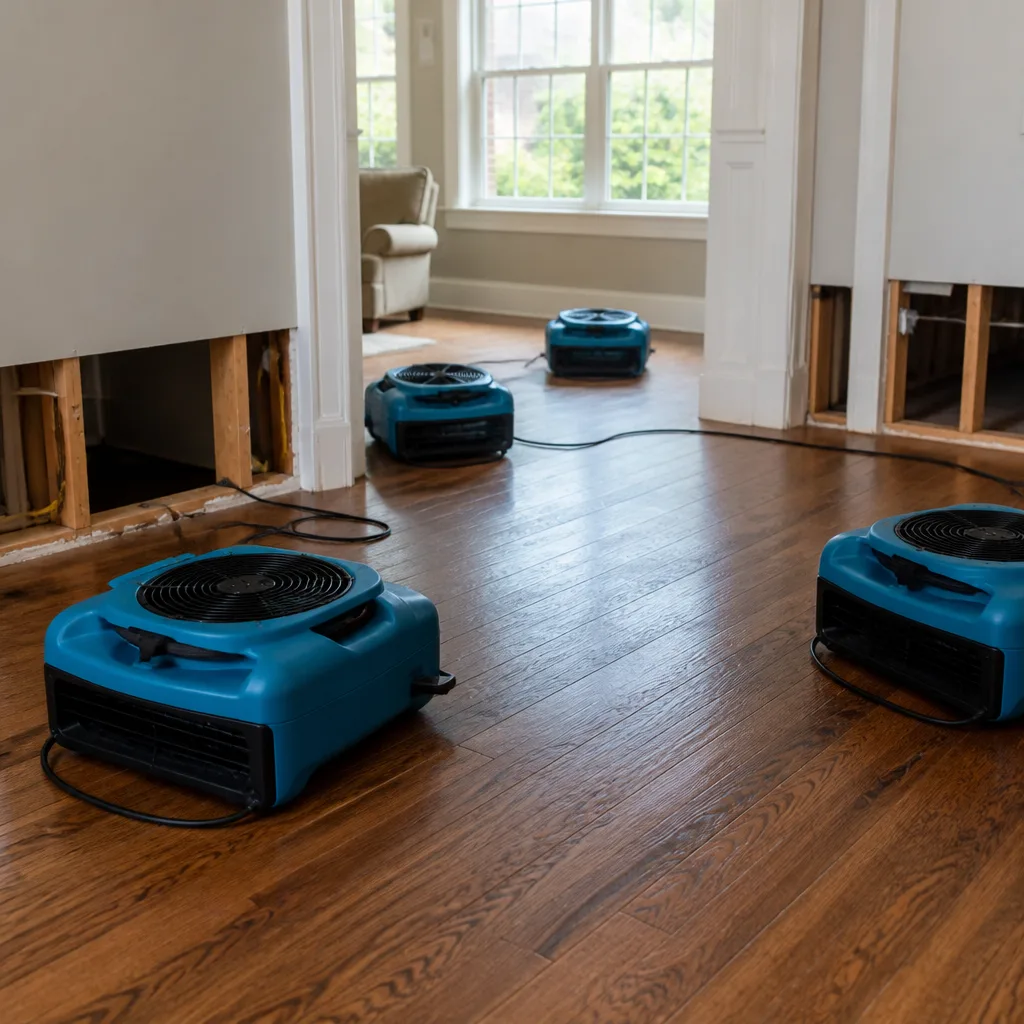
Fire damage restoration usually means water damage restoration too, especially in Lyndhurst basements near the Meadowlands water table. We set Dri-Eaz dehumidifiers and Phoenix air movers, log daily moisture readings, and hold the drying until materials hit a dry standard we can prove to your insurer.
Cleaning & Sanitization
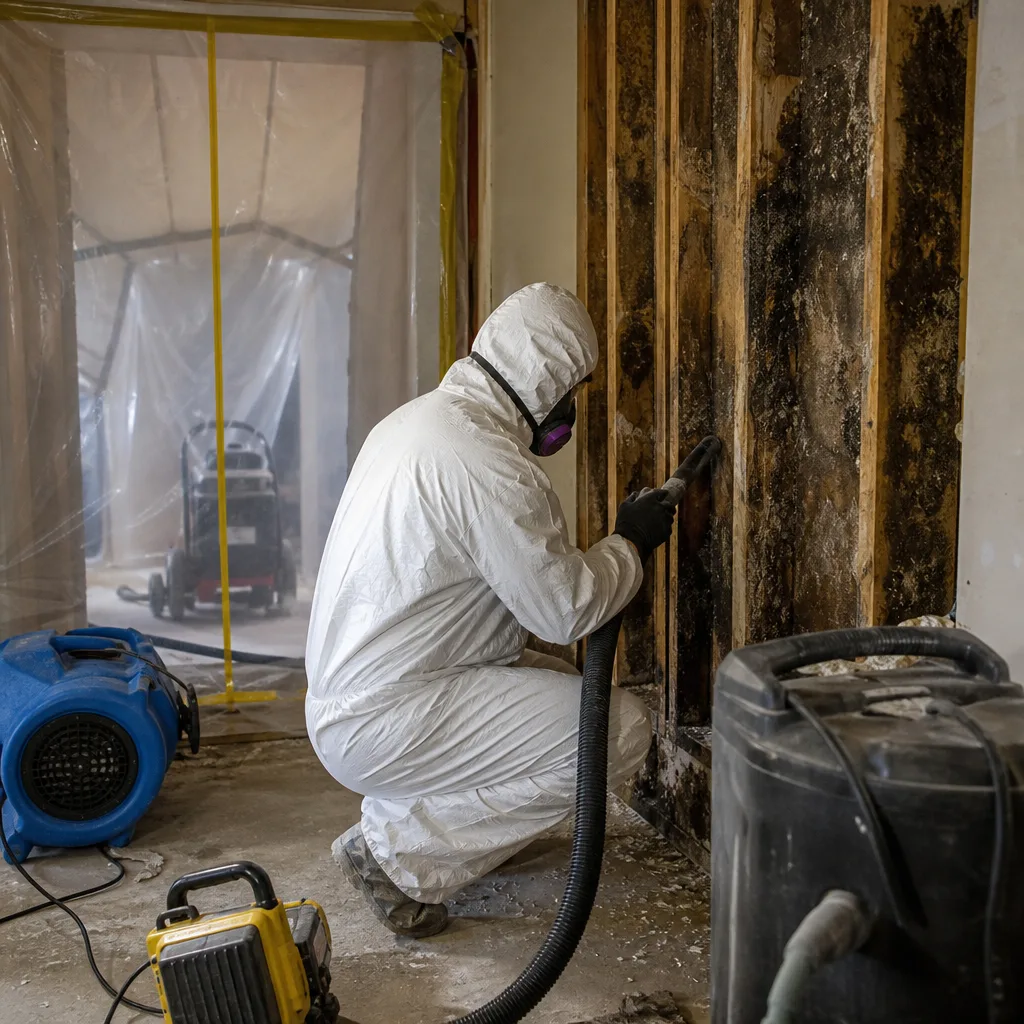
Soot removal on hard surfaces, HEPA vacuuming on soft goods, and antimicrobial application on smoke-damaged framing. We clean what can be cleaned and remove what can’t. In basements that took Category 3 floodwater before a fire, our Sewage Cleanup in Lyndhurst handles the sanitization, which is non-negotiable.
Odor Removal & Deodorization
Smoke odor lives in porous materials, so we treat it at the source, not with masking sprays. Thermal fogging, ozone treatments, and hydroxyl generators in empty homes, with hydroxyl used where people still live. The finish is air scrubbing with HEPA-filtered negative air machines.
Repairs & Restoration
This is where Floodline differs. We don’t hand you a phone number for a separate contractor. Our same crew handles our Reconstruction & Cleanup in Lyndhurst, repairing drywall, repainting, re-trimming, and rebuilding what the fire took. When we say done, we mean the 90-Day Done Right Promise is active and the job is complete.
Need Emergency Fire & Smoke Damage Restoration in Lyndhurst Now?
Crews minutes away, answering live 24 hours a day. The sooner we start, the less it costs.
Working With Your Insurance Company
We’ve built our documentation process around what adjusters actually need, because we work directly with them every week on Lyndhurst claims. That means photos taken before demolition, moisture readings logged with timestamps, and a line-item scope of work written in industry-standard language your carrier recognizes. For Riverside section homes where a fire traces back to floodwater reaching electrical systems, the documentation requirements get more specific. NFIP claims need elevation-certificate-aware scopes and drying logs that show structural drying happened before repairs. We provide that paper trail from the first hour. You never have to play messenger between your carrier and your restoration crew.
What We Provide Your Insurer
- Thorough documentation of the loss
- Photos of all damage, room by room
- Moisture readings and drying logs
- A detailed, line-item scope of work
- Direct coordination with your carrier
Built for Lyndhurst’s Loss Calendar
Lyndhurst doesn’t have a random fire season. It has a pattern. Late winter brings heating system failures as furnaces run hard through February and March, and those can produce puff-backs, soot-coated rooms, and the occasional dryer vent fire from lint buildup in tight basement laundry closets. Spring and fall bring nor’easters, and with them, Passaic River backflow into the Riverside section. When floodwater reaches a basement furnace igniter or an electrical panel, the result is often a small fire that follows a big water loss. That sequence, water first, fire second, defines how restoration has to be approached in Lyndhurst. You can’t treat the fire until the water is gone. Our crews are trained for exactly that order of operations. Summer brings the occasional kitchen fire and the faster burn pattern of older wiring in 1940s and 1950s construction under heavier air-conditioning loads. We plan our technicians and truck stock around this calendar because we live in it.
Fire & Smoke Damage Restoration Across Lyndhurst’s Neighborhoods
The Riverside section, the streets running west of Riverside Avenue down toward the Passaic River, is where we see the most complicated fire jobs. Those basements sit low, the water table is high, and when a furnace fire or electrical fire starts in a utility room that’s already damp, the restoration is a two-front cleanup. So many of those homes are mid-century ranches and Cape Cods with finished basements, and the damage tends to involve both smoke migration upward and moisture saturation downward.
North of Kingsland Avenue, toward the Rutherford border, the housing stock shifts to tighter two-family homes on smaller lots. Fires in one unit send smoke through shared wall cavities into the neighboring unit, which means the neighbor’s insurer gets involved and the scope of work has to account for two households. We’ve handled that coordination more times than we can count.
Over near Valley Brook Avenue and the eastern edge of town, closer to the Meadowlands, we see the same elevated water table but less river backflow. The fires there are more often electrical or kitchen-related, but the smoke odor tends to persist longer because the homes sit lower and hold humidity. Deodorization requires a longer dwell time and more aggressive air movement.
Along Ridge Road and the commercial corridors, the jobs are often mixed-use, a storefront below, apartments above, with smoke traveling through drop ceilings and shared duct runs. Those require faster containment and more careful air scrubbing because you’re working around other people’s living spaces while you restore one damaged unit.
Our Fire & Smoke Damage Restoration team knows these neighborhoods block by block, and we’ve worked them for years. When you call Floodline Restoration Co., the crew that shows up has already driven your street a hundred times.
Specialized Fire & Smoke Damage Restoration Services We Offer in Lyndhurst
Emergency Board-Up & Tarping
A fire that burns through a window frame or a section of roof leaves a Lyndhurst home open to the next rainstorm. That’s a serious problem when the next nor’easter is three days out. We board up and tarp the same day, using materials rated for wind exposure, and we check for active water intrusion before sealing anything. On Riverside section homes, that check includes looking for seepage from the high Meadowlands water table. Boarding up a home without that check stores smoke-damaged contents in an environment that keeps feeding the odor problem.
Smoke & Soot Removal
Dry soot, oily soot, protein residue: each requires a different approach and a different cleaning agent. In Lyndhurst’s older homes, we’re often cleaning soot off plaster walls, not modern drywall, which changes the technique. Scrub too hard and you lose the original finish. We clean what can be restored and tell you honestly when something needs to come out instead. No glossing over it.
Odor Removal & Deodorization
Smoke odor in a Lyndhurst house with a damp basement is a persistence problem. The odor binds to moist porous surfaces and keeps re-emitting for weeks if you only treat the air. We treat walls, insulation, ductwork, and framing, then run hydroxyl generators and negative air machines until the air clears. In empty homes, thermal fogging reaches the spaces air movement misses. We don’t mask smoke odor. We remove it.
Contents Cleaning & Pack-Out
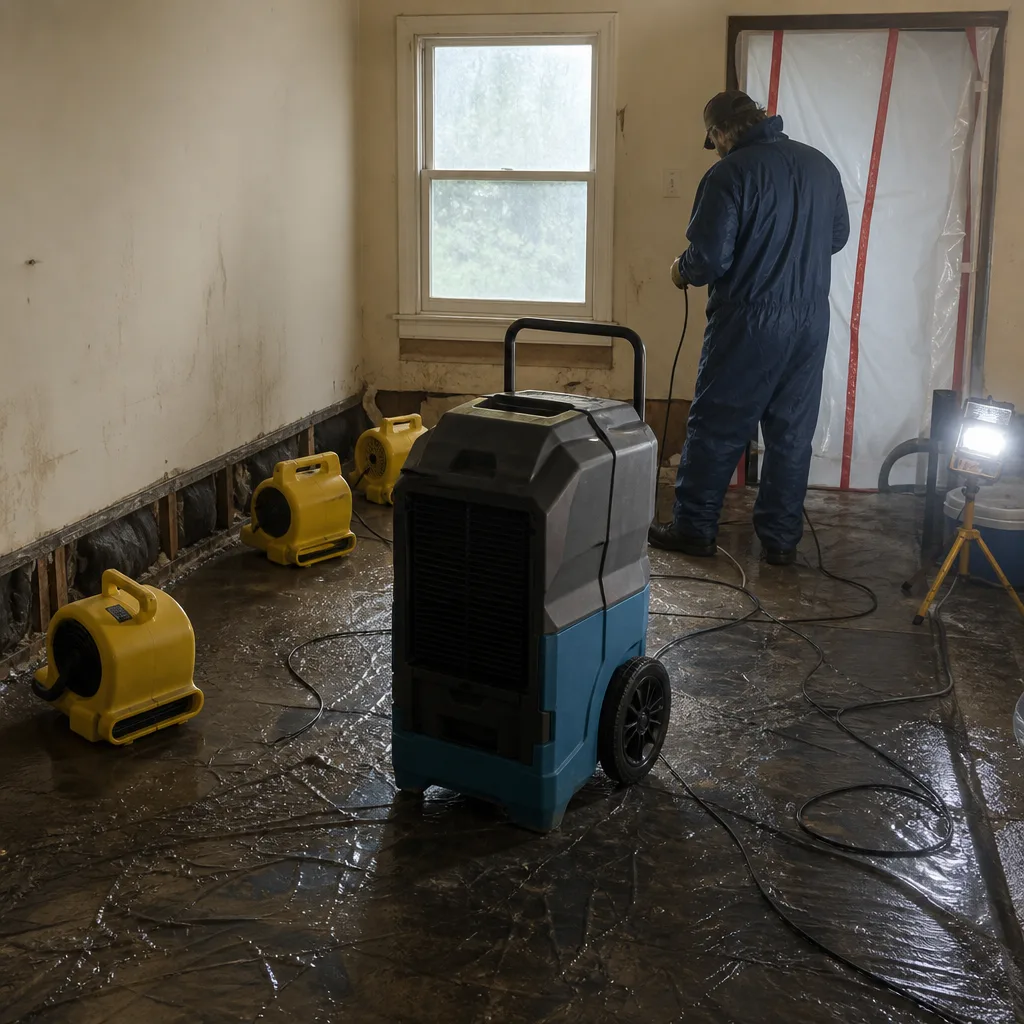
When fire and water damage overlap, contents need to be triaged fast. We inventory, pack out, and clean salvageable items at a controlled facility, and we document everything for your claim with photos and itemized lists. For Lyndhurst homeowners with both flood and fire damage, that documentation is what keeps the claim from stalling with the carrier. We’ve seen adjusters move faster when the paper trail is undeniable.
What happens when you call
- 1
A real person answersNo phone trees - you reach a local pro.
- 2
You get an upfront price rangeHonest numbers before anyone is dispatched.
- 3
A background-checked tech heads outLicensed & insured, dispatched right away.
- 4
You approve before work beginsNothing starts until you say go.
Fire & Smoke Damage Restoration Costs in Lyndhurst, NJ
A straight soot cleanup on a single room in Lyndhurst, no water involved, typically runs $800 to $2,500 depending on how far the soot migrated. Full smoke damage restoration across a 1,000-square-foot ranch, including odor treatment and repainting, usually lands between $4,000 and $12,000. When a fire involves water extraction and structural drying first, which is common in Riverside section basements where floodwater preceded the fire, the combined scope typically starts around $6,000 and can exceed $25,000 for significant rebuilds. The variables are soot type, square footage affected, water volume, and whether contents need pack-out and cleaning. Insurance typically covers most or all of these costs when the cause is a covered peril, and we bill your carrier directly. The free visual inspection is how we give you a firm number instead of a guess. Call (551) 373-5246 and we’ll walk the property with you.
We Also Serve Cities Near Lyndhurst
Our Lyndhurst-based crews serve the surrounding Bergen County towns daily. That includes Fire & Smoke Damage Restoration in Lyndhurst plus North Arlington, Rutherford, East Rutherford, and Carlstadt. Same response times, same certified technicians, same written guarantee.
Lyndhurst Fire & Smoke Damage Restoration Questions, Answered
Why do fire and smoke damage restoration jobs in the Riverside section often start with water extraction?
Because many Lyndhurst fires near the Passaic River begin when floodwater reaches electrical panels, furnace igniters, or other energized equipment in low-lying basements. The water causes the fire, then firefighting adds more water. Before any soot or smoke work can happen, that water has to be extracted and the structure dried to a measurable standard. Otherwise the soot and odor keep reactivating in the wet materials.
How do Lyndhurst building codes affect emergency board-up after a fire?
Lyndhurst’s dense housing stock and the borough’s proximity to the Meadowlands mean wind and water intrusion are both concerns after a fire opens a wall or roof. Board-up has to be wind-rated and installed to hold through a nor’easter, not just a calm afternoon. We also check for active water seepage before sealing a basement opening, because closing up a wet cavity inside a boarded home creates conditions that make smoke odor and mold both worse.
What is the risk of mold after smoke and soot removal in a Lyndhurst basement?
The risk is real and it’s tied directly to the water table. Basements in Lyndhurst, especially in the Riverside section and the streets near the Meadowlands, stay damp even when there’s no flood event. If soot and firefighting water are removed but the underlying moisture isn’t, mold establishes within 48 to 72 hours in the same materials you just cleaned. We dry to a standard, not a timeline, and we document those readings before we call the job done.
Can you handle contents cleaning and pack-out for homes with both flood and fire damage in Lyndhurst?
Yes. We inventory everything, pack out salvageable contents, and clean them at a controlled facility while the home itself is being dried and restored. For claims where floodwater caused the fire, the documentation from that pack-out matters as much as the cleaning itself. Insurers and NFIP adjusters expect a chain of custody and a clear list of what was saved, what was cleaned, and what was lost.
Do I need a restoration company that knows how to document for NFIP claims after a fire in Lyndhurst?
If the fire traces back to floodwater in the Riverside section, yes. NFIP claims require elevation-certificate-aware documentation and drying logs that show structural drying before repairs. A contractor who treats it as a simple fire job won’t produce the paper trail FEMA and your carrier expect. We do it on every job, whether the claim involves NFIP or not.
How fast can you actually get to a Lyndhurst address after a fire?
Our commitment is roughly 45 minutes to any address in Lyndhurst. We keep crews staged locally and our dispatch board tracks truck locations in real time. The person who answers your call tells you who’s coming and when they’ll arrive. That’s true at noon and at 2 in the morning.
Will insurance cover fire and smoke damage restoration in Lyndhurst?
Most homeowners policies cover fire and smoke damage from sudden and accidental events. The nuances matter in Lyndhurst because many fires start as flood events, and flood damage typically falls under a separate NFIP policy. We work with both types of carriers, document everything from the first hour, and bill directly so you’re not out-of-pocket while the claim processes.
Can we stay in the home during smoke odor removal and deodorization?
It depends on the extent. Light soot cleanup in one room often allows you to stay. Heavy smoke damage that requires thermal fogging or ozone treatment usually means being out of the house for a day or two. We’ll tell you straight before we start, and we won’t run equipment in occupied spaces that shouldn’t be occupied.
The Riverside Section Reality: Water First, Fire Second
Here’s the truth about fire restoration in Lyndhurst that a national franchise won’t tell you. In the Riverside section and the low streets near the Passaic River, a large share of our fire jobs don’t start with fire at all. They start with water. Floodwater rises into a basement utility room, reaches a furnace igniter or an electrical panel, and short-circuits it into a fire. By the time we arrive, the homeowner has both a flood loss and a fire loss in the same square footage, and the insurance picture is split between a standard homeowners policy and an NFIP flood policy.
After a nor’easter pushed Passaic River backflow into a Riverside section Cape Cod on Stuyvesant Avenue, our crew found the basement furnace and panel submerged in Category 3 water. We performed emergency water extraction, structural drying with Dri-Eaz dehumidifiers and air movers, then conducted moisture mapping and readings before verifying the electrical and gas lines were safe. Only then did we begin fire and smoke damage restoration, removing soot-stained drywall and running antimicrobial treatment on the framing, while documenting every step for the homeowner’s FEMA-compliant scope of work.
That sequence matters. Skip the drying and go straight to demolition, and you trap moisture behind new drywall where mold takes hold while the paint is still wet. Skip the documentation and the carrier questions the whole restoration claim. Skip containment and smoke odor spreads through already-damp wall cavities into rooms the fire never touched. This is why Lyndhurst homeowners who’ve been through it once don’t call an out-of-area storm-chaser the second time. They call a crew that knows the difference between a fire job and a flood-and-fire job, because in this town, they’re often the same job.
Restoration contractors who treat Lyndhurst fire jobs as standalone events usually fail in one of two ways. Either they never establish proper containment, so soot particles travel through the house during demolition and settle on clean surfaces in every room. Or they pack out smoke-damaged contents into a storage environment that’s still wet from the same flood that caused the fire, so the items come back weeks later with the same soot smell plus a new mildew smell. The fix is procedural: verify structural drying, establish negative air containment before cutting into walls, and only pack out contents to a dry, controlled environment. That’s standard on any Lyndhurst Biohazard & Crime Scene Cleanup we perform. We do all three on every job.
There’s a second failure mode that hits Lyndhurst specifically. Contractors unfamiliar with NFIP claim requirements in Riverside skip elevation-certificate-aware documentation and drying logs. The homeowner then can’t substantiate their fire restoration scope with FEMA and their flood insurer, and the claim stalls or shrinks. We’ve rebuilt the paper trail on jobs where another company started and walked away. It’s slower than doing it right the first time, and it costs the homeowner more than it should have.
Serving Lyndhurst, NJ - Our Local Coverage Area
We’re based in the Lyndhurst area and know this community well. Use the map below to see our service coverage - if you’re nearby, we can almost certainly help.
Certified, Uniformed, and Accountable
Every technician who walks into a Lyndhurst home wears a Floodline Restoration Co. uniform and carries a badge. They’re background-checked, trained to IICRC, RIA, and IFA standards, and they answer to Curt Bowman, the man who founded this company in 2010 and still runs it. The equipment on your job won’t be a rental-store mystery. We run Dri-Eaz dehumidifiers, Phoenix air movers, and Phoenix thermal imaging as standard. The 90-Day Done Right Promise, our written guarantee, covers every job we do in Lyndhurst. If it’s not done right, we make it right. No arguing, no paperwork battles. That promise is named the Keystone Standard internally, and it’s tied to the K.E.Y.S. code we work by: Krafted right, Every time, Your home first, Standing behind it.
We also keep our pricing honest. A square deal means no surprises on the bill. The homeowner never plays messenger between Floodline and the carrier. And the standing offers we run, $50 Off Any Repair Over $250, the $89 Seasonal Tune-Up, and the Senior & Veteran 5% Discount, are always available to Lyndhurst residents. Ask about them when you call.
Fire and smoke damage in Lyndhurst is not a simple cleanup job. It’s a floodplain-aware, documentation-heavy, water-table-sensitive restoration project. The crew that treats it that way is the crew that finishes it right. Call us at (551) 373-5246 for a free estimate, and we’ll walk the property with you before you commit to anything.
Written by Curt Bowman, Owner at Floodline Restoration Co., serving Lyndhurst with certified fire and smoke restoration since 2010.