
Free visual inspection and a written scope of work before any mitigation begins - photos, moisture readings, and drying logs go in your claim file
The scope we write is the scope we bill. Anything new gets shown to you, in writing, before we touch it.
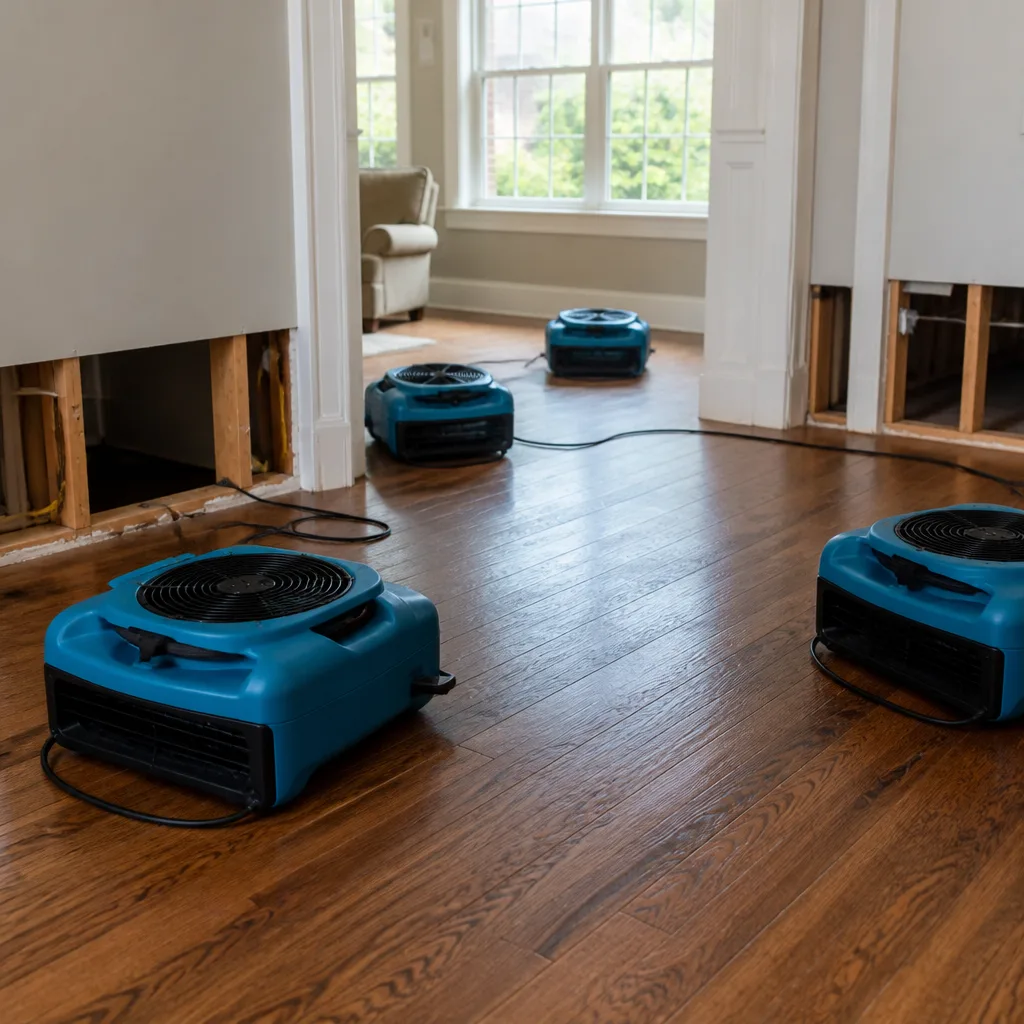
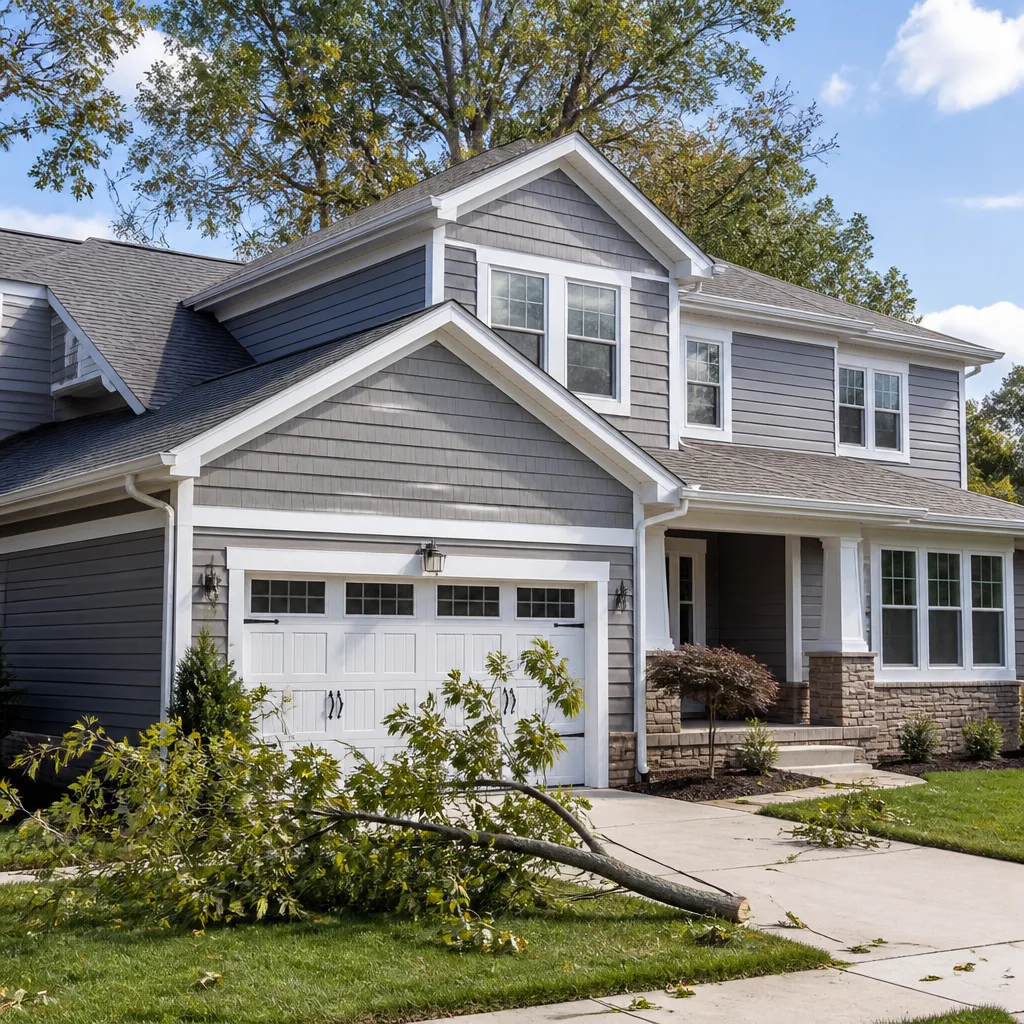
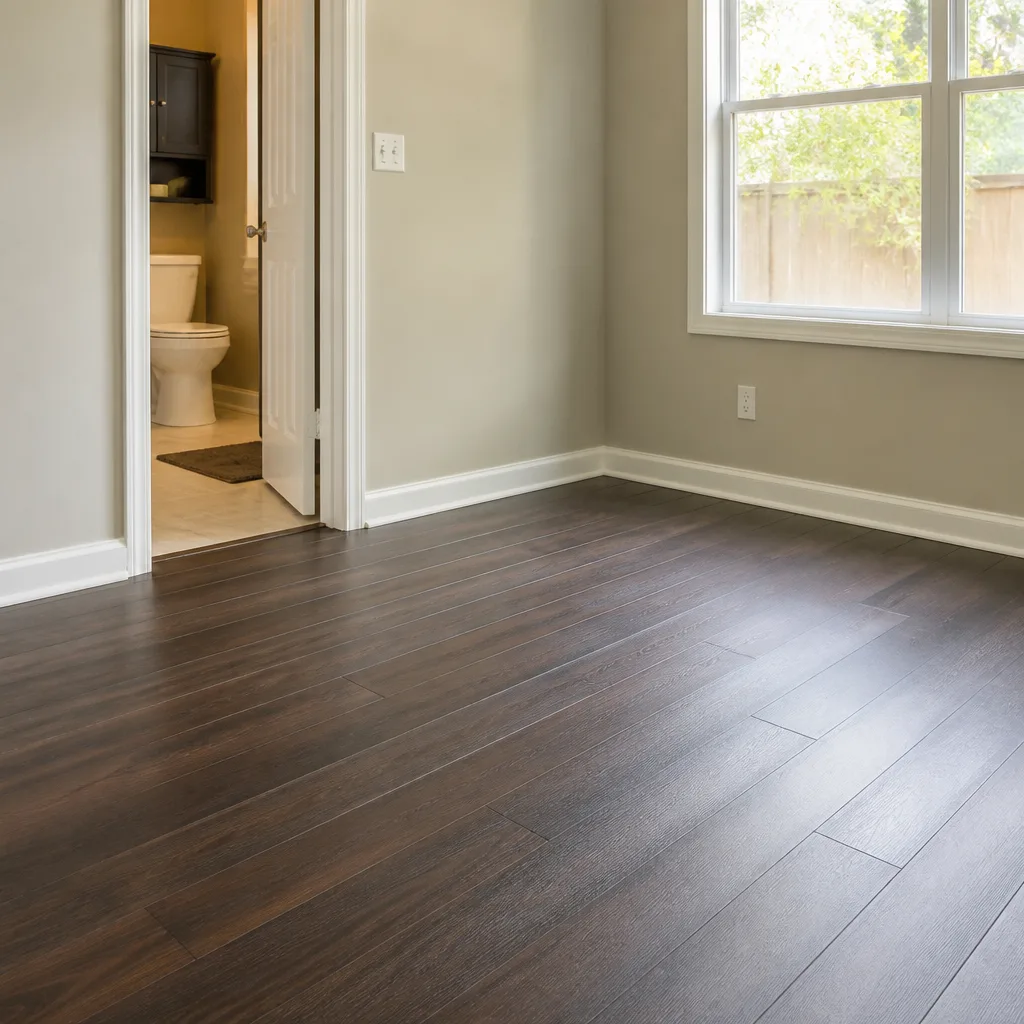
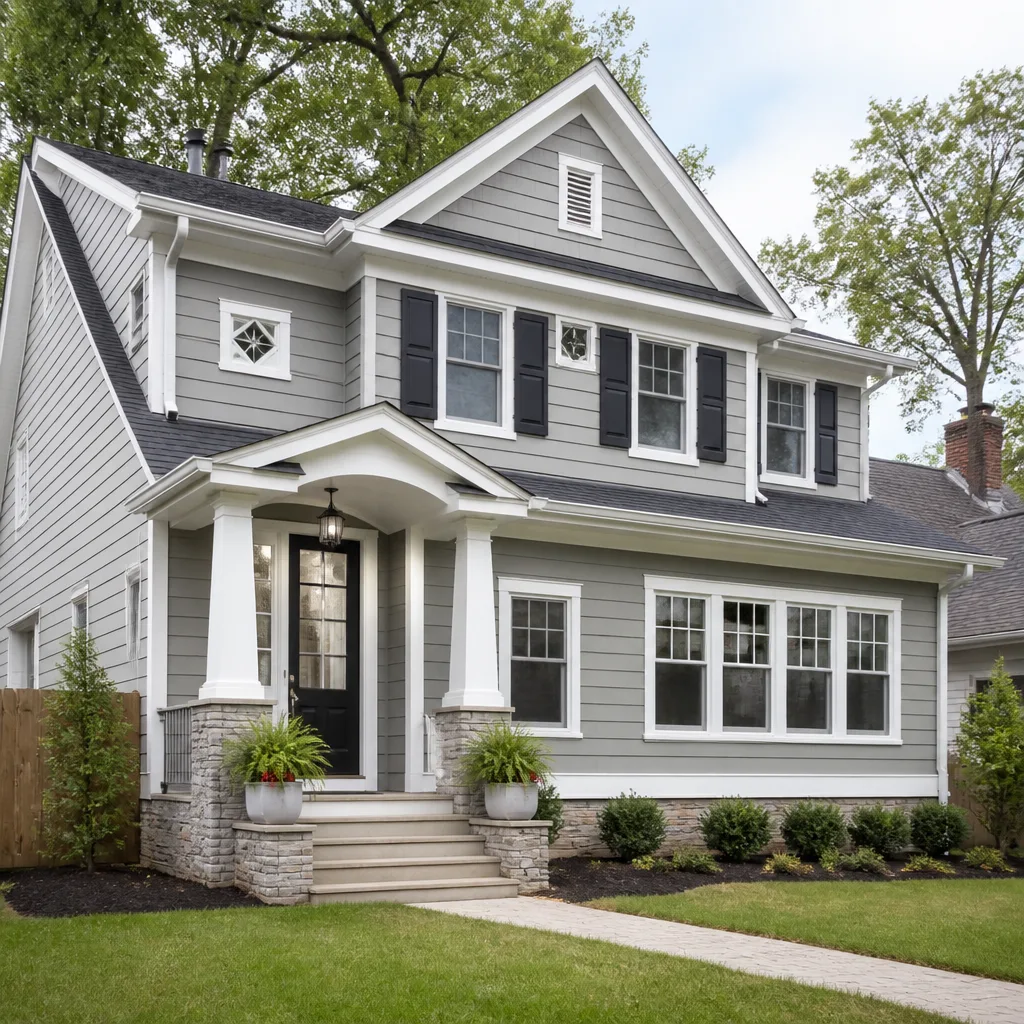
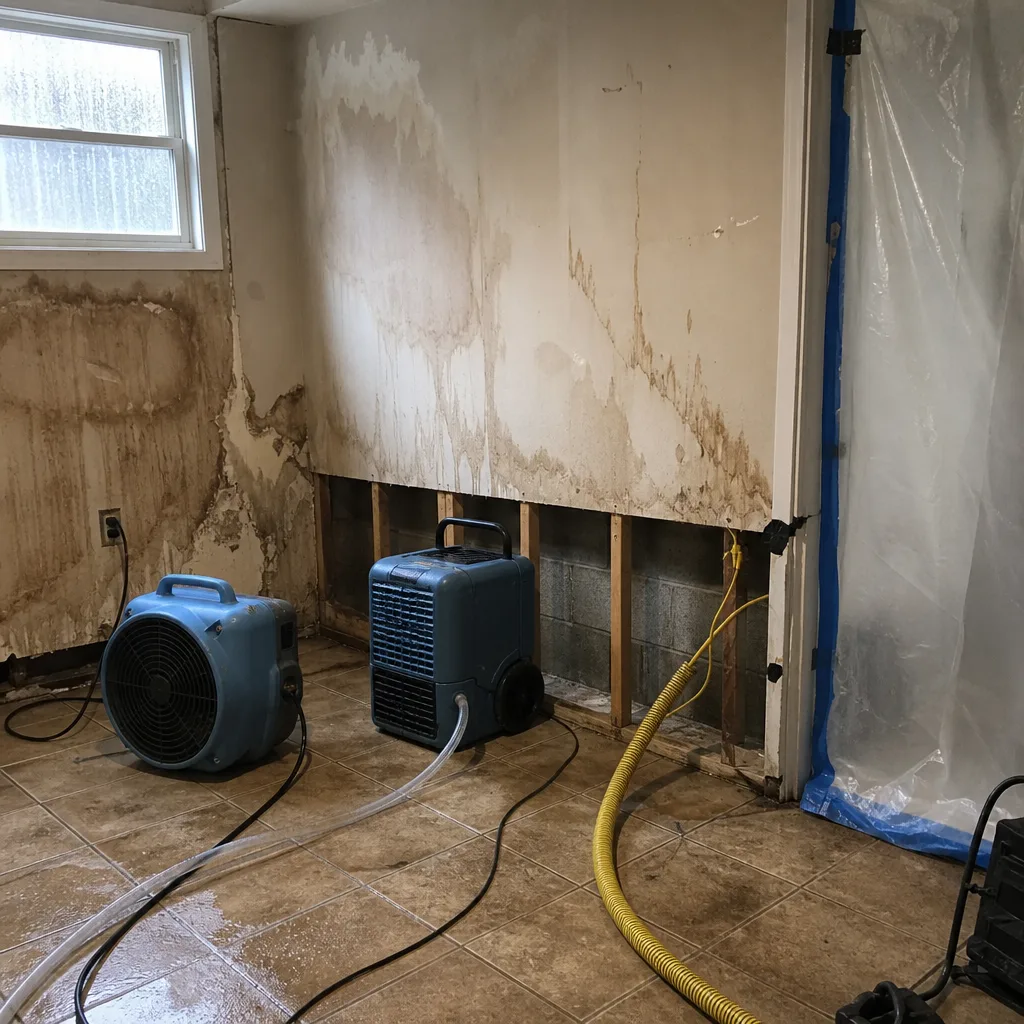 Before
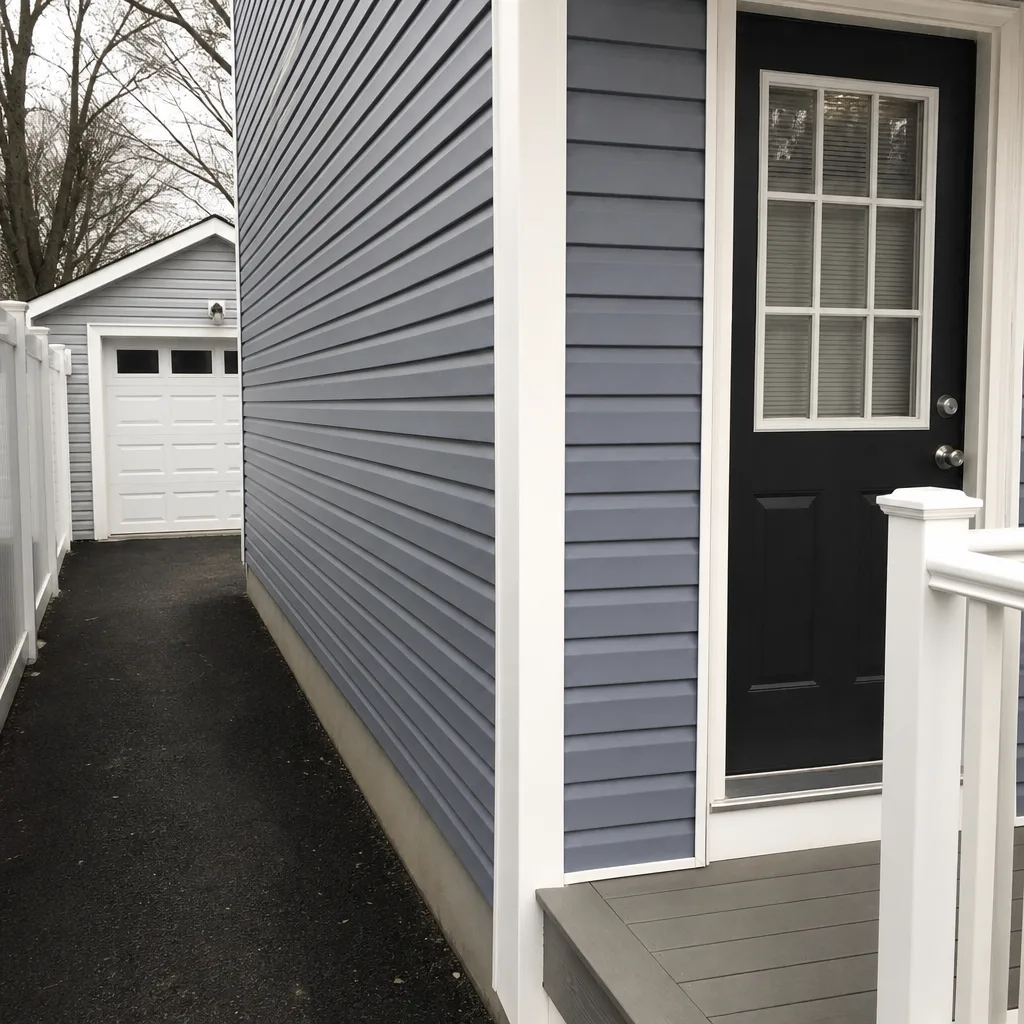 After
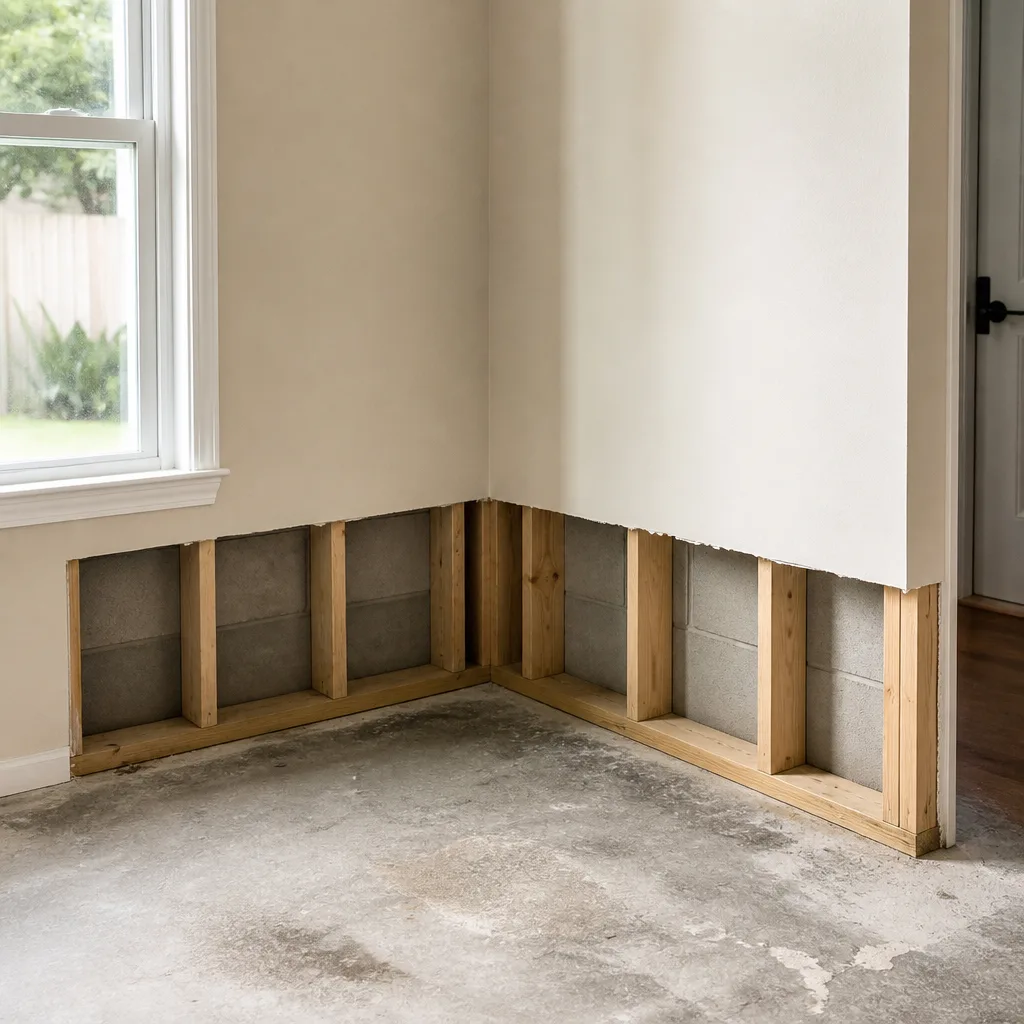
After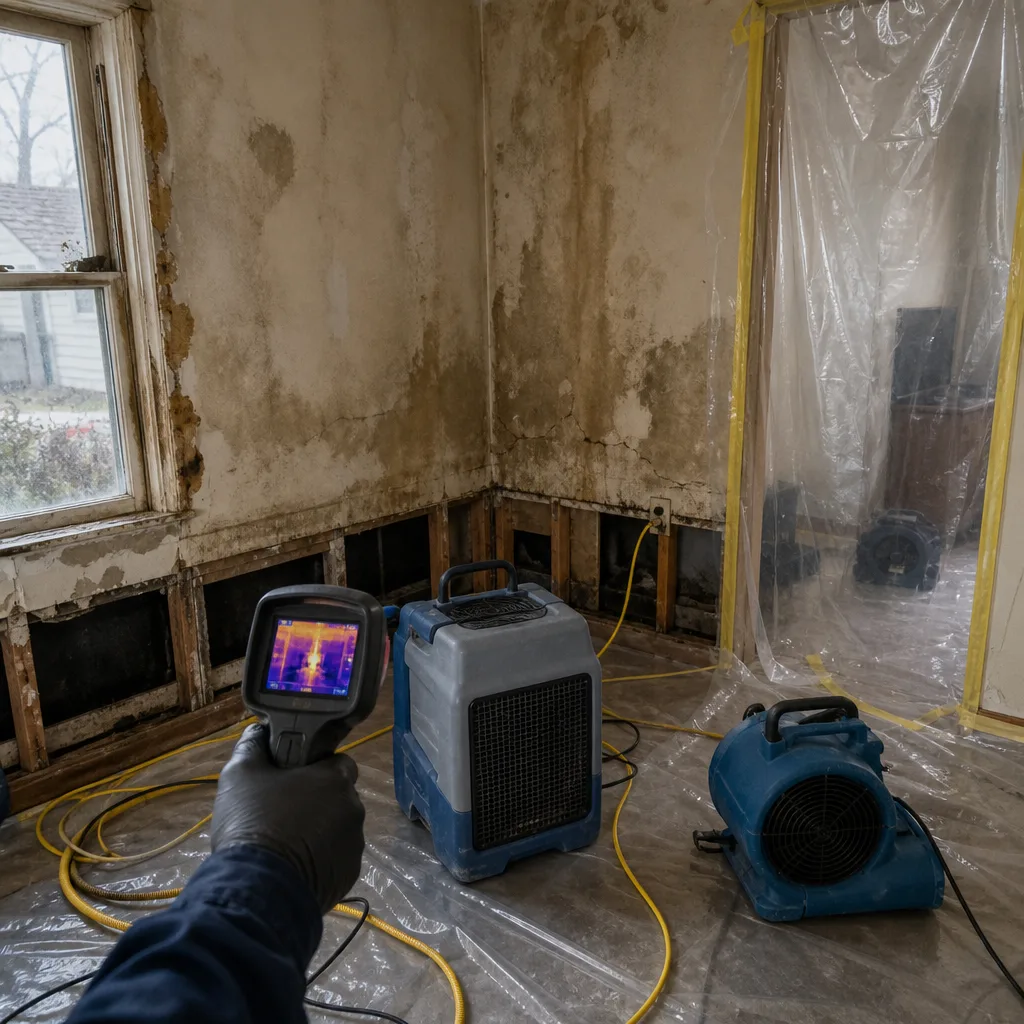 Before
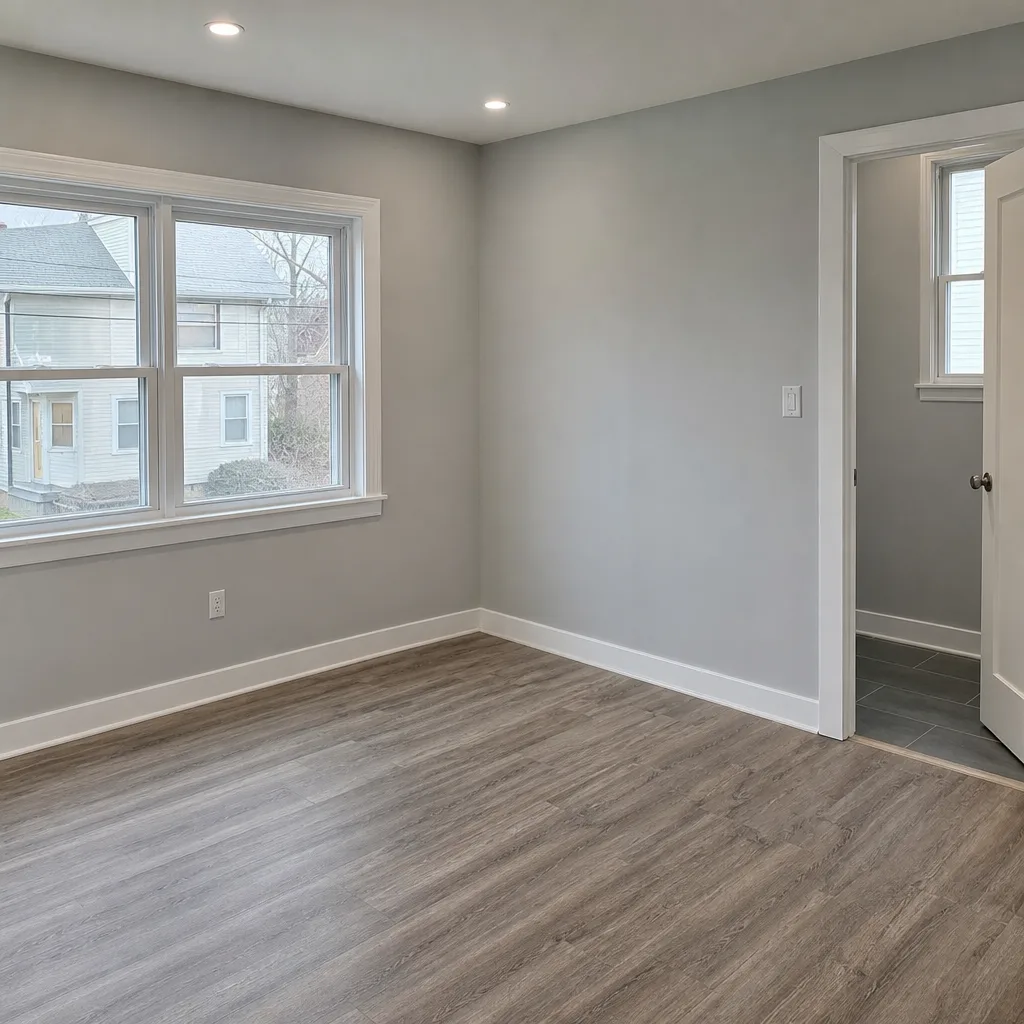 After
After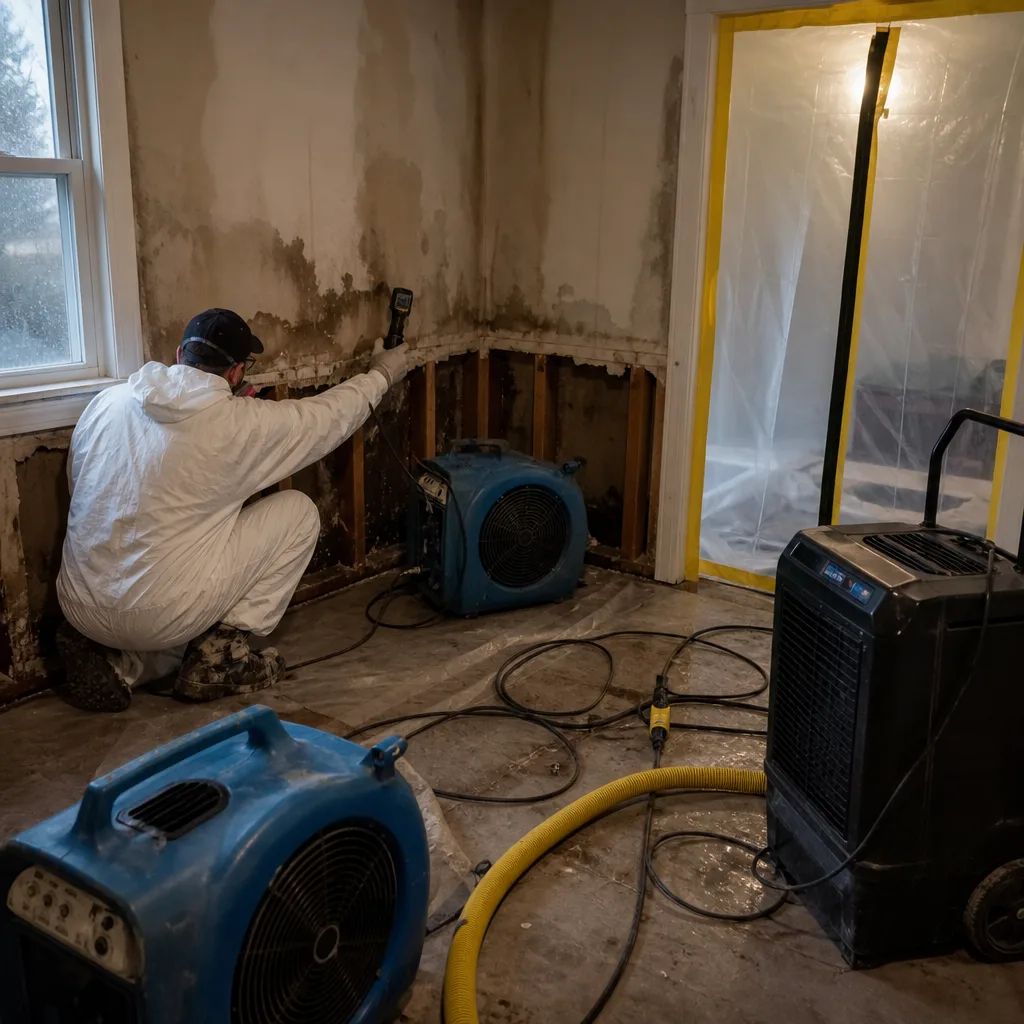 Before
 After
After24/7 Emergency Fire & Smoke Damage Restoration in West New York
If you’re dealing with fire or smoke damage in West New York right now, call (551) 373-5246 and you’ll reach a live dispatcher, not a recording. We answer around the clock, every day of the year, and we’ll get a certified crew dispatched to your building within 45 minutes of that call. Smoke moves fast through shared wall cavities and duct penetrations, and every hour it sits means soot works deeper into drywall, insulation, and your neighbors’ units. The first hour matters more than most people realize. After a kitchen fire in a West New York walk-up, the difference between a controlled cleanup and a full multi-unit restoration usually comes down to how quickly containment is set.
Understanding Fire & Smoke Damage Restoration Severity in West New York Properties
West New York’s building stock is dominated by pre-WWII brick tenements and low-rise apartment buildings with party walls shared between structures. That changes everything about how fire and smoke damage behaves. Soot residue in these buildings isn’t just on visible surfaces; it migrates through wall cavities, original cast-iron plumbing chases, and unprotected floor penetrations that were never sealed when the building went up a century ago. We classify soot residue into distinct types: dry protein soot from kitchen fires, oily fuel soot from furnace puff-backs, and wet chemical soot from burning synthetics. Each requires a different cleaning agent and mechanical removal method. Smoke migration in a multi-story West New York building typically travels upward and laterally along pipe chases and electrical conduits. That means a third-floor fire can deposit odor-bearing particulate on the fifth floor and in adjacent apartments. Our crews assess the full vertical column of units, not just the one where the fire started, because that’s where the hidden damage lives. The dense row-building configuration also means limited exterior wall access, so we rely on interior containment systems like negative air pressure, HEPA air movers, and hydroxyl generators rather than opening multiple exterior faces.
Why West New York Property Owners Choose Floodline Restoration Co.
- 45-minute response commitment. We dispatch crews the moment you call, and we’re inside West New York within 45 minutes. Smoke doesn’t wait, and neither do we.
- Live answer, 24 hours a day. A real person picks up at (551) 373-5246 at two in the morning. Not a phone tree. Not a callback service.
- IICRC-certified technicians. Our crews hold FSRT and WRT certifications and train to RIA and IFA standards. Background-checked and uniformed on every job.
- Free visual inspection. Before we write a single line-item, we walk the affected units and show you exactly what we’re seeing. No obligation, no pressure.
- Direct insurance billing. We bill your carrier directly and talk to your adjuster ourselves. You never play messenger between us and your insurer.
- One team from extraction to reconstruction. We don’t hand your building off to a subcontractor after the cleanup. The same Floodline crew that sets containment stays through structural fire repair and finish work.
Our Fire & Smoke Damage Restoration Process
Inspection & Assessment
We walk every affected unit plus the units above, below, and adjacent. Thermal imaging and moisture meters map the full spread of heat, soot, and water from firefighting. We document everything with photos before touching anything.
Stabilization & Emergency Board-Up
Before cleanup starts, we secure the structure. Board-up and tarping protect the interior from weather and unauthorized entry. In West New York, this often means working through narrow alley entrances and coordinating with building management for freight access.
Soot & Residue Removal
We use dry chemical sponges for initial soot removal, then HEPA air movers and negative air pressure to scrub airborne particulate. Dri-Eaz dehumidifiers pull moisture from firefighting water out of wall cavities and subfloor systems. On oily residues, we move to specialized wet-cleaning agents before mechanical removal.
Cleaning & Sanitization
Every affected surface gets cleaned with the appropriate agent for its soot type. We sanitize with professional-grade antimicrobials where moisture contacted surfaces. Contents are inventoried, photographed, and either pack-out or cleaned in place depending on exposure.
Odor Removal & Deodorization
This is where dense multi-family buildings get tricky. Odor hides in party-wall voids and plumbing chases. We deploy hydroxyl generators and ozone treatments in contained zones, then verify with post-treatment air sampling so a neighboring unit doesn’t complain of smoke smell three weeks later.
Structural Fire Repair & Restoration
We rebuild what the fire took. Drywall, studs, subfloor, electrical, finish carpentry. Our reconstruction team works from the same moisture map and scope that our remediation crew used, so nothing falls between two contractors.
Need Emergency Fire & Smoke Damage Restoration in West New York Now?
Crews minutes away, answering live 24 hours a day. The sooner we start, the less it costs.
Working With Your Insurance Company
Fire claims in West New York multi-family buildings get complicated quickly when multiple units and multiple carriers are involved. We handle that so you don’t have to. From the first hour on site, our team documents every square foot of loss with photos, moisture readings, and a line-item scope that matches industry-standard estimating software your adjuster already knows. We talk directly to your carrier’s adjuster, walk them through our findings, and bill them directly. You get a copy of everything. If your claim involves a neighboring unit or the building’s master policy, we coordinate with that carrier too. For property owners and landlords, that means one restoration company managing the entire vertical column of affected units instead of three different vendors arguing over scope. Curt Bowman founded Floodline around the principle that the homeowner should never be the one playing messenger between contractors and insurance companies. That’s still how we run.
What We Provide Your Insurer
- Thorough documentation of the loss
- Photos of all damage, room by room
- Moisture readings and drying logs
- A detailed, line-item scope of work
- Direct coordination with your carrier
Built for West New York’s Loss Calendar
West New York sees fire and smoke events through a seasonal pattern that follows the town’s density and building age. Winter brings space-heater fires in older tenements, especially in units where original steam radiators were removed decades ago and residents compensate with plug-in units. Frozen pipes burst in exterior walls that sit only inches from the Hudson River’s cold air, and when the water hits live electrical, the damage compounds. Spring thaw on flat and minimally pitched roofs creates chronic ceiling intrusion that saturates wiring and forces us into smoke-adjacent electrical assessment. Summer thunderstorms dump water through unmaintained parapet copings on the older inland blocks along the Palisades escarpment, hitting already stressed electrical systems in pre-WWII brick walk-ups. Nor’easters testing ground-floor and basement units along the waterfront create the same secondary conditions we see post-fire: moisture in concealed cavities, smoke-odor migration through shared walls, and electrical systems that need careful evaluation before re-energizing. Lee built West New York too dense for amateur protocols, which is why our crews train specifically for the access constraints and shared-structure realities of this town.
Fire & Smoke Damage Restoration Across West New York’s Neighborhoods
The neighborhoods along Bergenline Avenue, the commercial spine of West New York, present our most common profile: 5- and 6-story walk-ups with cast-iron soil stacks running through multiple units, narrow storefront widths below apartments, and alley-load access that backs onto parked cars. A fire in one of these buildings means deploying equipment through a service alley that might be four feet wide, then hauling it up stairs because there’s no freight elevator. The residential blocks west of Park Avenue trend older and more tightly packed, with party walls that transfer smoke laterally between adjacent structures even when the fire never breaches the wall itself. Closer to Boulevard East, the post-2000s high-rise towers along the Hudson waterfront require large-loss commercial protocols: complex HVAC systems, shared mechanical floors, and property management coordination. The blocks between 54th Street and 60th Street show the town’s full mix, from original pre-war tenements to mid-century low-rises. We know the response routes, the tight turnarounds, and which blocks double-park worst on Bergenline during the day. That local knowledge changes how fast we get equipment on the ground.
Specialized Fire & Smoke Damage Restoration Services We Offer in West New York
Smoke & Soot Removal
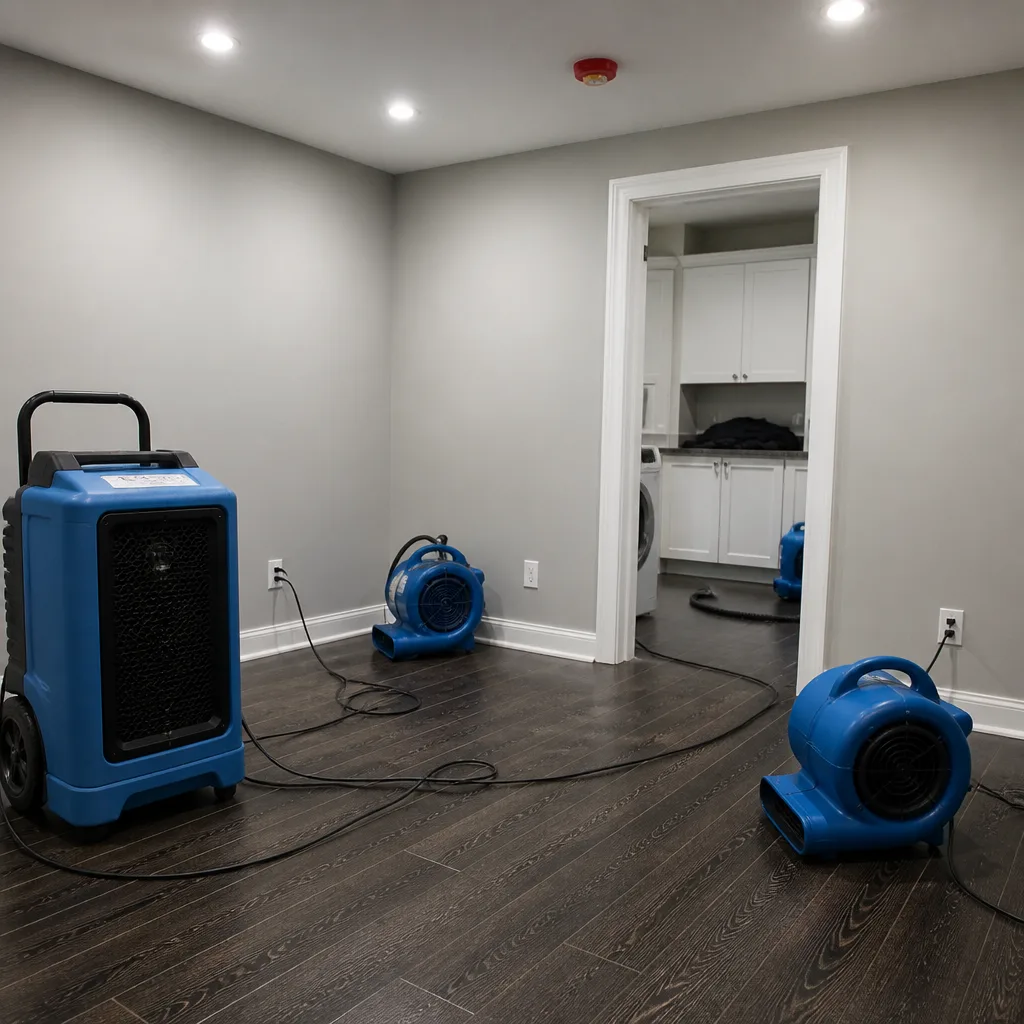
In West New York’s shared-wall buildings, soot removal is never a one-unit job. We clean visible soot from walls, ceilings, and fixtures, then trace migration through wall cavities, electrical chases, and pipe penetrations. The soot type dictates the method: dry sponging for protein soot, wet cleaning for oily fuel soot, and mechanical removal for heavy deposits. Our crews work in contained zones so we don’t spread particulates into neighboring units while cleaning.
Odor Removal & Deodorization
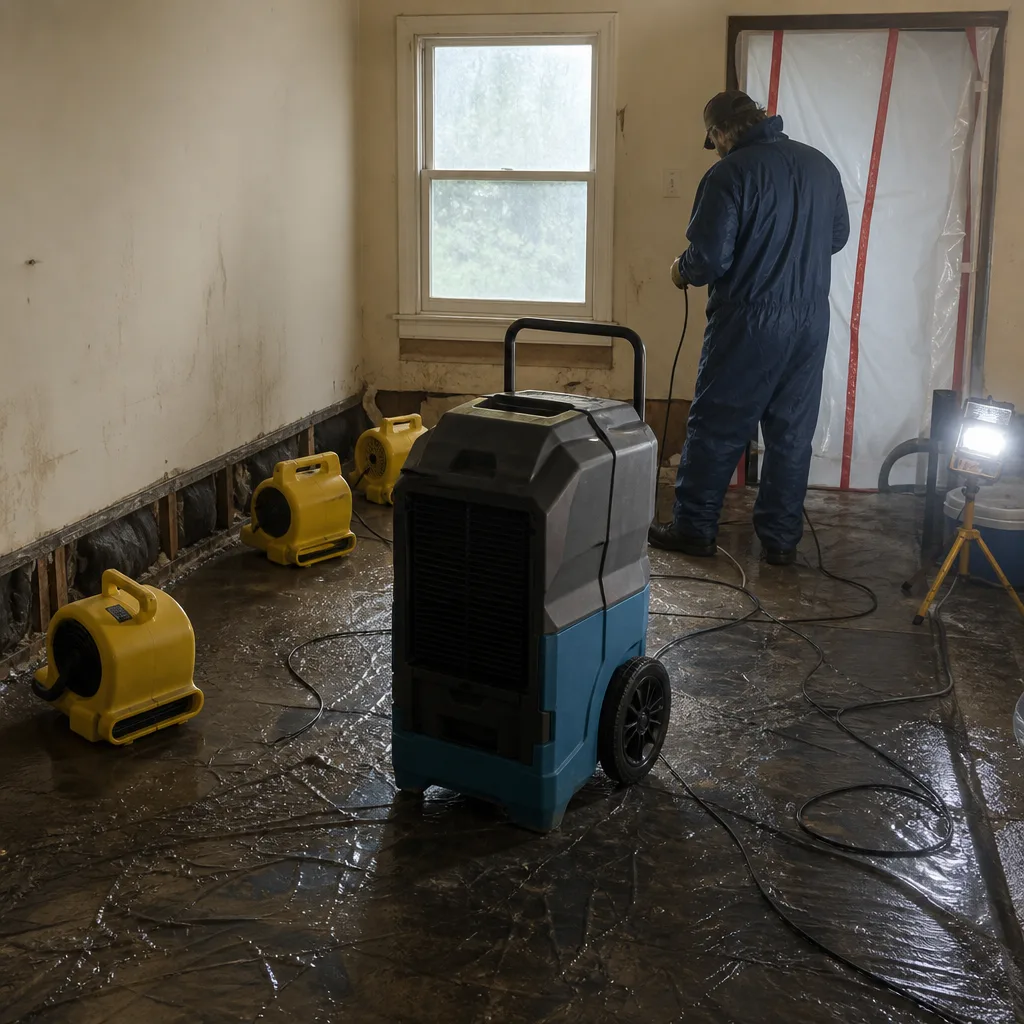
Smoke odor in a multi-family building hides in places a standard deodorization misses: party-wall voids, column wraps, behind radiators, inside original plaster crown moldings. We use hydroxyl generators and ozone treatments in carefully contained areas, then run post-treatment odor testing to confirm the smell is gone. For West New York buildings where cast-iron plumbing chases connect multiple units, we treat the full vertical stack because odor travels through those chases within hours.
Emergency Board-Up & Tarping
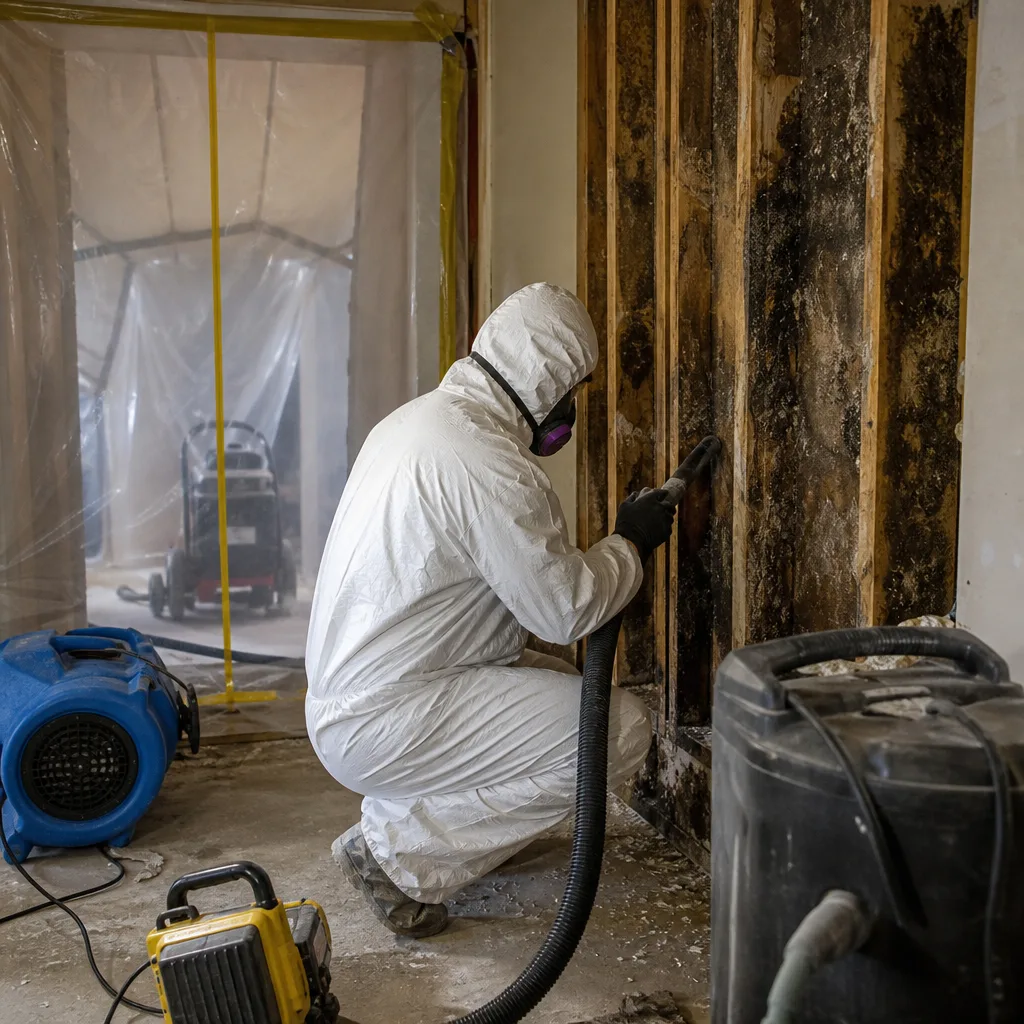
A fire-damaged window on a fourth-floor walk-up off Bergenline Avenue isn’t secured with a standard plywood sheet and a ladder. Our board-up crews work from staging where accessible, or set interior bracing where the exterior face can’t be reached from the street. In West New York’s tight alley configurations, roof tarping often requires coordinating with the neighboring building for access. We handle that coordination so the building is secured the same day, not three days later.
Fire Damage Cleanup
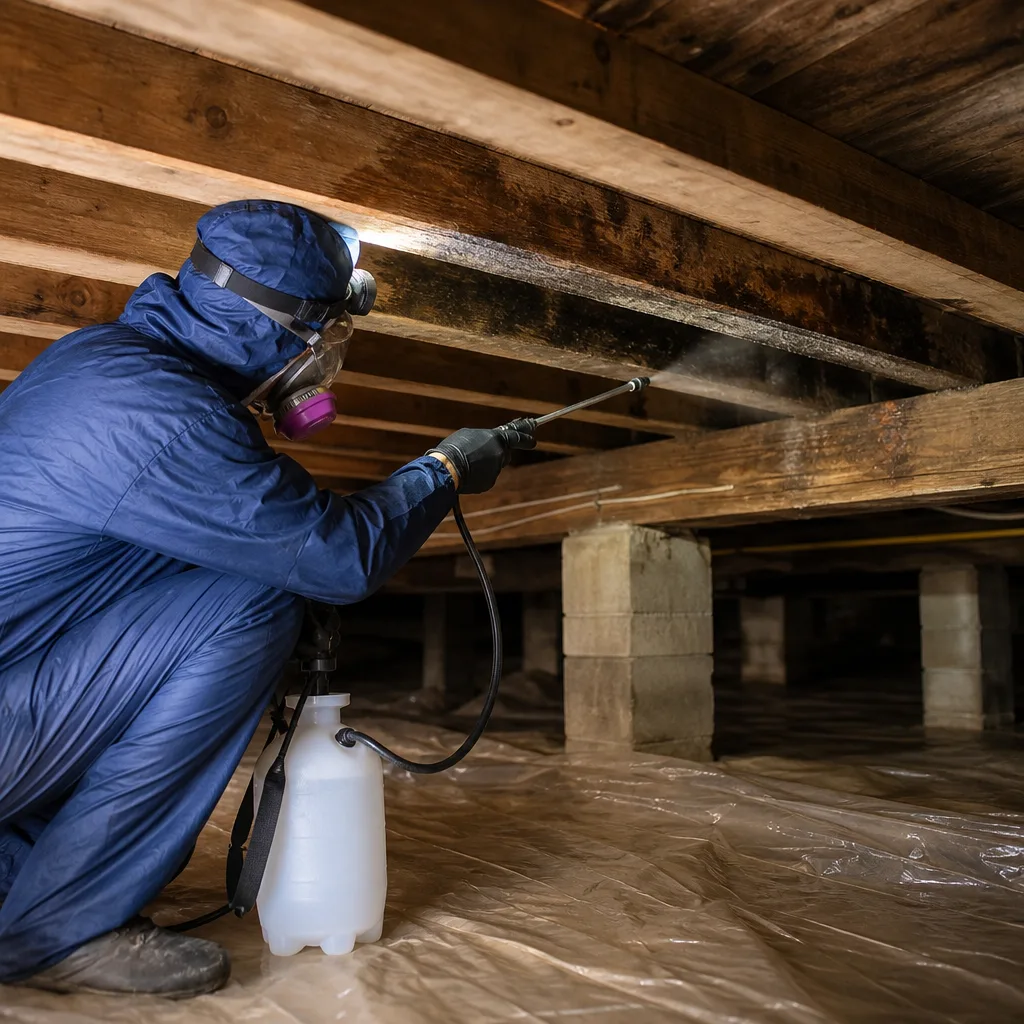
Fire damage cleanup in West New York means removing charred materials, extracting water from firefighting, and stabilizing the structure before secondary damage sets in. We carry out debris removal carefully in occupied buildings, using chute systems or contained stairwell routes so we’re not dragging sooted material through common hallways that neighboring tenants use. The goal is to make the affected units safe and airtight while we move into the deeper restoration phases.
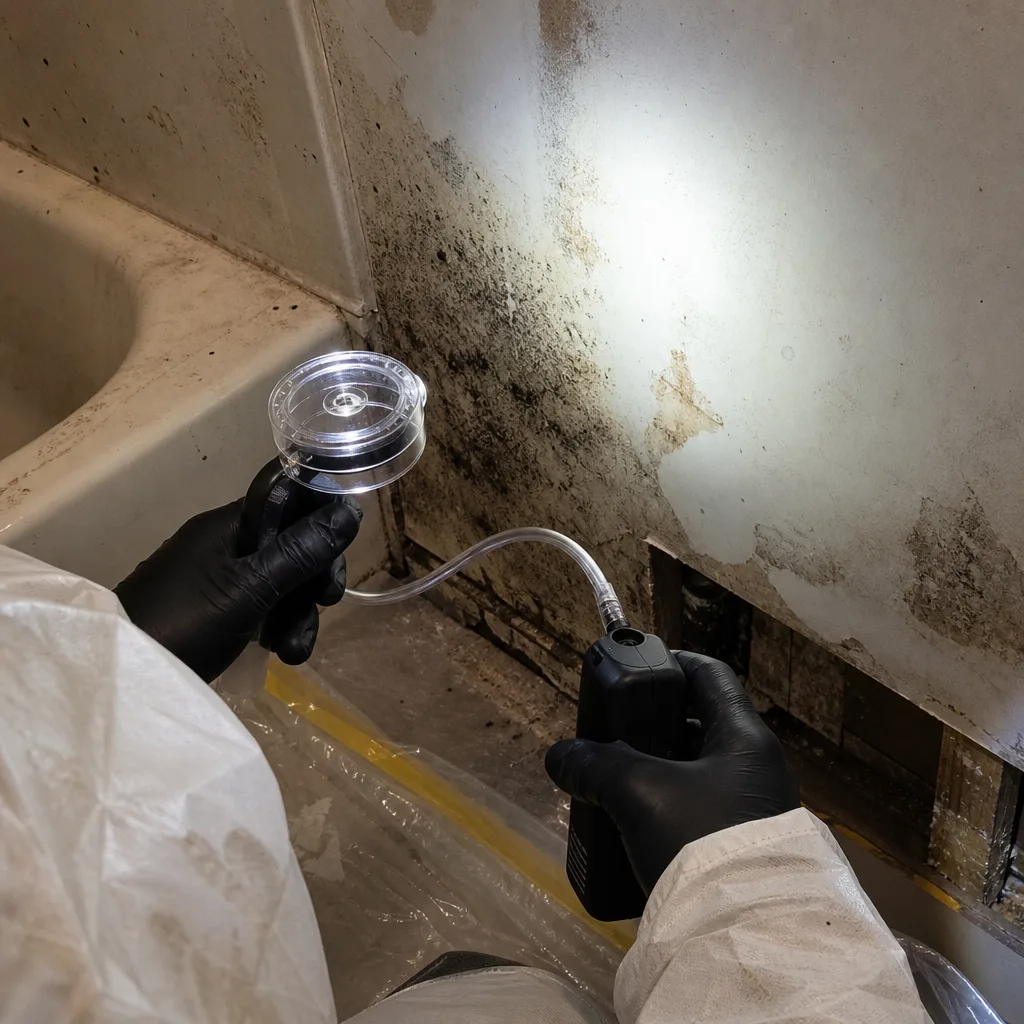
Contents Cleaning & Pack-Out
When smoke has moved through multiple floors of a walk-up, contents from several units often need cleaning or pack-out. We inventory every item with photos, clean what can be cleaned with specialized techniques, and pack out the rest to our climate-controlled facility. For tenants and owners dealing with an adjuster, that inventory becomes the backbone of your contents claim. We provide it in the format your carrier requests.
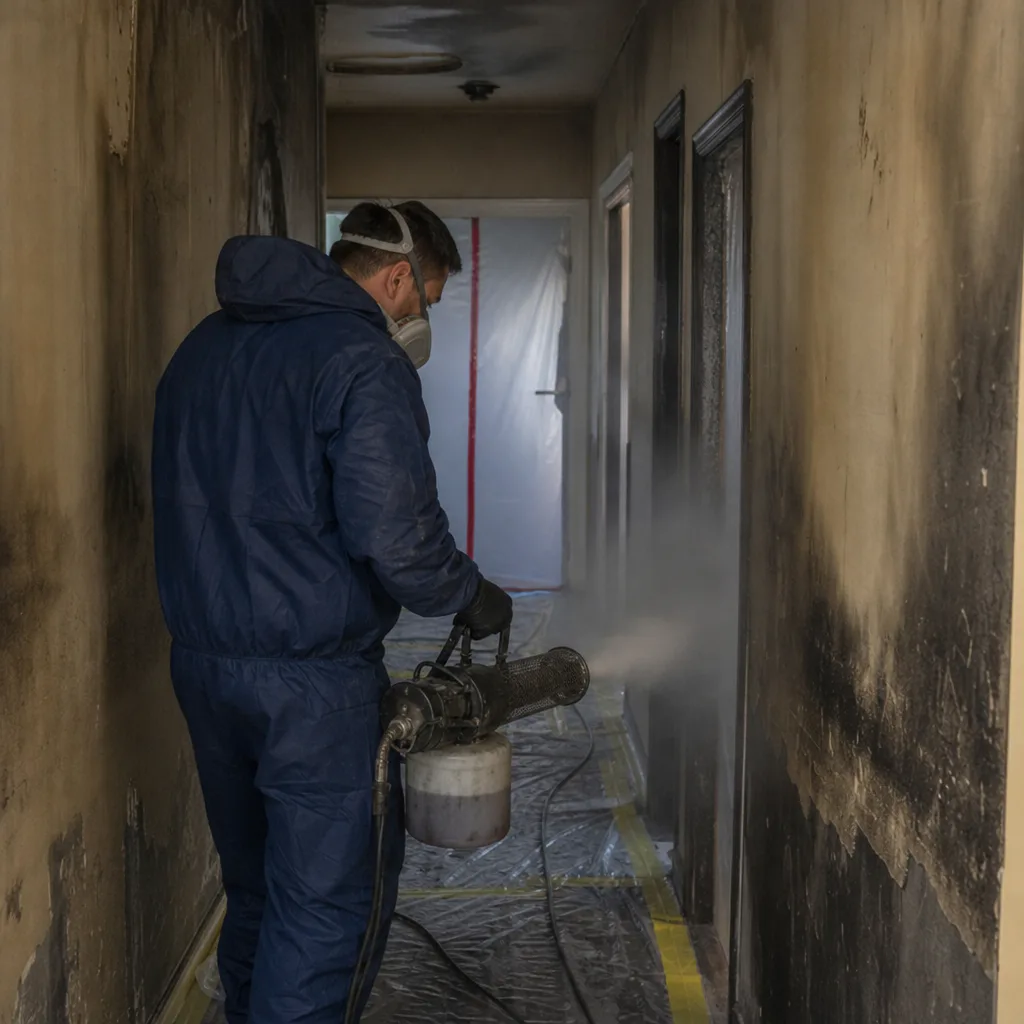
Structural Fire Repair
After remediation, the building needs real reconstruction. We rebuild fire-damaged studs, joists, subfloor, drywall, and finishes. Because our Fire & Smoke Damage Restoration team handled the remediation, we work from the exact moisture map and scope generated on day one. No reinterpretation by a new contractor. No gaps in the scope. Just the same crew finishing what it started.
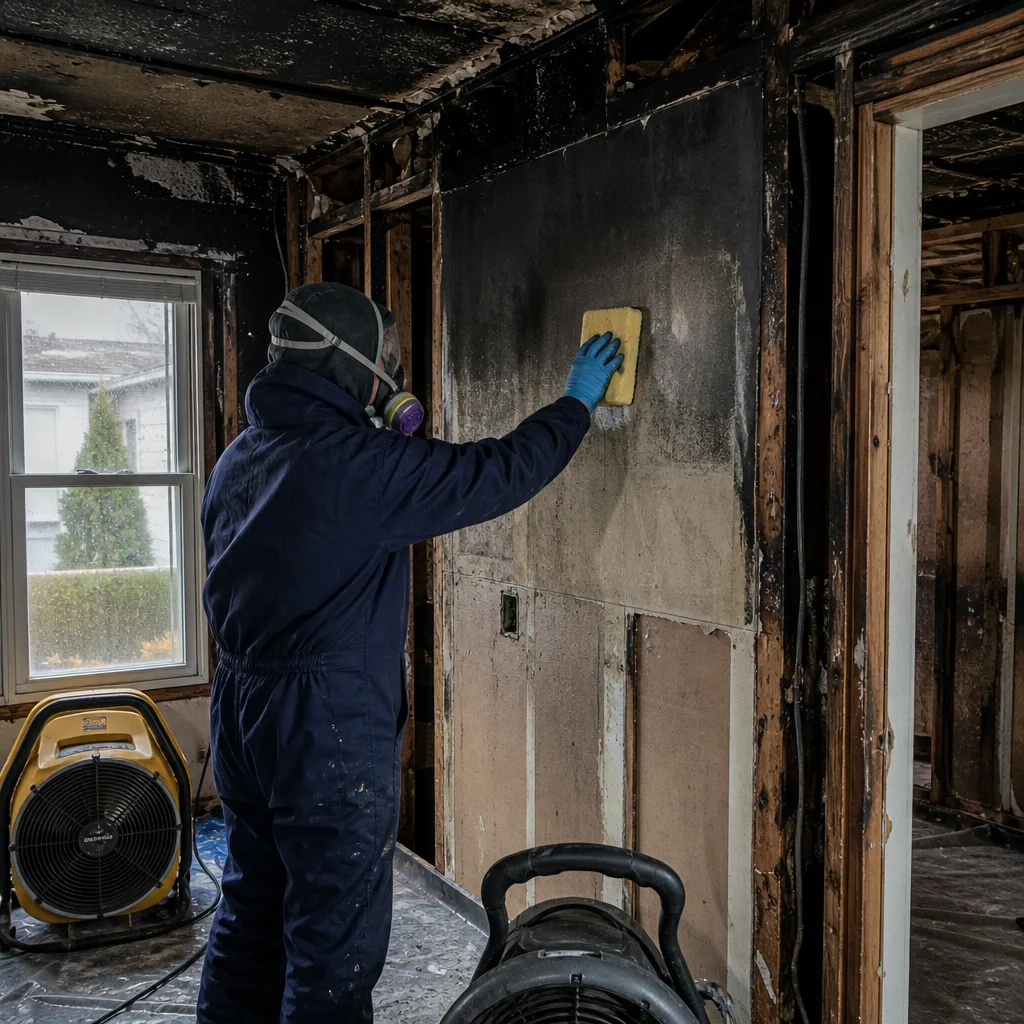
What happens when you call
- 1
A real person answersNo phone trees - you reach a local pro.
- 2
You get an upfront price rangeHonest numbers before anyone is dispatched.
- 3
A background-checked tech heads outLicensed & insured, dispatched right away.
- 4
You approve before work beginsNothing starts until you say go.
Fire & Smoke Damage Restoration Costs in West New York, NJ
Here’s what we tell West New York property owners when they ask about cost. Emergency board-up and tarping runs $450-$1,200 depending on window count, floor level, and alley access. Smoke and soot removal in a single affected unit typically runs $1,800-$4,500; in a multi-unit scenario where the vertical column is involved, that range becomes $6,000-$18,000 or more depending on the spread. Odor removal and deodorization adds $900-$3,200 for a standard unit, more when party-wall voids and cast-iron chases require treatment. Contents cleaning and pack-out ranges from $1,500 for light soot on a one-bedroom to $8,000+ for a full multi-room pack-out with inventory. Structural fire repair moves the number significantly: expect $12,000-$45,000 for typical kitchen fire rebuilds in West New York’s older construction, higher when plumbing or electrical systems are involved. Most importantly, we do a free visual inspection first. You’ll see the actual scope in writing before we start, with a line-item estimate your insurer can work from. Call (551) 373-5246 and we’ll be there within 45 minutes.
We Also Serve Cities Near West New York
Our crews cover the full Hudson County orbit: West New York is home base for this page, and we run the same 45-minute response commitment into Kearny, Harrison, North Arlington, and Lyndhurst. Same live dispatch, same certified technicians, same direct insurance billing. If you’re a few blocks over the line, call us anyway. We’ll route the nearest available crew.
Serving West New York, NJ - Our Local Coverage Area
We’re based in the West New York area and know this community well. Use the map below to see our service coverage - if you’re nearby, we can almost certainly help.
West New York Fire & Smoke Damage Restoration Questions, Answered
How does fire and smoke damage restoration in West New York’s older walk-up buildings differ from a typical suburban home?
In a suburban house, fire damage stays in the structure where it started. In West New York’s pre-WWII walk-ups, smoke and soot migrate vertically and horizontally through shared wall cavities, original cast-iron plumbing chases, and unprotected floor penetrations. We assess every unit above, below, and adjacent to the fire source, not just the unit where the fire occurred. Access is also different: narrow alley entrances, no freight elevators, and double-parked streets mean equipment moves differently than a suburban driveway deployment. Call (551) 373-5246 for a free visual inspection and we’ll show you the full scope.
Will my neighbors’ units be affected by smoke from a fire in my West New York apartment?
In most West New York multi-family buildings, yes. Smoke travels through wall cavities, pipe chases, and duct penetrations that connect units. We regularly document smoke migration two floors above a fire source in buildings along Bergenline Avenue. That’s why our protocol includes assessing the full vertical column and treating adjacent units before odor complaints surface weeks later. We coordinate directly with affected neighbors and their carriers as part of the same job.
What emergency board-up and tarping challenges are specific to West New York’s building stock?
A third-floor window on a pre-war walk-up can’t be boarded from a ladder if the alley is only four feet wide. Many West New York buildings require interior bracing, scaffolding coordination, or access agreements with the neighboring structure for roof tarping. We handle that coordination same-day. The board-up secures your unit from weather and unauthorized entry while we begin the restoration work.
How quickly should I call after a kitchen fire in a West New York apartment to prevent further damage?
Call immediately. The first hour is when soot is most active chemically, and it’s also when smoke is still moving through building cavities. Every hour of delay means deeper penetration into drywall, insulation, and your neighbors’ spaces. We answer live at (551) 373-5246 24/7 and dispatch a crew to West New York within 45 minutes. Same-day containment is the single biggest factor in keeping a fire event from becoming a building-wide restoration.
Do I need my landlord’s permission before starting fire and smoke damage restoration in my West New York rental unit?
Legally, the building owner is responsible for structural restoration in a rental situation. Practically, if you’re a tenant and smoke or fire damage is affecting your unit, call us anyway. We’ll document the loss, assess the spread, and coordinate with your landlord and their insurance carrier. You don’t need permission to have the damage assessed, and our free inspection gives you documentation to protect your own interests while the parties sort out responsibility.
How fast can you actually get to West New York?
Our commitment is 45 minutes from your call to a crew on your doorstep. We answer live 24/7, dispatch immediately, and we know the response routes through West New York’s densest blocks. During a nor’easter or major storm event when call volume spikes, we triage by severity with fire and smoke events getting priority. Call (551) 373-5246 and you’ll get a real human on the line, not an answering service.
What certifications do your technicians hold?
Every Floodline Restoration Co. technician is background-checked, uniformed, and certified to IICRC standards including FSRT and WRT where applicable. We train internally to RIA and IFA protocols as well. Curt Bowman built the company around credentialed workmanship, not sales decks. You’ll see the certifications on our crew when they arrive.
What should I do in the first 30 minutes after a fire in my West New York building?
First, make sure everyone’s safe and call 911 if you haven’t already. Next, call us at (551) 373-5246. Don’t open windows to “air it out” because that changes air pressure and can pull smoke deeper into wall cavities. Don’t wipe soot off surfaces; that can push it into the pores of painted drywall. Don’t plug in any electronics near the affected area. Let our crew arrive, assess, and start containment. The less you disturb the soot, the better the cleanup outcome.
Written by Curt Bowman, Owner at Floodline Restoration Co., serving West New York since our founding in 2010.