
Free visual inspection and a written scope of work before any mitigation begins - photos, moisture readings, and drying logs go in your claim file
The scope we write is the scope we bill. Anything new gets shown to you, in writing, before we touch it.
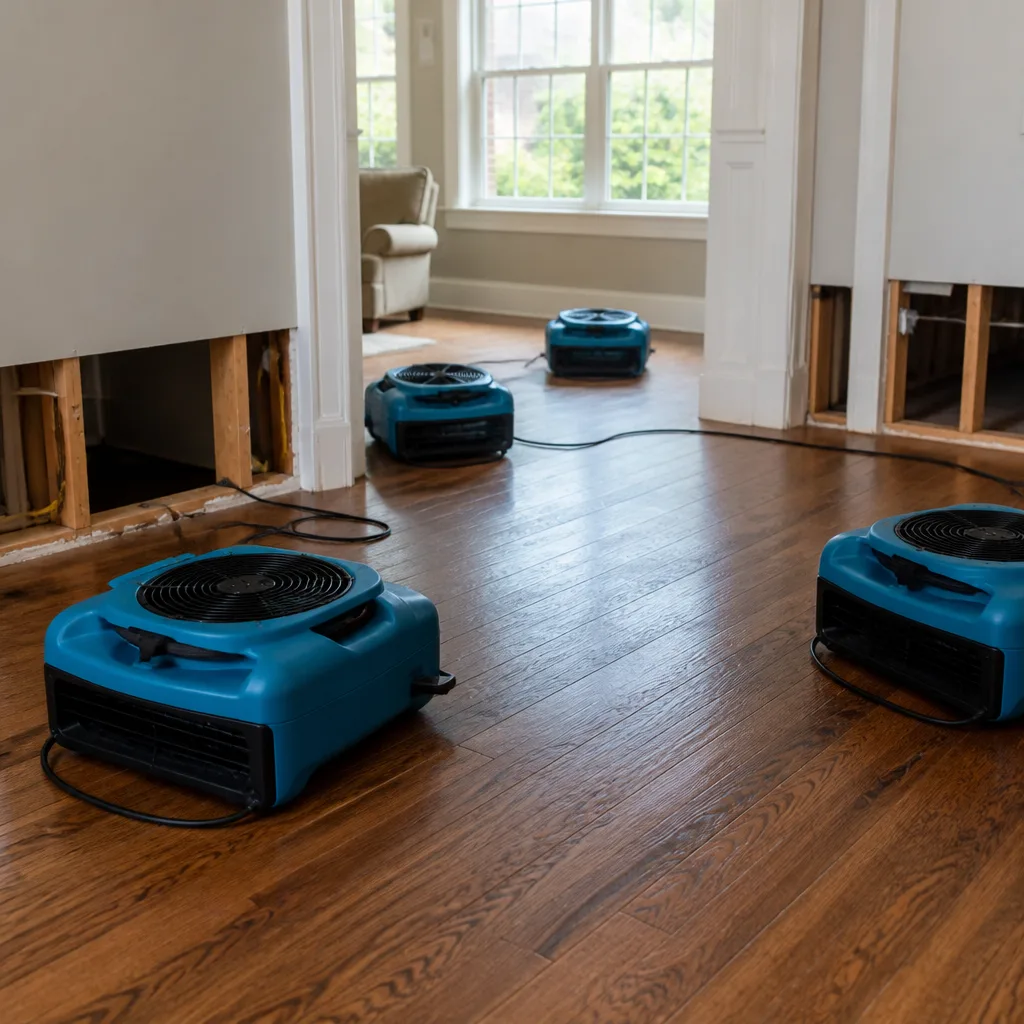
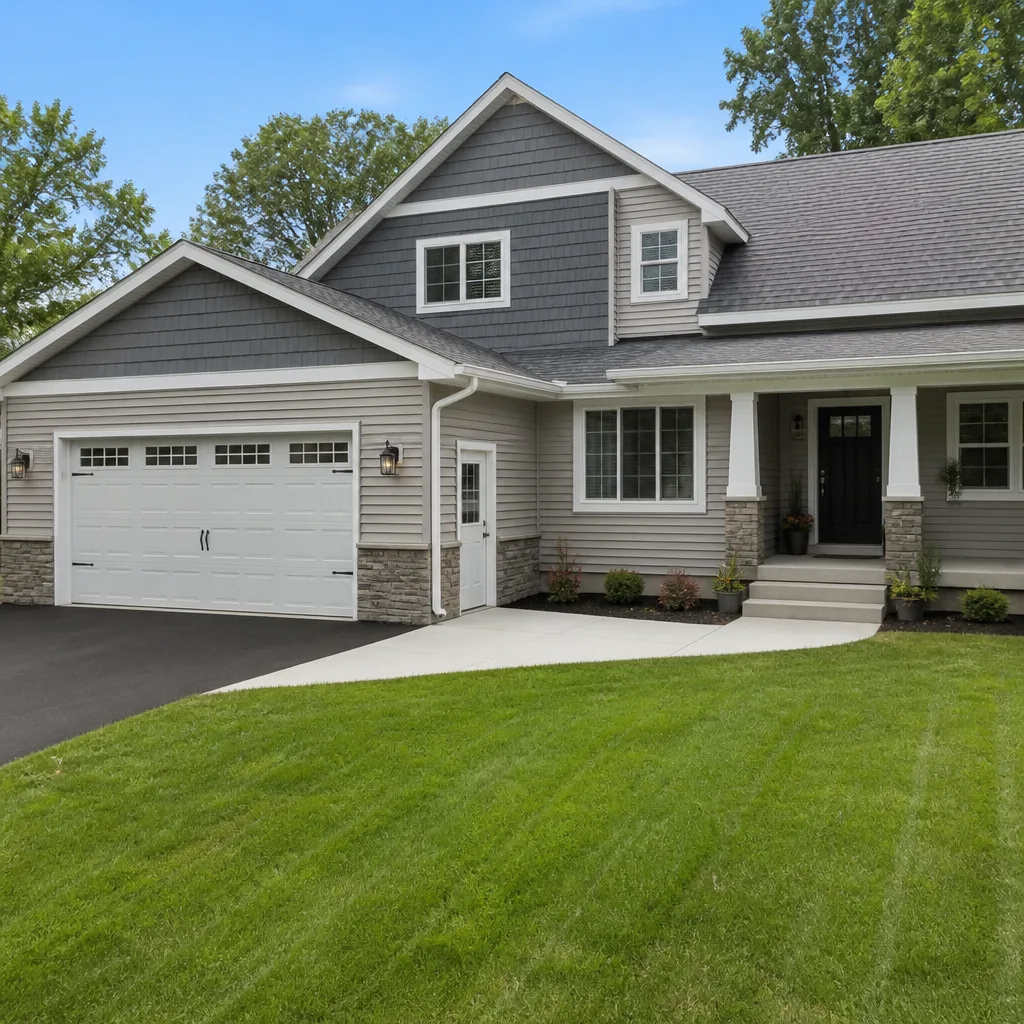
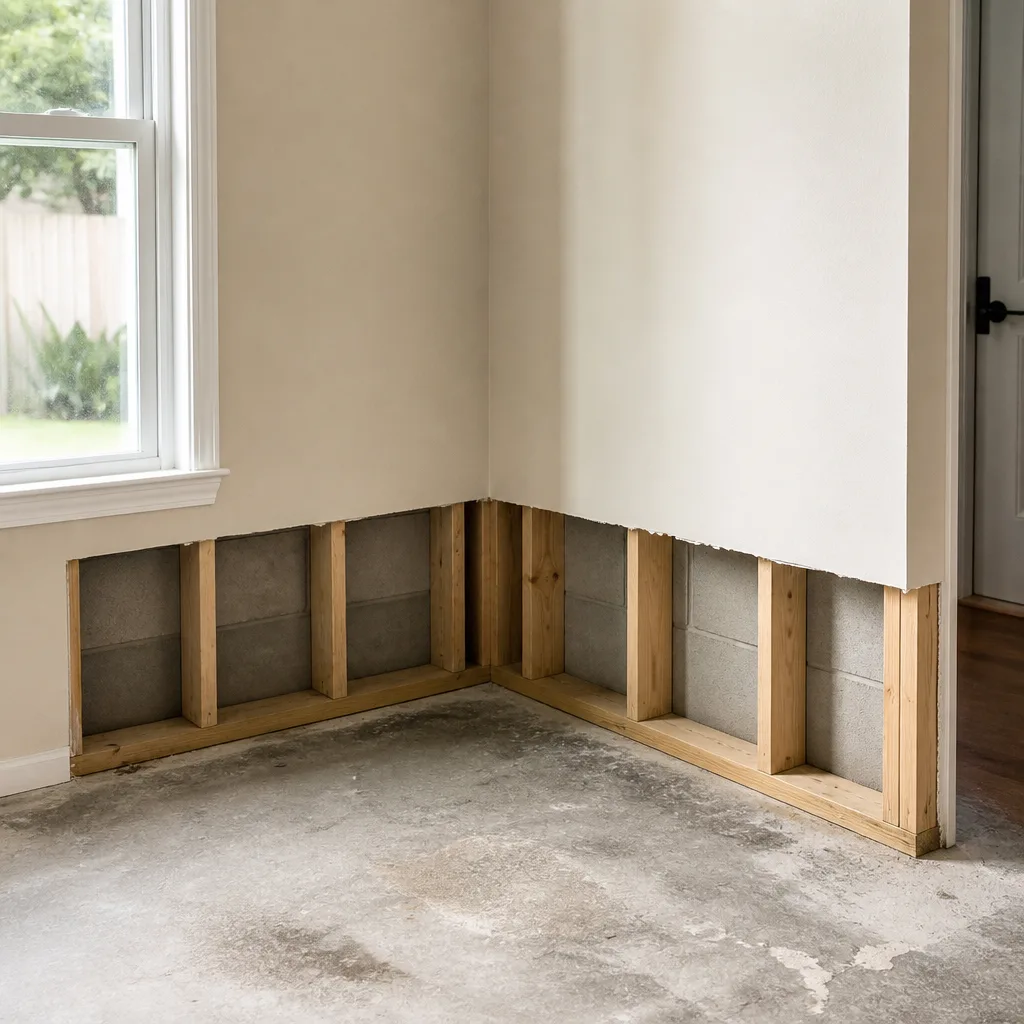
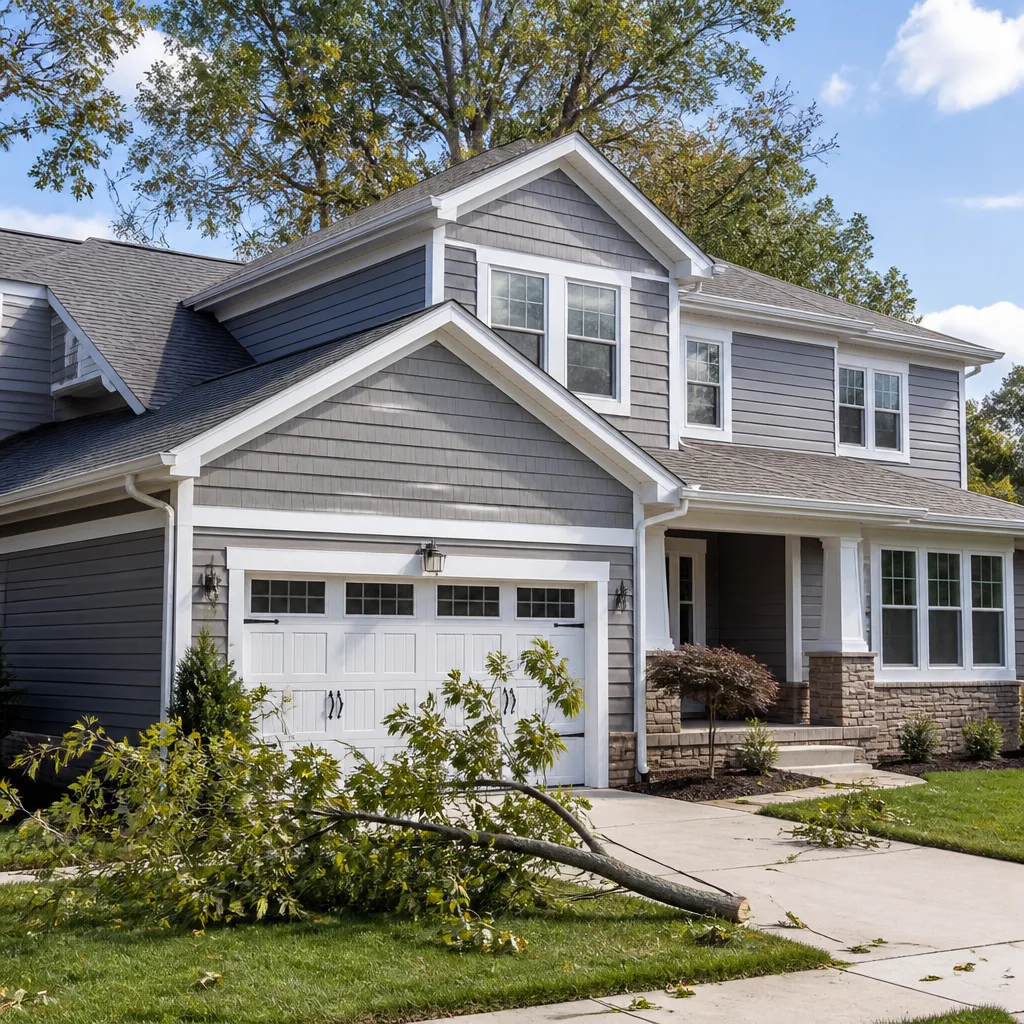
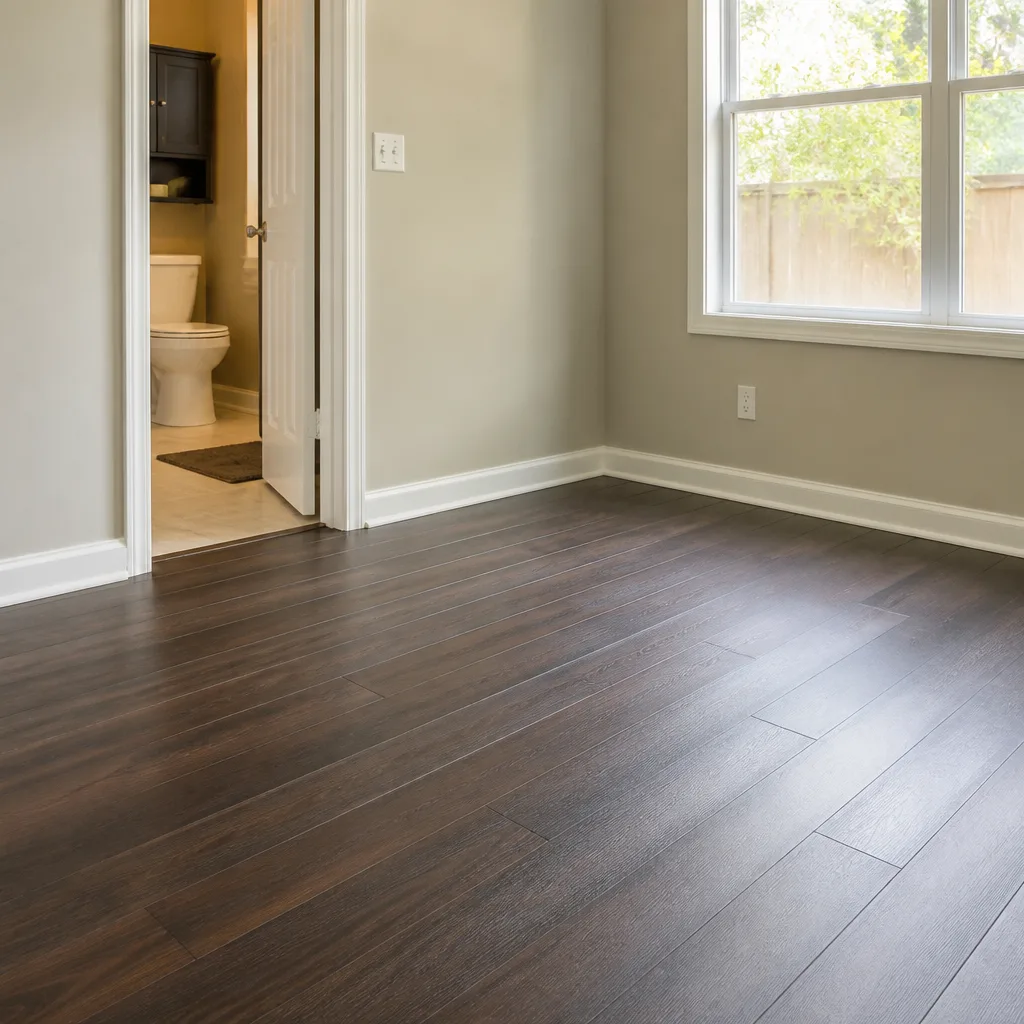
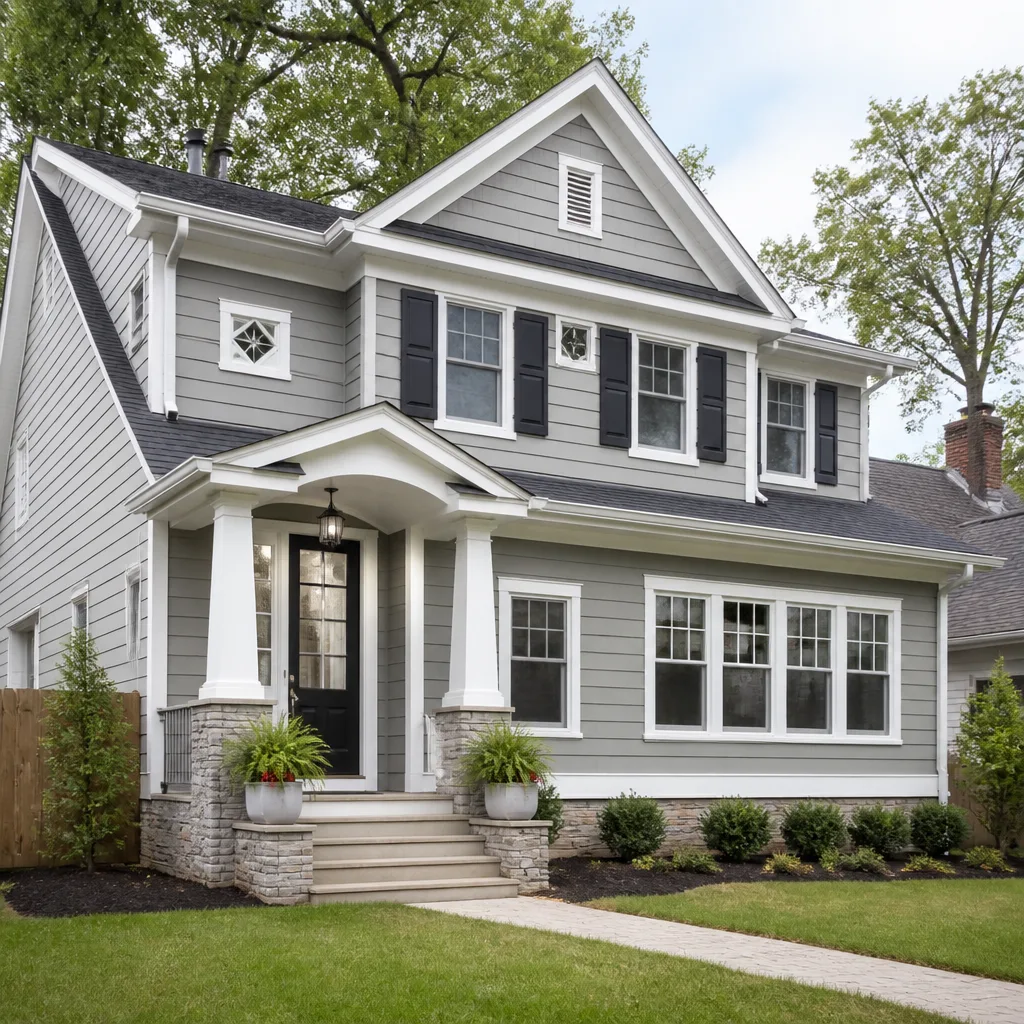
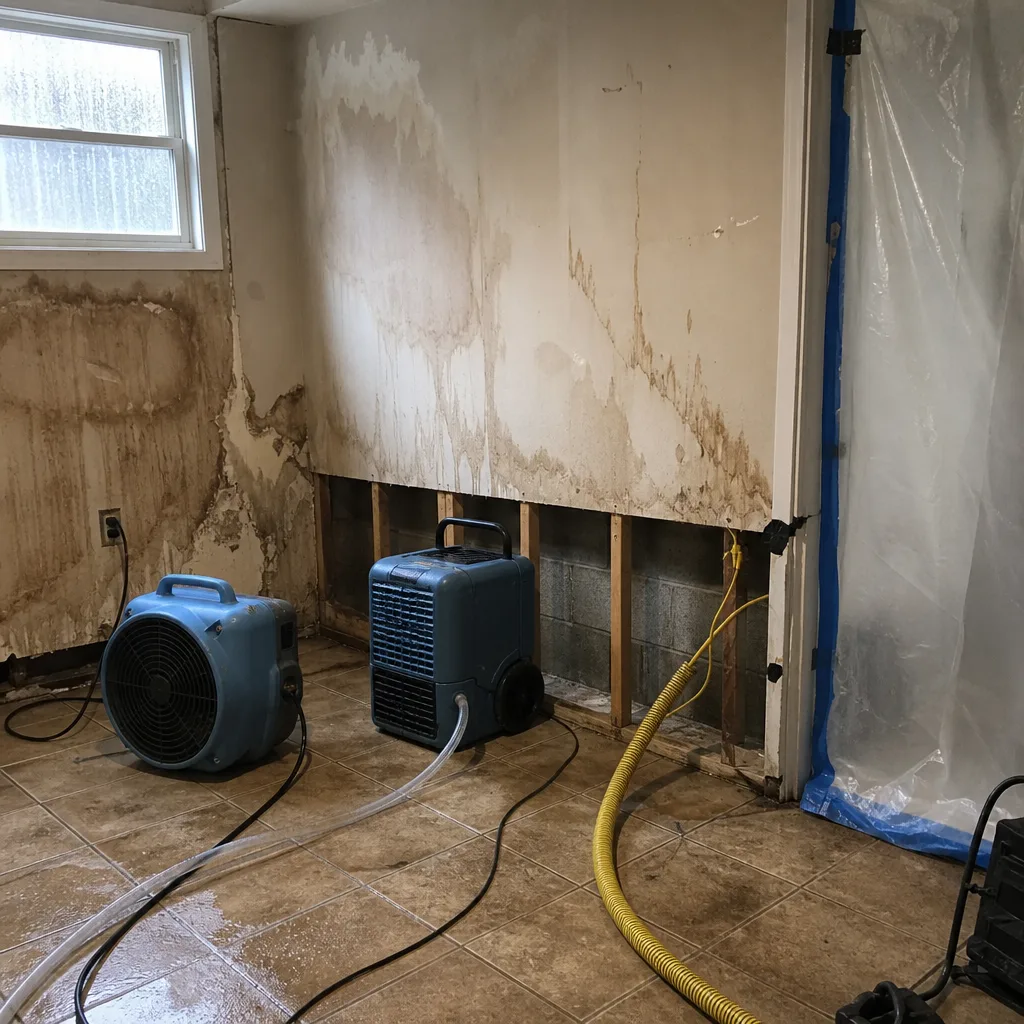 Before
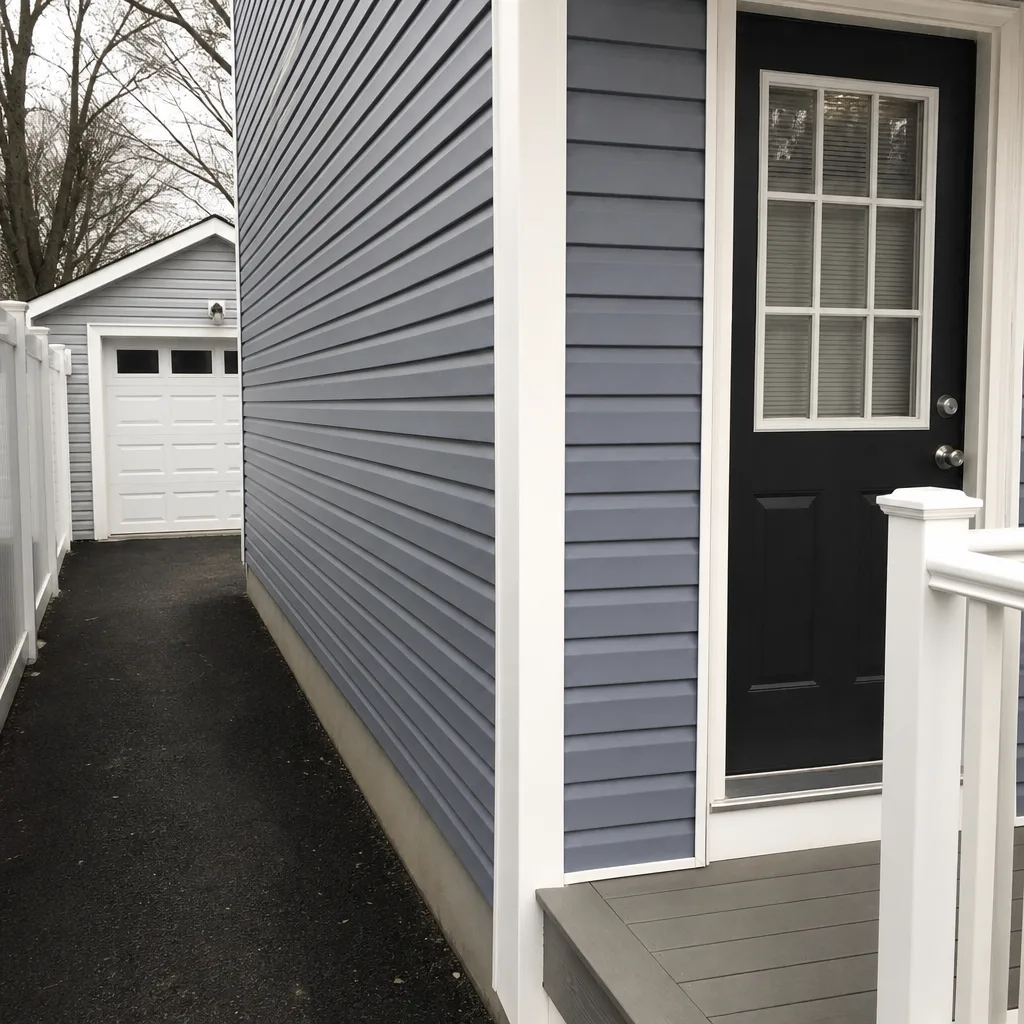 After
After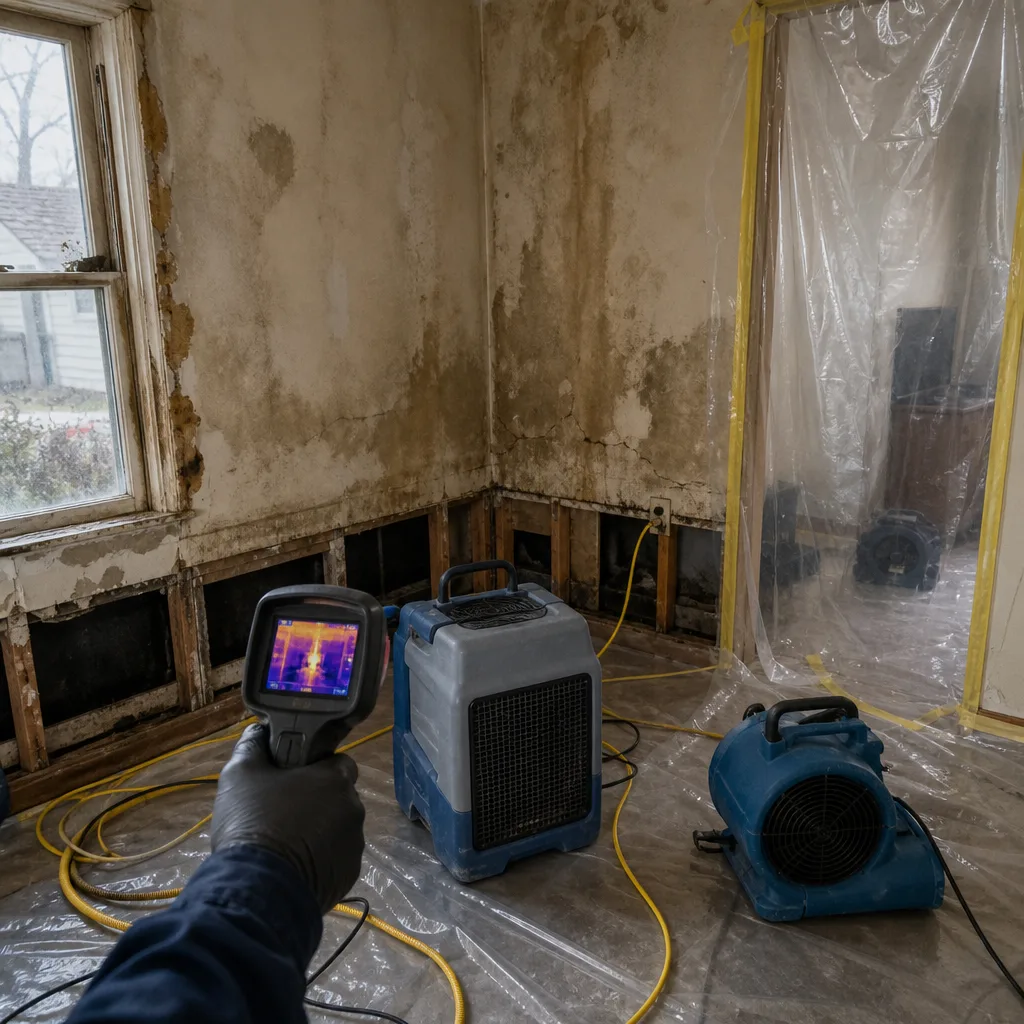 Before
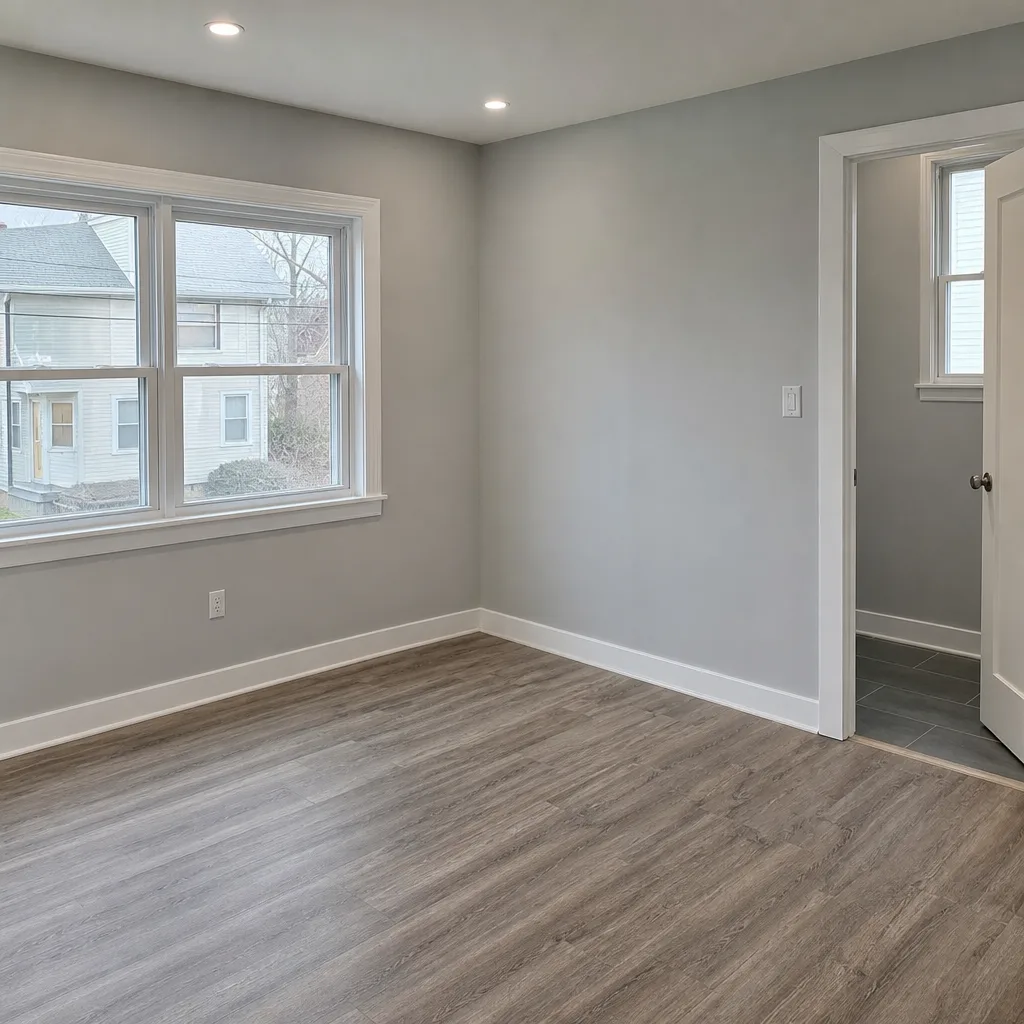 After
After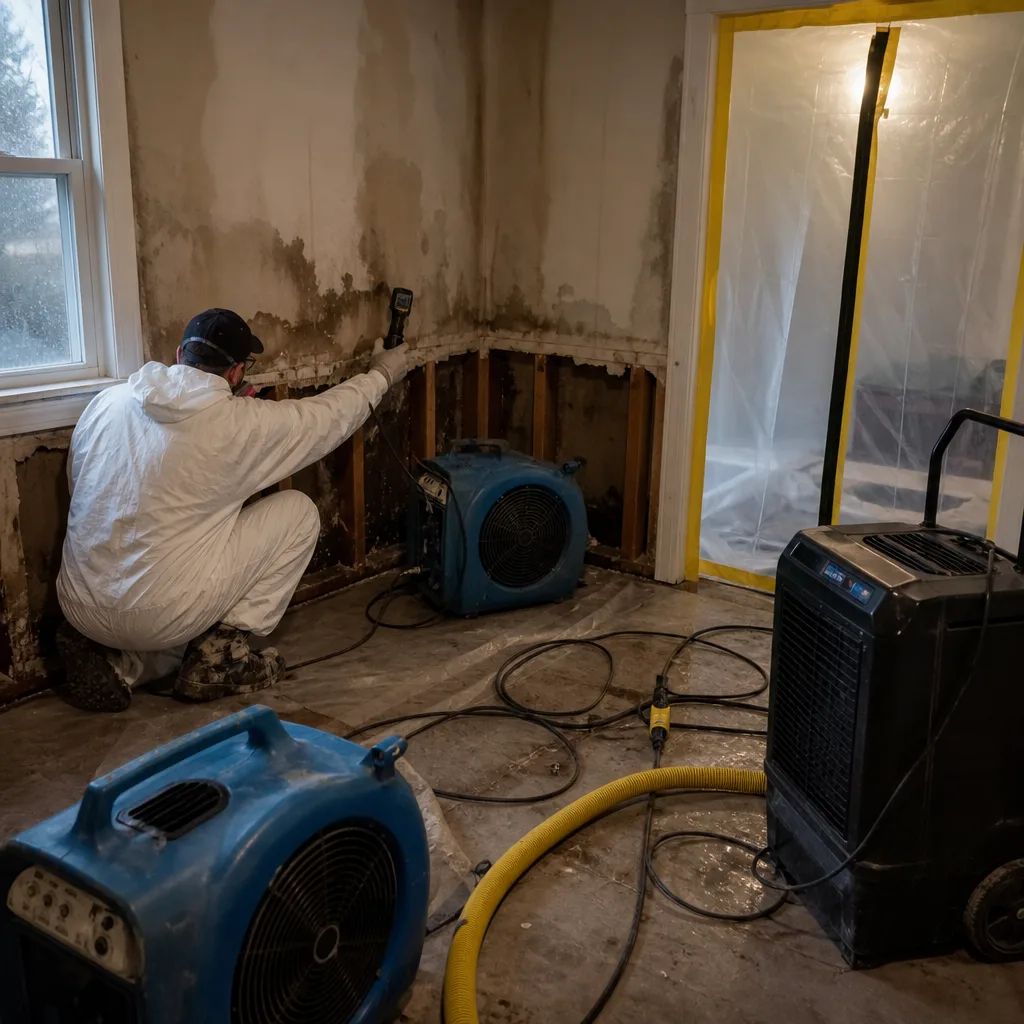 Before
 After
After24/7 Emergency Mold Remediation in North Arlington
Mold remediation in North Arlington typically costs between $1,800 and $6,500 depending on how far the contamination has spread, and most jobs we handle start within 24 to 48 hours of your call. If you’ve found mold in your basement or crawl space near the Passaic, call us at (551) 373-5246. A live person answers at any hour, day or night, and we’ll send a certified crew to assess the damage and give you a firm scope in writing before any work begins.
North Arlington has a mold problem that most towns don’t. The Passaic River sits right at the borough’s edge, and when it rises, basements here stay wet for days. That’s the window mold needs. We’ve been doing Mold Remediation in this borough long enough to know exactly what those older basement walls are holding onto. The first hour after you spot mold matters because spores move through the air, into drywall, behind baseboards, and up into floor joists. You’re not just looking at what’s on the wall. You’re looking at what’s already inside it.
Understanding Mold Remediation Severity in North Arlington Properties
Mold in North Arlington homes rarely stays small. Most of the housing stock here was built between the 1920s and 1960s. Those homes have poured-concrete or cinder-block basement walls that soak up water like a sponge and hold it long after the floor looks dry. When the Passaic floods – and it has, repeatedly, through Irene in 2011 and Sandy in 2012 – standing water sits in basements for days, not hours. That extended saturation drives moisture deep into porous materials where surface cleaning can’t reach.
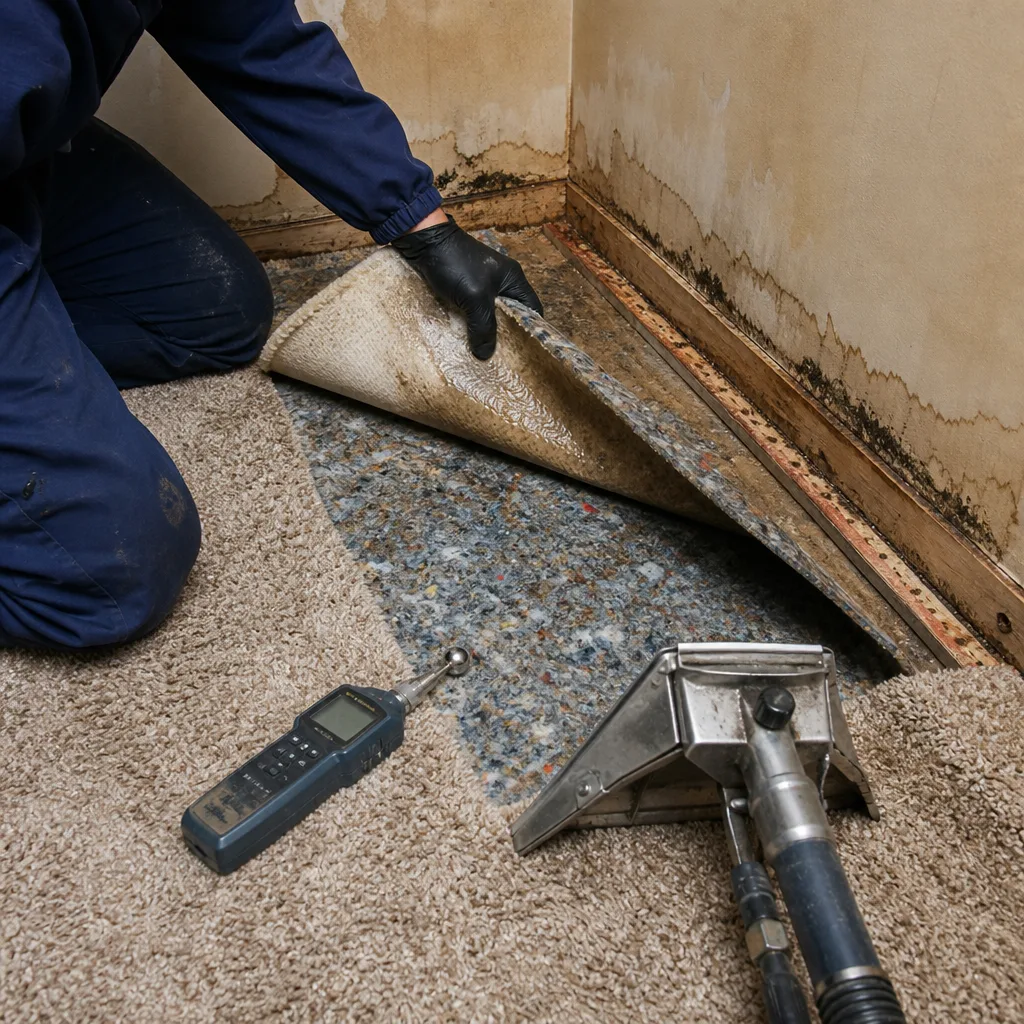
We classify mold jobs by containment level. A contained patch under 10 square feet is one thing. A basement where mold has colonized behind drywall, under carpet padding, and inside wall cavities is another. In North Arlington’s older two-family homes and Capes, we routinely find mold inside the rim joist cavities and behind the finished drywall panels that were patched after a previous flood. The severity question isn’t just how much you see. It’s how far the moisture already traveled before you found it. That’s why we run moisture mapping and pre-remediation air sampling on every river-adjacent job. Guessing is what causes recurrence. We don’t guess.
Why North Arlington Property Owners Choose Floodline Restoration Co.
- 45-minute response commitment: When you call about mold, we have a certified technician on the way within 45 minutes for emergency containment decisions. Live dispatch, not a call center.
- 24/7 live answer: A real person picks up at 2 a.m. Not a recording. It matters when you’ve just found black mold behind a basement wall.
- IICRC-certified crews: Our technicians carry IICRC, RIA, and IFA certifications, including AMRT (Applied Microbial Remediation Technician) and WRT credentials for structural drying. You’ll see that training in how we set containment.
- Free visual inspection: We walk the property, take moisture readings, and give you a written scope. You get straight answers before you spend a dollar.
- Direct insurance billing: We bill your carrier directly and talk to your adjuster. You don’t play messenger between Floodline and the insurance company.
- One team from first assessment to final cleaning: The same certified crew that reads the moisture map on day one handles daily readings and the final clearance testing. No handoff to a subcontractor mid-job.
Our Mold Remediation Process
Inspection & Assessment
We start with a full visual inspection plus moisture mapping with thermal imaging and hygrometers. On Passaic flood homes, we also pull pre-remediation air samples so we know exactly what spore load we’re dealing with before containment goes up.
Containment & Air Pressure Control
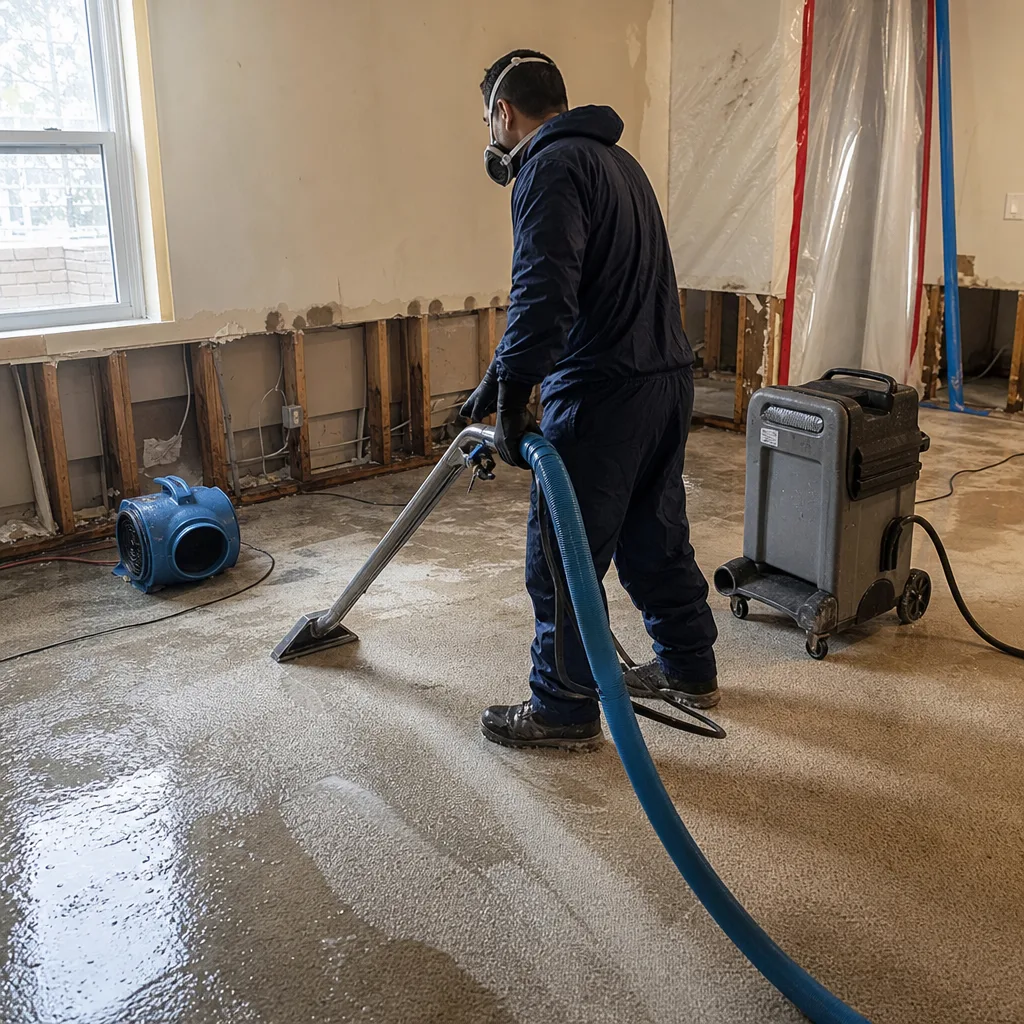
We seal the affected area with 6-mil polyethylene and run HEPA air scrubbers under negative air pressure. This keeps spores from moving into your living space during removal. North Arlington’s older homes have open floor plans and shared basement stairwells, so containment is never optional.
Drying & Dehumidification
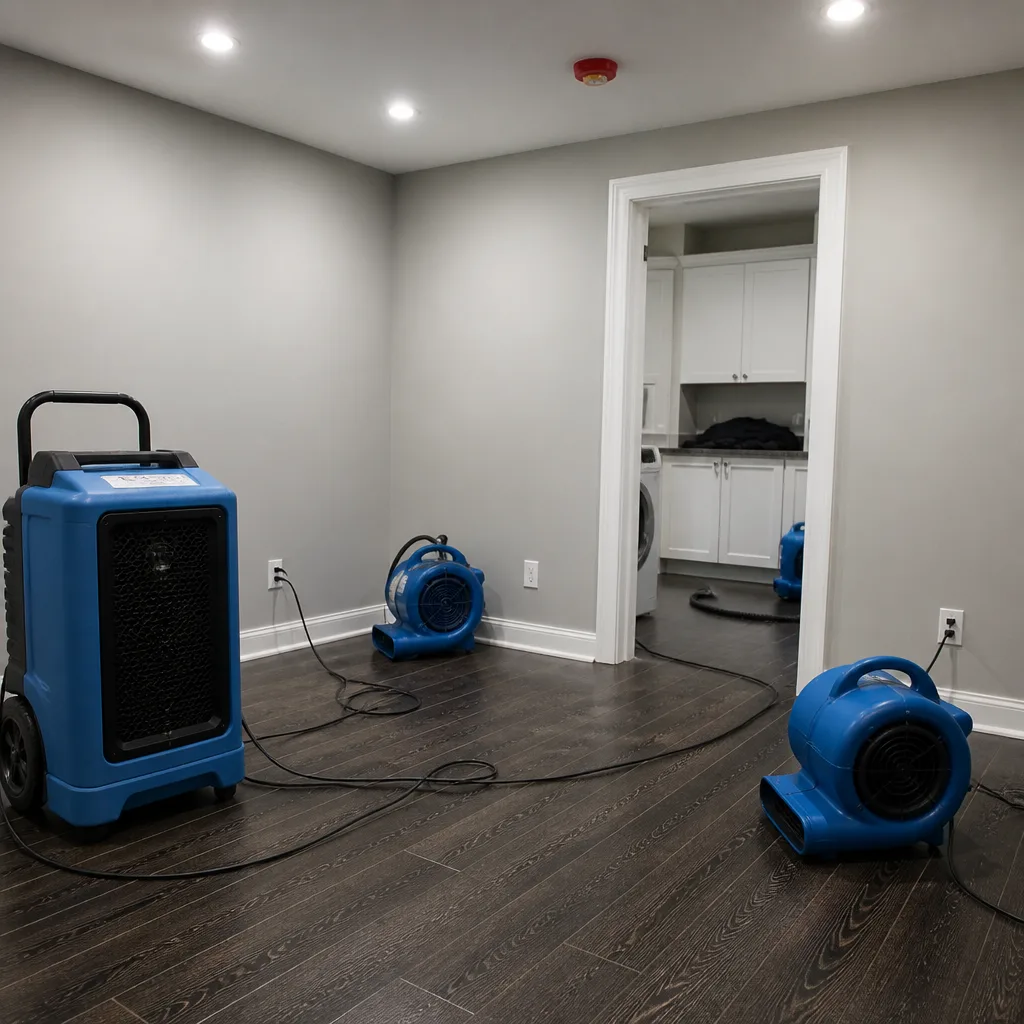
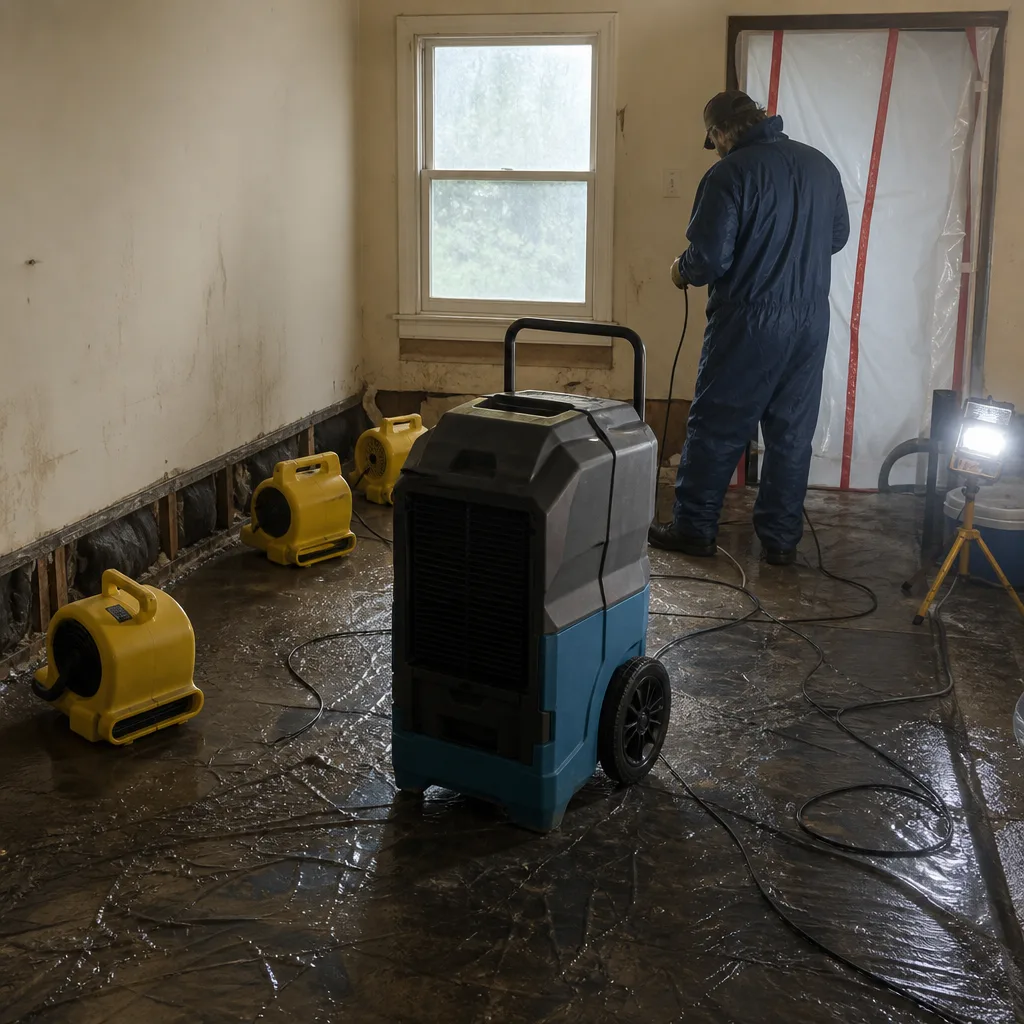
Using Dri-Eaz and Phoenix dehumidifiers plus XPOWER air movers, we pull moisture from wall cavities, floor slabs, and framing until the structure hits the dry standard. In river-side basements, this often takes longer than a typical inland job because those concrete walls hold water for weeks.
Cleaning & Sanitization
We remove compromised drywall, insulation, and carpet, then HEPA-vacuum and apply antimicrobial treatment to remaining structural surfaces. Every surface gets documented before, during, and after.
Specialty Treatment: Crawl Space & Foundation Care
North Arlington crawl spaces need more than spraying. We address the moisture source itself – grading, vapor barriers, and drainage – so the treatment holds. On cinder-block walls with heavy efflorescence, we treat the masonry, not just the surface mold.
Repairs & Clearance Testing
We restore what we removed, then run post-remediation air sampling and clearance testing against pre-remediation baselines. You get a written moisture log and a copy of the clearance results. The job isn’t done until the numbers say it is.
Need Emergency Mold Remediation in North Arlington Now?
Crews minutes away, answering live 24 hours a day. The sooner we start, the less it costs.
Working With Your Insurance Company
Mold claims in North Arlington are different from anywhere else in Bergen County. The Passaic’s repeat flood history means many homeowners here are on their third or fourth claim. Insurance companies know these properties. They know the flood history, they know the prior remediation work, and sometimes they push back harder because of it. We handle that for you. From the first hour, we document everything – moisture readings, photos room by room, and a line-item scope of work that your adjuster can read without a phone call to decode.
We’ve been doing direct insurance billing since 2010. Our documentation includes what the carrier actually needs: pre-remediation air sampling, daily drying logs, and a clear separation between flood damage and pre-existing conditions. That matters on river-side blocks where adjusters are already skeptical. You get the full picture and so do they.
What We Provide Your Insurer
- Thorough documentation of the loss
- Photos of all damage, room by room
- Moisture readings and drying logs
- A detailed, line-item scope of work
- Direct coordination with your carrier
Built for North Arlington’s Loss Calendar
North Arlington’s mold season doesn’t follow the calendar. It follows the Passaic. Nor’easters in late winter and early spring push the river over its banks and into the low-lying blocks around Riverside County Park. Spring thaw saturates the ground and seeps through those older foundation walls. Summer thunderstorms drop three inches in an hour and overwhelm the borough’s storm drains. Then autumn brings tropical systems that sit over the region for days, keeping basements wet long after the rain stops.
What does that mean for you? Two things. First, the mold risk in this borough is year-round, not seasonal. Second, the longer water sits, the deeper it goes. After a slow Passaic crest and recession, we routinely find moisture at the base of cinder-block walls, behind the bottom rows of drywall, and under vinyl flooring that looked dry on top. If you’ve had water in your basement at any point in the last five years, a mold inspection now is cheaper than remediation later. Call (551) 373-5246 and we’ll take a look.
Mold Remediation Across North Arlington’s Neighborhoods
The river-side streets south of River Road – blocks around Riverside County Park, the homes off Schuyler Avenue near the Passaic, and the lower sections along the eastern side of the borough – see the worst of it. These are the properties that flooded during Irene and Sandy, and they’re the ones we get called back to when a previous contractor’s work didn’t hold. The homes here are mostly 1920s and 30s construction with full basements and fieldstone or cinder-block foundations. The water sits longer here, and so does the mold.
Further uphill, around Ridge Road and the sections closer to Lyndhurst, the housing stock shifts to 1950s and 60s Capes and small colonials. The flood risk drops, but the moisture problems don’t disappear. These homes have the same porous basement walls, and many have crawl spaces that never got proper vapor barriers. On streets like Riverview Terrace and the blocks near the high school, we see more crawl space mold and humidity-driven growth than direct flood damage. Same mold, different source. The treatment approach changes with it.
In the two-family homes along and around the borough’s main corridors, shared basement walls and common stairwells mean mold doesn’t respect property lines. We’ve worked buildings where a leak on one side migrated through a party wall and colonized the neighbor’s side. On those jobs, containment and air sampling aren’t just best practice. They’re how you keep a small problem from becoming a building-wide one.
Specialized Mold Remediation Services We Offer in North Arlington
Mold Inspection & Testing
In North Arlington’s river-adjacent homes, a visual inspection isn’t enough. We run air sampling before any remediation work so we know the spore load in the air, not just what’s on the walls. That baseline matters when you’re filing a claim on a property with prior flood history. We also test after the job to prove the air is clean. If you’re buying a home in this borough, get the inspection first.
Mold Removal
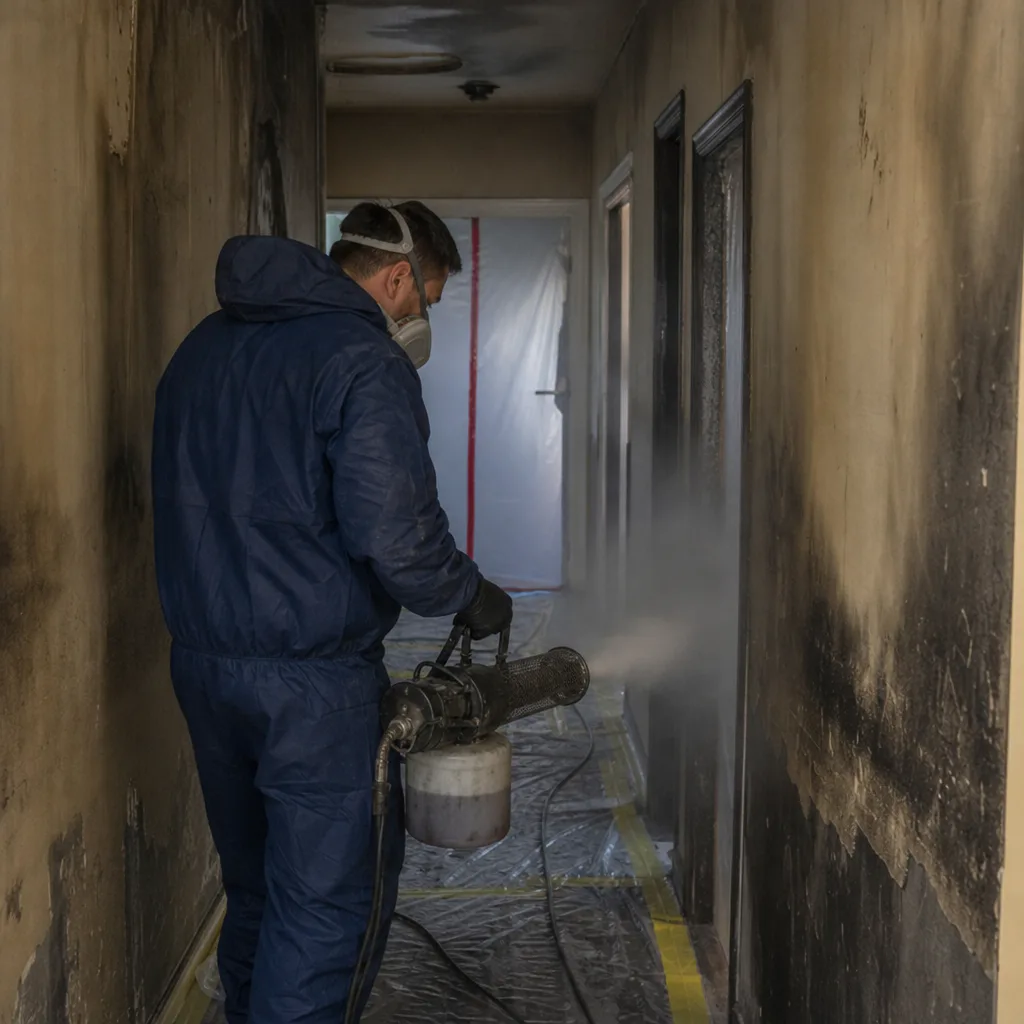
Mold removal in North Arlington means addressing what’s behind the surface. Those older basement walls hold moisture deep in the masonry, and surface cleaning alone leaves spores in the wall cavities ready to regrow. We remove the compromised material, treat the structure, and dry it to the standard – not just until it looks dry. The difference is whether the mold comes back in six months.
Black Mold Remediation
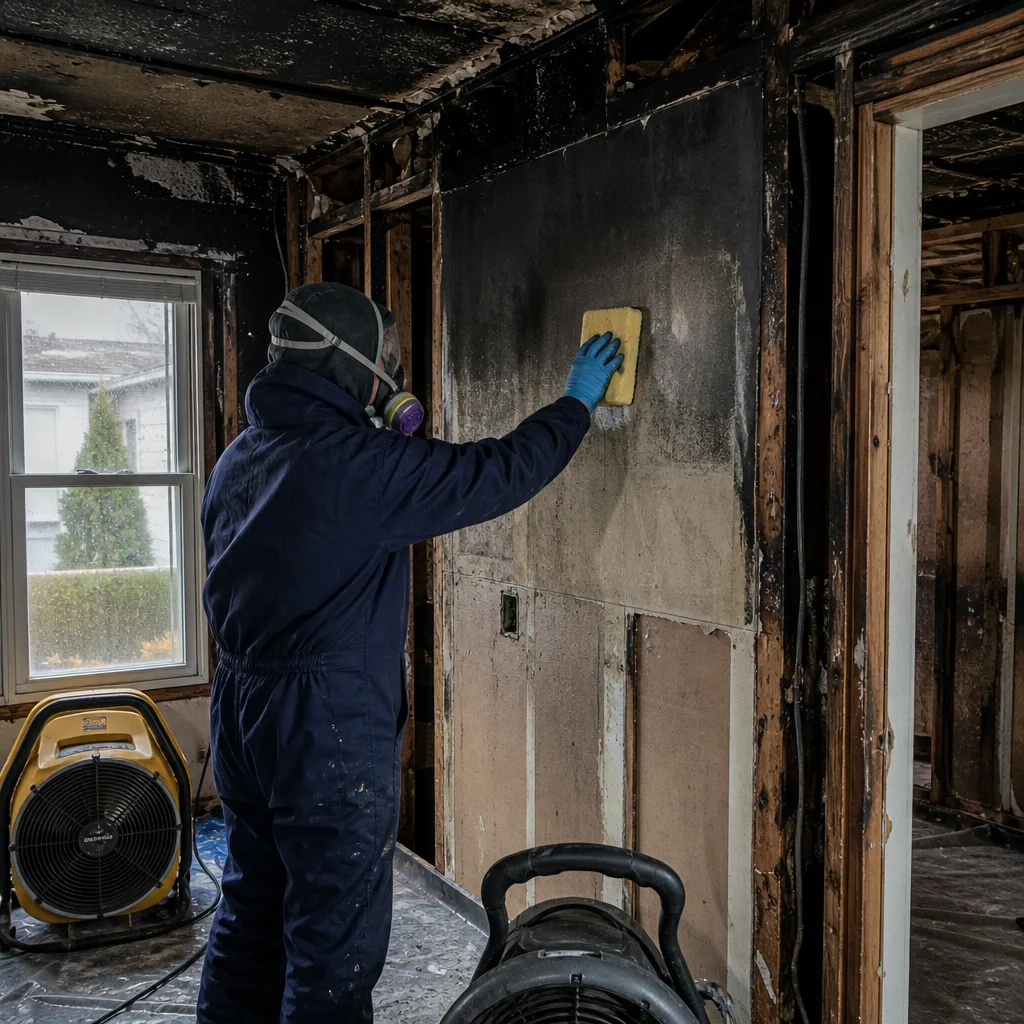
Stachybotrys – what most people mean when they say black mold – is common in homes that took on Passaic floodwater. It grows on drywall and ceiling tiles that stayed wet for days after the water receded. We treat black mold with full containment, HEPA air scrubbing, and removal of the affected material rather than sealing over it. Given the slow-recede flooding pattern in this borough, any dark-colored mold in a basement that ever flooded should be tested and treated by certified techs.
Air Quality Restoration
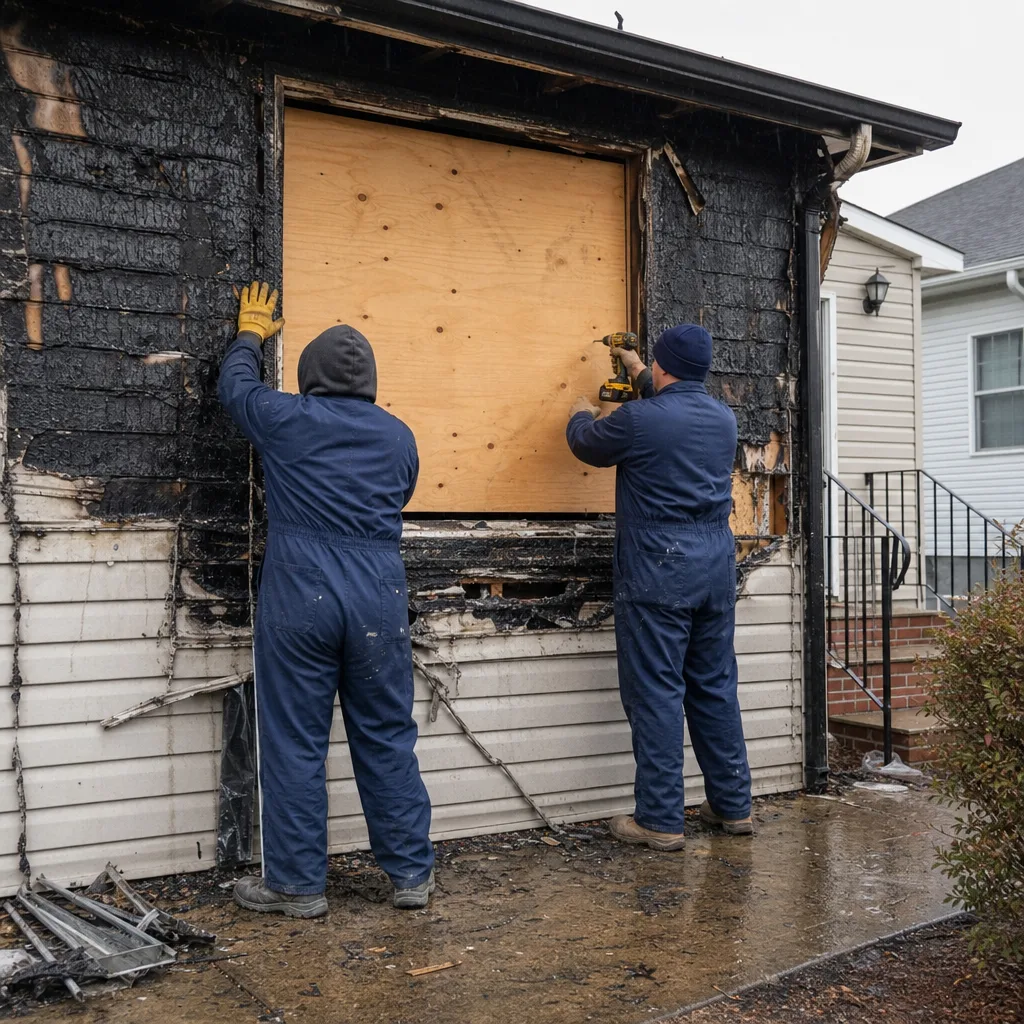
Mold spores move through a house fast. A basement colony can drive spore levels in upstairs bedrooms within days – especially in older homes with shared HVAC returns. We run HEPA air scrubbers in the affected area and use air sampling before and after to verify the spore count came down. Air quality restoration is part of every remediation we do here, not an add-on.
Crawl Space Treatment
North Arlington’s older homes often have dirt-floor crawl spaces without proper vapor barriers. Humidity from the ground rises, condenses on floor joists, and feeds mold colonies you can’t see from the living space. We treat crawl spaces by addressing the moisture source: encapsulation or vapor barrier installation, drainage correction, and joist cleaning where needed. If your crawl space smells musty when the furnace kicks on, there’s mold in there. Call us before it spreads.
Moisture & Humidity Control
Remediation without moisture control is a temporary fix. In North Arlington, where basements sit near the water table and the Passaic rises every few years, you need a plan for keeping moisture out in the first place. We install dehumidifiers sized for your square footage, correct grading where runoff pools against foundation walls, and recommend drainage solutions where baseline humidity stays high. Done with the remediation, this keeps the basement dry when the next creek flood or nor’easter hits.
What happens when you call
- 1
A real person answersNo phone trees - you reach a local pro.
- 2
You get an upfront price rangeHonest numbers before anyone is dispatched.
- 3
A background-checked tech heads outLicensed & insured, dispatched right away.
- 4
You approve before work beginsNothing starts until you say go.
Mold Remediation Costs in North Arlington, NJ
Here’s what we actually see on jobs in this borough. A small contained mold patch – under 10 square feet in a dry area – runs $1,800 to $3,500. A typical Passaic flood basement with mold behind drywall, along the baseboard line, and into wall cavities is $3,500 to $6,500. A full basement treatment with crawl space work, structural drying, and air quality restoration can reach $9,000 or more, especially on two-family homes with shared walls and stairwells.
What moves the price? The square footage of affected area, whether structural wood needs treatment, how long the water sat before we got there, and whether a prior remediation left hidden mold behind the patches. Insurance covers mold when it’s tied to a covered flood or water event, which is common in North Arlington’s flood zones. Out-of-pocket situations usually involve long-standing moisture issues, like years of seepage or a crawl space that was never properly vented. The free visual inspection gives you a firm scope and a clear number before anything starts. No pressure, no soft estimates.
We Also Serve Cities Near North Arlington
Floodline Restoration Co. runs crews across the Passaic River towns and the immediate surrounding boroughs. If you’re in Lyndhurst, Kearny, Rutherford, or Harrison, the same certified teams, same documentation, and same 90-Day Done Right Promise apply. Call (551) 373-5246 and a live dispatcher will get a crew to you whether you’re a block from the river or a mile uphill.
North Arlington Mold Remediation Questions, Answered
How does living near the Passaic River affect mold remediation in my North Arlington basement?
The Passaic River crests slowly and recedes slowly, which means basements in the low-lying blocks of North Arlington stay wet for days rather than hours after a flood event. That extended saturation window is what turns a water problem into a mold problem. Older poured-concrete and cinder-block walls absorb that water deep into the masonry, and standard drying without proper moisture readings won’t pull it out. Remediation on river-side homes needs extended structural drying, pre-remediation air sampling, and treatment of the foundation material itself. Call (551) 373-5246 for an exact assessment of your basement.
I’ve had mold remediation before, but it came back. Is that common in North Arlington’s older homes?
Yes, and it’s usually one of two things. Either the moisture source wasn’t fixed – which is common on river-adjacent homes where groundwater and humidity keep the walls damp – or a previous contractor sealed drywall over mold that was never fully removed. We routinely open walls on third-claim homes and find mold behind patches from earlier remediations. The fix is pre-remediation air sampling, complete removal of compromised material, and drying to the standard before any drywall goes back up. We document every step so the next adjuster sees exactly what was done.
Does the type of floodwater matter for mold remediation in North Arlington?
It does. Passaic floodwater is Category 3 water – contaminated with sewage, chemicals, and river sediment. That means any porous material it touched – drywall, carpet, insulation – carries more than just moisture. It carries organic material that feeds mold growth and bacteria. Remediation after Passaic flooding requires removal of those materials and antimicrobial treatment, not just drying and hoping. And because the water sat for days, the mold-growth window was already extended before we ever got the call.
Why do I need containment and air movers for a small mold patch in my North Arlington crawl space?
Because crawl space mold doesn’t stay in the crawl space. Spores move upward through floor penetrations and into the living space – especially in older Capes and colonials where ductwork runs through the crawl space. Containment keeps the removal from spreading spores through the house while we work. Air movers and dehumidifiers create the drying conditions that prevent regrowth after the mold is gone. A small visible patch usually means a larger hidden colony on the floor joists above. Skipping containment turns a $2,500 job into a $6,500 one when the mold spreads upstairs.
How does FEMA flood-map compliance affect mold remediation on my river-adjacent property?
North Arlington sits in FEMA-designated flood zones along the Passaic, and many river-adjacent properties carry flood insurance with specific requirement history. When a mold remediation follows a flood event, the carrier and local code officers want to see that the work matches the flood-map compliance records for the property. That means documentation of the moisture readings, the removal scope, and the final air testing. We provide all of it. If your property is in a FEMA flood zone and you’ve had water, call us before you file the claim. We’ll help you get the documentation right.
How fast can you get to my North Arlington home for a mold emergency?
We answer live 24/7 and commit to a 45-minute response time for emergency containment decisions in North Arlington. A certified technician reaches the property, assesses the situation, and starts containment the same visit if the situation calls for it. Calls are answered by a real person at (551) 373-5246, not a recording. If it’s 2 a.m. and you just found mold behind a basement wall, you’ll talk to a live dispatcher who can send a crew now.
How long does mold remediation take in an older North Arlington home?
Most jobs in this borough take 3 to 7 days from start to clearance testing. The drying phase is what extends timelines here. Older concrete and cinder-block walls hold moisture longer than modern construction, and river-adjacent homes sometimes need 4 to 5 days of structural drying before drywall goes back up. A small crawl space job might be 2 to 3 days. A full basement with multiple rooms and hidden mold behind prior patches is 7 to 10 days. We give you a written timeline before work starts and we stick to it.
What certifications do your mold remediation technicians hold?
Our crews are certified to IICRC, RIA, and IFA standards, including AMRT for mold remediation and WRT for water damage restoration. We use Dri-Eaz and Phoenix dehumidifiers, XPOWER air movers, and B-Air equipment throughout the drying process. You’ll see background-checked, uniformed technicians on the job, and the same certified crew stays with the project from the first reading to the final clearance test.
Serving North Arlington, NJ - Our Local Coverage Area
We’re based in the North Arlington area and know this community well. Use the map below to see our service coverage - if you’re nearby, we can almost certainly help.
One Call to Start the Remediation
On a low-lying block near the Passaic, our crew was called in after a homeowner’s third flood claim. We set up containment, ran air movers and dehumidifiers, and used moisture mapping to find hidden mold behind drywall patches from a prior remediation. After removing compromised materials and applying antimicrobial treatment, we restored the basement to a pre-loss condition and documented the entire scope for insurance. That’s the job in North Arlington. The houses are older, the water sits longer, and the mold hides deeper. We know where to look.
If you see mold, smell it, or just suspect it after a flood or years of dampness, call (551) 373-5246. A live person answers. We’ll come out, inspect, and give you a straight answer in writing. No pressure. No guesswork. Just a square deal from a company that’s been doing this for over 42 years in North Arlington and across the Passaic River towns. Done right – and backed in writing, with the 90-Day Done Right Promise.
Written by Curt Bowman, Owner at Floodline Restoration Co., serving North Arlington and the Passaic River communities with certified mold remediation, water damage restoration, and full reconstruction.