
Free visual inspection and a written scope of work before any mitigation begins - photos, moisture readings, and drying logs go in your claim file
The scope we write is the scope we bill. Anything new gets shown to you, in writing, before we touch it.
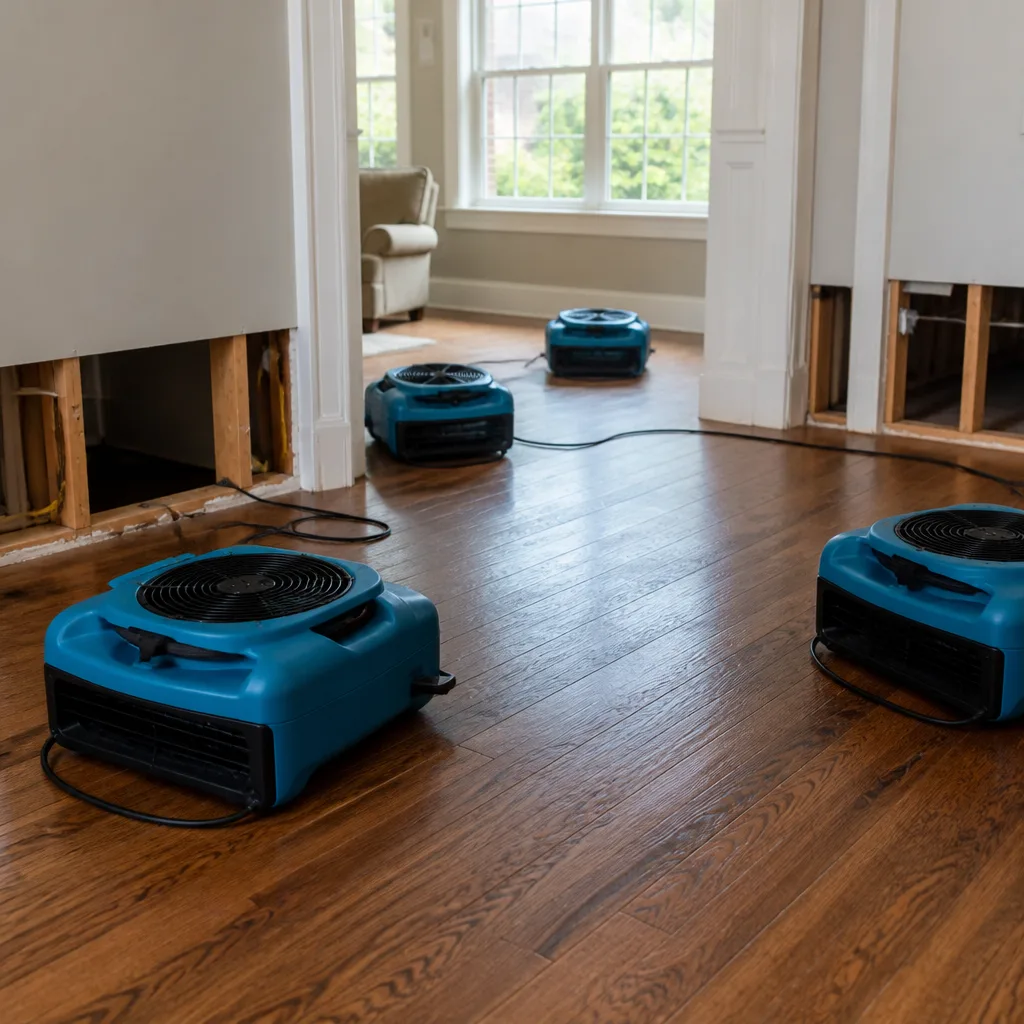
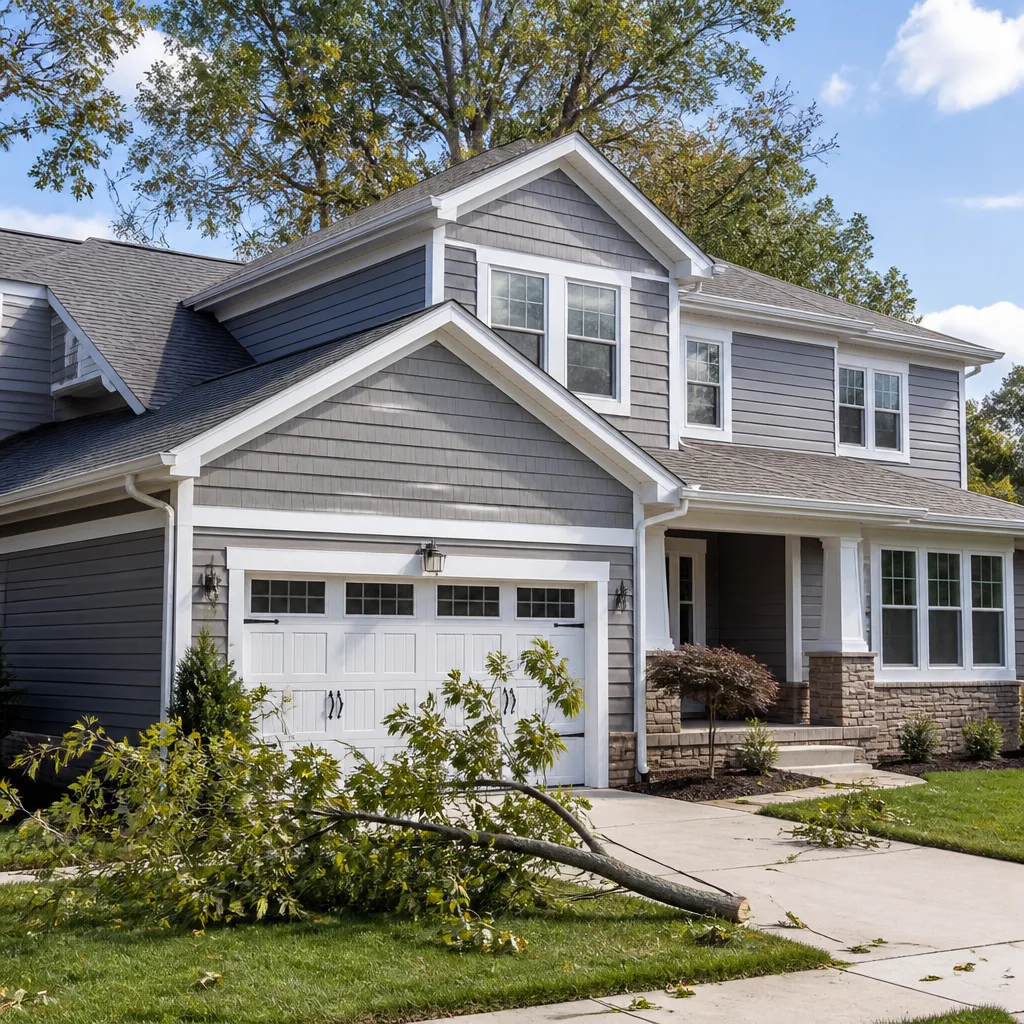
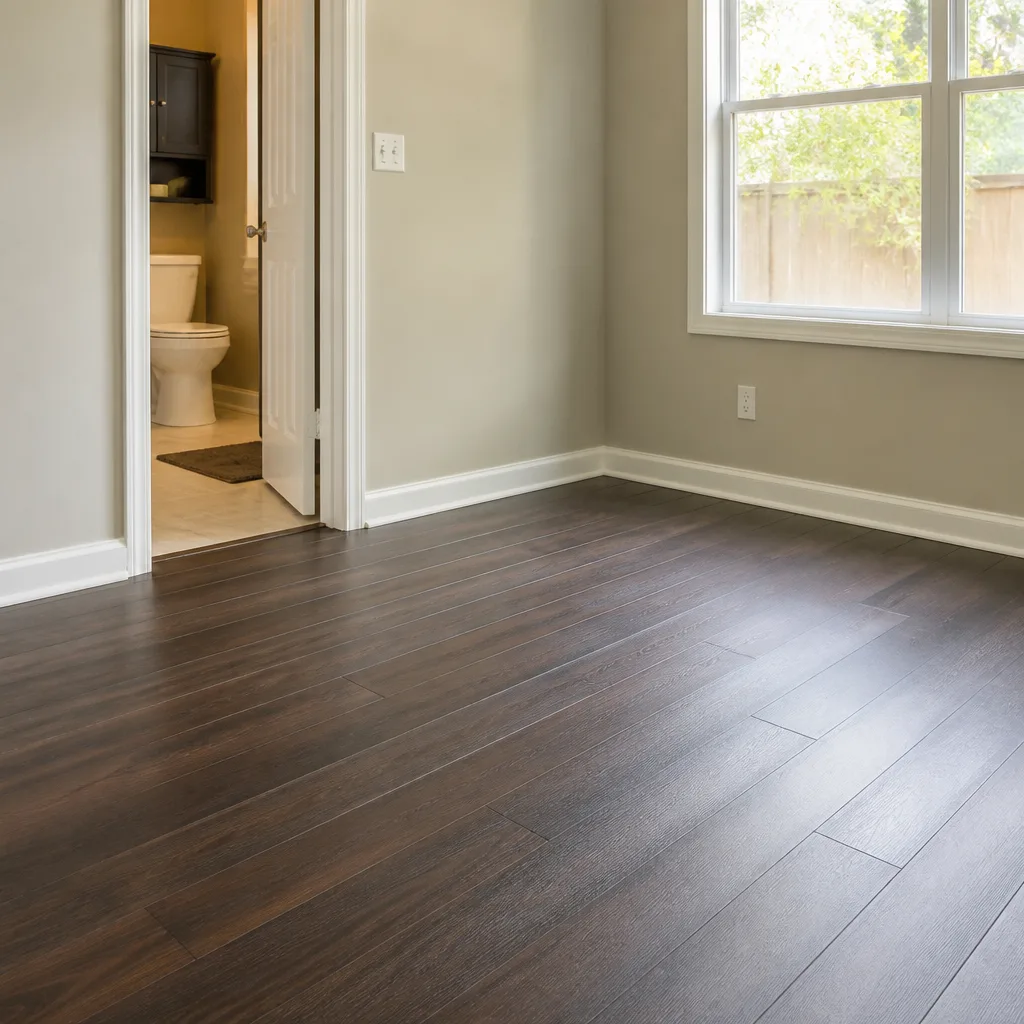
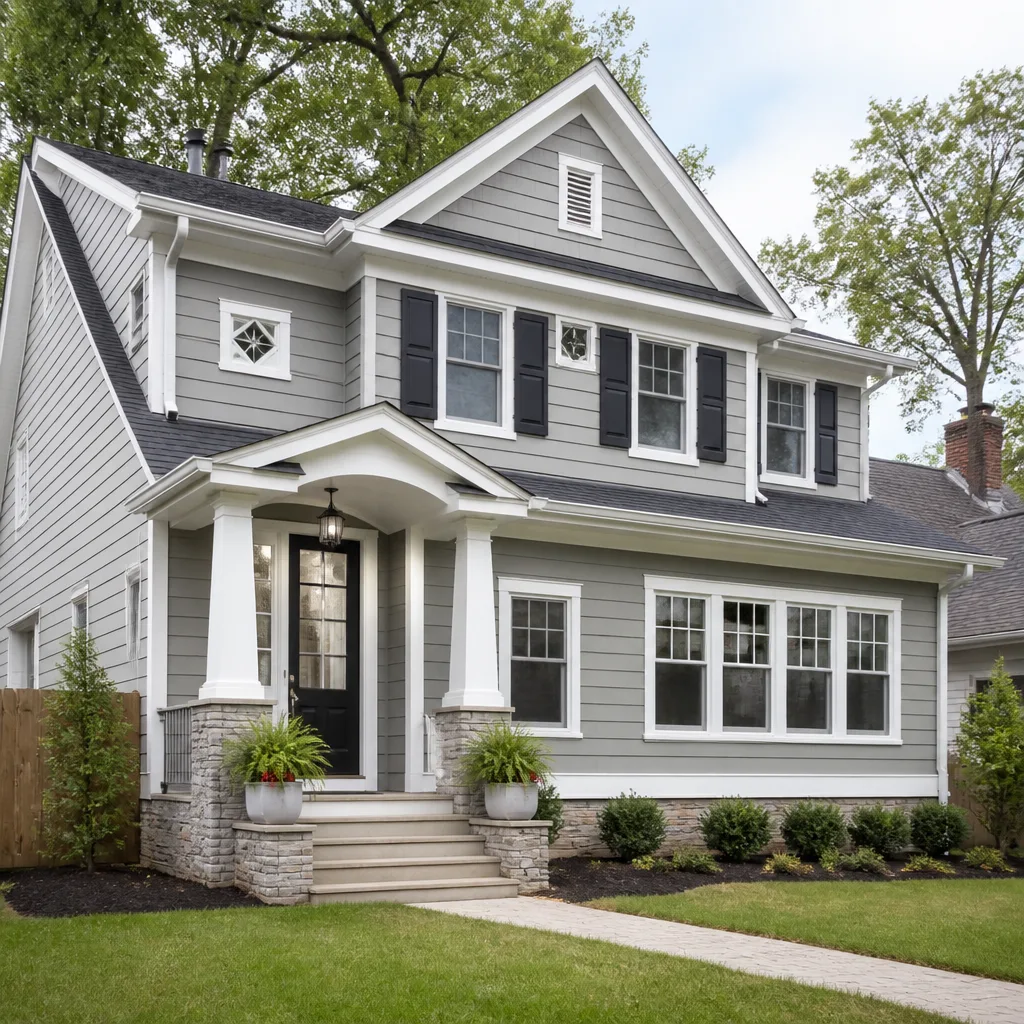
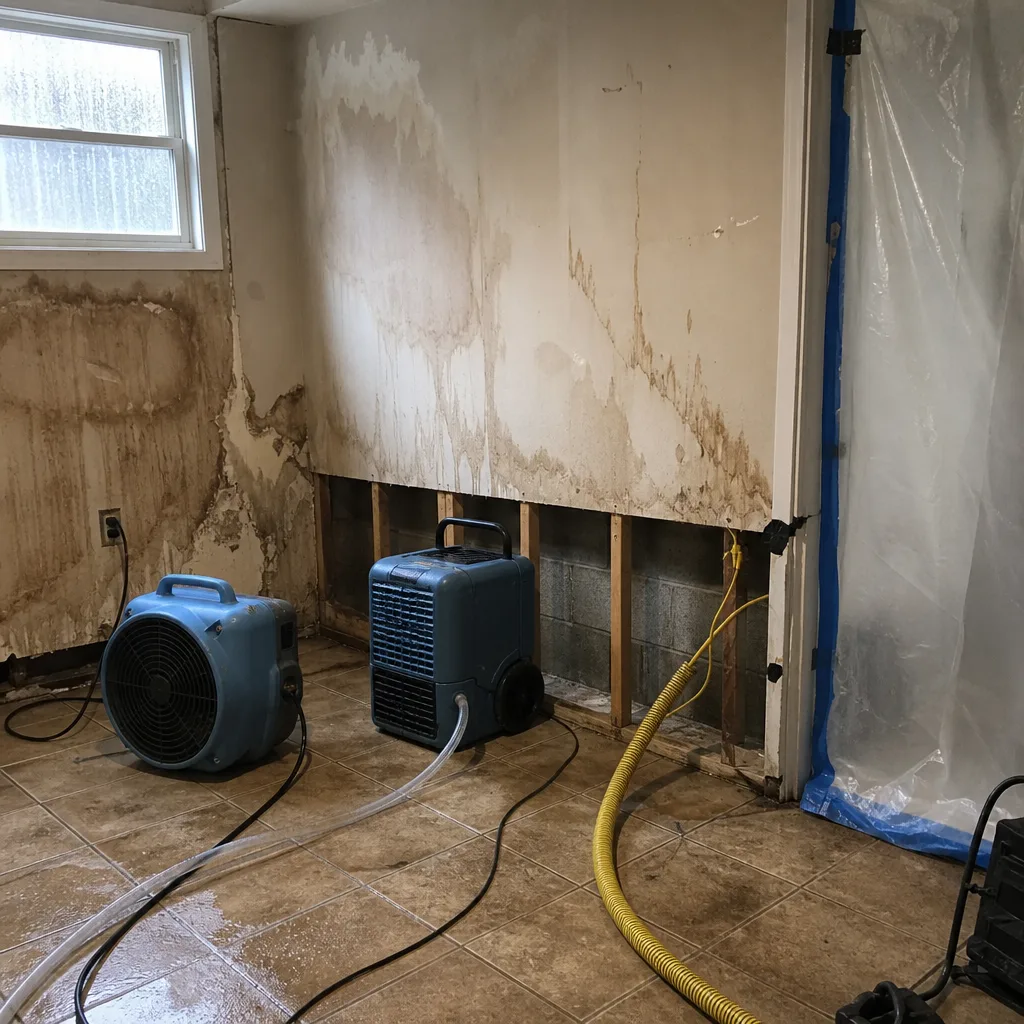 Before
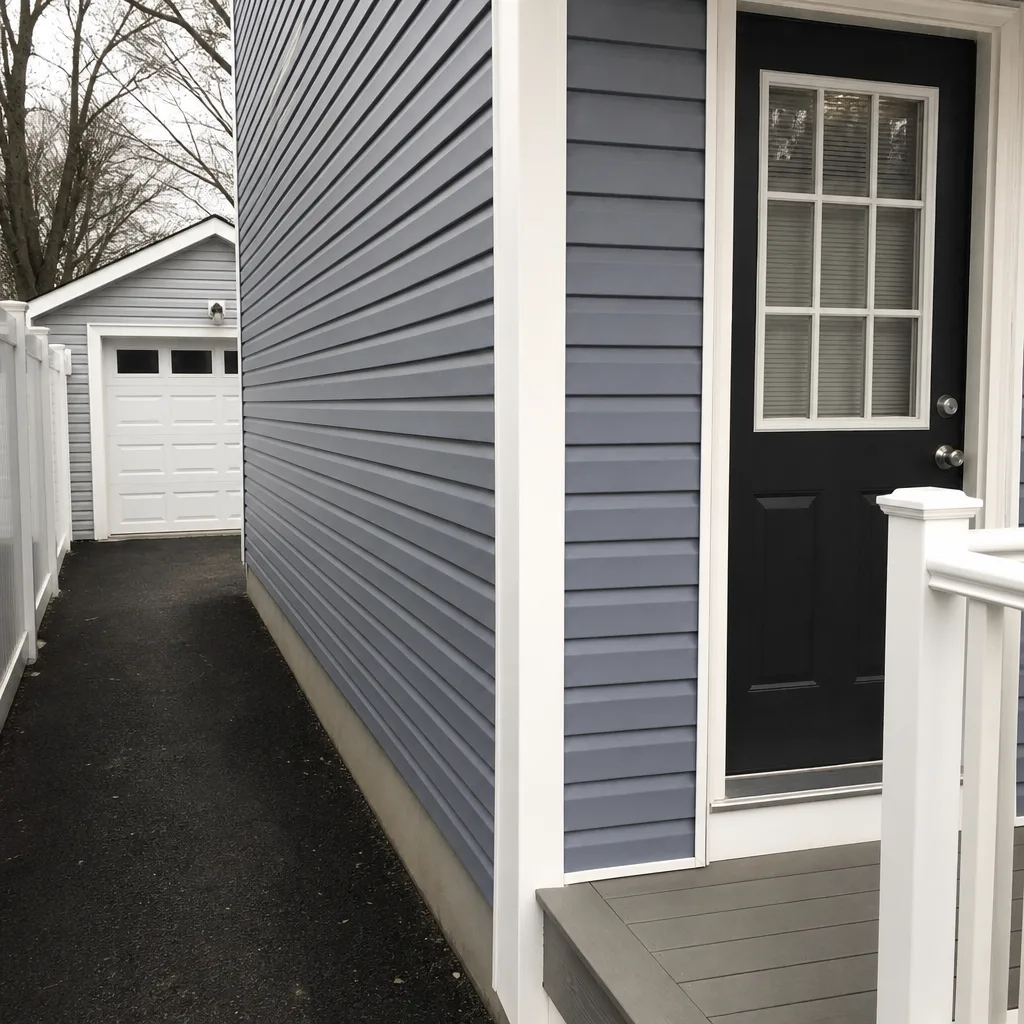 After
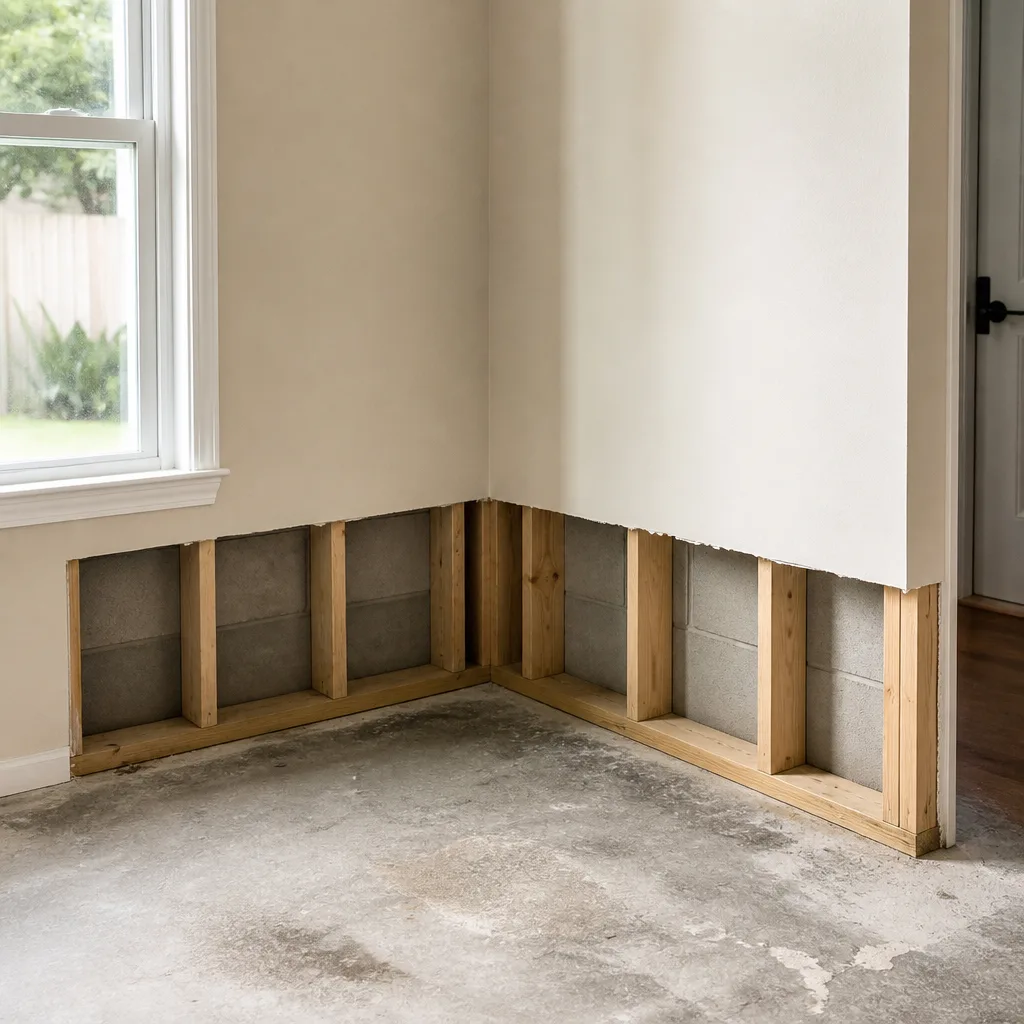
After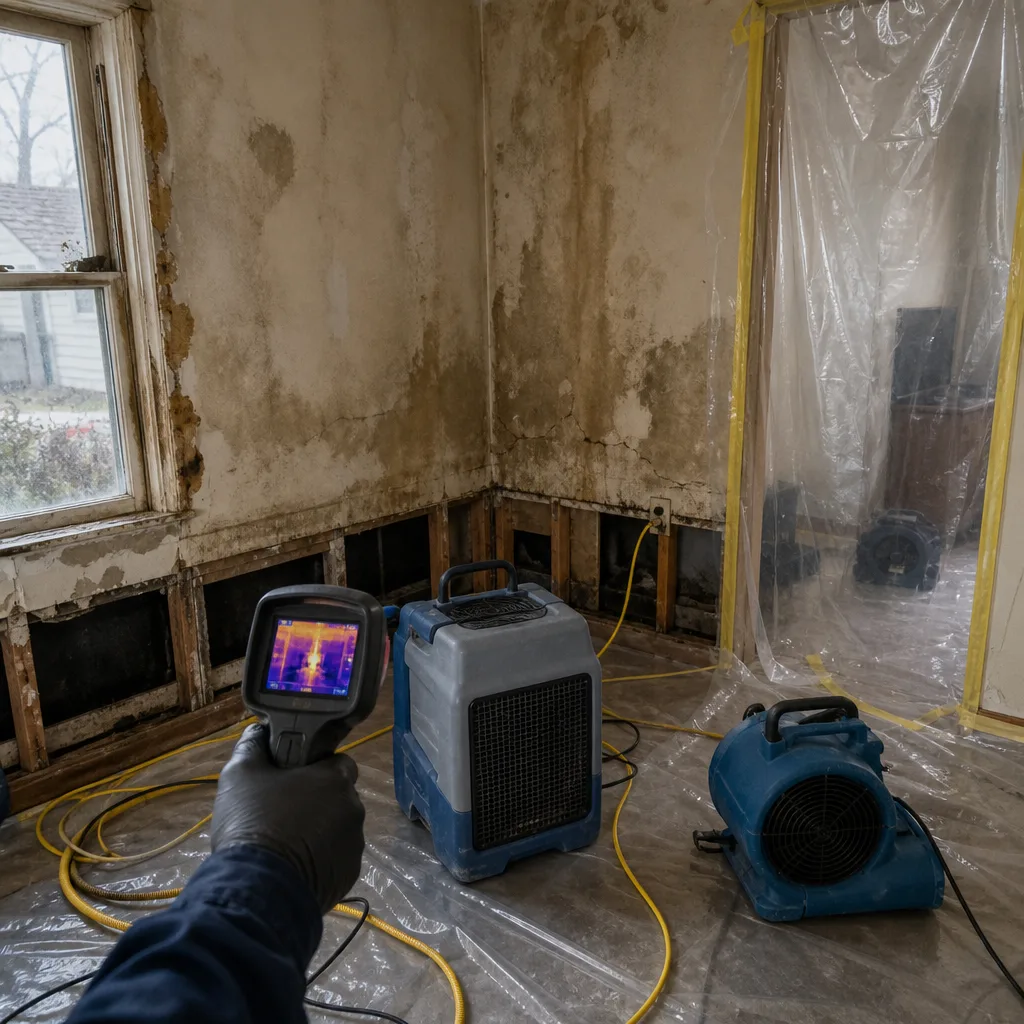 Before
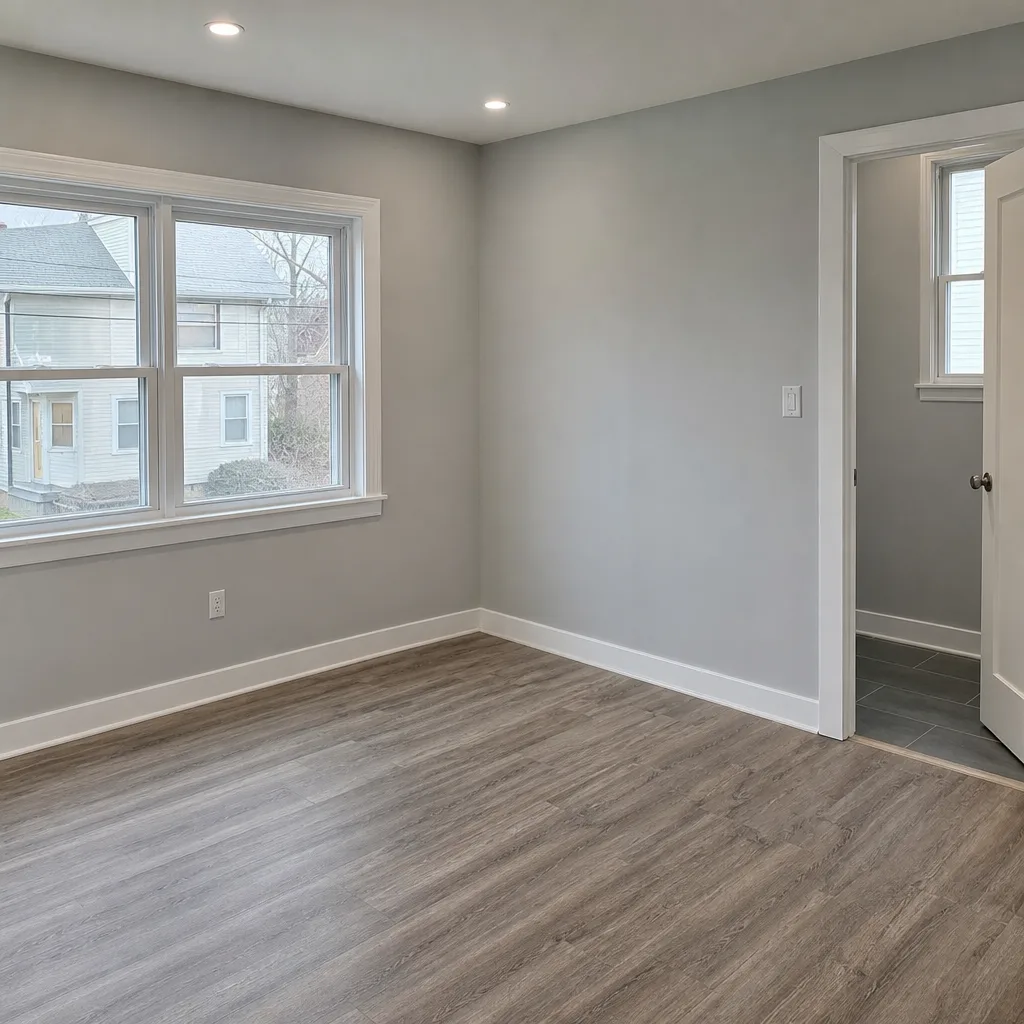 After
After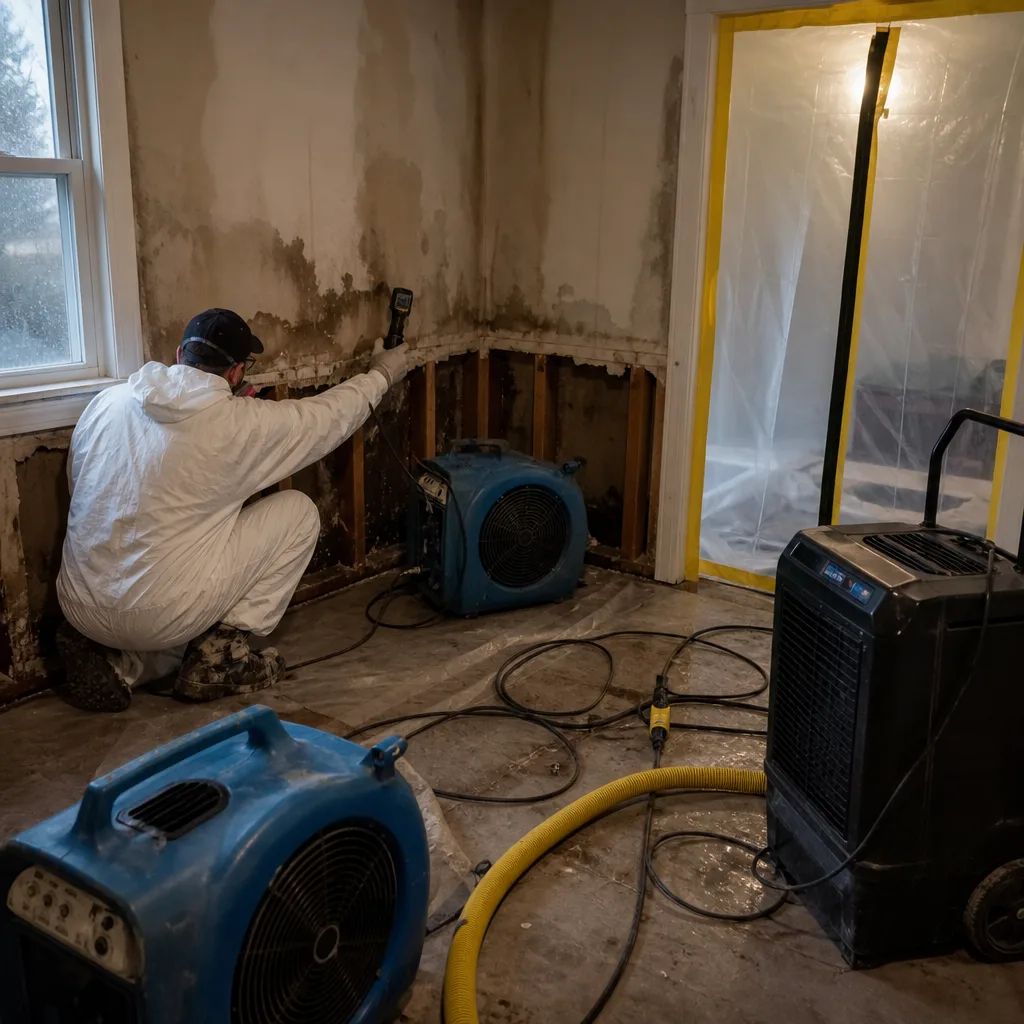 Before
 After
After24/7 Emergency Water Damage Restoration in West New York
Water damage in West New York rarely stays in one unit. The moment water breaches a shared masonry wall or a cast-iron stack fails, it begins moving through the building. Call (551) 373-5246 and you’ll reach a live dispatcher, not a recording, any hour of any day. We dispatch certified crews into West New York immediately, with a free visual inspection and a written scope before any work begins. The first hour determines whether you’re dealing with a contained cleanup or a multi-floor mitigation. In pre-war walk-ups, water travels fast through original lath-and-plaster ceilings and shared wall cavities. We start extraction the same visit, because in buildings this dense, the clock starts the second the leak does. Floodline Restoration Co. has answered West New York calls at 2 a.m. more times than we can count, and every single one got a live person on the line.
Understanding Water Damage Restoration Severity in West New York Properties
We classify water the way the IICRC standard teaches it: Category 1 is clean supply water, Category 2 carries contaminants, and Category 3 is grossly unsanitary, carrying sewage, bacteria, or floodwater. The severity question in West New York is almost always compounded by the building itself. A Category 1 supply-line break in a detached single-family home is a one-room drying job. That same break inside a shared wall cavity in a five-story brick tenement off Bergenline Avenue becomes a multi-unit event requiring containment, air scrubbing, and moisture mapping across vertical and horizontal planes. We use thermal imaging and penetrating moisture meters to map the wet perimeter, then set drying chambers with Dri-Eaz dehumidifiers and Phoenix air movers calibrated to the building’s construction. Original cast-iron drain stacks, galvanized supply lines, and party walls without proper fire-stops turn a minor leak into a structural drying project. That is the norm here, not the exception. West New York’s density means every water loss is assessed as a compartmentalization problem first: where did the water go, and which neighbors’ spaces are now at risk.
Why West New York Property Owners Choose Floodline Restoration Co.
- 45-minute response commitment. We dispatch from within the metro area and crews reach West New York fast, often while you’re still on the phone with your super or neighbor.
- 24/7 live answer. A real person picks up at 2 a.m., not an automated system. The dispatcher knows the West New York building stock and can start triage immediately.
- IICRC-certified crews. Our technicians hold WRT and ASD certifications, and we train to RIA and IFA standards. Background-checked and uniformed, every time.
- Free visual inspection. We assess the full vertical column of units, not just the one where water is visible, then hand you a written scope before work begins.
- Direct insurance billing. We bill your carrier directly and handle adjuster communication, so you never play messenger between us and the insurance company.
- One team from extraction to reconstruction. The same crew that reads the moisture map on day one handles daily readings, hands you the log, and rebuilds what needs rebuilding.
Our Water Damage Restoration Process
Inspection & Assessment
We start with thermal imaging and moisture mapping to find every wet surface, including hidden pockets inside wall cavities and ceiling bays. In West New York multi-family buildings, this means checking the units above and below, not just the one where water showed up.
Extraction / Stabilization
We pull standing water with truck-mounted and portable extraction units, then stabilize the area with containment and air movement. For sewage backups, we set up full containment before any drying begins.
Drying & Dehumidification
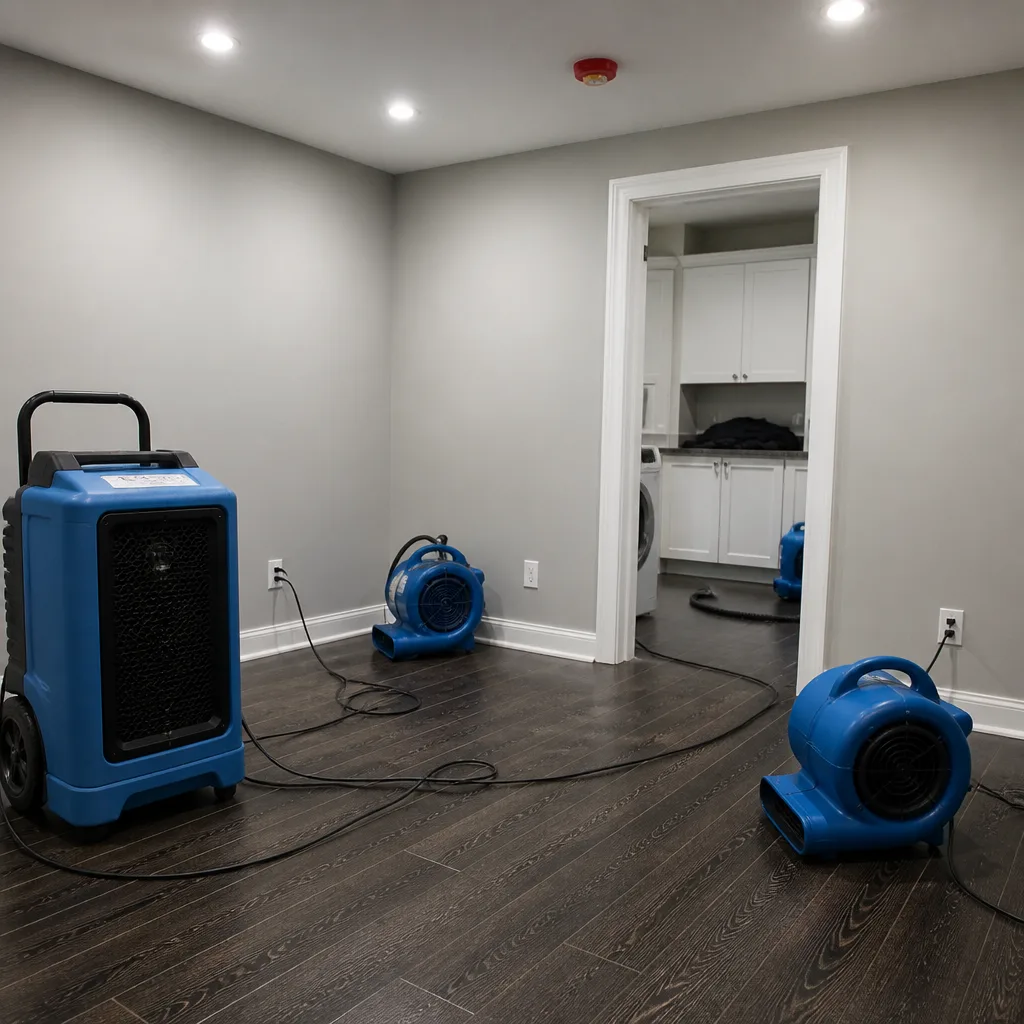
We place Dri-Eaz dehumidifiers and Phoenix air movers according to the moisture map, not by guesswork. Daily readings are logged until the dry standard is met, and the log goes to you and your carrier.
Cleaning & Sanitization
Affected surfaces are cleaned and sanitized to the category of water involved. For Category 3 losses, we use HEPA-filtered air scrubbers and EPA-registered antimicrobials on every affected surface.
Specialty Treatment for Multi-Unit Buildings
We inspect cast-iron stacks, party walls, and shared floor assemblies for hidden water migration. The vertical column gets assessed, because a leak one floor up is your problem within 48 hours in this building stock.
Repairs & Restoration
We rebuild what the water damaged: lath-and-plaster ceilings, original wood flooring, baseboards, drywall, and paint. The same crew that dried the building puts it back together. The 90-Day Done Right Promise covers the work in writing.
Need Emergency Water Damage Restoration in West New York Now?
Crews minutes away, answering live 24 hours a day. The sooner we start, the less it costs.
Working With Your Insurance Company
Insurance companies operate on documentation. So do we. From the first hour, we photograph every affected area room by room, log moisture readings throughout the drying process, and produce a line-item scope of work in standard industry format. Our team communicates directly with your adjuster, so you do not have to translate construction terms into insurance language. We have handled thousands of West New York claims, including multi-unit losses where the carrier needed to understand exactly which unit was the source and which units were affected. That matters in buildings with shared walls and common plumbing stacks. You get a square deal: no surprises on the bill, direct billing from Floodline Restoration Co. to your carrier, and a written guarantee at the end of it.
What We Provide Your Insurer
- Thorough documentation of the loss
- Photos of all damage, room by room
- Moisture readings and drying logs
- A detailed, line-item scope of work
- Direct coordination with your carrier
Built for West New York’s Loss Calendar
West New York’s water damage calendar follows the Hudson River and the freeze-thaw cycle. January and February bring deep freezes that burst supply lines in uninsulated closets and exterior wall cavities, especially in pre-war buildings with original galvanized piping. Spring thaws turn those frozen pipes into hidden leaks, and the same freeze-thaw pressure cracks flat roof membranes and parapet copings on older low-rise apartment buildings along the Palisades. That is when we get the ceiling stain calls: third-floor tenants near Boulevard East notice a brown ring spreading, and by the time we arrive, moisture has migrated through original lath-and-plaster into the unit below. Summer brings severe thunderstorms that overwhelm roof drains on flat-roofed walk-ups, sending water through ceiling penetrations and down interior walls. Nor’easters and high-tide events push water into ground-floor and basement units in the lower-elevation blocks near the riverfront, the same areas hit hard by Sandy in 2012. Every season produces a different failure mode here, and we have seen them all. The common thread is speed: the faster you call after water appears, the fewer units are affected, and the lower the final claim.
Water Damage Restoration Across West New York’s Neighborhoods
The response routes through West New York are defined by Bergenline Avenue, Boulevard East, and the grid of numbered streets running up the Palisades. In the dense walk-up blocks around Bergenline Avenue and 60th Street, we park on side streets and run hoses through apartment windows, because there is no driveway to stage equipment on. These buildings, most built before 1940, have cast-iron soil stacks running through interior walls, and a backup on one floor announces itself three floors down. Near Boulevard East and the waterfront, the post-2000s high-rise towers present a different challenge: complex mechanical rooms, chases running floor to floor, and property management teams with strict insurance protocols. Our crew carries the equipment in through service elevators and sets drying chambers inside finished luxury units without damaging millwork. In the northern blocks toward the North Bergen border, the low-rise brick buildings have flat roofs and parapet walls that fail every spring, sending water into top-floor ceilings at the seams. And in the southern section near the Weehawken line, the older tenements are some of the tightest building envelopes we work in, where every hose run and air mover placement has to account for tenants in the units around the loss.
Specialized Water Damage Restoration Services We Offer in West New York
Emergency Water Extraction
We remove standing water from any surface, in any unit, on any floor. In West New York walk-ups, this often means carrying extraction wands up four flights of stairs and setting up hose lines through windows. We have done it more times than we can count, and we do it fast.
Structural Drying & Dehumidification
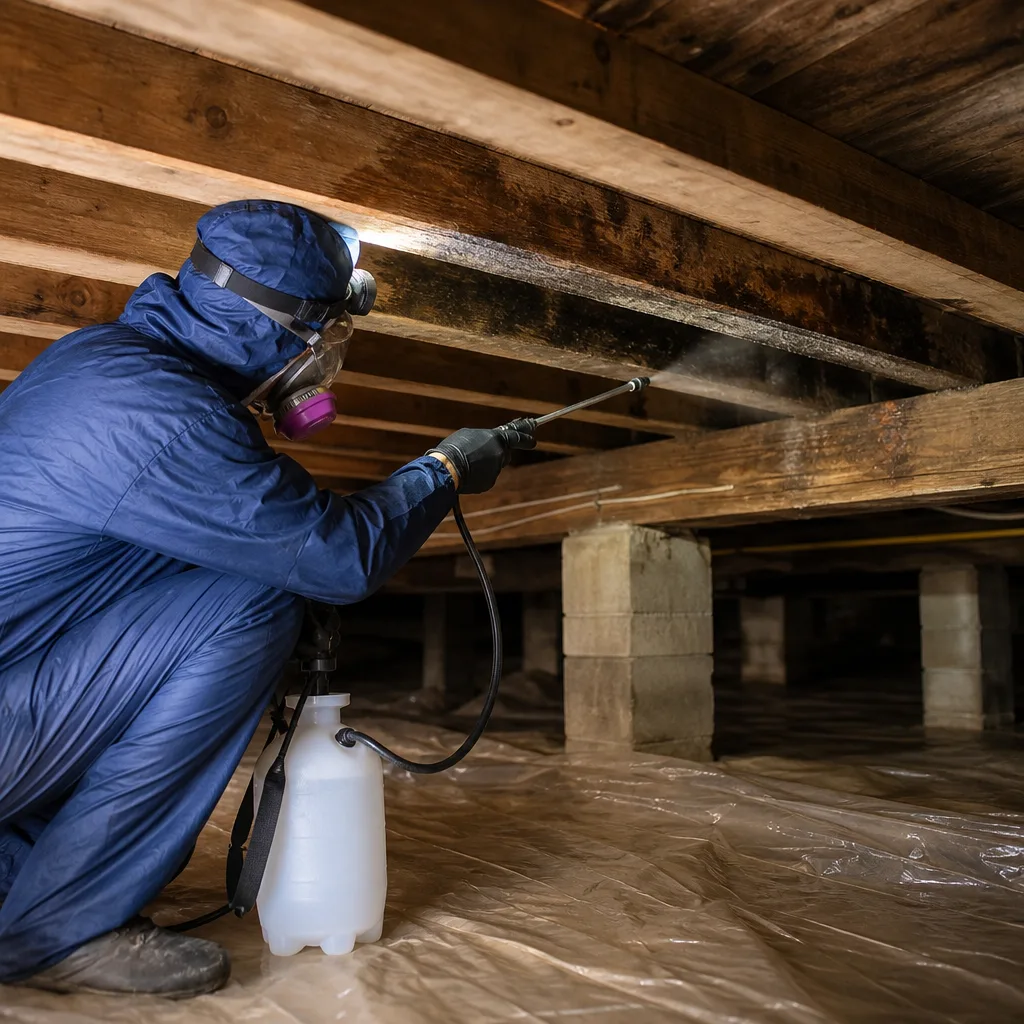
Drying a pre-war building is not the same as drying a sheetrock house in the suburbs. We use Dri-Eaz and Phoenix equipment sized to the room volume and the building material. Original plaster holds water differently than drywall, and we adjust the drying plan accordingly, with daily moisture readings logged in writing.
Flood Cleanup
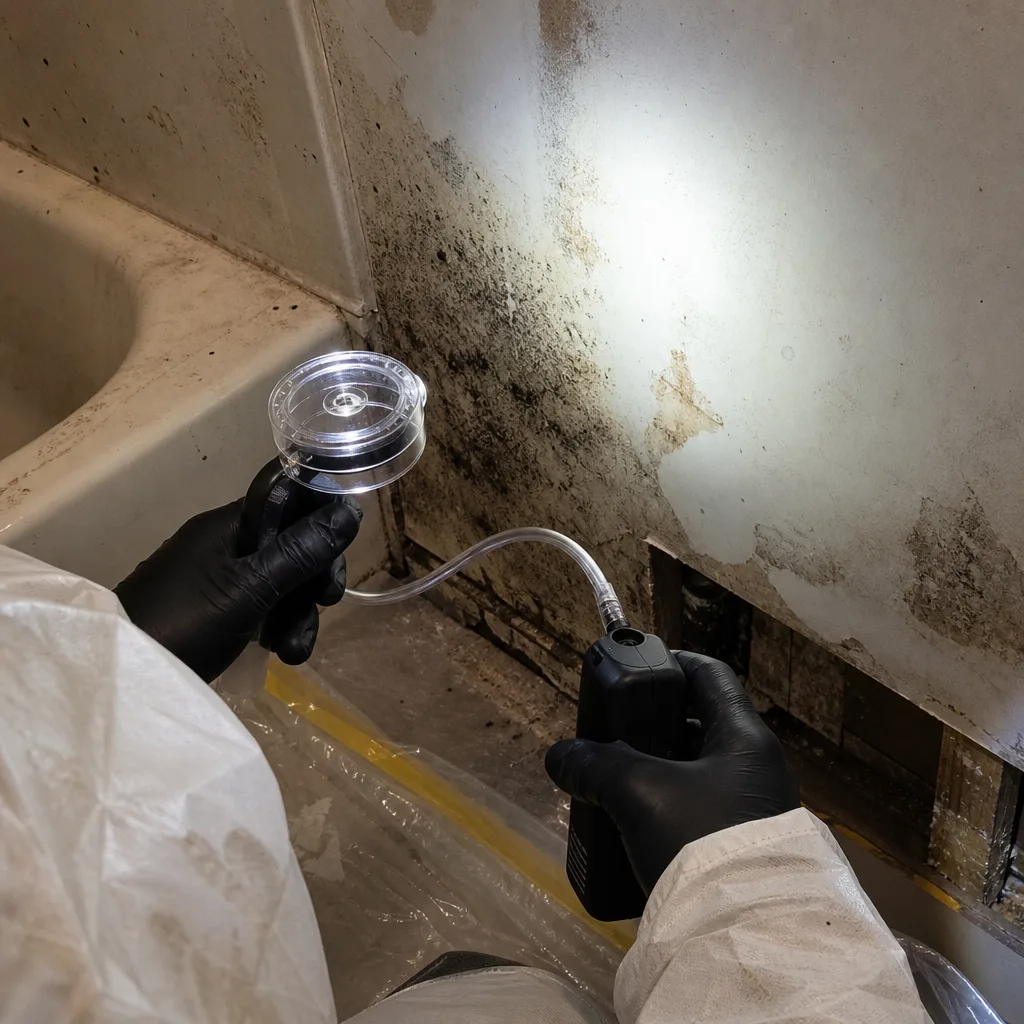
When the Hudson River pushes into ground-floor and basement units during a nor’easter or high tide, the water is Category 3: contaminated, dangerous, and requiring full containment. We handle flood cleanup for both older low-rise buildings and the newer riverfront towers, with HEPA air scrubbing and full sanitization.
Burst Pipe Restoration
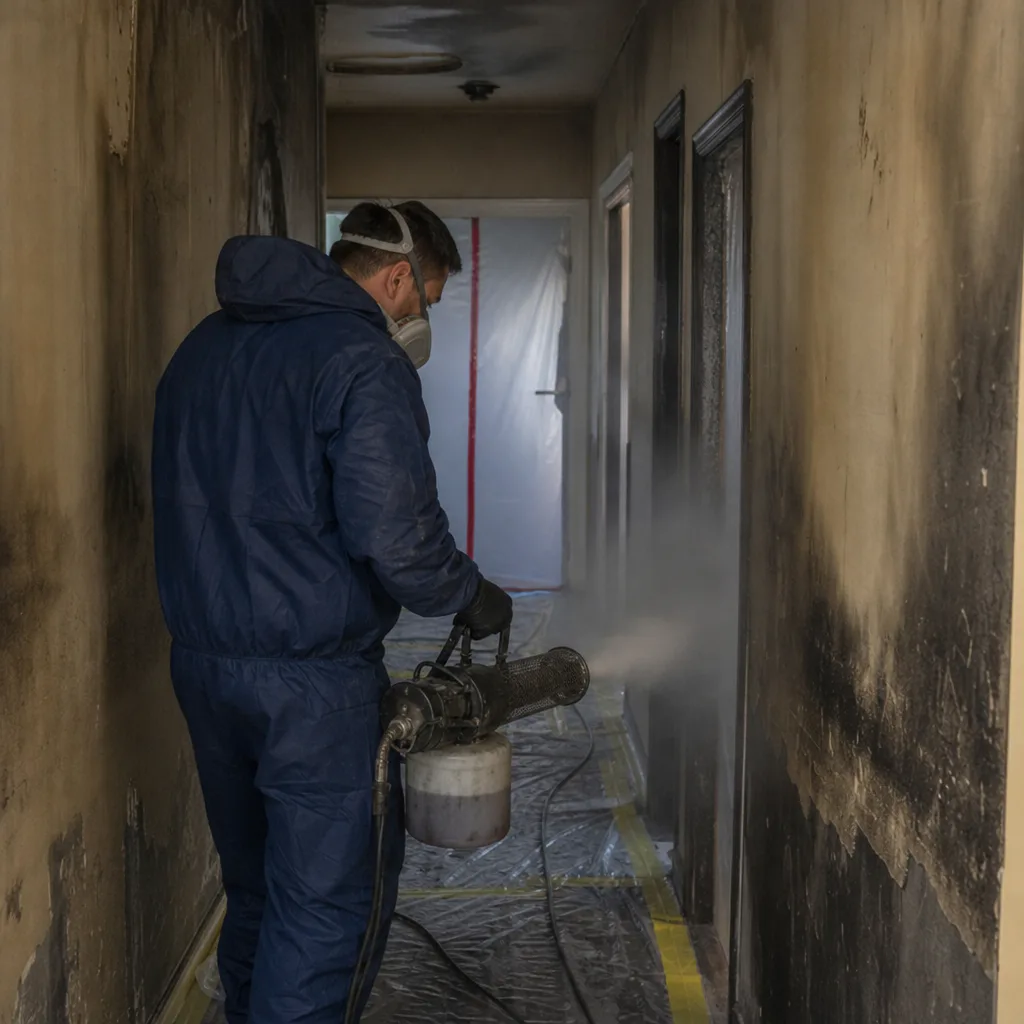
A burst supply line in a West New York winter can run for hours before anyone notices, especially in vacant apartments or utility closets. We trace the water path through walls and floors, document the full extent, and dry the entire affected column of units, not just the one where the pipe let go.
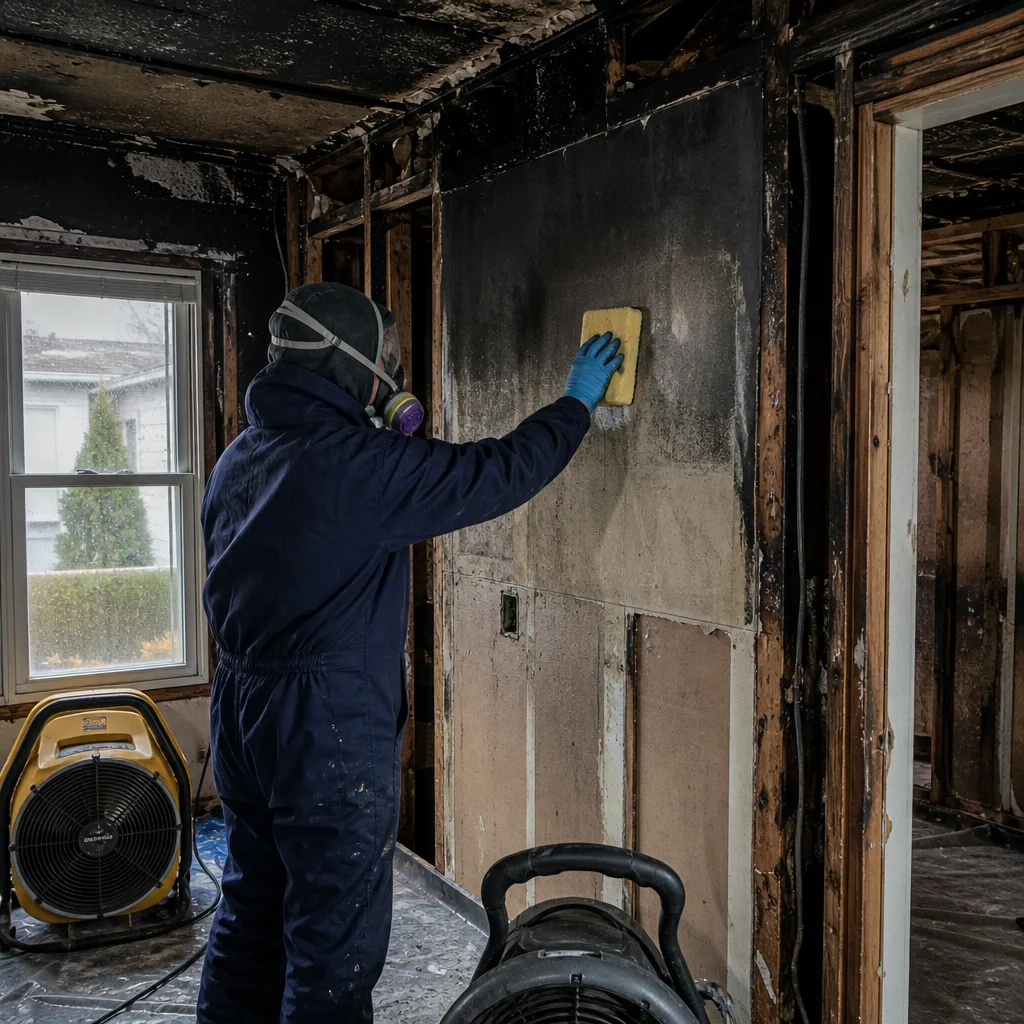
Basement Water Removal
Basement units in West New York’s lower-elevation blocks are the first to flood during coastal events, and the last to dry. We extract standing water, set dehumidifiers sized for below-grade spaces, and monitor the drying until the moisture readings return to baseline. Then we tell you what needs rebuilding and what can be saved.
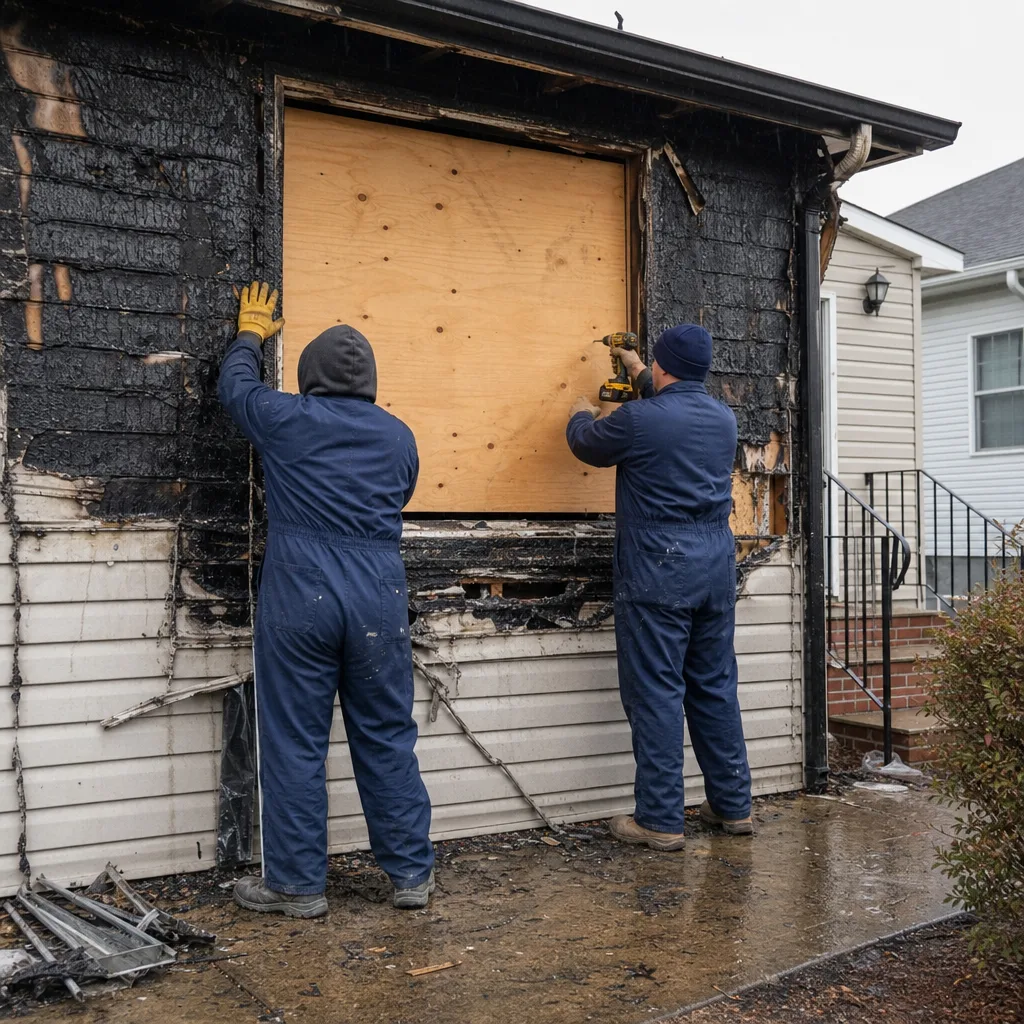
Ceiling & Roof Leak Water Damage
Spring in West New York means cracked roof membranes and failed parapet copings. When water shows up on a top-floor ceiling near Boulevard East, we assess the roof first, then the ceiling cavities below. The leak has often been traveling through the roof assembly for weeks before the stain appears.
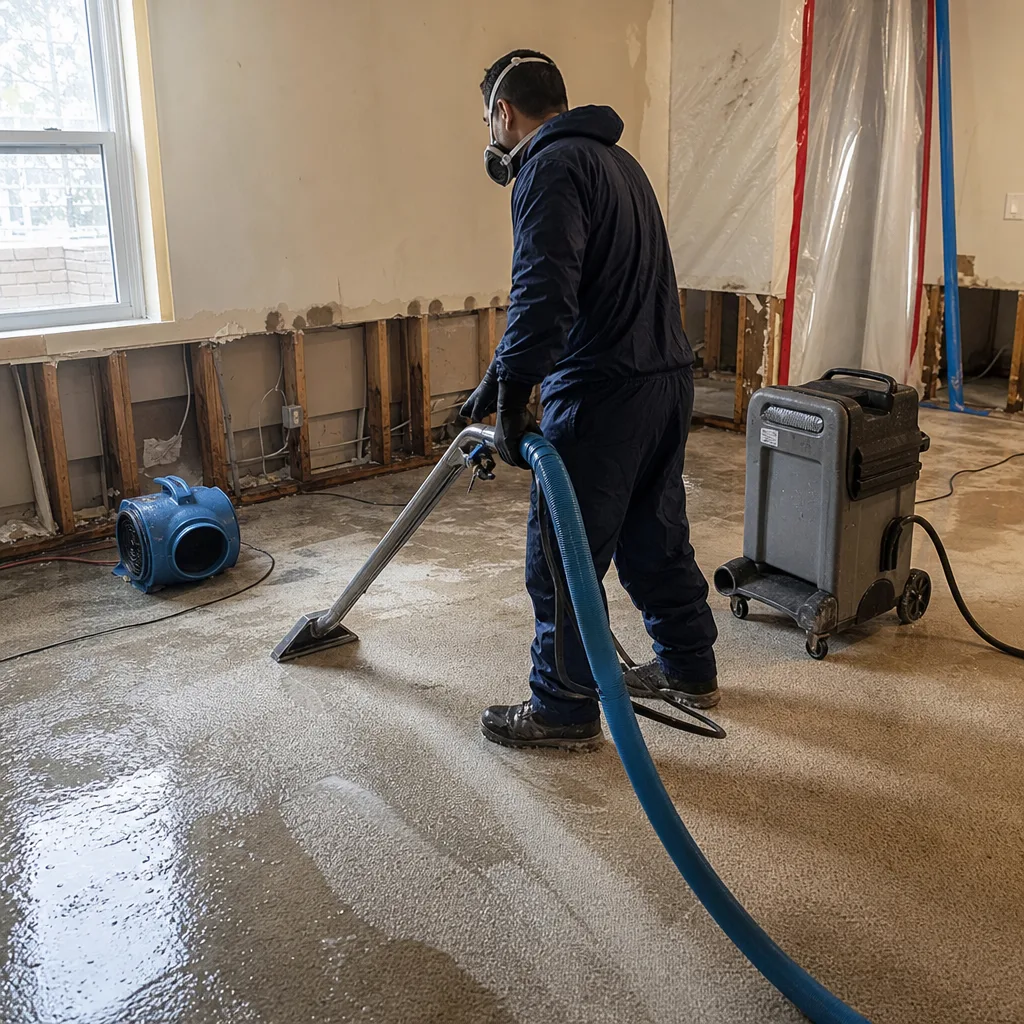
What happens when you call
- 1
A real person answersNo phone trees - you reach a local pro.
- 2
You get an upfront price rangeHonest numbers before anyone is dispatched.
- 3
A background-checked tech heads outLicensed & insured, dispatched right away.
- 4
You approve before work beginsNothing starts until you say go.
Water Damage Restoration Costs in West New York, NJ
A typical emergency water extraction in a West New York apartment runs $450 to $850, depending on the square footage affected and the number of floors involved. Structural drying of a single room with dehumidifiers and air movers typically runs $1,200 to $2,400. A Category 3 sewage backup requiring full containment, sanitization, and multi-unit coordination starts around $3,500 and can reach $12,000 or more in a pre-war building where cast-iron stacks have saturated three floors of lath-and-plaster. Burst pipe restoration with drywall and ceiling repair runs $2,000 to $6,500 depending on the number of rooms and the age of the finishes. Roof leak ceiling repairs in older flat-roof buildings run $800 to $2,800 for the interior work, with the roof membrane repair priced separately. Most homeowner policies cover sudden and accidental water damage, and we bill your carrier directly. The fastest way to a firm number is a free visual inspection. Call (551) 373-5246 and we will walk the unit with you, talk through the scope, and hand you a written estimate before any work starts.
We Also Serve Cities Near West New York
Our crews cover the entire Hudson County waterfront and the towns just inland. We regularly respond to water damage calls in Kearny, Harrison, North Arlington, and Lyndhurst, with the same live dispatch and the same certified crews. If you’re in one of those towns and water is where it should not be, call the same number: (551) 373-5246.
Serving West New York, NJ - Our Local Coverage Area
We’re based in the West New York area and know this community well. Use the map below to see our service coverage - if you’re nearby, we can almost certainly help.
West New York Water Damage Restoration Questions, Answered
What does a category 3 water backup in a West New York cast-iron stack mean for neighboring units?
A Category 3 backup in a shared cast-iron stack means contaminated water has entered the common plumbing system, and any unit connected to that stack is at risk. In West New York walk-ups, these stacks run vertically through interior walls with no cleanouts, so the water can saturate ceiling and wall cavities on multiple floors before anyone sees it on the ground level. You should treat every unit above and below the backup as potentially affected until moisture mapping proves otherwise. Call (551) 373-5246 and we will map the full vertical column, not just the unit that called.
How quickly can mold start in a West New York pre-war apartment after a roof leak in spring?
Mold can begin colonizing within 48 to 72 hours after water saturates organic building materials like lath, plaster, and original wood flooring. In pre-war West New York buildings, the roof leak has often been feeding moisture into the ceiling cavity for days or weeks before the stain appears, which means mold growth may already be active when you first see the discoloration. We recommend calling for a free inspection as soon as a ceiling stain appears near Boulevard East or any of the older flat-roof blocks.
Do I need to coordinate with my neighbors if my water damage is only in my unit?
In most West New York multi-family buildings, the answer is yes. Shared walls and common plumbing stacks mean the water you see in your unit may have originated in the neighbor’s unit, or may have already migrated into theirs. We handle that coordination as part of the job: notifying adjacent unit owners, arranging access for drying, and communicating with the building management. You should not have to play messenger between neighbors. Call us and we will handle the multi-party coordination that this building stock demands.
Are there special permit or code requirements for water damage restoration in West New York’s older multi-family buildings?
Yes. West New York enforces the New Jersey Uniform Construction Code, and restoration work in older multi-family buildings often triggers requirements around lead paint, asbestos, and fire-rated assemblies. Original lath-and-plaster walls in pre-war buildings may contain materials that require testing before demolition. We navigate the permit and code requirements as part of the scope, and we handle the paperwork with the building department so you do not have to.
What should I do if water is coming from the ceiling of my ground-floor unit in an older building near Boulevard East?
First, get clear of the water if it is near any electrical fixtures or outlets. Then call (551) 373-5246. In these older buildings near Boulevard East, water on a ground-floor ceiling usually means a leak has traveled down through multiple floors, often from a supply line or drain stack failure in one of the units above. We will trace the source with thermal imaging and moisture mapping, set containment on every affected floor, and begin extraction the same visit.
How fast can Floodline Restoration Co. actually reach a West New York address?
We commit to a 45-minute response window for West New York addresses during emergency water events. Our dispatchers are live 24 hours a day, and crews are staged across the metro area to reach the Hudson County waterfront quickly. In most cases, extraction is running within two hours of the first call. The 45 minutes is a commitment, not a sales pitch.
Will my insurance cover water damage restoration in a West New York apartment building?
In most cases, yes. Sudden and accidental water damage from burst pipes, sewer backups, and roof leaks is covered by standard homeowner and condo policies. The nuance in West New York multi-family buildings is determining which party’s policy applies: the unit owner’s, the building’s master policy, or a neighbor’s liability coverage. We work directly with your adjuster, document the loss from the first hour, and bill your carrier directly so you are not carrying the whole bill while the claim sorts out.
What should I do in the first 30 minutes after discovering water damage?
Call (551) 373-5246. Before we arrive, if you can safely do so, shut off the water supply to the affected fixture or unit, and move any small valuables out of the wet area. Do not enter standing water if electrical outlets or appliances are submerged. Do not attempt to open walls or pull up carpeting yourself; that can spread contaminated water and complicate the insurance documentation. We will handle the rest from the first hour.
Written by Curt Bowman, Owner at Floodline Restoration Co. Our Water Damage Restoration team serves West New York and the surrounding Hudson County communities 24 hours a day, 7 days a week. Call (551) 373-5246 for a free estimate.