
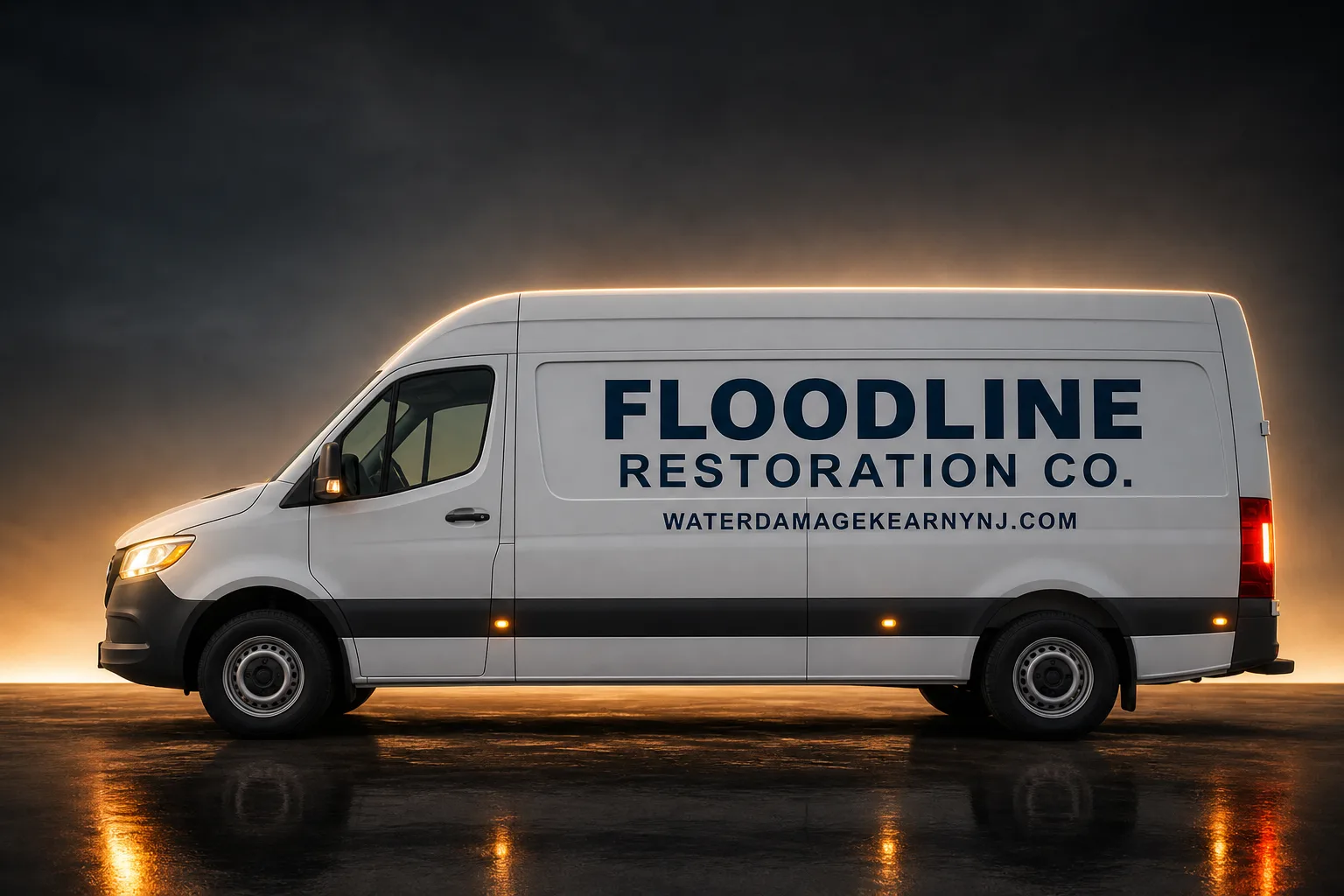
Free visual inspection and a written scope of work before any mitigation begins - photos, moisture readings, and drying logs go in your claim file
The scope we write is the scope we bill. Anything new gets shown to you, in writing, before we touch it.
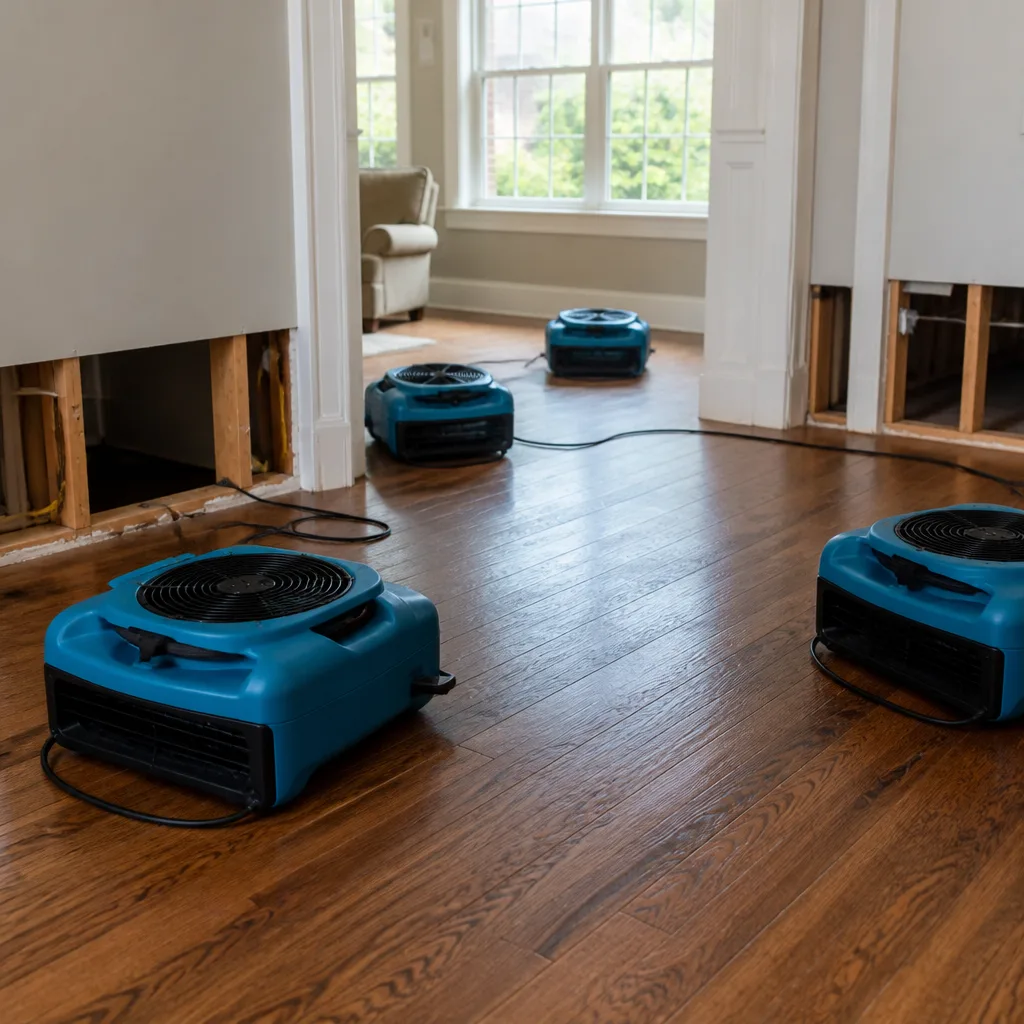
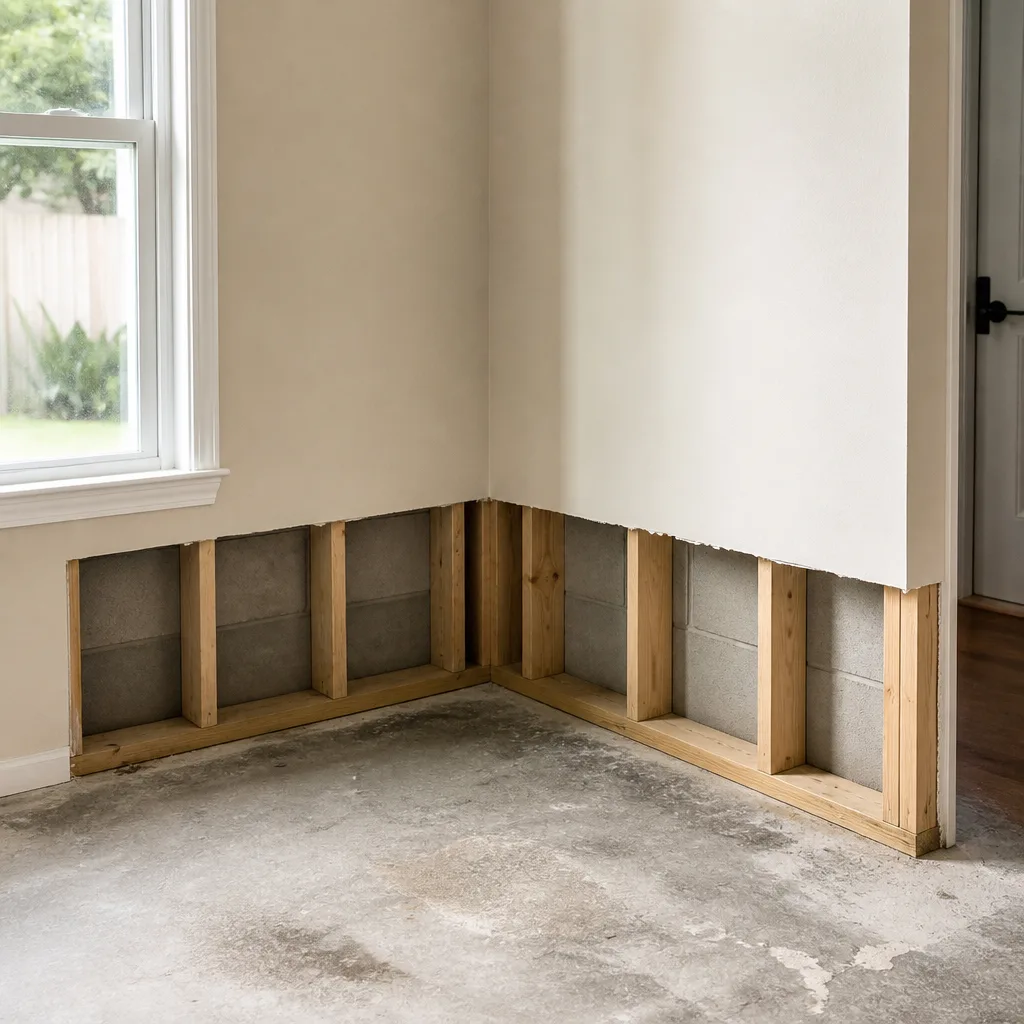
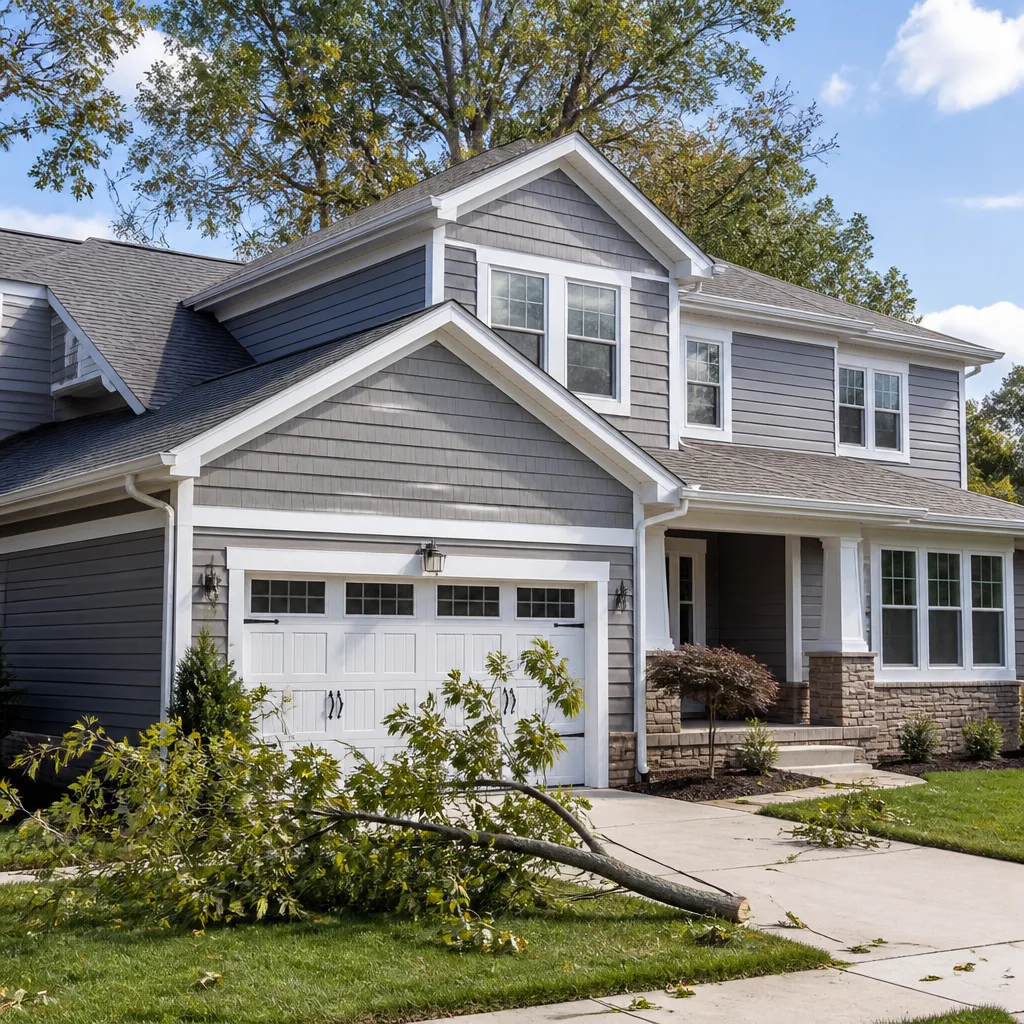
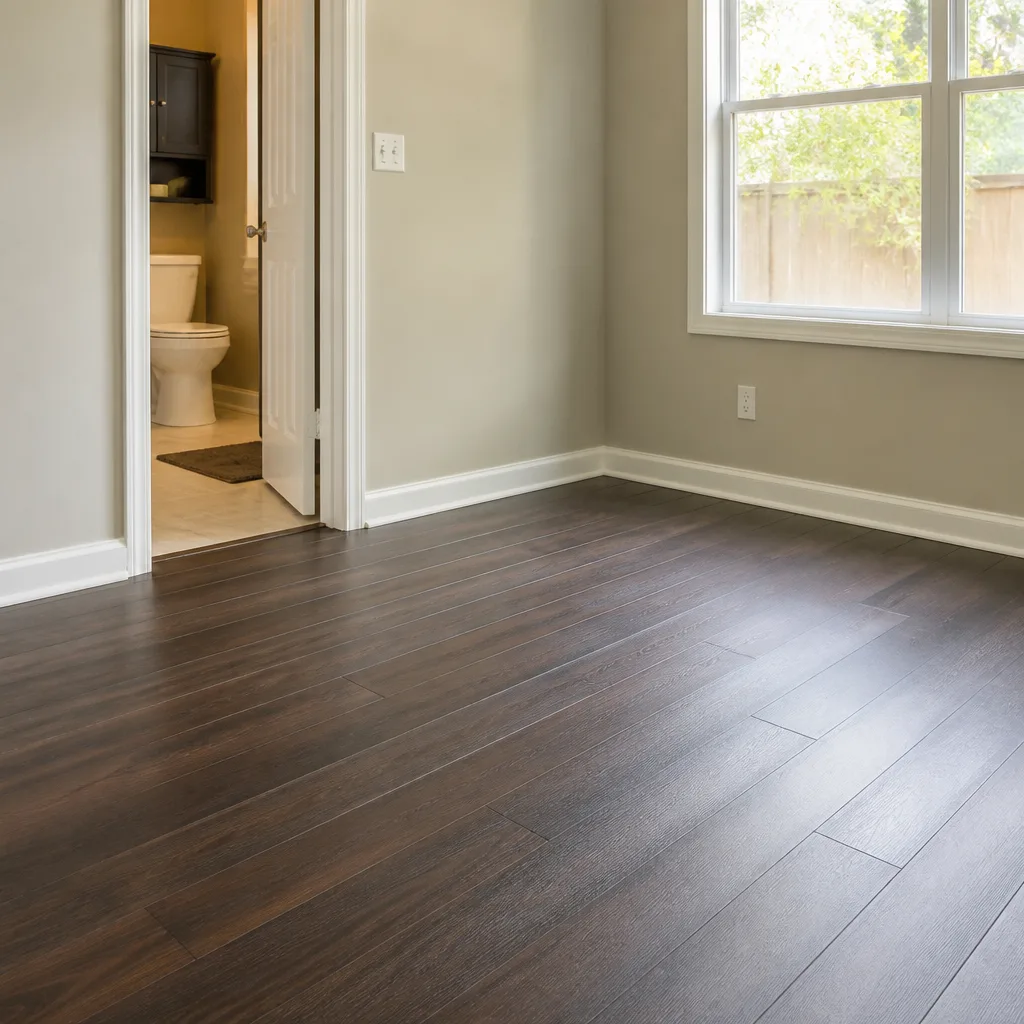
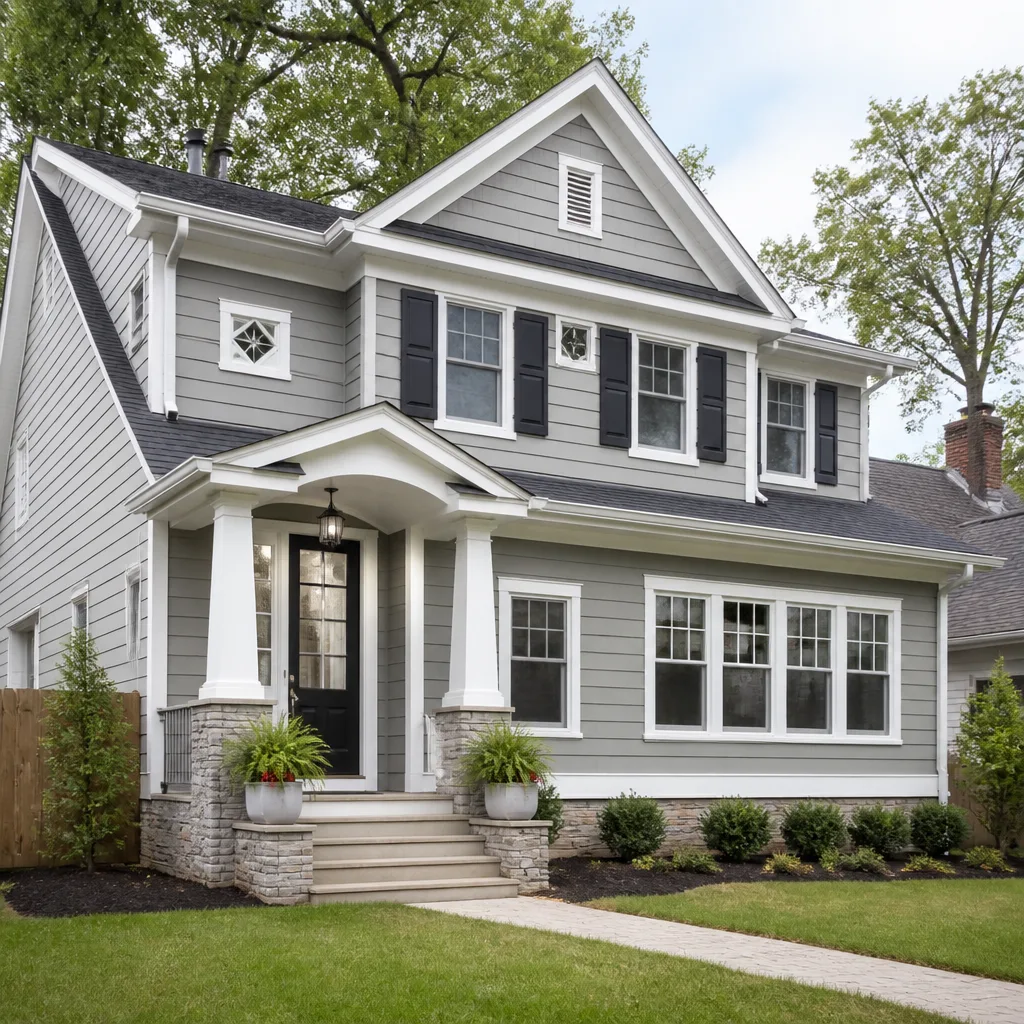
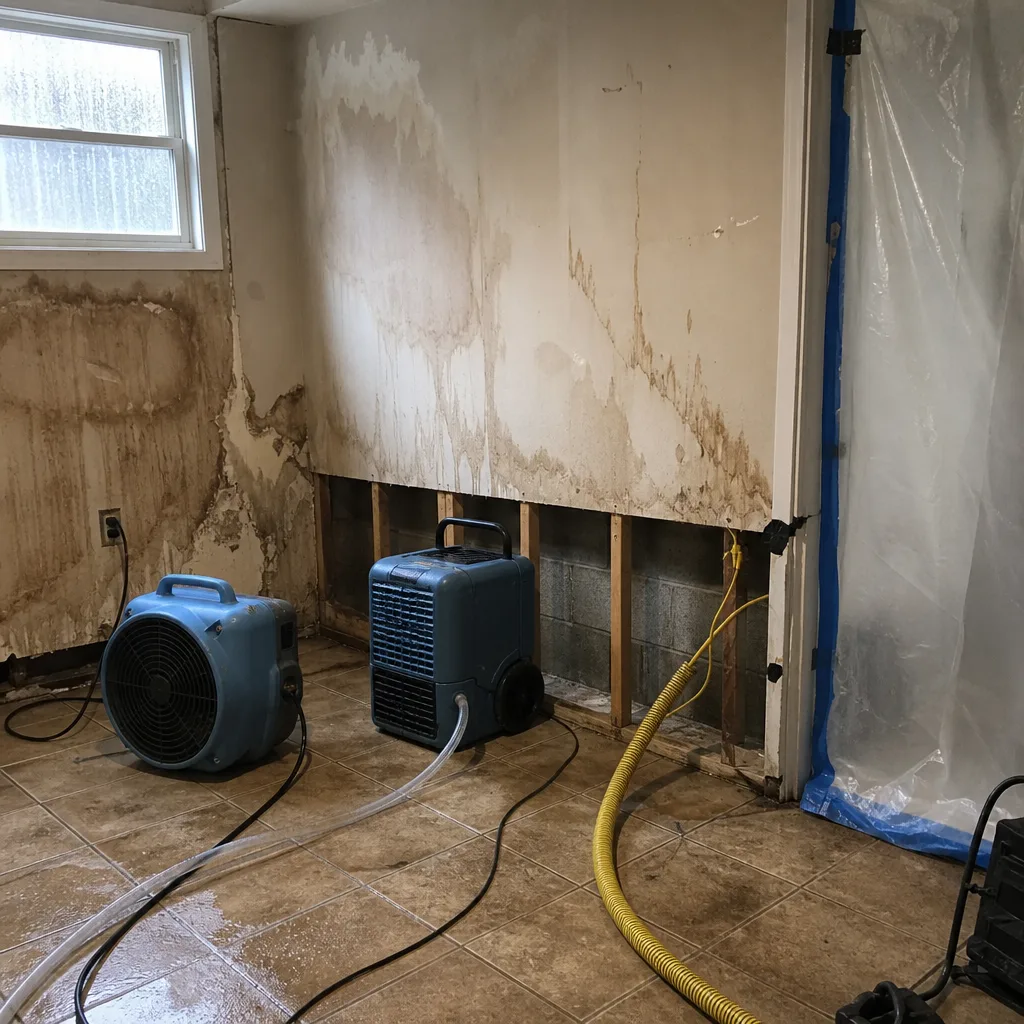 Before
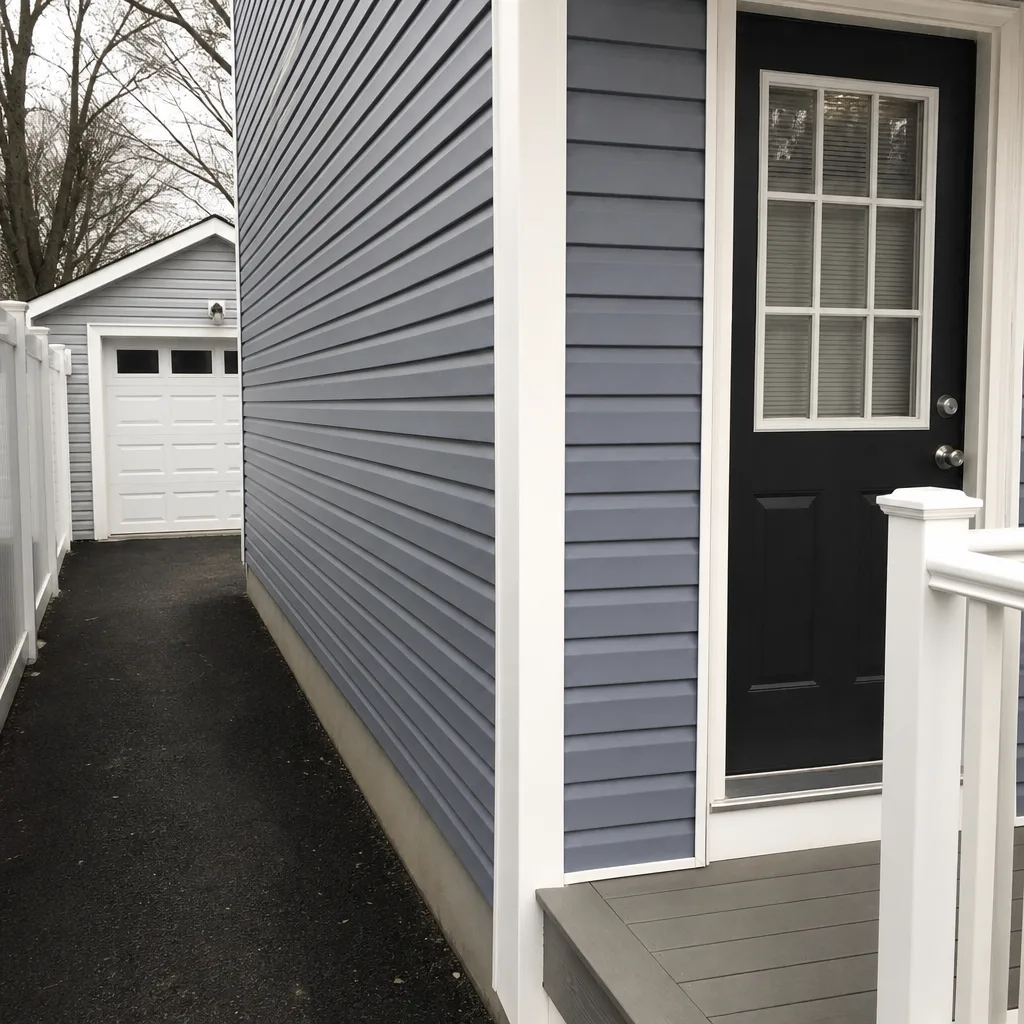 After
After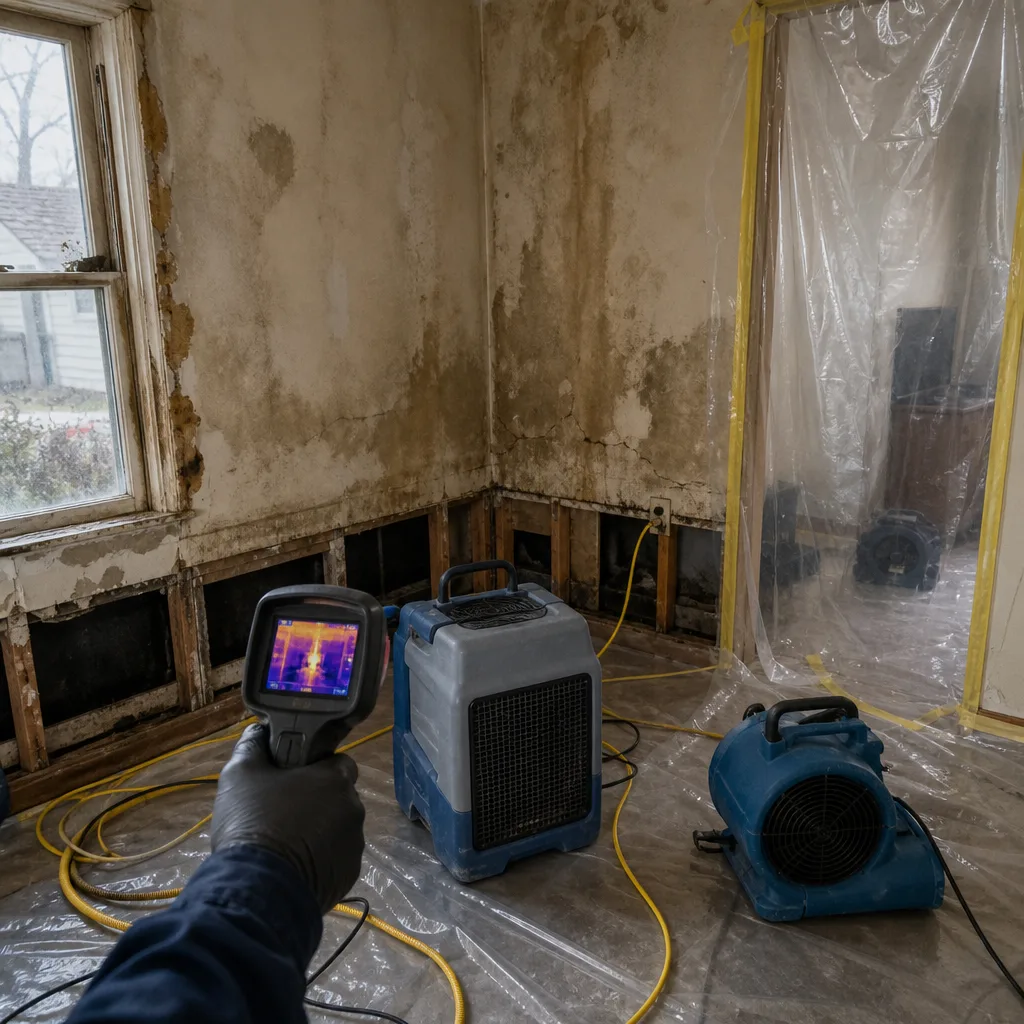 Before
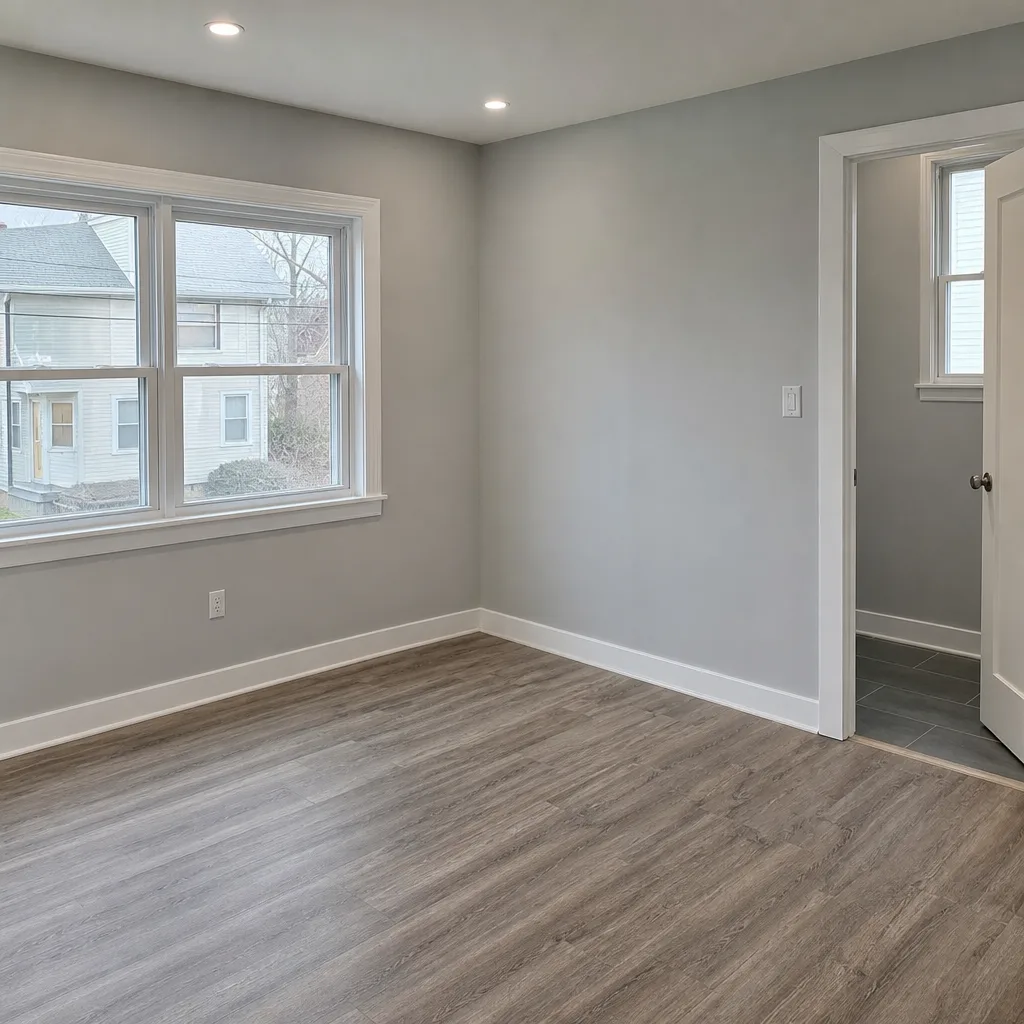 After
After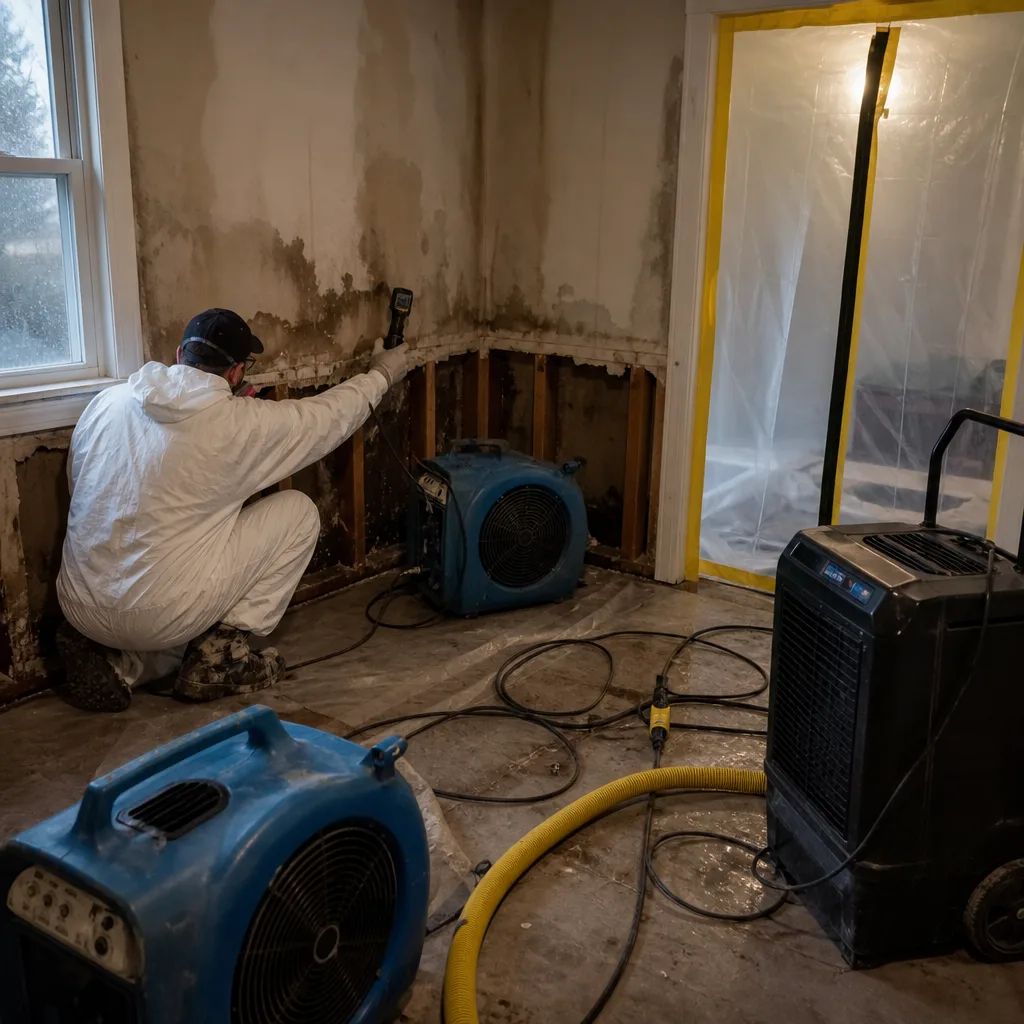 Before
 After
After24/7 Emergency Commercial Restoration in West New York
Commercial restoration in West New York means acting fast when a pipe bursts on the fourth floor of a Bergenline Avenue walk-up and water is already running through three ceilings below it. We answer live at (551) 373-5246 every hour of every day, and our crews are dispatched into West New York immediately because we know the first hour determines whether you’re looking at drying or full reconstruction. Most commercial water, fire, and sewage losses in this town start small and spread vertically through shared walls and old cast-iron stacks. Call us the moment you see staining, smell damp, or notice water where it shouldn’t be. The visual inspection is free, and we’ll tell you straight what you’re facing.
Understanding Commercial Restoration Severity in West New York Properties
West New York’s commercial buildings break into two very different restoration profiles. The pre-WWII brick tenements and low-rise apartment buildings along Bergenline Avenue, 60th Street, and Park Avenue run on original galvanized or cast-iron plumbing, flat roofs, and party walls. Water here is almost never contained to one unit. Category 1 clean-water supply line bursts become Category 2 or Category 3 water within 48 hours as they pick up contaminants from old plaster, insulation, and decades of accumulated dust inside wall cavities. The waterfront high-rises near Port Imperial and River Road are different: post-2000s construction with mechanical cores, HVAC risers, and finished common areas where a single sprinkler activation or roof drain failure can flood multiple floors of amenity space, elevator shafts, and electrical rooms. We classify every loss by water category, map moisture with thermal imaging and hygrometers, and establish a drying standard we can prove with daily readings. In dense multi-family buildings, we assess the full vertical column above and below any reported leak, because what looks like a small ceiling stain can be a four-unit saturation in progress.
Why West New York Property Owners Choose Floodline Restoration Co.
- Live answer, 24/7: A dispatcher picks up at 2 a.m., not a voicemail. You’ll speak to a person who can dispatch a certified crew to West New York immediately.
- IICRC-certified technicians: Our crews hold WRT, FSRT, and AMRT certifications, trained to RIA and IFA standards, and arrive in uniform with background checks already completed.
- Free visual inspection: We’ll assess the damage, identify the water category, and give you a plain-language scope before any work begins.
- Direct insurance billing: We document from the first hour, communicate with your adjuster, and bill the carrier directly so you’re not the messenger.
- One team, start to finish: Extraction, drying, demolition, and rebuild are handled by the same Floodline crew. No handoffs, no inherited subcontractors.
- 90-Day Done Right Promise: Every job is backed in writing. If it’s not done right, we make it right. That’s the Keystone Standard, and we don’t soften it.
Our Commercial Restoration Process
1. Inspection & Assessment
We map the full affected area with thermal imaging and moisture meters, classify the water, and identify every unit above and below that may be compromised. We document everything before we touch anything.
2. Extraction & Stabilization
Truck-mounted and portable extraction units remove standing water. We shut down affected electrical circuits, stabilize ceilings at risk of collapse, and contain the area to prevent cross-contamination.
3. Drying & Dehumidification
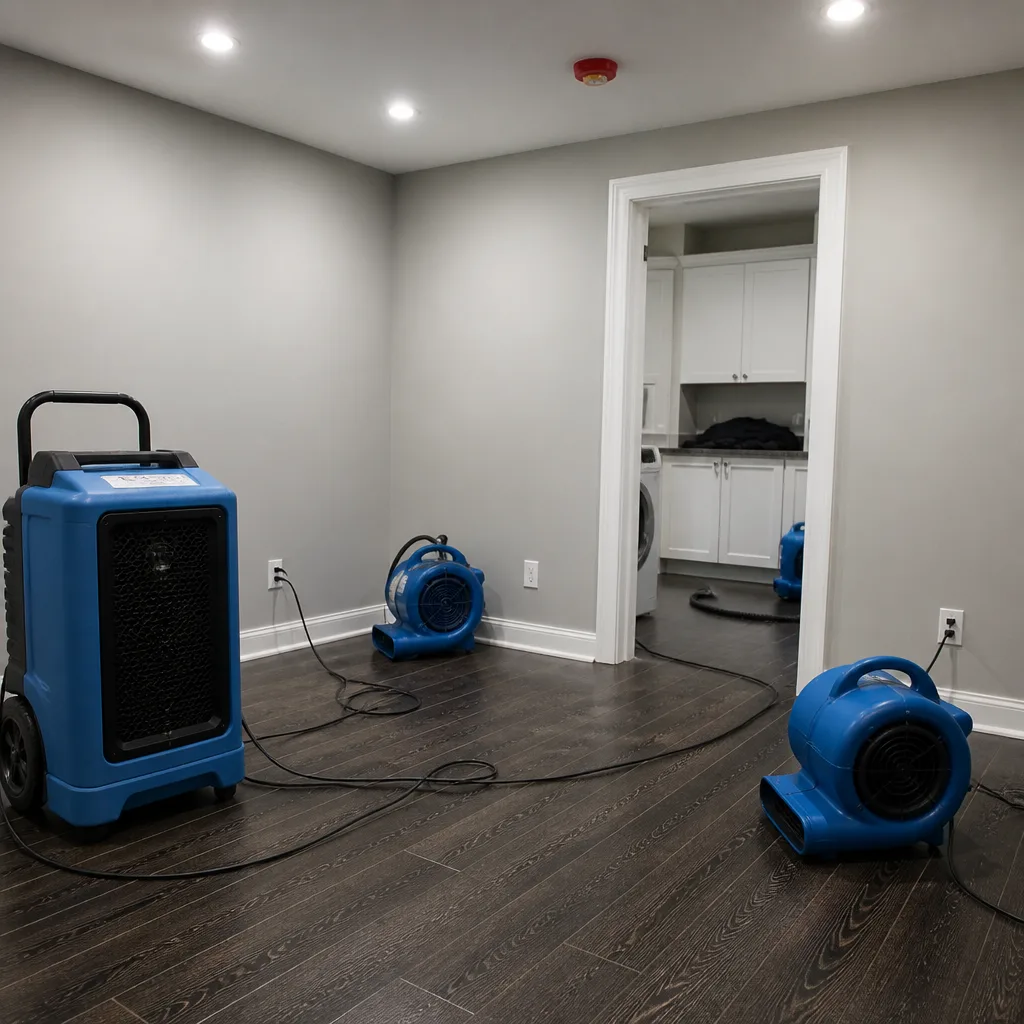
Commercial-grade Dri-Eaz and Phoenix air movers and dehumidifiers go in, sized to the square footage and the wall cavity depth. We log daily moisture readings until every surface hits the dry standard.
4. Cleaning & Sanitization
HEPA air scrubbers run throughout the drying cycle. We apply antimicrobial treatments to salvageable surfaces and remove contents that cannot be saved, documenting everything for your claim.
5. Specialty Commercial Treatment
For multi-unit losses, we coordinate access with property managers and HOAs, handle pack-outs of tenant belongings, and run Injectidry systems inside wall cavities where traditional drying can’t reach.
6. Repairs & Reconstruction
Once the structure is dry and verified, our crew rebuilds what was removed: drywall, flooring, cabinetry, paint. The same team that extracted the water on day one finishes the job and hands you the moisture log.
Need Emergency Commercial Restoration in West New York Now?
Crews answering live 24 hours a day. The sooner we start, the less it costs.
Working With Your Insurance Company
Insurance claims on West New York commercial properties get complicated fast, especially when a single sewage backup crosses multiple units and multiple policies. We document from the first hour: photos of every affected room, moisture readings from day one through the final dry standard, and a line-item scope of work your adjuster can actually read. Curt Bowman built Floodline Restoration Co. around a dispatch board, not a sales desk, and that means our paperwork is as disciplined as our drying. Your adjuster gets direct communication from our project lead, not a game of telephone through you. The goal is simple: a square deal, no surprises on the bill, and coverage applied correctly the first time.
What We Provide Your Insurer
- Thorough documentation of the loss
- Photos of all damage, room by room
- Moisture readings and drying logs
- A detailed, line-item scope of work
- Direct coordination with your carrier
Built for West New York’s Loss Calendar
West New York’s restoration calendar follows the Hudson River weather and the age of its buildings. January and February bring deep freezes that crack uninsulated supply lines in exposed stairwells and exterior wall chases, sending water through multiple floors of pre-war walk-ups before anyone notices the ice. Spring thaw on the Palisades escarpment means saturated soil against old foundations, and flat roof membranes that cracked during winter freeze-thaw cycles start leaking into top-floor units and commercial spaces on Bergenline Avenue. Summer thunderstorm flash flooding hits the low-lying blocks near the waterfront, where storm drains back up and basement-level retail takes on water. Nor’easters and high-tide events through the fall keep the ground-floor and basement commercial spaces along River Road and Port Imperial on alert. Hurricane Sandy is still relevant: many waterfront buildings carry latent moisture in concealed wall cavities and floor assemblies that reactivates during coastal storms. Our crews know which buildings on which blocks historically see trouble, and we plan our equipment staging accordingly.
Commercial Restoration Across West New York’s Neighborhoods
The work changes block by block. Along Bergenline Avenue, the commercial spine of West New York, ground-floor storefronts sit directly beneath three to five floors of residential units. A bathtub overflow or sink backup on the third floor becomes a ceiling collapse in a bodega or pharmacy below, and we’ve learned to open walls quickly and check the cast-iron waste stack for cracks before drying even begins. The 60th Street corridor and the blocks around Park Avenue are dense with pre-WWII brick tenements where party walls carry moisture between adjacent buildings, meaning your neighbor’s roof leak can become your mold problem. Up on the Palisades escarpment, older multi-family buildings face chronic roof membrane failures and parapet leaks, especially on the upper floors. Along Port Imperial and River Road, the post-2000s high-rises bring a different challenge entirely: complex HVAC risers, finished common corridors, and elevator shaft drainage that requires large-loss commercial protocols and immediate coordination with building management. In every neighborhood, parking and alley access decide how fast equipment gets inside. Our crew knows which buildings need a curb-side staging plan and which alleys a truck can clear.
Specialized Commercial Restoration Services We Offer in West New York
Office & Retail Restoration
A retail store on Bergenline Avenue can lose a week of revenue to a ceiling leak from the apartment above if drying isn’t started within hours. We work after-hours where possible, set up containment to keep your doors open, and dry in place when the structure allows so you don’t close longer than necessary.
Multi-Unit & HOA Restoration
This is the bread and butter of West New York restoration. When a sewage backup in one unit saturates ceilings and walls on three or four floors, we coordinate access with the HOA, the property manager, and every affected tenant. We scope the full vertical column, not just the unit that called, and we bill each party’s carrier correctly so common-area drying doesn’t become a dispute.
Industrial Facility Cleanup
The light industrial and warehouse spaces along the town’s western edge have concrete floors, high-bay ceilings, and heavy equipment that can’t just be moved. We stage drying equipment around operational needs, run containment around active work zones, and log moisture until the dry standard is met without shutting your operation down entirely.
Large-Loss Response
When a sprinkler activation floods multiple floors of a Port Imperial high-rise, or a roof failure takes out an entire top floor on the Palisades, you need more than a cleanup crew. Floodline Restoration Co. runs Commercial Restoration as a full-cycle operation: extraction, drying, rebuild, and final walkthrough by the same certified team, with a moisture log in your hands at the end.
Business Interruption Minimization
Every day a West New York business stays closed is a day of lost revenue that insurance may not fully cover. We prioritize speed on the front end, document every hour of mitigation for your business interruption claim, and work with your adjuster directly so the numbers hold up. Our West New York crews stage equipment for quick deployment precisely so you reopen faster.
What happens when you call
- 1
A real person answersNo phone trees - you reach a local pro.
- 2
You get an upfront price rangeHonest numbers before anyone is dispatched.
- 3
A background-checked tech heads outLicensed & insured, dispatched right away.
- 4
You approve before work beginsNothing starts until you say go.
Commercial Restoration Costs in West New York, NJ
A single-unit water extraction and drying job in a West New York walk-up typically runs $2,800 to $5,500, depending on how far the water traveled and whether wall cavities need Injectidry treatment. A sewage backup crossing multiple floors with Category 3 contamination usually lands between $7,000 and $15,000, because containment, antimicrobial treatment, and multi-unit access coordination add real cost. Large-loss commercial responses in waterfront high-rises or multi-floor retail complexes start around $20,000 and climb with square footage, mechanical involvement, and rebuild scope. What moves the price in West New York specifically is vertical access: stairwell-only buildings, no freight elevator, and tight curb-side equipment staging all add labor hours. Insurance often covers most of a covered loss, but your deductible and any exclusions for long-standing maintenance issues apply. The free inspection is how you get a firm number. Call (551) 373-5246 and we’ll walk you through the real scope before any work starts.
We Also Serve Cities Near West New York
Floodline Restoration Co. crews cover the full Hudson County rim and the Meadowlands edge. We respond to commercial losses in Kearny, Harrison, North Arlington, and Lyndhurst, bringing the same certified crews, live 24/7 dispatch, and 90-Day Done Right Promise to every job.
Serving West New York, NJ - Our Local Coverage Area
We’re based in the West New York area and know this community well. Use the map below to see our service coverage - if you’re nearby, we can almost certainly help.
West New York Commercial Restoration Questions, Answered
How do you access upper-floor water damage in West New York walk-ups when there’s no freight elevator and stairwells are narrow?
We carry equipment up the stairwells, and we’ve done it hundreds of times in the 5- and 6-story buildings along Bergenline Avenue and 60th Street. Our crews use compact Dri-Eaz and Phoenix units sized for narrow access, and we stage larger equipment at the curb with hoses run through windows or roof access where the building allows. The key is that we plan access before we arrive, so the first hour isn’t spent figuring out how to get inside.
Does a sewage backup in a Bergenline Avenue building require notifying all vertical neighbors, even if they didn’t call?
Yes. West New York’s pre-war buildings run cast-iron soil stacks straight down through multiple units without cleanouts. A backup on the fourth floor can saturate the ceilings and walls of the third, second, and ground-floor spaces before anyone sees it. We assess the full vertical column above and below any reported loss, and we coordinate with the property manager or HOA to access affected units. Ignoring the column means mold shows up weeks later in a unit that never called us. Call (551) 373-5246 if you suspect a stack failure; we’ll map the full extent.
How does Hurricane Sandy storm surge still affect commercial restoration in West New York’s waterfront high-rises today?
Many Port Imperial and River Road buildings that took storm surge in 2012 still carry latent moisture in concealed wall cavities, slab assemblies, and mechanical rooms. That moisture reactivates during nor’easters and high-tide flood events, causing “ghost” stains, musty odors, and hidden mold growth that looks like a new loss but is actually a decade-old one resurfacing. Our thermal imaging and moisture mapping detect these concealed reservoirs, and we’ve learned to check below-grade mechanical spaces in waterfront buildings even when the reported leak is several floors up.
What’s the biggest difference between a commercial water loss in West New York versus a suburban office park?
West New York is one of the most densely populated municipalities in the United States, packed with multi-family buildings along the Hudson Palisades. In a suburban office park, a pipe burst usually affects one suite. Here, a single roof leak or sewage backup crosses multiple units, multiple tenants, and multiple insurance policies, and the party walls between pre-war buildings mean moisture migrates sideways too. The coordination burden is fundamentally different, and it’s why we run multi-unit access and common-area billing as a core service rather than an add-on.
Can you keep a West New York retail store open while drying a ceiling leak from an apartment above?
Often, yes. We set up containment barriers and negative air pressure to isolate the affected area, run drying equipment in phases, and work around your operating hours where possible. The deciding factors are how far the water spread, whether ceiling materials are at risk of collapse, and what your insurer requires for a safe premise. We’ll tell you straight on the inspection call what’s feasible. Keep doors open, keep revenue coming in, and let us handle the drying.
How fast can someone actually get to my West New York commercial property?
Our crews are dispatched from the New York metro area and positioned to reach West New York quickly, typically inside 45 minutes for emergency calls. A live dispatcher answers at (551) 373-5246 24/7 and starts the crew moving while you’re still on the phone. For non-emergency inspections, we schedule at your convenience, often same-day or next morning.
Will my insurance cover a commercial restoration loss in West New York?
Most commercial policies cover sudden and accidental water damage, fire, and sewage backup, but the specifics depend on your policy language, exclusions for maintenance issues, and the cause of loss. We document everything from the first hour, communicate directly with your adjuster, and provide the line-item scope and moisture logs carriers need to process the claim correctly. Our direct insurance billing means you’re not fronting the full cost and chasing reimbursement.
What should I do in the first 30 minutes after discovering a commercial water or sewage loss?
Call (551) 373-5246 first. While you wait, shut off the water supply if you can do so safely, move electronics and documents out of the affected area, and take photos of everything you can see. Do not enter standing water if electrical panels or outlets are nearby. Do not try to dry the area yourself with household fans; that spreads contaminated moisture through the air. The first call and the first hour determine whether this is a drying job or a rebuild.
If you’re facing water, fire, sewage, or storm damage in a West New York commercial property, call Floodline Restoration Co. at (551) 373-5246 now. We answer live, every hour of every day. The visual inspection is free, the scope is written before work begins, and the job is backed by the 90-Day Done Right Promise. Done right, and backed in writing.
Written by Curt Bowman, Owner at Floodline Restoration Co., serving the New York metro area with commercial restoration since 2010.